How Philippine In-House Legal Teams Improve Matter Management

How Philippine In-House Legal Teams Improve Matter Management
In today's increasingly regulated business environment, legal departments are expected to do far more than respond to legal issues as they arise. Corporate legal teams are now strategic business partners responsible for managing compliance, supporting growth initiatives, mitigating risks, and delivering faster legal services across the organisation.
For many Philippine in-house legal teams, however, growing workloads often create operational challenges. Contract reviews, regulatory matters, employment disputes, governance requests, and compliance activities can quickly overwhelm manual processes built around emails, spreadsheets, and disconnected systems.
This is where effective matter management becomes essential.
Organisations across different regions are facing similar operational challenges. For example, many legal departments are prioritising greater visibility into legal workloads and processes, as discussed in this article on how corporate legal departments can gain better matter visibility. This growing focus on transparency is driving legal technology adoption worldwide.
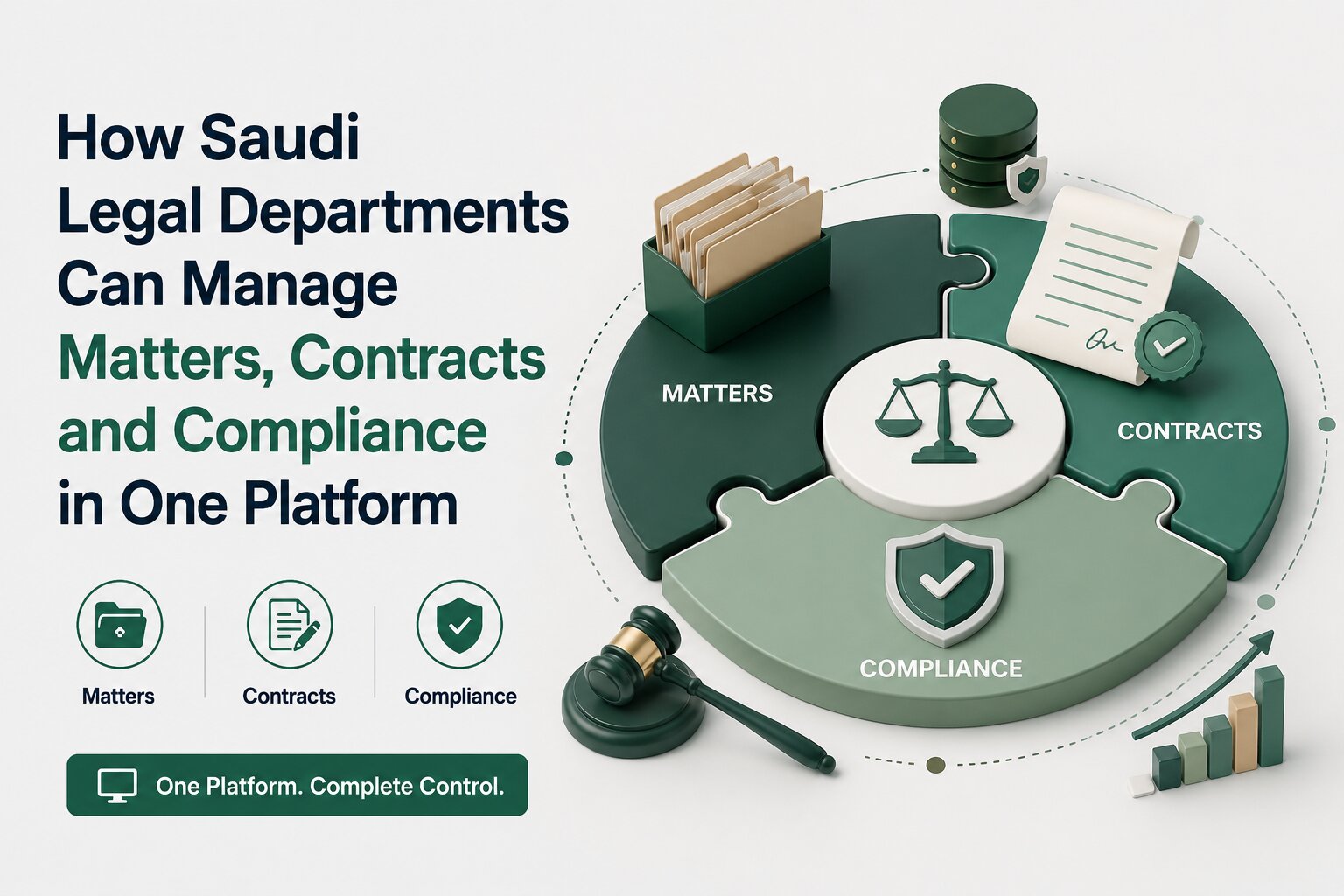
By implementing structured legal workflows and modern legal technology, organisations can improve visibility, strengthen collaboration, and ensure legal work is handled efficiently from intake to resolution.
Why Matter Management Has Become a Strategic Priority for Philippine Legal Teams
The role of corporate legal departments in the Philippines has evolved significantly over the past decade.
Legal teams are no longer viewed solely as advisors who step in when problems occur. They are increasingly expected to support business objectives while ensuring compliance with evolving regulations, corporate governance requirements, and industry standards.
At the same time, legal workloads continue to grow.
Many legal departments are managing:
- Increasing contract volumes
- More regulatory obligations
- Data privacy requirements
- Employment-related matters
- Corporate governance activities
- Internal investigations
Without a structured approach to managing legal work, teams often struggle to prioritise requests and maintain visibility across active matters.
As legal operations mature globally, organisations are recognising that better matter management directly contributes to efficiency, accountability, and business performance.
What Is Legal Matter Management?
Legal matter management refers to the process of organising, tracking, managing, and reporting on legal work throughout its lifecycle. Rather than managing requests through disconnected emails and spreadsheets, legal teams use structured workflows to ensure matters are consistently handled from start to finish.
Understanding the Matter Lifecycle
Every legal matter follows a journey.
Typically, this includes:
- Request intake
- Matter classification
- Assignment to legal professionals
- Collaboration and review
- Resolution or closure
- Reporting and analysis
Having a defined lifecycle helps ensure that deadlines, documents, communications, and responsibilities remain visible throughout the process.
Common Types of Legal Matters Handled by In-House Teams
Corporate legal departments manage a wide range of legal activities, including:
- Contract reviews and approvals
- Employment disputes
- Regulatory compliance matters
- Corporate governance issues
- Intellectual property requests
- Litigation management
- Vendor and procurement agreements
Each matter requires coordination between legal and business stakeholders, making effective management critical.
Common Matter Management Challenges Facing Philippine In-House Legal Teams
Despite their growing responsibilities, many legal departments continue to rely on manual processes that create inefficiencies.
Information Scattered Across Emails and Spreadsheets
One of the most common challenges is fragmented information. Documents, approvals, legal opinions, and communications often reside across multiple email threads and shared folders. Consider a compliance investigation involving HR, finance, and legal. If key documents are spread across different systems, locating accurate information can become time-consuming and frustrating.
This lack of centralisation increases both operational delays and compliance risks.
Limited Visibility Into Legal Workloads
Legal leaders frequently struggle to answer simple questions:
- How many matters are currently active?
- Which requests are high priority?
- Where are bottlenecks occurring?
Without centralised reporting, resource planning becomes difficult and reactive.
Collaboration Bottlenecks Between Departments
Legal work rarely happens in isolation.
Corporate counsel regularly collaborate with the following:
- Human Resources
- Procurement
- Finance
- Risk Management
- Executive teams
When communication channels are unclear, approvals are delayed, and matters remain unresolved longer than necessary.
Difficulty Measuring Legal Team Performance
Many legal departments lack meaningful data on:
- Matter resolution times
- Workload distribution
- Compliance performance
- Legal service efficiency
Without metrics, continuous improvement becomes challenging.
How Better Matter Management Improves Legal Team Collaboration
Strong collaboration is one of the biggest benefits of effective matter management.
Centralising Legal Information
A centralised matter management system creates a single source of truth for legal work. Instead of searching through multiple systems, legal professionals can access relevant documents, communications, deadlines, and status updates from one location. This significantly reduces administrative overhead.
Improving Communication Across Stakeholders
Structured workflows improve communication by ensuring everyone involved understands their responsibilities. For example, when a procurement contract enters legal review, stakeholders can monitor progress without repeatedly requesting updates. This transparency reduces friction and improves responsiveness.
Creating Accountability Through Ownership and Tracking
Clear ownership is essential for efficient legal operations. Assigning responsibility to specific individuals helps ensure that legal matters move forward without unnecessary delays or confusion. Teams can also monitor deadlines, escalation points, approvals, and task dependencies more effectively when responsibilities are clearly defined.
For example, when a contract review request is assigned to a designated legal counsel, stakeholders can easily track progress and understand who is responsible for the next step. This level of visibility reduces bottlenecks and improves accountability across the entire workflow.
As legal workloads continue to increase, many organisations are exploring legal technology solutions that improve visibility and collaboration without adding administrative complexity. Legal departments that implement structured matter tracking often find it easier to identify process inefficiencies and areas for improvement. In fact, many corporate legal teams are prioritising efforts to eliminate legal workflow bottlenecks, recognising that streamlined processes can significantly improve responsiveness, productivity, and overall legal service delivery.
Essential Features of Modern Legal Matter Management Software
Not all legal technology platforms offer the same capabilities. Understanding key features helps legal departments make informed decisions.
Automated Matter Intake and Assignment
Legal intake workflows ensure requests enter the system consistently.
Automation can:
- The route matters to the appropriate legal professional
- Apply categorisation rules
- Prioritise requests based on risk or urgency
This reduces manual triage work and improves response times.
Centralised Document Management
Document management capabilities allow legal teams to store and retrieve files efficiently. Version control, search functionality, and secure access permissions help reduce errors and improve compliance.
Legal Workflow Automation
Workflow automation can streamline routine legal processes such as:
- Contract approvals
- Compliance reviews
- Escalation procedures
- Deadline notifications
By automating repetitive tasks and standardising workflows, legal departments can reduce manual effort, minimise errors, and ensure matters move through the appropriate review and approval stages without unnecessary delays.
For example, a contract request can be automatically routed to the relevant legal counsel, escalated if approval deadlines are missed, and tracked throughout the review process. This creates greater consistency while freeing legal professionals to focus on higher-value work such as risk assessment, strategic advisory services, and complex legal matters.
As legal workloads continue to grow, automation is becoming increasingly important for maintaining service quality without continually increasing resources. Organisations handling high volumes of legal requests often rely on automated workflows to improve efficiency, consistency, and turnaround times. Similar approaches are being adopted by enterprises focused on managing rising legal case volumes, where streamlined processes help legal teams maintain productivity while handling growing demands.
Reporting and Analytics
Modern legal operations increasingly rely on data.
Dashboards and analytics help leaders monitor:
- Matter volumes
- Resolution times
- Workload allocation
- Risk trends
These insights support better decision-making by providing greater visibility into team performance and operational priorities. Rather than relying on assumptions, legal departments can use real-time data to identify bottlenecks, optimise workflows, and plan resources more effectively.
Modern legal teams are also leveraging analytics to measure key performance indicators, track service delivery, and support continuous improvement initiatives. Comprehensive corporate legal matter management software guides often highlight reporting and analytics as essential capabilities because they enable legal departments to make informed, data-driven decisions while maintaining visibility across all active matters.
Secure Collaboration Tools
Security remains a priority for legal departments.
Effective platforms provide:
- Role-based permissions
- Audit trails
- Controlled document access
- Secure stakeholder collaboration
The Role of Legal Technology in Modernising Philippine Legal Operations
Technology is becoming a key enabler of legal transformation.
Cloud-Based Legal Platforms Are Becoming the New Standard
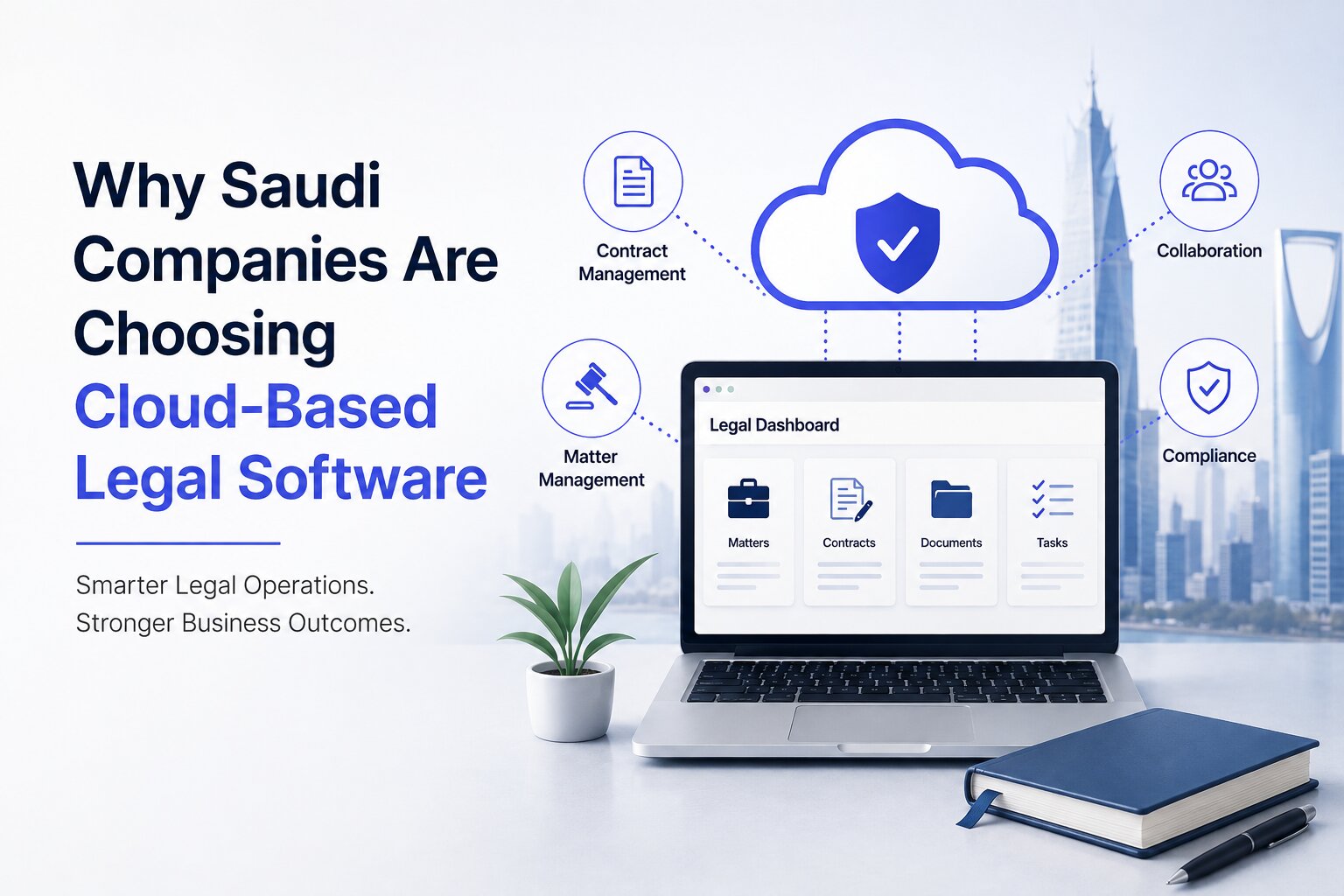
Cloud adoption continues to accelerate across corporate functions, including legal departments. As legal teams manage growing workloads and increasingly complex regulatory requirements, many organisations are moving away from fragmented systems and manual processes in favour of integrated digital platforms.
When evaluating legal technology, organisations often look beyond individual features and focus on how a solution can support matter management, compliance, collaboration, document management, and reporting within a single environment. As a result, in-house legal department software delivered through the cloud has become a key enabler of legal operations transformation.
Cloud-based solutions offer:
- Remote accessibility
- Improved scalability
- Business continuity support
- Reduced infrastructure requirements
These benefits are particularly valuable for organisations operating across multiple offices, regions, or business units. Legal professionals can securely access matters, documents, and workflows from anywhere while maintaining visibility and control over ongoing legal activities. Additionally, cloud-based platforms make it easier to adapt to changing business needs without the complexity and cost associated with traditional on-premise systems.
AI Is Increasingly Supporting Legal Workflows
Artificial intelligence is beginning to play a practical role in legal operations.
Common applications include:
- Matter classification
- Document review
- Information retrieval
- Workflow recommendations
While AI does not replace legal expertise, it can help teams process information more efficiently and improve productivity.
Data-Driven Decision Making for Legal Leaders
Legal leaders are increasingly expected to demonstrate measurable business value. Analytics provide insights into operational performance, helping departments identify inefficiencies and allocate resources more effectively.
Building a More Collaborative Legal Department: Best Practices
Technology alone is not enough. Successful legal operations require strong processes and governance.
Standardise Intake Processes
Every legal request should enter through a consistent channel. Standardisation improves visibility and ensures requests are handled according to established workflows.
Define Matter Prioritisation Criteria
Not all legal matters carry the same level of risk. Establishing prioritisation frameworks helps teams focus on matters with the greatest business impact.
Establish Clear Service-Level Expectations
Clearly defined response and resolution targets improve stakeholder satisfaction and accountability.
Encourage Cross-Functional Knowledge Sharing
Legal departments often accumulate valuable institutional knowledge. Creating reusable templates, playbooks, and knowledge repositories helps reduce repetitive work and improve consistency.
How Smart Legal Counsel Supports Matter Management and Collaboration
As legal departments seek to modernise operations, purpose-built legal technology can help bridge process gaps and improve visibility.
Smart Legal Counsel is designed to support corporate legal teams by centralising legal matters, automating workflows, and improving collaboration across departments.
Supporting End-to-End Matter Tracking
A centralised matter management environment enables legal teams to track matters from intake through closure while maintaining visibility into status, ownership, and deadlines.
Enhancing Collaboration Across Business Functions
Structured workflows help legal teams collaborate more effectively with HR, Finance, Procurement, and other stakeholders involved in legal processes.
Improving Reporting and Operational Visibility
Access to real-time reporting allows legal leaders to better understand workload trends, resource allocation, and operational performance.
Future Trends Shaping Matter Management in the Philippines
Legal operations will continue to evolve as organisations embrace digital transformation.
Greater Adoption of AI-Assisted Legal Operations
AI-powered tools will increasingly support legal professionals by automating routine administrative tasks and accelerating information retrieval.
Increased Demand for Legal Analytics
Data-driven legal departments will continue to gain prominence as organisations seek measurable performance improvements.
Stronger Focus on Compliance and Governance
As regulatory expectations increase, legal teams will require greater visibility and control over compliance-related activities.
Integration with Enterprise Systems
Future legal technology platforms will increasingly integrate with:
- ERP systems
- HR platforms
- Contract management solutions
- Document management systems
These integrations will create more connected and efficient business processes.
Frequently Asked Questions
What is legal matter management?
Legal matter management is the process of organising, tracking, and managing legal work from initial intake through resolution while maintaining visibility, accountability, and reporting.
How does matter management improve collaboration?
Matter management centralises information, standardises workflows, and improves communication between legal teams and business stakeholders.
Why do in-house legal teams need matter management software?
Matter management software helps reduce manual administration, improve compliance oversight, increase visibility, and support more efficient legal operations.
What features should legal matter management software include?
Key features include matter tracking, workflow automation, document management, collaboration tools, reporting dashboards, and analytics.
How can Philippine legal teams improve legal operations?
By standardising processes, adopting legal technology, centralising legal information, and using analytics to drive continuous improvement.
Strengthening Legal Collaboration Through Better Matter Management
As legal departments become increasingly strategic, effective matter management is no longer simply an operational improvement—it is a business necessity. For Philippine in-house legal teams, better matter management delivers tangible benefits: improved collaboration, greater visibility, enhanced compliance oversight, faster response times, and more efficient legal service delivery.
Organisations that invest in structured legal workflows and modern legal technology are better positioned to manage growing workloads while supporting broader business objectives.
If your legal department is looking to streamline matter tracking, improve collaboration, reduce administrative burdens, and gain greater operational visibility, exploring solutions such as Smart Legal Counsel can be a valuable next step.
Request a personalised demonstration to see how modern legal matter management can support your organisation's legal operations goals.
Best in-house legal software for legal teams in the Philippines
Best matter management for legal departments in the Philippines
Best corporate legal case management software in the Philippines
If you need a free demo of the best legal practice management software in the UAE, please fill out the form below.