Corporate Legal Matter Management Software Guide for In-House Teams
Introduction: Why In-House Legal Teams Need Better Matter Management
The role of corporate legal departments has changed significantly over the past few years. In-house legal teams are no longer focused solely on managing disputes and ensuring compliance. Today, they are expected to support business growth, advise leadership, manage risk, oversee contracts, and help organisations navigate increasingly complex regulatory environments.
At the same time, legal teams are being asked to do more with limited budgets and leaner resources.
As businesses grow across multiple locations and legal responsibilities continue to expand, relying on spreadsheets, email chains, and disconnected systems becomes increasingly difficult. Information gets scattered, deadlines become harder to track, and gaining visibility into ongoing legal work becomes a challenge.
This is why many organisations are turning to corporate legal matter management software. By centralising legal information and automating routine processes, these platforms help legal departments operate more efficiently while maintaining greater control over their workload.
What Is Corporate Legal Matter Management Software?
Corporate legal matter management software is a centralised platform that enables legal departments to manage matters, documents, deadlines, budgets, workflows, and team collaboration from a single system.
Instead of switching between spreadsheets, shared drives, email inboxes, and multiple applications, legal teams can access all matter-related information in one place. This creates greater visibility, improves accountability, and helps ensure that nothing falls through the cracks.
What Counts as a Legal Matter?
A legal matter can be any issue, project, dispute, or activity that requires involvement from the legal department.
Examples include:
- Employment disputes
- Litigation cases
- Regulatory investigations
- Intellectual property matters
- Compliance reviews
- Commercial disputes
- External counsel engagements
For many organisations, several of these matters may be active at the same time. A legal department could be handling a supplier dispute, supporting a regulatory audit, managing employment concerns, and reviewing commercial agreements simultaneously. Without a structured system, keeping track of progress, documents, deadlines, and responsibilities can quickly become overwhelming.
Why Traditional Matter Management Methods Fall Short
Many legal departments still rely heavily on spreadsheets and email folders to manage their work. While these tools may be adequate for smaller teams, they often become difficult to manage as workloads increase.
Limited Visibility Across Matters
Legal information is often spread across multiple systems and departments.
When matter-related information is stored in different locations, legal teams may struggle to get a complete picture of ongoing work. This can slow decision-making and make it harder to identify potential risks early.
Increased Risk of Missed Deadlines
Manual tracking methods leave more room for error.
Court dates, filing deadlines, regulatory obligations, renewal dates, and internal approvals can easily be overlooked when teams rely on calendar reminders and spreadsheets alone. Missing even a single deadline can expose the organisation to financial, legal, or reputational risks.
Difficulty Measuring Performance
Corporate legal departments are increasingly expected to demonstrate efficiency and business value.
However, gathering meaningful data becomes difficult when information is stored across multiple spreadsheets and systems. Legal leaders often struggle to track:
- Matter volumes
- Resolution timelines
- Team workloads
- Legal spend
- Outside counsel performance
Without reliable data, identifying improvement opportunities becomes much more challenging.
Key Benefits of Corporate Legal Matter Management Software
The benefits of matter management software extend well beyond organisation. Modern platforms help legal departments operate more strategically while improving day-to-day efficiency.
Improved Visibility
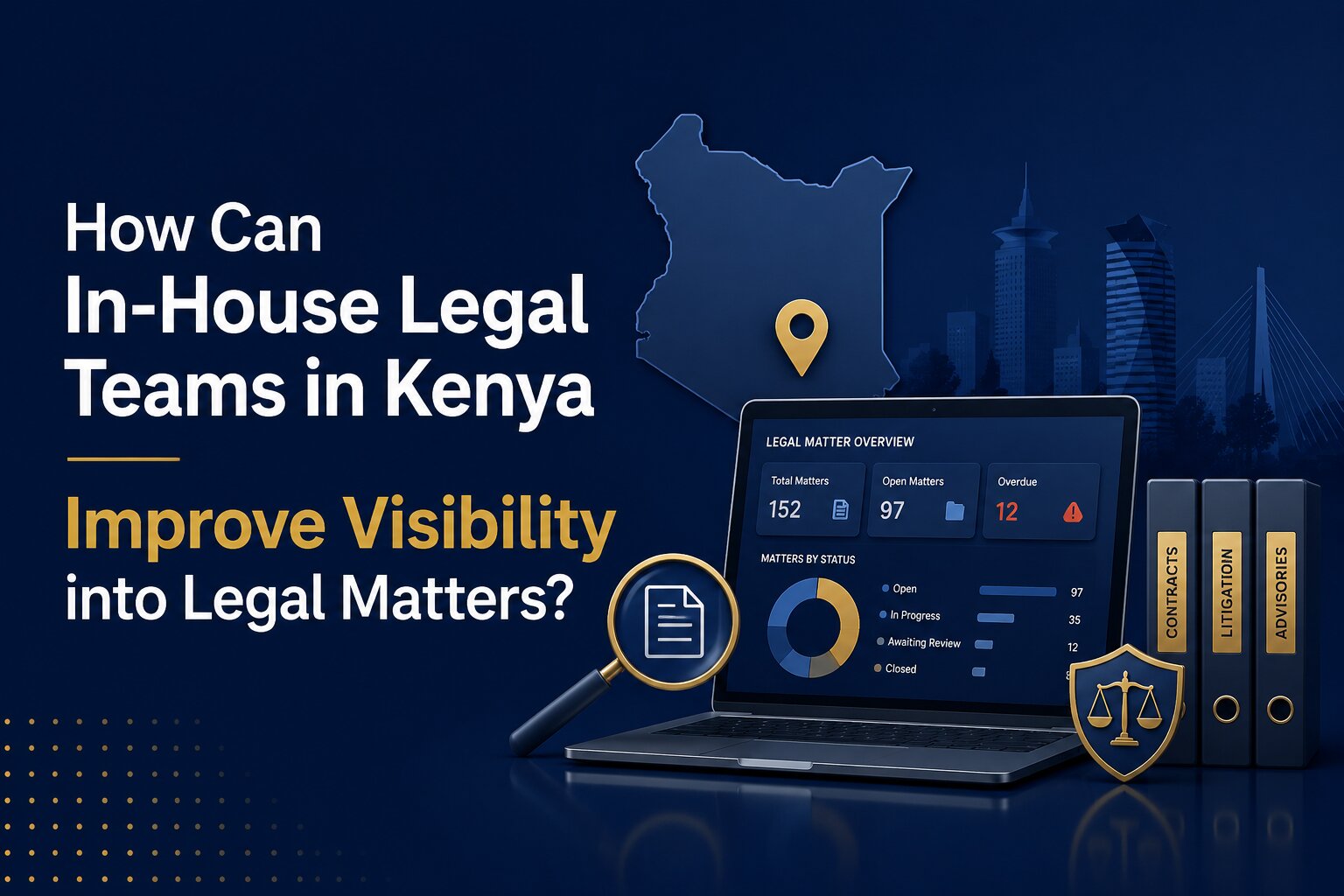
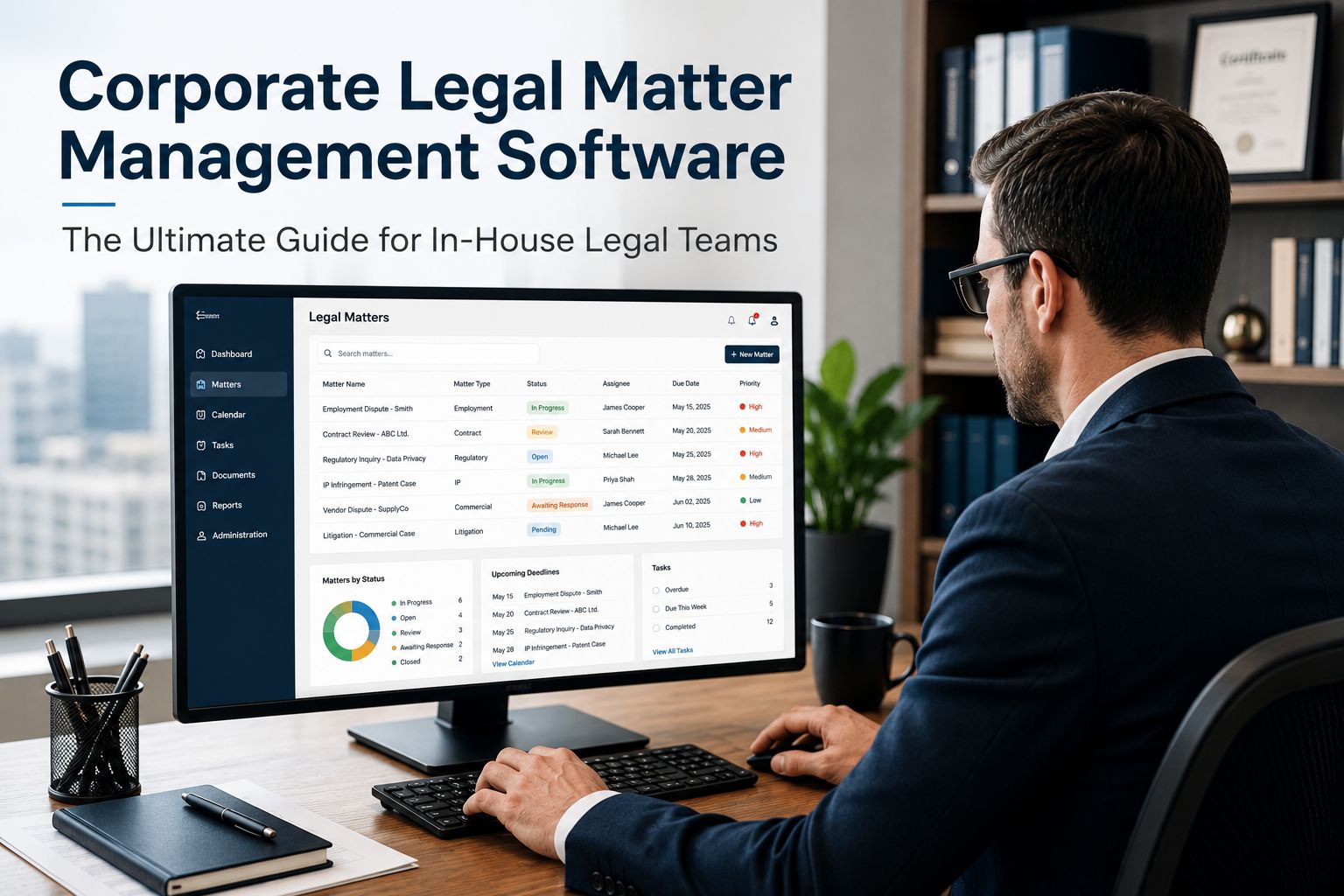
Centralised dashboards provide a clear overview of all active matters.
Legal professionals can quickly view matter status, upcoming deadlines, assigned team members, budgets, and risk levels without searching through multiple systems.
More Effective Resource Allocation
Managers gain better visibility into team capacity and workloads.
This allows work to be distributed more evenly, helping prevent bottlenecks and ensuring critical matters receive the attention they require.
Stronger Compliance and Governance
Structured workflows, document controls, and audit trails help organisations strengthen governance and maintain compliance with internal policies and regulatory requirements.
Better Control of External Legal Spend
Matter management platforms make it easier to monitor outside counsel activity, budgets, and invoices.
With greater visibility into legal spending, organisations can control costs more effectively while maintaining quality legal support.
Faster Response Times
When information is organised and easily accessible, legal teams can respond more quickly to business requests, executive inquiries, and emerging legal risks.
Essential Features to Look For
Not all legal matter management solutions offer the same functionality. Choosing the right platform requires understanding which capabilities will have the greatest impact on your legal operations.
Matter Lifecycle Management
The system should support the entire lifecycle of a matter, from intake and assignment through resolution and closure.
Document Management
Documents should be securely stored within each matter record, making them easier to locate while reducing version-control issues.
Workflow Automation
Automation helps reduce administrative workload and improve consistency.
Common examples include:
- Matter intake routing
- Approval workflows
- Deadline reminders
- Escalation procedures
By automating repetitive tasks, legal professionals can focus more time on strategic legal work.
Legal Calendar and Deadline Tracking
Integrated calendars and automated notifications help ensure important deadlines are not missed.
Reporting and Analytics
Strong reporting capabilities allow legal departments to monitor:
- Matter volumes
- Resolution times
- Legal spend
- Team productivity
- Risk trends
These insights support better operational and strategic decision-making.
Security and Compliance Controls
Because legal departments handle highly sensitive information, security should be a priority.
Look for features such as:
- Role-based access controls
- Audit trails
- Data encryption
- Compliance monitoring
Supporting Modern Legal Operations
Matter management software is becoming a foundational component of modern legal operations strategies.
Helping General Counsel Make Better Decisions
General Counsel and legal leaders need visibility into legal performance, resource allocation, and organisational risk. Matter management platforms provide the information needed to support strategic planning, executive reporting, and budget management.
Improving Cross-Department Collaboration
Legal teams frequently collaborate with HR, finance, procurement, compliance, and executive leadership. A centralised platform helps streamline communication and ensures stakeholders have access to accurate, up-to-date information when required.
Enabling Data-Driven Legal Departments
Legal departments are increasingly expected to operate as strategic business partners. With access to real-time data and performance insights, legal teams can demonstrate measurable contributions to broader business objectives.
Why Organisations Across the UAE and Middle East Are Investing in Legal Technology
Digital transformation is accelerating across the UAE and the wider Middle East. As organisations expand into new markets and face increasing regulatory obligations, legal departments need more efficient ways to manage legal work and control risk. Corporate legal matter management software helps organisations improve visibility, strengthen governance, and manage legal operations more effectively.
For businesses operating in Dubai, Abu Dhabi, and other major commercial centres, legal technology is becoming an important component of operational efficiency and long-term competitiveness.
Many corporate legal departments are also reassessing how they manage matters, compliance obligations, contracts, and internal legal workflows. As legal operations become more complex, technology plays an increasingly important role in improving oversight and supporting business objectives. To learn more about the challenges facing corporate legal teams in the region, read our guide on In-House Legal Department Software in the UAE: A Quick Guide to Managing Corporate Legal Operations.
Choosing the Right Legal Matter Management Solution
Selecting a legal matter management platform involves more than comparing feature lists.
Questions to Consider
Before making a decision, legal leaders should evaluate whether the platform can:
- Scale alongside business growth
- Support workflow automation
- Integrate with existing systems
- Deliver meaningful reporting
- Meet organisational security requirements
Signs Your Team Has Outgrown Manual Processes
You may be ready for a dedicated matter management platform if your legal department is experiencing:
- Increasing matter volumes
- Recurring deadline challenges
- Limited reporting capabilities
- Growing compliance responsibilities
- Difficulty monitoring workloads
These are often indicators that manual processes are restricting efficiency and visibility.
How Smart Legal Counsel Supports In-House Legal Teams
As legal operations become more complex, purpose-built technology can play a significant role in improving performance.
Smart Legal Counsel is a legal matter management software solution for corporate legal departments. It enables in-house legal teams to manage legal matters, track deadlines, organise documents, automate workflows, monitor legal spend, and gain real-time visibility into legal operations from a centralised platform.
By bringing matters, documents, deadlines, budgets, and reporting into a single platform, legal departments can reduce administrative burdens while maintaining stronger oversight and accountability.
Rather than relying on fragmented spreadsheets and email-based processes, legal teams can work within a structured environment that supports efficiency, consistency, and informed decision-making.
The Future of Corporate Legal Matter Management
Legal technology continues to evolve rapidly, creating new opportunities for legal departments to improve performance and deliver greater business value.
AI-Assisted Matter Management
Artificial intelligence is increasingly being used to support the following:
- Matter classification
- Workload forecasting
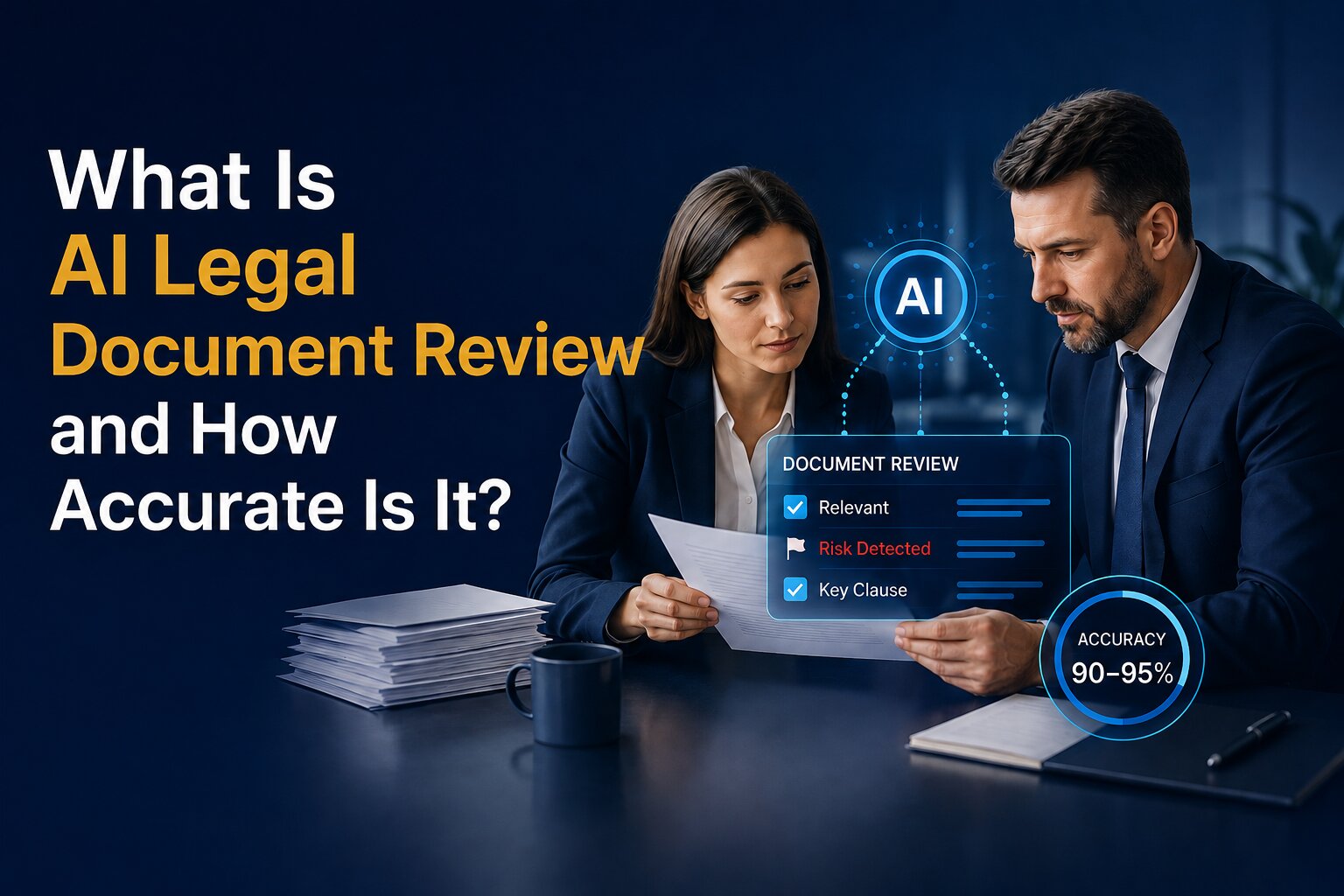
- Document analysis
- Risk identification
These capabilities can help legal teams make faster and more informed decisions.
Advanced Legal Analytics
Data and analytics are becoming essential tools for measuring legal department performance and demonstrating value to the organisation.
Connected Legal Technology Ecosystems
The future of legal operations lies in integrated technology environments where matter management works seamlessly alongside contract management, compliance systems, legal research tools, and reporting platforms.
Frequently Asked Questions
What is corporate legal matter management software?
It is a platform that helps in-house legal teams manage legal matters, documents, deadlines, workflows, budgets, and reporting from a single centralised system.
How does matter management software improve efficiency?
It reduces manual administrative work, centralises information, automates workflows, improves collaboration, and provides better visibility into legal operations.
What types of matters can be managed?
Legal teams can manage litigation, employment disputes, regulatory investigations, compliance reviews, intellectual property matters, commercial disputes, and outside counsel engagements.
Which features are most important?
Key features include matter tracking, workflow automation, document management, deadline monitoring, reporting, analytics, security controls, and compliance support.
Why are UAE organisations adopting legal matter management software?
Many organisations are investing in legal technology to improve operational efficiency, support digital transformation initiatives, strengthen compliance management, and gain better control over legal risk.
Conclusion
Corporate legal departments are facing growing workloads, increasing regulatory complexity, and greater expectations from business leadership. Managing legal matters through spreadsheets and disconnected systems often creates unnecessary inefficiencies and limits visibility into legal operations.
Corporate legal matter management software provides a more effective approach by centralising information, automating workflows, improving collaboration, and delivering valuable operational insights.
For organisations looking to modernise legal operations and strengthen oversight, the right matter management solution can provide significant long-term benefits.
If your legal team is still relying on manual processes, now may be the ideal time to explore a more structured approach. Smart Legal Counsel helps organisations streamline matter management, improve visibility, and build more efficient, data-driven legal operations.
Best corporate legal matter management software in the UAE
Best in-house legal department software in the UAE
Best legal workflow automation software in the UAE
If you need a free demo of the best corporate legal matter management software in the UAE, please fill out the form below.