Corporate Legal Operations: Building a Connected Workflow for In-House Legal Teams
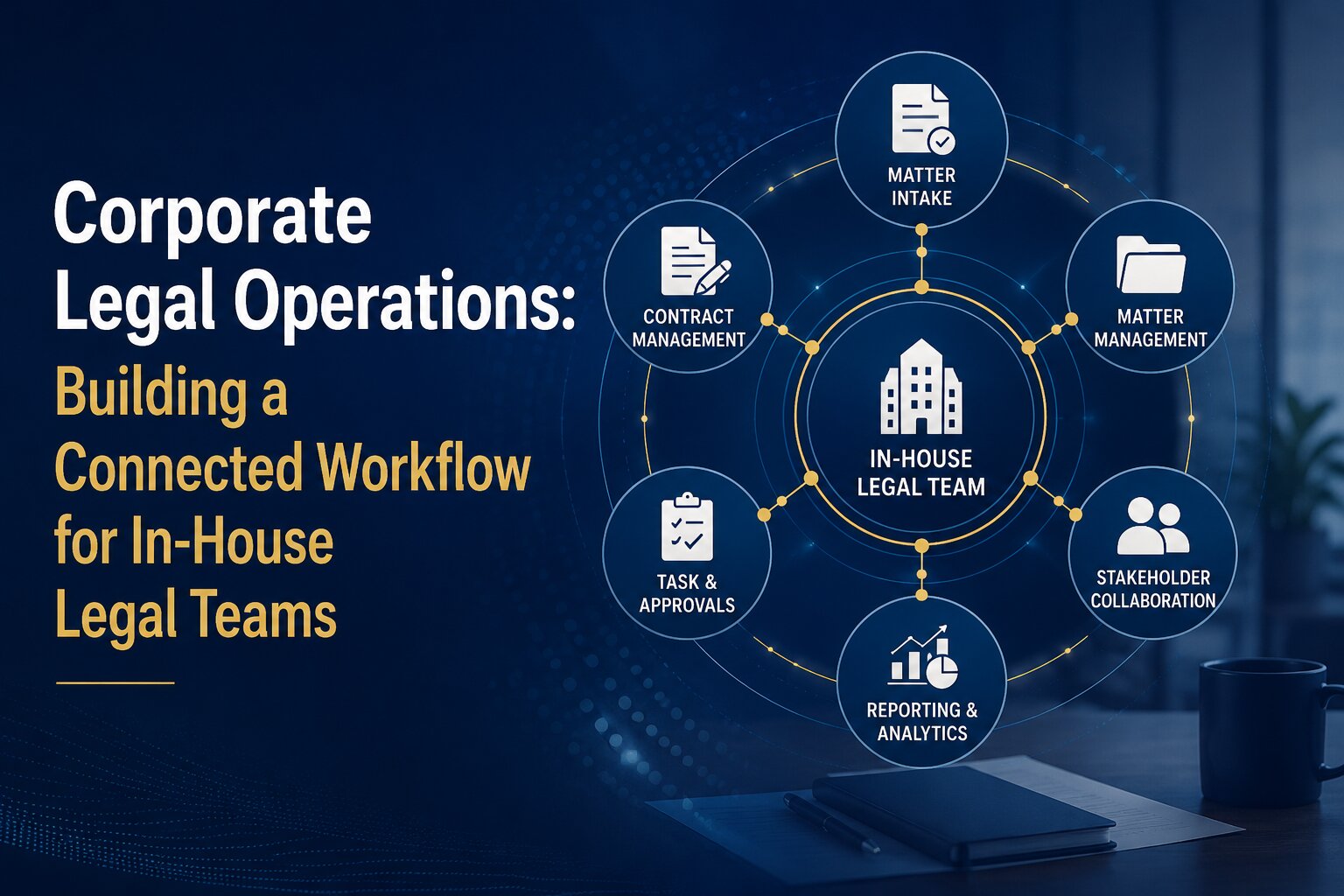
Corporate legal teams rarely spend their entire day on legal advice alone. Their responsibilities often begin with a request from HR, Finance or Procurement and extend to contract reviews, ongoing legal matters, compliance responsibilities and discussions with external law firms. As a business grows, these activities become more frequent and involve more people. Managing everything through separate email conversations, spreadsheets and shared folders can make it difficult to keep track of work and know what needs attention.
The challenge is not simply the amount of work a legal department handles. It is how that work moves between people, departments and different stages. A request may be waiting for a document, a contract may need another approval, or an important matter may require an update from an external law firm. Without a clear process, even routine activities can take longer than expected. This is where well-organised corporate legal operations can make a difference.
What Does Corporate Legal Operations Actually Involve?
Corporate legal operations refers to the way a company's legal department organises its daily activities, manages resources and supports the wider business. It covers much more than handling legal questions or reviewing documents. It also involves making sure that requests are received, matters are assigned, deadlines are monitored and important information is available when the team needs it.
For an in-house legal department, this can include managing requests from business units, maintaining legal matter records, reviewing contracts, monitoring compliance responsibilities and coordinating with external counsel. The team may also need to keep track of legal expenses, pending approvals and the workload assigned to individual members.
These responsibilities are closely connected. A contract review may lead to a compliance question, while a business request may develop into a larger legal matter. When each activity is managed separately, it becomes harder to understand how the work fits together. A clear approach to legal operations helps the department manage these responsibilities as part of its regular business activities.
Managing Legal Requests from Different Departments
In-house legal teams receive requests from almost every part of an organisation. HR may need advice on an employment matter, procurement may require a contract review, and finance may need support with a payment dispute. Each request can have different requirements, supporting documents and deadlines.
Problems often begin when requests arrive through different channels without a consistent process. Some may come through email, others through informal conversations or direct messages. Important details may be missing, and the legal team may need to spend additional time asking for documents or clarifying what the department actually needs. It can also be difficult to identify which requests are urgent and who should handle them.
A structured request process gives the legal team a clearer starting point. Each request can be recorded with its purpose, relevant documents, priority and responsible person. The team can then review incoming work, assign it appropriately and monitor its progress. This also gives other departments a better understanding of whether their request has been received, assigned or completed. Rather than searching through multiple conversations for updates, everyone has a clearer record of the work.
Keeping Every Legal Matter Organised and Moving Forward
Legal matters can remain active for weeks, months or even longer, depending on their nature. During that time, the team may need to manage documents, communicate with different people, complete internal tasks and meet important deadlines. Without a reliable way to record these activities, it is easy for information to become scattered.
A legal matter should have a clear record from the time it is opened. This includes the matter details, people involved, assigned legal team members, related documents and important dates. As the matter progresses, the team should be able to record updates, assign tasks and see which actions are still pending. When a matter is completed, its outcome and relevant records should remain available for future reference.
This level of organisation is useful not only for individual lawyers but also for legal managers. They can review active and completed matters, identify work that has been delayed and understand how responsibilities are distributed across the department. It also makes it easier to find previous information when a similar issue arises.
Connecting Legal Workflows with Everyday Business Activities
Legal work rarely happens in isolation. Many activities require input or approval from departments outside the legal team. Consider a purchase agreement that needs to be reviewed before the company enters into a new arrangement. Procurement may initiate the request, Legal may review the terms, Finance may check the commercial details, and an authorised manager may need to approve the final version.
When these steps are handled through separate email conversations, it can be difficult to know who needs to act next. A review may be delayed because a document is missing, or an approval may remain pending without anyone noticing. These small gaps can affect the wider business process.
A connected workflow gives each stage a clearer place in the process. The request can move from one responsible person to another, with the relevant documents, tasks and approvals recorded along the way. Team members can see what has been completed and what still needs attention. This does not mean every legal activity needs the same process. Different requests may require different steps, but having a clear route for each type of work makes coordination easier.
Keeping Compliance Responsibilities and Deadlines in View
Compliance is an ongoing responsibility for many organisations. Legal teams may help identify applicable obligations, coordinate with internal departments, maintain supporting records and monitor important dates. These responsibilities can become difficult to manage when information is spread across different files or depends on individual reminders.
For example, a company may have several compliance obligations involving different departments. Each may require specific documents, periodic reviews or action before a particular date. If responsibility is not clearly assigned, the legal team may struggle to know whether the required work has been completed.
Keeping these obligations in an organised record can help. Each responsibility should have an owner, relevant documents, a due date and a clear status. Reminders can help teams prepare for upcoming deadlines, while regular reviews provide an opportunity to identify pending actions. The aim is not simply to maintain a list of obligations, but to make sure the people responsible know what needs to be done and when.
Managing External Law Firms and Legal Costs
Many corporate legal departments work with external law firms for specialist advice, disputes, transactions and other legal requirements. While this support can be valuable, coordinating several firms and ongoing matters requires regular attention from the in-house team.
The legal department needs to know which firm is handling each matter, what work has been assigned, whether updates have been received and what actions are still pending. It may also need to review invoices and monitor the costs associated with external legal support. When these details are maintained across individual emails and spreadsheets, getting a complete picture can take considerable effort.
A central record of external counsel matters, communications, documents and expenses makes this work easier to follow. The in-house team can review the status of assigned matters, check pending updates and keep track of legal spending. This also helps the department understand where external support is being used and whether the related work and expenses are being managed as expected.
What Should Companies Look for in Legal Operations Software?
As the number of legal responsibilities increases, companies may find that their existing tools are no longer enough. Email, spreadsheets and shared folders can support basic tasks, but they may not provide a connected view of requests, matters, contracts, compliance activities and expenses. Legal operations software can help bring these activities into a more organised working environment.
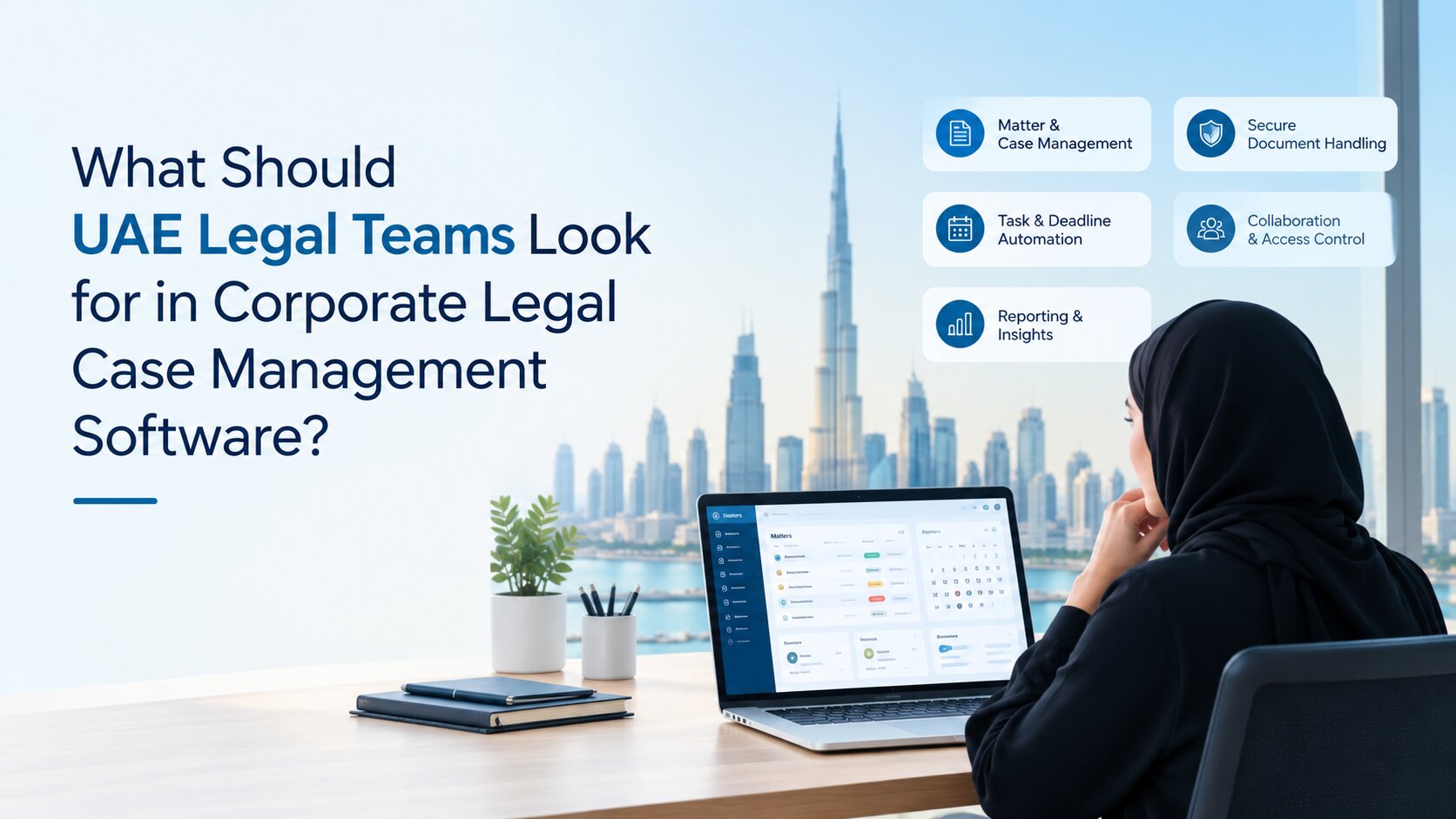
When considering a solution, companies should start with the actual needs of their legal department rather than choosing software based on a long list of features. The system should make it easier to receive and assign legal requests, maintain matter records, organise documents and track tasks and deadlines. If contract reviews and approvals are part of the team's daily work, those activities should also be supported. Companies that work with external law firms may need ways to monitor assigned matters and related expenses.
Reporting is another important consideration. Legal managers should be able to understand the department's workload, review pending matters and identify activities that need attention. The software should also fit the company's existing working methods and be straightforward for both legal and business users. A system that is difficult to use or does not match the team's processes may create additional work instead of making daily responsibilities easier to manage.
Bringing Corporate Legal Work Together with Smart Legal Counsel
For companies looking to organise their in-house legal activities, Beveron's Smart Legal Counsel provides a central platform for managing key corporate legal responsibilities. It supports legal matter management, contract management, compliance activities, external counsel coordination, legal expenses and department reporting.
By bringing these activities together, Smart Legal Counsel helps corporate legal teams maintain organised records, follow ongoing work and gain a clearer view of their responsibilities. Instead of managing every activity through disconnected tools, teams can work with information and processes in one system.
The right approach to corporate legal operations is not about adding more steps or making everyday work complicated. It is about giving people a clear understanding of what needs to be done, who is responsible and where each activity stands. For organisations reviewing their current legal processes, exploring a connected system such as Smart Legal Counsel can be a practical starting point.
Looking to bring more structure to your in-house legal operations? Explore Beveron Smart Legal Counsel or contact the Beveron team to discuss your organisation's requirements.
Frequently Asked Questions
1. What is corporate legal operations?
Corporate legal operations refers to the processes, people and tools used to manage a company's legal department. It includes legal requests, matter management, contracts, compliance activities, external counsel and legal expenses.
2. Why do in-house legal teams need organised workflows?
Organised workflows help legal teams manage incoming requests, assign responsibilities, monitor deadlines and keep work moving. They also make it easier for other departments to understand the status of their legal requests.
3. What is the difference between legal matter management and legal operations?
Legal matter management focuses on handling individual legal matters, including their documents, tasks, deadlines and progress. Legal operations covers the wider running of the legal department, including matters, requests, contracts, compliance, expenses and team responsibilities.
4. Can legal operations software help manage external law firms?
Yes. Suitable software can help in-house teams record matters assigned to external law firms, monitor progress, organise related documents and track legal expenses.
5. What should companies consider when choosing legal operations software?
Companies should consider their department's main requirements, including matter and request management, contract handling, compliance tracking, external counsel coordination, reporting and ease of use. The software should support the team's actual working processes.
Best in-house legal department management in the UAE
Best corporate legal management software in the UAE
Best legal matter management software in the UAE
If you need a free demo of the best in-house legal department management in the UAE, please fill out the form