How Kenyan Corporate Legal Departments Gain Better Matter Visibility

Introduction
For many corporate legal departments in Kenya, the challenge is no longer a lack of work—it's keeping track of all of it.
A typical in-house legal team may be reviewing contracts, handling employment matters, advising business units, managing compliance obligations, coordinating with external counsel, and responding to urgent leadership requests, all at the same time. As organisations grow, so does the volume and complexity of legal work.
Yet despite carrying significant responsibility, many legal teams still rely on emails, spreadsheets, shared folders, and manual follow-ups to manage their workload. Over time, this can create blind spots. Important deadlines become harder to monitor, legal requests get buried in inboxes, and managers struggle to understand where matters stand at any given moment.
This is where legal matter visibility becomes essential. When legal teams have a clear, real-time view of ongoing matters, they can prioritise work more effectively, identify risks earlier, support business stakeholders faster, and demonstrate the value they bring to the organisation.
In today's business environment, visibility isn't simply about staying organised. It has become a key component of effective legal operations. For organisations looking to build stronger legal processes and improve oversight, understanding the fundamentals of corporate legal matter management software can provide valuable insights into creating a more efficient and transparent legal function.
What Does Legal Matter Visibility Mean?
Legal matter visibility refers to the ability to see, track, and manage all legal work from a centralised and transparent perspective.
At its core, visibility means knowing the following:
- What legal matters are active
- Who is responsible for each matter
- Current progress and status
- Upcoming deadlines
- Associated risks
- Supporting documents and communications
Consider a growing Kenyan manufacturing company. The legal department may be handling supplier contracts, employment disputes, regulatory filings, land-related matters, and internal investigations simultaneously. Without a structured way to track these activities, leadership may have difficulty understanding which matters require urgent attention and which are progressing as expected.
When visibility improves, decision-making improves. Legal teams spend less time searching for information and more time delivering strategic legal support.
Why Visibility Challenges Are Growing for Kenyan Corporate Legal Teams
The demand placed on legal departments has changed significantly over the last few years. Legal teams are expected to move quickly, support business growth, and manage risk—all while often operating with limited resources.
Increasing Regulatory and Compliance Responsibilities
Regulatory compliance has become more complex across many industries in Kenya. Whether dealing with employment regulations, data protection requirements, corporate governance obligations, or sector-specific rules, legal teams are expected to maintain oversight across a growing number of compliance activities.
The challenge is that compliance information often lives in multiple places. A filing deadline might be recorded in a spreadsheet. Supporting documents may be stored in a shared drive. Related communications could be buried inside lengthy email chains.
When information is fragmented, maintaining visibility becomes increasingly difficult.
Legal Requests Arrive from Every Department
Unlike many business functions, legal departments support almost every area of the organisation. Procurement may require contract reviews. Human Resources may seek advice on employee matters. Finance may need assistance with regulatory issues. Senior executives often require immediate legal input on strategic decisions. Because requests arrive from multiple directions, legal teams can quickly become overwhelmed if there is no consistent process for capturing and tracking work. Many legal professionals have experienced the frustration of hearing, "Did you see my email?" only to discover the request was buried beneath dozens of other messages.
Without a structured intake process, important matters can easily be overlooked.
Growing Pressure to Demonstrate Business Value
Corporate legal departments are increasingly expected to show measurable contributions to the business.
Executives want answers to questions such as:
- How many matters is the legal team handling?
- What types of work consume the most time?
- How quickly are requests being completed?
- Where are the biggest legal risks?
Providing these insights becomes difficult when information is spread across disconnected systems. As legal operations continue to mature globally, visibility and reporting have become critical expectations rather than optional capabilities.
Common Signs Your Legal Department Lacks Visibility
Visibility problems rarely appear overnight. More often, they develop gradually as workloads increase and existing processes struggle to keep pace.
Some common warning signs include:
- Frequent requests for status updates
- Difficulty locating contracts or legal documents
- Missed deadlines or follow-ups
- Duplicate work across team members
- Limited reporting capabilities
- Unclear ownership of matters
- Heavy reliance on manual tracking methods
Imagine a situation where a procurement contract was submitted for review several weeks ago. The procurement team wants an update, management asks about progress, and the assigned lawyer is on leave. If there is no centralised tracking system, finding accurate information can quickly become a frustrating exercise.
These situations are often symptoms of a larger visibility challenge rather than isolated incidents.
The problem becomes even more noticeable as legal workloads increase. As organisations handle a growing number of contracts, disputes, compliance matters, and internal requests, maintaining visibility becomes increasingly difficult without structured processes and technology. Businesses facing this challenge may find it useful to explore how enterprises can manage rising legal case volumes while maintaining efficiency and control across their legal operations.
The Business Risks of Operating Without Matter Visibility
Limited visibility doesn't just affect legal teams. It can impact the entire organisation.
Increased Compliance Risk
One of the most significant risks is a failure to comply. When legal departments cannot easily monitor deadlines, regulatory obligations, or ongoing compliance activities, important requirements may be missed. Even small oversights can create unnecessary legal exposure, financial penalties, or reputational damage. Visibility helps legal teams identify potential issues before they become larger problems.
Delayed Business Decisions
Business leaders depend on timely legal input. When legal matters become difficult to track, approvals may take longer, contracts may remain unresolved, and critical business initiatives can stall.
For example, a supplier agreement awaiting review could delay a procurement project. A delayed compliance assessment might postpone a market expansion initiative. The less visibility legal teams have, the harder it becomes to support business agility.
In many cases, these delays are not caused by the complexity of legal work itself but by inefficient processes, unclear ownership, and a lack of visibility into matter progress. Organisations looking to improve turnaround times and operational efficiency can benefit from understanding how corporate legal teams can eliminate legal workflow bottlenecks and create more streamlined legal operations.
Higher Legal Costs
Poor visibility often leads to inefficiency.
Legal professionals may spend hours:
- Searching for documents
- Tracking email conversations
- Recreating lost information
- Following up on matter updates
Over time, these inefficiencies increase operational costs and reduce overall productivity. In some cases, organisations may even engage external counsel to address issues that could have been managed internally with better oversight.
How Modern Legal Departments Improve Visibility Across All Matters
Leading legal departments are addressing visibility challenges through a combination of process improvements and technology adoption.
Centralised Matter Management
A centralised approach creates a single source of truth for legal work. Instead of relying on multiple spreadsheets, email folders, and disconnected systems, legal teams can access matter information from one location.
This provides greater transparency into:
- Matter status
- Ownership
- Deadlines
- Documents
- Communications
When everyone works from the same information, collaboration becomes significantly easier.
Many organisations improve visibility by implementing specialised matter management platforms that centralise legal requests, contracts, documents, and reporting. Selecting the right solution requires careful consideration of workflow flexibility, reporting capabilities, scalability, and ease of adoption. For legal departments evaluating their options, understanding the features offered by the best legal matter management software can help support a more informed technology decision.
Standardised Intake and Request Workflows
Visibility begins the moment a request enters the legal department. A standard intake process ensures every request is captured consistently and assigned appropriately. Rather than relying on informal conversations or scattered emails, legal teams can establish a clear workflow for receiving, prioritising, and managing requests. This creates accountability while reducing the risk of work slipping through the cracks.
Real-Time Dashboards and Reporting
Data has become increasingly important in legal operations.
Modern reporting tools allow legal leaders to understand the following:
- Current workload levels
- Matter volumes
- Team capacity
- Response times
- Emerging risk areas
Rather than relying on assumptions, leaders can make decisions based on real operational insights. This visibility also helps demonstrate the legal department's value to senior management.
Automated Notifications and Deadline Tracking
Manual reminders are easy to miss. Automation helps ensure critical dates, contract renewals, approvals, and compliance obligations remain visible. Automated notifications reduce administrative effort while helping teams stay on top of important responsibilities. Many organisations are discovering that even small workflow automations can significantly improve operational efficiency.
Key Metrics Every Corporate Legal Department Should Track
You cannot improve what you cannot measure. Tracking the right metrics gives legal leaders a clearer understanding of performance and workload distribution.
Key metrics often include the following:
- Open matters
- Closed matters
- Average matter resolution time
- Contract turnaround times
- Compliance-related requests
- Team workload allocation
- External counsel spend
- Matter volumes by category
These insights help identify bottlenecks, improve resource planning, and support better decision-making. More importantly, they provide evidence of the legal department's contribution to organisational goals.
The Role of Legal Technology in Matter Visibility
Technology is playing an increasingly important role in helping legal departments operate more effectively.
Cloud-Based Legal Management Systems
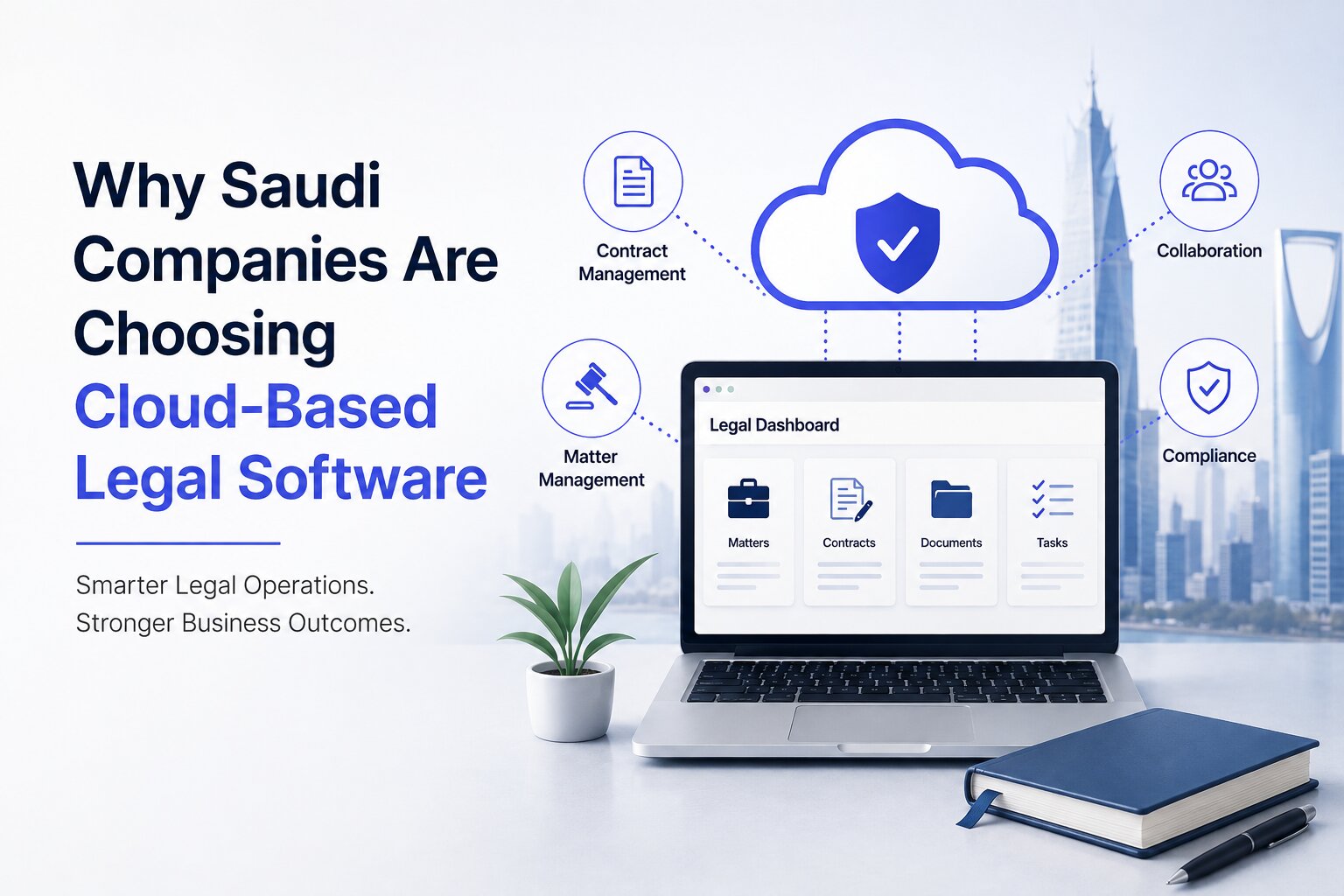
Cloud-based legal platforms provide a secure and accessible environment for managing legal work.
Benefits often include:
- Centralised information management
- Improved collaboration
- Secure document storage
- Enhanced reporting capabilities
- Greater flexibility for growing teams
As digital transformation accelerates across Kenya, more organisations are exploring cloud-based solutions to improve operational efficiency. For legal departments evaluating technology investments, understanding what to look for in the best in-house legal department software can help ensure the chosen solution supports visibility, collaboration, compliance, and long-term operational growth.
AI and Automation in Legal Operations
Artificial intelligence is becoming a practical tool within legal operations. While legal judgement remains firmly in the hands of legal professionals, AI can help automate repetitive administrative tasks.
Examples include:
- Document classification
- Matter categorisation
- Workflow routing
- Contract analysis support
- Reporting assistance
The goal is not to replace lawyers. It is to free up valuable time so legal professionals can focus on higher-value work.
How Smart Legal Counsel Helps Improve Matter Visibility
For legal departments seeking greater visibility, dedicated legal operations platforms can provide a structured framework for managing work more effectively. Smart Legal Counsel is designed to support legal teams by bringing matter management, document organisation, workflow automation, and reporting into a single environment. Rather than chasing updates across multiple systems, legal teams gain a clearer view of ongoing work, upcoming deadlines, and team workloads.
This type of visibility helps reduce administrative burden while improving consistency and accountability across legal operations. Most importantly, it allows legal professionals to spend less time on process management and more time providing strategic legal guidance.
Best Practices for Implementing Better Matter Visibility
Improving visibility is not solely about technology. Strong processes remain equally important.
Standardise Matter Intake Processes
A consistent intake process creates structure from the beginning. Every legal request should enter through a defined channel, ensuring information is captured accurately and assigned appropriately.
Establish Clear Ownership and Accountability
Every matter should have a designated owner. Clear responsibility reduces confusion and ensures accountability throughout the matter lifecycle.
Create Consistent Reporting Structures
Regular reporting creates ongoing visibility. Simple dashboards and periodic reviews can help legal leaders identify trends, manage workloads, and address challenges proactively.
Invest in User Adoption and Training
Technology delivers value only when people use it consistently.
Successful implementation requires:
- Staff training
- Clear communication
- Leadership support
- Ongoing process improvement
The most successful legal departments treat visibility initiatives as operational transformation projects rather than software deployments.
Future Trends Shaping Legal Visibility in Kenya
The future of legal operations will be increasingly data-driven.
Several trends are expected to influence how legal departments manage visibility over the coming years:
- AI-powered legal analytics
- Predictive workload forecasting
- Automated compliance monitoring
- Advanced legal reporting
- Greater adoption of cloud-based legal platforms
As legal departments continue to evolve, organisations that invest in visibility today will be better positioned to manage complexity tomorrow. The ability to quickly access information, monitor risk, and demonstrate performance will become a significant competitive advantage.
Frequently Asked Questions
What is legal matter visibility?
Legal matter visibility is the ability to track, monitor, and manage legal matters, deadlines, risks, documents, and workloads through a centralised system.
Why is legal matter visibility important?
It helps legal departments reduce risk, improve productivity, meet deadlines, support business decisions, and maintain stronger operational control.
How can corporate legal teams improve visibility into legal matters?
Legal teams can improve visibility by centralising matter management, standardising workflows, implementing reporting tools, and automating routine processes.
What software helps manage legal matters?
Legal matter management software helps teams track matters, organise documents, monitor deadlines, manage workflows, and generate performance reports.
How does legal matter management software benefit Kenyan organisations?
It improves efficiency, strengthens compliance oversight, enhances collaboration, reduces administrative work, and provides better visibility into legal operations.
Conclusion
Corporate legal departments across Kenya are being asked to handle increasing workloads, evolving regulatory requirements, and growing expectations from business stakeholders. Without clear visibility into legal matters, even highly skilled teams can find it difficult to prioritise work, manage risk effectively, and provide timely support to the wider organisation.
The encouraging reality is that improving visibility does not require a complete transformation overnight. Small but strategic changes—such as standardising intake processes, centralising matter information, tracking key performance metrics, and adopting the right legal technology—can significantly improve how legal teams operate.
When legal departments gain greater visibility into their matters, they are better positioned to make informed decisions, strengthen compliance oversight, improve collaboration, and demonstrate measurable value to the business.
For organisations looking to modernise legal operations, Smart Legal Counsel provides a practical way to centralise legal matters, automate workflows, improve reporting, and maintain greater control over legal workloads. By creating a clearer view of ongoing matters and potential risks, legal teams can spend less time managing administrative tasks and more time delivering strategic legal support.
Discover how Smart Legal Counsel can help Kenyan corporate legal departments improve legal matter visibility, reduce risk, and streamline legal operations for greater efficiency and business impact.
Best legal matter management software in Kenya
Best in-house legal department software in Kenya
Best legal department workflow management in Kenya
If you need a free demo of the best legal practice management software in the UAE, please fill out the form below.