Best Inhouse Legal Matter Management Software for Qatar Enterprises

Enterprise legal departments in Qatar are under increasing pressure to manage growing workloads, maintain regulatory compliance, and deliver faster legal support to the business. As organisations expand and regulations evolve, many legal teams find themselves juggling contracts, disputes, compliance reviews, investigations, and advisory requests across multiple departments.
For years, many in-house legal teams relied on spreadsheets, email chains, and shared folders to track legal matters. While these methods may work initially, they often become difficult to manage as workloads increase.
This is why more organisations are investing in legal matter management software. These platforms provide a centralised system for tracking legal work, improving visibility, streamlining workflows, and supporting better decision-making.
In this article, we'll explore what legal matter management software is, why Qatar enterprises are adopting it, and what features organisations should look for when evaluating solutions.
What is In-House Legal Matter Management Software?
Legal matter management software is a technology platform designed to help corporate legal departments organise, monitor, and manage legal matters from initiation through completion. Rather than storing information across multiple systems, the software centralises legal work in a single environment where teams can track deadlines, documents, communications, risks, and outcomes.
How Legal Matter Management Differs from Traditional Case Tracking
Traditional case tracking often focuses on maintaining basic records. Modern legal matter management systems go much further by providing workflow automation, collaboration tools, reporting capabilities, and compliance oversight.
For example, a large Qatar-based enterprise may simultaneously manage employment disputes, supplier contract reviews, regulatory enquiries, intellectual property matters, and corporate governance requests. Without a structured system, tracking progress across all these activities becomes increasingly difficult.
Legal matter management software helps ensure that every matter is properly assigned, monitored, and documented throughout its lifecycle.
Core Objectives of Matter Management Platforms
The primary objectives typically include:
- Improving visibility into legal workloads
- Enhancing collaboration across departments
- Supporting compliance and governance requirements
- Reducing administrative effort
- Providing actionable reporting and analytics
Ultimately, the goal is to help legal teams operate more efficiently while maintaining control over legal risk.
Why Qatar Enterprises Are Investing in Legal Technology
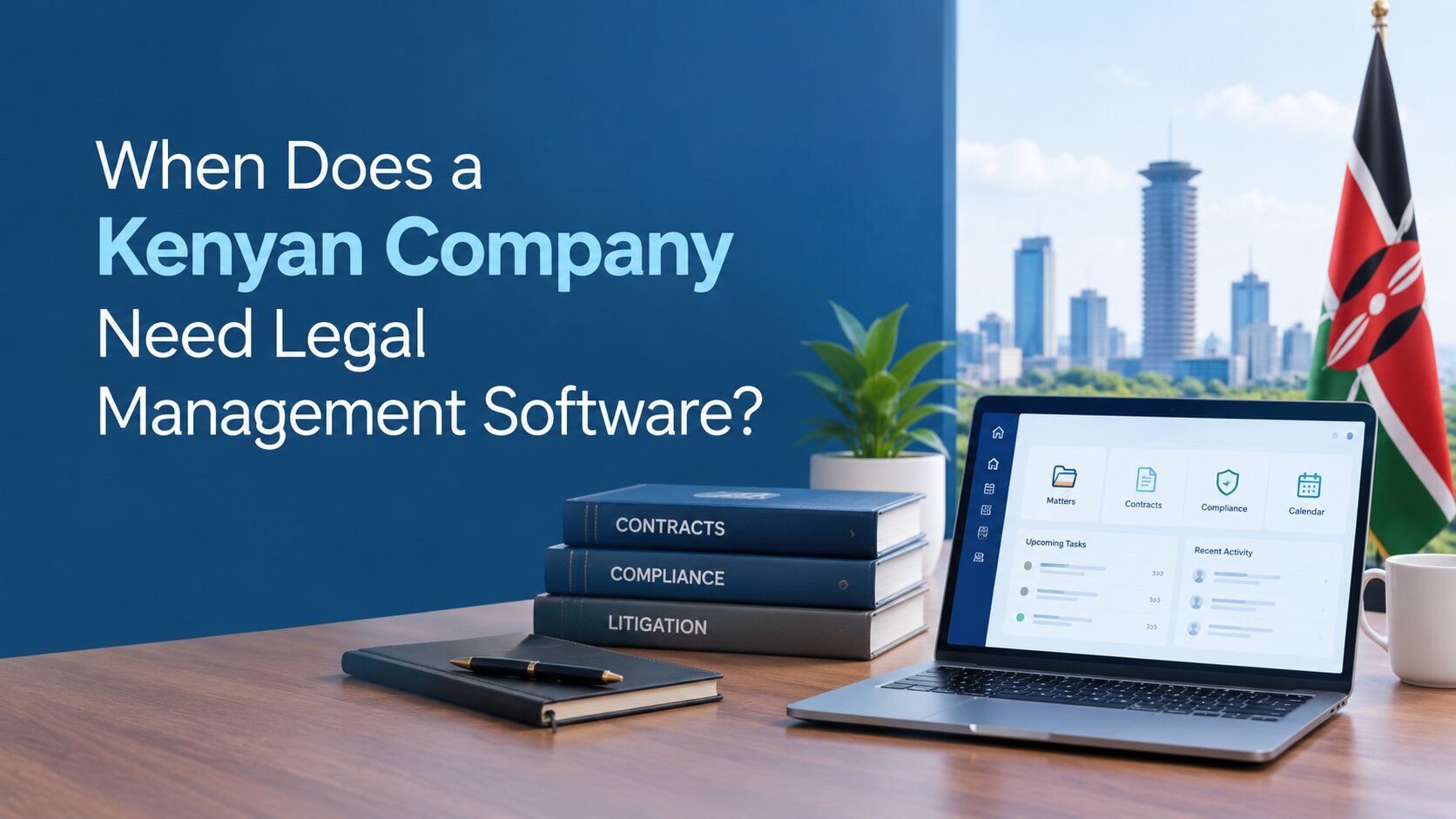
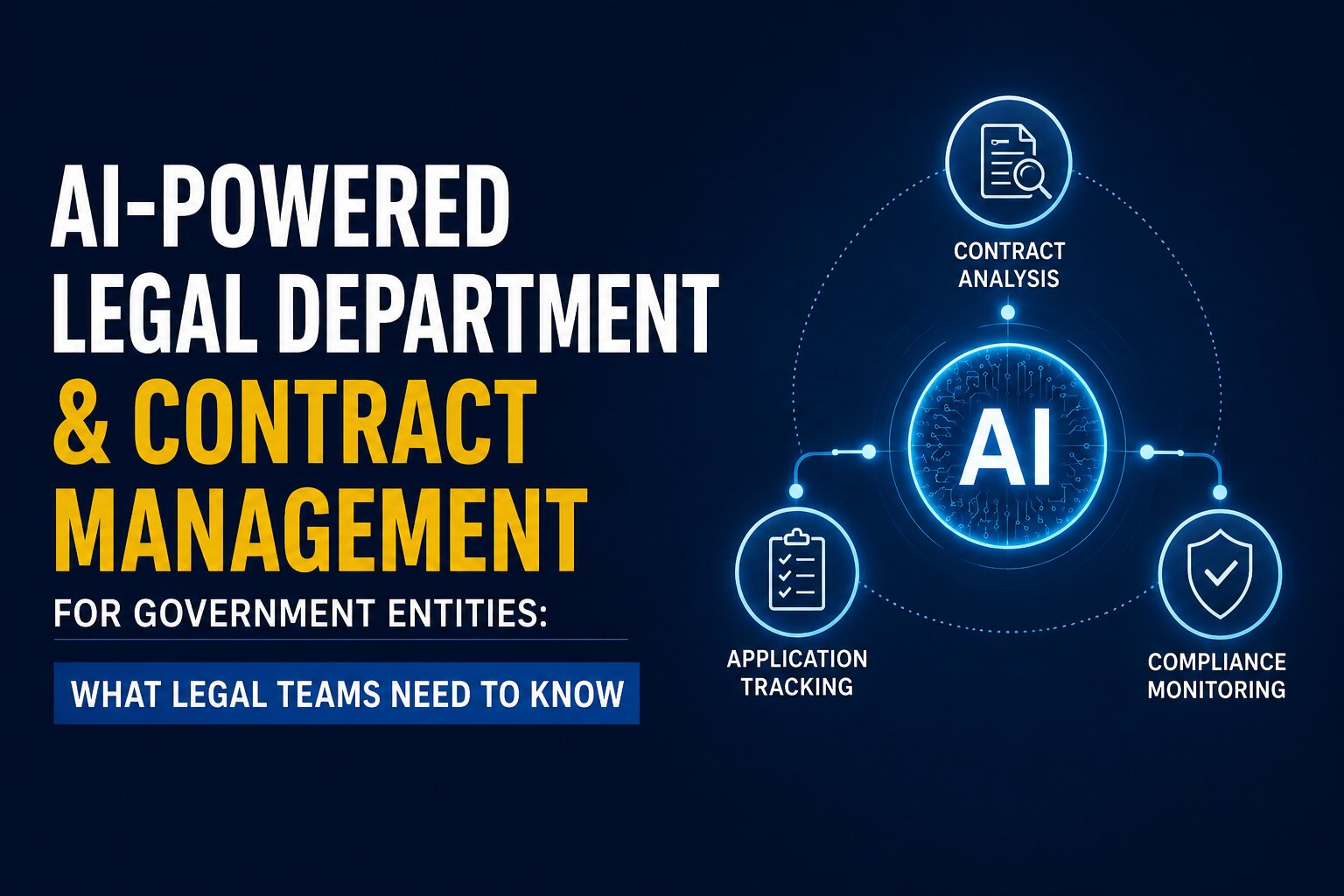
As legal workloads continue to increase across the region, many organisations are looking for practical ways to improve efficiency and reduce operational bottlenecks. Similar challenges are being addressed by corporate legal teams in Saudi Arabia, where workflow optimisation and process standardisation are becoming key priorities. Read more in How Saudi Corporate Legal Teams Can Eliminate Bottlenecks.
Rising Regulatory and Compliance Demands
Qatar enterprises operate within an environment where governance, regulatory compliance, and risk management remain top priorities. Legal teams must monitor contractual obligations, regulatory developments, internal policies, and audit requirements. When information is spread across emails and spreadsheets, maintaining compliance becomes more challenging.
Centralised matter management software helps legal departments maintain consistent records, monitor deadlines, and create audit-ready documentation.
Increasing Legal Workloads with Limited Resources
Many in-house legal teams face a familiar challenge: more work but not necessarily more people.
Business units frequently submit requests related to procurement, HR, finance, operations, and commercial activities. As organisations grow, legal teams often struggle to keep pace with increasing demand.
According to recent legal operations trends, organisations continue investing in automation and legal technology to improve productivity while controlling operational costs. Legal departments are increasingly expected to demonstrate efficiency through measurable outcomes rather than simply handling legal work.
Key Features to Look for in Legal Matter Management Software
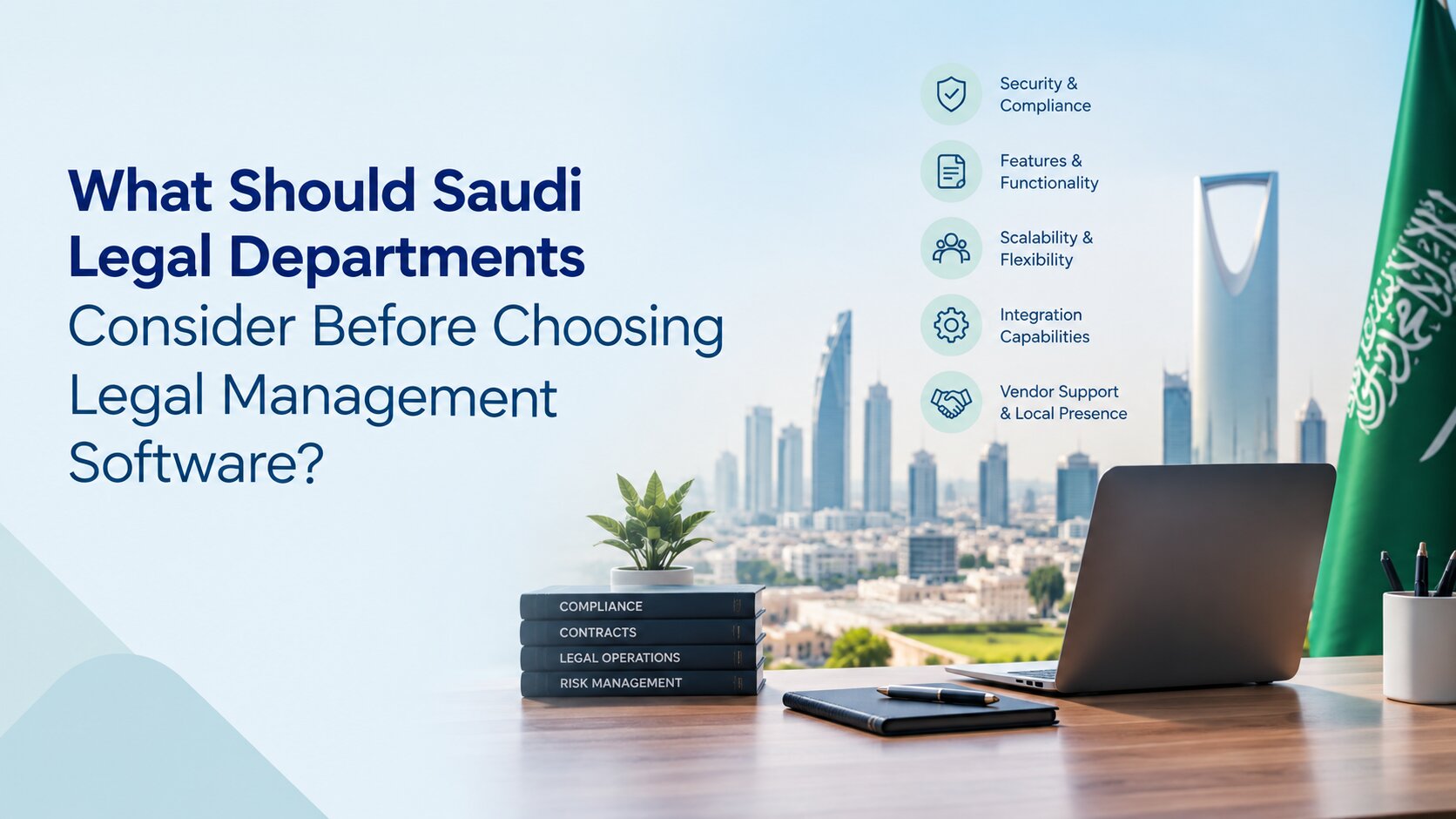
Effective matter management relies heavily on organised and accessible documentation. Many legal departments are also investing in document automation to reduce manual drafting and improve consistency across legal processes. Learn more in Best Legal Document Automation Software for Saudi Legal Teams in 2026.
Matter Intake and Request Management
A structured intake process ensures legal requests are submitted consistently. For example, HR may need employment advice, procurement may require contract review, and finance may request regulatory guidance. Instead of relying on email, requests can be submitted through standardised workflows.
This creates greater visibility and helps legal teams prioritise work effectively.
Centralised Matter Tracking
A centralised dashboard allows legal professionals to monitor:
- Matter status
- Assigned responsibilities
- Key deadlines
- Priority levels
- Matter categories
This reduces the risk of matters being overlooked and improves accountability across the team.
Legal Document Management
Documents often represent the backbone of legal work. Effective legal document management includes secure storage, version control, advanced search functionality, and collaborative editing capabilities. These features help legal teams locate information quickly and reduce duplication.
Workflow Automation
Administrative tasks can consume a significant portion of a legal professional's day.
Workflow automation can streamline activities such as:
- Approval routing
- Task assignment
- Deadline reminders
- Escalation procedures
- Status notifications
This allows legal professionals to focus more on strategic legal work rather than repetitive administration.
Reporting and Analytics
Modern legal operations increasingly rely on data-driven decision-making.
Reporting tools help legal leaders understand:
- Matter volumes
- Team workloads
- Resolution timelines
- Compliance trends
- Resource allocation
These insights support better planning and operational improvements.
Security and Cloud Accessibility
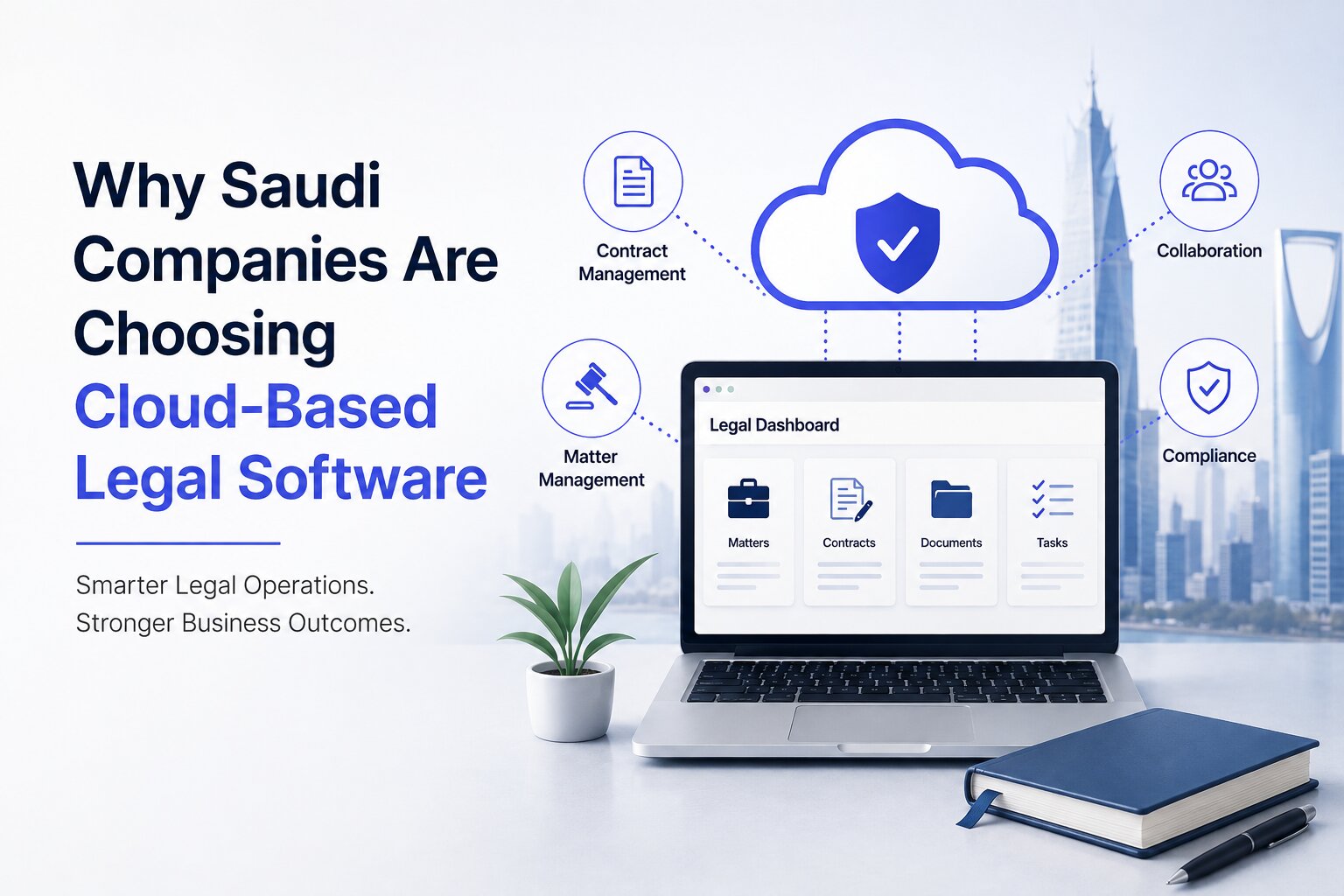
Security remains a critical consideration for legal departments. Cloud-based legal management software should provide robust access controls, encryption, secure authentication, and disaster recovery capabilities while allowing authorised users to access information from multiple locations.
How Matter Management Software Improves Legal Operations
Growing legal matter volumes are not unique to Qatar. Enterprises across the region are facing similar pressures as legal teams manage larger caseloads with limited resources. Organisations looking to improve visibility and control over increasing legal workloads may also find value in How Indian Enterprises Can Manage Rising Legal Case Volumes.
Better Visibility Across Legal Matters
One common challenge for legal leaders is obtaining a clear picture of active workloads. With a centralised system, managers can instantly view open matters, pending approvals, approaching deadlines, and resource allocation. This visibility improves planning and reduces surprises.
Faster Collaboration Between Departments
Legal teams rarely work in isolation. Whether collaborating with HR, procurement, finance, or executive leadership, efficient communication is essential. Matter management platforms provide a shared environment where stakeholders can access updates without relying on lengthy email exchanges.
Reduced Administrative Burden
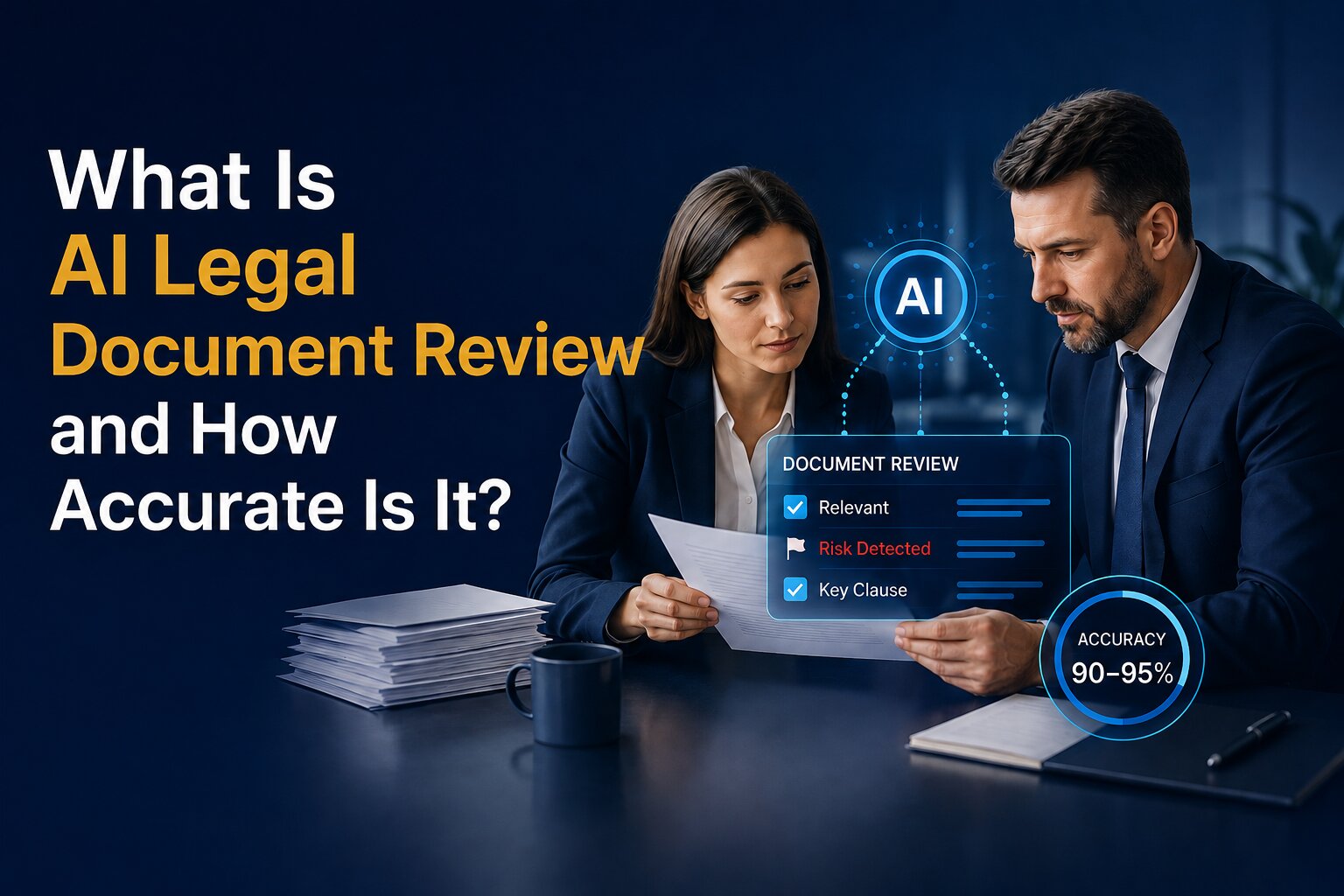
Studies continue to show that legal professionals spend considerable time on administrative activities. Automation helps reduce manual tracking, repetitive follow-ups, and routine reporting tasks. This creates more capacity for strategic legal advice and risk management.
As a practical exercise, organisations may benefit from reviewing their current legal workflows to identify where manual processes are creating delays or unnecessary complexity.
Improved Risk and Compliance Oversight
Audit trails, reporting dashboards, and automated alerts help legal departments maintain stronger oversight of critical obligations. This proactive approach reduces the likelihood of missed deadlines, incomplete documentation, or compliance gaps.
The Growing Role of AI in Legal Matter Management
Artificial intelligence is becoming an increasingly important component of legal technology platforms.
How AI Supports Legal Teams
AI can assist with several operational tasks, including:
- Matter classification
- Document analysis
- Information retrieval
- Risk identification
- Workflow recommendations
These capabilities can help legal teams process information more efficiently and improve consistency across workflows.
Where Human Expertise Remains Essential
Despite advances in AI, legal judgment remains irreplaceable. Complex negotiations, litigation strategy, regulatory interpretation, and risk assessments still require experienced legal professionals who understand business context and organisational objectives.
The most effective legal technology solutions support legal expertise rather than attempting to replace it.
Evaluating the Best Legal Matter Management Software for Qatar Enterprises
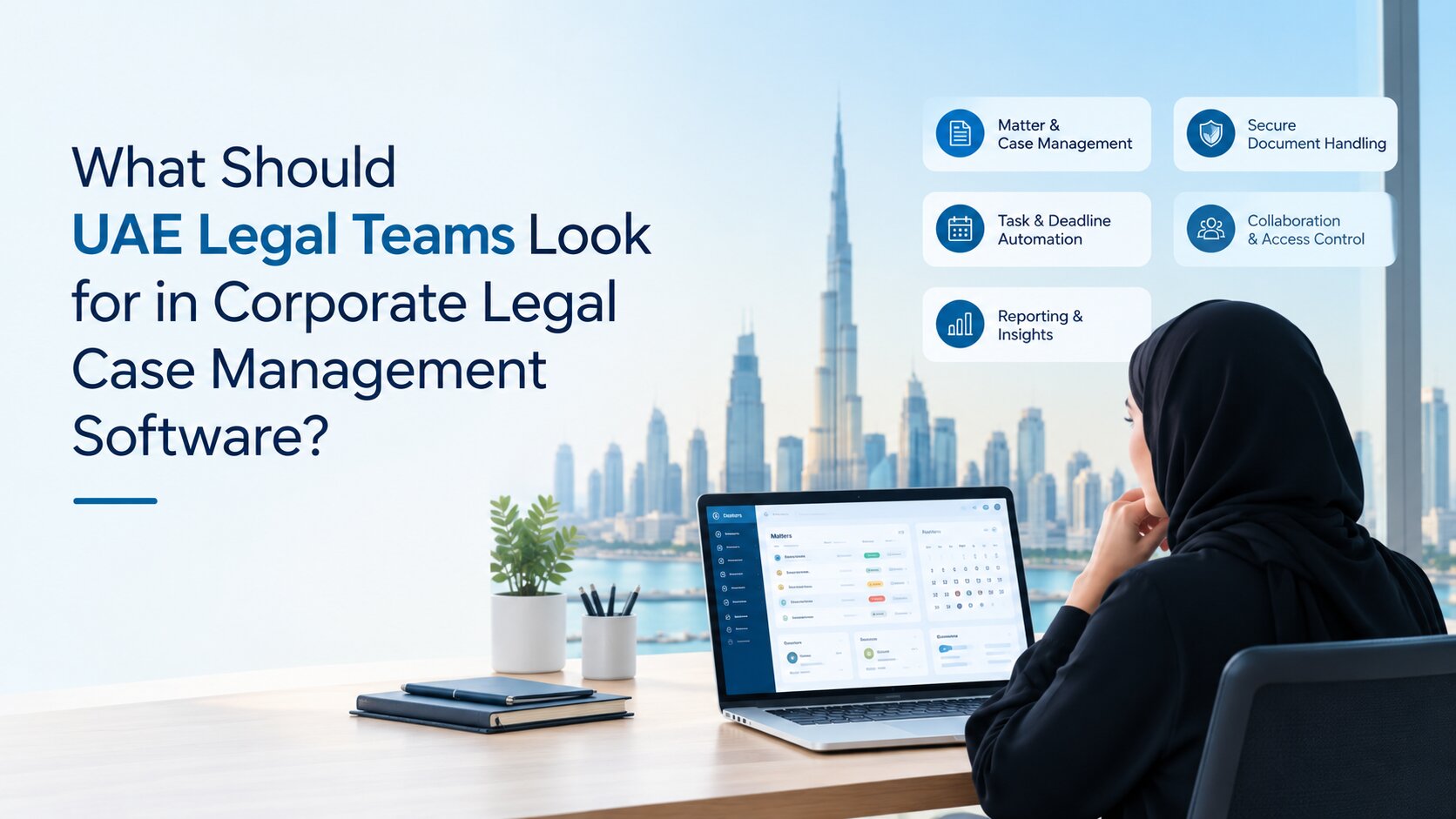
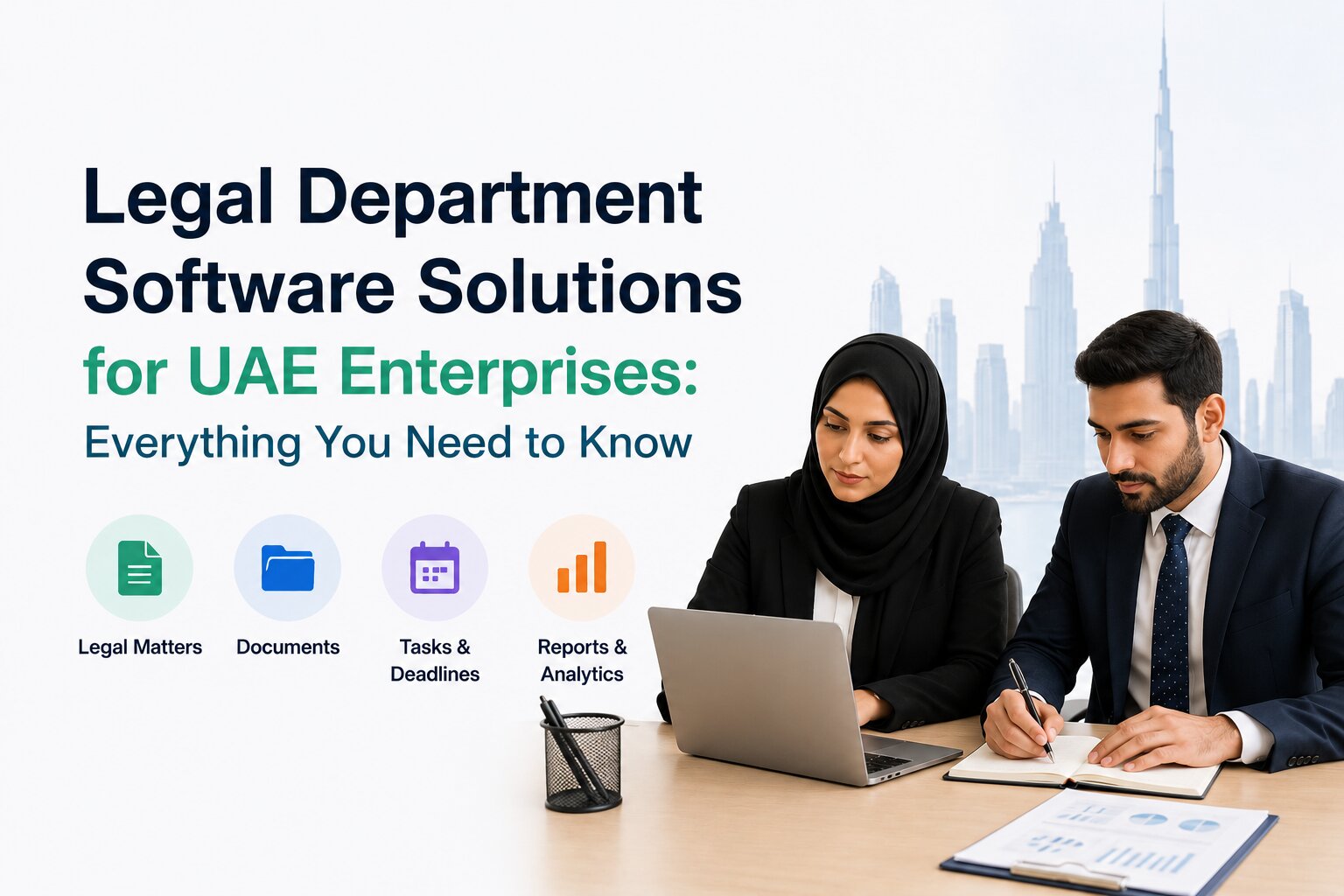
Legal matter management is often part of a broader legal operations strategy. When evaluating matter management solutions, enterprises should also consider how legal department software can support compliance, reporting, contract management, document management, and workflow automation. Taking a holistic approach helps organisations build a more connected and efficient legal technology ecosystem. For additional insights, explore our guide on Best-In-House-Legal-Department-Software-for-UAE-Firms
Questions Legal Departments Should Ask Vendors
When evaluating legal matter management software, organisations should consider:
- Can the system scale with future growth?
- Does it integrate with existing enterprise platforms?
- How configurable are workflows?
- What reporting capabilities are available?
- How is sensitive information protected?
These questions often reveal whether a solution is suitable for long-term use.
Common Mistakes During Software Selection
Many organisations focus heavily on cost while overlooking broader operational requirements. Common mistakes include underestimating user adoption challenges, ignoring workflow flexibility, and failing to evaluate reporting functionality. Successful implementations typically begin with a clear understanding of business objectives and user needs.
How Smart Legal Counsel Supports Modern Enterprise Legal Teams
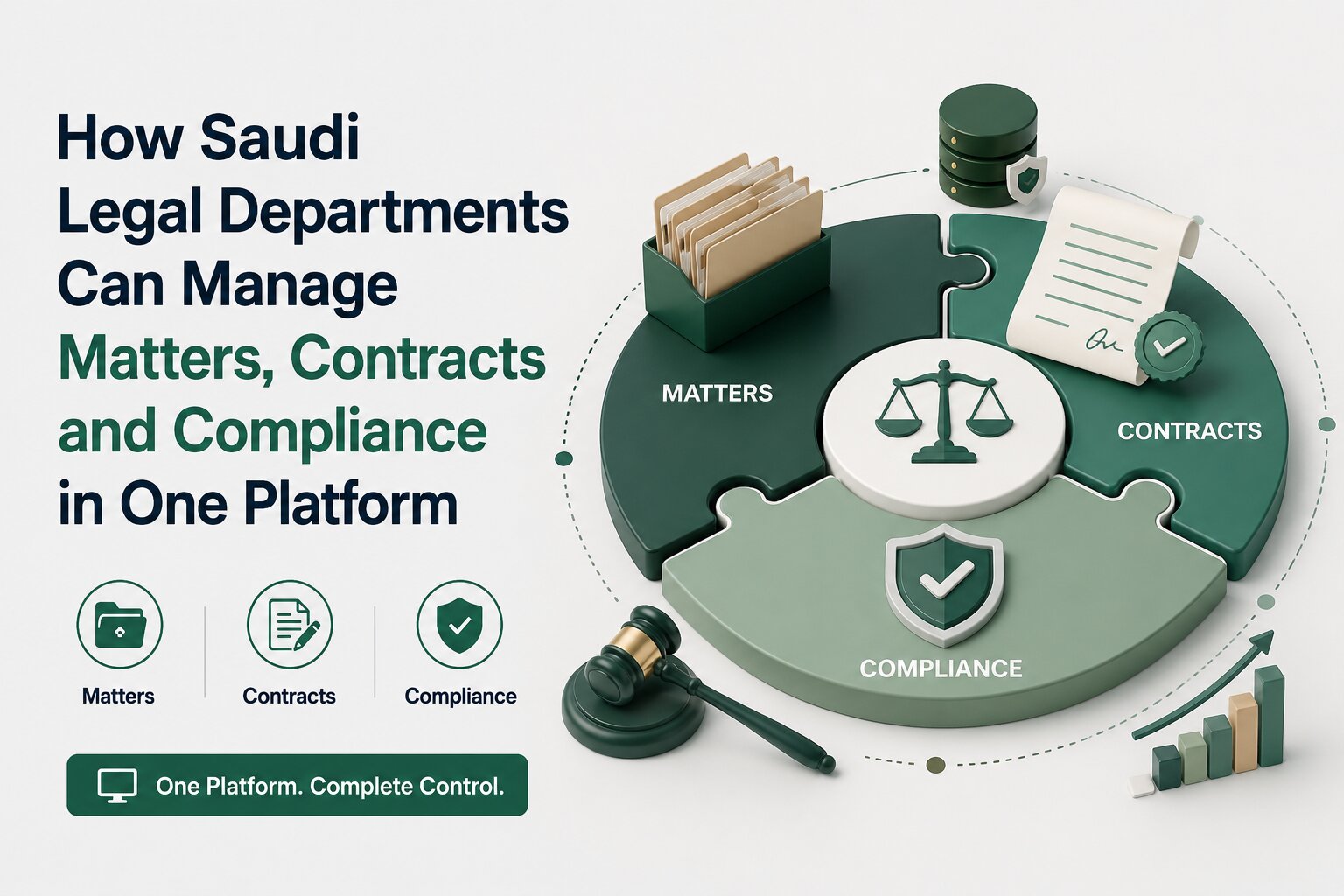
As legal departments modernise their operations, many seek solutions that combine matter management, workflow automation, document management, and reporting capabilities within a single platform.
Centralised Matter and Workflow Management
Smart Legal Counsel is designed to help legal teams organise legal work more effectively through centralised matter tracking and structured workflows. This enables better visibility into ongoing matters while supporting collaboration across departments.
Supporting Compliance and Operational Efficiency
By combining workflow automation, document management, reporting, and governance support, the platform helps legal teams reduce administrative effort and maintain greater control over legal operations. Rather than replacing legal expertise, the technology supports professionals in delivering legal services more efficiently.
Future Trends Shaping Enterprise Legal Operations
Legal technology continues to evolve rapidly, creating new opportunities for enterprise legal departments.
Connected Legal Technology Ecosystems
Organisations increasingly prefer integrated technology environments where legal matter management, document management, compliance systems, and enterprise platforms work together seamlessly. This reduces information silos and improves operational efficiency.
Data-Driven Legal Decision Making
Legal leaders are relying more heavily on analytics to evaluate performance, forecast workloads, and identify process improvement opportunities. Data-driven legal operations are expected to become a standard practice rather than a competitive advantage.
Predictive and AI-Assisted Legal Workflows
Emerging AI capabilities may help legal departments anticipate risks, recommend actions, and improve resource allocation. While these technologies continue to mature, they are likely to play an increasingly important role in legal operations over the coming years.
Frequently Asked Questions
What is legal matter management software?
Legal matter management software helps legal departments organise, track, manage, and report on legal matters through a centralised digital platform.
Why do Qatar enterprises need legal matter management software?
It improves visibility, compliance oversight, collaboration, and operational efficiency while reducing reliance on manual processes.
How does legal matter management software improve compliance?
It provides audit trails, document control, deadline monitoring, reporting capabilities, and workflow consistency that support regulatory compliance efforts.
Can legal matter management software integrate with other enterprise systems?
Yes. Most modern platforms integrate with document management systems, ERP software, CRM platforms, and compliance tools.
What features should enterprises prioritise when selecting legal software?
Key features include matter tracking, workflow automation, document management, reporting, analytics, security, and scalability.
Is cloud-based legal software secure?
Reputable cloud-based legal software providers typically offer encryption, access controls, secure authentication, and compliance-focused security measures.
Conclusion
The demands placed on enterprise legal departments continue to grow. Legal teams must manage increasing workloads, maintain compliance, reduce risk, and provide timely support to the business.
The best in-house legal matter management software for Qatar enterprises helps address these challenges by centralising legal work, improving visibility, automating routine processes, and supporting data-driven decision-making. As legal operations become more strategic, technology is no longer simply a convenience. It is becoming a critical component of effective legal service delivery.
For organisations looking to modernise legal operations, improve matter tracking, strengthen compliance oversight, and reduce administrative workloads, exploring solutions such as Smart Legal Counsel can be a valuable next step.
Ready to transform your legal operations?
Discover how Smart Legal Counsel can help your organisation centralise legal matters, automate workflows, strengthen compliance, and improve legal team productivity.
Book a personalised demo today and see how modern legal technology can deliver measurable business results.
Best in-house legal matter management software in Qatar
Best corporate legal software for enterprises in Qatar
Best in-house legal department software in Qatar
If you need a free demo of the best in-house legal matter management software in Qatar, please fill out the form below.