Best Legal Document Automation Software for Saudi Legal Teams in 2026

Legal teams across Saudi Arabia are experiencing a major shift in the way they manage documents, approvals, compliance, and internal workflows. As businesses accelerate digital transformation under Saudi Vision 2030, legal departments are no longer expected to function only as support units handling paperwork and disputes. They are now strategic contributors responsible for improving operational efficiency, reducing risk, and enabling faster business decisions.
At the same time, the volume of legal documentation continues to grow rapidly. Enterprises today handle employment agreements, procurement contracts, compliance records, NDAs, licensing documents, vendor agreements, corporate policies, and regulatory filings across multiple departments and locations. Managing all of this manually creates serious operational challenges.
Many legal teams still rely heavily on emails, spreadsheets, shared drives, and repetitive document drafting processes. This often results in approval delays, version confusion, compliance gaps, and administrative overload that slows down the entire organisation.
That is why legal document automation software has become an essential investment for modern Saudi enterprises and law firms in 2026.
By automating repetitive legal tasks and centralising workflows, organisations can improve efficiency, strengthen compliance, and allow legal professionals to focus on higher-value strategic work rather than routine administrative processes.
This guide explores the best legal document automation software for Saudi legal teams, the features organisations should prioritise, and how modern legal automation platforms are helping businesses improve legal operations across the Kingdom.
Why Legal Document Automation Is Becoming Essential in Saudi Arabia
Saudi Arabia’s legal and corporate sectors are evolving rapidly. Organisations are expanding operations, managing larger volumes of contracts, and dealing with increasing regulatory expectations across industries such as banking, healthcare, telecom, construction, oil and gas, and government services. As operational complexity increases, manual legal workflows become difficult to sustain.
Legal teams are expected to process documents faster while maintaining accuracy, governance, and compliance. However, traditional drafting and approval processes often consume a large amount of time and resources. This is one of the key reasons why enterprises in Riyadh, Jeddah, Dammam, and other business hubs are increasingly adopting legal automation technologies.
Challenges of Manual Legal Document Processes
Manual legal document handling creates inefficiencies that affect not only legal teams but the wider business as well.
Some of the most common challenges include:
- Repetitive document drafting
- Human errors in contracts and agreements
- Delayed approvals
- Difficulty tracking multiple versions
- Poor visibility into legal workflows
- Compliance risks
- Time-consuming document retrieval
For example, a corporate legal team managing vendor agreements for multiple departments may spend hours manually editing templates, checking clauses, routing approvals, and tracking document versions through email chains. As document volumes increase, these inefficiencies become more expensive and harder to manage.
The Impact of Saudi Vision 2030 on Legal Digitalisation
Saudi Vision 2030 has accelerated digital transformation across both public and private sectors. Organisations are increasingly investing in automation, cloud technology, AI-powered systems, and smart governance frameworks to improve operational efficiency.
Legal operations are also becoming part of this transformation.
Enterprises are now prioritising:
- Digital workflow automation
- Centralised legal systems
- Cloud-based collaboration
- Faster compliance management
- Enterprise-wide process visibility
This shift is driving strong demand for legal document automation software across Saudi Arabia.
What Is Legal Document Automation Software?
Legal document automation software is a digital solution that helps organisations automate the creation, review, approval, storage, and management of legal documents. Instead of manually drafting repetitive agreements from scratch, legal teams can use pre-approved templates, automated workflows, and dynamic clauses to generate documents more efficiently and accurately.
The software also helps centralise legal operations by improving collaboration between legal, procurement, HR, compliance, finance, and management teams. Modern legal automation platforms are designed to reduce manual workload while improving consistency and governance across legal processes.
How Legal Automation Works in Modern Enterprises
Most legal automation systems follow a structured workflow that simplifies document management from start to finish.
A typical process includes:
- Creating approved legal templates
- Automatically inserting clauses and variables
- Routing documents for internal approvals
- Managing collaboration and revisions
- Storing documents securely
- Integrating with e-signature tools
Instead of repeatedly editing Word documents and sending endless email chains, legal teams can manage the entire process through a centralised platform.
This significantly improves speed, visibility, and operational control.
Key Features to Look for in Legal Document Automation Software
Not every platform offers the same level of automation or enterprise capability. Saudi organisations should carefully evaluate software based on business requirements, compliance needs, and long-term scalability.
Automated Legal Document Generation
One of the most valuable features of legal automation software is the ability to generate documents automatically using standardised templates and pre-approved clauses.
This helps organisations:
- Reduce repetitive drafting work
- Maintain document consistency
- Minimise human error
- Speed up legal processes
For example, HR departments can quickly generate employment agreements while procurement teams can automate vendor contract preparation without starting from scratch each time.
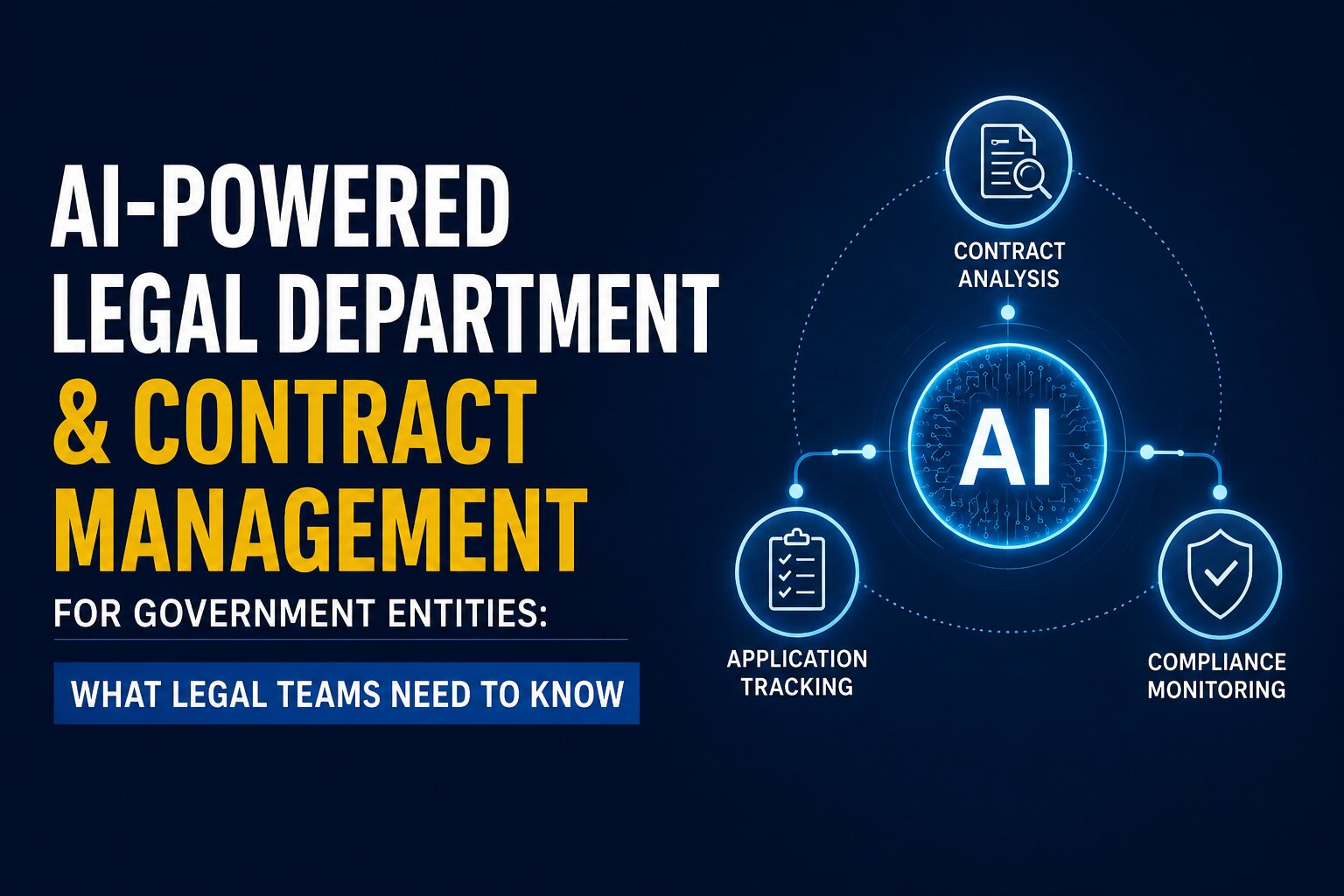
AI-Powered Legal Workflow Automation
AI is increasingly becoming part of modern legal operations.
Many platforms now use AI to:
- Review legal clauses
- Identify missing information
- Recommend standard language
- Detect potential risks
- Accelerate legal review processes
AI-assisted automation can significantly reduce administrative workload while improving efficiency across legal teams. Rather than replacing legal professionals, AI acts as a support system that simplifies repetitive operational tasks.
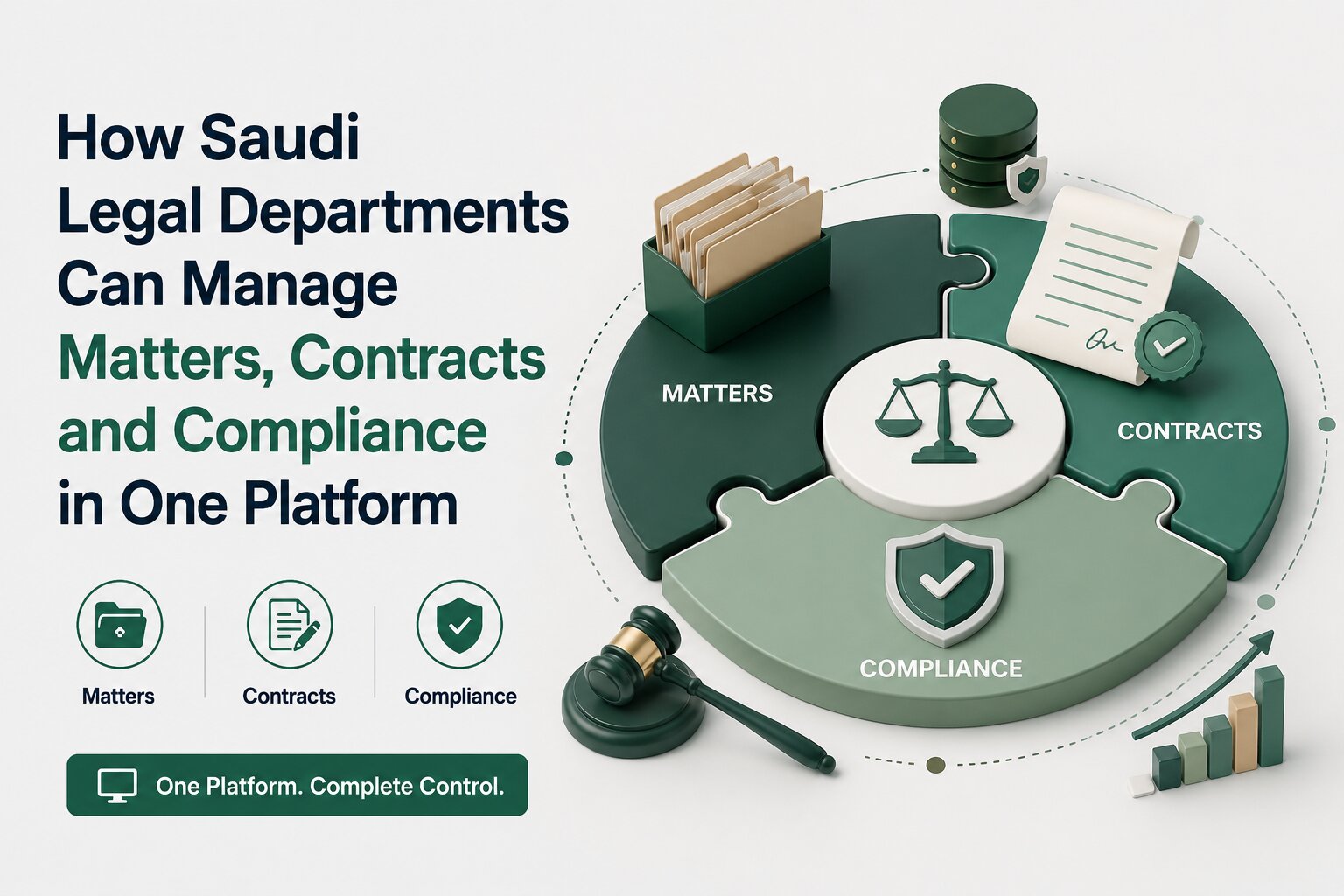
Centralised Legal Document Repository
Legal documents are often scattered across folders, emails, desktops, and cloud storage systems.
A centralised repository allows organisations to securely store and retrieve agreements from one location while maintaining version control and access permissions.
This improves:
- Document visibility
- Search efficiency
- Audit readiness
- Collaboration
- Workflow tracking
For enterprises managing large document volumes, centralised storage becomes essential for operational control.
Compliance and Approval Management
Compliance management is becoming increasingly important across Saudi industries.
Legal automation software helps organisations maintain the following:
- Approval histories
- Audit trails
- Internal governance standards
- Policy compliance
- Workflow accountability
This is particularly valuable for regulated sectors such as banking, healthcare, telecom, and government-related organisations where documentation accuracy and traceability are critical.
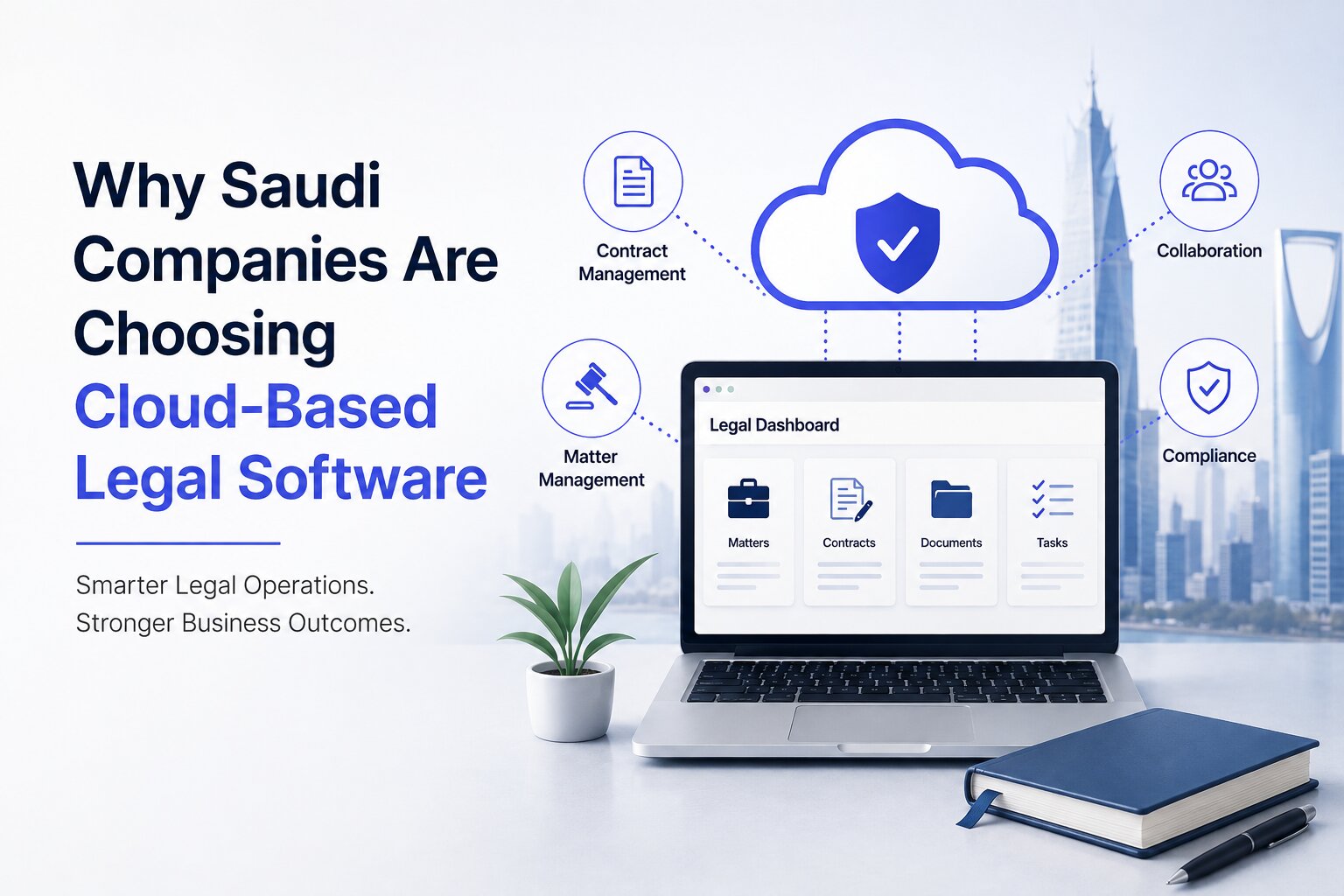
Cloud Accessibility and Enterprise Integration
Modern legal teams require systems that support flexible and collaborative work environments.
Cloud-based legal automation platforms provide:
- Remote accessibility
- Multi-office collaboration
- Real-time updates
- Faster implementation
- Better scalability
Integration capabilities also matter because legal systems often need to connect with:
- ERP platforms
- HR software
- Procurement systems
- Contract lifecycle management tools
- E-signature applications
Integrated workflows reduce duplication and improve operational efficiency across departments.
Best Legal Document Automation Software for Saudi Legal Teams
Choosing the right legal automation solution depends on organisational size, workflow complexity, document volume, and operational priorities.
Beveron Smart Legal Counsel
Beveron’s Smart Legal Counsel platform is designed to support enterprise legal operations through workflow automation, document visibility, and centralised legal management.
The platform helps organisations improve:
- Legal drafting efficiency
- Approval workflows
- Compliance monitoring
- Document accessibility
- Collaboration between departments
Its structured workflow approach makes it suitable for enterprises managing high legal workloads across multiple teams and locations.
For organisations seeking to modernise legal operations while improving governance and operational control, automation platforms like Smart Legal Counsel provide a more scalable and efficient approach compared to traditional manual processes.
Other Legal Automation Platforms in the Market
Several global and regional legal automation platforms are also available for Saudi enterprises and law firms. Some focus heavily on document generation, while others specialise in enterprise workflow management or AI-powered legal review.
When evaluating solutions, organisations should consider:
- Ease of use
- Arabic language support
- Compliance readiness
- Integration capabilities
- Scalability
- Security features
- User adoption requirements
The most feature-rich system is not always the best choice if employees find it difficult to use.
Benefits of Legal Document Automation for Saudi Enterprises
Legal automation creates value far beyond document drafting. It improves operational efficiency across the entire organisation.
Faster Legal Turnaround Times
Manual drafting and approval processes often slow down business operations.
Automation helps legal teams:
- Generate documents faster
- Reduce approval bottlenecks
- Improve response times
- Handle larger workloads efficiently
This allows businesses to complete vendor onboarding, procurement approvals, employment agreements, and corporate documentation much faster.
Reduced Compliance and Operational Risks
Automation improves consistency and visibility across legal workflows.
By using standardised templates and approval structures, organisations can reduce:
- Human errors
- Unauthorised document changes
- Compliance violations
- Contract inconsistencies
Better tracking also improves audit preparedness and governance.
Improved Collaboration Across Departments
Legal workflows involve multiple stakeholders across the organisation.
A centralised automation platform improves coordination between:
- Legal teams
- HR departments
- Procurement teams
- Finance divisions
- Compliance officers
Shared visibility helps reduce communication gaps and improves accountability.
Greater Efficiency for In-House Legal Teams
Many legal professionals spend too much time on repetitive administrative work instead of strategic legal responsibilities.
Automation reduces manual workload and allows legal teams to focus more on:
- Risk management
- Business advisory
- Strategic negotiations
- Governance initiatives
This creates a more efficient and value-driven legal function.
Emerging Trends in Legal Automation Software for 2026
Legal technology continues to evolve rapidly as AI and automation become more integrated into enterprise operations.
AI-Assisted Legal Drafting
AI-powered drafting tools are helping legal teams create:
- Standard clauses
- Smart recommendations
- Faster contract summaries
- More efficient workflows
This improves productivity while maintaining document consistency.
Arabic Language Legal Automation
As legal operations expand across Saudi Arabia, demand is increasing for bilingual legal automation systems that support both Arabic and English documentation.
Platforms capable of handling multilingual workflows are becoming increasingly important for enterprises operating across diverse business environments.
Increased Adoption of Cloud-Based Legal Platforms in Saudi Arabia
Cloud adoption continues to grow because organisations require:
- Real-time collaboration
- Hybrid work support
- Centralised governance
- Multi-location accessibility
Cloud-based legal systems also simplify maintenance and scalability for growing enterprises.
Predictive Compliance Monitoring
Modern legal automation platforms are beginning to identify risks proactively by analysing:
- Missing clauses
- Approval delays
- Compliance gaps
- High-risk language
This allows organisations to address legal risks earlier and improve operational oversight.
How to Choose the Right Legal Automation Software for Your Organisation
Selecting the right platform requires careful evaluation of operational requirements and long-term business goals.
Assess Your Legal Workflow Requirements
Every organisation has different priorities depending on:
- Team size
- Industry regulations
- Approval complexity
- Document volume
- Internal governance requirements
Understanding workflow needs helps businesses choose the most suitable platform.
Prioritise User Experience and Adoption
Even advanced systems can fail if employees find them difficult to use.
User-friendly platforms improve:
- Employee adoption
- Workflow efficiency
- Long-term implementation success
Simple interfaces and intuitive workflows are often more valuable than excessive complexity.
Evaluate Scalability and Security
Legal systems manage highly sensitive business information, making security a critical factor.
Organisations should evaluate:
- Data encryption
- Role-based access
- Backup systems
- Cloud security
- Scalability capabilities
As Saudi enterprises continue expanding digitally, scalable and secure systems become essential.
Final Thoughts
Legal document automation is no longer just a technology upgrade for legal departments. It has become a strategic business necessity for organisations aiming to improve operational efficiency, strengthen compliance, and support digital transformation goals.
As Saudi enterprises continue evolving under Vision 2030, legal teams will increasingly require intelligent systems that simplify workflows, improve collaboration, and reduce administrative burden.
The best legal document automation software helps organisations:
- Accelerate legal processes
- Improve governance
- Reduce operational risks
- Enhance visibility
- Support faster business decisions
Platforms such as Beveron’s Smart Legal Counsel reflect the growing shift toward modern legal operations designed for efficiency, scalability, and enterprise-wide collaboration.
Frequently Asked Questions
What is the best legal document automation software for Saudi legal teams?
The best legal document automation software depends on business size, workflow complexity, compliance requirements, and integration needs. Organisations typically prioritise automation, security, scalability, and ease of use.
How does legal document automation software work?
Legal document automation software uses templates, workflows, and automation rules to generate, review, approve, and manage legal documents more efficiently.
Why are Saudi enterprises adopting legal automation software?
Saudi enterprises are adopting legal automation software to improve efficiency, reduce compliance risks, accelerate approvals, and support digital transformation initiatives.
Can legal automation software support Arabic legal documentation?
Yes. Many modern platforms support bilingual workflows, including both Arabic and English legal document management.
What are the benefits of AI in legal document automation?
AI helps legal teams reduce repetitive drafting work, identify risks, improve accuracy, automate workflows, and speed up document reviews.
Best legal document automation software for legal teams in Saudi Arabia
Best legal automation software in Saudi Arabia
Best ai legal workflow automation for enterprises in Saudi Arabia