How Can Kenyan Legal Teams Manage Litigation, Contracts and Compliance Together?
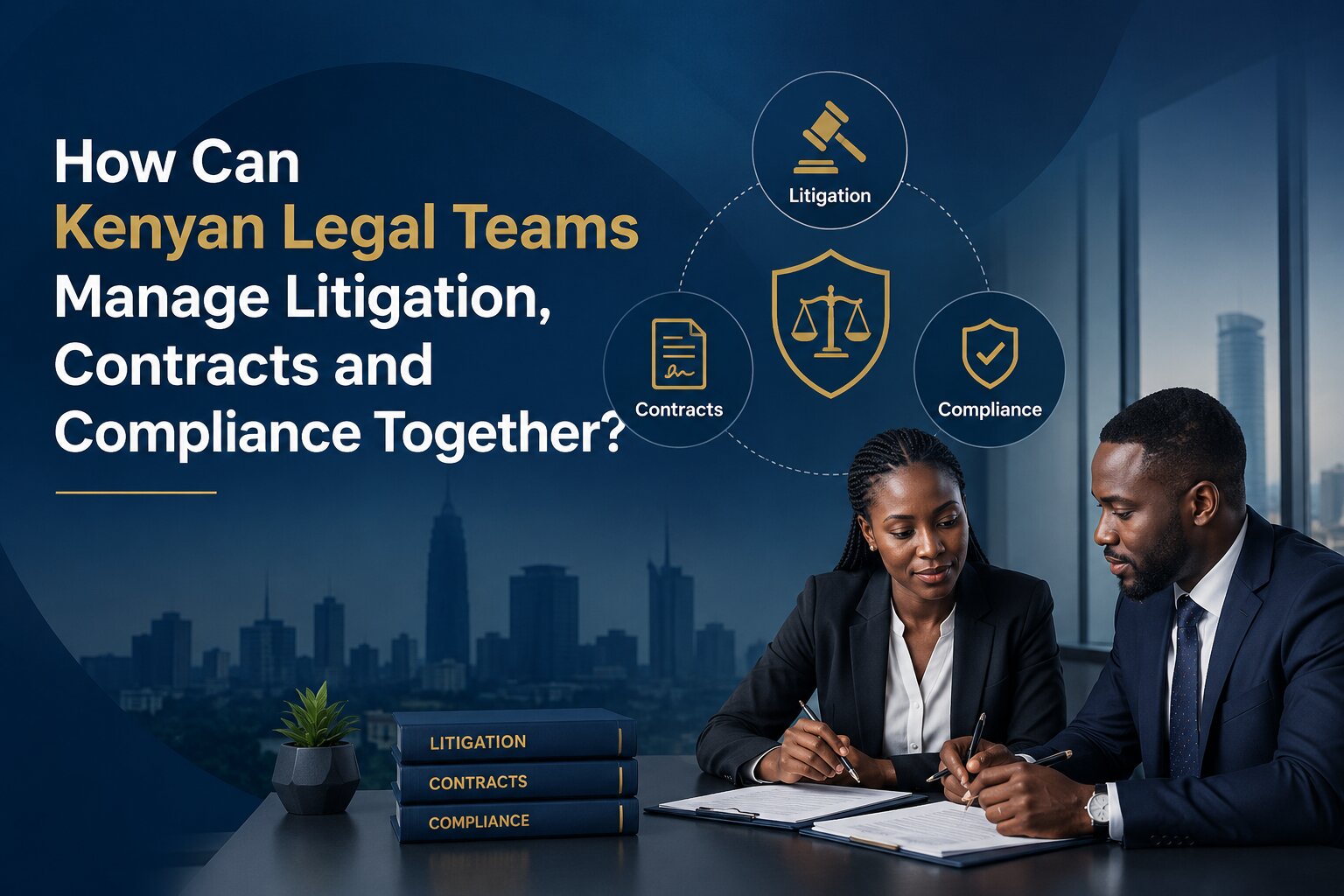
For an in-house legal team, litigation, contracts and compliance may appear to be separate areas of work. In practice, they often overlap. A supplier dispute may involve a contract that contains specific obligations. A contract may create compliance requirements that need to be monitored after signing. A regulatory issue may trigger an internal investigation, a new contractual requirement, or even a dispute. The difficulty is not necessarily the volume of legal work itself. It is keeping the related information, responsibilities, documents and deadlines connected.
This is becoming increasingly relevant as Kenyan organisations continue to adopt digital tools across business operations. PwC Kenya notes that legal technology is already part of Kenya's wider digital environment. In contrast, in-house legal teams are increasingly expected to improve efficiency, manage risk and contribute more closely to business strategy. For legal teams dealing with growing workloads, in-house legal software in Kenya can provide a way to bring these activities into a more structured working environment. But the technology should follow the legal team's needs, not the other way around.
Why These Three Areas Are Difficult to Manage Together
Litigation, contracts and compliance have different workflows. That is one reason legal teams often manage them separately. The problem starts when those separate processes create information gaps. A case may be tracked by one lawyer, the related contract may sit in another repository, and compliance actions may be followed up through email or spreadsheets.
Each process can appear organised on its own while the wider picture remains difficult to see.
Litigation involves ongoing matters and deadlines
Litigation is rarely a single event. A matter can involve pleadings, correspondence, evidence, hearings, instructions to external counsel, internal approvals and a series of deadlines. The legal team needs to know not only what has happened but also what needs to happen next and who is responsible for it. When case information is spread across emails, folders and individual calendars, maintaining that continuity becomes harder, particularly when several people contribute to the same matter.
Contracts create continuing obligations
The legal team's responsibility does not necessarily end when a contract is signed. Agreements may contain renewal dates, notice periods, performance requirements, approval conditions, confidentiality obligations or other commitments that need attention during the life of the relationship. A contract management process therefore needs to go beyond storing a final document. It should make relevant information accessible when the legal or business team needs it.
Compliance requires continuous oversight
Compliance work has a different rhythm again. It can involve monitoring obligations, reviewing policies, maintaining records, responding to regulatory requirements and coordinating actions across departments. In Kenya, data protection is one example where legal and operational responsibilities can overlap. The Office of the Data Protection Commissioner regulates the processing of personal data under the Data Protection Act, 2019, and oversees areas including registration, compliance and data-processing practices.
This means legal teams may need to connect regulatory requirements with contracts, business processes, documentation and internal responsibilities rather than treating compliance as an isolated checklist.
Where Litigation, Contracts and Compliance Intersect
The value of bringing these areas together becomes clearer when looking at how legal work actually happens.
A dispute can be linked to an underlying contract
Consider a dispute involving a supplier. The litigation record may contain correspondence, evidence and procedural information. The original supplier agreement may contain the terms that determine the parties' obligations. Procurement may have records relating to performance, while finance may hold information about payments. These are different records, but they relate to the same business relationship.
A legal team that can connect the matter with the relevant contract and supporting information has a more complete basis for reviewing the issue.
Contracts can carry compliance obligations
A contract may require one or both parties to meet specific regulatory, reporting, confidentiality or data-handling requirements. Those obligations can continue long after execution.
For example, where an agreement involves personal information, the legal team may need to consider how the contract reflects applicable data protection responsibilities. Kenya's data protection framework sets requirements around lawful, fair and transparent processing, data retention and certain transfers of personal data outside Kenya.
The point is not that every contract is a compliance matter. Rather, certain contractual obligations need to be visible alongside the wider legal responsibilities they support.
Legal issues can span multiple business functions
A legal matter rarely stays entirely within the legal department. A contract issue may require input from procurement. A dispute may involve finance and an external law firm. A compliance question may require information from IT, HR or another operational team.
This is why a useful legal management approach should account for the connections between legal work and the wider organisation. Kenyan legal teams can also improve this connection by strengthening collaboration with the business units they support. For practical ways to improve this collaboration, see How Corporate Legal Teams in Kenya Can Collaborate More Effectively With Business Units.
What Should a Connected Legal Process Include?
Bringing legal activities together does not mean putting every document and task into one undifferentiated database. The aim is to create a structure in which the right information is connected and accessible to the people who need it.
A central record for each legal matter
Each legal matter should have a clear record containing the relevant documents, activities, deadlines, responsible team members and related information. This gives legal teams a consistent reference point instead of relying on disconnected records or individual updates.
For a deeper look at how Kenyan corporate legal departments can improve visibility across their ongoing matters, see How Kenyan Corporate Legal Departments Gain Better Matter Visibility.
Clear ownership and follow-up
Legal work often involves several actions before an issue can be closed. A contract may need review by legal, approval from the business and signature by an authorised person. A dispute may require documents from another department. A compliance activity may require evidence from an operational team.
Clear assignment of responsibilities makes it easier to see who is handling each action and what remains outstanding.
Controlled access to sensitive information
Not every person in an organisation should necessarily have access to every legal record. Legal teams should consider how sensitive matters, contracts and personal information are accessed, shared and maintained. This is particularly important where legal systems contain personal data. The Kenyan data protection framework places obligations on organisations handling personal data, and the ODPC identifies data controllers and processors as part of its regulatory framework.
Access controls should therefore be considered as part of the system design rather than added as an afterthought.
Management reporting
General Counsel need more than individual matter updates. They may need to understand how many matters are active, where deadlines are approaching, which contracts require attention and where the team's workload is concentrated. Useful reporting can turn individual records into a broader view of the legal function, helping legal leadership understand priorities and communicate them to the wider business.
How Legal Teams Can Put This Into Practice
Technology alone will not create a connected legal operation. The legal team first needs to understand how its work currently moves through the organisation.
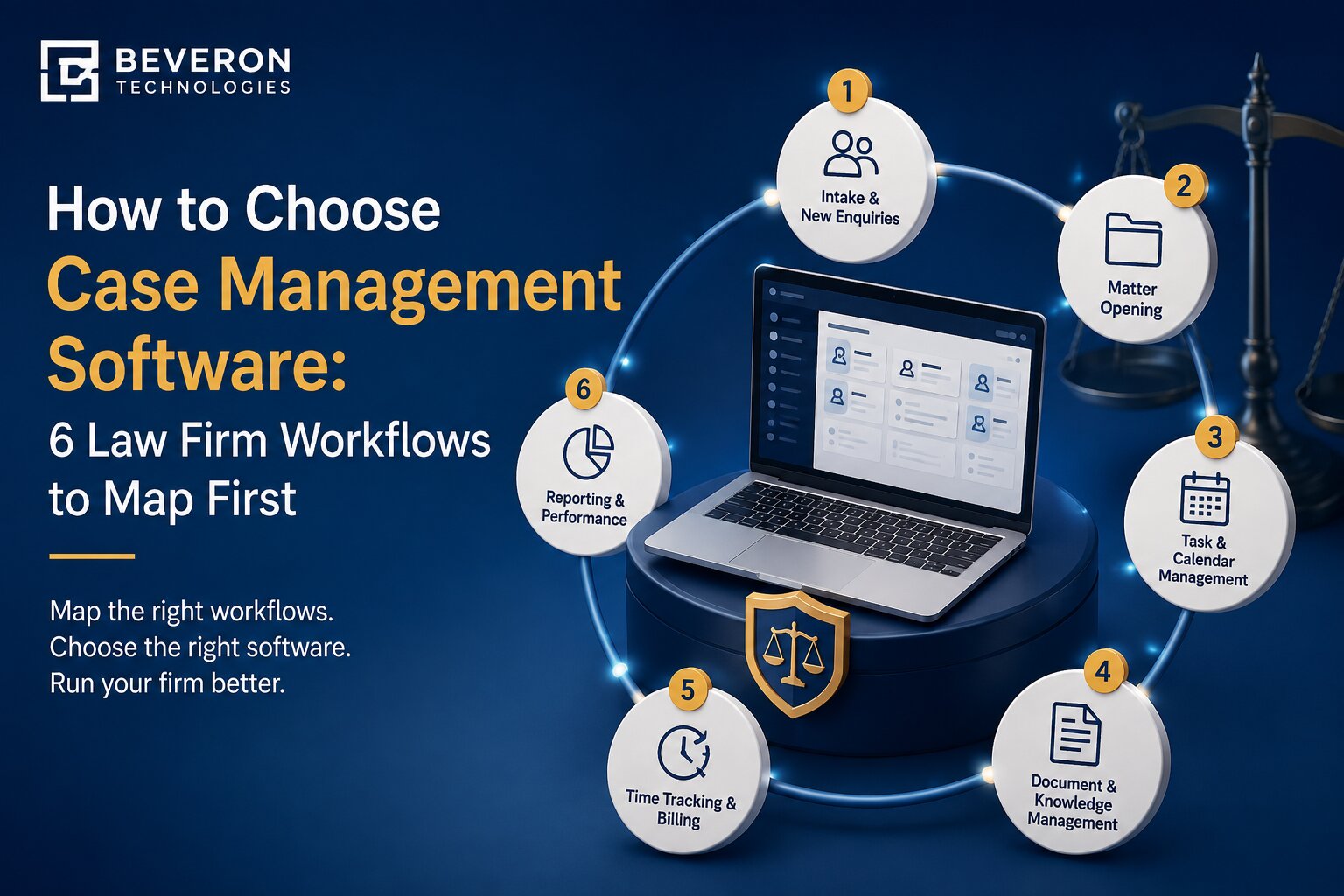
Map the current legal workflows
Start by documenting where litigation, contract and compliance information currently lives.
For example, a team may find that:
- Case information is stored in a matter folder;
- Contracts are maintained in a separate document repository;
- Compliance deadlines are recorded in spreadsheets;
- Requests arrive through email;
- External counsel updates are stored in separate correspondence threads.
This exercise often reveals that the biggest problem is not the absence of information. It is the lack of a consistent way to connect it.
Identify the points where workflows overlap
Once the existing processes are mapped, identify where they interact. Look for shared counterparties, documents, approvals, obligations, deadlines and business stakeholders. These points of overlap are often the areas where a connected system can provide the most practical value.
Establish consistent processes
The team should then decide how matters will be opened, assigned, updated, reviewed and closed. This does not mean every legal matter has to follow an identical process. Litigation, contracts and compliance will naturally require different steps. The goal is to create enough consistency that people know where information belongs, who owns an action and how progress is recorded.
Choose technology around those processes
Only after the workflows are understood should the team assess legal technology. A system should support the way the legal department works and address its actual gaps. Choosing a platform because it has a long list of features can create another layer of complexity if those features do not solve the team's core problems.
What Should Kenyan Legal Teams Look for in Legal Management Software?
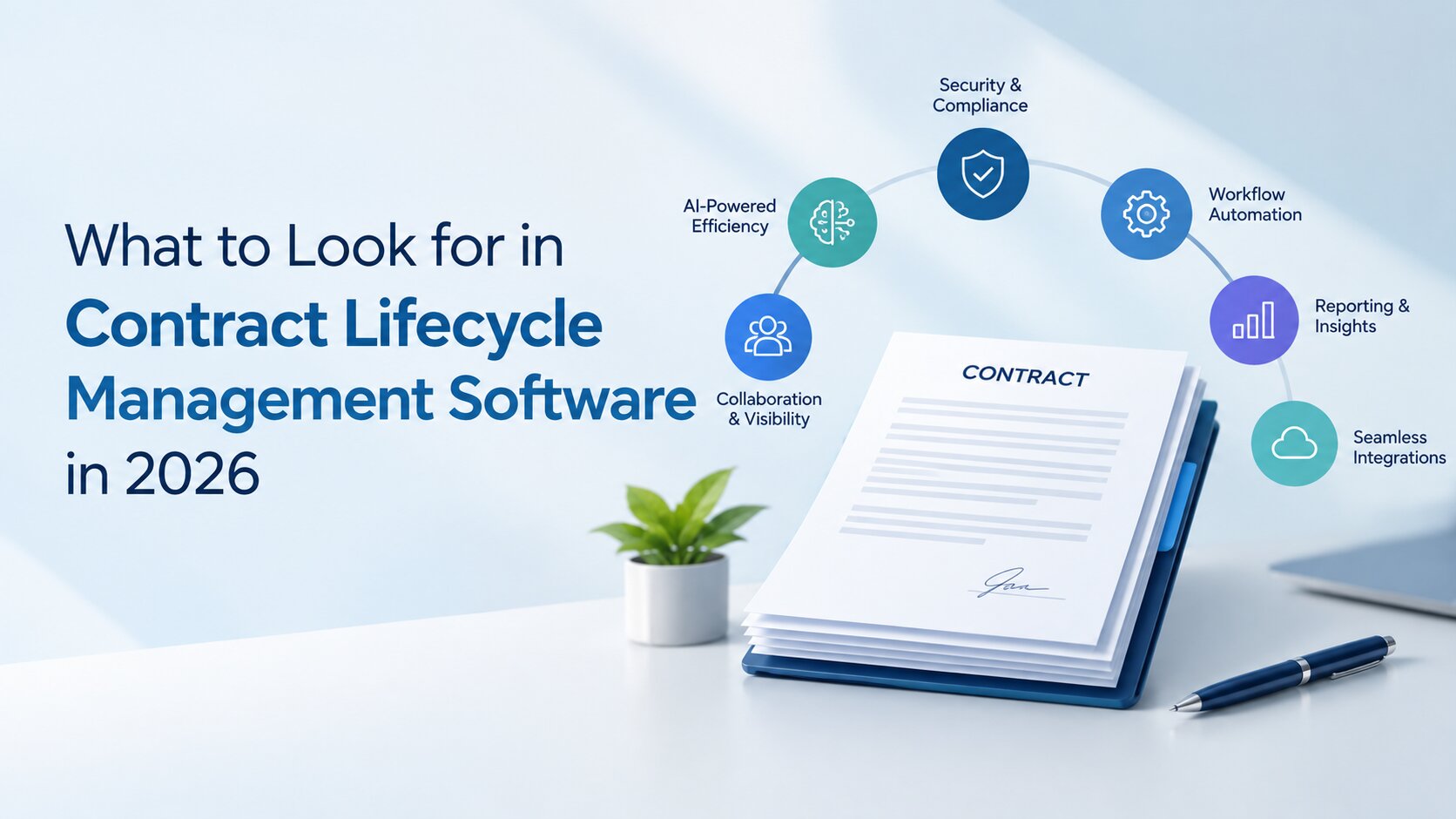
Choosing legal management software requires more than checking individual features. Kenyan legal teams should consider whether the platform can support the way litigation, contracts, compliance and other legal work connect within the organisation. For a broader understanding of what corporate legal case management involves and the capabilities Kenyan businesses should consider, see What Is Corporate Legal Case Management? A Guide for Kenyan Businesses.
Support for multiple types of legal work
The system should be capable of handling different forms of legal work without forcing the team to maintain completely separate environments. For an in-house department, this may include litigation and other matters, contracts, compliance activities, legal requests and related work.
Document and information management
Legal teams deal with a large amount of sensitive information. They need to be able to locate the right record without relying on individual knowledge of where a document was saved. Consider how documents are organised, searched, associated with matters and accessed by authorised users.
Workflow and deadline management
A useful platform should support the practical work around a matter rather than simply act as a document store. Look at how the system handles tasks, responsibilities, deadlines, reminders, approvals and follow-ups. The goal is to make the progress of legal work easier to understand and manage.
Reporting for legal leadership
Reporting requirements should be considered before selecting a platform. Ask whether the system can provide meaningful information about matters, workloads, contracts, compliance activities and other areas relevant to the General Counsel. The reporting should help answer real management questions rather than simply produce large volumes of data.
Security, access and implementation requirements
Legal teams should also examine how sensitive information is protected and how access is controlled. Implementation is equally important. Consider how existing information will be organised, whether users can adapt to the system, what training is required and whether the platform can fit with the organisation's existing technology environment.
For Kenyan organisations, data protection considerations should form part of this assessment, particularly where the platform will process personal data. The ODPC's framework includes requirements concerning data controllers, processors and the handling of personal information.
How Smart Legal Counsel Supports a More Connected Legal Operation
Once the legal team has defined its requirements, a platform such as Beveron's Smart Legal Counsel can provide a structured environment for managing different areas of in-house legal work. The platform is designed for corporate legal departments and supports areas including legal matters, litigation, contracts, compliance, risk, expenses and outside counsel activity.
This is relevant to the operating model described above because these activities do not always exist independently. A legal department may need to move from a contract issue to a legal matter, monitor a related obligation, coordinate with an external adviser and report the status to management. Having these activities within a broader legal management environment can make those relationships easier to maintain.
The objective should not be to automate professional judgement. Legal teams still need to assess the facts, interpret obligations and make decisions. Technology can instead provide the structure around that work, helping the team organise information, coordinate activities and maintain a clearer record of what is happening.
What a More Connected Approach Means for Legal Teams
For a General Counsel, the practical value of connecting these areas is not simply having more software. It is having a clearer understanding of the legal function. A lawyer should be able to see the information relevant to a matter without searching through multiple locations. A legal manager should be able to identify outstanding work and approaching deadlines. Senior leadership should be able to obtain a clearer picture of the department's workload and priorities.
The same approach can also make it easier to identify relationships between legal issues. A contract renewal that has been overlooked, for example, may become important when a dispute arises. A compliance obligation may affect how a contract is drafted. A recurring type of dispute may point to a contractual or operational issue that deserves broader attention. These connections are easier to act on when the underlying information is organised consistently.
A Practical Starting Point for Kenyan Legal Teams
Kenyan legal teams do not need to begin by replacing every existing system or redesigning every legal process. A more practical starting point is to identify where the biggest gaps currently exist.
Start by asking:
- Where are litigation records currently maintained?
- How are contracts tracked after signing?
- How are compliance obligations and deadlines followed up?
- Which information is difficult to find?
- Which tasks depend heavily on individual reminders?
- Where do legal and business teams need to exchange information?
- What does the General Counsel need to see but cannot easily report today?
The answers can help the legal team identify which processes should be connected first. From there, in-house legal software in Kenya can be evaluated against those specific requirements rather than selected simply because it offers a broad list of functions.
For organisations looking to bring litigation, contracts, compliance and other legal work into a more structured environment, Smart Legal Counsel can provide a starting point for that discussion.
Explore Smart Legal Counsel or connect with Beveron to discuss how the platform can fit your legal team's requirements.
Frequently Asked Questions
1. Can litigation and contract management be handled in the same legal system?
Yes. A legal management platform can bring different types of legal work into the same environment while keeping their individual workflows distinct. This can be particularly useful when a dispute relates to an existing contract or business relationship.
2. What should Kenyan companies consider when choosing in-house legal software?
They should consider the types of legal work they manage, document organisation, workflow and deadline tracking, reporting, user access, security, implementation requirements and how the system fits with their existing processes.
3. How does legal matter management support an in-house legal team?
It gives the team a structured record for legal work, including relevant documents, tasks, responsibilities, status information and important dates. This can make it easier to track matters and provide updates to management.
4. Can compliance activities be managed alongside legal matters?
They can be managed within a broader legal operating environment where the platform supports compliance-related tasks, records, deadlines and reporting. The exact approach should reflect the organisation's compliance responsibilities and internal processes.
5. What should a legal team prepare before implementing legal management software?
The team should first map its existing workflows, identify where information is stored, determine which processes need to be connected and define user and reporting requirements. This provides a clearer basis for configuring and adopting the system.
Best litigation management software in Kenya
Best contract management software in Kenya
Best compliance management software in Kenya
If you need a free demo of the best litigation management software in Kenya, please fill out the form.