How Corporate Legal Teams in Kenya Can Collaborate More Effectively With Business Units

For many businesses, the legal team sits at the centre of important decisions. Contracts need to be reviewed, suppliers need to be approved, employment matters need attention, regulations need to be followed, and potential disputes need to be managed.
Yet legal teams and business units do not always work as closely as they should.
A sales team may be focused on closing a deal quickly. Procurement may need an agreement approved before a supplier deadline. Finance may be concerned about payment terms and financial exposure. At the same time, the legal team is looking at obligations, liabilities, compliance requirements and potential risks.
None of these priorities is wrong. The challenge is getting everyone working towards the same outcome.
For corporate legal teams in Kenya, this is becoming increasingly important as businesses deal with more complex commercial arrangements, digital operations, regulatory requirements and cross-border activity. Legal teams are being asked not only to manage risk, but also to help the business move forward.
So, how can legal and business teams work together more effectively?
Why Legal and Business Collaboration Matters for Kenyan Companies
A legal department can no longer operate as a separate function that becomes involved only when something needs a legal review.
When lawyers are brought into a project at the last minute, they may have limited context about the business objective. A contract that took weeks to negotiate may suddenly need to be reviewed within a few hours. If legal identifies a significant issue at that stage, the business may have to go back and renegotiate terms or delay the decision.
Early collaboration can prevent many of these situations.
For businesses in Kenya, stronger cooperation between legal and commercial teams can support faster decision-making while helping the organisation manage legal and regulatory risks. It also allows in-house legal counsel to understand what different departments are trying to achieve rather than simply reviewing requests as they arrive.
The aim is not for legal to approve everything. It is to make sure legal advice comes early enough, is easy to understand and helps the business make informed decisions.
Where Legal and Business Teams Often Lose Alignment
Even when everyone has the same overall business goals, day-to-day working practices can create friction.
Legal Can Be Seen as a Bottleneck
Business teams often work against tight deadlines. A sales team may be trying to close a customer agreement, while procurement may need to complete a supplier contract before work can begin. If legal review happens only at the final stage, any requested changes can feel like a delay. This can create the perception that the legal department is slowing the business down, even when the legal team is simply doing its job.
The better approach is to involve legal earlier, particularly when a project involves significant contractual, regulatory or financial risk.
Legal May Not Have Enough Context About Business Priorities
Legal advice is more useful when lawyers understand why a business decision is being made. For example, a lawyer reviewing a customer contract needs to know whether the agreement is strategically important, whether there is a strict launch date or whether the business has room to negotiate. Without that context, legal advice can become focused mainly on identifying problems rather than helping the business decide how to deal with them.
Different Ways of Communicating Create Friction
Legal professionals are trained to be precise. That is important, but legal language can sometimes be difficult for people outside the department to interpret. A business manager usually does not need a long explanation of every legal issue. They need to understand what the issue means for the business.
Simple questions often matter most:
- What is the actual risk?
- How serious is it?
- What should we change?
- Can we proceed?
- What happens if we accept the risk?
Clear communication makes it easier for business teams to act on legal advice.
5 Practical Ways Legal Teams Can Work Better With Business Units
Improving collaboration does not always require major organisational changes. In many cases, small improvements to everyday processes can make a noticeable difference.
1. Bring Legal Into Important Decisions Earlier
One of the simplest ways to improve collaboration is to involve legal before a decision becomes a finished contract.
For example, if procurement is considering a new supplier arrangement, legal can be consulted during the planning and negotiation stage. If the sales team is discussing a complex customer agreement, legal can help identify important contractual issues before commercial terms are finalised. This gives lawyers more context and gives business teams a clearer idea of what can and cannot be agreed.It also changes the role of legal from reactive reviewer to proactive business adviser.
2. Explain Legal Risk in Business Terms
Telling a business team that something is “high risk” is not always enough. The team needs to know why it is risky and what that risk could mean in practice. Could the clause increase costs? Could it create an obligation that lasts for several years? Could it delay a project? Could it expose the company to a dispute or reputational damage?
This proactive approach also helps legal teams identify potential disputes and risks before they develop into larger business problems. For more on this approach, see our guide to predictive litigation and risk management.
When legal advice is connected to commercial consequences, business leaders can make better decisions. This does not mean ignoring legal requirements. It means explaining them in a way that helps the wider business understand their importance.
3. Set Clear Expectations for Legal Requests
Unclear turnaround times are a common source of frustration. Business teams may not know whether a contract will take one day or one week to review. Legal teams, meanwhile, may receive several urgent requests at the same time and have no consistent way to determine which one should come first.
A simple request process can help.
Legal departments can define different priority levels, expected response times and escalation processes. Business teams then know what information to provide and what to expect after submitting a request. This creates predictability on both sides.
4. Give Business Teams Visibility Into Legal Work
A business user should not have to send an email every few days simply to ask whether a contract has been reviewed. central legal management system can provide visibility into the status of contracts, approvals and legal matters. Depending on the organisation's access controls, authorised users can check whether a request is pending, under review, awaiting approval or completed.
This has two benefits. Business teams get quicker answers, while lawyers spend less time responding to routine status enquiries.
5. Build Stronger Relationships With Key Business Functions
Legal teams can also improve collaboration by developing closer working relationships with departments they support regularly. A lawyer who frequently works with procurement, for example, will become familiar with its supplier processes and common contractual issues. A lawyer supporting sales can develop a better understanding of customer negotiations and commercial priorities.
For Kenyan organisations looking to strengthen their in-house legal function, dedicated in-house legal counsel software can also help centralise matters, streamline workflows and improve collaboration across departments.
This familiarity can make conversations quicker and more productive. Over time, business teams are also more likely to involve legal early because they see the department as a partner rather than simply another approval step.
How Legal Operations Can Improve Collaboration
Better collaboration is not only about having better conversations. The way legal work is organised matters too. Legal operations is an approach focused on improving the processes, technology, information and resources used by a legal department. For growing organisations, it can help bring more structure to an increasingly busy legal function.
For a deeper look at how Kenyan organisations can modernise their legal function, see our guide to Corporate Legal Operations in Kenya: A Practical Guide to Digital Transformation
Standardise Common Contracts and Processes
Not every contract needs to start from scratch. Approved templates, standard clauses and contract playbooks can give business teams clearer guidance for routine agreements. They can also reduce unnecessary negotiation and help lawyers focus on agreements that require closer attention.
Create One Place for Legal Requests
Legal requests often arrive through different channels: email, meetings, phone calls and messaging platforms. A central intake process gives the legal team one place to receive, organise and prioritise requests. It also gives business teams a clearer route for getting legal support.
Track Delays and Workloads
What gets measured can be improved. By tracking request volumes, turnaround times and approval delays, legal teams can identify where work is getting stuck. These insights can also help legal leaders have more productive conversations with management about staffing, processes and technology. Instead of saying that the team is overloaded, they can show where demand is coming from and which areas are taking the most time.
How Technology Can Bring Legal and Business Teams Closer
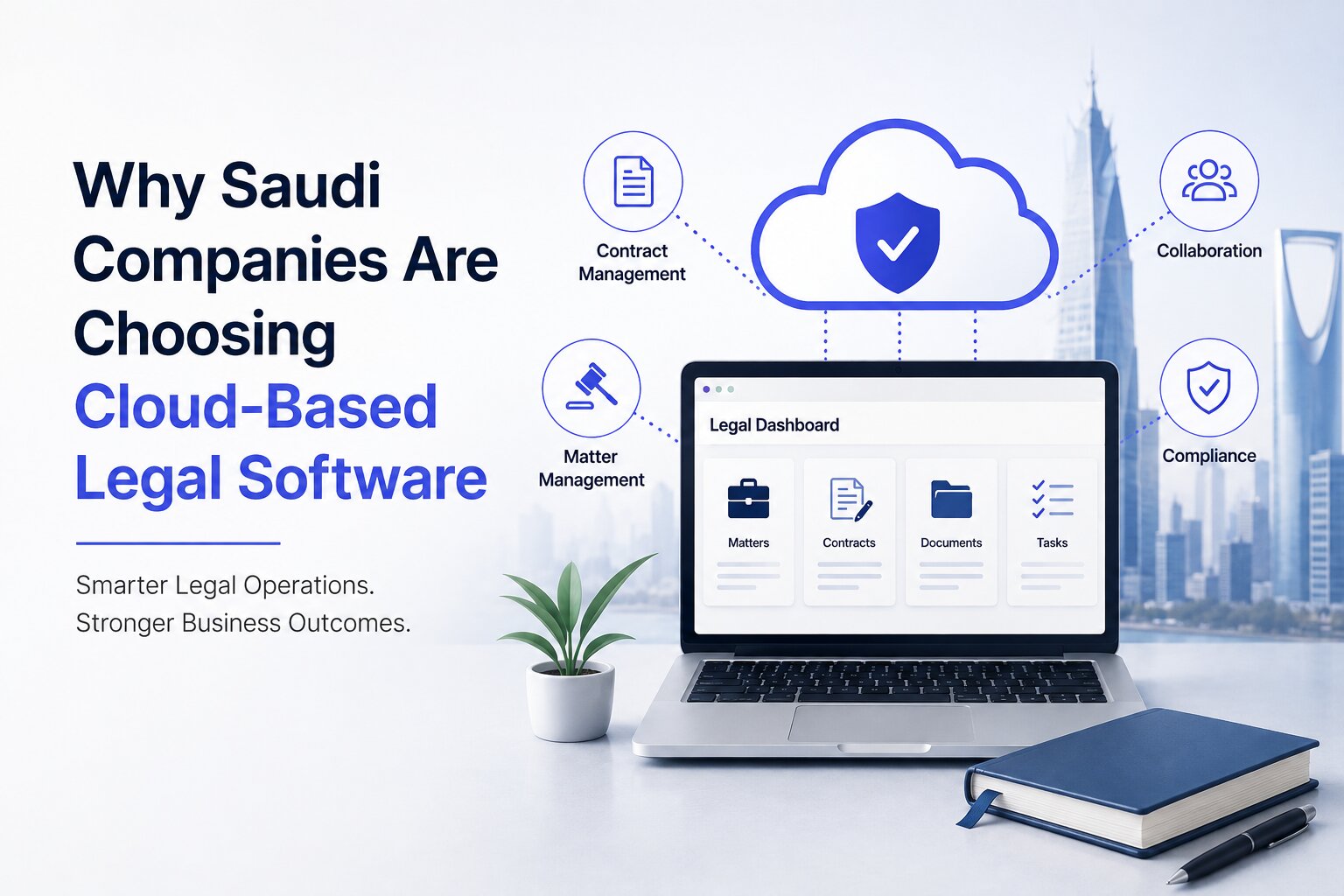
Technology cannot replace a good relationship between legal and business teams. It can, however, remove many of the administrative problems that make collaboration harder. A central legal management platform can bring contracts, legal requests, documents, approvals and matter information into one organised environment. For Kenyan corporate legal departments, better matter visibility can also make it easier to track ownership, deadlines, risks and the progress of ongoing legal work.
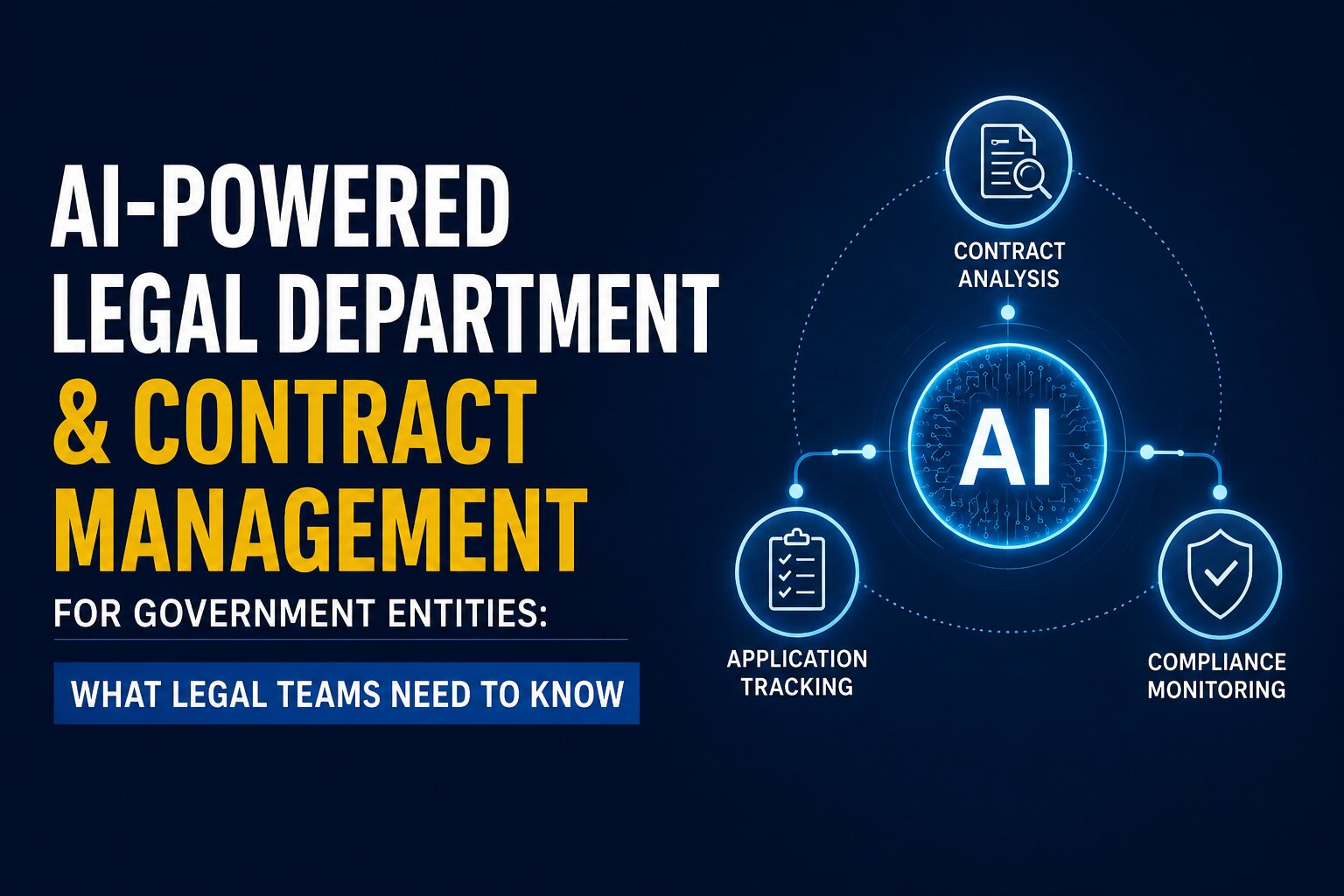
This can reduce dependence on long email chains and scattered spreadsheets. Business users can get better visibility into the progress of their requests, while legal teams have a clearer view of their workload. AI can provide additional support in areas such as contract review, document analysis and identifying clauses that may need further attention. Human review remains important, particularly for decisions involving significant legal or commercial consequences.
The broader benefit is simple: when information is easier to find and workflows are easier to follow, legal teams can spend more time on meaningful work and less time chasing information.
How Beveron Smart Legal Counsel Supports Better Legal-Business Collaboration
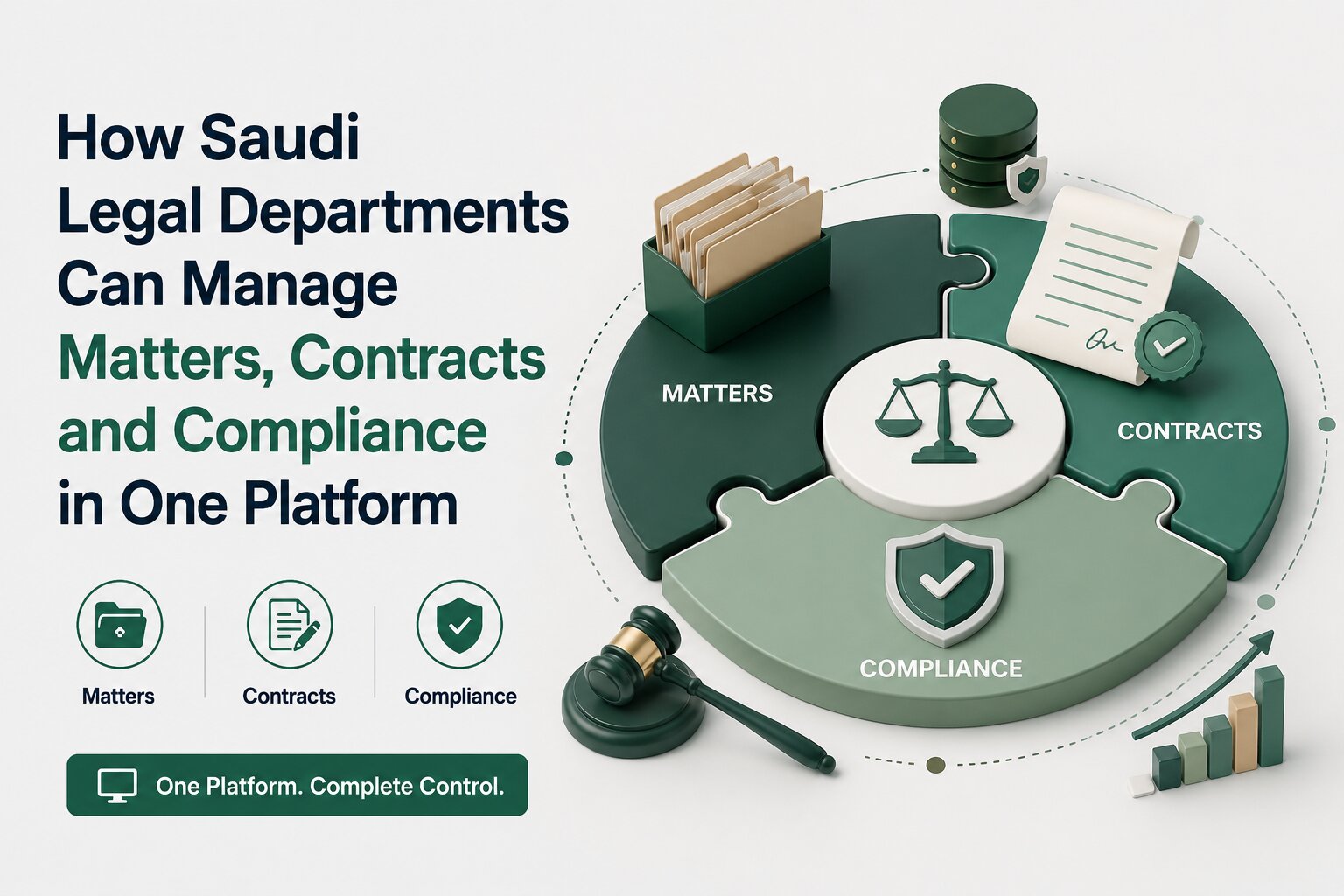
For corporate legal teams in Kenya, improving collaboration often starts with creating a more organised way to manage legal work. Beveron Smart Legal Counsel is designed to help organisations centralise legal matters, contracts, workflows and related information in one platform.
Give Business Teams Better Visibility
When contract and matter information is managed centrally, authorised business users can have greater visibility into the progress of their requests. Instead of repeatedly contacting the legal team for updates, they can check the relevant information through the system.
Make Contract Review More Structured
AI-supported contract review can help legal teams examine agreements more efficiently and identify areas that may require closer attention. Structured workflows can also help ensure that contracts move through the appropriate review and approval stages.
Standardise Templates and Approvals
Using standard templates and defined approval workflows can make routine agreements easier to manage. Rather than handling every request as a completely separate process, legal teams can establish consistent workflows while allowing more complex matters to receive additional review.
Use Data to Improve Legal Operations
Legal teams need visibility into their own work as well. Reporting and analytics can help teams understand workloads, turnaround times and potential bottlenecks. These insights can support better resource planning and help legal leaders identify where processes can be improved.
For organisations in Kenya looking to modernise their legal operations and build a closer working relationship between legal and business teams, a centralised platform such as Smart Legal Counsel can provide a practical foundation.
Building a Stronger Legal-Business Relationship Over Time
Better collaboration is not something that happens after introducing a new process or software platform. It develops over time. Legal teams need regular conversations with the departments they support. Business teams should also have opportunities to explain where legal processes are difficult or where they need clearer guidance.
Small improvements can make a big difference. A simpler request process, clearer turnaround expectations, easier access to contract information and more practical legal advice can gradually change how the two sides work together. The goal is not for legal to become less careful about risk. It is for legal to become easier for the business to work with.
When corporate legal teams are involved early, communicate clearly and understand commercial priorities, they can become trusted advisers who help the business move forward with greater confidence.
Frequently Asked Questions
What is legal operations, and how can it help corporate legal teams in Kenya?
Legal operations focuses on improving how a legal department manages its processes, technology, information and workload. For corporate legal teams in Kenya, this can help create more organised workflows, improve visibility and make it easier to measure legal performance.
How can corporate legal teams reduce contract turnaround time?
Legal teams can reduce delays by involving lawyers earlier, using standard templates for routine agreements, creating clear approval workflows and giving business teams visibility into contract status. Centralised contract management tools can also reduce manual follow-ups and help teams track where agreements are waiting.
How can legal teams improve collaboration with sales, procurement and finance?
The first step is to understand what each department is trying to achieve. Legal teams can then create clear processes for submitting requests, set realistic turnaround expectations and provide practical advice that explains the business impact of legal risks.
What technology can support collaboration between legal and business teams?
Legal management and contract management platforms can centralise documents, requests, approvals and matter information. This gives legal teams better control over their workload while allowing authorised business users to access relevant information and track progress.
How can AI help in-house legal teams manage business requests?
AI can assist with tasks such as reviewing contracts, analysing documents and identifying clauses or issues that may need further attention. It can help legal teams work more efficiently, but important legal and business decisions should still involve appropriate human review.
Making Legal a More Connected Part of the Business
The strongest corporate legal teams are not simply the ones that identify risk. They are the ones that help the wider organisation understand and manage that risk while keeping business priorities in view. For Kenyan businesses, improving collaboration between legal and business units can lead to clearer communication, more predictable workflows and better-informed decisions.
If your legal team is looking for a more connected way to manage contracts, matters and workflows, explore how Beveron Smart Legal Counsel can support more effective collaboration across your organisation.
Best corporate legal department software in Kenya
Best in-house legal counsel software in Kenya
Best corporate legal management software in Kenya
If you need a free demo of the best corporate legal department software in Kenya, please fill out the form below.