AI-Powered Matter Analytics: Turning Legal Data Into Business Intelligence
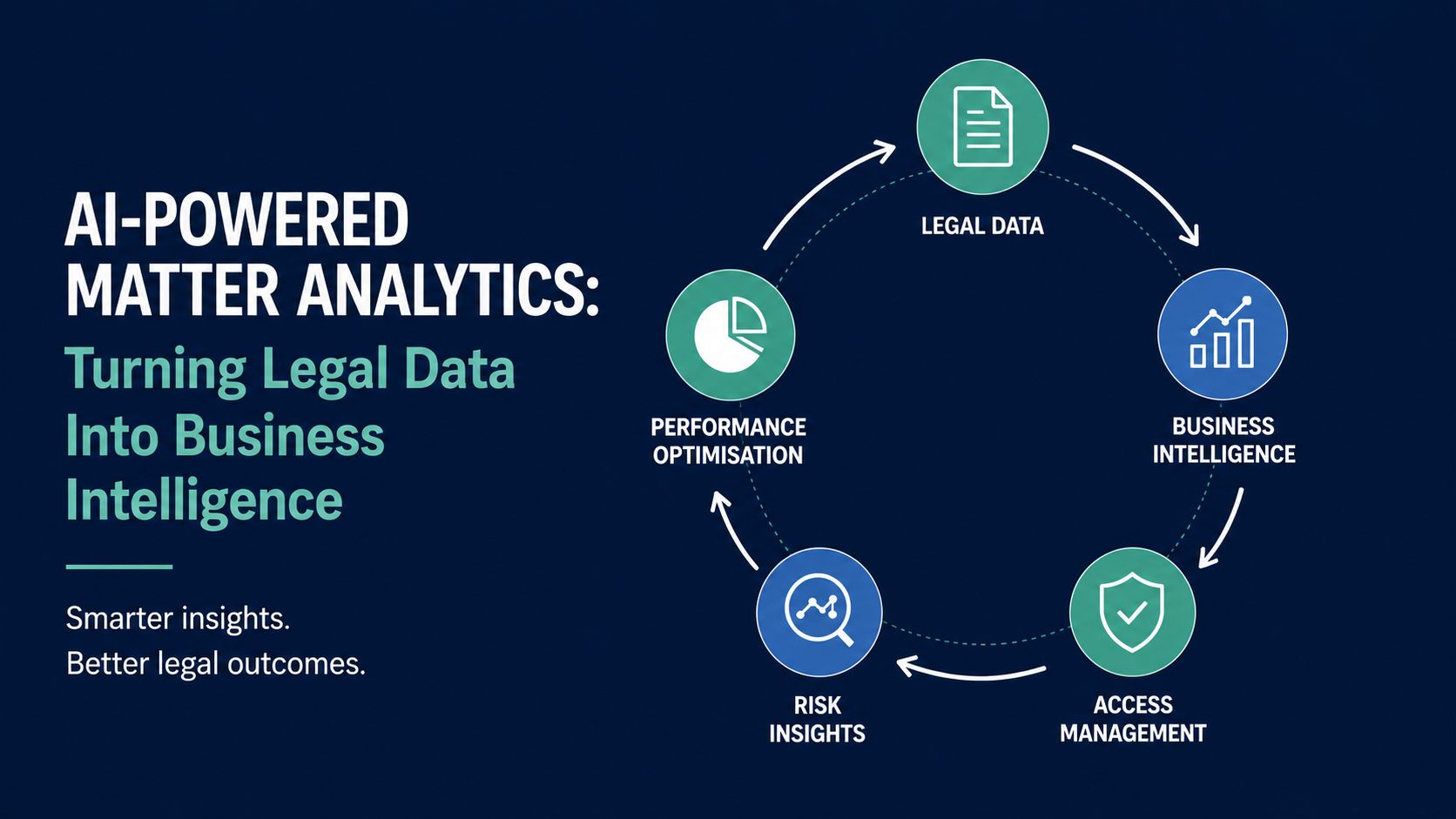
Every legal matter tells a story. It reveals where risks emerge, how resources are being used, what legal issues are becoming more common, and where opportunities for improvement exist. Yet for many corporate legal departments, this information remains buried in emails, spreadsheets, disconnected systems, and static reports.
As organisations face increasing regulatory requirements, rising legal workloads, and greater pressure to demonstrate business value, relying on manual reporting is no longer enough. General Counsel and legal operations teams are expected to make faster, data-driven decisions while managing budgets, reducing risk, and supporting wider business objectives.
This is where AI-powered matter analytics is transforming legal operations. By analysing data across legal matters, contracts, compliance activities, and legal spend, artificial intelligence helps legal teams move beyond simply tracking work to understanding what their data is telling them. The result is meaningful business intelligence that supports better decisions, greater operational efficiency, and improved business outcomes.
In this article, we'll explore what AI-powered matter analytics is, how it works, the benefits it offers, and how organisations can successfully implement it as part of a modern legal operations strategy.
What Is AI-Powered Matter Analytics?
AI-powered matter analytics refers to the use of artificial intelligence and machine learning to analyse data generated throughout the lifecycle of legal matters. Rather than simply producing historical reports, AI examines patterns, trends, and relationships within legal data to generate actionable insights that support strategic decision-making.
Traditional legal reporting answers questions such as "How many matters did we handle last quarter?" AI-powered analytics goes much further by answering questions like "Why are employment disputes increasing?", "Which business units generate the highest legal workload?" or "Which matters are likely to exceed budget?"
Modern legal analytics platforms can analyse a wide range of information, including:
- Matter volumes and status
- Litigation activity
- Contract lifecycle data
- Legal spend
- External counsel performance
- Compliance records
- Internal legal requests
- Workflow efficiency
- Team workloads
- Document metadata
Using machine learning, AI continuously identifies trends, detects anomalies, forecasts outcomes, and highlights opportunities that would be difficult and time-consuming to uncover through manual analysis alone.
Why Legal Data Matters More Than Ever
Legal departments have never had access to more data than they do today. Every contract, investigation, dispute, compliance review, and advisory request contributes to a growing repository of valuable information. At the same time, legal teams are under increasing pressure to deliver measurable business value while operating with limited resources. Executive leadership expects legal departments to provide greater transparency around costs, risks, and operational performance.
Regulatory environments continue to evolve, creating new compliance obligations across multiple jurisdictions. Organisations must monitor legal risks proactively rather than reacting once issues have already escalated. Legal budgets are also receiving greater scrutiny. Business leaders want visibility into where legal resources are being invested, how external counsel are performing, and whether legal spending aligns with organisational priorities.
Without meaningful analysis, much of this information remains untapped. AI-powered matter analytics enables legal departments to convert legal data into strategic business intelligence that supports informed, evidence-based decisions.
How AI Turns Legal Data into Business Intelligence
Artificial intelligence follows a structured process to transform raw legal information into practical insights that legal leaders can use every day.
Collecting Data from Multiple Sources
Legal information often exists across matter management systems, contract repositories, billing platforms, compliance tools, document management systems, and email communications. However, the quality of analytics depends on capturing legal requests consistently from the very beginning. AI-powered legal intake helps replace fragmented email-based requests with structured workflows, ensuring every matter enters the system with complete and accurate information. To learn more, read AI-Powered Legal Intake: Why General Counsel Are Replacing Email-Based Request Management.
AI then consolidates these data sources into a unified view, providing legal teams with a comprehensive picture of their operations instead of fragmented information spread across different systems.
Improving Data Quality
Reliable insights depend on reliable data. AI helps standardise terminology, remove duplicate records, identify missing information, and improve overall data consistency.
For example, if different business units classify similar disputes using different naming conventions, AI can normalise the data to improve reporting accuracy.
Identifying Patterns and Trends
Once the data is organised, AI begins identifying recurring patterns that might otherwise go unnoticed. It can highlight departments generating unusually high legal workloads, recurring contract bottlenecks, frequently disputed clauses, or categories of matters that consistently require longer resolution times.
Trend analysis also enables legal leaders to monitor changes over time, such as increasing litigation costs, growing regulatory activity, or seasonal fluctuations in contract volumes.
Delivering Predictive Insights
One of AI's greatest strengths lies in prediction. By analysing historical legal data, AI can forecast future workloads, estimate matter duration, anticipate legal spend, and identify matters that may require early intervention.
These predictive insights enable legal departments to allocate resources more effectively and address potential risks before they become significant business issues.
Providing Real-Time Dashboards
Instead of waiting for manually prepared monthly reports, AI-powered dashboards provide continuous visibility into legal operations. Decision-makers can instantly monitor key performance indicators such as matter volumes, budget utilisation, compliance status, workload distribution, and case progress.
Real-time reporting allows General Counsel and legal operations teams to respond quickly to changing business priorities while providing executive leadership with timely, data-driven updates.
Key Business Benefits of AI-Powered Matter Analytics
The value of AI-powered matter analytics extends well beyond reporting. It enables legal departments to operate more strategically across every aspect of legal operations.
Faster Decision-Making
With immediate access to accurate legal insights, legal leaders can make informed decisions without waiting for manual reports. This improves responsiveness across both routine legal work and high-priority matters.
Better Resource Allocation
Analytics reveals where legal teams are overburdened, which matters consume the most time, and where additional expertise may be required. This supports more balanced workloads and improved productivity.
Improved Budget Management
AI helps forecast legal spend, monitor budget performance, and identify unexpected cost trends before they become significant financial issues. It also enables legal departments to evaluate external counsel performance, improve invoice visibility, and optimise legal spend based on data-driven insights. For a deeper look at this topic, read How AI Is Reshaping External Counsel Management and Legal Spend Control. This provides greater financial control while supporting more effective planning.
Earlier Risk Detection
By continuously monitoring legal activities, AI can identify emerging compliance issues, contract renewal risks, recurring disputes, and unusual matter patterns that may require proactive attention.
Stronger Compliance Oversight
AI-powered monitoring helps organisations track regulatory obligations, reporting deadlines, internal policy adherence, and audit readiness more consistently than manual processes. This proactive approach enables legal teams to detect compliance gaps early and improve governance across the organisation. Learn more in Your Compliance Program Is Failing—And You Don't Even Know It, which explains why many compliance programmes appear effective on paper but fail in practice.
Greater Executive Visibility
Legal performance dashboards provide senior leadership with clear insights into legal operations, demonstrating how the legal function contributes to wider organisational objectives through measurable performance indicators.
Increased Productivity
Automating reporting and data analysis significantly reduces administrative effort, allowing legal professionals to spend more time on strategic legal work and less time preparing spreadsheets or manual reports.
Practical Applications Across Corporate Legal Departments
AI-powered matter analytics delivers value across multiple legal functions.
In litigation management, legal teams can monitor case progress, analyse historical outcomes, forecast legal costs, and evaluate external counsel performance.
Within contract management, analytics helps identify approval bottlenecks, monitor contract turnaround times, track renewal deadlines, and highlight contractual risks requiring attention.
For compliance teams, AI supports continuous monitoring of regulatory obligations, policy adherence, audit preparation, and reporting activities. AI-powered regulatory change tracking further enhances these capabilities by automatically monitoring legislative updates, helping organisations assess regulatory impact more quickly and maintain ongoing compliance. Learn more in AI-Powered Regulatory Change Tracking: A New Approach to Compliance Management. Legal spend management benefits from greater visibility into external counsel costs, spending trends, and budget performance, enabling more informed financial decisions.
Matter workload forecasting helps legal operations managers anticipate resource requirements by identifying seasonal trends, increasing demand, and changing business priorities.
Executive reporting becomes significantly more efficient through automated dashboards that present clear, consistent legal performance metrics suitable for senior leadership and board-level discussions.
What to Look for in AI-Powered Matter Analytics Software
Choosing the right legal analytics platform requires more than attractive dashboards. Organisations should look for solutions that combine analytics with robust legal operations capabilities. Key features include interactive dashboards that provide real-time visibility into legal performance, custom reporting tailored to different stakeholders, predictive analytics for forecasting legal trends, and AI-powered insights that identify operational improvements.
Effective platforms should also integrate seamlessly with matter management systems, enabling organisations to analyse live operational data rather than isolated reports. Workflow analytics, document analytics, legal spend monitoring, KPI tracking, and secure cloud-based architecture are equally important for supporting scalable, enterprise-wide legal operations.
Best Practices for Successful Implementation
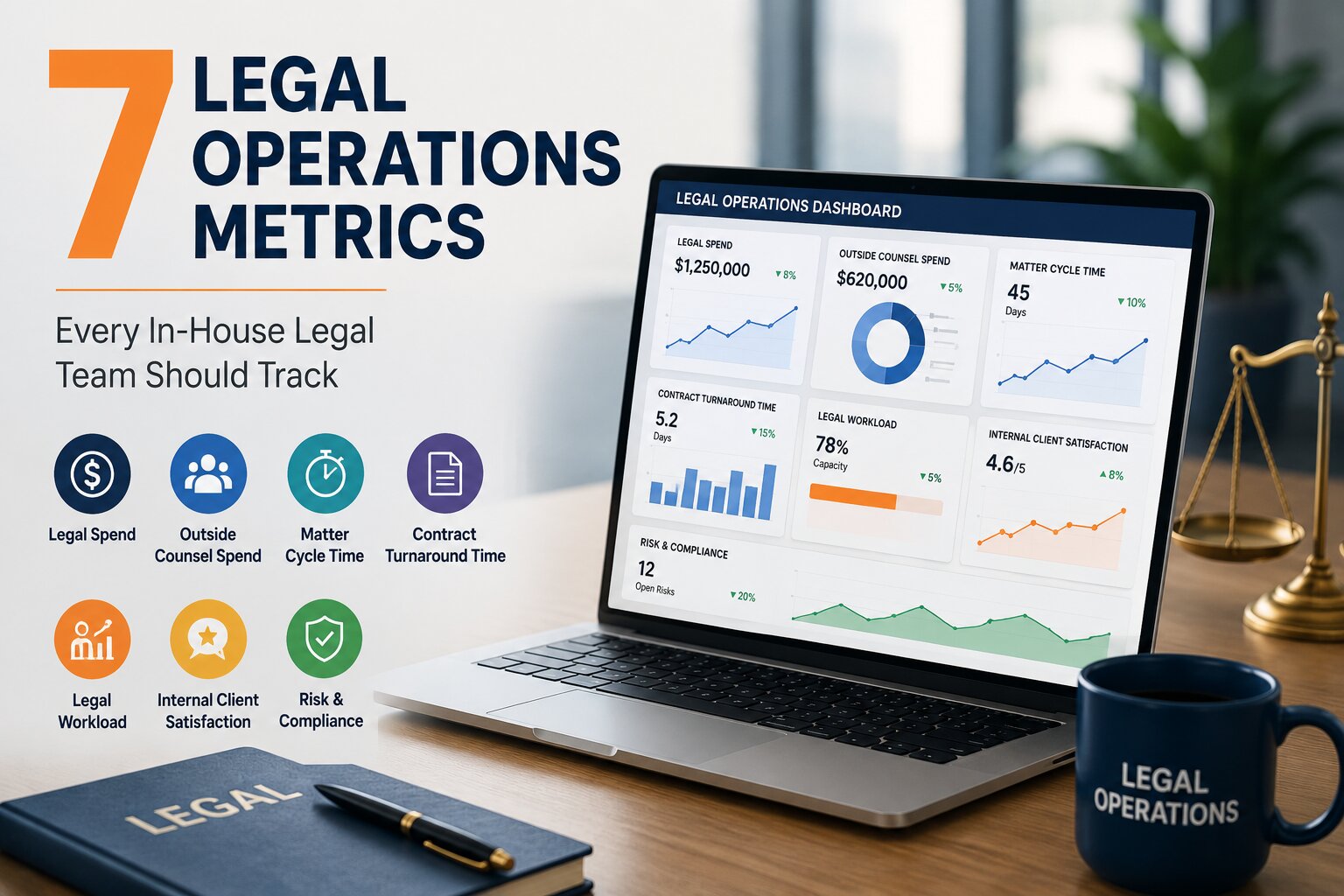
Successful AI adoption begins with high-quality legal data. Organisations should establish consistent data standards, improve data governance, and ensure information is captured accurately across legal processes. Clearly defined KPIs provide direction for analytics initiatives. Common measures include matter resolution time, legal spend, compliance performance, workload distribution, and external counsel efficiency.
User adoption is equally important. Legal professionals are more likely to embrace new technology when they understand how it reduces administrative work and supports better decision-making. Cross-functional collaboration between legal, compliance, finance, risk, and IT teams helps ensure analytics supports broader organisational objectives.
Finally, AI-powered analytics should be viewed as an ongoing capability rather than a one-time implementation. Regularly reviewing dashboards, refining KPIs, and optimising reporting ensures continued business value.
How Beveron Technologies Supports Smarter Legal Analytics
Modern legal departments need more than isolated reporting tools—they require connected platforms that transform operational data into actionable intelligence.
Beveron Technologies supports this approach through its AI-enabled legal operations platform, helping organisations centralise legal matters, standardise data collection, and gain greater visibility across legal operations. By bringing matter management, workflow automation, reporting, and analytics together in a single platform, legal teams can reduce manual reporting, monitor key performance indicators in real time, improve operational transparency, and make more informed decisions based on accurate legal data.
Rather than replacing legal expertise, AI-enabled analytics empowers legal professionals with the information they need to prioritise work effectively, manage risk proactively, and demonstrate measurable value to the wider business.
The Future of AI-Powered Matter Analytics
As artificial intelligence continues to mature, legal analytics will become increasingly predictive, proactive, and accessible.
Future platforms will forecast legal risks with greater precision, automate executive reporting using natural language, and provide conversational interfaces that allow legal leaders to ask complex operational questions and receive immediate insights. Real-time monitoring will replace periodic reporting, enabling legal departments to respond more quickly to emerging risks, shifting workloads, and evolving business priorities.
For enterprise legal teams, AI-powered matter analytics is no longer simply a reporting enhancement. It is becoming a strategic capability that supports better governance, stronger operational performance, and more informed business decision-making.
Conclusion
Corporate legal departments generate enormous volumes of valuable information every day. Yet without effective analysis, much of this data remains an underutilised asset.
AI-powered matter analytics changes this by transforming legal data into meaningful business intelligence that supports faster decision-making, stronger compliance, improved budgeting, better resource allocation, and proactive risk management.
As legal departments continue their digital transformation journey, investing in intelligent analytics capabilities will play an increasingly important role in demonstrating the strategic value of the legal function. Platforms such as Beveron Technologies' AI-enabled legal operations solution help organisations centralise legal data, automate reporting, and generate actionable insights that support more efficient, data-driven legal operations and better business outcomes.
Frequently Asked Questions
1. What is AI-powered matter analytics?
AI-powered matter analytics uses artificial intelligence to analyse legal data from matters, contracts, compliance activities, and legal spend to generate actionable insights that improve decision-making, operational efficiency, and risk management.
2. How does AI improve legal operations?
AI automates data analysis, identifies trends, predicts future workloads and risks, generates real-time dashboards, and reduces manual reporting, allowing legal teams to focus on higher-value strategic work.
3. What are the benefits of legal analytics software?
Legal analytics software helps organisations improve visibility into legal operations, optimise resource allocation, control legal spend, strengthen compliance monitoring, identify risks earlier, and provide executives with meaningful business intelligence.
4. What features should organisations look for in AI-powered matter analytics software?
Key features include interactive dashboards, predictive analytics, KPI tracking, workflow analytics, document analytics, legal spend reporting, seamless integration with matter management systems, custom reporting, and enterprise-grade security.
5. Why is AI-powered matter analytics important for corporate legal departments?
As legal workloads and regulatory demands continue to grow, AI-powered matter analytics enables legal departments to move beyond reactive reporting by delivering real-time insights that support strategic planning, operational excellence, and stronger business outcomes.
Transform Legal Data into Strategic Business Intelligence
Legal data should do more than record completed work—it should help shape better business decisions. By adopting AI-powered matter analytics, organisations can gain deeper visibility into legal operations, improve efficiency, manage risk proactively, and demonstrate measurable value across the enterprise.
Discover how Beveron Technologies' AI-enabled Legal Operations Platform can help your legal department centralise matters, automate reporting, and unlock actionable insights for smarter, data-driven legal operations.
Best AI-powered matter analytics in the UAE
Best AI in legal operations software in the UAE
Best legal analytics software in the UAE
If you need a free demo of the best AI-powered matter analytics in the UAE, please fill out the form below.