How Can Legal Operations Teams Build a More Connected Legal Function?
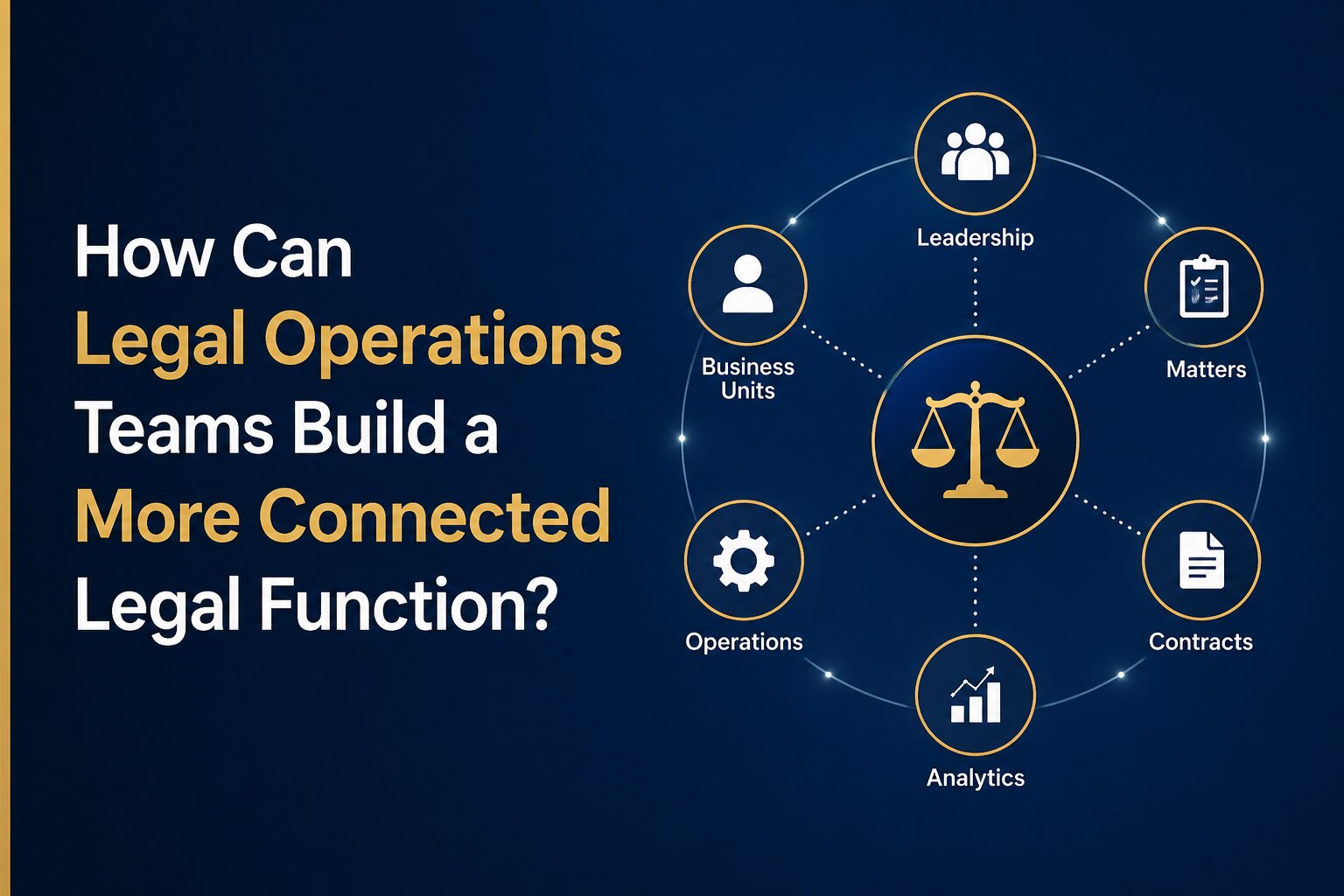
Legal teams often manage a wide range of responsibilities, from handling legal matters and contracts to monitoring compliance, controlling costs and coordinating with external counsel. When these activities take place across disconnected systems and separate workflows, finding information, tracking progress and keeping everyone aligned can become difficult.
Building a more connected legal function is about bringing these activities closer together so that people, information and processes work in a coordinated way. Rather than adding more tools to an already complex environment, legal operations teams can focus on simplifying workflows, improving access to information and making better use of existing technology.
What Does a Connected Legal Function Look Like?
A connected legal function allows legal teams to manage related activities with fewer information gaps and less manual coordination. Matter management, contract handling, compliance tracking and legal spending may involve different processes, but they often depend on the same documents, people and business decisions.
When these activities are connected, legal professionals can access relevant information more easily, understand who is responsible for each task and keep track of ongoing work. Business stakeholders also benefit from clearer communication and more consistent processes when requesting legal support.
This does not necessarily mean moving everything into a single system. It means ensuring that the tools and processes an organisation uses work together effectively and provide the visibility needed to manage legal operations.
Why Do Legal Operations Teams Struggle with Disconnected Workflows?
One common challenge is scattered information. Contracts may be stored in one system, matter documents in another, and important updates shared through email. Legal professionals may spend considerable time searching for records or confirming whether they have the latest information.
Disconnected workflows create further difficulties. A contract approval might depend on several departments, while a legal matter may require input from internal stakeholders and an external law firm. When responsibilities and updates are not clearly managed, tasks can be delayed and important details overlooked.
Limited oversight is another concern. Without a clear view of matters, deadlines, workloads and legal expenses, it becomes harder for legal operations teams to understand where resources are being used and which activities require attention. Addressing these issues starts with reviewing how work currently moves through the legal function.
5 Ways to Build a More Connected Legal Function
1. Map and Standardise Legal Workflows
Before introducing new technology, legal operations teams should understand how work gets done. Reviewing the process from the initial legal request through to completion can reveal unnecessary steps, repeated tasks and delays between departments.
Once these gaps are identified, teams can establish consistent procedures for request intake, task assignments, approvals and document handling. Clear responsibilities help everyone understand what needs to happen next and who is accountable for moving work forward.
Standardisation does not mean every legal matter must follow exactly the same process. Different matters may require different levels of review, but having a consistent starting point makes workflows easier to manage and improve.
2. Centralise Legal Information and Documents
When legal information is spread across folders, email conversations and separate applications, keeping records organised becomes a challenge. A more structured approach to document management helps teams locate relevant information without repeatedly asking colleagues for copies or updates.
Legal operations teams can establish a central repository for relevant matter records, contracts, correspondence and supporting documents. Appropriate access permissions should ensure that sensitive information remains available only to authorised people.
Centralisation also helps maintain consistency. When team members can access the correct version of a document and review the relevant history, they are better equipped to make informed decisions and continue work without unnecessary delays.
3. Connect Legal Processes and Stakeholders
Legal matters rarely exist in isolation. A corporate legal issue may involve a contract, a compliance obligation, an internal business team and an external law firm. Managing each activity separately can make it difficult to understand how one decision affects another. Connecting related processes helps legal teams coordinate these activities more effectively. For example, linking a contract to its approval history, responsible stakeholders and relevant obligations can make it easier to track progress and identify outstanding actions.
Communication with external counsel is equally important. Clear task ownership, organised matter records and consistent updates help in-house teams coordinate legal work and monitor external engagements. The goal is to reduce information gaps and make collaboration more straightforward for everyone involved.
4. Automate Routine Tasks and Integrate Existing Tools
Many legal workflows include repetitive activities such as sending reminders, assigning tasks, requesting approvals and tracking deadlines. Handling these tasks manually can take time away from work that requires legal judgement and attention. Workflow automation can help by triggering notifications, routing requests to the right people and reminding teams about upcoming deadlines. These features are most useful when the underlying process is already clear and responsibilities have been defined.
Integration with existing business tools is also worth considering. For example, connecting legal workflows with document management or office applications can reduce the need to switch between systems. Before choosing new technology, teams should assess which integrations are genuinely useful and whether they fit the organisation's existing processes and security requirements.
5. Track Performance and Encourage Adoption
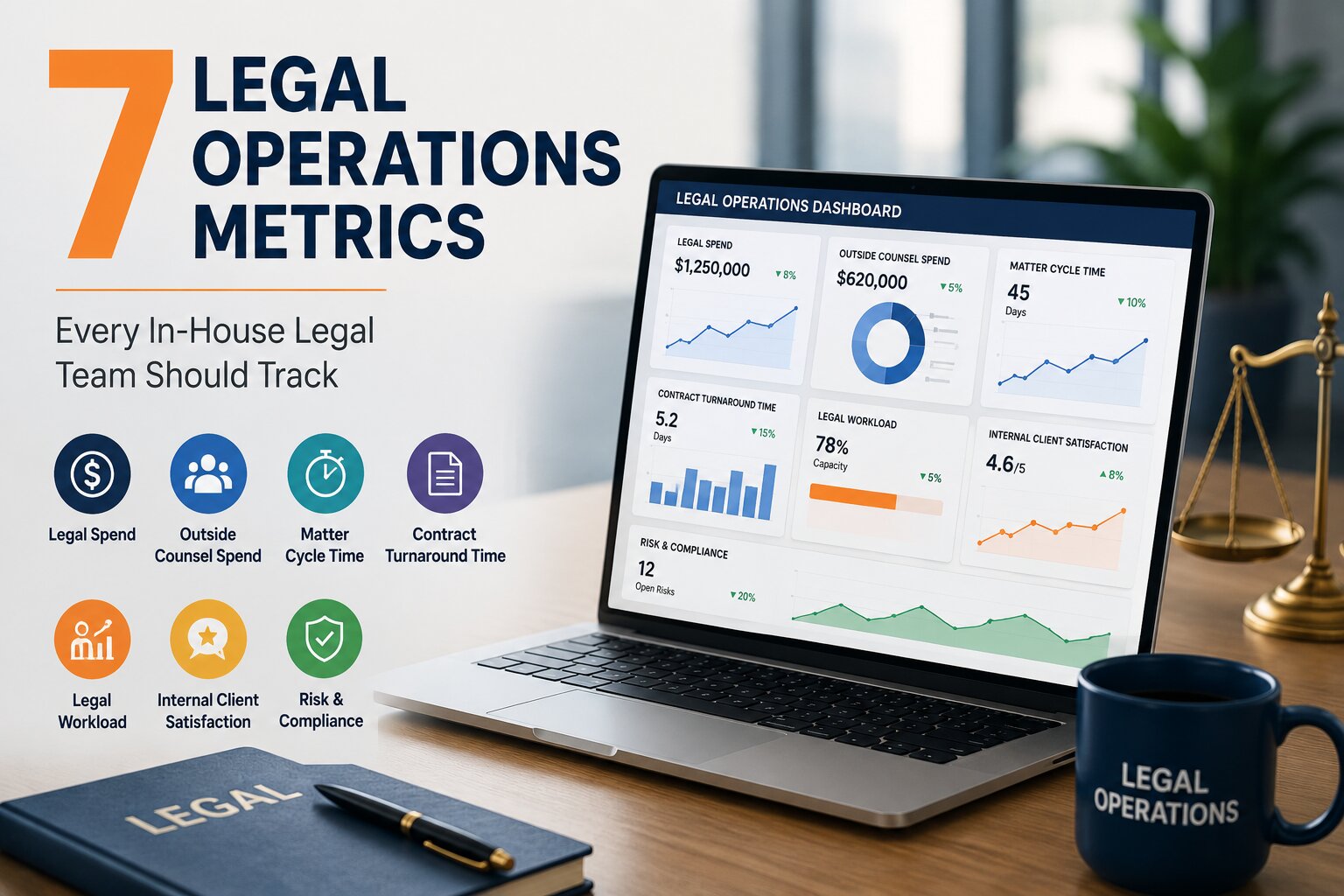
A connected legal function should make it easier to understand how work is progressing. Legal operations teams can monitor measures such as matter turnaround times, contract approval cycles, outside counsel spending and overdue tasks to identify areas that need attention. These measures are most useful when they support practical decisions. If contract approvals regularly take longer than expected, for instance, the team can investigate whether delays arise from unclear responsibilities, repeated reviews or a lack of timely information.
Successful implementation also depends on the people using the processes and tools. Involving legal professionals and business stakeholders early, providing appropriate training and collecting feedback can help identify problems before they become established habits. Regular reviews allow teams to adjust workflows as their needs change.
How Can Legal Technology Support Connected Operations?
The right legal technology can help bring related activities, information and reporting into a more coordinated environment. Rather than relying entirely on separate spreadsheets, email conversations and manual updates, legal operations teams can use structured workflows to manage work and maintain clearer records.
For in-house legal departments, Beveron Technologies offers capabilities for managing legal matters, coordinating external counsel, tracking contracts and compliance activities, monitoring legal expenses and reviewing operational reports. Its integrations with Microsoft Office and SharePoint can also support organisations that use these tools in their existing working environment.
The important consideration is whether a platform addresses the team's actual needs. Legal operations leaders should assess its workflow capabilities, integration options, access controls and reporting features against the challenges they identified before implementation.
Explore Smart Legal Counsel for corporate legal teams to learn more about its capabilities.
How Can Teams Measure Progress?
Building a connected legal function is an ongoing process, so teams need a practical way to assess whether their changes are working.
Matter turnaround times and contract approval cycles can help reveal whether workflows are becoming more efficient. Reviewing legal spending and external counsel expenses can provide insight into how resources are being used. Meanwhile, monitoring overdue tasks, compliance deadlines and system adoption can highlight gaps that still need attention. It is helpful to establish a starting point before making changes and compare results over time. This allows teams to distinguish meaningful improvements from assumptions and decide where further adjustments are needed.
Building a More Connected Legal Function
A connected legal function is not created simply by introducing another software platform. It requires clear processes, organised information, effective collaboration and technology that supports the way the legal team works.
Legal operations teams can make progress by addressing their most pressing workflow challenges first, connecting related activities and reviewing results regularly. With a thoughtful approach, they can reduce unnecessary administrative work, improve visibility across legal activities and give legal professionals more time to focus on meaningful work.
For organisations looking to bring these activities together, Beveron Technologies is one option to explore when assessing technology for more coordinated legal operations.
Best legal operations management software in the UAE
Best legal workflow management software in the UAE
Best legal operations technology in the UAE
If you need a free demo of the best legal operations management software in the UAE, please fill out the form.