How Legal Technology Supports Business Growth and Expansion Across the Region

Legal teams play an important role in helping businesses manage these responsibilities while supporting wider organisational objectives. However, as companies expand, traditional methods of handling legal work may no longer provide the visibility, coordination and control that growing operations require. This is where legal technology becomes valuable. Legal management software helps organisations centralise legal information, organise workflows, monitor important deadlines and improve coordination between legal teams and other departments. Rather than treating legal operations as a collection of separate administrative activities, businesses can use technology to create more structured processes that support their growth plans across the region.
Why Legal Operations Matter When Businesses Expand Across the Middle East
Expanding into another country involves more than establishing a physical presence or finding new customers. Businesses must understand the legal requirements of the markets in which they operate, manage commercial agreements, maintain appropriate documentation and coordinate legal activities across different locations. The UAE and Saudi Arabia, for example, have their own regulatory frameworks, business requirements and data protection obligations. Organisations operating in both markets need to account for these differences when managing contracts, employee documentation, corporate records and other legal responsibilities.
As business activities increase, legal departments also receive more requests from finance, human resources, procurement, sales and senior management. These requests may involve reviewing supplier agreements, preparing employment contracts, handling client disputes, checking contractual obligations or assessing legal risks associated with new business arrangements. When these activities are managed through scattered emails, spreadsheets and individual document folders, it becomes harder to understand the status of each task, identify pending approvals and ensure that important deadlines are not overlooked.
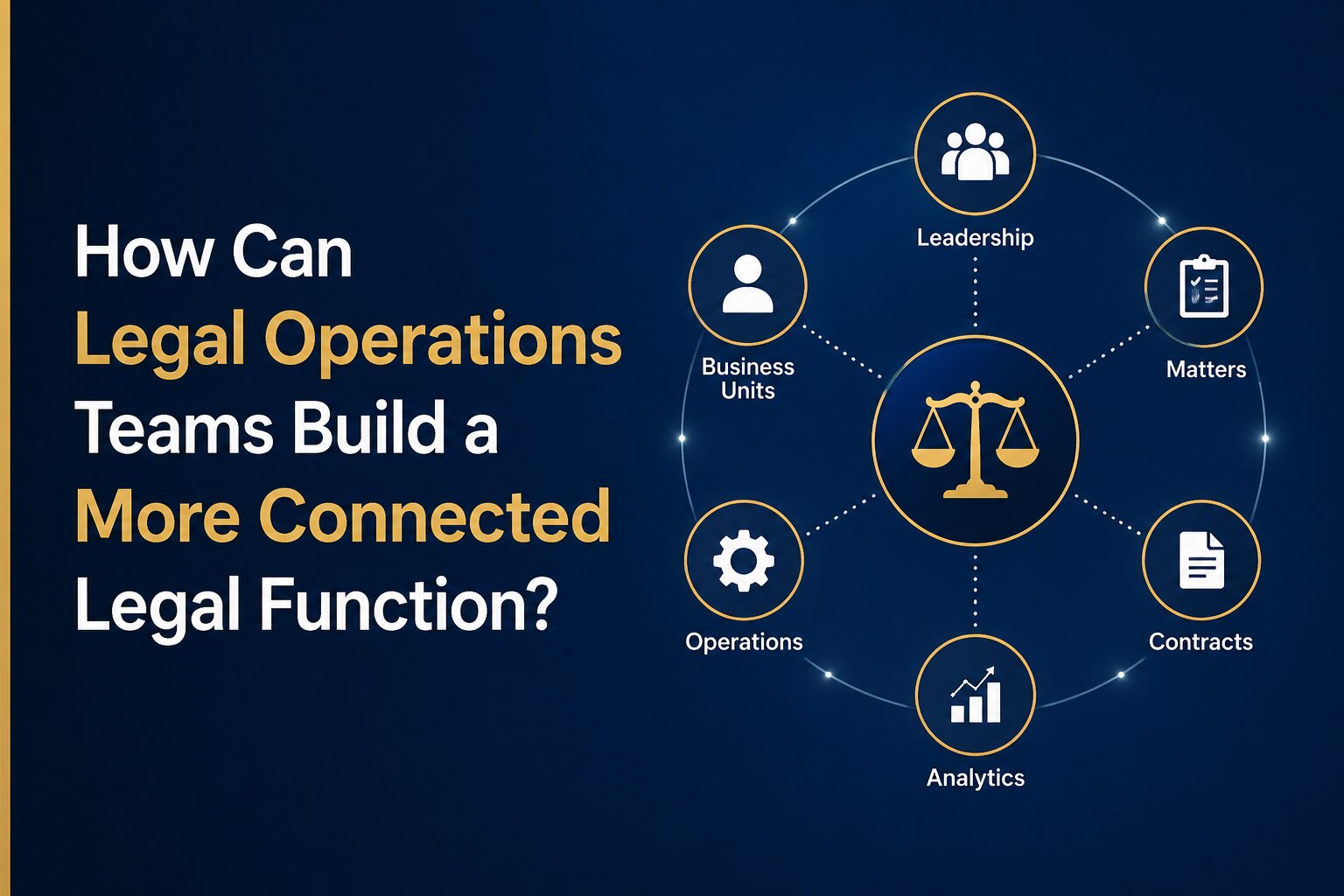
Legal operations provide the structure needed to coordinate these responsibilities. They bring together the people, processes and systems involved in managing legal work. For growing organisations, well-organised legal operations can improve communication, support accountability and help legal teams respond to business requirements without losing visibility into ongoing activities. Legal technology supports this approach by providing a centralised environment in which legal information and workflows can be managed more consistently.
Five Ways Legal Technology Supports Business Growth
1. Improving Contract Management and Agreement Tracking
Contracts are central to business expansion. Every new customer relationship, supplier arrangement, partnership, employment agreement or commercial transaction can introduce additional contractual responsibilities. As the number of agreements increases, businesses need a reliable way to manage their creation, review, approval, storage and renewal. Relying on individual email conversations and shared folders can make it difficult to locate the latest contract version, identify pending approvals or check when an agreement is due for renewal.
Contract management software helps organise these activities through a centralised system. Legal teams can maintain contract templates, track revisions, coordinate review processes and store approved agreements in an organised repository. Automated notifications can also help users monitor renewal dates, expiry periods and other important contractual milestones. This reduces dependence on manual reminders and makes it easier to retrieve relevant agreements when business teams need them.
For organisations expanding across the Middle East, centralised contract management can also improve visibility into agreements involving different business locations and counterparties. Legal teams can monitor contractual obligations more systematically and help departments understand which agreements require attention. Although software does not replace contract review or legal advice, it provides a more organised way to manage the administrative and operational responsibilities associated with growing contract volumes.
2. Making Legal Workflows More Efficient
As businesses grow, the volume of legal requests often increases. Sales teams may need contract reviews, procurement departments may require supplier agreement approvals, HR teams may request employment documentation, and management may need legal assessments before making important business decisions. When every request follows a different communication process, legal teams can spend considerable time collecting information, identifying responsible individuals and checking the progress of pending work.
Legal workflow automation helps bring consistency to these activities. Businesses can establish structured processes for submitting legal requests, assigning tasks, routing documents for approval and monitoring progress. Instead of relying entirely on email exchanges to understand what needs to happen next, legal teams can use organised workflows to identify pending tasks, responsible users and completed activities.
This can make day-to-day legal operations easier to coordinate, particularly when several departments or business locations are involved. For example, a supplier agreement submitted by the procurement team can follow a defined review and approval process, allowing the relevant legal and management personnel to participate at the appropriate stages. By reducing repetitive administrative coordination, legal teams can dedicate more attention to reviewing legal issues, assessing risks and supporting business decisions.
3. Strengthening Legal Risk and Compliance Management
Business expansion exposes organisations to legal risks that may differ depending on the industry, location and nature of their activities. These risks can arise from contractual obligations, employment matters, data protection responsibilities, disputes, regulatory changes and relationships with third parties. As organisations enter additional markets, keeping track of these responsibilities requires clear processes and access to reliable information.
Legal technology can support risk and compliance management by helping organisations maintain centralised records, monitor important deadlines and organise compliance-related activities. Legal teams can track ongoing matters, maintain relevant documentation, assign responsibilities and receive reminders about important dates. Having these details in one system can make it easier to identify pending actions and maintain a clearer record of legal activities.
For businesses operating in the UAE and Saudi Arabia, data protection is one area that deserves particular attention. Both jurisdictions have personal data protection frameworks that organisations must consider when handling personal information. Legal teams need to understand the requirements applicable to their activities and maintain appropriate internal processes. Legal management software can support the organisation of compliance tasks and related documentation, but it does not independently establish compliance or replace advice from qualified legal professionals. Businesses remain responsible for assessing their obligations and implementing the necessary controls.
4. Supporting Better Collaboration Between Legal and Business Teams
Legal departments rarely operate independently of the rest of an organisation. Their work is closely connected with sales, finance, procurement, human resources, operations and senior management. A delay in contract approval, for example, may affect a supplier relationship or postpone a commercial transaction. Similarly, an unresolved legal request may create uncertainty for a department that needs guidance before proceeding with a business activity.
When information is spread across different communication channels, employees may find it difficult to understand the status of a request or identify the person responsible for the next step. Legal management software can improve this coordination by providing a structured way to submit requests, assign responsibilities, share relevant information and monitor progress. Departments can have better visibility into their legal requirements without depending entirely on repeated email updates.
This becomes particularly useful for businesses with multiple offices or teams working across different locations. A centralised system can help maintain consistency in how legal requests are handled, while appropriate access permissions allow information to be shared with relevant users. Better coordination does not simply make legal work easier; it also helps other departments plan their activities with a clearer understanding of pending legal requirements.
5. Providing Better Visibility into Legal Performance and Costs
As an organisation grows, management needs to understand how its legal department is functioning and where resources are being used. Without reliable records, it can be difficult to identify how many matters are active, which requests are pending, how much work is assigned to individual team members or where delays are occurring. These gaps can affect resource planning and make it harder to assess the operational demands placed on the legal department.
Legal operations software can provide dashboards and reports that bring together information about matters, tasks, deadlines, legal expenses and team activities. These reports help legal managers understand workloads, monitor progress and identify areas that may require additional attention. For example, recurring delays in contract approvals may indicate a need to review the approval process or clarify responsibilities between departments.
Legal expense tracking and reporting can also support budgeting decisions. Organisations can gain a clearer view of internal legal costs and external counsel expenses, where these functions are supported by the system. This information helps management make more informed decisions about resource allocation and operational planning. Reporting should not be viewed only as a way to measure legal department activity; it can also help demonstrate how legal operations contribute to wider business objectives.
The Role of Legal Management Software in Supporting Regional Expansion
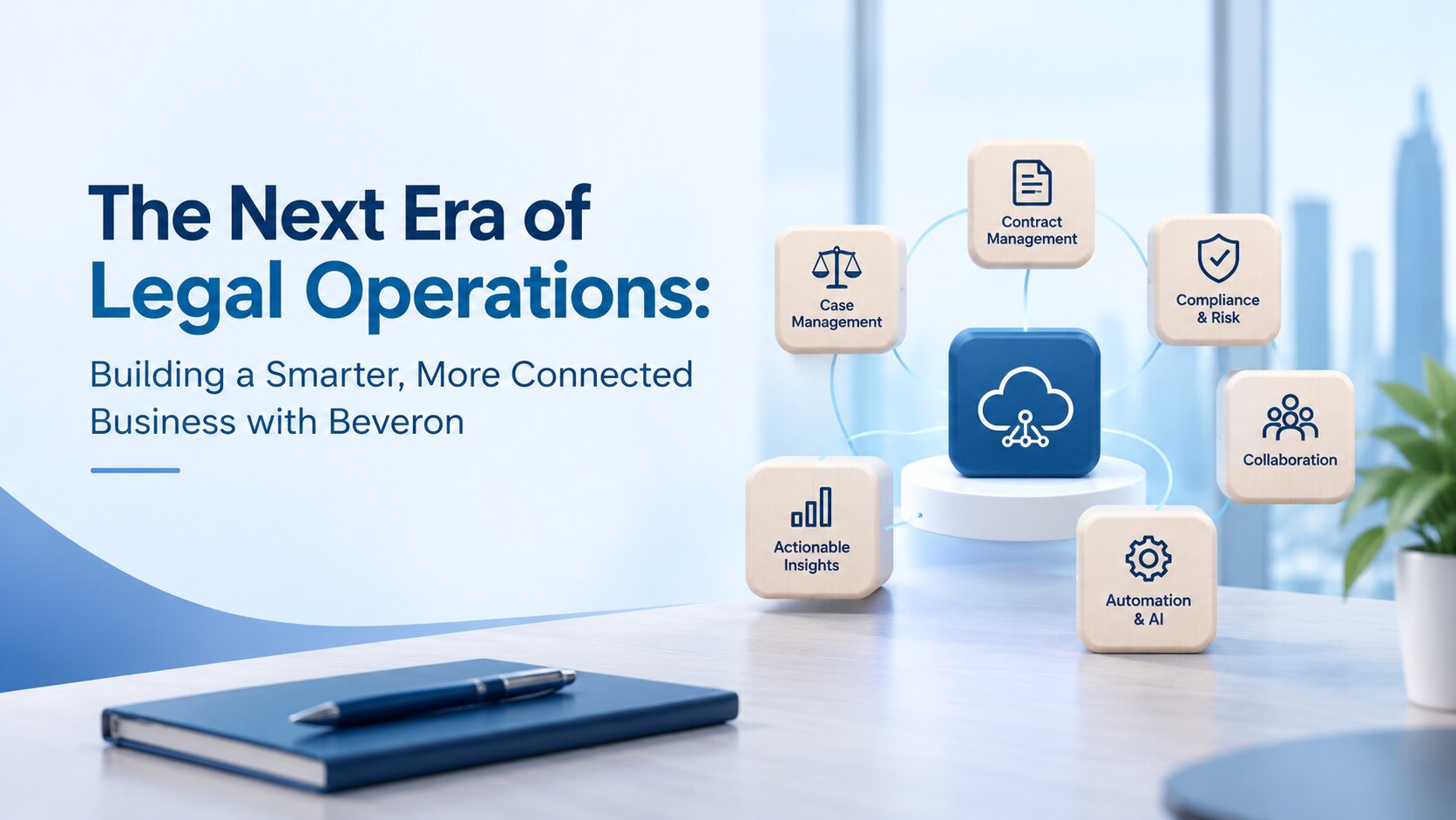
As legal responsibilities increase, businesses need more than individual tools for storing documents or tracking deadlines. They need a system that brings different legal activities together and provides a clear view of what is happening across the organisation. Legal management software addresses this requirement by providing a centralised environment for managing legal matters, contracts, documents, requests and workflows. Instead of switching between spreadsheets, email conversations and separate folders, legal teams can access relevant information and monitor their activities through an organised system.
For businesses operating across multiple locations, this centralised approach can make a noticeable difference in how legal work is coordinated. Legal managers can assign matters to responsible team members, monitor ongoing activities, track important dates and review the progress of pending tasks. When business departments require legal assistance, structured request management can help ensure that their requirements are recorded and directed to the appropriate personnel. This also creates better visibility into the legal department's workload and helps managers understand where additional attention may be required.
Another important consideration is the ability to accommodate changing business requirements. A company entering a new market may initially have a small legal team managing a limited number of contracts and matters. As its operations expand, the volume and complexity of legal work may increase. A suitable legal management system should be able to support this growth without requiring the organisation to depend on disconnected processes. The right technology can therefore become part of the organisation's operational infrastructure, helping legal teams manage their responsibilities more consistently as the business develops.
Legal Technology Considerations for Businesses in the UAE and Saudi Arabia
Businesses expanding across the Middle East should evaluate legal technology according to the requirements of the markets in which they operate. Although digital legal systems can support more organised operations, selecting the right platform requires consideration of local regulatory environments, language requirements, information security and the organisation's existing business processes.
Understanding local regulatory requirements: The UAE and Saudi Arabia have their own legal and regulatory frameworks, and businesses must understand the obligations applicable to their activities. For example, organisations handling personal information should consider the UAE Personal Data Protection Law and Saudi Arabia's Personal Data Protection Law. Legal teams need to monitor relevant obligations, maintain appropriate documentation and coordinate with other departments responsible for compliance. Legal software can help organise these activities, but businesses should not treat software adoption as a substitute for regulatory assessment or professional legal advice.
Arabic and English language support: Language capabilities are an important consideration for organisations working with regional clients, employees, government authorities and business partners. A legal technology platform offering Arabic and English interfaces can make it easier for different users to access the system and work with relevant information. Businesses should also evaluate whether the platform supports their actual document-handling and language requirements rather than assuming that a bilingual interface automatically provides complete bilingual document functionality.
Document security and access permissions: Legal departments regularly handle confidential contracts, client information, employment records, dispute-related documents and other sensitive business information. Organisations should assess how a software platform manages user permissions, access restrictions, document storage and information security. The ability to control who can view, edit or share particular records is important when multiple departments and locations use the same system.
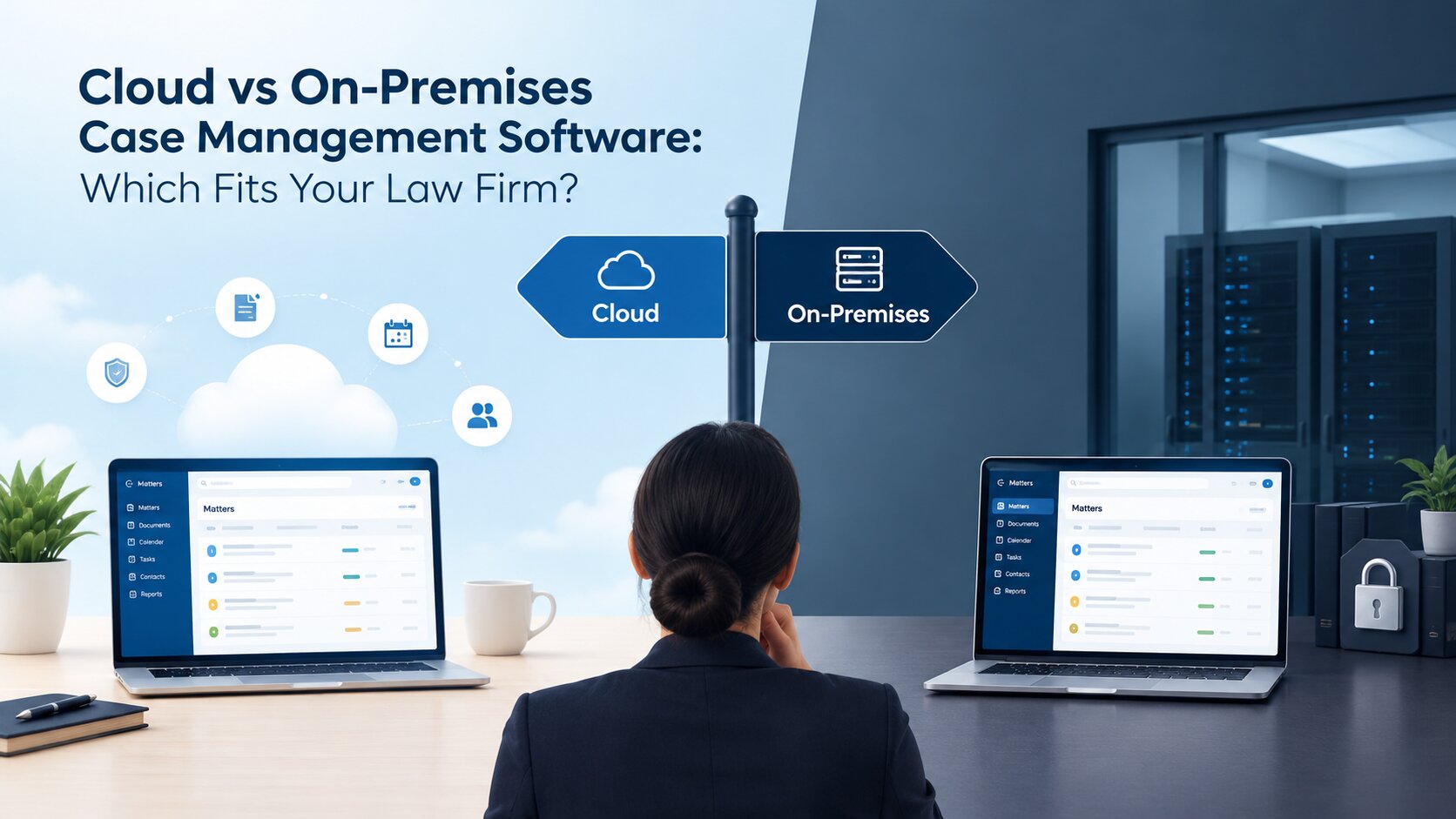
Scalability and deployment flexibility: A legal system should be suitable for the organisation's current requirements while accommodating future growth. Businesses should consider whether the platform can support additional users, increasing matter volumes and changing workflows. Deployment options, including cloud-based and on-premises systems, should also be evaluated according to the organisation's IT policies, security requirements and operational preferences.
Integration with existing business systems: Legal departments often work alongside finance, HR, procurement and other business functions that already use dedicated software. Integration capabilities can help reduce duplicate data entry and improve information flow between systems. Before selecting a platform, businesses should understand which integrations are available and whether they support the workflows the organisation actually needs.
What Should Businesses Look for in Legal Management Software?
Choosing legal management software is not simply about comparing the number of features offered by different providers. The more important question is whether the platform addresses the organisation's actual legal management challenges. A law firm managing client matters will have different requirements from an in-house legal department overseeing corporate contracts, compliance activities and internal legal requests. Businesses should therefore assess software according to their working processes, team structure and long-term operational requirements.
A useful starting point is to evaluate the system's ability to manage different legal activities through a centralised platform. This may include matter management, contract management, document storage, legal requests, deadline tracking and reporting. Organisations should also examine workflow automation capabilities, particularly where approvals, recurring tasks and task assignments involve several people. A well-structured workflow can make responsibilities clearer and reduce the need for repeated manual coordination.
Reporting is another important consideration. Legal managers should be able to understand the status of ongoing matters, identify pending activities and review relevant operational information. Security features, including role-based access permissions and document protection, also deserve careful attention. For organisations operating in multilingual environments, Arabic and English support may be an important requirement. Finally, businesses should assess deployment options, integration capabilities, implementation support and the provider's ability to accommodate future changes.
Taking time to evaluate these areas can help organisations select a system that fits their legal operations rather than investing in software that addresses only one isolated requirement. The objective should be to establish a reliable foundation for managing legal work as business activities become more complex.
How Beveron Technologies Supports Modern Legal Operations
As businesses expand, managing legal matters, contracts, documentation and internal requests through separate processes can create unnecessary operational difficulties. Beveron Technologies provides legal technology solutions designed to help law firms, corporate legal departments and organisations manage different aspects of their legal operations through dedicated software platforms. Its solutions address specific business requirements, allowing organisations to consider technology according to the nature of their legal work.
For corporate legal departments, Smart Legal Counsel provides a platform for managing legal requests, matters, contracts, compliance activities, legal risks and legal expenses. It also supports outside counsel management and reporting, helping in-house legal teams organise their responsibilities and maintain visibility into ongoing work. For organisations handling legal requests from several departments, having a structured system can improve coordination and make it easier to monitor the status of legal activities.
Contract-related responsibilities can be managed through Smart Legal Contract, which supports different stages of the contract lifecycle. Its capabilities include contract templates, document version management, review and approval workflows, centralised contract storage and renewal notifications. These functions help legal teams organise agreements and maintain better visibility into contractual activities, particularly when businesses manage a growing number of commercial relationships.
Law firms and legal consultancies have different operational requirements, including client management, case tracking, court hearings, document handling, time recording and billing. Smart Lawyer Office is designed to support these activities through a dedicated legal practice management platform. It helps legal professionals organise client and matter information, monitor case-related activities, manage important dates and coordinate day-to-day office operations.
Together, these solutions address different operational areas across the legal and debt management functions. Organisations can evaluate the relevant Beveron platform according to their requirements, whether they need to improve corporate legal operations, organise contract lifecycles, manage law firm activities or structure debt recovery processes. The focus is on helping teams move towards more organised, technology-supported ways of working as their business requirements evolve.
Conclusion: Making Legal Technology Part of Business Growth
Business expansion across the Middle East requires organisations to manage increasing legal responsibilities while maintaining coordination between departments, locations and external stakeholders. Contracts, compliance obligations, legal matters, documentation and internal requests all become important parts of daily operations as businesses grow. Managing these activities through disconnected processes can make it difficult to maintain visibility and respond efficiently to changing requirements.
Legal management software provides a structured way to organise these responsibilities. By bringing legal information, workflows, documents and reporting together, businesses can improve how their legal teams manage daily activities and support wider organisational objectives. The right system should reflect the organisation's actual requirements, accommodate its growth and support the legal processes needed in each operating market.
Beveron Technologies offers dedicated legal technology solutions to help law firms, corporate legal departments and businesses manage their legal and operational requirements. As organisations across the UAE, Saudi Arabia and the wider Middle East continue to expand, adopting appropriate legal technology can help establish more organised legal operations that support long-term business development.
Looking to improve your legal operations as your business grows? Explore Beveron Technologies' legal software solutions, designed to help organisations manage legal matters, contracts and workflows more efficiently.
Visit Beveron Technologies to learn more.
Frequently Asked Questions
1. What is legal management software?
Legal management software is a digital platform that helps organisations manage legal activities such as matters, contracts, documents, requests, workflows and reporting. It provides a centralised environment for organising legal information, assigning responsibilities and monitoring ongoing work, helping legal teams manage their operational requirements more efficiently.
2. How does legal technology support business growth?
Legal technology supports business growth by helping organisations manage increasing legal workloads, organise contracts, monitor important deadlines and improve coordination between departments. It also provides better visibility into legal activities, allowing legal teams to support business decisions and manage responsibilities as operations expand.
3. Why do growing businesses need legal operations software?
Growing businesses often handle increasing numbers of contracts, legal requests, compliance activities and disputes. Legal operations software helps bring these activities into an organised system, making it easier to assign tasks, monitor progress, maintain records and coordinate legal responsibilities across departments and locations.
4. How can legal management software help businesses operating in the UAE and Saudi Arabia?
Legal management software can help businesses in the UAE and Saudi Arabia organise legal matters, contracts, compliance-related activities and documentation through centralised workflows. Features such as Arabic and English language support, deadline tracking and access controls can support regional operations. However, businesses must still assess and meet the legal requirements applicable to their activities in each jurisdiction.
5. What features should businesses consider when choosing legal management software?
Businesses should evaluate matter management, contract management, document storage, workflow automation, deadline notifications, reporting, security and access permissions. Arabic and English language support, integration capabilities, deployment options and scalability are also important considerations, depending on the organisation's operational requirements.
6. What is the difference between legal management software and contract management software?
Legal management software covers a broader range of legal activities, including matter management, legal requests, documents, workflows and reporting. Contract management software focuses specifically on managing agreements, including their creation, review, approval, storage, renewal and expiry. Contract management may be included as part of a wider legal management platform.
Best legal management software in the UAE
Best legal technology in the UAE
Best legal operations software in Saudi Arabia
If you need a free demo of the best legal management software in the UAE, please fill out the form