7 Hidden Costs of Fragmented Legal Workflows Your Team May Be Missing

Legal teams rarely plan to create complicated workflows. Yet as organisations grow, legal work often becomes spread across emails, spreadsheets, shared folders, calendars, document repositories, and separate business systems.
A contract request may arrive by email, get added to a spreadsheet, move through several rounds of review, and eventually be stored in another folder. A legal matter can follow a similar path, with case information, documents, tasks, communications, and expenses managed in different places. Each tool may have a valid purpose. The problem begins when these tools and processes do not connect.
This fragmentation can create costs that are easy to overlook. There may be no single invoice showing the amount spent on inefficient workflows. Instead, the impact appears through duplicated work, time spent searching for information, delayed approvals, missed follow-ups, and limited visibility into legal operations. Understanding these hidden costs can help legal teams identify where their current processes are creating unnecessary work.
What Are Fragmented Legal Workflows?
Fragmented legal workflows occur when related legal activities are managed across disconnected systems, tools, or manual processes. For example, a corporate legal team might use email for contract requests, spreadsheets for tracking matters, shared folders for documents, calendars for deadlines, and separate systems for expenses or reporting.
The issue is not simply having multiple tools. Legal teams can use several applications effectively when information moves between them in a consistent way. The real challenge occurs when employees have to repeatedly transfer information, search across different locations, manually follow up with colleagues, or recreate reports from separate sources.
Over time, these small gaps can affect productivity and make legal operations harder to manage.
1. More Time Spent Searching for Information
One of the most common hidden costs of fragmented legal workflows is time lost looking for information. A lawyer may need to locate the latest contract version before responding to a business team. A legal manager may need the current status of several matters before a meeting. Another team member may need to find previous correspondence or supporting documents before taking the next step.
When information is spread across email threads, folders, spreadsheets, and different applications, finding the right information can take longer than expected. Five minutes spent searching may not seem significant. But when several employees perform similar searches every day, the cumulative cost can become substantial. More importantly, this time is taken away from work that requires legal expertise.
A connected legal workflow can make relevant matter, contract, document, and task information easier to locate, reducing unnecessary administrative searching.
2. Duplicate Work and Repeated Data Entry
Fragmented systems can also create unnecessary duplication. A new legal matter may begin with information provided through email or an online form. Someone then enters the details into a spreadsheet, while another employee adds similar information to a separate system. Contracts can create the same problem. Basic information may be recorded in a contract tracker, stored in a document repository, and manually added to another report. Every additional entry consumes time and creates another opportunity for inconsistent information.
For example, if a contact detail, contract status, or matter update changes in one location but not another, different teams may end up working from different versions of the same information.
Reducing duplicate data entry is therefore not only about saving time. It can also support more consistent records across the legal function.
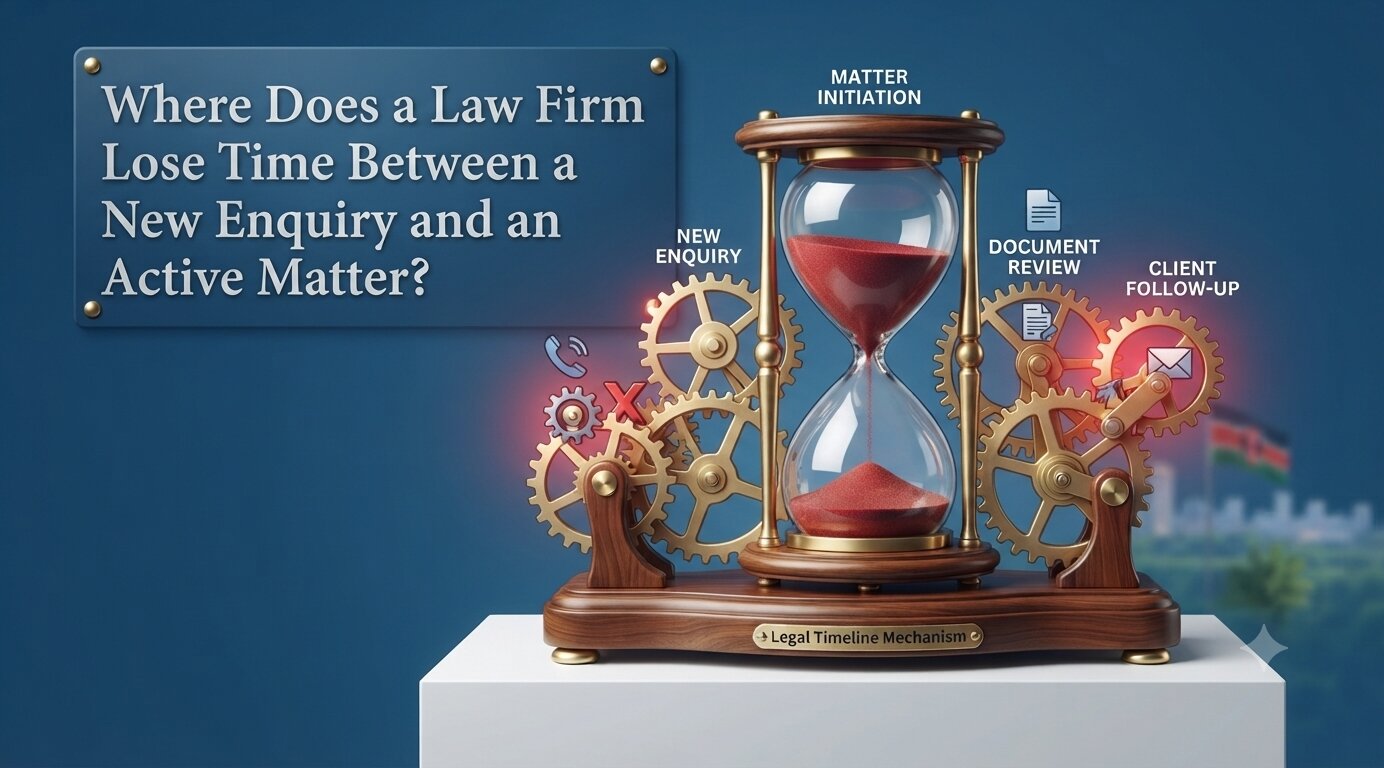
3. Delays Between Teams and Processes
Legal work often involves more than the legal department. Contracts may require input from procurement, finance, compliance, operations, or senior management. Matters may involve business teams, external counsel, insurers, or other stakeholders. When these handoffs depend heavily on email and manual follow-ups, it can become difficult to know where a request currently stands. A contract may be waiting for approval. A legal team may be waiting for information from the business. An employee may assume that someone else is handling the next step. These situations may not represent major failures, but they create workflow gaps.
Clear task ownership, status tracking, approval steps, and notifications can help teams understand what needs attention and who is responsible for moving the work forward.
4. Greater Risk of Missed Deadlines and Obligations
Legal teams work around deadlines every day. Court dates, filing deadlines, contract renewals, notice periods, compliance requirements, payment dates, and internal approvals all require attention. The challenge increases when these dates are tracked in different places. One deadline may be in a calendar, another in an email, and a contract renewal date may be recorded in a spreadsheet. The information exists, but monitoring it consistently becomes more difficult. This creates a risk that important follow-ups depend too heavily on individuals remembering to check the right system.
Structured deadline tracking can provide a clearer view of upcoming activities and obligations. It does not replace legal judgement, but it can make routine follow-up more visible and consistent.
5. Limited Visibility Into Legal Work and Costs
Legal leaders need to understand more than individual matters. They need a broader view of the department's workload and activities.
Which matters are active?
Which contracts are awaiting approval?
Where are workloads increasing?
What legal expenses are being incurred?
How much work involves external counsel?
When the answers are spread across spreadsheets, emails, individual files, and separate systems, preparing a complete report may require significant manual effort. Someone has to collect the information, check whether it is current, organise it, and prepare it for management review. This can make reporting slower and make it harder to identify broader patterns.
Centralised reporting and dashboards can give legal teams a clearer operational view of matters, contracts, expenses, workloads, and other activities.
6. Knowledge Loss When People Change Roles
Not all legal knowledge is stored in formal records. Important context can also exist in email conversations, personal notes, spreadsheets, folder structures, and the working habits of experienced employees. When someone leaves the organisation or changes roles, that knowledge can become harder to access. A new team member may have access to the relevant documents but still need to reconstruct the history of a matter. They may have to search through old emails or speak to several colleagues to understand what happened previously.
This creates an often-overlooked cost: the time required to rebuild context.
A consistent system for recording matter history, documents, tasks, and related information can help preserve organisational knowledge and give new team members a stronger starting point.
7. Small Inefficiencies Become a Larger Operational Cost
The biggest hidden cost of fragmented legal workflows may be the cumulative effect of all the smaller ones. A few minutes spent searching for a document. Re-entering information into another system. Following up on an approval. Preparing a manual report. Reconstructing the history of a matter. Each activity may appear manageable in isolation. Across hundreds of matters, contracts, requests, and compliance activities, however, these small inefficiencies can become a recurring operational burden.
This is why legal teams should look beyond the direct cost of their technology when reviewing legal operations. A useful question is not simply, "How much do our systems cost?"
It is also:
"How much time and effort does our current way of working quietly consume?"
How Can Legal Teams Reduce the Cost of Fragmented Workflows?
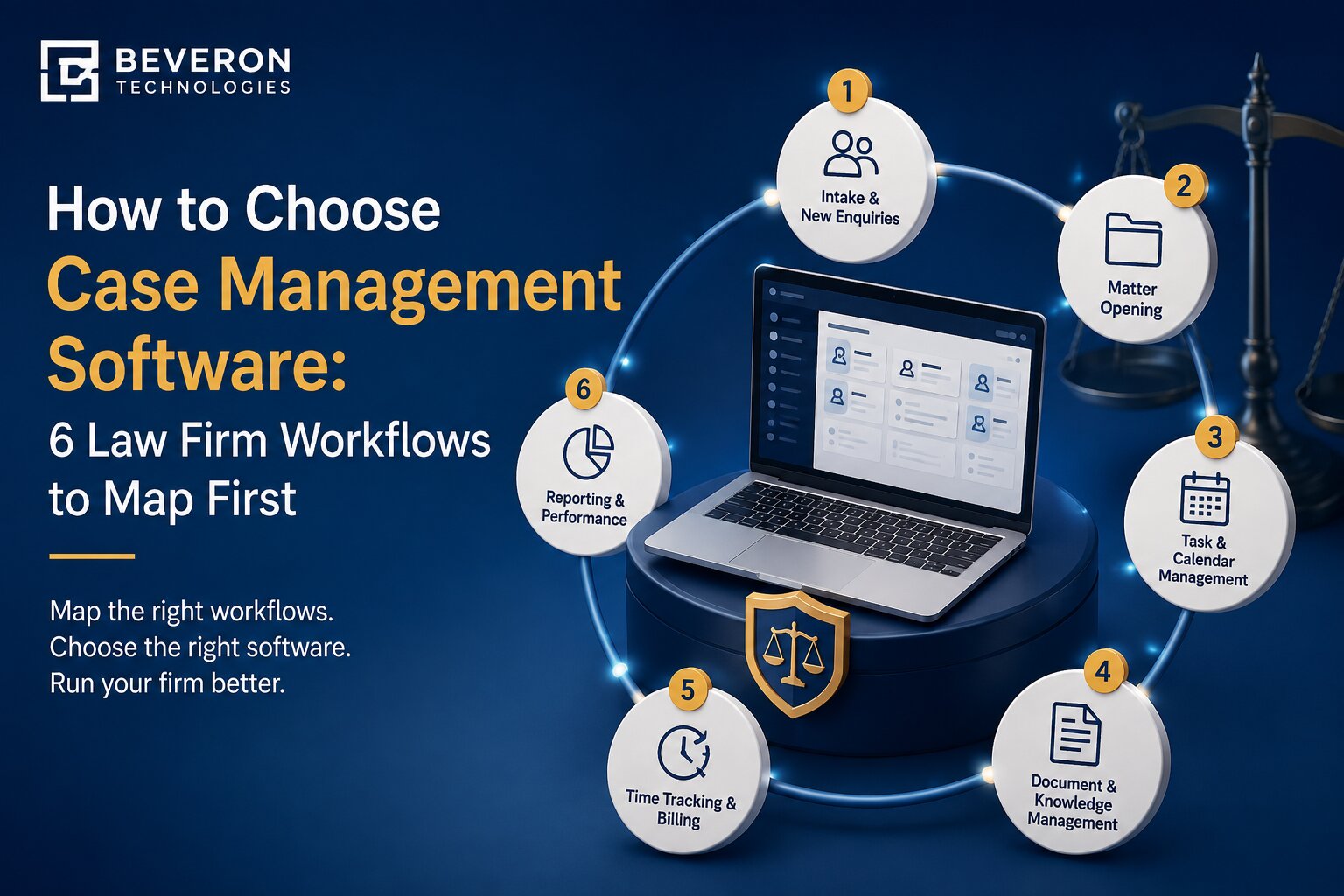
The answer is not necessarily to replace every system. A better starting point is to understand how important legal processes actually work. Take a contract request, for example. Map the process from the initial request through drafting, review, approval, signing, storage, and renewal.
Then identify where employees:
- Enter the same information more than once
- Search multiple systems for documents
- Manually send reminders
- Wait for updates from other teams
- Create reports from different data sources
- Rely on individual employees to remember important information
These gaps can then be addressed through clearer processes, better system integration, standardised workflows, or a more connected legal management platform. The goal is not technology for its own sake. It is to make legal work easier to track, manage, and complete.
What Should Legal Teams Look for in a Connected Legal Workflow?
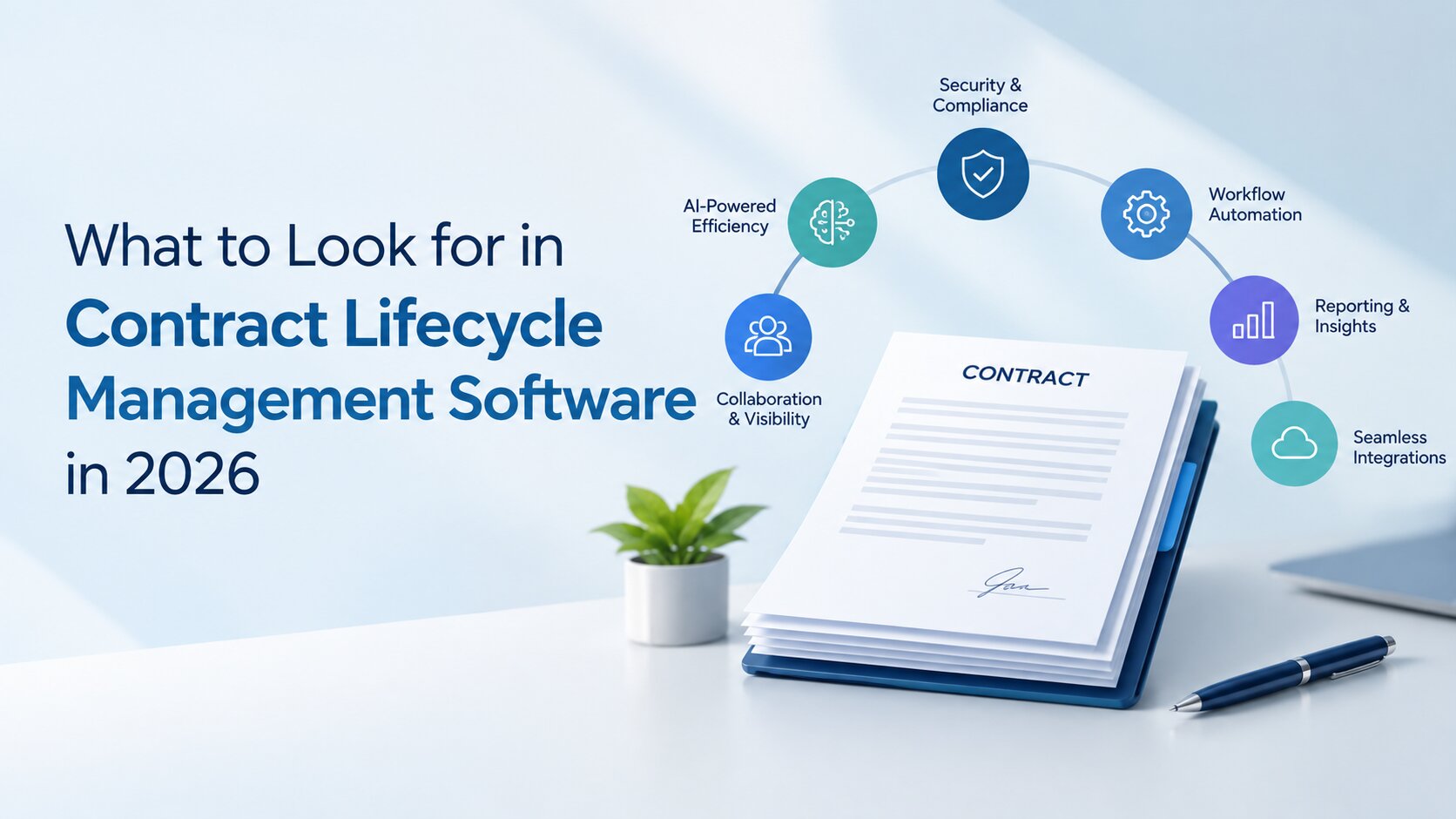
The right capabilities depend on the organisation, but a connected legal workflow should support the processes that legal teams manage regularly.
These may include:
- Matter and case management: A structured view of ongoing matters, tasks, documents, and activities.
- Contract management: Support for contract requests, drafting, review, approval, storage, and important dates.
- Document management: Easier access to documents associated with matters and contracts.
- Task and deadline tracking: Clear ownership and visibility of upcoming actions.
- Compliance and risk management: A structured way to monitor relevant obligations and risks.
- Legal expenses: Better visibility into legal costs and external support.
- Outside counsel management: A central view of work involving external legal providers.
- Reporting and dashboards: Information that helps legal leaders understand workload, progress, and operational activity.
The key is not simply having these features. They should work together in a way that reduces unnecessary movement between disconnected processes.
How Beveron Smart Legal Counsel Helps Connect Legal Workflows
For corporate legal teams, connecting related legal activities can make day-to-day work easier to manage. Beveron Smart Legal Counsel supports areas such as matters, litigation, contracts, compliance, risk, legal expenses, outside counsel, and reporting within a legal management environment. Instead of managing every activity as a separate process, teams can maintain a more structured view of their legal work and the information associated with it.
This can help reduce unnecessary administrative coordination, improve visibility across ongoing work, and provide a more consistent way to manage legal processes. For organisations dealing with increasing volumes of legal work, the objective is straightforward: make information easier to access, processes easier to follow, and legal operations easier to manage.
A Simple Checklist for Finding Hidden Workflow Costs
Before deciding whether your current legal systems are working efficiently, ask:
- Are employees entering the same information into multiple places?
- How long does it take to find the latest document or matter update?
- Are important deadlines tracked consistently?
- Can employees clearly see who is responsible for the next step?
- How are contract renewals monitored?
- How long does it take to prepare management reports?
- Does important matter knowledge depend on individual employees?
- Can legal leaders see workloads without requesting multiple manual updates?
- Where do handoffs between legal and other departments tend to slow down?
The answers can reveal operational costs that may not appear anywhere in the technology budget.
Conclusion: Look Beyond the Visible Cost of Legal Work
Fragmented legal workflows do not always appear as an obvious business problem. Instead, their impact can build gradually through repeated administrative work, information searches, delayed handoffs, inconsistent records, missed follow-ups, and limited visibility. The first step is to identify where information and responsibility become disconnected.
Once these gaps are visible, legal teams can decide which processes should be simplified, standardised, connected, or supported by technology.
A connected legal workflow is not about removing human judgement from legal work. It is about giving legal professionals a clearer view of the information and processes they depend on, allowing them to spend more time on work that requires their expertise.
If your legal team is managing matters, contracts, compliance, expenses, and outside counsel across disconnected processes,
Explore how Beveron Smart Legal Counsel can support a more structured approach to legal operations.
FAQs
1. What are fragmented legal workflows?
Fragmented legal workflows occur when related legal activities are managed across disconnected systems, spreadsheets, emails, folders, or manual processes. This can make information harder to find and processes more difficult to track.
2. What are the hidden costs of fragmented legal workflows?
Common hidden costs include time spent searching for information, duplicate data entry, delays between teams, missed deadlines, limited reporting visibility, knowledge loss, and the cumulative effect of small administrative inefficiencies.
3. How do fragmented workflows affect legal team productivity?
When legal professionals have to search across multiple systems, repeat data entry, manually follow up on tasks, or prepare reports from separate sources, less time is available for substantive legal work.
4. Can legal workflow software reduce administrative work?
Legal workflow software can help structure recurring processes, centralise relevant information, track tasks and deadlines, and provide reporting. The actual impact depends on how well the software matches the organisation's processes and how it is implemented.
5. What should legal teams look for in legal workflow management software?
Legal teams can consider capabilities such as matter management, contract management, document management, task and deadline tracking, compliance, legal expenses, outside counsel management, reporting, access controls, and workflow support.
Best legal workflow management software in the UAE
Best legal process management software in the UAE
Best corporate legal management software in the UAE
If you need a free demo of the best legal workflow management software in the UAE, please fill out the form.