Compliance Case Management Software in Saudi Arabia: A Complete Guide for Law Firms
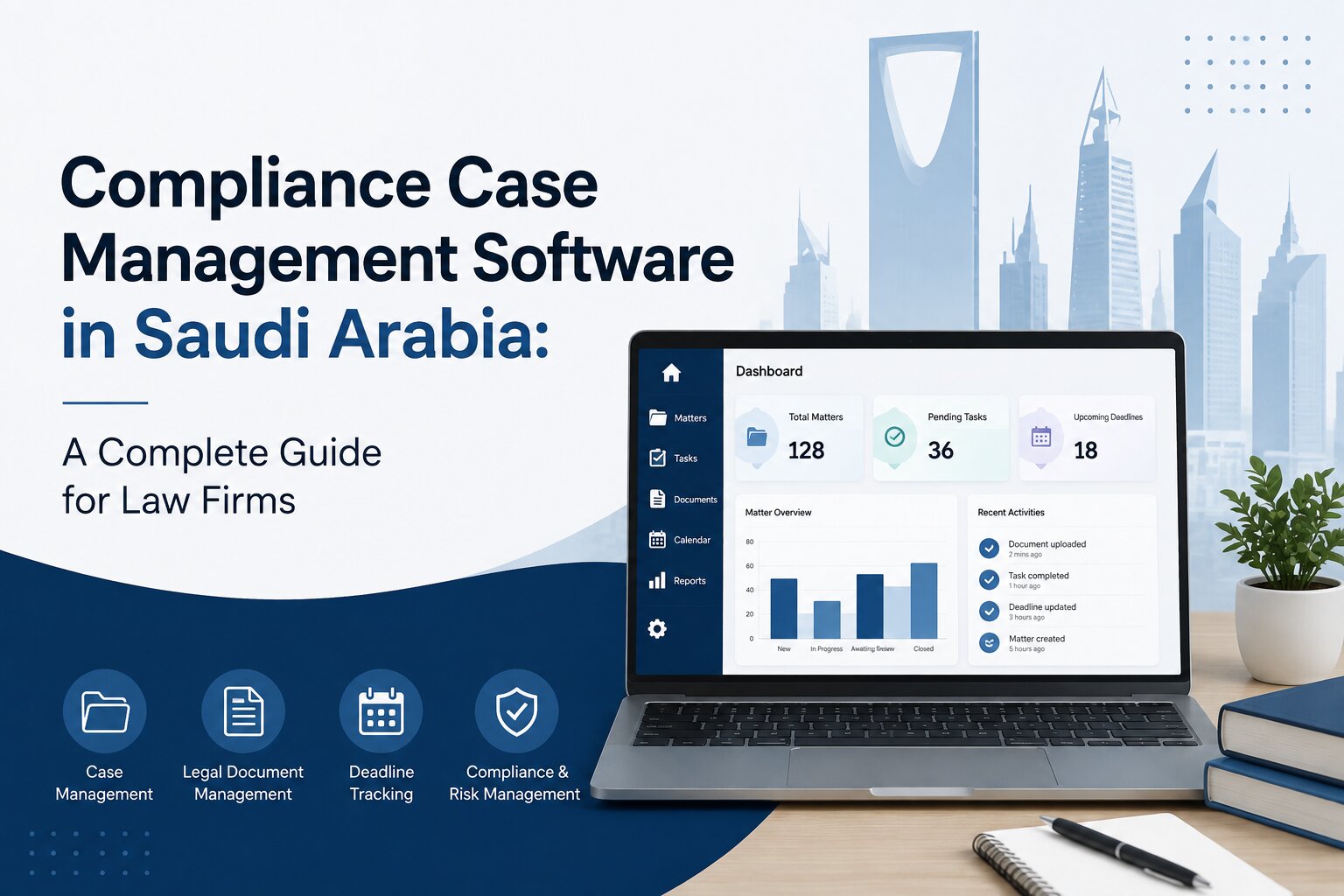
Law firms in Saudi Arabia are handling an increasingly complex mix of legal work. A single matter may involve large volumes of documents, multiple deadlines, client communications, internal reviews and sensitive personal information. When these activities are managed across spreadsheets, email inboxes and separate document folders, maintaining visibility can become difficult.
This is where compliance case management software can make a practical difference.
The right system helps law firms bring case information, tasks, documents and important deadlines into a more structured environment. Rather than relying heavily on manual follow-ups and individual memory, teams can create clearer workflows and maintain a better record of how work is progressing.
For firms operating in the Kingdom, this is also part of a broader shift towards digital legal operations. Saudi Arabia's regulatory framework includes the Personal Data Protection Law (PDPL), which governs the processing of personal data in the Kingdom and, in certain circumstances, the processing of data relating to individuals residing there. The framework is supported by implementing regulations and related data governance requirements.
For law firms, however, technology alone does not create compliance. Legal judgement, policies and professional oversight remain essential. What a well-designed system can do is help create the structure needed to manage legal work more consistently.
What Is Compliance Case Management Software?
Compliance case management software is a digital system that helps organisations manage cases and matters while providing greater visibility into the tasks, documents, deadlines and activities connected to those matters.
For a law firm, this typically means having a central place to manage information such as:
- Client and matter details
- Case status and progress
- Tasks and responsibilities
- Important dates and deadlines
- Legal documents and correspondence
- Internal workflows
- Activity histories and records
- Reports on ongoing work
The compliance element is important because legal work often depends on following the right process at the right time. A missed deadline, incomplete record or unclear task owner can create unnecessary operational and legal risk.
A compliance case management software Saudi Arabia solution can help firms establish more organised processes around these activities. It does not interpret regulations or replace lawyers, but it can reduce the operational gaps that often arise when information is scattered across disconnected systems.
How Is It Different From Traditional Case Management?
Traditional case management software may primarily focus on recording matters, clients and case updates. A compliance-focused approach goes further by supporting structured workflows, task ownership, deadline monitoring and activity tracking.
For example, instead of simply recording that a matter exists, a firm can create a process around it:
- Open the matter.
- Assign responsibilities.
- Add relevant documents.
- Set key deadlines.
- Track required actions.
- Record progress.
- Maintain a clear history of activity.
This structure can support stronger legal and regulatory risk management, particularly when teams handle a high volume of matters or work across multiple practice areas.
Why Saudi Law Firms Need Compliance-Focused Case Management
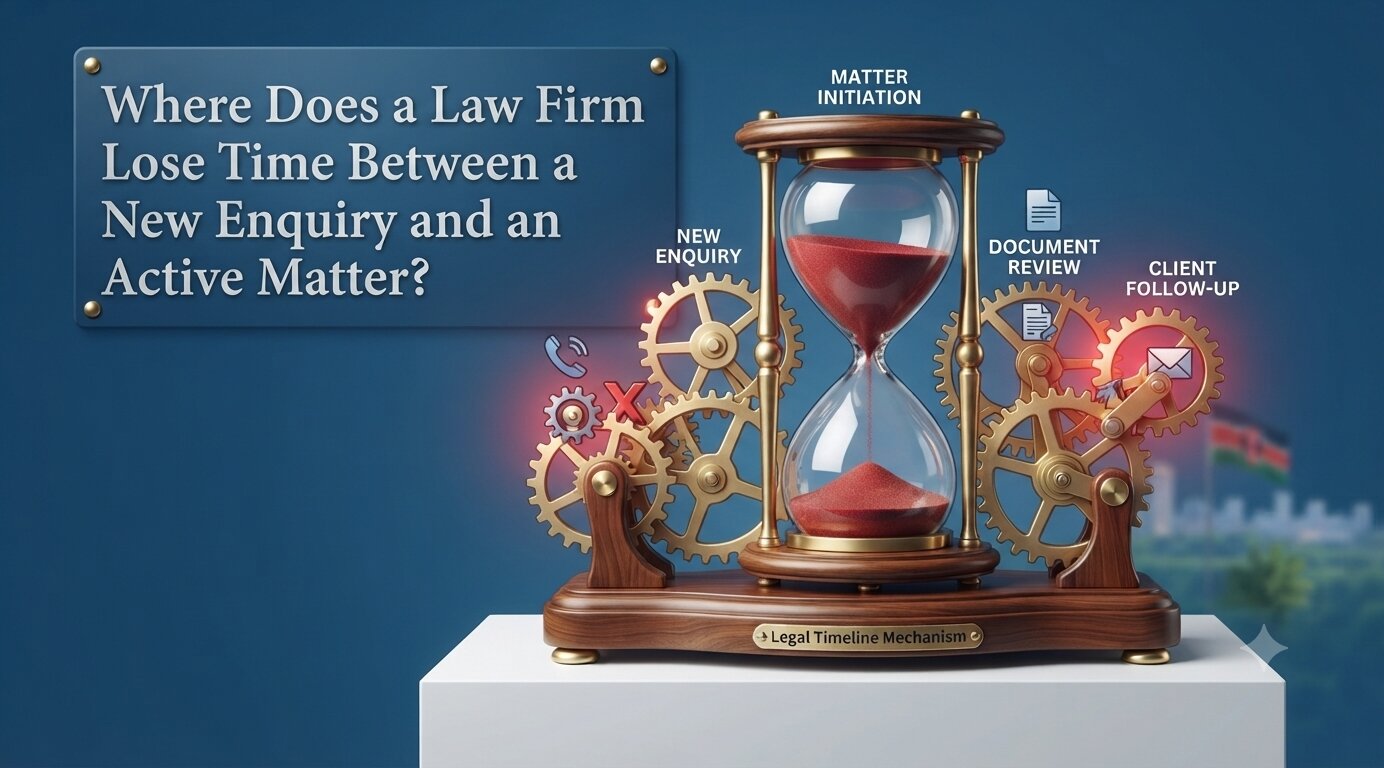
The challenge for many law firms is not simply managing more cases. It is managing more information around every case. A legal team may need to coordinate lawyers, support staff, clients, documents and deadlines at the same time. If each person uses a different method for tracking work, important information can quickly become fragmented.
Common problems include:
- Case updates stored in email threads.
- Deadlines tracked manually.
- Documents saved in multiple locations.
- Unclear ownership of tasks.
- Difficulty identifying the latest version of a file.
- Limited visibility for partners or managers.
- Inconsistent processes between similar matters.
These issues can slow down legal work and make it harder to maintain consistent internal processes.
The wider adoption of legal technology in Saudi Arabia is creating an opportunity for firms to replace disconnected ways of working with more integrated systems. A centralised platform can give legal teams a clearer view of what is happening across their matters without requiring them to search through multiple tools.
Data handling is also an important consideration. The Saudi PDPL establishes a framework for personal data processing and provides individuals with rights relating to their information. Organisations processing personal data need to consider their applicable obligations, including appropriate governance and safeguards.
For this reason, when law firms evaluate new technology, they should look not only at convenience and features but also at how the system supports appropriate access, information management and internal controls.
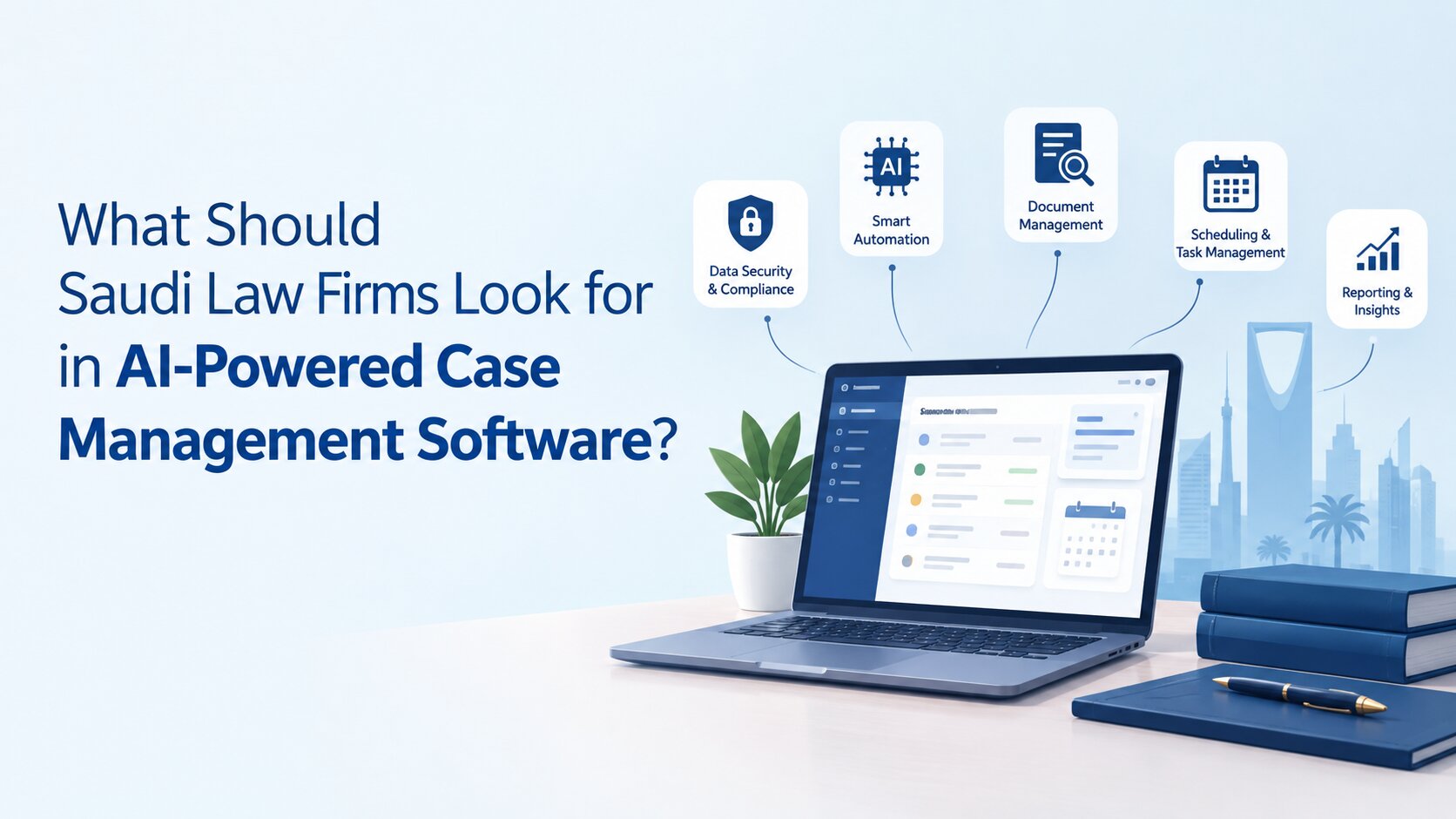
Key Features to Look for in Compliance Case Management Software
Not every system will suit every law firm. The right choice depends on the firm's size, practice areas, workflows and operational requirements.
However, several features are particularly useful.
Centralised Case and Matter Management
A strong law firm case management software Saudi Arabia solution should provide a central view of each matter.
This can include:
- Client information
- Matter details
- Case status
- Assigned team members
- Related activities
- Notes and updates
- Important dates
The goal is simple: people working on a matter should be able to find the information they need without searching across several disconnected locations.
Compliance Workflow and Task Management
Legal work often follows repeatable processes. For example, opening a matter may require a set of initial steps, while closing it may require another set of reviews and actions.
Workflow tools can help firms:
- Assign tasks to specific users.
- Set due dates.
- Create standard processes.
- Monitor pending work.
- Send reminders.
- Track completed activities.
This creates greater accountability. Instead of asking, “Who is handling this?” the team can see the assigned owner and current status directly within the system.
Legal Document Management
Legal document management is another essential part of effective case management. A useful system should help firms organise documents by client, matter or other relevant categories. This can make it easier to retrieve important information and reduce the risk of teams working from the wrong file.
Depending on the system and configuration, firms may also look for capabilities such as:
- Centralised storage
- Document categorisation
- Version control
- Controlled access
- Search functionality
- Links between documents and specific matters
For firms managing large volumes of files, this can save significant administrative time.
Deadline, Calendar and Reminder Management
Legal work is often time-sensitive. Hearings, submissions, client commitments and internal reviews all need to be monitored carefully.
A case management system can help bring these dates into a more visible structure by supporting:
- Matter deadlines
- Hearings and appointments
- Task due dates
- Internal review schedules
- Automated reminders
The purpose is not to remove human responsibility. It is to make important dates easier to see and manage.
Activity Tracking and Audit Trails
Being able to understand what happened during the lifecycle of a matter can be valuable for both operational oversight and internal governance.
Activity tracking may help firms maintain a record of:
- Actions taken
- Updates made
- Task completion
- Document-related activities
- Changes to case information
The exact audit capabilities will vary between platforms, so firms should evaluate these features carefully based on their own governance and record-keeping requirements.
Reporting and Management Visibility
Partners and legal managers often need a broader view than individual case files can provide.
Reporting tools can help answer questions such as:
- How many matters are currently open?
- Which deadlines are approaching?
- Where are tasks getting delayed?
- How is work distributed across the team?
- Which matters require management attention?
This visibility is one of the main reasons firms move towards more integrated legal practice management software Saudi Arabia solutions.
How Compliance Case Management Software Supports Legal and Regulatory Risk Management
Technology cannot guarantee compliance. A software platform cannot decide whether a legal obligation has been met or replace professional legal advice.
What it can do is help create stronger operational discipline.
For example, a structured system can support:
- Better visibility into responsibilities.
- More consistent workflows.
- Centralised records.
- Clearer deadline tracking.
- Improved monitoring of pending actions.
- Greater management oversight.
Consider a simple example. If every lawyer manages case deadlines differently, the firm has limited consistency. One person may use a spreadsheet, another may rely on a calendar and another may keep notes in a document. A centralised system creates a more consistent framework.
That consistency can be valuable when managing legal and regulatory risk management processes. It gives firms a better opportunity to identify gaps, monitor work and maintain clearer records of activities.
Creating More Consistent Legal Processes
Standardisation does not mean every legal matter should be handled in exactly the same way. Legal work requires flexibility. However, repeatable administrative and operational steps can often be structured.
For example, a firm may create standard workflows for:
- Opening a new matter.
- Conducting internal reviews.
- Assigning responsibilities.
- Collecting documents.
- Tracking deadlines.
- Closing completed matters.
This can reduce unnecessary variation in routine processes while allowing lawyers to apply their professional judgement where it matters.
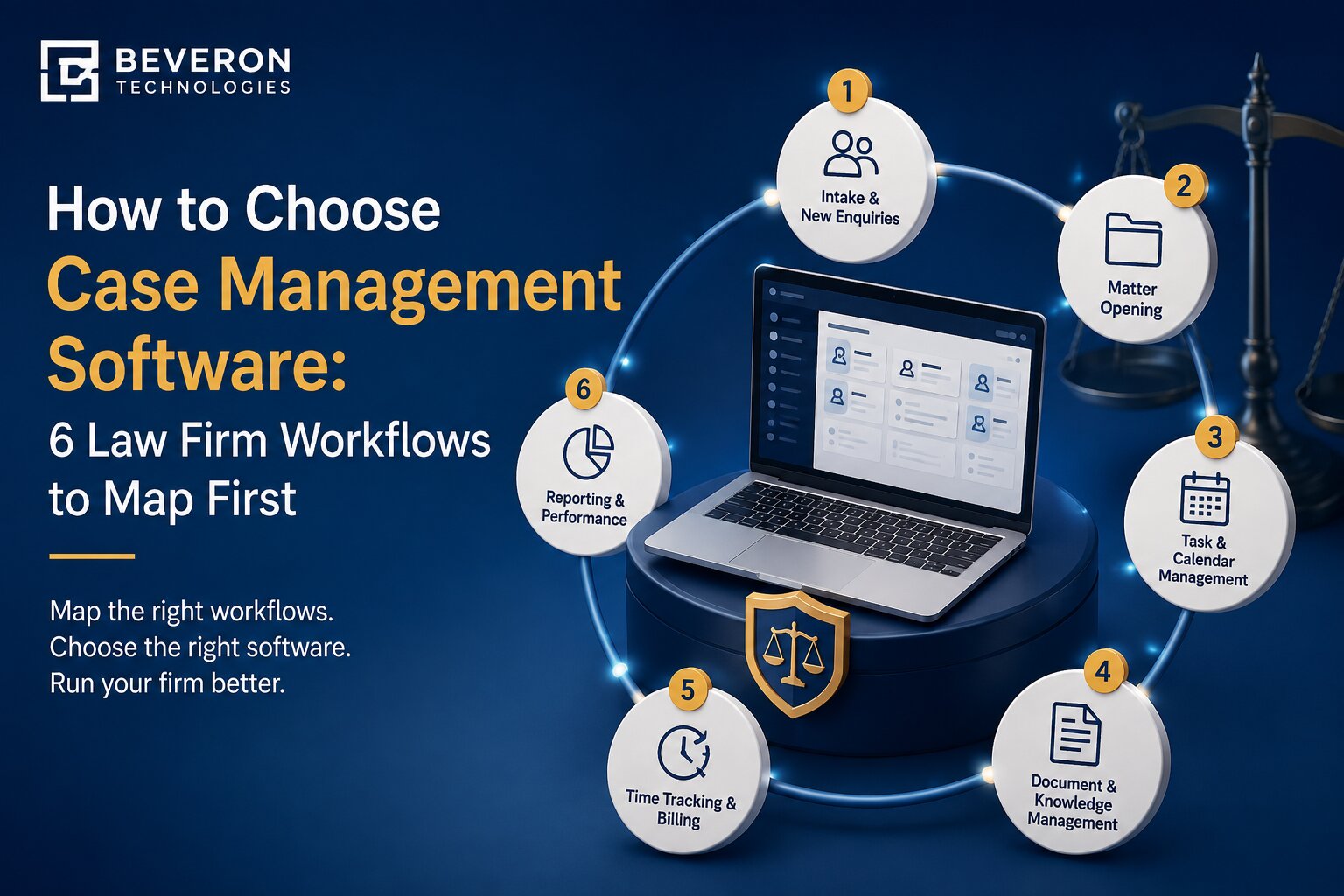
How to Choose the Right Compliance Case Management Software in Saudi Arabia
Choosing a new platform should start with the firm's actual working processes, not a list of software features.
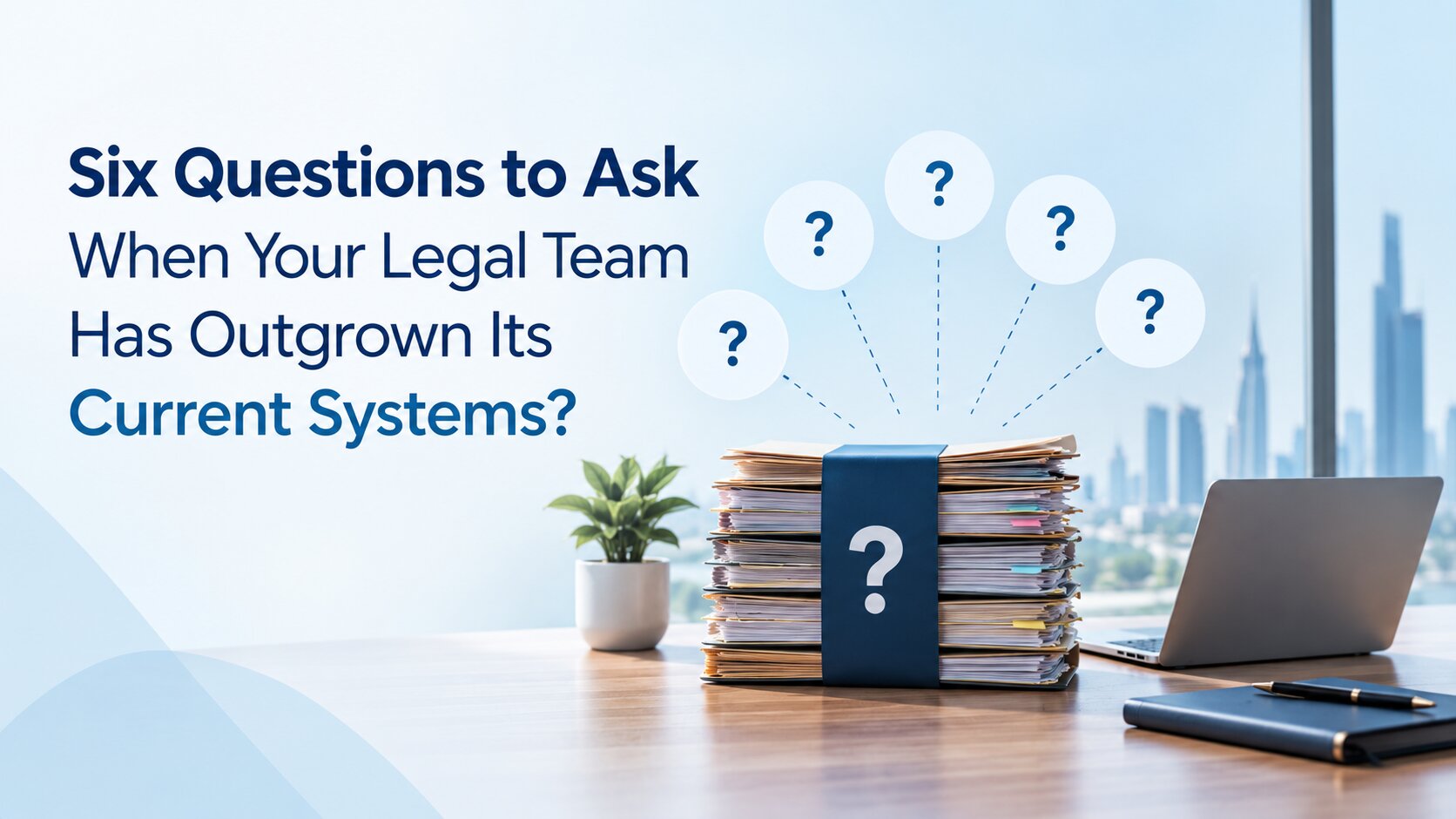
Understand Your Current Workflow
Before evaluating vendors, identify where the current process is creating problems.
Ask questions such as:
- Where is case information currently stored?
- How are deadlines tracked?
- How much time is spent searching for documents?
- Which tasks are repeated across matters?
- Where do delays usually occur?
- What information do managers struggle to access?
The answers will help define what the firm actually needs.
Evaluate Security and Access Controls
Law firms often manage confidential and sensitive information. Access management should therefore be an important part of the evaluation process.
Depending on the firm's requirements, useful capabilities may include:
- Role-based access.
- User permissions.
- Activity logging.
- Controlled access to documents.
- Secure information management.
Saudi Arabia's data protection framework places obligations on organisations processing personal data, while the National Data Governance Platform also provides services and tools related to compliance assessment and data governance. Firms should assess their specific obligations and ensure that any technology decisions are aligned with their legal and regulatory requirements.
Consider Scalability
A system that works for a small team today may become difficult to manage as the firm grows.
Consider whether the platform can support:
- More users
- Higher case volumes
- Additional practice areas
- New workflows
- Changing reporting requirements
The goal is to choose technology that supports the firm's future operations rather than creating another system that needs to be replaced after a short period.
Look Beyond Basic Case Tracking
A useful platform should support the wider operational environment around legal matters.
This may include:
- Cases and matters
- Tasks
- Documents
- Deadlines
- Client information
- Workflows
- Reporting
The more naturally these areas work together, the less time teams may need to spend moving information manually between separate tools.
Beveron Smart Lawyer Office for Law Firms in Saudi Arabia
For Saudi law firms looking to bring their legal operations into a more connected environment, Beveron Smart Lawyer Office is designed to support the management of legal work through a centralised digital platform. The focus is on bringing important operational activities together rather than managing cases through disconnected spreadsheets, folders and communication channels.
Bringing Cases, Tasks and Documents Together
A centralised legal management platform can help firms organise key information associated with their work, including:
- Client details
- Case and matter records
- Tasks and responsibilities
- Important dates and deadlines
- Legal documents
- Case-related activities
Having these elements connected can make day-to-day work easier to manage. Lawyers and support teams can work from a more consistent source of information rather than repeatedly searching across different systems.
Supporting Better Compliance Visibility and Control
Structured case management can also support stronger internal oversight.
For example, firms can use organised workflows to improve:
- Task ownership
- Deadline visibility
- Case progress tracking
- Document organisation
- Management reporting
- Consistency across routine processes
This does not mean the platform itself makes a law firm compliant. Compliance depends on the firm's specific obligations, policies and legal processes. However, a well-structured system can provide the operational foundation needed to manage those processes more effectively.
Supporting Digital Transformation in Saudi Law Firms
The legal sector is becoming increasingly connected to broader digital transformation initiatives. As firms adopt more advanced tools, the value often comes not from digitising a single task but from connecting everyday legal processes. For Saudi law firms, a platform such as Beveron Smart Lawyer Office can support this shift by creating a more organised environment for case and matter management, task coordination, document handling and operational oversight.
A relevant internal link can be added here using anchor text such as law firm case management software or legal practice management software to direct readers to the Beveron Smart Lawyer Office solution page.
A Practical Approach to Implementing Compliance Case Management Software
Introducing new technology works best when the implementation is treated as a process improvement project rather than simply a software installation.
Step 1: Review Current Processes
Identify the manual activities that consume time or create confusion.
Look at:
- Case opening procedures
- Document storage
- Task assignment
- Deadline tracking
- Internal approvals
- Matter closure
This helps identify where the software can provide the greatest value.
Step 2: Define Clear Workflows
Create structured processes for common activities. Start with the workflows that are used most frequently instead of trying to automate everything immediately. The initial process should be practical enough for the legal team to use every day.
Step 3: Train the Team
Even the best technology will not deliver much value if people avoid using it.
Training should focus on real tasks, such as:
- Opening a matter
- Uploading documents
- Updating case information
- Managing tasks
- Tracking deadlines
- Using reports
Step 4: Review and Improve
Implementation should not end on launch day. Firms should review how the system is being used, identify adoption challenges and refine workflows as their requirements change.
The Future of Compliance and Case Management for Saudi Law Firms
The future of legal operations is unlikely to be about replacing lawyers with software. Instead, it is about reducing unnecessary administrative complexity and giving legal professionals better access to the information they need.
We can expect continued interest in:
- Connected legal workflows
- Workflow automation
- Centralised legal information
- Better reporting and visibility
- AI-assisted legal tasks
- Stronger data governance and information controls
Saudi Arabia's evolving digital and data governance environment has increased the importance of accountability and organised data management. The country's official data governance resources provide organisations with tools and services related to assessing compliance and managing personal data obligations.
For law firms, this makes structured technology choices increasingly important. The objective should not be to adopt technology simply because it is new. It should be to select tools that solve genuine operational problems.
Frequently Asked Questions
What is compliance case management software?
Compliance case management software is a system that helps organisations manage cases, tasks, documents, deadlines and related workflows in a more structured way. For law firms, it can improve visibility and support more consistent operational processes.
Why do law firms in Saudi Arabia need compliance case management software?
Law firms can use these systems to centralise case information, organise legal documents, track tasks and deadlines, and improve oversight of ongoing matters. This can be particularly useful when managing high volumes of information across multiple team members.
What features should Saudi law firms look for?
Key features may include:
- Case and matter management
- Task management
- Deadline tracking
- Legal document management
- Workflow support
- User access controls
- Activity tracking
- Reporting and dashboards
The final choice should depend on the firm's specific legal, operational and regulatory requirements.
Can case management software help with legal and regulatory risk management?
Yes, it can support risk management by helping firms organise information, monitor responsibilities, track deadlines and maintain more consistent workflows. However, the software does not replace legal expertise, compliance policies or professional oversight.
Conclusion: Building a More Controlled and Connected Legal Practice
Managing legal matters effectively requires more than keeping a list of open cases. Law firms need clear visibility into documents, deadlines, responsibilities and the progress of each matter. Compliance case management software can help create that structure by bringing these activities into a more connected environment. For Saudi law firms, the right solution can support more organised legal operations, better visibility and more consistent processes.
The key is to look beyond basic case tracking. A platform should fit the way your firm actually works, support appropriate information controls and remain flexible as your operational needs evolve.
Beveron Smart Lawyer Office offers a centralised approach to managing cases, tasks, documents and legal workflows, helping law firms build a more organised and connected way of working.
Best compliance case management software Saudi Arabia
Best legal compliance software Saudi Arabia
Best law firm case management software Saudi Arabia
If you need a free demo of the best compliance case management software Saudi Arabia, please fill out the form .