What Is Corporate Legal Case Management? A Guide for Kenyan Businesses

For many businesses in Kenya, the legal team manages far more than court cases. Day-to-day work can include contracts, disputes, regulatory matters, compliance tasks, legal requests from different departments, and communication with external counsel. As this workload grows, keeping everything organised through emails, spreadsheets and separate folders can become difficult.
Corporate legal case management software provides a more structured way to manage these activities. Instead of searching through different systems to find the latest document, deadline or case update, legal teams can bring key information into one central workspace. But what exactly does corporate legal case management mean, and what should Kenyan businesses look for in a solution?
This guide explains the basics, the main features to consider, and how a platform such as Beveron Smart Legal Counsel can support modern in-house legal teams.
What Is Corporate Legal Case Management?
Corporate legal case management is the process of organising, tracking and managing the legal matters handled by an organisation. These matters may include litigation, regulatory issues, employment disputes, compliance activities, legal requests from business teams, investigations and other legal work.
Corporate legal case management software brings this work into a central system. Legal teams can use it to record matters, assign tasks, manage documents, monitor deadlines, track costs and share updates with relevant stakeholders. It is important to distinguish corporate legal case management from traditional litigation case management.
A litigation-focused system may mainly help lawyers manage court proceedings, hearings, filings and case documents. Corporate legal teams often need a wider view because their work extends beyond disputes. They may also need to manage contracts, compliance requirements, risks, internal requests and relationships with external legal advisers.
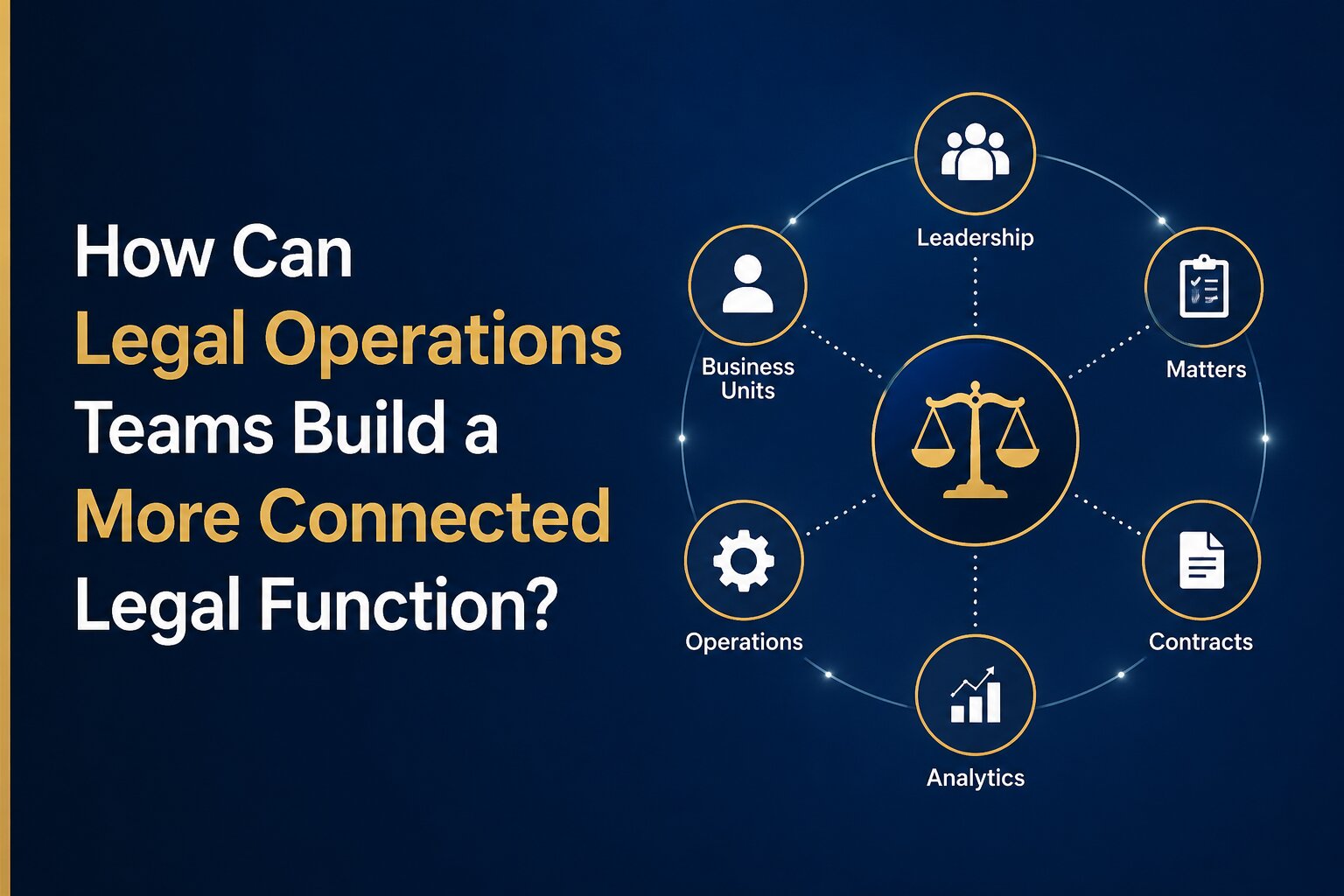
For an in-house legal department, therefore, case management is often part of a broader legal operations process.
Why Legal Case Management Matters for Kenyan Businesses
The legal environment in Kenya can involve multiple regulatory and compliance requirements. Depending on the organisation and its industry, legal teams may work with bodies such as the Kenya Revenue Authority (KRA), the Office of the Data Protection Commissioner (ODPC) and the Competition Authority of Kenya.
Businesses operating across East Africa may also have legal matters involving more than one jurisdiction. This creates a practical challenge for in-house teams: how do you keep track of everything without losing visibility? When legal information is spread across email threads, spreadsheets and individual folders, several problems can arise.
Scattered legal information
A matter may involve contracts, correspondence, internal notes, supporting documents and advice from external counsel. When these are stored in different locations, finding the right information can take unnecessary time.
Missed deadlines
Legal work often comes with important dates. A missed filing, response, renewal or compliance deadline can create avoidable risk.
Limited visibility for management
Business leaders may need to know which matters are open, which require attention, how much work is pending and where legal risks are developing. Producing this information manually can be time-consuming.
Difficult collaboration
Legal teams rarely work in isolation. Finance, HR, procurement, compliance, operations and senior management may all need to contribute to or receive information about a matter. A central case management system can help create a clearer process for handling these interactions.
Core Components of a Corporate Legal Case Management System
Features vary by platform, but a useful corporate legal case management solution should cover the main activities involved in managing legal matters.
1. Matter Intake and Categorisation
Legal teams receive requests from across the business. These might relate to a dispute, regulatory question, employment issue, contract or compliance concern. A structured intake process helps capture the basic information needed to understand and assign the matter. Matters can then be categorised according to their type, department, priority, status or other relevant criteria.
2. Task and Deadline Tracking
Legal matters often involve multiple actions and people. A case management system can help teams assign tasks, set due dates and monitor progress. Instead of relying solely on personal calendars or email reminders, the team has a shared view of outstanding work. This can be particularly useful when several matters are active at the same time.
3. Document and Correspondence Management
Legal matters generate a significant amount of documentation. A central repository allows relevant contracts, legal opinions, correspondence, filings and other documents to be connected to the appropriate matter. This makes it easier for authorised users to find information when they need it and reduces the need to search across multiple folders or email conversations.
4. Communication and Collaboration
Legal work often requires input from people outside the legal department. A case management platform can provide a common workspace where relevant updates, tasks and information can be shared with the appropriate stakeholders. This helps reduce the back-and-forth that can happen when every update is handled through separate email conversations.
5. Reporting and Dashboards
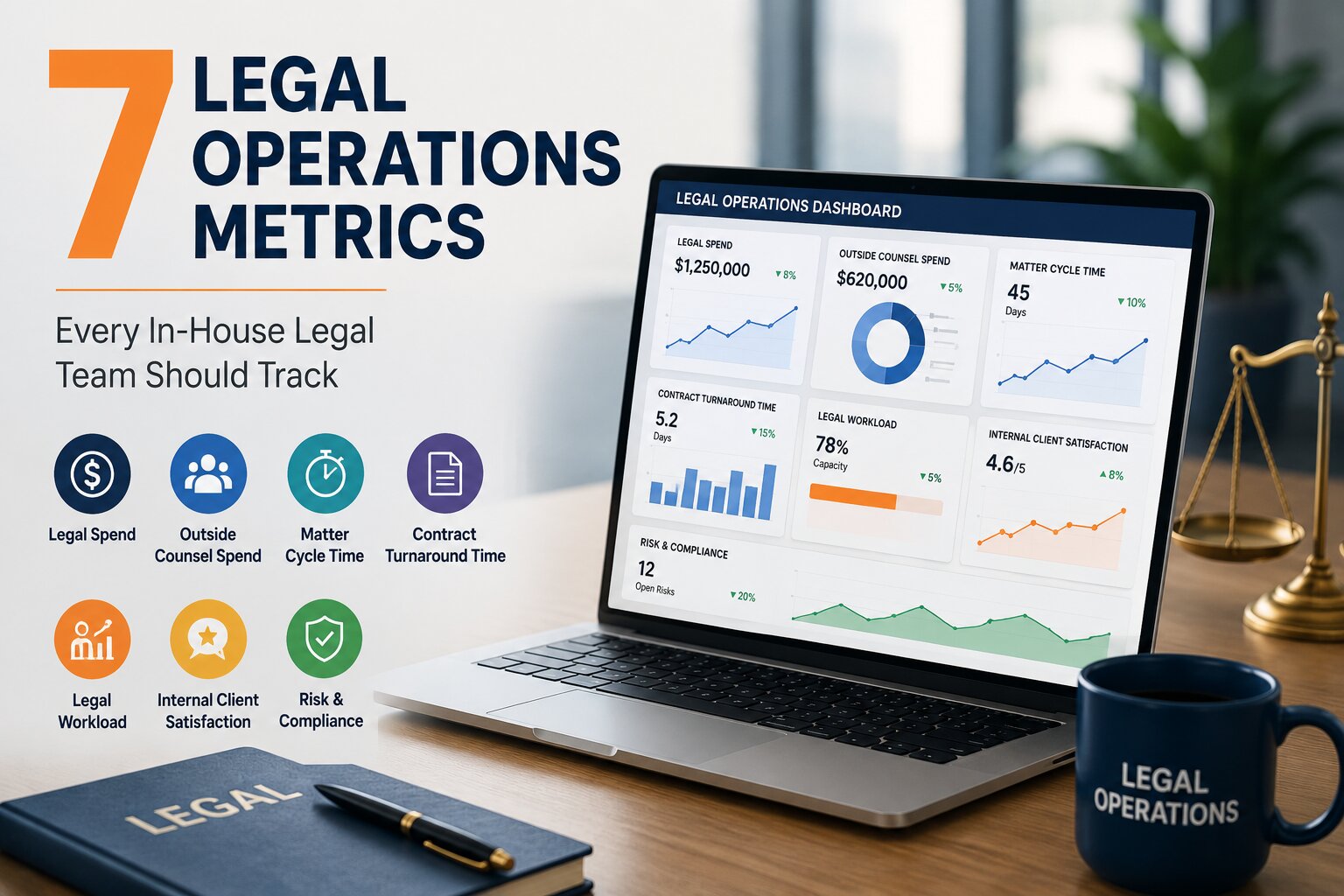
A legal department needs to understand not only individual matters but also the bigger picture. Reports and dashboards can provide visibility into open matters, workloads, deadlines, matter types and other useful information. This can help legal leaders identify where attention or additional resources may be needed.
6. Budget and Cost Tracking
External lawyers and other service providers can form an important part of a company's legal work. Where outside counsel is involved, tracking legal spend alongside matters can help the legal team understand where costs are going and support better budget management.
Key Benefits for In-House Legal Teams
Moving from scattered tracking methods to a structured legal case management system can make everyday work easier.
One place to see active matters
Instead of checking several spreadsheets and email threads, legal teams can have a central view of their matters and their current status.
Better control of deadlines
Tasks and important dates can be tracked more systematically, helping teams reduce the risk of something important being overlooked.
Easier collaboration
When information is organised around each matter, legal teams and business stakeholders can work from a clearer source of information. For more practical ways to improve collaboration between legal teams and business units in Kenya, see our guide on how corporate legal teams in Kenya can collaborate more effectively with business units.
More efficient use of time
Lawyers and legal operations staff spend less time looking for documents, checking spreadsheets or preparing basic status updates manually.
Better reporting to leadership
A clear overview of legal matters can make it easier to explain workload, risks, costs and priorities to senior management.
Stronger compliance tracking
A structured system can help teams maintain records and follow up on compliance-related activities in a more consistent way.
Manual Tracking vs. Digital Legal Case Management
Many organisations begin with tools they already have. Spreadsheets, email and shared folders can work when the legal workload is relatively small. The challenge comes when the number of matters, documents and stakeholders increases.
| Manual approach | Digital case management |
|---|---|
| Information spread across spreadsheets and emails | Matters managed in a central workspace |
| Individual reminders for deadlines | Shared task and deadline tracking |
| Time spent searching for documents | Documents linked to relevant matters |
| Manual status reporting | Reports and dashboards |
| Limited view of the overall workload | Broader visibility across legal matters |
| Collaboration often happens through email | Structured collaboration around matters |
The goal is not simply to replace a spreadsheet with another piece of software. A good legal case management system should create a more organised way of working across the legal department.
What Should Kenyan Businesses Look for in a Case Management Solution?
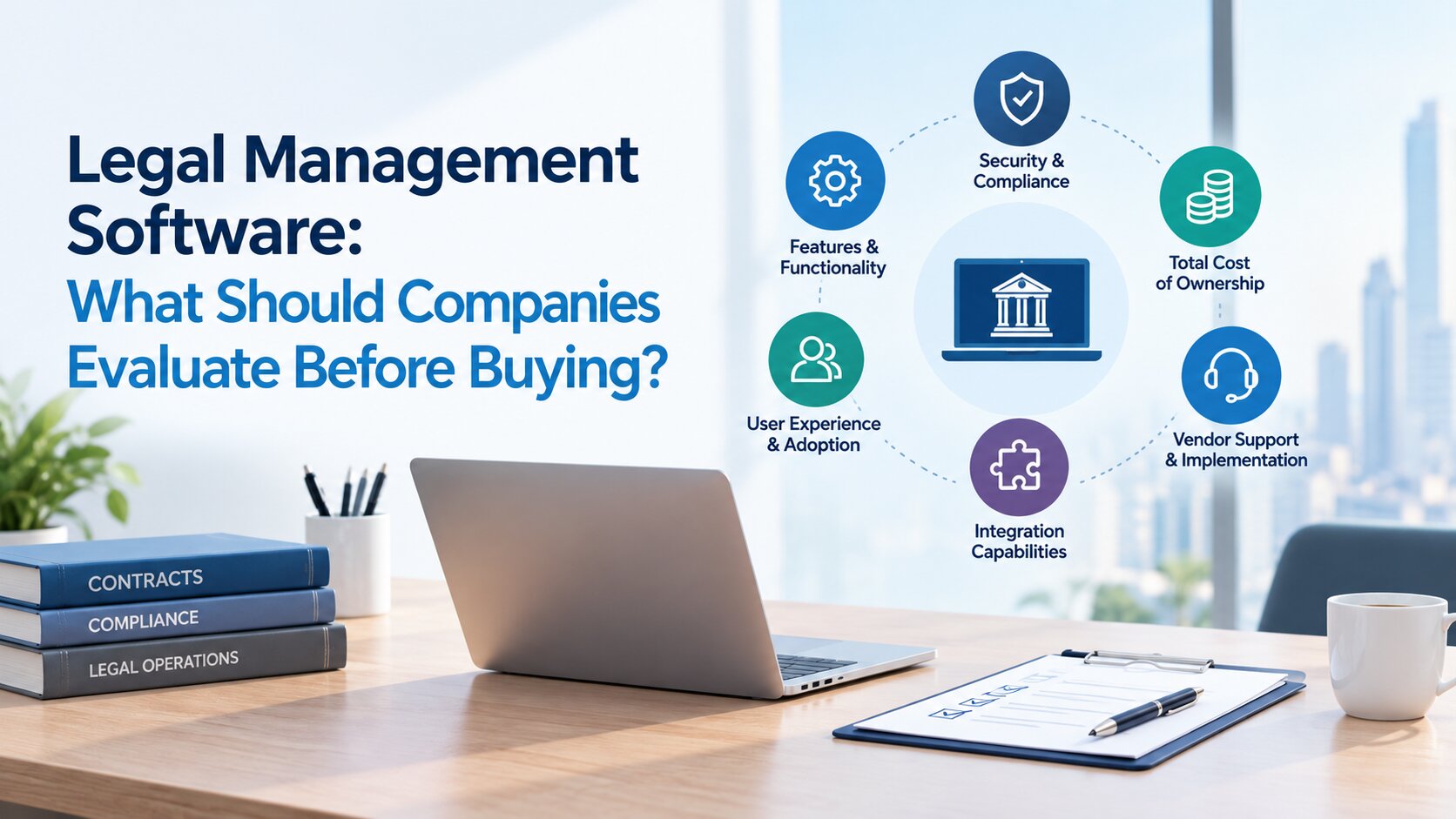
Not every legal team has the same requirements. A large multinational and a growing Kenyan business may have very different workloads and processes. Before selecting a platform, legal leaders should consider several factors.
Local business and regulatory needs
The system should support the way the organisation handles its legal and compliance responsibilities in Kenya. Teams should also consider whether they operate across other East African markets and need to manage matters involving different jurisdictions. For a broader look at how Kenyan organisations can modernise their legal function, see our guide to Corporate Legal Operations in Kenya.
Ease of adoption
A system with many features is not necessarily useful if the legal team finds it difficult to use. The platform should be practical enough for lawyers and other users to adopt as part of their normal working day.
Scalability
The system should be able to grow with the organisation. As the number of matters, users and business units increases, the legal team should not have to rebuild its entire process.
For a broader look at the capabilities corporate legal teams should consider when selecting legal technology, see our guide to in-house legal counsel software in Kenya.
Integration with existing tools
Legal teams already use email, document management systems, office applications and other business tools. It is worth checking how easily the case management platform can fit into the existing technology environment.
Security and access control
Legal departments handle sensitive business information. Organisations should assess how the platform protects documents and matter information, manages user permissions and controls access to confidential data.
How Beveron's Smart Legal Counsel Supports Corporate Legal Case Management
Beveron's Smart Legal Counsel is designed to give in-house legal teams a central environment for managing their legal work. The platform brings together areas such as matter management, litigation, contracts, compliance, risk and legal expenses. This gives corporate legal departments a broader view of their work instead of treating every activity as a separate process.
For example, legal teams can use SLC to organise matters, manage related documents and tasks, monitor progress and access reports that provide a clearer picture of the department's workload. The value of a platform like this is not simply having another place to store legal information. It is about creating a more connected way for the legal department to manage its work and collaborate with the wider business.
Final Thoughts
Corporate legal case management is becoming increasingly important as in-house legal teams take on more responsibilities and manage larger volumes of information. For Kenyan businesses, the right approach should go beyond simply tracking litigation. A useful system should help the legal department manage matters, documents, deadlines, compliance activities, costs and collaboration in a more organised way.
The first step is understanding where the current process creates delays or unnecessary manual work. From there, businesses can assess whether a dedicated legal case management platform can help.
For organisations looking to bring these processes together, Beveron's Smart Legal Counsel provides a central platform for managing corporate legal operations and gaining better visibility across legal matters.
Best corporate legal case management software in Kenya
Best legal management software for businesses in Kenya
Best in-house legal management software in Kenya
If you need a free demo on the best corporate legal case management software in Kenya, please fill out the form.