Corporate Legal Operations in Kenya: A Practical Guide to Digital Transformation

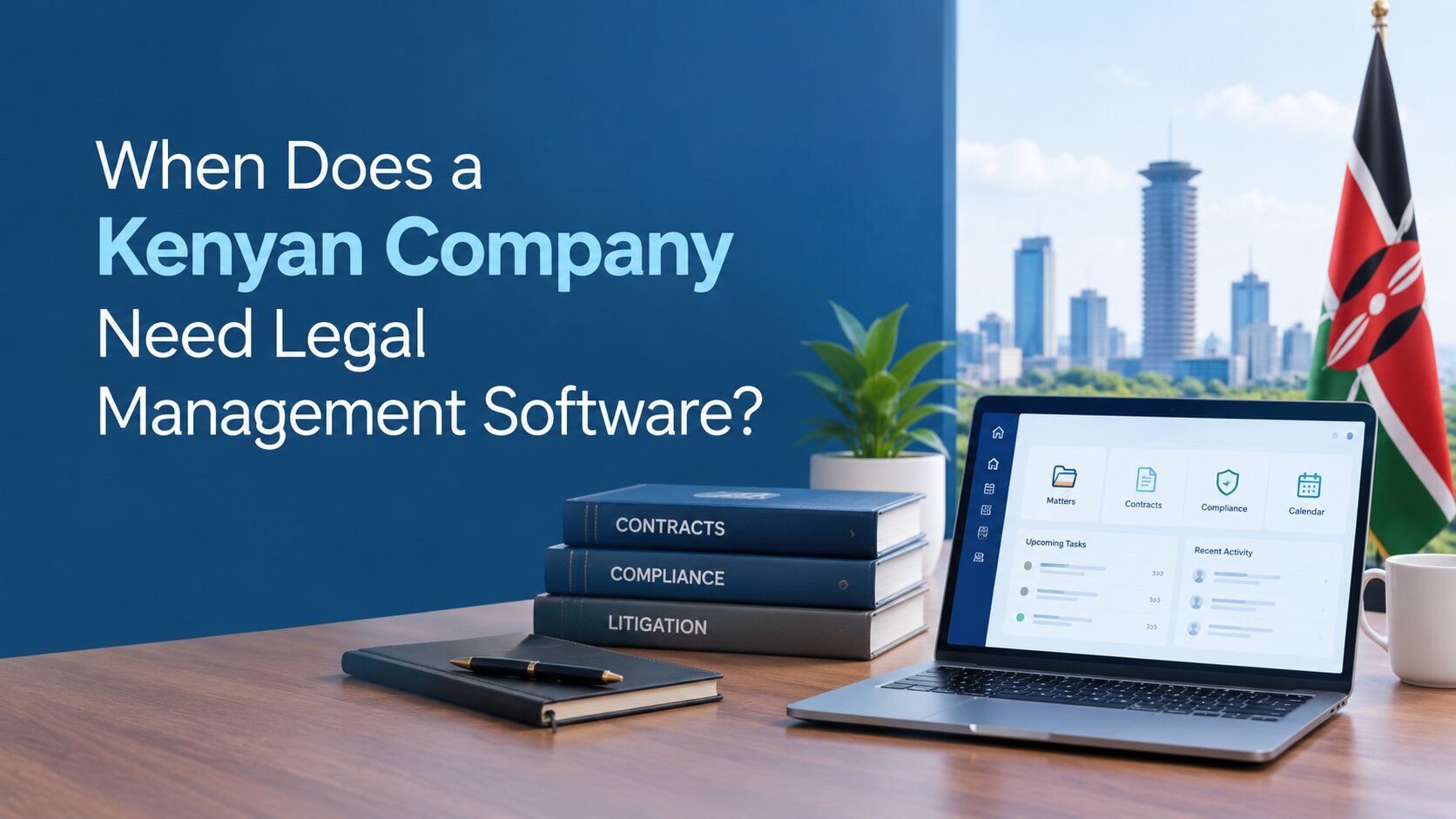
Corporate legal departments are no longer expected to simply provide legal advice. Today, they are strategic business partners responsible for managing legal risk, ensuring regulatory compliance, supporting commercial growth, and enabling informed decision-making. As organisations in Kenya continue to expand and navigate an increasingly complex regulatory landscape, legal teams are facing greater demands than ever before.
Yet many corporate legal departments still rely on manual processes, email chains, spreadsheets, and disconnected document repositories. These traditional ways of working often make it difficult to track legal matters, collaborate across departments, and provide leadership with timely insights. As workloads increase, these inefficiencies can slow business operations and expose organisations to unnecessary risks.
Digital transformation offers a practical solution. By adopting modern legal operations technology, organisations can streamline legal processes, improve visibility into ongoing matters, and strengthen collaboration across the business. Rather than replacing legal professionals, digital tools empower them to spend less time on administrative tasks and more time delivering strategic value.
This guide explores the current state of corporate legal operations in Kenya, the challenges many organisations face, and the digital transformation strategies that can help legal departments become more efficient, agile, and business-focused.
The Changing Landscape of Corporate Legal Operations in Kenya
Kenya's business environment has evolved rapidly over the past decade. Organisations must now manage increasingly complex contracts, respond to evolving regulations, oversee governance responsibilities, and support faster commercial decision-making. At the same time, executives expect legal departments to provide greater transparency into workloads, risks, and legal performance. Legal teams are no longer viewed solely as a support function; they are expected to contribute to broader business objectives.
Meeting these expectations requires more than additional resources. It requires smarter processes, better visibility, and technology that enables legal professionals to work more effectively. Digital transformation has therefore become an important priority for organisations seeking to modernise their legal operations without compromising quality, compliance, or governance.
Signs Your Legal Department Has Outgrown Manual Processes
Many organisations do not realise how much time is lost through inefficient legal processes until operational challenges begin affecting the wider business.
Some common warning signs include:
Legal Requests Arrive Through Multiple Channels
Legal teams often receive requests through emails, phone calls, instant messaging platforms, and informal conversations. Without a centralised intake process, it becomes difficult to prioritise work, monitor progress, or ensure accountability.
Contracts Are Difficult to Locate
Important agreements may be stored across shared drives, personal folders, or email inboxes. Searching for the latest version of a contract wastes valuable time and increases the risk of relying on outdated information.
Limited Visibility into Legal Work
Business leaders frequently need updates on ongoing legal matters, contract status, or compliance obligations. Manual tracking methods make it challenging to produce accurate reports quickly.
Compliance Activities Are Difficult to Monitor
Monitoring regulatory obligations, policy reviews, approvals, and filing deadlines through spreadsheets increases the likelihood of missed deadlines and inconsistent record-keeping.
Reporting Consumes Valuable Time
Preparing reports for management meetings often requires gathering information from multiple sources. This manual effort reduces the time legal professionals can devote to higher-value work. When these issues become routine, they indicate that legal operations may benefit from a more structured and technology-driven approach.
Five Digital Transformation Strategies for Modern Legal Departments
Digital transformation is not simply about adopting new software. It involves redesigning legal processes to improve efficiency, consistency, and collaboration across the organisation.
Centralise Legal Matter Management
Legal matters often involve multiple stakeholders, documents, deadlines, and approvals. Managing this information across different systems makes it difficult to maintain complete visibility. A centralised legal matter management system enables legal teams to capture all relevant information in one place. Lawyers can monitor progress, assign responsibilities, track deadlines, and access supporting documents without switching between multiple applications.
For example, if the procurement team submits a contract review request, everyone involved can monitor its progress through a single platform instead of relying on lengthy email conversations.
Strengthen Contract Lifecycle Management
Contracts remain one of the most important responsibilities of any corporate legal department. However, digital transformation extends beyond simply reviewing agreements. Modern contract lifecycle management allows organisations to standardise drafting, automate approval workflows, maintain version control, and receive reminders before important renewal dates.
This approach reduces administrative effort while improving consistency across the entire contract process. For organisations managing hundreds or even thousands of commercial agreements, having a structured contract management process significantly improves operational efficiency.
Automate Legal Requests and Approvals
Legal teams spend considerable time responding to routine internal requests. Automating legal request workflows allows employees to submit requests through standardised forms, ensuring that all necessary information is collected from the beginning. Requests can then be routed automatically to the appropriate legal professional based on predefined rules.
This reduces unnecessary follow-up, improves response times, and creates greater transparency for both legal teams and internal stakeholders.
Improve Compliance and Governance Management
Corporate legal departments play a critical role in ensuring organisations remain compliant with internal policies and external regulations. Digital tools help legal teams monitor compliance obligations, maintain accurate records, schedule recurring reviews, and track approvals throughout the organisation. Instead of relying on manual reminders, automated notifications help ensure that important governance activities are completed on time.
This creates a stronger compliance framework while reducing administrative overhead.
Organisations looking to take a more proactive approach to legal risk can also explore our article, Can Predictive Litigation and Risk Management Prevent Legal Crises Before They Happen?, which explains how modern legal technology helps identify potential risks before they escalate into costly disputes.
Use Dashboards for Better Legal Visibility
Legal leaders increasingly need access to operational insights that support strategic decision-making.
Interactive dashboards provide real-time visibility into:
- Active legal matters
- Contract volumes
- Workload distribution
- Approval timelines
- Compliance status
- Outstanding legal requests
Rather than compiling reports manually each month, legal teams can quickly generate meaningful insights that help executives understand legal performance and allocate resources more effectively. Discover how leading organisations are improving oversight and tracking every legal matter in our guide, How Kenyan Corporate Legal Departments Gain Better Matter Visibility.
How Digital Legal Operations Improve Business Collaboration
Legal departments rarely work in isolation. Every major business function depends on timely legal support. Human Resources requires assistance with employment matters and workplace policies. Procurement depends on efficient contract reviews. Finance works closely with legal teams on risk management and governance, while compliance teams rely on accurate legal guidance to meet regulatory obligations.
Digital legal operations improve collaboration by providing a shared platform where authorised stakeholders can submit requests, monitor progress, access relevant documents, and communicate efficiently.
This greater transparency reduces bottlenecks, minimises unnecessary follow-ups, and helps legal teams build stronger relationships across the organisation.
Why Visibility Matters for General Counsel
General Counsel are increasingly expected to demonstrate the value of the legal function beyond resolving legal issues. They need clear insights into workloads, legal risks, contract performance, and team productivity to support business decisions.
Without reliable data, answering simple questions such as "How many active legal matters are we managing?" or "Which contracts are due for renewal next quarter?" can become time-consuming. Manual reporting also makes it difficult to identify trends or allocate resources effectively.
Digital legal operations platforms provide real-time visibility through centralised dashboards and reporting tools. Instead of gathering information from multiple spreadsheets and email threads, legal leaders can access accurate data whenever they need it. For organisations planning to modernise their legal function, our General Counsel's playbook for evaluating legal tech vendors offers practical guidance on selecting the right solution for long-term success.
This level of visibility enables General Counsel to:
- Monitor legal workloads across the team
- Track the progress of contracts and legal matters
- Identify potential bottlenecks
- Improve resource planning
- Provide leadership with timely, data-driven reports
Greater visibility also strengthens accountability, helping legal departments demonstrate their contribution to broader business objectives.
Choosing the Right Legal Operations Platform
Successful digital transformation begins with selecting technology that aligns with both current requirements and future growth.
If you're comparing available solutions, our guide on the Best In-House Legal Counsel Software in Kenya for Corporate Legal Teams explains the key features to look for and how to choose a platform that supports your organisation's legal operations and long-term growth.
Ease of Adoption
Technology should simplify legal work rather than introduce unnecessary complexity. An intuitive platform encourages faster adoption and reduces the learning curve for legal teams and business users.
Centralised Information
A single source of truth for legal matters, contracts, compliance records, and documents reduces duplication and makes information easier to access.
Workflow Automation
Routine processes such as legal requests, approvals, notifications, and document routing should be automated wherever possible. This allows legal professionals to focus on higher-value work instead of repetitive administrative tasks.
Security and Access Controls
Legal departments manage highly confidential information. A secure platform with role-based access controls helps protect sensitive data while ensuring authorised users can collaborate efficiently.
Reporting and Analytics
Built-in reporting capabilities provide valuable insights into legal operations without requiring manual data collection, helping leadership make informed decisions.
Scalability
As organisations grow, their legal operations become more complex. Choosing a scalable platform ensures that technology continues to support evolving business needs without requiring significant changes later.
How Beveron Smart Legal Counsel Supports Corporate Legal Teams in Kenya
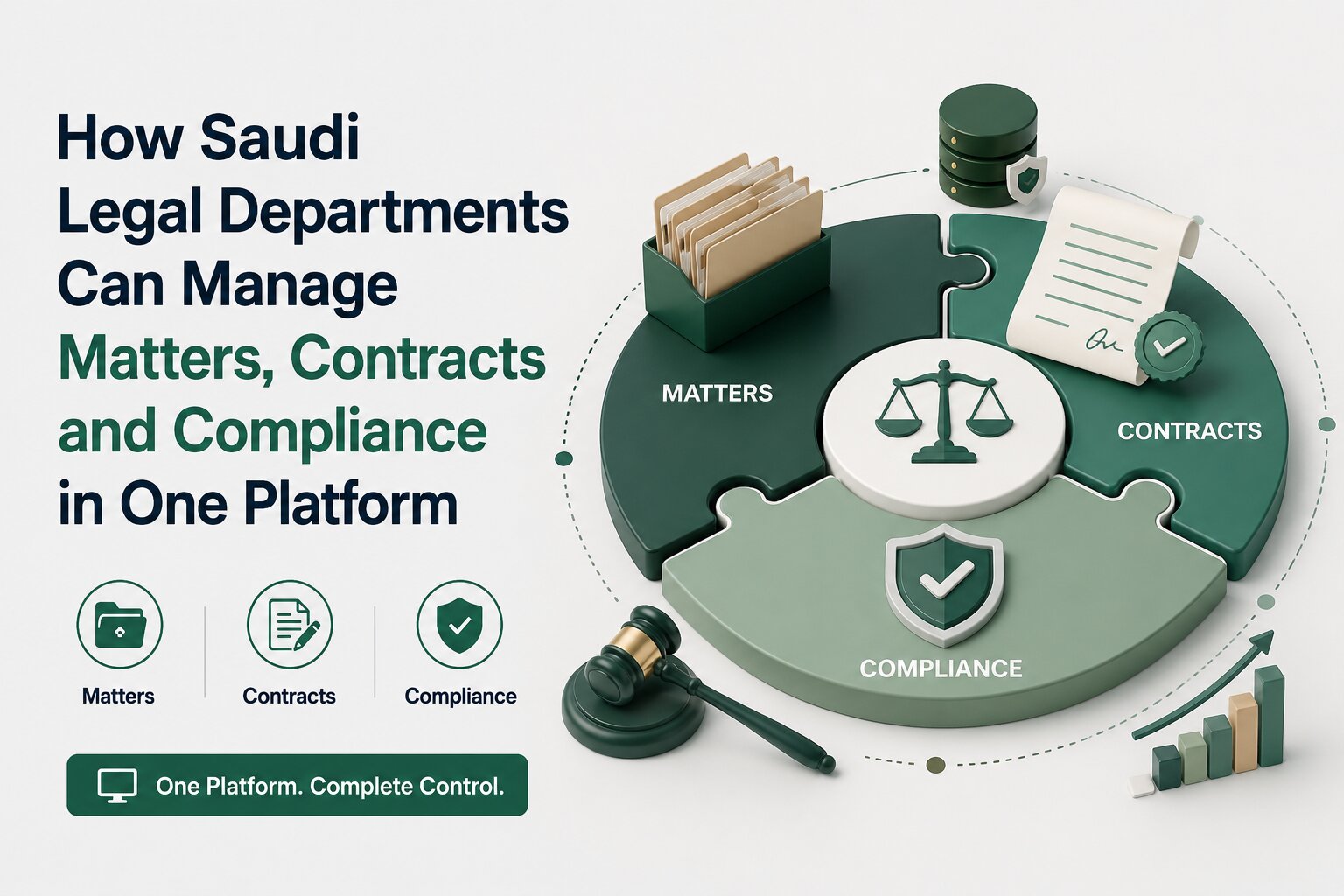
Modern legal departments need more than document storage. They need a connected platform that supports the entire legal operations lifecycle. Beveron Smart Legal Counsel is designed to help organisations centralise legal operations while improving efficiency, visibility, and collaboration.
Instead of managing legal work across multiple disconnected systems, teams can bring legal matters, contracts, compliance activities, approvals, and documentation into a single platform.
This enables organisations to:
- Manage legal matters from initiation to closure
- Streamline contract lifecycle management
- Automate legal request and approval workflows
- Track compliance obligations and important deadlines
- Improve collaboration between legal and business teams
- Access real-time dashboards and management reports
- Maintain organised and secure legal records
By reducing manual processes and improving operational visibility, Beveron Smart Legal Counsel enables legal departments to spend less time on administration and more time supporting strategic business priorities.
Rather than replacing legal expertise, the platform provides the structure and efficiency needed for legal professionals to work more effectively in a fast-changing business environment.
Preparing Your Legal Department for the Next Stage of Digital Transformation
Digital transformation is not a one-time technology project. It is an ongoing process of improving how legal services are delivered. Before implementing new systems, organisations should review their existing legal processes to identify inefficiencies and opportunities for improvement. Standardising workflows before digitising them often leads to better outcomes.
Successful transformation also depends on people. Legal professionals should be involved throughout the implementation process, with appropriate training and support to encourage adoption. Cross-functional collaboration between legal, IT, compliance, procurement, and business teams helps ensure that new processes meet organisational needs.
Finally, legal departments should regularly evaluate performance using measurable indicators such as turnaround times, matter volumes, compliance performance, and stakeholder satisfaction. Continuous improvement enables legal operations to evolve alongside the business.
Conclusion
The role of corporate legal departments in Kenya continues to evolve. Legal teams are expected to manage increasing workloads, support business growth, strengthen governance, and provide greater operational transparency—all while maintaining high standards of legal service.
Traditional manual processes are no longer sufficient to meet these expectations. Digital transformation enables legal departments to centralise information, automate routine workflows, improve collaboration, and provide leadership with the insights needed to make informed decisions.
The most successful legal departments are those that view technology as an enabler of better legal operations rather than simply a replacement for existing processes. By adopting the right digital strategies and investing in modern legal operations platforms, organisations can build more efficient, responsive, and future-ready legal functions.
For organisations seeking to modernise corporate legal operations in Kenya, solutions such as Beveron Smart Legal Counsel provide the tools needed to simplify legal management, strengthen compliance, and support long-term business success.
Frequently Asked Questions
1. What are corporate legal operations?
Corporate legal operations refer to the people, processes, technology, and management practices that help in-house legal departments operate efficiently. They include managing legal matters, contracts, compliance, reporting, budgeting, and collaboration to improve legal service delivery and support business goals.
2. Why is digital transformation important for corporate legal departments in Kenya?
Digital transformation helps corporate legal teams reduce manual work, centralise legal information, improve compliance, automate routine processes, and gain better visibility into legal operations. This enables faster decision-making and allows legal departments to support business growth more effectively.
3. What should organisations look for in a legal operations platform?
A legal operations platform should offer matter management, contract lifecycle management, workflow automation, compliance tracking, secure document management, reporting dashboards, role-based access controls, and the flexibility to scale as the organisation grows.
4. How can legal technology improve efficiency in corporate legal departments?
Legal technology streamlines repetitive tasks, automates approvals and workflows, centralises legal documents, improves collaboration between departments, and provides real-time reporting. This allows legal professionals to spend more time on strategic legal work and less on administrative tasks.
5. How does Beveron Smart Legal Counsel support corporate legal operations?
Beveron Smart Legal Counsel helps organisations centralise legal matters, automate workflows, manage contracts, monitor compliance obligations, and improve collaboration through a single platform. It also provides real-time visibility and reporting, enabling legal teams to work more efficiently and make informed decisions.
Ready to Modernise Your Corporate Legal Operations?
Digital transformation is no longer a future initiative—it is a strategic advantage for organisations that want to improve efficiency, strengthen compliance, and deliver greater value through their legal function.
With Beveron Smart Legal Counsel, your legal team can streamline workflows, centralise legal information, enhance collaboration, and gain the visibility needed to make confident business decisions.
Explore how Beveron Smart Legal Counsel can help your organisation build a more connected, efficient, and future-ready legal department.
Best In-house legal operations software for legal teams in Kenya
Best corporate legal case management software in Kenya
Best software for legal practitioners in Kenya
If you need a free demo of the best in-house legal operations software for legal teams in Kenya, please fill out the form below.