How to Evaluate Beneficiary Tracing Software for Debt Recovery in the UAE
When a debtor stops responding, even an organised recovery team can struggle to move a case forward. Phone numbers may no longer work, addresses may be outdated, and information collected during earlier interactions may no longer reflect the person's current circumstances. Staff can spend hours checking records and repeating searches without finding information they can confidently use.
Beneficiary tracing software may help organisations address certain information gaps, but choosing the right solution requires more than comparing features. Businesses need to understand what they want to trace, which information the software can lawfully access, how reliably it identifies relevant records, and whether its results support existing recovery workflows.
For banks, financial institutions and debt collection agencies in the UAE, the evaluation must also consider data confidentiality, information security and applicable regulatory requirements. The most effective approach is to define your tracing requirements, test the quality of results, assess compliance controls and compare vendors against measurable operational needs.
1. Understand What Your Organisation Needs to Trace
Before comparing software providers, define the problem you want to solve. Beneficiary tracing, debtor tracing and contact information verification are related activities, but they serve different purposes.
Beneficiary tracing generally involves identifying or locating people who may be entitled to receive funds or benefits associated with an estate, insurance policy, pension or another financial arrangement. Debtor tracing focuses on locating a debtor or obtaining relevant information that may help an organisation re-establish contact about an outstanding obligation.
These terms should not be treated as interchangeable. A solution that helps locate a person's contact details may not establish beneficiary status, financial ownership or legal responsibility for a debt.
Identify gaps in your existing process
Review how your team handles cases involving incomplete records, outdated contact information and unsuccessful searches. Determine whether employees search multiple systems manually, repeat work already completed by colleagues or struggle to track the reliability of information collected.
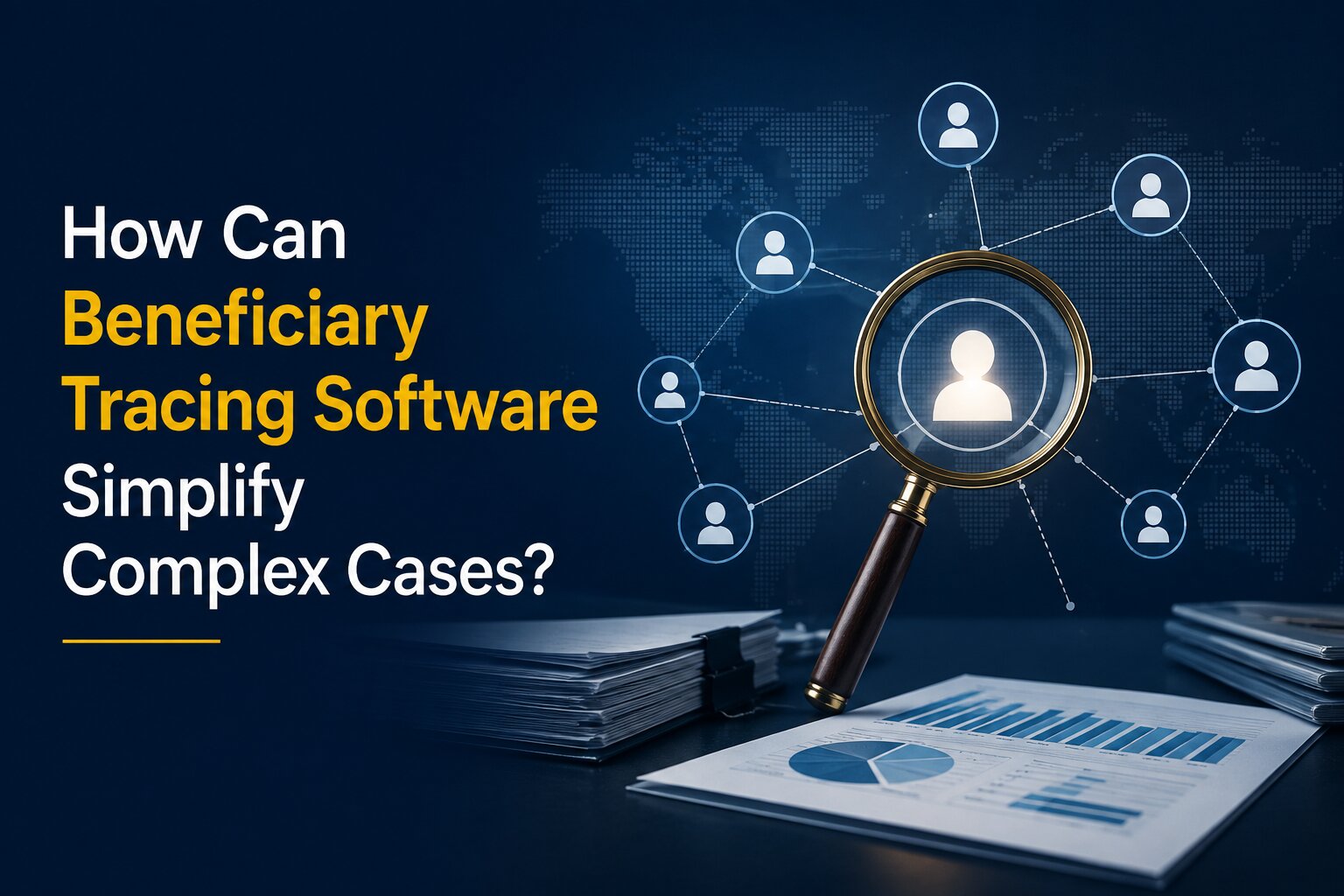
When tracing cases involve incomplete records, multiple potential matches or complicated relationships, managing the information can become even more challenging. Understanding how beneficiary tracing software can simplify complex cases can help recovery teams identify ways to organise tracing activities and handle difficult cases more efficiently.
For example, a collection agency managing hundreds of overdue accounts might store tracing findings in separate spreadsheets. Employees could repeat searches, overlook previous results or pass incomplete information to another team. A suitable solution should address the specific problems identified during this review. Depending on its verified capabilities, it may help organise tracing requests, manage findings or support the review of relevant records.
The objective is not simply to collect more information. It is to help employees find, assess and document useful information efficiently.
2. Which Features Should You Look for in Beneficiary Tracing Software?
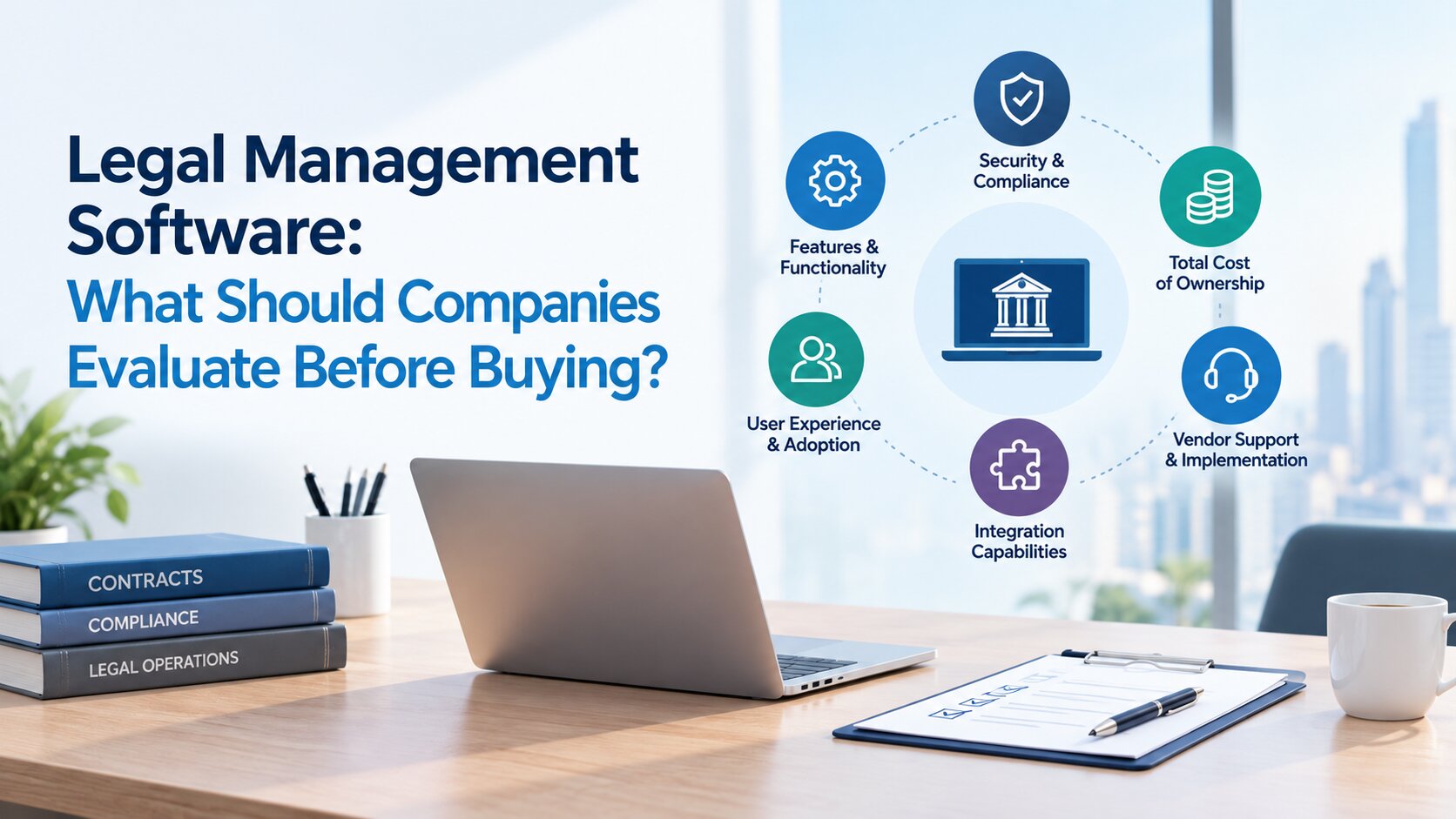
The right features depend on the intended use case. Instead of choosing software based on the length of its feature list, assess whether its capabilities address your organisation's tracing and verification requirements.
Contact information and identity matching
Evaluate how the software handles incomplete names, outdated addresses, duplicate records and conflicting information. Ask whether it distinguishes a potential match from a confirmed identity and explains what information supports the result. A matching name alone is not sufficient to establish that a record belongs to the person being investigated. The system should support appropriate verification before the information is used to guide recovery activity.
Beneficiary and relationship identification
If your organisation needs to identify beneficiaries or establish relationships between individuals and financial records, confirm that the solution specifically supports that use case. Ask the vendor what information is used to identify a potential relationship, whether supporting records can be reviewed and what additional checks are required. Also establish whether the product supports beneficiary tracing, debtor tracing or both. This distinction matters because locating a person does not automatically establish their entitlement to funds or their responsibility for an outstanding obligation.
Source transparency and result verification
Reliable tracing requires more than a list of potential matches. Your team should understand where information originates, when it was obtained or updated, and whether it can be checked against an appropriate source. Ask whether the software provides source details, indicates uncertainty and allows employees to flag incorrect matches. Find out how rejected findings are documented and whether they can be reviewed later. These controls help employees assess results consistently and reduce the risk of acting on inaccurate information.
Case management and workflow support
Tracing is usually one stage in a wider process. Once a potentially useful result is found, someone must review it, document the outcome and determine the next appropriate action. Depending on your requirements, evaluate case assignment, status tracking, notes, reporting, escalation and hand-offs between tracing, collection and legal teams.
For example, a potential match may require further verification before a collector contacts the person concerned. The workflow should make that status clear so that an unverified finding is not mistakenly treated as an approved contact record.
3. How Can You Evaluate Tracing Accuracy and Data Quality?
A product demonstration can show how software operates, but it cannot establish how well it performs across your organisation's cases. Accuracy and data quality should be evaluated through a structured test.
Check data coverage and freshness
Ask vendors which sources they use, how access is authorised, how frequently information is updated and whether the origin of each result can be established. Outdated information may no longer reflect a person's current circumstances. Similarly, an unsuccessful search does not prove that a person or relationship does not exist. It may indicate limited source coverage or insufficient information. The vendor should explain these limitations clearly rather than presenting every search result as definitive.
Test false positives and ambiguous matches
A false positive occurs when a system identifies a record as a match even though it belongs to someone else. This can waste staff time and create additional risks if the information leads to inappropriate contact. During a demonstration or pilot, test representative scenarios involving common names, incomplete details, old addresses, duplicate records and conflicting information. Where possible, compare the results against independently verified reference information that the organisation is authorised to use.
Ask how the software handles uncertain matches and what evidence an employee receives before accepting a result.
Do not evaluate performance solely by the number of matches returned. A smaller number of well-supported results may be more useful than a large volume of uncertain leads.
Measure actionable results
A useful tracing result should provide enough reliable information for an employee to determine the appropriate next step. Assess the proportion of results that can be verified, the manual effort required to review them and the time taken to produce an actionable lead. These measures provide a practical basis for comparing the software with your existing process.
4. What UAE Compliance and Data Protection Requirements Should You Check?
In the UAE, tracing software should be evaluated in the context of the organisation's legal obligations, the nature of the information involved and the intended use of that information. The UAE Personal Data Protection Law, Federal Decree-Law No. 45 of 2021, establishes a framework for processing personal data, subject to its scope, exclusions and applicable exceptions. Certain financial institutions may also be subject to Central Bank of the UAE requirements concerning customer confidentiality, consumer protection and information security.
The requirements that apply depend on the organisation, the data being processed and the activity involved. Businesses should confirm their obligations with their compliance or legal teams before adopting a solution.
Lawful data access and permitted use
Before purchasing tracing software, establish why the information is needed and whether the organisation has an appropriate legal basis and permission to obtain and use it. Ask the vendor to explain its data sources, access arrangements and permitted uses. Review whether the proposed processing aligns with the organisation's obligations and the purposes for which the information may lawfully be used.
Financial information requires particular care. A tracing provider should not be assumed to have access to confidential bank account or transaction information simply because it offers beneficiary tracing or debt recovery services.
Security, access controls and audit trails
Evaluate how the software protects information during storage, transmission and use. Ask about encryption, user permissions, activity logs, data retention, deletion procedures, incident management, backups and third-party service providers. Access should be limited to authorised employees who need the information for an appropriate purpose. Audit records should support internal review of who accessed information and what actions were taken, where required. Do not rely solely on general statements such as "enterprise-grade security". Request evidence of the controls that matter to your organisation and establish how responsibilities are divided between the vendor and customer.
Data hosting and cross-border transfers
Ask where the information is hosted, which third parties may process it and whether data may be transferred outside the UAE. Clarify the contractual safeguards and responsibilities associated with those arrangements. Do not assume that every UAE business has identical hosting or transfer obligations. Requirements can differ depending on the organisation's regulatory status and the information involved.
Responsible debt recovery
Tracing results should be reviewed before they are used to initiate contact or guide recovery decisions. Employees should establish that the information relates to the intended person and that the proposed action is permitted. Applicable debt collection rules may govern matters such as confidentiality, contact practices and the use of authorised collection agents. Software does not replace the need for trained staff, compliance oversight or legal review.
5. Will the Software Fit Your Existing Debt Recovery Operations?
Even a technically capable solution can disappoint if it does not fit the way your team works. Evaluate operational compatibility before committing to a purchase.
Integration with existing systems
Determine whether the software can work with your existing debt recovery platform, customer relationship management system and case management tools. Ask about supported integrations and approved data import or export methods. Check how the solution handles duplicate records, failed transfers and changes to existing information.
Without a clear data exchange process, employees may need to enter the same findings into multiple systems, increasing administrative work and the risk of errors.
Usability, workload and language support
Test the software against your actual case volumes. A team managing a small number of complex cases may have different needs from an agency handling thousands of accounts. Assess how easily employees can submit searches, review findings, flag errors and understand case status. If your organisation works across Arabic- and English-speaking teams, confirm whether the relevant search functions, interface elements and reports support both languages where required.
Ask the vendor to demonstrate how the system handles exceptions and difficult cases, not just routine searches.
Implementation and ongoing support
Clarify the work required before the software can be used effectively. This may include data preparation, configuration, integration testing, staff training and changes to existing procedures. Establish who is responsible for each activity, what support is included and what ongoing administration your team will need to perform. A realistic implementation plan should identify dependencies, responsibilities and potential delays rather than promise results without considering your existing systems.
6. How Should You Compare Vendors Before Making a Decision?
A structured evaluation helps procurement, operations, IT and compliance teams assess vendors using consistent criteria.
Start by preparing representative test cases based on your organisation's actual tracing challenges. Include incomplete information, outdated records, ambiguous matches and searches that should not produce a reliable result.
Use appropriately authorised test data and agree on the definition of success before each demonstration. Record the results against the same criteria for every shortlisted vendor.
Where possible, run a controlled pilot using a representative sample of cases. Establish a baseline for the current process, define the pilot period and agree on how results will be measured.
Useful measures include verified match rate, false-positive rate, time to actionable information, staff effort and unresolved cases. Comparisons should account for differences in case complexity and the quality of the original information.
Before signing a contract, also clarify pricing, implementation charges, data fees, support commitments, renewal terms and responsibilities if information is inaccurate or a data source becomes unavailable.
A vendor's claims should be treated as claims until they are supported by evidence relevant to your use case.
7. Which Metrics Should You Use to Measure the Software's Value?
The value of tracing software should be measured through operational outcomes rather than the number of features purchased.
Tracing performance
Track the following measures during a pilot and, where appropriate, after implementation:
- Verified match rate: The proportion of reviewed results confirmed as correct using an agreed verification method.
- False-positive rate: The proportion of proposed matches found to be incorrect.
- Usable-result rate: The proportion of searches that produce information sufficient to support an appropriate next step.
- Time to actionable lead: The time required to obtain and review a result that meets the organisation's criteria.
- Define each metric consistently before comparing vendors. Different definitions of accuracy or success can make vendor claims difficult to compare.
Recovery workflow performance
You may also track case progression after tracing, staff time per case, cost per actionable lead, repeated manual searches and time to resolution. Recovery rates can provide useful context, but they are influenced by other factors, including debt age, outstanding amounts, customer circumstances and collection strategy. An improvement after implementation does not automatically prove that the software caused it. Compare similar cases over a consistent period to understand whether the solution contributes meaningful operational value.
Total cost of ownership
The purchase price is only one part of the investment. Include licensing, implementation, integrations, training, support, data charges, administration and relevant compliance costs. Compare the total cost with measurable changes in staff effort, result quality and case progression. A cheaper solution may require more manual verification, while a more expensive product may not justify its price if its additional features are rarely used.
The right choice is the solution that meets your requirements and demonstrates sufficient value within your budget.
8. How Can Beveron's Beneficiary Tracing and Resolution Software Support Your Requirements?
For organisations evaluating beneficiary tracing software for debt recovery, Beveron's Beneficiary Tracing and Resolution Software is a relevant solution to explore. Before deciding whether it fits your organisation, identify the specific tracing and resolution challenges you need to address. Consider the type of information you need to locate, how findings must be reviewed, and how tracing activities fit into your existing recovery process.
Review Beveron's documented product capabilities against these requirements. Pay particular attention to the information sources supported, result verification, workflow compatibility, data handling and implementation requirements. Confirm any capabilities that are essential to your organisation directly with the Beveron team. A demonstration using appropriate test data can help your team assess whether the software meets its operational requirements and provides sufficient value for the investment.
Looking for a beneficiary tracing and resolution solution? Visit Beveron's product page to explore the offering and discuss your organisation's requirements with the team.
9. Beneficiary Tracing Software Evaluation Checklist
Use this checklist during vendor demonstrations, internal assessments and procurement discussions.
- The organisation's tracing requirements and intended use cases are clearly defined.
- Beneficiary tracing and debtor tracing requirements are distinguished.
- The vendor has explained its data sources and access permissions.
- Search results provide sufficient information for appropriate review.
- Potential matches are distinguished from verified findings.
- False positives, duplicate records and ambiguous matches can be handled appropriately.
- Security controls, access permissions and audit records meet organisational requirements.
- Applicable UAE data protection and sector-specific obligations have been reviewed.
- Hosting, data transfers, retention and third-party processing arrangements are understood.
- The solution fits existing collection and case management workflows.
- Usability, language support, case volumes and implementation requirements have been tested.
- A controlled pilot has been assessed against agreed performance measures.
- Pricing, additional charges, support and total cost of ownership are understood.
For a more consistent comparison, score each shortlisted vendor from 0 to 5 across five categories:
| Evaluation category | Suggested weight |
|---|---|
| Data quality and verification | 25% |
| Compliance and security | 25% |
| Workflow fit and integration | 20% |
| Pilot performance and usability | 15% |
| Total cost and vendor support | 15% |
Calculate the weighted score only after gathering evidence for each category. Treat critical compliance and security requirements as mandatory conditions. A high overall score should never compensate for a serious failure in either area.
Conclusion: Choose Tracing Software Based on Evidence, Not Promises
Choosing beneficiary tracing software for debt recovery requires a clear understanding of what needs to be traced, how results will be verified and which rules govern the use of the information. Features matter, but their value depends on data quality, result reliability and compatibility with existing processes. For UAE organisations, the evaluation should also cover data confidentiality, authorised access, security and any requirements specific to regulated financial institutions.
A structured demonstration, controlled pilot and consistent evaluation scorecard can help your team assess competing solutions and determine whether the expected operational benefits justify the investment.
Evaluating beneficiary tracing and resolution software for your debt recovery operations in the UAE?
Contact Beveron Technologies to discuss your tracing requirements, review relevant product capabilities and determine whether the solution fits your workflow.
Frequently Asked Questions
What Is the Difference Between Beneficiary Tracing Software and Debtor Tracing Software?
Beneficiary tracing software generally helps identify or locate people who may be entitled to funds or benefits associated with a particular record or arrangement. Debtor tracing software focuses on locating debtors or finding relevant information that may help an organisation re-establish contact about an outstanding obligation. The capabilities can overlap, but buyers should confirm the exact use case supported by the product.
Can Beneficiary Tracing Software Access Bank Account Information in the UAE?
Not automatically. Access to confidential bank account and transaction information is subject to applicable legal and regulatory restrictions. A software provider's tracing capabilities do not, by themselves, establish permission to obtain restricted financial information. Organisations should verify the source, authorisation and permitted use of any information involved.
How Can a Collection Agency Verify Tracing Results?
A collection agency can test representative cases, examine available source information, compare findings against independently verified records obtained lawfully and document incorrect matches. It should also assess how the software handles ambiguous matches and outdated details. Verification procedures should be established before results are used to support recovery action.
What Should UAE Businesses Check Before Using Skip Tracing Software?
Businesses should define the intended purpose, confirm that data sources and processing are authorised, review security and access controls, and assess applicable data protection and sector-specific requirements. They should also understand hosting arrangements, cross-border transfers, contractual responsibilities and how results will be reviewed before contact or other recovery action.
How Do You Measure the ROI of Tracing Software?
Measure changes in verified match rates, false positives, time to actionable leads, staff effort, cost per actionable lead and case progression. Include licensing, implementation, integration, training, support and relevant compliance costs. Compare similar cases over a consistent period and account for other factors that may influence recovery outcomes before attributing improvements to the software.
Best beneficiary tracing software for debt recovery in the UAE
Best beneficiary tracing tools for debt recovery in the UAE
Best debtor tracing software in the UAE
If you need a free demo of the best beneficiary tracing software for debt recovery in the UAE, please fill out the form.