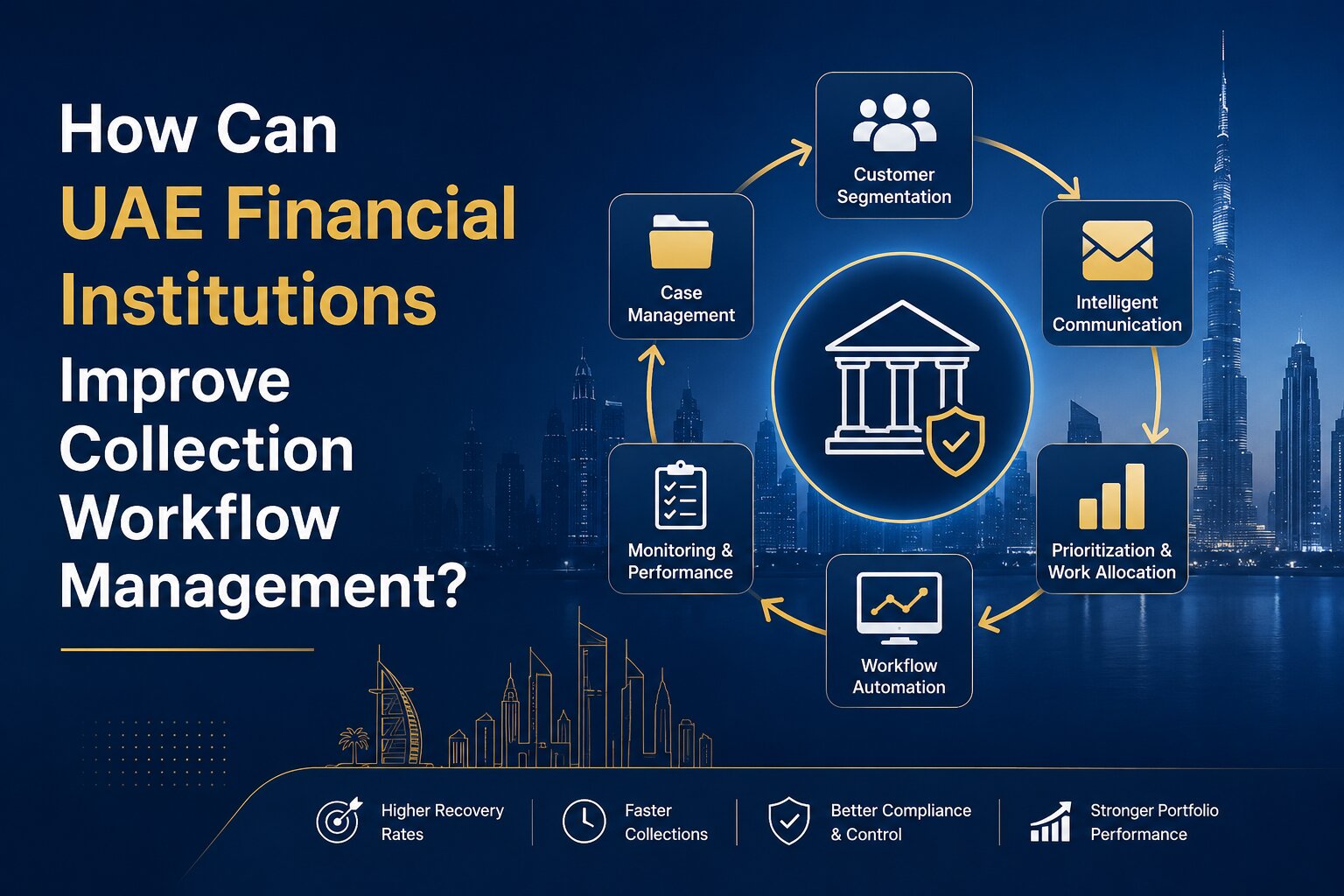
How Can UAE Financial Institutions Improve Collection Workflow Management?
Managing collections becomes increasingly difficult as financial institutions handle larger portfolios, more customer interactions, and multiple stages of delinquency. In the UAE, collection teams may still rely on spreadsheets, disconnected systems, manual follow-ups, and separate communication channels to keep track of accounts.
The result is often the same: agents spend too much time finding information, follow-ups are missed, managers have limited visibility, and recovery efforts become less consistent. Effective collection workflow management in the UAE is not simply about contacting customers more often. It is about giving collection teams the right information, clear priorities, structured workflows, and timely communication so that every account can be handled appropriately.
Why Does Collection Workflow Management Matter in the UAE?
Banks, finance companies, NBFCs, and other lenders manage different types of credit, including personal loans, credit cards, vehicle finance, SME lending, and other consumer finance products. As portfolios grow, even a relatively small increase in overdue accounts can create a significant workload for collection teams. At the same time, collections need to be handled carefully. Financial institutions must maintain consistent processes, protect customer information, document interactions, and ensure that collection activity follows applicable regulatory and internal requirements.
The UAE also has a diverse customer base. Customers may prefer different communication channels and languages, making flexibility important when designing collection workflows. A process that works well for one group of customers may not work as effectively for another. This is why collection workflow management needs to go beyond a list of overdue accounts. Teams need a structured way to decide which accounts require attention, what action should happen next, when it should happen, and how the outcome should be recorded.
What Are the Common Collection Workflow Challenges?
Many collection problems are not caused by a lack of effort from agents. They are often caused by the way information and tasks are organised.
Fragmented customer data is one of the biggest issues. Payment history, customer details, account information, previous conversations, and outstanding balances may sit across core banking systems, CRMs, spreadsheets, emails, and other applications. Agents then have to switch between systems before they can even begin a conversation.
For a broader look at how automation can reduce manual collection work and improve cash flow, see our guide on how UAE businesses can automate debt collection and improve cash flow faster.
Manual prioritisation creates another problem. When accounts are assigned without considering factors such as overdue amount, delinquency stage, customer behaviour, or previous payment commitments, agents may spend valuable time on accounts that could have been handled through simpler actions.
Communication can also become inconsistent. A customer may receive an SMS from one team member, a phone call from another, and an email later, without a clear record of the overall interaction. For managers, the lack of real-time visibility makes it difficult to answer basic questions. Which accounts are being followed up? Which agents are performing well? How many promise-to-pay commitments were kept? Which accounts are moving into more serious delinquency?
There is also the compliance and customer-experience side. Without clear workflows and audit trails, it can be harder to demonstrate what action was taken and when. At the same time, repetitive or poorly timed communication can frustrate customers and make recovery more difficult.
7 Ways to Improve Collection Workflow Management in the UAE
Improving collections does not necessarily mean replacing every existing system. In many cases, the biggest improvements come from connecting information, standardising repetitive tasks, and giving teams better visibility.
1. Bring Collection Data Into One View
Agents should not have to search through several systems to understand an account. A centralised collection workspace can bring together customer information, outstanding balances, payment history, previous interactions, promises to pay, and follow-up activities. With this information available in one place, agents can spend less time looking for information and more time handling accounts.
It also gives managers a clearer picture of the overall portfolio.
2. Prioritise Accounts Based on Risk and Behaviour
Not every overdue account requires the same level of attention. Collection teams can segment accounts based on factors such as outstanding amount, days past due, previous payment behaviour, customer responses, and risk level. This allows teams to create more meaningful priorities instead of working through accounts simply in the order they appear on a list.
For example, an account with a recent missed payment and a strong history of repayment may require a different approach from an account that has been overdue for several months. Better prioritisation helps agents focus their time where it is most likely to make a difference.
3. Automate Routine Reminders
Collection agents should not have to manually send every payment reminder. Routine communications can be scheduled through channels such as SMS, email, WhatsApp, or IVR, depending on the institution's processes and customer preferences. Early reminders can help customers address overdue payments before an account requires more intensive intervention.
This also gives agents more time to work on accounts that require conversations, negotiation, or closer follow-up. Automation should support the collection team rather than replace judgement. More complex cases still need human involvement.
4. Create Clear Escalation Workflows
Collections usually move through different stages as an account becomes more seriously overdue. Without defined rules, however, the next action can depend too heavily on individual agents. A structured workflow can automatically move accounts through stages based on defined conditions. Early-stage accounts may receive reminders and soft follow-ups, while accounts that remain unresolved can move to stronger collection activity or legal review. This creates greater consistency across the team and reduces the risk of accounts being overlooked.
5. Support Consistent, Multichannel Communication
Customers do not all respond to the same communication method. A well-designed collection workflow can support several channels, including calls, SMS, email, WhatsApp, and other approved communication methods. For UAE financial institutions, the ability to support Arabic and English communication can also be important. The key is not simply having multiple channels. Teams need a unified record of communication so that agents can see what has already happened before contacting a customer again.
6. Make Payment and Restructuring Follow-Up Easier
A collection conversation does not always end with an immediate payment. Customers may agree to a promise to pay, request a payment arrangement, or need information about available options. These commitments need to be recorded and followed up at the right time. A structured workflow can automatically create follow-up tasks and reminders based on the agreed action. This reduces reliance on individual memory and makes it easier for managers to monitor whether commitments are being fulfilled.
7. Track the KPIs That Actually Matter
A collection team needs more than a total recovery figure to understand performance.
Useful collection metrics can include:
- Recovery rate
- Contact rate
- Promise-to-pay rate
- Promise-to-pay kept rate
- Roll rates between delinquency stages
- Agent productivity
- Ageing of outstanding accounts
- Cost to collect
These metrics help managers identify where a workflow is working and where it needs attention. For example, a high promise-to-pay rate combined with a low kept rate may indicate that follow-up processes need improvement rather than simply requiring more customer contacts.
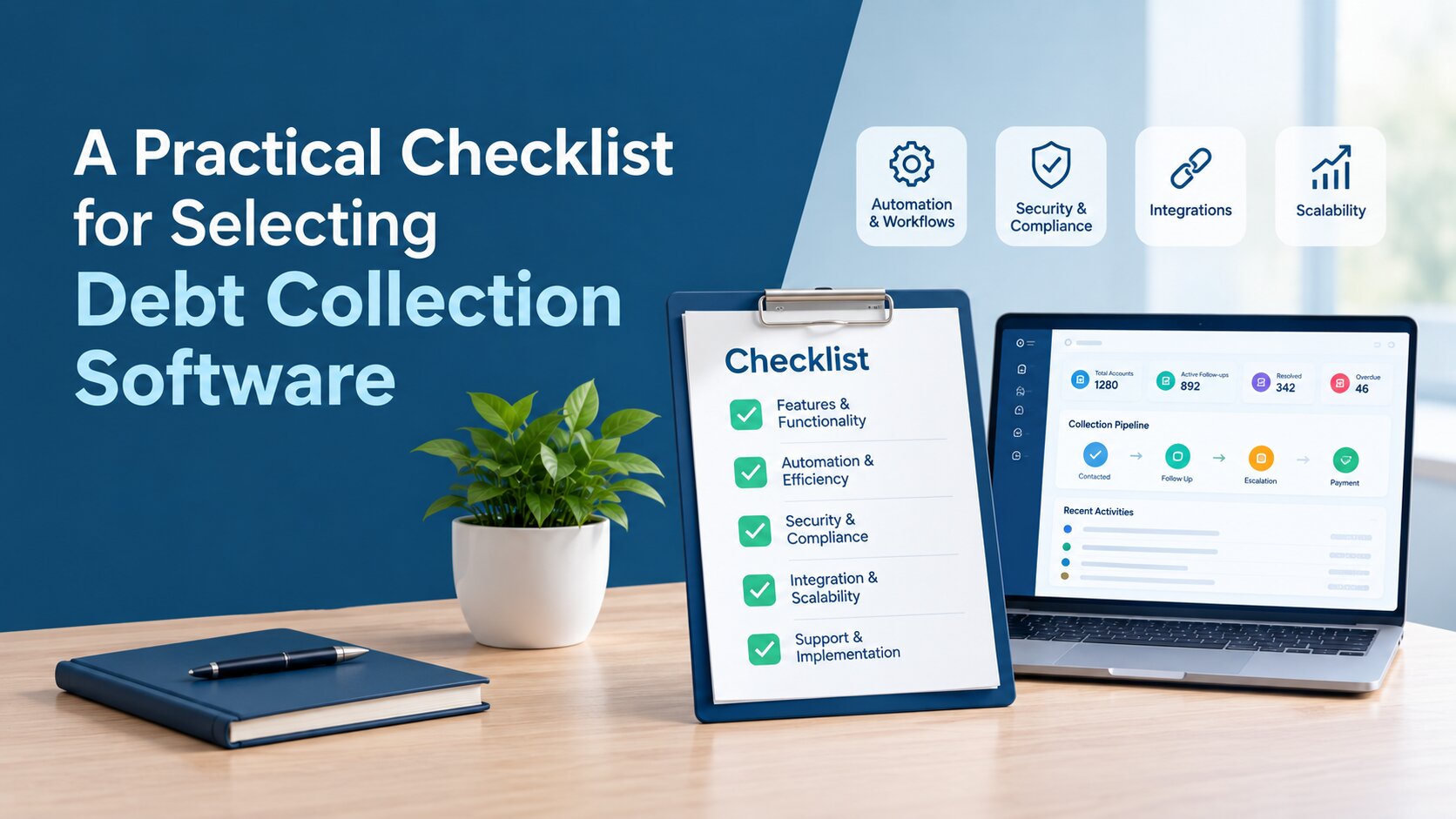
For a closer look at the features collection teams should consider when evaluating software, see our guide to 10 essential features every debt collection agency software should have.
How Can Smart Debt Collection Software Support These Improvements?
The right technology can bring these practices together rather than treating them as separate activities.
If you are comparing solutions specifically for collection agencies, you can also explore our guide to the best debt collection management software in the UAE for collection agencies.
Beveron's Smart Debt Collection provides a structured workspace for managing collection activity across accounts, agents, follow-ups, payment commitments, and recovery stages. Instead of relying on separate spreadsheets and manual task tracking, collection teams can manage their work through defined workflows.
The platform can help teams organise defaulters, monitor ageing buckets, track promise-to-pay commitments, manage payment plans, and monitor agent activity. Communication and follow-up activities can also be coordinated across channels such as SMS, email, WhatsApp, calls, IVR, and push notifications, depending on the configured workflow.
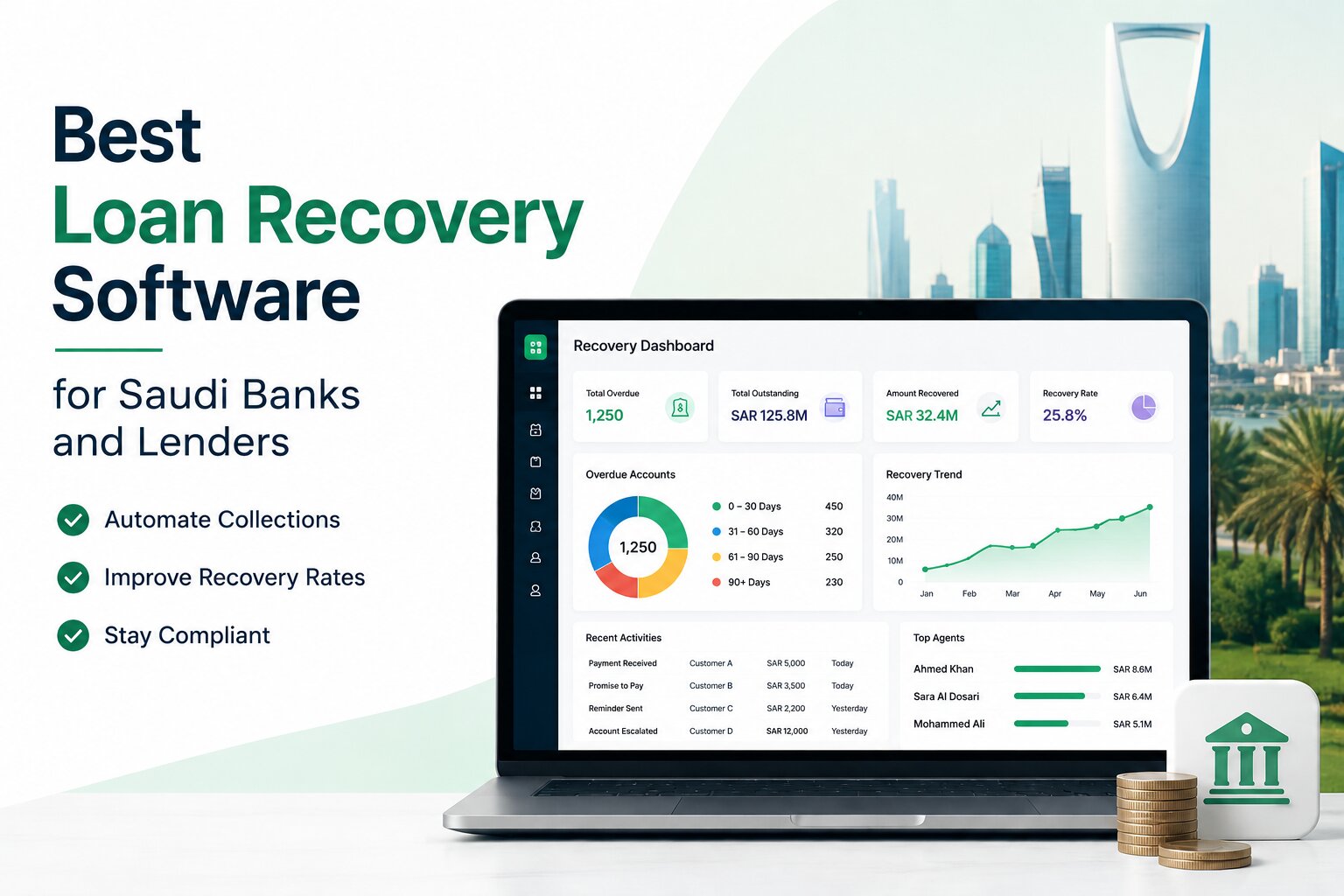
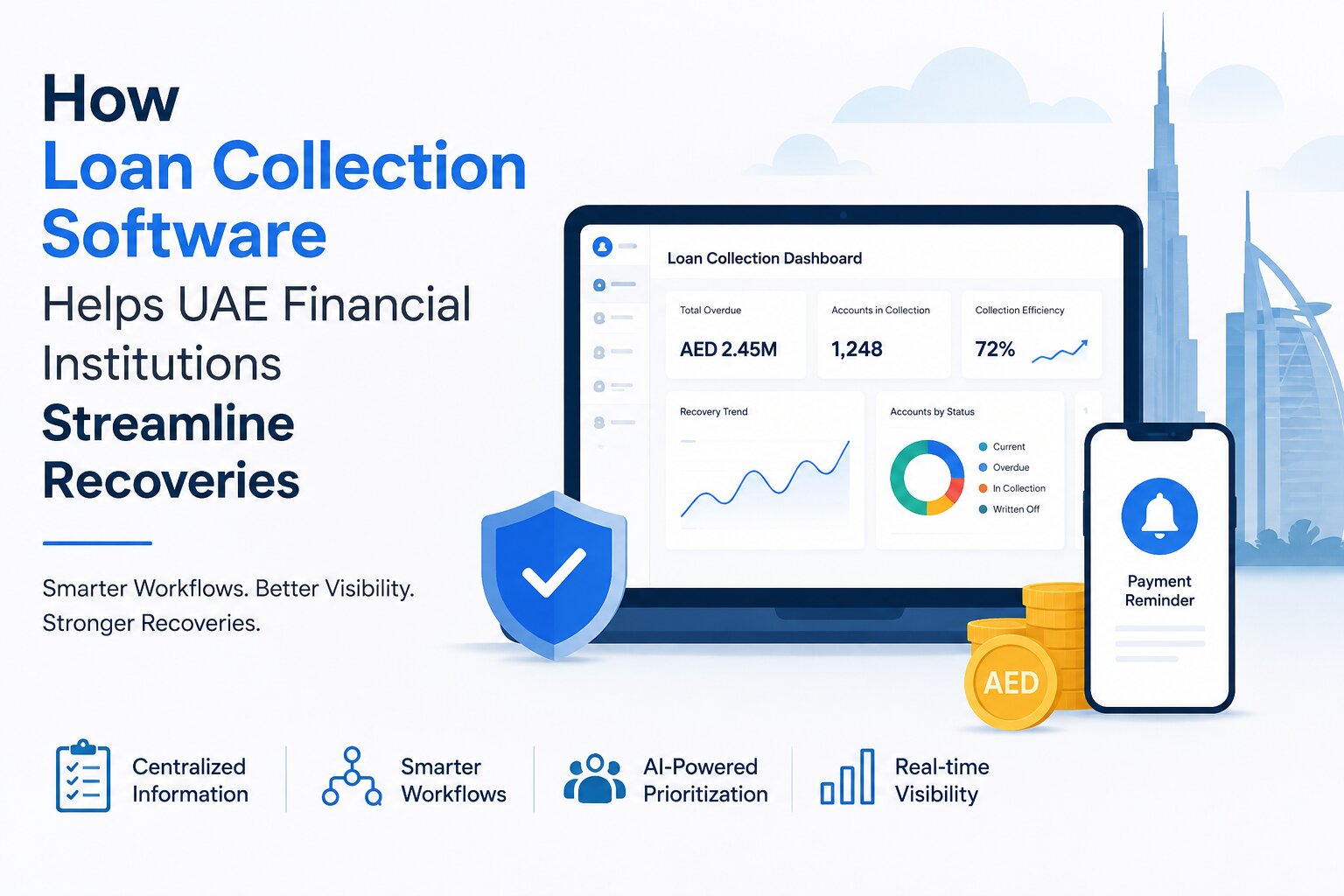
For managers, dashboards provide visibility into areas such as portfolio status, agent performance, ageing, and recovery KPIs. This makes it easier to identify accounts that need attention and understand how the collection team is performing. Workflows can also be structured around different stages of recovery, from early soft collection through more intensive follow-up and legal action. This helps ensure that accounts move through the appropriate process instead of relying entirely on manual tracking.
The value is ultimately not the software itself, but what it enables the team to do: reduce repetitive work, follow up more consistently, make better use of agent time, and maintain a clearer view of the collection portfolio.
A Practical Way to Start Improving Collection Workflows
Financial institutions do not have to change their entire collection operation at once. A practical starting point is to review the current workflow from the moment an account becomes overdue. Identify where information is duplicated, where agents spend unnecessary time, where follow-ups are missed, and where managers lack visibility.
The next step is to focus on a few high-impact improvements. Automated reminders, centralised account information, structured promise-to-pay tracking, and basic performance dashboards can provide useful starting points. Institutions can then test the workflow with one portfolio or collection team, measure the results, make adjustments, and gradually expand the approach.
Building a More Consistent Collection Process
Effective collection workflow management in the UAE is ultimately about creating a process that is easier for both the institution and its customers. When account information is organised, routine activity is automated, priorities are clear, and managers can see what is happening across the portfolio, collection teams can work with greater consistency. Customers can also receive more relevant and timely communication instead of repeated or disconnected follow-ups.
For financial institutions looking to modernise their collection operations, the first step is to identify where the current workflow is slowing recovery down.
See how Beveron's Smart Debt Collection can help streamline collection workflows, improve follow-up visibility, and give your team greater control over recovery operations.
Book a demo to explore the platform.
Best collection workflow management for financial teams in the UAE
Best debt collection software for financial teams in the UAE
Best collections automation software in the UAE
If you need a free demo on the best collection workflow management for financial teams in the UAE, please fill the form.