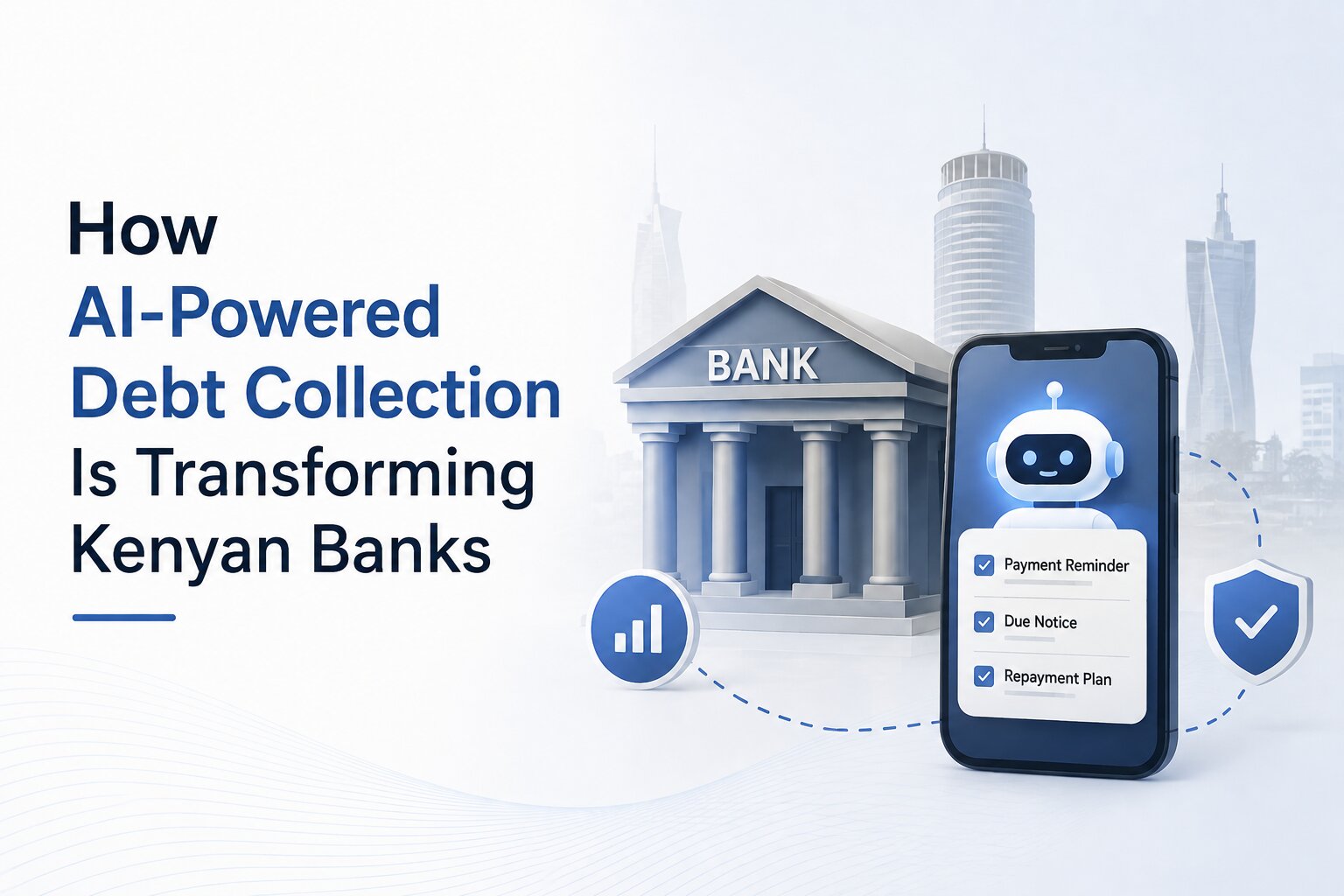
How AI-Powered Debt Collection Is Transforming Kenyan Banks
Introduction
Debt collection has always been an important part of banking, but the way banks approach it is changing. As loan portfolios grow and customers use more digital financial services, collection teams have to manage more accounts, more data, and more repayment scenarios than ever before.
Traditional approaches can still work, but they become difficult to scale when collection teams rely heavily on manual calls, spreadsheets, static reports, and routine follow-ups. A collector may have hundreds or thousands of accounts to review, yet not every account requires the same level of attention.
This is where AI-powered debt collection is becoming increasingly valuable.
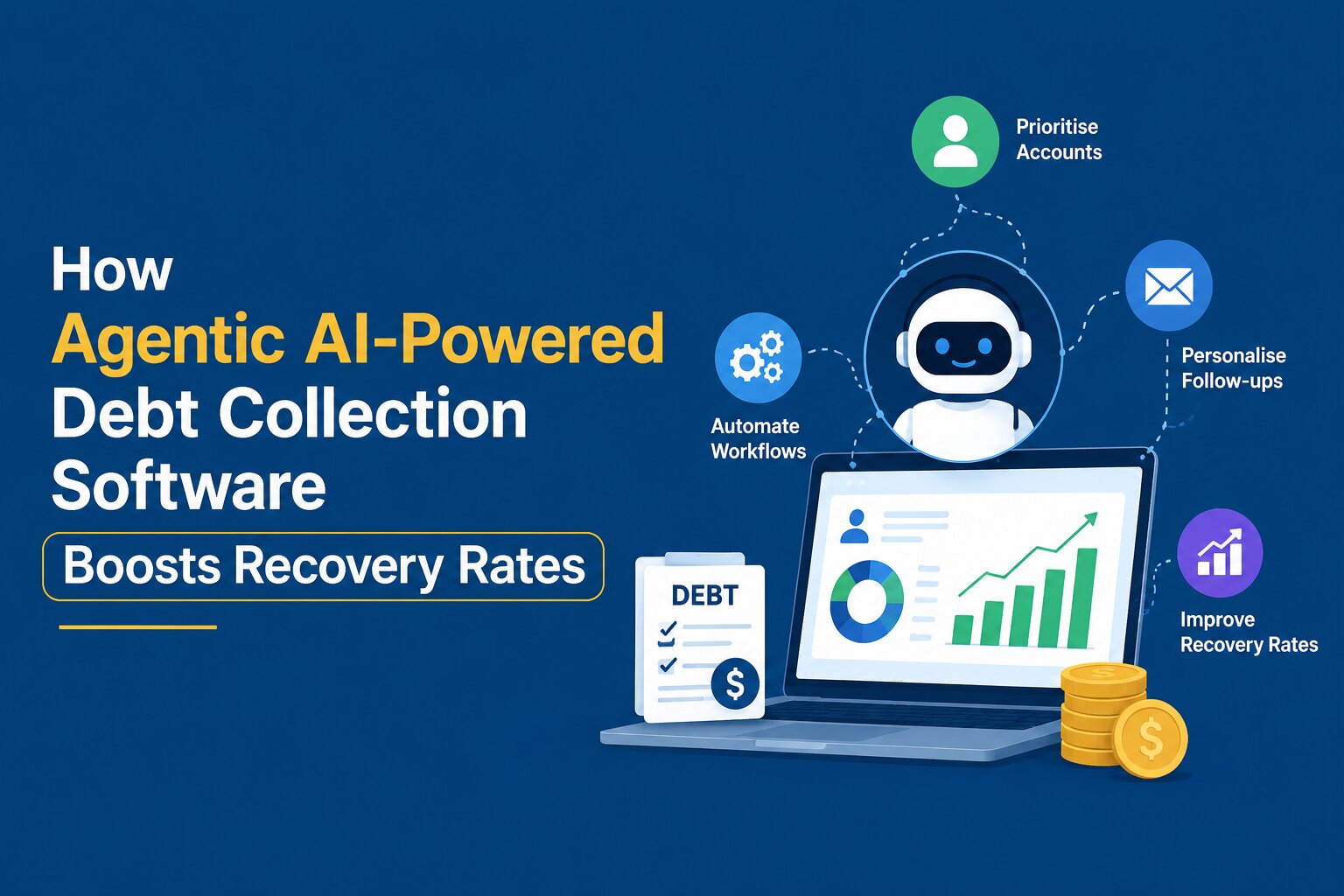
AI can analyse large volumes of account and repayment data, identify patterns, prioritise accounts, automate routine follow-ups, and help collection teams decide where to focus their efforts. Instead of treating every overdue account in exactly the same way, banks can use data to develop more targeted and timely collection strategies.
For Kenyan banks, this shift is particularly relevant as financial services become increasingly digital and collection operations need to become more efficient. AI-powered debt collection can help banks move from reactive recovery processes towards more predictive, structured, and data-driven operations.
Why Debt Collection Is Becoming a Bigger Challenge for Kenyan Banks
Managing overdue loans is rarely a simple process. A bank may have customers at different stages of delinquency, with very different financial circumstances and repayment behaviours.
One customer may have missed a payment because of a temporary cash-flow problem and may respond quickly to a reminder. Another may have ignored several previous communications and require a different approach. Treating both accounts identically can result in wasted effort.
Growing loan portfolios and collection workloads
As banks expand their lending operations, collection teams also have to manage larger portfolios. More accounts mean more payment histories, communication records, commitments, follow-ups, and recovery actions to track. Manual processes can quickly become difficult to manage at this scale. Collectors may spend significant amounts of time finding account information, updating records, scheduling follow-ups, and preparing reports instead of focusing on meaningful customer interactions.
Limitations of traditional debt collection methods
Traditional debt collection often depends on a combination of phone calls, emails, SMS messages, spreadsheets, internal systems, and manually prepared reports. These methods are not necessarily ineffective, but they can create operational gaps. Important follow-ups may be delayed, account information may be spread across different systems, and managers may not have a complete picture of collection performance.
Another challenge is prioritisation. When a team has a large number of overdue accounts, deciding which customers should be contacted first can become a largely manual exercise.
The cost of delayed or ineffective collections
The longer an account remains unresolved, the more complicated recovery can become. Delayed action can also increase the workload for collection teams and make it harder for banks to forecast recovery outcomes. AI does not eliminate these challenges on its own. However, it can help banks identify patterns earlier, organise collection activities more effectively, and give teams better information when deciding what to do next.
What Is AI-Powered Debt Collection?
AI-powered debt collection refers to the use of artificial intelligence, machine learning, predictive analytics, automation, and related technologies to improve the process of managing and recovering overdue accounts. Instead of simply automating a predefined task, an AI-enabled collection system can analyse data and identify patterns that may not be obvious through manual review.
Depending on the system and its implementation, this can include analysing:
- Repayment history
- Account behaviour
- Previous collection activity
- Payment patterns
- Delinquency status
- Customer responses
- Promise-to-pay commitments
- Communication history
- Other relevant operational data
The objective is not simply to automate communication. The broader goal is to help collection teams make better decisions and use their resources more effectively.
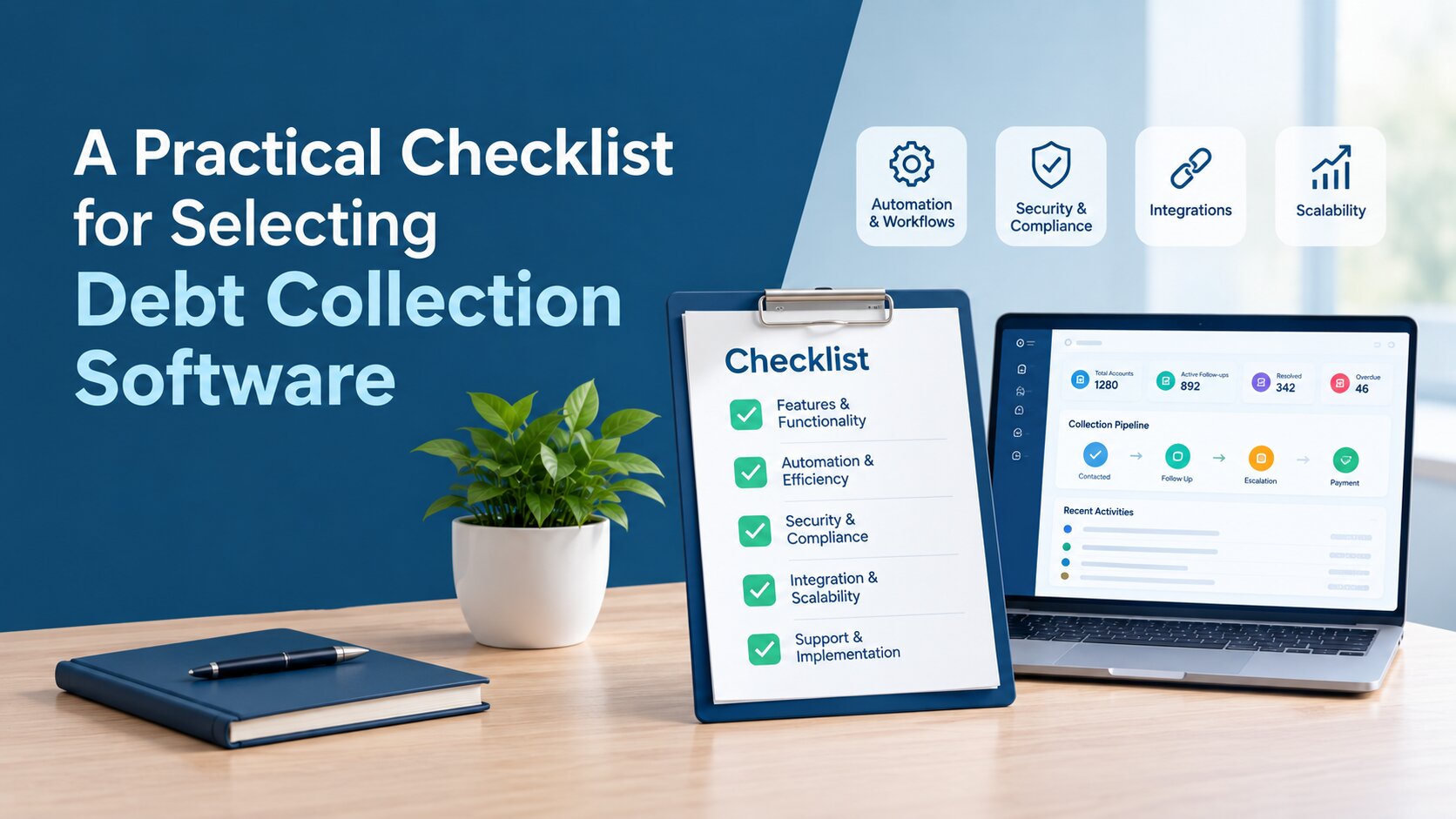
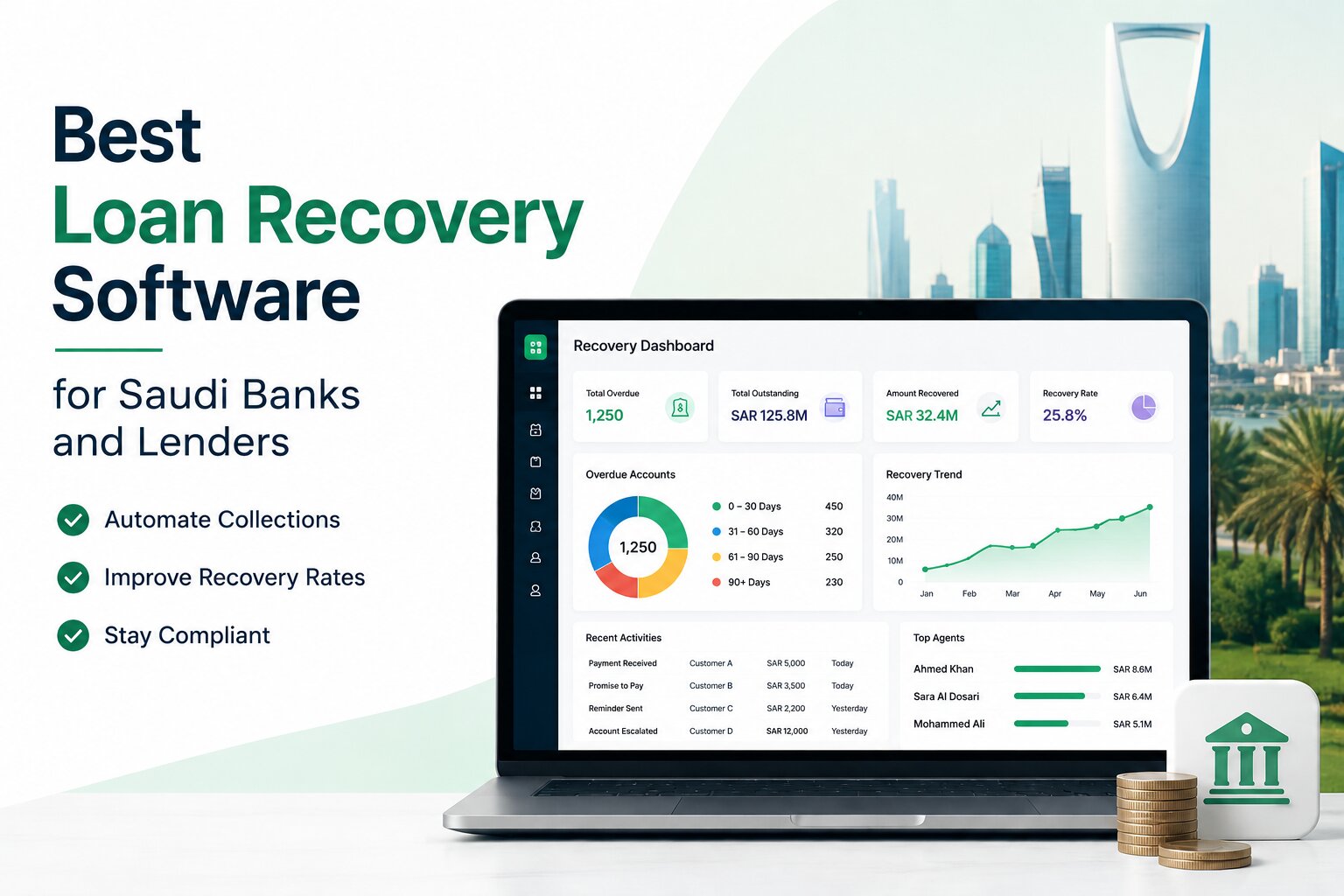
For banks and financial institutions evaluating collection technology, our guide to the best debt collection software in Kenya for banks, MFIs, and enterprises provides a detailed overview of the key features, benefits, and capabilities to consider when selecting a modern debt collection platform.
Traditional debt collection vs AI-powered collections
Traditional collection processes often depend on fixed rules and manual decisions. AI-powered collections can add a layer of data-driven intelligence.
For example, a traditional workflow may tell a collector that an account is overdue. An AI-enabled workflow could potentially provide additional insight into the account's repayment pattern, risk indicators, previous interactions, and recommended priority. This allows collection teams to spend less time searching for information and more time acting on it.
How AI-Powered Debt Collection Is Transforming Kenyan Banks
AI can influence almost every stage of the collection process, from identifying accounts that need attention to monitoring whether customers follow through on payment commitments.
1. Prioritising high-risk accounts
Not every overdue account represents the same level of recovery risk. AI-powered systems can analyse historical and behavioural data to help identify accounts that may require earlier intervention. This allows collection teams to organise their workload based on risk and other relevant factors rather than simply working through accounts in chronological order.
For a bank managing a large portfolio, better prioritisation can make a significant operational difference.
2. Predicting repayment behaviour
Predictive analytics can help banks identify patterns associated with repayment or delinquency. For example, historical payment behaviour may reveal that certain accounts are more likely to make a payment after an early reminder, while others may require additional intervention.
These predictions should not be treated as infallible decisions. They are most useful when they support trained collection professionals and are regularly monitored for accuracy and unintended bias.
3. Personalising customer communication
A single collection message may not work equally well for every customer. AI can help segment customers according to relevant characteristics and previous behaviour. This can allow banks to use different communication strategies depending on the stage of delinquency, previous responses, or repayment patterns.
Personalisation can make collection communication more relevant while reducing unnecessary or repetitive outreach.
4. Automating collection follow-ups
Follow-up is one of the most important parts of debt recovery, but it is also one of the easiest areas to lose track of when processes are heavily manual. AI-enabled collection platforms can automate routine activities such as reminders, scheduled follow-ups, task assignments, and escalation workflows. This does not mean every interaction should be automated. Instead, automation can handle repetitive work while collectors focus on cases that require judgement or human intervention.
5. Improving collector productivity
Collection agents often spend a considerable amount of time performing administrative tasks. An intelligent collection system can bring relevant account information together, automate routine actions, and help agents determine which accounts need attention.
The result is a more organised workflow. Collectors can spend more time engaging with customers and resolving accounts rather than managing fragmented information.
6. Detecting missed payment commitments
A promise to pay is only valuable when it is followed through. AI-powered collection systems can help capture payment commitments, track their due dates, monitor outcomes, and identify missed promises. When a commitment is missed, the system can flag the account for follow-up or trigger the next stage of the collection workflow.
This creates a more structured process around promises to pay instead of allowing commitments to disappear into call notes or spreadsheets.
7. Providing real-time collection insights
Collection managers need visibility into what is happening across the portfolio. Dashboards and AI-powered analytics can help teams monitor indicators such as delinquency trends, recovery activity, outstanding accounts, collector workloads, and promise-to-pay performance.
Better visibility allows managers to identify operational problems earlier and make decisions based on current information rather than relying entirely on periodic manual reports.
8. Supporting data-driven collection strategies
Perhaps the biggest change AI brings is the ability to make collection strategies more data-driven.
Instead of asking only, "Which accounts are overdue?", banks can begin asking more useful questions:
- Which accounts are most likely to require intervention?
- Which customers are responding to current strategies?
- Which promises to pay are being fulfilled?
- Where are collection efforts producing the best results?
- Which accounts are becoming more difficult to recover?
- Which workflows are consuming the most resources?
These insights can help banks continuously improve their collection operations.
Key AI Technologies Powering Modern Debt Collection
AI-powered debt collection is not based on a single technology. Several technologies can work together to support different parts of the collection process.
Predictive analytics
Predictive analytics uses historical data and statistical techniques to identify patterns that may help forecast future outcomes. In collections, this can support risk segmentation, prioritisation, and repayment forecasting.
Machine learning
Machine learning systems can identify patterns in large datasets and improve their predictions as they are trained on relevant data. For debt collection, machine learning can potentially help identify behavioural patterns associated with repayment, delinquency, or successful collection strategies.
Natural language processing
Natural language processing, or NLP, allows systems to process and interpret human language. In collection operations, NLP can support tasks such as analysing customer communications, summarising interactions, classifying responses, and helping agents retrieve relevant information.
Generative AI
Generative AI can assist with content and information tasks within collection workflows. For example, it can help draft customer communication, summarise account histories, assist collection agents, or generate operational insights from large amounts of information.
However, financial communication should remain subject to appropriate review, controls, and organisational policies.
AI agents and intelligent workflows
The next stage of AI adoption involves systems that can do more than provide recommendations. AI agents can potentially perform defined workflow tasks, such as monitoring events, determining the next permitted action, and triggering a workflow based on predefined rules and safeguards.
For banks, this creates opportunities to automate parts of the collection journey while retaining human oversight for sensitive or complex decisions.
AI Debt Collection Use Cases for Kenyan Banks
AI-powered debt collection can support different types of banking portfolios and collection stages.
Early-stage delinquency management
Early intervention can be important when a customer has only recently missed a payment. AI can help identify newly delinquent accounts, prioritise them, and trigger timely reminders or follow-up tasks.
Consumer loan and credit card collections
Consumer lending portfolios can contain large numbers of accounts. AI can help segment these accounts and support more efficient collection workflows.
SME loan recovery
Small and medium-sized businesses can have different repayment patterns and financial circumstances. AI can help collection teams organise account information and identify changes in repayment behaviour.
Digital lending portfolios
Digital lending can generate large amounts of transactional and behavioural data. When used appropriately, this data can support more structured collection strategies.
Long-overdue accounts
Accounts that remain unpaid for longer periods may require escalation or specialised recovery strategies. AI can help identify these accounts and ensure they receive the appropriate level of attention.
Promise-to-pay management
AI-enabled workflows can record customer commitments, monitor deadlines, identify missed commitments, and trigger appropriate follow-up activities.
Collector workload prioritisation
Collection managers can use analytics to distribute work based on factors such as account status, risk, workload, and required action.
Automated customer reminders
Routine reminders can be automated according to predefined workflows, reducing the amount of repetitive work performed manually by collection teams.
Benefits of AI-Powered Debt Collection for Kenyan Banks
The value of AI-powered collections is not limited to automation. When implemented properly, it can improve how the entire collection operation functions.
Higher collection efficiency
AI can help teams focus their attention on accounts where intervention is most appropriate instead of treating every account identically.
Better collector productivity
By automating repetitive administrative tasks and bringing account intelligence into the workflow, AI can allow collectors to spend more time on meaningful recovery activities.
Faster response to delinquency
Automated alerts and workflows can help banks respond more quickly when accounts become overdue or when payment commitments are missed.
Lower operational costs
Automation can reduce manual effort associated with repetitive processes. The actual cost savings will depend on the bank's portfolio size, existing processes, technology infrastructure, and implementation.
Improved portfolio visibility
Centralised reporting and analytics can give managers a clearer view of collection activity and portfolio performance.
More consistent follow-up
Automated workflows can help ensure that scheduled actions are not dependent entirely on individual employees remembering when to follow up.
Better customer engagement
When collection strategies are based on customer behaviour and account context, communication can become more relevant and less repetitive.
More predictable recovery operations
AI cannot guarantee a particular recovery rate. However, better data and monitoring can give banks more insight into collection trends and potential recovery outcomes.
How AI Can Improve the Customer Experience During Debt Recovery
Debt collection is not only a financial process. It is also a customer interaction. A poorly managed collection process can frustrate customers, particularly when they receive repeated messages that do not reflect their actual circumstances.
AI can help banks move towards more contextual communication.
For example, a customer who has already made a payment may require a different communication approach from someone who has not responded to several previous reminders. Similarly, a customer who has made a clear promise to pay may need a reminder connected specifically to that commitment.
Personalisation without aggressive collection
Personalisation should not mean increasing pressure on customers. The better use of AI is to make communication more relevant, timely, and consistent while respecting applicable legal, regulatory, and organisational requirements.
Using AI to support human collectors
Human judgement remains important in debt recovery. Collectors deal with circumstances that cannot always be captured through structured data. AI should therefore be viewed as a decision-support and workflow technology rather than a complete replacement for human expertise.
Maintaining transparency in automated communication
Where automated systems communicate with customers, banks should have clear governance around what the system can say, what actions it can take, and when a human employee should take over.
Data, Compliance and Responsible AI Considerations for Kenyan Banks
AI-powered debt collection depends heavily on data. That makes data governance one of the most important considerations for Kenyan banks. Kenya's data-protection framework, including the Data Protection Act, 2019, is relevant when organisations process personal data. Banks therefore need to consider lawful processing, security, access controls, retention, transparency, and other applicable obligations when deploying AI-based collection systems.
Protecting customer and financial data
Collection platforms may handle sensitive financial and personal information. Banks should use appropriate security controls, role-based access, authentication, encryption where appropriate, monitoring, and audit trails.
Explainability and human oversight
AI-driven recommendations should be understandable enough for appropriate human review. If a system identifies an account as high risk, collection teams should have a way to understand the relevant factors and challenge or review the result when necessary.
Avoiding unfair or discriminatory collection practices
AI models can reproduce problems contained in the data used to train them. Banks should therefore monitor models for unintended bias and regularly evaluate whether automated decisions or recommendations are producing unfair outcomes.
Maintaining accurate records and auditability
A well-governed collection system should provide a clear history of important actions. This can include communication records, payment commitments, follow-up activity, workflow changes, and escalation decisions. Good auditability can make it easier to investigate issues and demonstrate how collection processes operate.
Challenges of Implementing AI-Powered Debt Collection in Kenya
AI can provide significant benefits, but implementation should not be treated as a plug-and-play exercise.
Data quality and fragmented systems
AI depends on reliable data. If customer, repayment, and collection information is incomplete or spread across disconnected systems, the quality of AI-driven insights can suffer.
Integration with existing banking infrastructure
Banks typically operate complex technology environments. An AI collection platform may need to integrate with core banking systems, loan management systems, CRM platforms, communication channels, and reporting tools.
Employee adoption and training
Even a sophisticated system will not deliver its full value if collection teams do not understand how to use it. Employees need training on both the technology and the reasoning behind AI-supported workflows.
AI model accuracy
Predictive models are not perfect. Their performance can change as customer behaviour, economic conditions, products, and portfolio characteristics change. Models should therefore be monitored and reviewed over time.
Customer trust
Customers need confidence that their data is being handled responsibly and that automated systems are not making inappropriate decisions without oversight.
Regulatory and governance requirements
Financial institutions operate in a highly regulated environment. AI implementation should therefore involve appropriate legal, compliance, risk, security, and technology teams from the beginning.
Balancing automation with human intervention
The goal should not be to automate everything. Some situations require human judgement, particularly when an account involves a dispute, a vulnerable customer, a complex financial situation, or an issue that falls outside normal workflow rules.
How Kenyan Banks Can Prepare for AI-Powered Debt Collection
Banks do not necessarily need to transform their entire collection operation at once. A more practical approach is to identify specific problems where AI can provide measurable value.
Start with clearly defined collection problems
Instead of starting with the question, "How can we use AI?", banks can begin with questions such as:
- Where are our collection teams losing the most time?
- Which accounts are difficult to prioritise?
- Where are payment commitments being missed?
- Which follow-ups are frequently delayed?
- What collection data is difficult to access?
Clear problems make it easier to identify useful AI applications.
Consolidate and improve collection data
Before introducing sophisticated AI models, banks need to understand the quality and availability of their data. Relevant information should be accessible, consistent, secure, and governed appropriately.
Identify high-value automation opportunities
Routine reminders, task assignment, follow-up scheduling, reporting, and promise-to-pay tracking can be potential starting points. These use cases can demonstrate value without immediately automating sensitive decisions.
Establish AI governance controls
Banks should define who is responsible for AI systems, how models are monitored, when human review is required, and how decisions can be challenged.
Integrate AI with existing collection workflows
AI becomes more useful when it is connected to the systems employees already use. The objective should be to improve the existing workflow rather than create another isolated system that collection teams have to manage.
Train collection teams
Collectors should understand what AI recommendations mean, how they are generated at a high level, when to rely on them, and when to escalate a case for human review.
Measure performance continuously
Banks should establish clear KPIs before implementation.
Useful collection metrics can include:
- Recovery rate
- Roll-rate reduction
- Promise-to-pay fulfilment
- Cost per collection
- Collector productivity
- Contact rate
- Right-party contact rate
- Delinquency resolution time
These metrics help organisations determine whether AI is actually improving operations rather than simply adding another technology layer.
Beveron's Smart Debt Collection for Modern Collection Operations
For banks and financial organisations looking to modernise debt recovery, the technology platform they choose needs to support more than simple reminders. Beveron's Smart Debt Collection is designed to help organisations bring collection activities into a more structured and technology-driven workflow.
Centralising debt collection operations
A centralised collection environment can make it easier for teams to manage accounts, collection activities, customer interactions, and follow-up tasks. This can reduce dependence on disconnected spreadsheets and manual tracking.
Automating follow-ups and collection workflows
Automated workflows can help teams manage routine follow-ups more consistently. Instead of relying entirely on individual collectors to remember every next action, predefined workflows can support scheduled activities and escalation processes.
Prioritising collection activities
Intelligent collection workflows can help teams organise accounts based on their status and collection requirements. This allows collectors to spend more time on accounts that need attention rather than manually sorting through large portfolios.
Monitoring promises to pay
Promise-to-pay management is an important part of a disciplined collection process. Smart Debt Collection can help organisations capture commitments, track expected payments, monitor outcomes, and identify accounts that require further action.
Improving collection team visibility
Collection managers need more than individual account information. They need a broader view of portfolio activity and team performance. Centralised reporting and dashboards can help provide visibility into collection operations and support more informed management decisions.
Supporting scalable debt-recovery operations
As collection volumes increase, relying entirely on manual processes can become increasingly difficult. A structured debt collection platform can help organisations standardise workflows, reduce repetitive administrative work, and create a more scalable operating model.
For Kenyan banks exploring AI-powered debt collection, the focus should ultimately be on solving measurable operational challenges. Technology should support better prioritisation, faster follow-up, stronger visibility, and more disciplined recovery processes while maintaining appropriate human oversight and data governance.
The Future of AI-Powered Debt Collection in Kenyan Banking
The future of debt collection is likely to be less reactive and more predictive. Instead of waiting for accounts to become seriously overdue before taking action, banks can increasingly use data to identify warning signs and intervene earlier. Collection operations are also likely to become more personalised. Rather than sending identical reminders to large groups of customers, intelligent systems can help determine which communication, timing, and workflow may be most appropriate for different account segments.
AI agents may further change the way collection workflows operate. As these systems become more capable, they may be able to monitor accounts, identify predefined events, initiate permitted actions, and escalate exceptions to human employees. However, the future of AI-powered collections should not be about removing people from the process. The strongest model is likely to combine AI's ability to process large amounts of information with the judgement, empathy, and accountability of human collection professionals.
For Kenyan banks, this represents an opportunity to build collection operations that are not only more efficient but also more structured, measurable, and responsive.
Frequently Asked Questions
What is AI-powered debt collection?
AI-powered debt collection uses artificial intelligence, predictive analytics, machine learning, and automation to help financial institutions manage overdue accounts more efficiently. It can support account prioritisation, repayment prediction, customer communication, follow-ups, promise-to-pay tracking, and collection analytics.
How can AI help Kenyan banks recover overdue loans?
AI can help Kenyan banks analyse repayment and account data, prioritise collection activities, automate routine follow-ups, identify potential repayment risks, monitor payment commitments, and provide collection teams with better operational insights.
Can AI predict which borrowers are likely to default?
AI and predictive analytics can identify patterns associated with higher or lower repayment risk based on relevant historical data. However, predictions are not guarantees. Models should be validated, monitored, and used within appropriate governance and human-review processes.
How does AI improve debt collection efficiency?
AI can improve efficiency by reducing repetitive manual work, prioritising accounts, automating follow-ups, organising customer information, monitoring promises to pay, and giving managers better visibility into collection performance.
Is AI debt collection compliant with Kenyan data-protection requirements?
AI debt collection must be designed and operated in accordance with applicable Kenyan data-protection and financial-sector requirements. Compliance depends on factors such as the data being processed, lawful basis, security controls, transparency, governance, retention, and how automated decisions are used.
Can AI replace debt collection agents?
AI is better viewed as a tool that supports collection professionals rather than automatically replacing them. It can handle repetitive tasks and provide insights, while human employees can manage complex cases, customer discussions, disputes, and situations requiring judgement.
What should banks consider before implementing AI-powered debt collection?
Banks should assess data quality, system integration, security, regulatory requirements, AI governance, employee training, customer experience, scalability, and measurable business outcomes before implementing an AI-powered collection solution.
Conclusion
AI-powered debt collection is changing the way banks can approach loan recovery. Instead of relying primarily on manual prioritisation, repeated follow-ups, and retrospective reporting, banks can use AI to make collection operations more predictive, structured, and data-driven. For Kenyan banks, the opportunity is not simply to automate existing processes. It is to rethink how collection teams use data, how accounts are prioritised, how payment commitments are monitored, and how customers are engaged throughout the recovery journey.
The most successful implementations will combine intelligent technology with reliable data, strong governance, responsible AI practices, and human oversight. As banking becomes increasingly digital, AI-powered debt collection can give Kenyan financial institutions a practical way to build more efficient and scalable recovery operations while keeping the human element at the centre of customer engagement.
Ready to Modernise Debt Collection with AI?
Move beyond manual follow-ups, fragmented data, and reactive recovery. Beveron's Smart Debt Collection helps banks and financial institutions streamline collection workflows, prioritise accounts, automate follow-ups, track promises to pay, and gain better visibility into recovery performance.
If your collection team is looking for a smarter, more scalable way to manage debt recovery in Kenya, explore Beveron's Smart Debt Collection and see how AI-powered collection workflows can transform your operations.
Book a Demo Today →
Best AI-powered debt collection software for collection teams in Kenya
Best automated debt collection software for finance teams in Kenya
Best AI for banking collections in Kenya
If you need a free demo of the best AI-powered debt collection software for collection teams in Kenya, please fill out the form.