What Should You Look for in Collection Management Software?

Managing overdue accounts involves much more than recording who owes money and how much they owe. Collection teams need to keep track of payment commitments, follow-ups, repayment plans, agent activity and recovery performance, often across a large number of accounts.
When these activities are managed through spreadsheets, emails or disconnected systems, it can become difficult to see what needs attention and when. Accounts may be missed, follow-ups can become inconsistent, and managers may have limited visibility into overall recovery performance.
This is where collection management software can help. But choosing a system should not be based on the number of features listed on a product page. The more important question is whether the software fits the way your collection team actually works. For banks, NBFCs, financial institutions, collection agencies and corporate finance teams, the right evaluation starts with the collection workflow, account volume, team structure, communication needs and reporting requirements.
What Should Collection Management Software Help Your Team Manage?
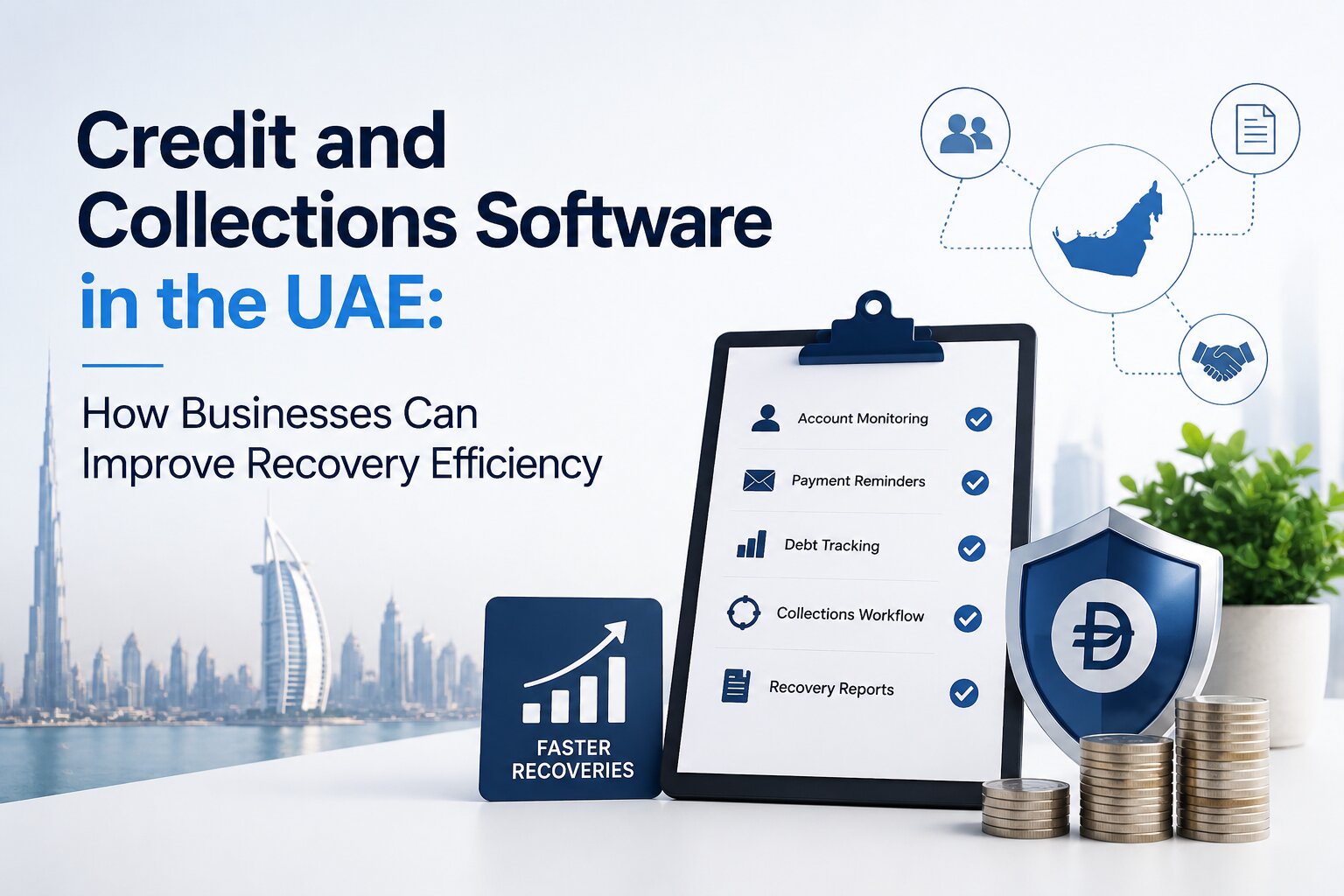
Before comparing individual features, consider the core activities your collection team needs to manage every day. A suitable system should provide a central place to manage account and debtor information, outstanding amounts, collection activity and payment history. This gives agents and managers a consistent view of each account instead of requiring them to search through multiple files or systems.
It should also support the activities that happen after an account becomes overdue. These can include assigning accounts to collection agents, recording contact attempts, tracking promises to pay, monitoring payment plans and scheduling follow-ups. For managers, visibility is equally important. They need to understand how much is being recovered, which accounts are ageing, whether promised payments are being made and how collection teams are performing.
In practical terms, collection management software should help connect accounts, people, actions, payments and reporting within one workflow.
Which Features Should You Look for in Collection Management Software?
Once the operational requirements are clear, you can evaluate the specific capabilities a system provides.
Centralised Account and Debtor Management
Collection teams need quick access to accurate account information. A centralised system should bring relevant details together, including outstanding balances, account history, previous collection activity and payment information. This becomes particularly important when teams are handling thousands of accounts. Agents should not have to move between spreadsheets, emails and separate records simply to understand the status of an account.
For a closer look at the core capabilities collection teams should evaluate, see our guide to the top 5 features of debt collection management software.
A clear account view can also help different team members continue the collection process without losing the history of previous actions.
Payment and Promise-to-Pay Tracking
A promise to pay is only useful when it is recorded and followed up. Collection software should allow teams to record payment commitments, expected payment dates and repayment arrangements. Managers can then see which promises have been fulfilled, which payments are overdue and which accounts require another follow-up.
For organisations managing payment plans, this capability can also provide a clearer view of scheduled payments and outstanding amounts. The key consideration is not simply whether the software has a payment field. Ask whether it supports the complete process from promise to payment to follow-up.
Collection Workflow Management
Collection work often follows different stages depending on the account and the organisation's approach. Some accounts may require an initial reminder, while others may need repeated contact, a stronger recovery action or escalation. A collection management system should allow these activities to be organised into clear workflows. This makes it easier for agents to understand what action is expected next and helps managers monitor accounts across different stages.
A structured workflow can also reduce reliance on individual spreadsheets or personal reminders, making collection activity more consistent across the team.
Agent and Team Management
When several agents are handling collections, managers need to know who is responsible for each account and what actions have been taken. Look for capabilities that support account assignment, agent activity tracking, follow-up monitoring and workload visibility. This can help managers identify accounts that have not received the required attention and understand how collection activity is distributed across the team.
The goal is not simply to monitor employees. It is to make sure responsibility for each account is clear and that important follow-ups do not fall between teams.
Communication and Follow-Up Tools
Collection activity often depends on regular communication with customers. Depending on the organisation and applicable requirements, this may include SMS, email, WhatsApp or calls. When communication activity is connected to the account record, agents have a better understanding of previous interactions and pending follow-ups. When evaluating a system, consider which communication channels your team already uses and whether the software can support them as part of the wider collection workflow.
Dashboards, Reporting and Recovery Metrics
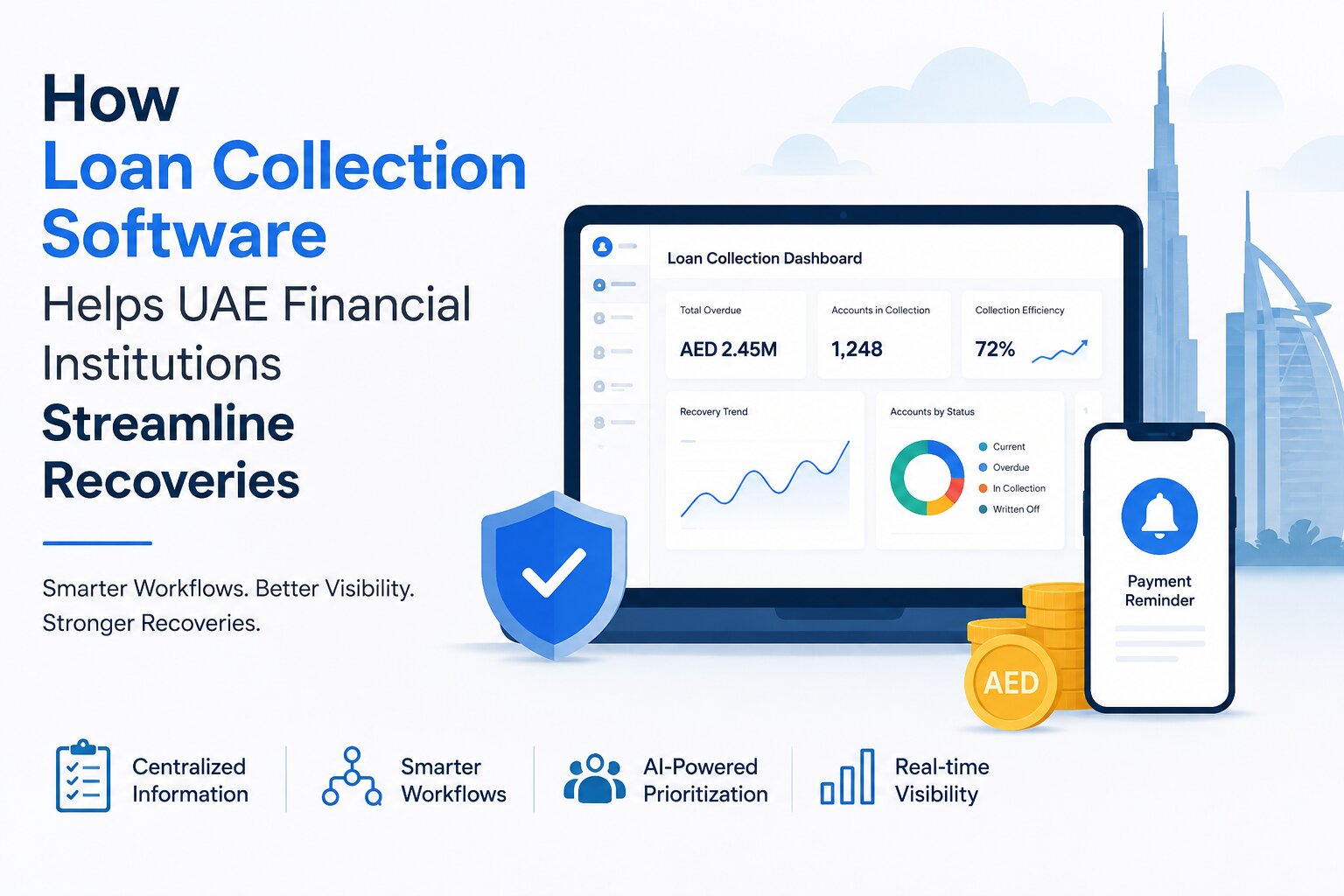
A collection manager needs more than a list of overdue accounts. They need to understand what is happening across the portfolio. Useful reporting may include ageing information, outstanding amounts, payment activity, promise-to-pay performance, agent activity and recovery KPIs. Dashboards can make this information easier to review regularly. Instead of manually combining figures from different spreadsheets, managers can use a central view to identify areas that require attention.
The exact metrics will vary between organisations, so it is worth checking whether reports can reflect the measures your collection team actually uses.
Search, Filtering and Account Prioritisation
As the number of accounts increases, finding the right account quickly becomes an operational requirement. Search and filtering tools can help agents locate accounts based on relevant information and focus on accounts requiring action. Prioritisation can also help teams organise work according to factors such as ageing, payment commitments or collection stage. This is particularly useful for high-volume operations where treating every account in exactly the same way may not be practical.
Can the Software Support Your Type of Collection Operation?
The same collection software may serve very different organisations. A bank managing a large retail lending portfolio will have different requirements from a collection agency handling accounts for several clients.
Banks and Financial Institutions
Banks and financial institutions may manage large numbers of overdue accounts across different products and customer segments. For these organisations, collection software should provide strong account management, repayment tracking, agent workflows and portfolio-level reporting.
When evaluating debt collection software for banks or collection software for financial institutions, consider whether the system can handle your account volumes while giving managers sufficient visibility into recovery activity.
NBFCs and Credit Companies
NBFCs and credit companies may need to manage borrower information, overdue payments, repayment commitments and follow-up activity across their lending portfolios. A suitable system should make it easier to monitor repayment plans and identify accounts that require further collection action. For organisations searching for debt collection software for NBFCs, the ability to connect borrower information with payment and follow-up activity can be an important consideration.
Debt Collection Agencies
Collection agencies have another layer of complexity because they may manage accounts on behalf of multiple clients. For a closer look at how software can support agencies managing outstanding payments, see our guide to outstanding payments collection software for debt recovery agencies.
They need to consider account assignment, agent activity, collection workflows, portfolio visibility and reporting. Depending on their operating model, they may also need to separate or organise accounts by client or portfolio. When assessing debt recovery software for collection agencies, consider whether the system can support the agency's account volumes and reporting structure without creating additional manual work.
Corporate Finance Teams
Collection management is not limited to specialist debt recovery organisations. Corporate finance teams may also need to follow up on overdue receivables and outstanding customer payments. For these teams, the focus may be on tracking amounts due, payment commitments, follow-ups and receivables visibility rather than managing a dedicated debt collection operation.
The right system should match the scale and nature of the organisation's receivables process.
What Should You Consider Beyond the Feature List?
A software system can have many useful features and still be a poor fit if it does not work with your existing processes.
Scalability and Account Volume
Consider both your current portfolio and expected growth. A system that works for a few hundred accounts may not provide the same experience when the portfolio reaches tens or hundreds of thousands of accounts. Ask vendors about the volumes their system can support and how performance is maintained as the operation grows.
Integration With Existing Systems
Collection data rarely exists in isolation. Your organisation may already use lending systems, accounting software, CRM platforms or other financial applications. Before choosing a system, understand what information needs to move between systems and whether the collection platform can integrate with your existing environment.
The objective is to avoid creating another isolated system that requires employees to transfer information manually.
Data Security and Access Controls
Collection systems can contain sensitive customer and financial information. Access should therefore be controlled according to the responsibilities of different users. Ask about user permissions, audit trails, data protection measures and how access to customer information is managed. It is also important to understand where data is stored and what security controls are available before moving collection operations to a new platform.
Localisation for UAE Operations
For organisations operating in the UAE, software selection may involve requirements beyond general collection functionality. Depending on the organisation, these may include Arabic and English workflows, local currency support, data protection expectations and operational processes relevant to the UAE market.
Rather than treating localisation as a marketing feature, assess whether the system can support the actual way your UAE collection team operates.
What Questions Should You Ask Before Choosing Collection Management Software?
A vendor demonstration should give you an opportunity to test the software against real collection scenarios.
Consider asking:
- Can the system manage our current and expected account volume?
- Can we track payment commitments and repayment plans?
- Can managers monitor collection-agent activity?
- Can accounts be filtered or prioritised according to collection requirements?
- Can the system provide recovery, ageing and portfolio reports?
- Does it support the communication channels our collection team uses?
- Can it integrate with our existing financial or business systems?
- Does it provide appropriate user permissions and audit trails?
- Can it support our UAE operational requirements where applicable?
- Can the system scale as our collection operation grows?
It can also be useful to demonstrate one of your actual workflows during a vendor evaluation. For example, take an overdue account from initial assignment through customer contact, promise to pay, payment and follow-up. This can reveal practical gaps that may not be obvious from a feature list.
How Can Collection Management Software Support More Consistent Recovery Workflows?
Consider a collection manager responsible for thousands of overdue accounts.
At the start of the day, the manager needs to know which accounts require attention. Agents need to know which accounts have been assigned to them and what action is due. When a customer commits to making a payment, that promise needs to be recorded. If the payment is missed, the account needs another follow-up. At the end of the reporting period, management needs to understand what was recovered and where outstanding accounts remain.
When these activities are managed separately, information can become fragmented.
A centralised collection system can connect these steps within a single workflow.
From Account Assignment to Follow-Up
Accounts can be assigned to agents and organised according to the collection process. Agents can then work from a structured list rather than relying on separate spreadsheets or manual reminders. Automation can further improve the consistency of reminders and follow-ups, particularly when collection teams are handling large volumes of overdue accounts. Learn more about boosting recovery rates with automation in outstanding payments collection.
From Promise to Payment Tracking
When a customer commits to a payment, the commitment can be recorded against the account. The team can then track whether the payment was received and identify missed commitments that require further action.
From Agent Activity to Management Reporting
Collection activity can also be captured as part of the wider account record. Managers can use this information to review agent activity, ageing, recovery performance and outstanding accounts. This does not remove the need for judgement by collection professionals. Instead, it gives them a clearer operational view from which to make decisions.
How Does Beveron Smart Debt Collection Support Collection Teams?
Beveron Smart Debt Collection is designed to support organisations managing structured debt collection and recovery workflows. Its capabilities align with several of the areas that organisations should consider when evaluating collection management software, including defaulter management, promise-to-pay tracking, payment plans, agent activity and recovery reporting. Collection teams can also use ageing buckets and collection queues to organise accounts according to their current recovery stage. Communication capabilities can support channels such as SMS, email, WhatsApp and calls, depending on the organisation's workflow.
For managers, dashboards and recovery KPIs provide a way to review collection activity and portfolio performance without relying entirely on manually consolidated reports. The important consideration is how these capabilities fit into your existing process. A system is most useful when it helps connect the activities your team already needs to manage, from account assignment and customer follow-up through payment tracking and recovery reporting.
What Should You Take Away Before Choosing Collection Management Software?
Choosing collection management software should start with your collection workflow, not simply a list of features. The right system should make it easier to manage accounts, track payment commitments, organise follow-ups, monitor agent activity and understand recovery performance.
Before making a decision, consider whether the software can handle your account volumes, support your communication channels, integrate with your existing systems and provide the reporting and controls your team needs. For banks, financial institutions, NBFCs, collection agencies and corporate finance teams, these requirements may vary depending on the scale and structure of their operations.
A platform such as Beveron Smart Debt Collection brings key collection activities into a connected workflow, helping teams manage defaulters, promises to pay, payment plans, collection queues, agent activity, ageing and recovery KPIs from one system.
Ready to bring greater visibility and structure to your collection operations?
Explore Beveron Smart Debt Collection or schedule a demo to see how it can fit your team's recovery workflow.
FAQs
What is collection management software?
Collection management software is a system used to organise and monitor debt recovery activities. It can help teams manage accounts, follow-ups, payment commitments, repayment plans, agent activity and recovery reporting in a centralised environment.
Who uses collection management software?
Banks, NBFCs, financial institutions, credit companies, debt collection agencies and corporate finance teams can use collection management software to manage overdue accounts and collection activities.
What features should collection management software have?
Important capabilities may include centralised account management, payment and promise-to-pay tracking, workflow management, agent activity monitoring, communication tools, dashboards, reporting, search, filtering and account prioritisation.
How does collection management software help banks and financial institutions?
It can help banks and financial institutions organise large collections portfolios, track repayment commitments, manage collection teams and monitor recovery performance through centralised account information and reporting.
Can collection management software be used by debt collection agencies?
Yes. Collection agencies can use it to manage accounts, assign work to agents, track collection activity and monitor recovery across their portfolios. Agencies should also consider whether the system fits their client and portfolio structure.
What should businesses consider when choosing collection management software?
Businesses should consider account volume, workflow requirements, payment and follow-up tracking, communication channels, reporting, integrations, security, user access and scalability. UAE-based organisations should also consider whether the system supports their local operational requirements.
Best collection software for financial institutions in the UAE
Best debt recovery software for collection agencies in the UAE
Best debt collection software for banks in the UAE
If you need a free demo on the best collection software for financial institutions in the UAE, please fill out the form.