Best Collection Management Software for Saudi Banks and Finance
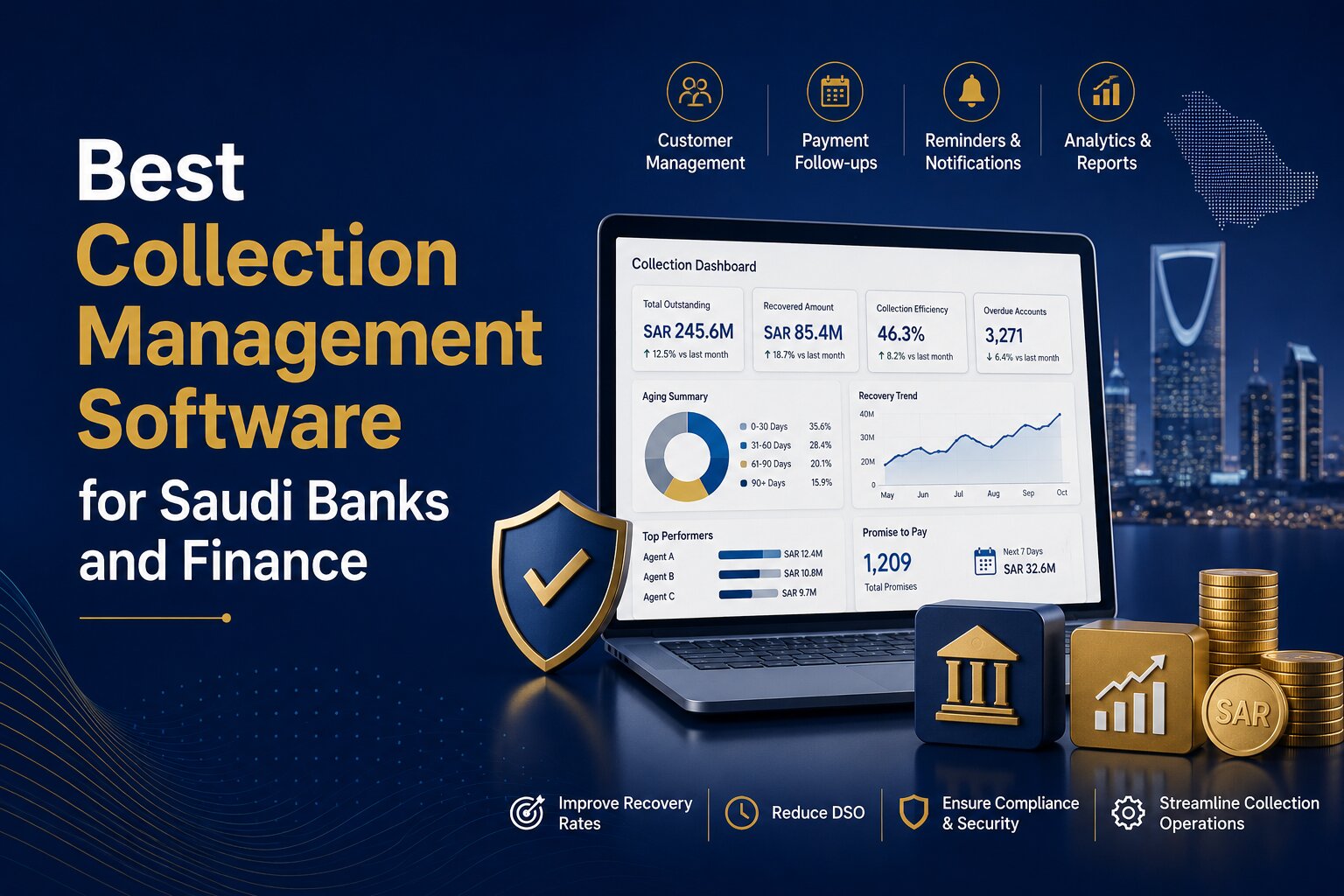
Banks and financial institutions manage large volumes of customer accounts, outstanding payments and recovery activities. As the number of overdue accounts grows, keeping track of payment commitments, follow-ups and collection agents can become difficult, particularly when different teams rely on spreadsheets, emails and separate systems to manage their work. Without a structured process, collection activities can become fragmented, making it harder for managers to understand which accounts need attention and how recovery operations are progressing.
This is where collection management software becomes important. A centralised system helps banks and financial institutions organise debtor information, coordinate collection activities, monitor payment commitments and review recovery performance. For financial organisations in Saudi Arabia, choosing the right debt collection software is not simply about automating reminders. It is about having better visibility and control over the entire recovery process, from the first payment follow-up to more complex recovery cases.
Why Banks and Financial Institutions Need Structured Collection Management
Debt recovery involves several activities that need to be coordinated across different teams. Collection departments must maintain accurate debtor records, identify overdue accounts, schedule follow-ups, record customer responses and monitor payment arrangements. When these activities are handled manually or across disconnected tools, important information can become difficult to access. A payment commitment made during a telephone conversation, for example, may not be reflected in the account records immediately, leaving other collection agents without the information they need.
For banks and financial institutions in Saudi Arabia, these challenges can become more noticeable as collection volumes increase. Teams may need to manage thousands of accounts while working across different branches, departments and customer segments. Without a centralised collection management system, managers may spend considerable time gathering updates instead of reviewing recovery performance and deciding which accounts require further attention.
A structured debt recovery management process brings these activities together. It gives collection teams a clearer view of account status, previous interactions, outstanding balances and upcoming follow-ups. It also helps managers understand how accounts are progressing and whether collection activities are producing the expected results. This makes collection management software for banks an important consideration for financial institutions looking to organise their recovery operations.
What to Look for in Collection Management Software for Banks
Selecting collection management software requires more than comparing the number of features available. Banks should consider whether the system can support their existing recovery processes, handle different types of accounts and provide the information collection teams need throughout the working day. The following capabilities are particularly relevant when evaluating a collection management system for financial institutions.
Centralised Debtor and Account Management
A collection team needs access to accurate account information before contacting a debtor or deciding on the next recovery action. When debtor details, outstanding balances, payment history and previous communication records are maintained in separate places, agents may struggle to understand the complete account situation. This can lead to repeated conversations, missed updates and unnecessary delays.
Debt collection software should provide a centralised way to maintain debtor information and track outstanding accounts. Collection agents should be able to review relevant account details, understand previous recovery activities and identify the current status of each case. This gives banks a more organised approach to debtor management and helps different team members work with consistent information.
Automated Payment Follow-Ups
Following up with customers is a regular part of debt recovery, but managing reminders manually across a large number of accounts can take considerable time. Collection agents may need to contact customers through telephone calls, emails and messages while keeping track of responses and future follow-up dates. Without a structured system, some accounts may receive repeated attention while others are overlooked.
A suitable collection management system should support payment follow-ups through multiple communication channels, including SMS, WhatsApp, email and calls. It should help teams organise communication activities and maintain records of previous interactions. Automated reminders can also reduce repetitive administrative work, allowing collection agents to focus on customer responses, payment arrangements and accounts that require additional attention.
Payment Commitment and Instalment Tracking
A customer may not always be able to settle an outstanding balance immediately. In such situations, the collection team may agree on a future payment date or an instalment arrangement. These commitments need to be recorded and monitored so that agents can identify whether the agreed payments have been made.
Collection management software should support promise-to-pay (PTP) tracking, allowing agents to record payment commitments and review their status. It should also help teams monitor agreed payment plans and identify missed instalments. For banks, this provides a clearer understanding of customer commitments and helps agents decide when another follow-up is required. Tracking these details within a bank debt recovery software system also reduces dependence on separate spreadsheets and manual reminders.
Collection Agent Assignment and Monitoring
In larger financial institutions, multiple collection agents may work on different accounts, customer groups or recovery stages. Managers need to know which accounts have been assigned, what actions have been completed and which cases still require attention. Without a clear assignment process, responsibilities can become unclear, especially when accounts are transferred between agents or departments.
A collection management system for banks should allow managers to assign accounts to collection agents and monitor their activities. It should provide visibility into assigned cases, follow-up progress and recovery results. This helps managers understand individual workloads, identify pending activities and distribute accounts more effectively. It also supports better coordination when collection operations involve multiple teams or branches.
Recovery Performance and Reporting
Managing collection operations requires more than knowing how much money has been recovered. Banks also need to understand the status of outstanding accounts, the progress of follow-ups, the performance of collection agents and the reasons certain accounts remain unresolved. Without reliable reports, managers may find it difficult to identify operational gaps or evaluate whether current recovery strategies are working.
Debt collection software should provide reports that help managers review outstanding amounts, account ageing, collection activities and recovery performance. Agent-level reporting can also help identify workload distribution and individual results. With these insights, financial institutions can review their collection operations using organised information rather than relying entirely on manual updates. A well-designed collection management solution makes it easier to monitor recovery activities and identify areas that need attention.
Litigation and Legal Recovery Tracking
Not every overdue account can be resolved through regular payment reminders and follow-ups. Some cases may require escalation through legal channels, particularly when earlier recovery efforts have not resulted in payment. These accounts need additional monitoring because legal proceedings, court-related updates and judgments may introduce different stages and responsibilities into the recovery process.
For this reason, banks evaluating debt recovery management software should consider whether it can support litigation tracking. A system that maintains information about legal recovery cases and court judgments helps collection teams keep relevant case details connected to debtor records. It also makes it easier for managers to understand which accounts have moved beyond regular collection activities and require coordination with legal teams.
How Collection Management Software Improves Banking Recovery Operations
A well-organised collection process helps financial institutions manage recovery activities with greater consistency. When debtor information, communication records, payment commitments and agent assignments are maintained in one system, collection teams spend less time searching for updates across different tools. Agents can review account histories before contacting customers, record the outcome of each interaction and identify the next action required.
Collection management software also improves visibility for supervisors and managers. Instead of collecting individual updates from different agents, managers can review account statuses, pending follow-ups and recovery reports through a centralised system. This is particularly useful for institutions managing collection activities across several teams or branches. A structured debt collection management system can also help identify missed payment commitments, accounts requiring escalation and areas where additional follow-up may be necessary.
Another important advantage is the ability to maintain a more consistent recovery process. When teams follow organised workflows, customer interactions and account updates are easier to track. This does not automatically guarantee higher recovery rates, but it gives banks better information and a clearer operational structure for managing overdue accounts.
Manual Collection Management vs Software-Based Collection Management
Many financial organisations begin with spreadsheets, emails and separate communication tools to manage overdue accounts. These methods may work when collection volumes are limited, but they can become difficult to maintain as the number of debtors and collection agents increases. Information may need to be updated in multiple places, and managers may have to combine reports manually to understand the overall recovery position.
Software-based collection management offers a more connected approach. Debtor records, payment follow-ups, agent assignments and recovery updates can be maintained within a centralised platform. This allows collection teams to review account information without depending on multiple disconnected records.
The difference becomes particularly relevant when banks need to monitor several recovery activities at the same time. A manual process may require agents to maintain separate follow-up sheets and supervisors to request updates individually. With debt collection software, teams can access organised account information, record payment commitments and review recovery reports through the same platform.
However, selecting software should depend on the institution's actual requirements. Banks should evaluate the volume of accounts they manage, the number of agents involved, their existing recovery procedures and the level of reporting they need before deciding which collection management approach is suitable.
How Beveron Smart Debt Collection Supports Banks and Financial Institutions in Saudi Arabia
Beveron Smart Debt Collection is designed to help organisations manage debtor accounts, collection activities and recovery operations through a centralised platform. For banks and financial institutions in Saudi Arabia, the system brings several important collection activities together, helping teams organise their work and maintain better visibility into account progress.
The platform supports debtor information management and account tracking, allowing collection teams to maintain records of outstanding accounts and related recovery activities. Financial organisations can import debtor information through Excel or connect systems through APIs, depending on their requirements. This provides flexibility when bringing account information into the collection management process.
Beveron Smart Debt Collection also supports communication and payment follow-ups through SMS, WhatsApp, email and calls. Collection teams can record promises to pay, monitor payment arrangements and track missed commitments. These capabilities help agents maintain a clear record of customer interactions and identify which accounts need further attention. Rather than managing payment commitments through separate spreadsheets, teams can keep relevant recovery information connected to the debtor account.
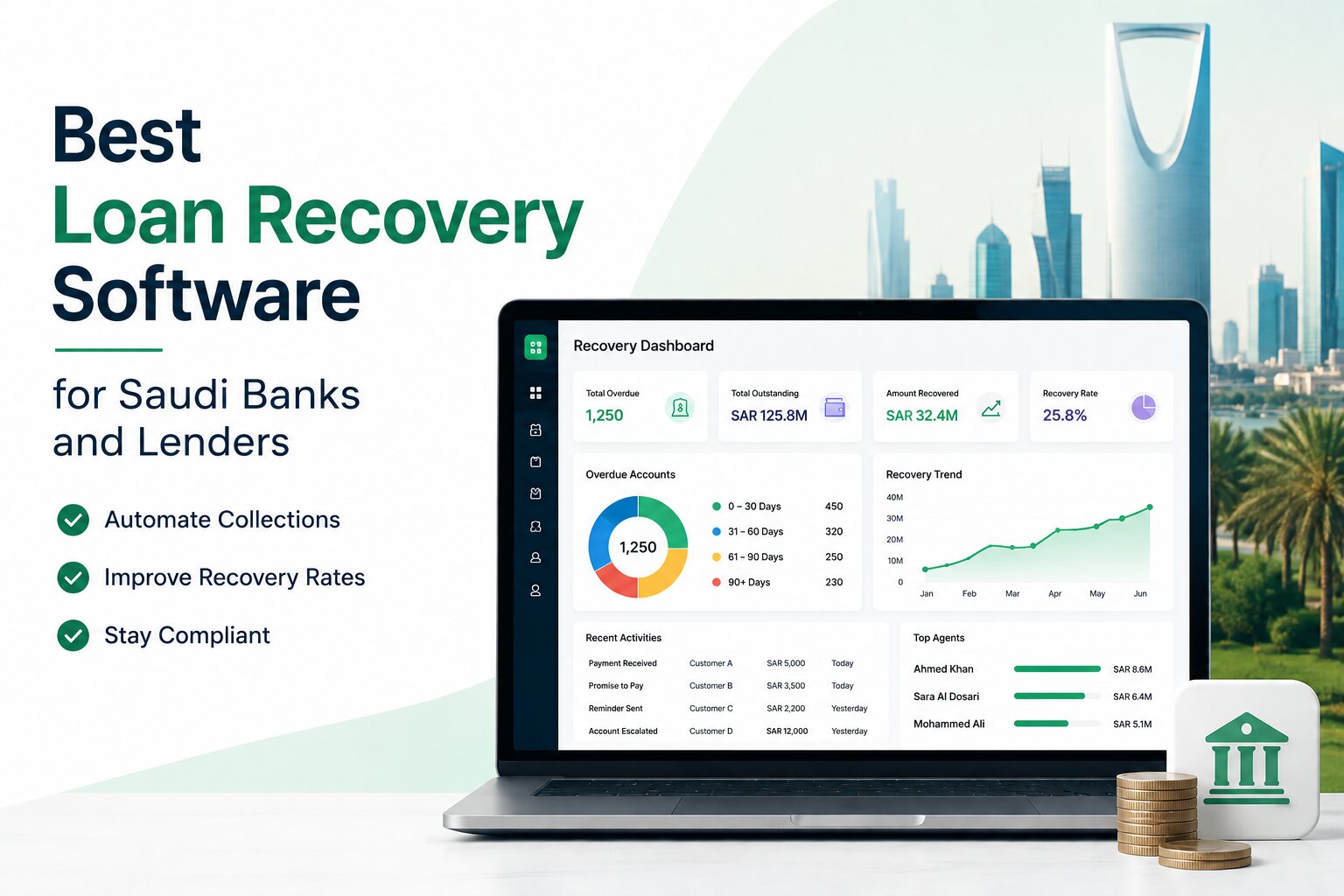
For institutions managing multiple collection agents, the platform supports account assignment and agent activity monitoring. Managers can review assigned accounts, follow recovery progress and assess collection performance through available reports. The system also supports tracking of outstanding balances, account ageing and recovery-related information, helping supervisors understand the overall position of their collection operations.
When an account requires legal escalation, Beveron Smart Debt Collection also supports litigation-related tracking, including court cases and judgments. This helps organisations maintain relevant legal recovery information alongside their collection records. By bringing debtor management, communication, payment commitments, agent activities, reporting and legal recovery tracking together, Beveron provides a structured approach to debt collection management for financial institutions.
Key Considerations Before Selecting a Collection Management System
Before investing in collection management software, banks should understand how the proposed system will fit into their existing operations. One of the first considerations is the volume of accounts the platform can support. A system selected for a small collection team may not necessarily meet the requirements of a financial institution managing a large debtor portfolio. Banks should assess whether the software can accommodate their account volumes, collection teams and expected operational needs.
Integration is another important consideration. Financial institutions may already use internal banking systems, customer databases and financial applications to maintain account information. The selected debt collection software should be evaluated based on its ability to exchange relevant information with these existing systems. Options such as API integration and structured data imports can help reduce manual data entry and support more connected workflows.
Data protection and access management should also be part of the evaluation. Banks should understand how the software manages user permissions, protects stored information and controls access to debtor records. It is important to discuss security arrangements, hosting options, backup processes and applicable organisational requirements with the software provider rather than assuming that every platform offers the same level of protection.
Finally, financial institutions should consider reporting flexibility, deployment requirements, implementation support and ongoing technical assistance. The right collection management system should not only address current recovery challenges but also support the organisation as its collection operations develop. A detailed product demonstration can help decision-makers understand how the software handles their actual workflows before making a purchasing decision.
Frequently Asked Questions
1. What is collection management software for banks?
Collection management software is a system that helps banks organise and monitor debt recovery activities. It can maintain debtor records, track outstanding balances, manage payment follow-ups, record payment commitments, assign accounts to collection agents and generate recovery reports. It provides a centralised way to manage collection operations instead of depending on separate spreadsheets and manual records.
2. How does collection management software improve debt recovery?
Collection management software helps teams organise account information, schedule follow-ups and monitor customer payment commitments. Managers can review recovery activities, identify overdue accounts that need attention and assess collection agent performance. These capabilities improve operational visibility and help financial institutions manage recovery activities more consistently.
3. Can collection software manage multiple collection agents?
Yes. Collection software can support multiple agents by allowing managers to assign accounts, monitor case progress and review individual recovery activities. Depending on the system's features, supervisors can also use reports to understand agent workloads and collection performance across different teams.
4. Does debt collection software support automated payment reminders?
Many debt collection platforms support automated payment reminders through communication channels such as SMS, WhatsApp and email. These reminders help collection teams organise customer follow-ups and reduce repetitive manual work. The available communication options and automation rules depend on the selected software.
5. Can collection management software track legal recovery cases?
Yes. Some collection management systems include litigation tracking capabilities that help organisations maintain information about legal recovery cases, court proceedings and judgments. This allows collection teams to monitor accounts that have moved beyond regular payment follow-ups and require legal attention.
Bring More Structure to Your Debt Recovery Operations
Managing overdue accounts across multiple customers, collection agents and recovery stages requires a clear and organised process. For banks and financial institutions in Saudi Arabia, collection management software can bring debtor records, payment follow-ups, agent activities and recovery reporting together in one place.
Beveron Smart Debt Collection helps organisations manage these activities through a centralised platform, supporting better coordination and visibility throughout the recovery process. If your financial institution is evaluating debt collection software, explore how Beveron Smart Debt Collection can support your collection workflows.
Request a personalised demo of Beveron Smart Debt Collection to see how the platform can support your organisation's debt recovery requirements.
Best collection management software for banks in Saudi Arabia
Best bank debt recovery software in Saudi Arabia
Best collection management system for financial institutions in Saudi Arabia
If you need a free demo of the best collection management software for banks in Saudi Arabia, please fill out the form