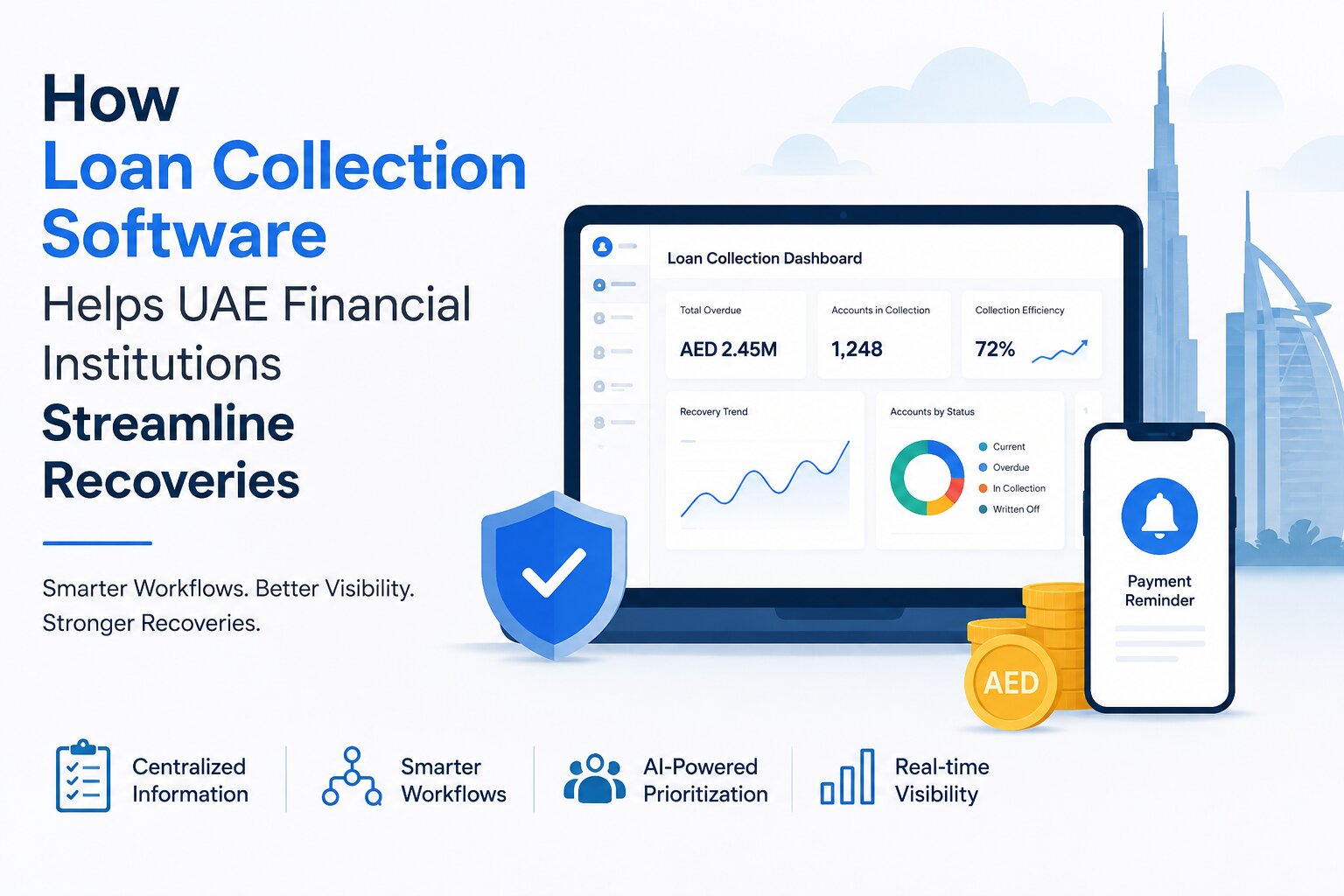
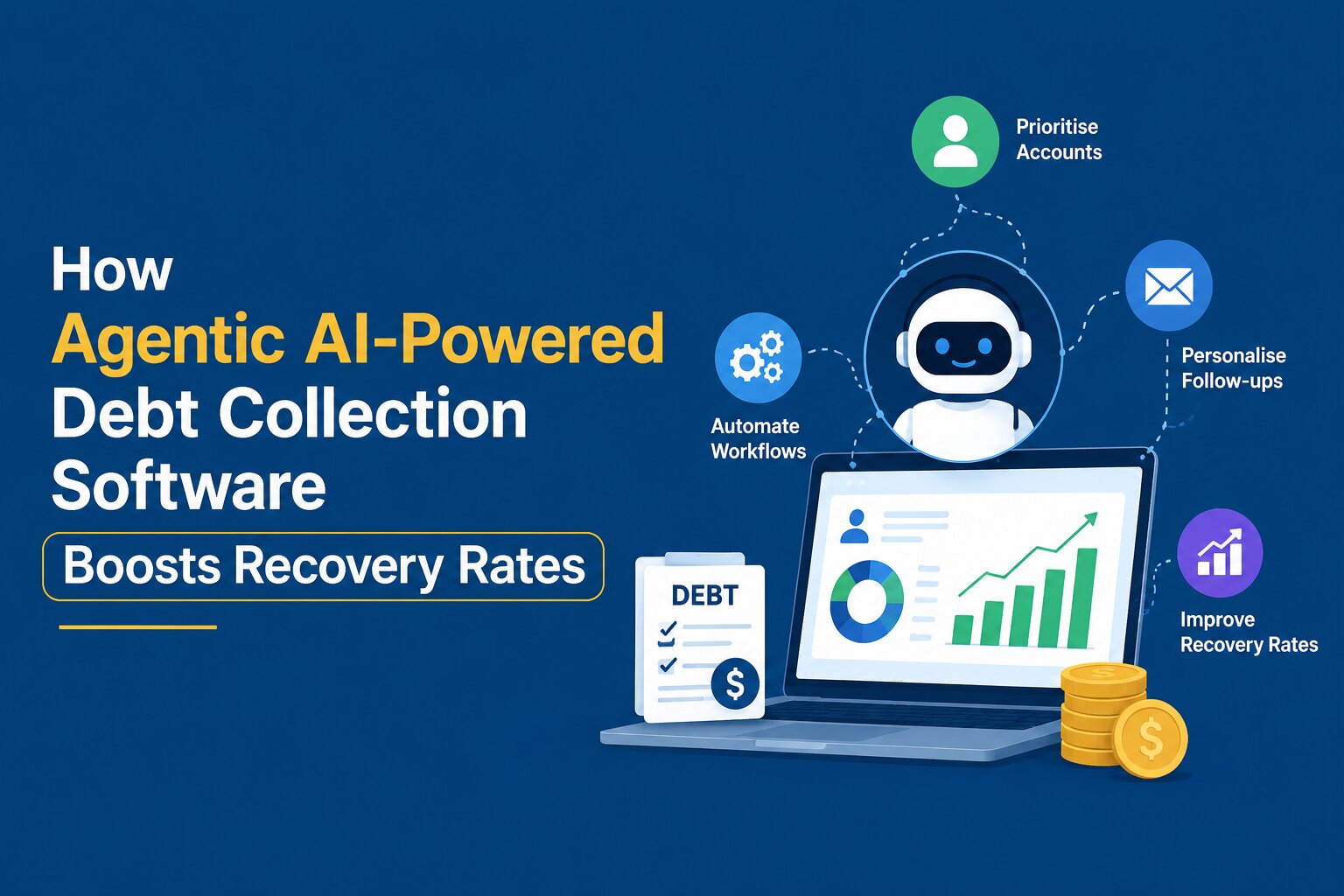
How Automated Debt Collection Systems Transform Financial Operations in Saudi Arabia

For many businesses in Saudi Arabia, managing outstanding payments is no longer just a finance department task. Delayed payments can affect cash flow, working capital, customer relationships, and the ability to plan future operations. As businesses grow, keeping track of every overdue account through spreadsheets, emails, phone calls, and manual reminders becomes increasingly difficult.
This is where automated debt collection systems in Saudi Arabia can make a practical difference. Instead of relying on disconnected tools and repetitive manual work, businesses can bring collection cases, payment information, follow-ups, workflows, and reporting into a centralised system.
The result is a more structured approach to debt recovery. Finance and collection teams can spend less time chasing information and more time deciding which accounts need attention and what action should come next.
Why Debt Collection Is Becoming a Financial Operations Priority in Saudi Arabia
A healthy cash flow depends not only on generating sales but also on collecting payments on time. When invoices or other receivables remain unpaid, businesses may have less working capital available for salaries, suppliers, expansion, and everyday expenses. The challenge becomes more complex as the number of customers and outstanding accounts increases. A collection team may need to monitor hundreds or thousands of accounts, each with different payment histories, outstanding amounts, communication records, and follow-up requirements.
For businesses looking to understand the broader role of technology in improving collection and recovery processes, our guide to credit and collection software in Saudi Arabia explains how businesses can use digital tools to improve recovery efficiency and manage outstanding payments more effectively.
Traditional processes can make this difficult. Teams may use spreadsheets to track overdue accounts, email for reminders, separate systems for customer information, and manual reports to understand collection performance. Important information can become scattered, and a missed follow-up can easily delay recovery.
This is why financial operations automation is becoming increasingly relevant. By digitising repetitive collection activities, organisations can create a more consistent process for managing receivables and overdue payments.
Common Challenges With Traditional Debt Collection
Manual collection processes often create several operational problems:
- Collection teams spend significant time updating spreadsheets and records.
- Follow-ups may be missed or delayed.
- Managers have limited real-time visibility into outstanding accounts.
- Customer and payment information can be spread across different systems.
- Prioritising accounts becomes difficult when portfolios are large.
- Reporting takes longer because information has to be collected manually.
- Collection performance can be difficult to measure consistently.
These challenges do not necessarily mean that the collection team is ineffective. Often, the problem is the process itself.
What Are Automated Debt Collection Systems in Saudi Arabia?
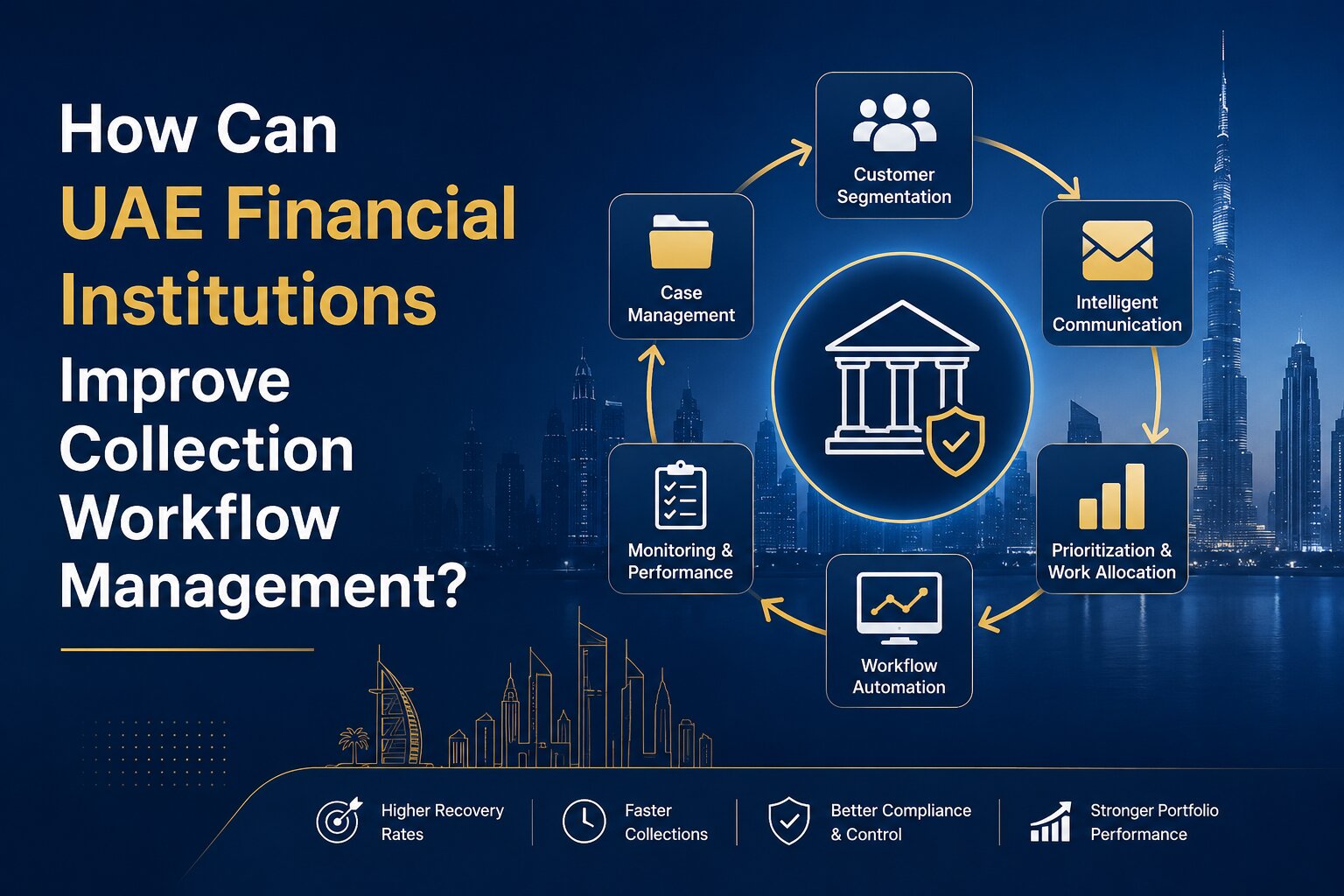
An automated debt collection system is software designed to organise and automate different activities involved in recovering outstanding payments. Instead of managing each account manually, businesses can use a centralised platform to organise collection cases, monitor overdue balances, assign tasks, schedule follow-ups, track payment activity, and analyse collection performance.
In simple terms, automated debt recovery helps move collections from a reactive process to a more structured workflow.
For example, when an account becomes overdue, the system can help identify the account, assign the appropriate collection activity, trigger a reminder based on predefined rules, and record the outcome. Collection teams can then see what has already happened and determine the next action.
How an Automated Collection System Works
A typical automated collection process may involve:
- Centralising customer and receivables information
- Identifying overdue accounts
- Categorising and prioritising accounts
- Assigning collection activities
- Triggering automated payment reminders
- Recording customer interactions
- Tracking promised payments
- Monitoring payment activity
- Updating collection case status
- Analysing recovery and collection performance
The exact workflow depends on the organisation's processes, customer segments, and collection strategy. The important point is that automation creates a consistent framework around activities that would otherwise require extensive manual coordination.
How Automation Transforms Financial Operations
The impact of automated debt collection goes beyond simply sending reminders. When collection activities are connected within one system, they can influence broader financial operations.
Automating Collection Workflows
Collection workflow automation helps organisations create repeatable processes for managing outstanding accounts. Instead of asking employees to remember when to follow up with every customer, businesses can establish predefined workflows. Tasks can be assigned, activities can be scheduled, and collection stages can be tracked systematically.
This creates more consistent debt recovery workflows and reduces the administrative burden on collection teams.
Automation can also make escalation easier. For example, an account that remains unpaid after several collection attempts can be moved to another stage according to the organisation's predefined process.
Improving Accounts Receivable Management
Accounts receivable automation gives finance teams a clearer view of what is outstanding and where attention is required. Rather than relying on separate spreadsheets and manual updates, teams can manage receivables information in a centralised environment. This can make it easier to identify overdue balances, review account histories, and monitor collection progress.
Better receivables management also supports better decision-making. Finance managers can spend less time finding information and more time analysing it.
Strengthening Overdue Payment Management
Not every overdue account requires the same response. A recently overdue invoice may need a simple reminder, while a long-standing delinquent account may require more active intervention. Automated systems can help organise accounts based on factors such as overdue status, amount, payment history, or collection stage.
This makes delinquent account management more structured and gives collection teams a clearer picture of which accounts require immediate attention.
Key Benefits of Automated Debt Collection for Saudi Businesses
The value of automation becomes clearer when it is viewed from an operational perspective.
Faster and More Consistent Payment Follow-Ups
One of the simplest benefits is consistency. Automated payment reminders can help reduce the chance of routine follow-ups being forgotten. Instead of relying entirely on individual employees to remember every action, businesses can build reminders and tasks into their collection workflows.
This does not eliminate the need for human communication. Rather, it allows employees to focus their attention on situations where judgement and personal interaction are more important.
Better Cash Flow Management
Unpaid receivables can create uncertainty for finance teams. By improving visibility into outstanding accounts and expected collection activity, automated systems can support better cash flow management. Finance teams can see which payments are overdue, monitor collection progress, and use available information when planning working capital.
Automation cannot guarantee that customers will pay faster. However, it can help organisations identify collection issues earlier and maintain a more consistent recovery process.
Supporting Recovery Rate Improvement
Recovery rate improvement depends on many factors, including customer behaviour, account quality, collection practices, and the timing of interventions. Automation can contribute by making collection activities more systematic.
Teams can prioritise accounts, monitor payment commitments, reduce missed follow-ups, and identify cases that have stalled. Over time, this structured approach can provide a stronger foundation for improving recovery performance.
Greater Operational Efficiency
Collection teams often spend a considerable amount of time on repetitive administrative work. Automating tasks such as status updates, reminders, assignments, and reporting can reduce this workload. Employees can then dedicate more time to account analysis, negotiations, customer communication, and complex recovery cases.
This is where financial process automation can have a broader impact on the finance function.
The Role of Payment Tracking Software in Modern Collections
Knowing that an account is overdue is only part of the collection process. Teams also need to know what happened after the follow-up. This is where payment tracking software becomes useful.
A centralised system can help teams monitor payment activity, outstanding balances, promised payments, and collection progress. If a customer commits to making a payment on a particular date and the payment does not occur, the collection team can identify the missed commitment and determine the next step.
Maintaining payment histories also gives employees useful context when communicating with customers. Instead of starting every interaction from scratch, they can review previous collection activity and payment behaviour.
Using Data and Analytics to Optimise Debt Recovery
Automation generates another valuable resource: collection data. When collection activities are consistently recorded, organisations can begin to understand where their recovery processes are working and where they are falling short.
Collection Performance Analytics
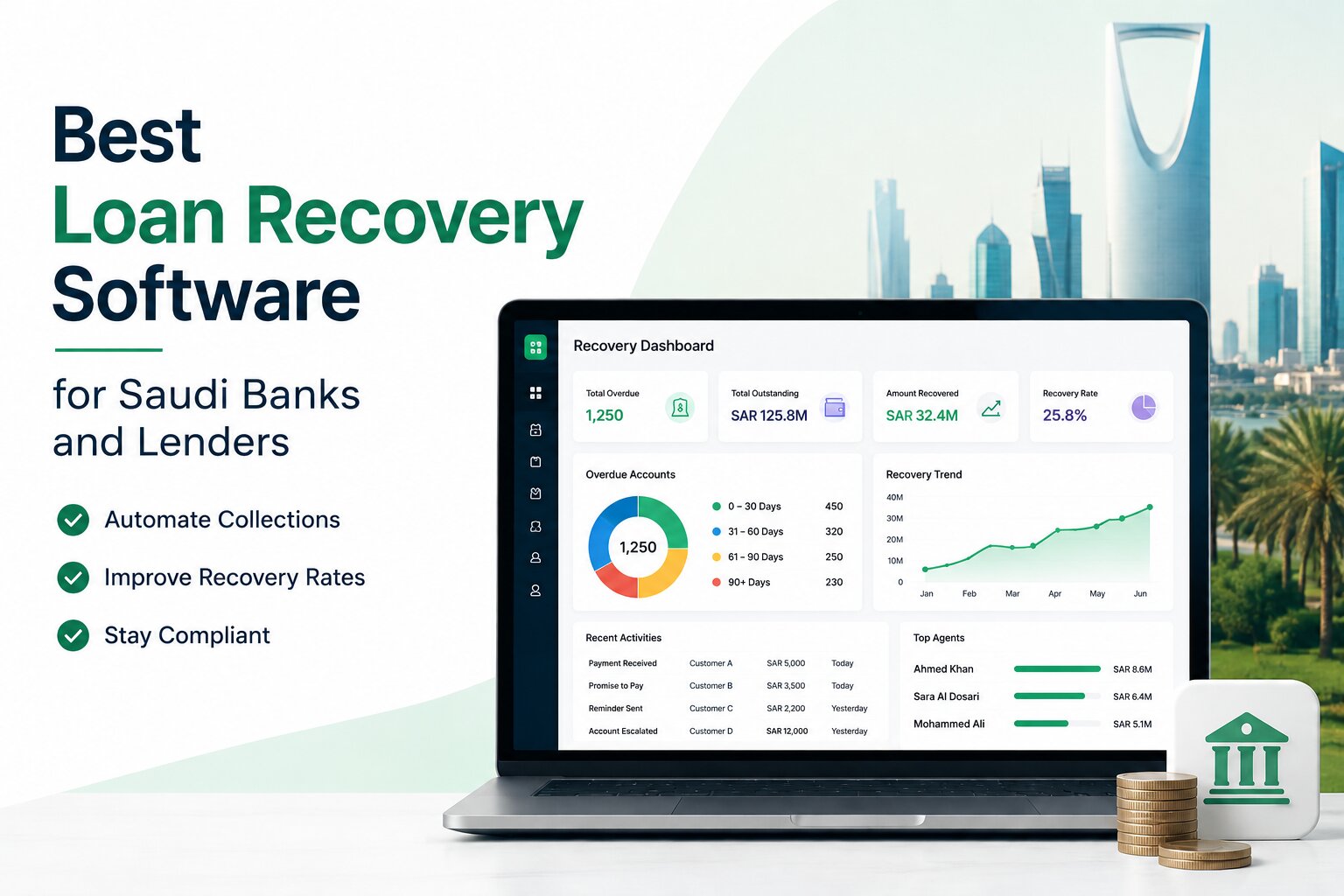
Collection performance analytics can help managers monitor indicators such as:
- Amount recovered
- Outstanding receivables
- Recovery rate
- Number of overdue accounts
- Collection cycle time
- Promise-to-pay performance
- Collector productivity
- Ageing of receivables
These metrics provide a clearer picture of collection operations. For instance, if a particular category of accounts consistently remains overdue for long periods, management may need to review the collection strategy or customer segment.
Debt Collection Analytics for Better Decisions
Debt collection analytics can also help identify bottlenecks in the recovery process. Managers can look for patterns in overdue accounts, collection activities, payment behaviour, and recovery outcomes. These insights can support collection strategy optimisation and help teams decide where resources should be focused.
The goal is not simply to collect more data. It is to turn collection data into information that supports better decisions.
How AI-Driven Collections Are Changing Debt Recovery
AI is becoming another important part of the evolution of digital collections. AI-driven collections can analyse large amounts of account and historical information to support prioritisation, prediction, and decision-making. Rather than treating every account in exactly the same way, AI-enabled systems can help collection teams identify patterns and focus their efforts.
Intelligent Account Prioritisation
When collection portfolios are large, deciding which accounts to address first can be challenging. AI-based capabilities can help analyse factors such as account history, overdue status, previous payment behaviour, and other available data to support account prioritisation.
The objective is to help collection teams focus their time where it is likely to have the greatest operational value.
Smarter Customer Engagement
Different customers may respond differently to collection communications. Technology can help organisations create more structured communication strategies by considering factors such as collection stage and previous interactions. Human oversight remains important, particularly when dealing with sensitive or complex customer situations.
Predictive Collection Insights
AI can also support predictive analysis by identifying patterns associated with delayed payments or stalled collection cases. These insights can help teams intervene earlier rather than waiting until an account becomes significantly overdue. AI should therefore be viewed as a tool that supports collection professionals, not as a replacement for responsible decision-making and appropriate human oversight.
Why a Digital Collections Platform Can Improve Customer Payment Management
Debt collection is ultimately about communication as well as payment. A disorganised process can result in customers receiving inconsistent reminders or being contacted without the collection team having a complete view of previous interactions. A digital collections platform can help create a more organised approach to customer payment management.
Teams can maintain communication histories, track payment commitments, schedule appropriate follow-ups, and ensure that collection activities follow a defined process. This can make interactions more consistent while also giving customers clearer information about their outstanding obligations and payment status.
A practical example of this approach can be seen in Beveron's Saudi Arabia digital payment recovery case study, which shows how a Saudi-based organisation moved from fragmented manual collection processes to a more centralised, technology-driven recovery workflow with better visibility and consistency across collection activities.
What to Look for in Automated Debt Collection Software in Saudi Arabia
Choosing the right technology requires more than looking for the word "automation" in a product description. Businesses should consider whether the platform actually supports their collection processes.
If you are comparing solutions for different business environments, our guide to the best debt collection software in Saudi Arabia for banks, finance companies and enterprises provides a broader look at the features and capabilities organisations should consider when selecting a platform.
Essential Features
A modern automated debt collection system should ideally provide:
- Centralised collection case management
- Collection workflow automation
- Automated payment reminders
- Payment tracking
- Account prioritisation
- Collection performance analytics
- Debt collection analytics
- Customer communication management
- Reporting and dashboards
- Role-based access
- Integration capabilities
- Audit trails
- Configurable collection strategies
Compliance and Local Operational Requirements
Businesses in Saudi Arabia should also evaluate how a collection platform supports their internal governance, data protection, record-keeping, and applicable regulatory obligations. Collection processes should be transparent and properly documented. Access to sensitive customer information should be controlled, and organisations should be able to maintain appropriate records of collection activity.
A configurable platform is particularly useful because organisations may have different internal policies, customer segments, approval requirements, and escalation procedures.
Beveron Smart Debt Collection: Automating Debt Recovery Operations
Beveron Smart Debt Collection is designed to help organisations bring their debt recovery operations into a more structured digital environment. Instead of managing collection cases, payment information, follow-ups, and reporting through disconnected processes, businesses can use a centralised system to manage their collection activities.
Centralised Collection Case Management
Collection teams can organise debtor and account information in one place, making it easier to understand the current status of each case and review previous activities. This supports more effective collection case management, particularly when teams are handling a large number of accounts.
Workflow Automation
Beveron Smart Debt Collection supports structured workflows that can help automate routine collection activities. Teams can organise follow-ups, assignments, and collection stages according to their operational requirements. This can reduce manual coordination and create greater consistency across the recovery process.
Payment Tracking and Customer Communication
Tracking collection activity alongside payment information gives teams better visibility into recovery progress. Collection teams can monitor account activity, follow up on outstanding payments, and maintain a record of collection interactions. This supports more organised customer payment management.
Real-Time Reporting and Collection Analytics
Collection managers need more than a list of overdue accounts. They need to understand how their teams and recovery processes are performing. Beveron's reporting and analytics capabilities can help organisations monitor collection activity, review performance, identify priority accounts, and use data to support collection strategy decisions.
Compliance Management
Debt collection requires proper process management and accountability. Beveron Smart Debt Collection can help organisations maintain structured records of collection activities and establish more consistent workflows across their teams. For Saudi organisations looking to modernise their collection operations, the focus should be on building a process that combines automation with appropriate human oversight, clear policies, and measurable performance.
How to Implement an Automated Debt Collection System Successfully
Introducing new collection technology is not simply a matter of switching on automation. The organisation also needs a clear implementation strategy.
Step 1: Assess Existing Collection Processes
Start by mapping the current collection journey. Identify where teams spend the most time, which activities are repetitive, where information is stored, and where delays usually occur.
Step 2: Define Collection Priorities
Determine how accounts should be categorised and prioritised. Businesses may consider factors such as outstanding amount, ageing, customer history, payment behaviour, or collection stage when defining their internal priorities.
Step 3: Configure Automation
Once the process is clear, configure relevant workflows, reminders, assignments, communication activities, and escalation procedures. Automation should support the organisation's actual collection strategy rather than forcing teams into an unsuitable process.
Step 4: Monitor and Optimise
After implementation, regularly review collection performance. Use analytics to identify bottlenecks, evaluate recovery results, and determine whether workflows need to be adjusted. Debt recovery should be treated as an ongoing optimisation process rather than a one-time technology project.
The Future of Automated Debt Recovery in Saudi Arabia
Debt collection is moving away from isolated spreadsheets and manual follow-up towards connected digital processes. As businesses continue to adopt automation, the role of collection teams is also likely to change. Instead of spending most of their time tracking accounts and sending routine reminders, employees can focus more on complex cases, customer conversations, negotiations, and strategic decisions.
The combination of financial operations automation, receivables management, collection analytics, and AI-driven collections can create a more proactive approach to debt recovery. For businesses in Saudi Arabia, the opportunity is not simply to automate existing tasks. It is to rethink how collections fit into the wider financial operation.
Frequently Asked Questions
What are automated debt collection systems in Saudi Arabia?
Automated debt collection systems are software platforms that help organisations manage and automate collection activities such as account tracking, payment reminders, follow-ups, payment monitoring, workflow management, and reporting.
How does automated debt collection improve financial operations?
It can reduce repetitive administrative work, improve visibility into receivables, standardise collection workflows, support timely follow-ups, and provide data that helps finance teams make better decisions.
Can debt collection software track payments and overdue accounts?
Yes. Payment tracking capabilities can help organisations monitor outstanding balances, payment activity, promised payments, overdue accounts, and collection progress in a centralised environment.
How does AI support automated debt recovery?
AI can support account prioritisation, pattern analysis, predictive insights, and collection decision-making. It can help teams identify accounts that may require attention while allowing collection professionals to retain control over important decisions.
What features should businesses look for in debt collection software?
Important capabilities include collection case management, workflow automation, payment tracking, automated reminders, customer communication, reporting, analytics, account prioritisation, audit trails, and configurable collection workflows.
Is Beveron Smart Debt Collection suitable for organisations in Saudi Arabia?
Beveron Smart Debt Collection is designed to help organisations digitise and streamline collection operations through centralised case management, workflow automation, payment tracking, reporting, analytics, and compliance-orientated process management.
Conclusion
Managing overdue payments effectively is becoming increasingly important for businesses that want stronger financial control and predictable cash flow. Automated debt collection systems in Saudi Arabia provide a way to bring collection cases, payment tracking, workflows, communication, and analytics into a more organised environment. By reducing repetitive work and improving visibility, automation can help finance and collection teams work more efficiently.
The real value, however, goes beyond automation itself. When businesses combine structured workflows with reliable data, analytics, and responsible AI capabilities, they can build a more proactive approach to debt recovery. For organisations ready to modernise their collection operations, Beveron Smart Debt Collection provides a technology-driven approach to centralising collection management, automating workflows, tracking recovery activity, and gaining greater visibility into collection performance.
Ready to Make Debt Collection Smarter?
Stop relying on manual follow-ups and disconnected processes. Beveron Smart Debt Collection helps Saudi businesses automate recovery workflows, track payments, manage overdue accounts, and gain better visibility into collection performance.
Turn overdue payments into organised recovery. Explore Smart Debt Collection for Saudi Arabia today.
Best automated debt collection systems for banks in Saudi Arabia
Best debt recovery software for financial teams in Saudi Arabia
Best digital debt collection for accounts teams in Saudi Arabia
If you need a free demo of the best automated debt collection systems for banks in Saudi Arabia, please fill out the form below.