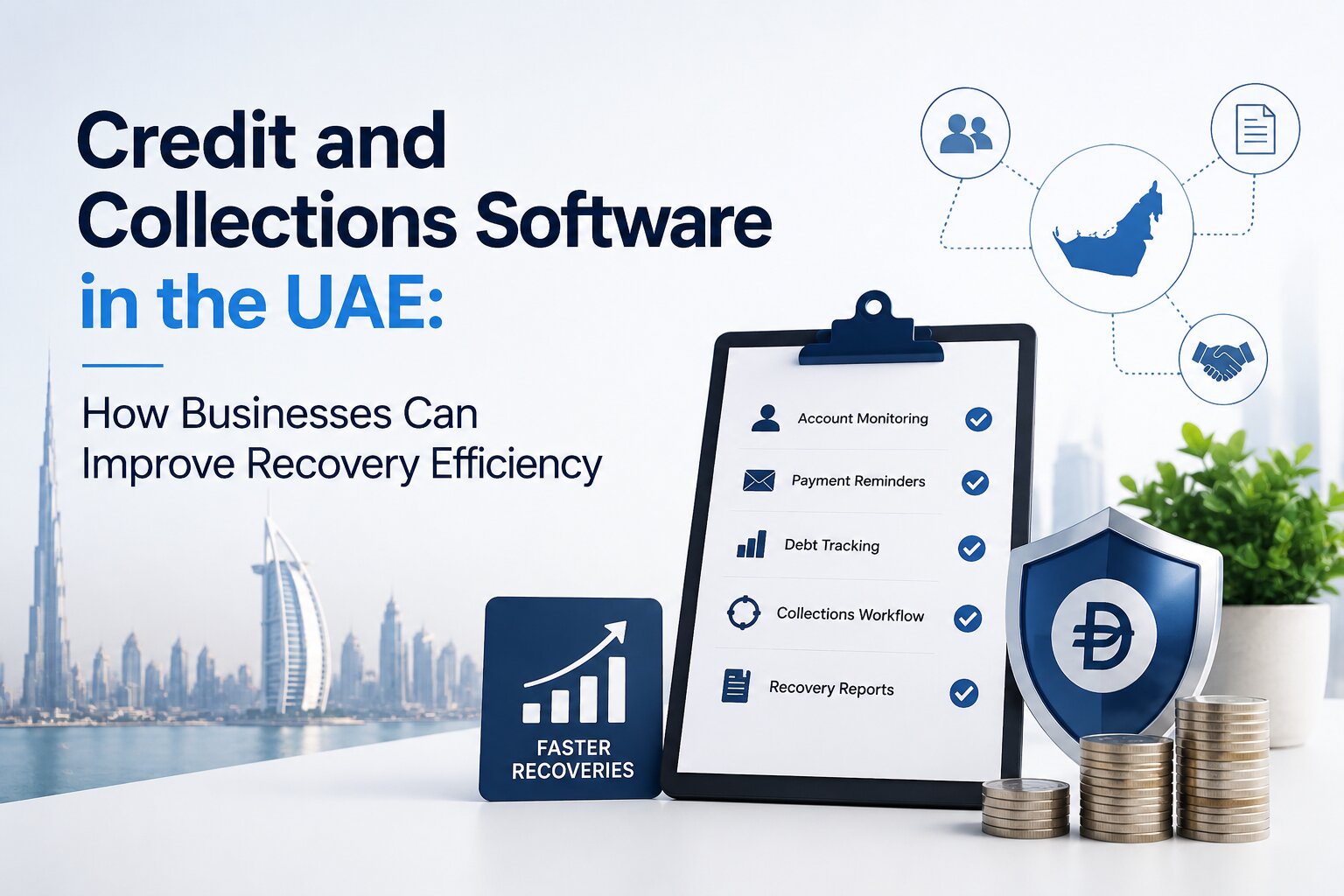
Best Debt Collection Software in Saudi Arabia for Banks, Finance Companies and Enterprises: 2026 Guide

Debt Collection Software in Saudi Arabia
Recovering overdue payments is never just about getting money back. It’s about protecting cash flow, keeping operations running smoothly, and maintaining positive relationships with customers. For businesses in Saudi Arabia, that balance is becoming increasingly important as organisations handle larger customer bases, higher transaction volumes, and growing expectations for faster, more efficient service.
Many companies still manage collections using spreadsheets, phone calls, emails, and manual reminders. While that approach may work for a small number of accounts, it quickly becomes difficult to manage as the business grows. Missed follow-ups, scattered customer information, and time-consuming administrative work can all slow down the recovery process.
That's why more businesses in Saudi Arabia are investing in debt collection software. Instead of relying on disconnected tools, they can manage the entire collection process from a single platform, making it easier to recover payments and giving collection teams more time to focus on customers rather than paperwork.
What Is Debt Collection Software?
Debt collection software is a digital solution that helps businesses manage overdue accounts in a faster and more organised way. Rather than tracking payments manually, the software keeps customer records, invoices, payment history, and collection activities together in one place.
It also automates many of the everyday tasks that usually take up a collection team's time. Payment reminders can be scheduled automatically, follow-ups happen on time, and every customer interaction is recorded without employees having to update multiple systems.
The result is a collection process that's more consistent, easier to manage, and far less dependent on manual effort.
How Does It Work?
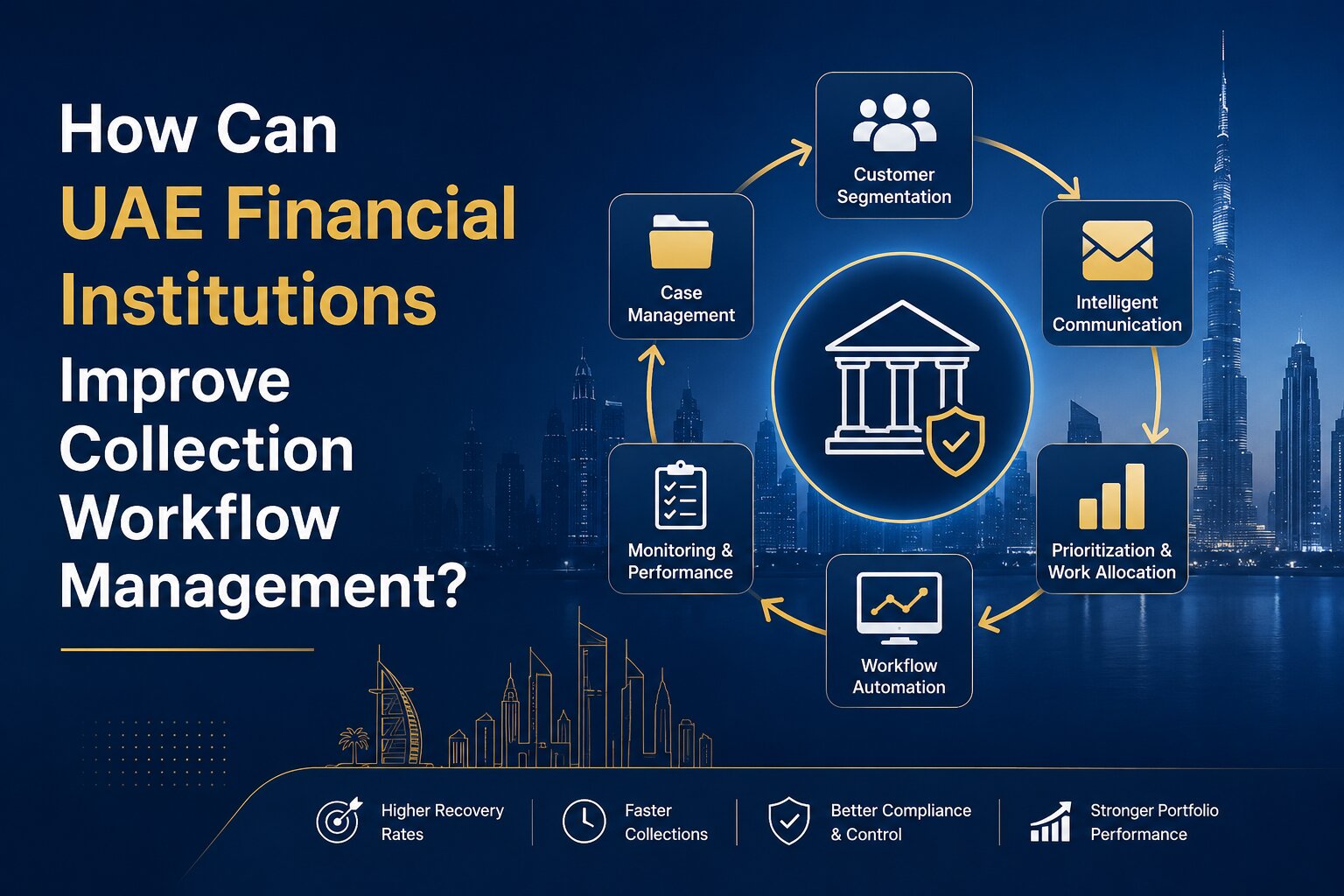
Most debt collection platforms integrate with the systems businesses already use, including ERP, CRM, and accounting software. Once customer and invoice information is synchronised, the software identifies overdue accounts and begins the collection workflow based on rules set by the organisation.
For example, the platform can automatically send payment reminders through email or SMS, assign overdue accounts to the right collection officer, prioritise cases based on outstanding balance or payment history, and keep a complete record of every conversation.
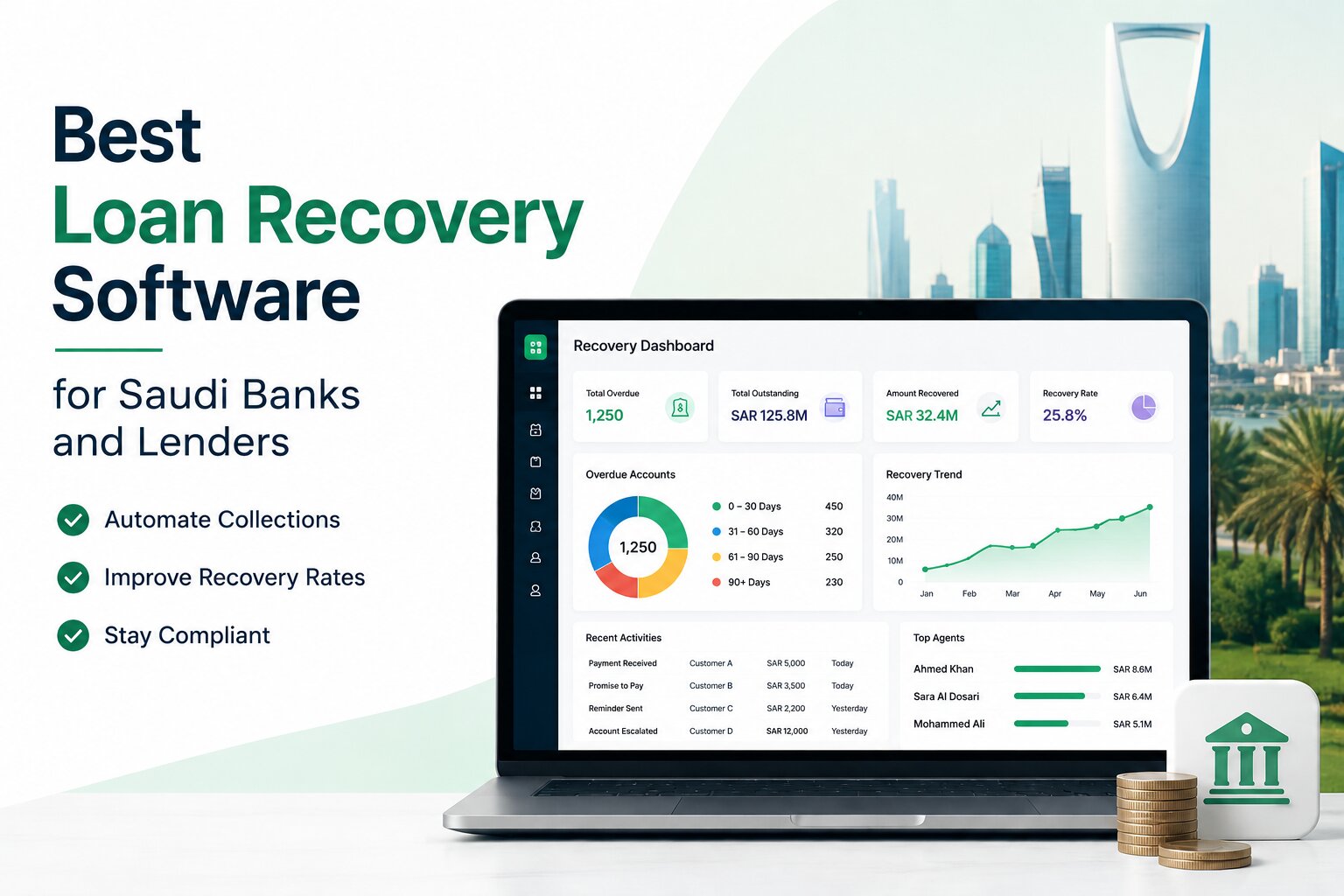
Managers can also monitor progress through live dashboards and reports instead of waiting for manual updates. This makes it much easier to understand which accounts need immediate attention and how well the collection team is performing.
Many modern platforms also include AI-powered features that analyse payment behaviour, identify high-risk accounts, and recommend the best time to contact customers. These insights help teams work more efficiently and improve recovery rates without increasing workload.
Why Businesses Are Moving Away from Manual Collections
Manual collection processes often create more work than necessary. Teams spend hours updating spreadsheets, searching for customer information, sending individual reminders, and preparing reports. As the number of overdue accounts grows, these tasks become harder to manage, increasing the risk of delays and missed follow-ups.
Debt collection software simplifies the entire process by automating repetitive work and keeping everything organised in one place. Teams no longer have to switch between different systems or worry about losing track of customer conversations. Businesses also benefit from better visibility. Managers can see collection performance in real time, monitor outstanding balances, and make quicker decisions based on accurate data rather than manually compiled reports.
Beyond improving efficiency, automation also creates a more consistent experience for customers. Reminders are sent on time, communication follows a structured process, and every interaction is documented, making it easier to resolve disputes or answer customer queries whenever needed. If you're still comparing different approaches before choosing a platform, you may also find our guide on Best Debt Collection Solutions for Businesses in Saudi Arabia helpful. It explores the different types of debt collection solutions available, their key features, and how businesses can choose the right approach based on their operational needs.
Why Debt Collection Software Matters in Saudi Arabia
Saudi Arabia is continuing its journey toward a more digital economy, and businesses across every industry are modernising the way they operate. Finance and accounts receivable teams are no exception. As organisations expand, managing collections manually becomes increasingly difficult. Higher transaction volumes, larger customer databases, and more complex payment cycles require processes that can scale without adding unnecessary administrative work.
Debt collection software helps businesses achieve exactly that. By automating routine tasks, standardising workflows, and providing real-time visibility into collection activities, organisations can improve productivity while maintaining greater control over outstanding receivables. For businesses operating in regulated industries, having a complete history of customer communications and collection activities is equally valuable. A centralised platform makes it easier to maintain accurate records, improve transparency, and support internal governance and audit requirements.
Cloud-based platforms offer another important advantage. Collection teams can securely access customer information from any location, collaborate more effectively across offices, and make informed decisions using live dashboards instead of outdated reports. As digital transformation continues across Saudi Arabia, modernising debt recovery has become more than an operational improvement—it's a practical investment in stronger cash flow, better customer management, and long-term business efficiency.
If you're considering a cloud-first approach, our guide on Cloud-Based Debt Collection Software in 2026: Complete Guide for Modern Debt Recovery explains how cloud technology enables secure access, workflow automation, AI-powered collections, seamless integrations, and real-time reporting to help organisations modernise their debt recovery operations.
Industries That Benefit the Most
Debt collection software can deliver value across almost every industry, but it's especially useful for organisations that manage large numbers of customer accounts or recurring payments.
Banks use it to manage collections for loans, credit cards, mortgages, and other financial products while ensuring every account follows a structured recovery process.
Finance companies benefit from automated workflows that simplify collections across large customer portfolios with different repayment schedules.
Telecommunication providers rely on automated reminders and centralised account management to reduce overdue payments and improve customer communication.
Healthcare organisations can track outstanding patient balances, insurance claims, and payment plans more efficiently while maintaining complete financial records.
Insurance providers use collection software to automate premium reminders, monitor overdue payments, and improve follow-up processes without increasing manual work.
Utility companies managing electricity, water, gas, and other essential services can streamline high-volume billing collections through automated communication and organised workflows.
Large enterprises with multiple business units also gain greater visibility by managing all collection activities from a single platform, helping finance teams improve cash flow while reducing operational complexity.
For businesses across Saudi Arabia, debt collection software is no longer simply a tool for recovering overdue payments. It's becoming an essential part of building a faster, more efficient, and more customer-focused financial operation.
Essential Features to Look for in Debt Collection Software
Not all debt collection software offers the same capabilities. While automating payment reminders is a good starting point, the right solution should make the entire collection process easier to manage, help your team work more efficiently, and give you better visibility into performance. Here are some of the features worth looking for.
Automated Collection Workflows
One of the biggest advantages of modern debt collection software is automation. Instead of manually sending reminders or assigning cases, the system can take care of these tasks based on rules you define. Whether it's scheduling follow-ups, escalating overdue accounts, or assigning cases to the right collector, automation keeps the process moving without constant manual intervention. It also ensures every customer is treated consistently.
Effective follow-up is one of the biggest factors influencing successful debt recovery. If you'd like to explore best practices, read our guide on A Data-Driven Framework for Smarter Debt Follow-Up in Saudi Arabia, which explains how businesses can use data, automation, and structured workflows to improve collection outcomes.
AI-Powered Account Prioritisation
Every overdue account is different. Some customers are likely to pay after a simple reminder, while others may require immediate attention. AI helps identify these differences by analysing payment history, customer behaviour, and outstanding balances. This allows collection teams to focus their time on the accounts that have the highest chance of recovery instead of treating every case the same way.
Omnichannel Customer Communication
Customers don't all respond through the same communication channel. Some prefer email, while others are more likely to respond to SMS or phone calls. Good debt collection software supports multiple communication channels, making it easier to reach customers in the way they're most comfortable with. Better communication often leads to quicker responses and faster payments.
Real-Time Reporting and Dashboards
Having access to live data makes a big difference when managing collections. Instead of waiting for reports to be prepared manually, managers can see collection performance as it happens. Real-time dashboards show overdue balances, recovery rates, collector productivity, and outstanding cases, helping teams spot trends early and make better decisions.
Easy Integration with Existing Systems
Your debt collection software shouldn't work in isolation. It should connect smoothly with your ERP, CRM, and accounting systems so customer and invoice information stays up to date automatically. This reduces duplicate data entry, minimises errors, and gives collection teams a complete view of every customer.
Security and Compliance
Collection teams handle sensitive financial information every day, so security should never be overlooked. Look for software that includes role-based access, audit trails, data encryption, and secure cloud infrastructure. These features help protect customer information while supporting your organisation's internal compliance and governance requirements.
Manual vs Automated Debt Collection
The difference between manual and automated collections becomes more noticeable as customer volumes grow.
Feature | Manual Process | Automated Software |
|---|---|---|
Payment reminders | Sent manually | Scheduled automatically |
Account prioritisation | Based on experience | AI-assisted recommendations |
Customer records | Stored across different files | Centralised in one platform |
Reporting | Prepared manually | Available in real time |
Workflows | Vary between team members | Standardised and automated |
Benefits for Businesses
Debt collection software doesn't just help recover overdue payments—it also improves the way collection teams work every day. Automation takes care of repetitive tasks like reminders, follow-ups, and reporting, giving employees more time to focus on customer conversations and resolving complex cases. This often leads to faster collections without increasing workload.
Managers also benefit from better visibility. Instead of relying on spreadsheets, they can monitor recovery rates, track team performance, and identify bottlenecks through real-time dashboards. Customers benefit too. Timely reminders, consistent communication, and organised follow-ups create a smoother payment experience while helping businesses maintain positive relationships.
As businesses grow, software can easily handle increasing account volumes without requiring large collection teams, making it a practical long-term investment.
How AI Is Changing Debt Collection
Artificial intelligence is making debt collection smarter, not more complicated. Rather than following the same process for every overdue account, AI analyses customer behaviour, payment patterns, and past collection results to recommend the best course of action. This helps teams focus their efforts where they're most likely to recover payments. AI can also predict which accounts are at higher risk of becoming overdue, allowing businesses to act earlier instead of waiting until payments are seriously delayed.
AI is rapidly transforming how organisations approach debt recovery, with new capabilities continuing to improve automation, predictive analytics, and customer engagement. To explore the latest innovations shaping the industry, read our guide on The Future of AI-Powered Debt Collection: Smarter, Faster Recovery.
Another advantage is smarter communication. AI can suggest the best time and channel to contact customers, helping improve response rates while reducing unnecessary follow-ups. As the software learns from previous collection outcomes, its recommendations become more accurate over time, helping businesses continuously improve recovery performance.
Want to see how digital payment recovery works in a real business scenario? Read our Digital Payment Recovery in Saudi Arabia: A Case Study by Beveron Technologies to learn how organisations can modernise debt recovery, improve collection efficiency, and support better customer payment experiences through digital transformation.
Choosing the Right Debt Collection Software in Saudi Arabia
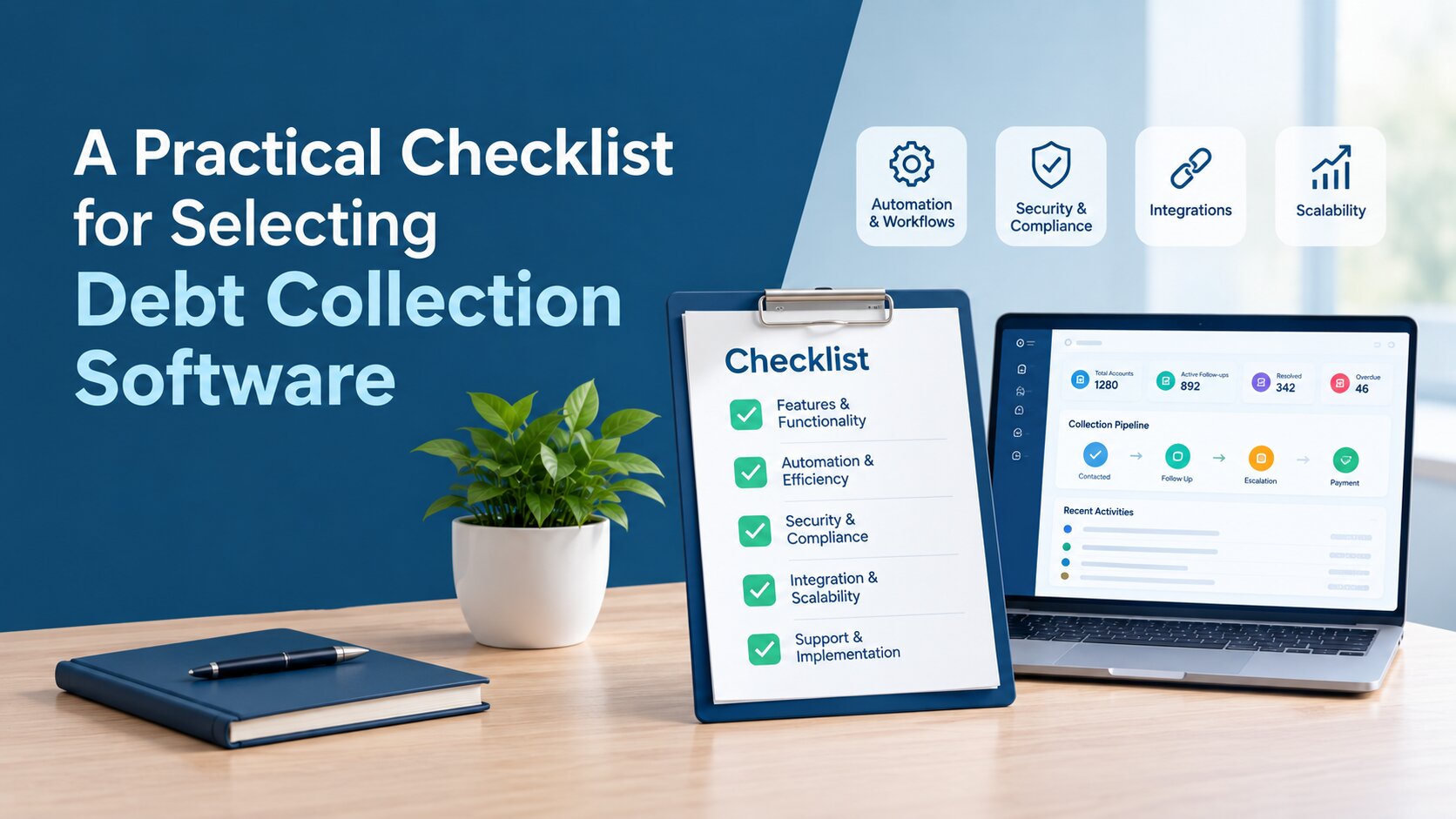
Before selecting a solution, think beyond today's requirements. The best software should support your business as it grows and fit naturally into your existing processes.
A good platform should offer workflow automation, AI-powered insights, seamless integration with ERP and CRM systems, cloud accessibility, customisable workflows, real-time reporting, strong security, audit trails, and support for multiple communication channels. Reliable implementation and ongoing customer support are equally important, especially for enterprise deployments.
Choosing software that matches your business needs from the beginning makes implementation smoother and delivers better long-term value.
Why Many Businesses Choose Beveron Smart Debt Collection
Businesses looking to modernise their collection process often want more than basic automation. They need a platform that helps teams work faster, stay organised, and make informed decisions.
Beveron Smart Debt Collection brings these capabilities together in a single solution. Designed for banks, finance companies, telecom providers, healthcare organisations, and large enterprises, it helps automate collection workflows, prioritise accounts, monitor performance through real-time dashboards, and integrate with existing enterprise systems.
By reducing manual work and giving collection teams better visibility into every stage of the recovery process, Beveron helps organisations improve collection efficiency while delivering a more consistent experience for both employees and customers.
Frequently Asked Questions
What is debt collection software?
Debt collection software is a platform that helps businesses manage overdue payments more efficiently. Instead of relying on spreadsheets, manual reminders, and scattered customer records, everything is managed in one place. It automates follow-ups, keeps track of customer interactions, and gives collection teams a clear view of outstanding accounts.
Why are businesses in Saudi Arabia adopting debt collection software?
As businesses grow, managing collections manually becomes more challenging. Debt collection software helps automate routine tasks, speed up payment recovery, improve cash flow, and reduce the time spent on administrative work. It also gives managers better visibility into collection performance, making it easier to monitor overdue accounts and make informed decisions.
Which industries benefit the most from debt collection software?
Any business that deals with recurring payments or outstanding receivables can benefit from debt collection software. It's especially valuable for banks, finance companies, telecom providers, healthcare organisations, insurance companies, utility providers, and large enterprises that manage high volumes of customer accounts.
How does AI help improve debt recovery?
AI helps collection teams work smarter by analysing payment history, customer behaviour, and account data. It can identify which accounts need immediate attention, predict payment trends, and even recommend the best time to contact customers. This helps businesses recover payments more efficiently while reducing unnecessary follow-ups.
Is cloud-based debt collection software secure?
Yes. Most enterprise-grade cloud solutions include multiple layers of security to protect sensitive financial information. Features such as data encryption, role-based access, audit trails, and regular backups help keep customer data secure while allowing authorised users to access the platform whenever they need it.
What should I look for when choosing debt collection software?
The right solution should fit your business both today and as it grows. Look for software that offers workflow automation, AI-powered insights, seamless integration with your ERP, CRM, and accounting systems, real-time reporting, strong security, flexible workflows, and reliable customer support. Choosing a platform that's easy to scale can save time and reduce costs in the long run.
Conclusion
Managing debt recovery doesn't have to be complicated. As businesses across Saudi Arabia continue to digitise their operations, many are moving away from manual collection processes in favour of smarter, more efficient solutions.
The right debt collection software in Saudi Arabia can automate routine tasks, help teams recover payments faster, improve customer communication, and provide real-time insights into collection performance. Whether you're a bank, finance company, telecom provider, healthcare organisation, or a large enterprise, investing in the right platform can strengthen cash flow while making the entire collection process easier to manage.
If you're looking for a solution built for enterprise collections, Beveron Smart Debt Collection combines intelligent automation, AI-powered insights, seamless integrations, and flexible workflow management in a single platform. It helps collection teams work more efficiently, stay organised, and improve recovery performance without adding extra complexity.
Book a Smart Debt Collection Demo
Want to see how it works in practice?
Beveron Smart Debt Collection helps organisations automate collection workflows, reduce manual effort, improve recovery rates, and gain complete visibility into every stage of the collection process.
Book a personalised demo to see how a cloud-based, AI-powered platform can support your collection goals and simplify debt recovery for your business.
Best debt collection software for banks in Saudi Arabia
Best enterprise debt collection software in Saudi Arabia
Best accounts receivable software for companies in Saudi Arabia
If you need a free demo of the best debt collection software for banks in Saudi Arabia, please fill out the form below.