How Agentic AI Is Transforming Debt Collection: A Guide for Modern Finance Teams
Collecting overdue payments has never been a simple task, but for finance teams in the UAE and Dubai, it has become even more complex. Businesses are managing larger customer bases, cross-border transactions, and rising expectations for faster, more personalised communication. At the same time, finance departments are under constant pressure to improve cash flow while maintaining strong customer relationships and complying with local regulations.
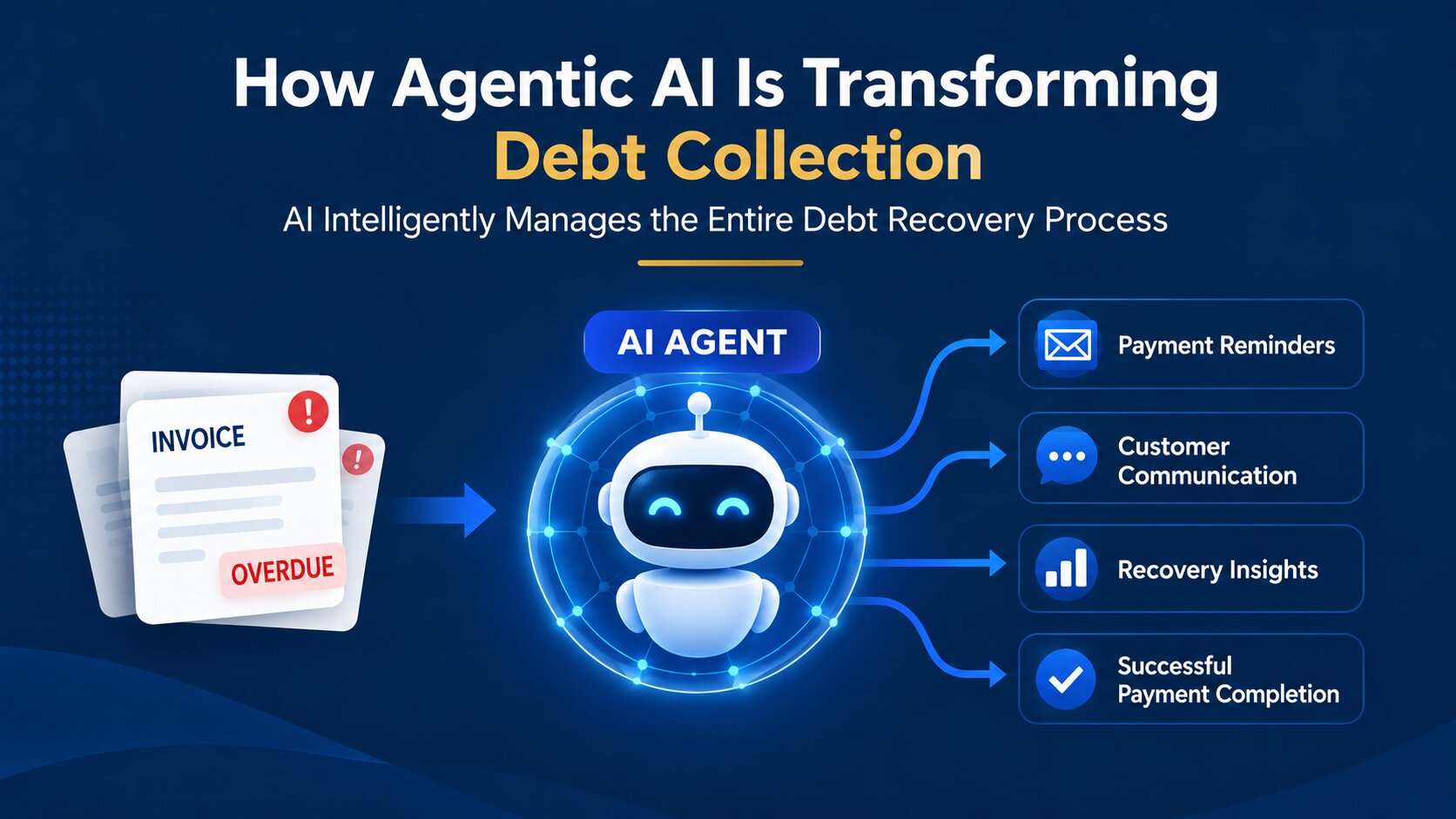
This is where agentic AI in debt collection is beginning to make a difference. Unlike traditional automation, which follows predefined rules, agentic AI can analyse information, make decisions, and adapt its actions based on changing situations. It helps finance teams move beyond repetitive tasks and focus on the work that requires human judgement.
From intelligent payment reminders and predictive insights to workflow automation, agentic AI is transforming how organisations across the UAE approach debt recovery. Here's how.
The Growing Complexity of Debt Collection
Recovering payments is no longer just about sending reminders and waiting for customers to respond. For finance teams in the UAE and Dubai, the challenge involves balancing several priorities at once: reducing overdue accounts, maintaining positive customer relationships, complying with local regulations, and ensuring healthy cash flow in a fast-moving business environment.
Many organisations across the UAE still rely on spreadsheets, manual follow-ups, and disconnected systems. As businesses expand and manage both local and cross-border transactions, these processes become increasingly difficult to handle. Teams often spend hours tracking invoices, sending emails, and updating records instead of focusing on strategic financial decisions.
Customer expectations have also evolved. Businesses and consumers in Dubai expect timely, personalised, and seamless communication. A generic reminder sent at the wrong time may be ignored, while repeated follow-ups can damage long-term business relationships.
On top of that, debt collection and financial compliance requirements in the UAE continue to evolve, making compliance an essential part of the recovery process. For finance teams, the challenge is no longer simply collecting payments—it's doing so efficiently, responsibly, and at scale.
How the Debt Collection Industry Has Evolved
Debt collection has changed significantly over the years. In the past, the process depended heavily on phone calls, paper records, and manual tracking. Teams relied on experience and instinct to decide which accounts needed immediate attention.
The introduction of debt recovery software improved efficiency by automating basic tasks such as payment reminders and account tracking. However, traditional automation still has limitations. Rule-based systems can only follow instructions that have been programmed into them. They struggle to adapt when customer behaviour changes or unexpected situations arise.
As AI continues to advance, debt collection is moving towards more intelligent, data-driven approaches that help businesses recover payments faster while improving operational efficiency. Learn more about how AI is reshaping the future of recovery in our guide on The Future of AI-Powered Debt Collection: Smarter Faster Recovery.
Agentic AI takes a different approach. Instead of simply following a fixed workflow, autonomous agents in finance can analyse payment histories, identify patterns, and decide what action should be taken next.
For example, an AI system may recognise that one customer responds better to email reminders, while another is more likely to make a payment after receiving an SMS. It can adjust its communication strategy accordingly, improving the chances of successful recovery.
This shift from static automation to intelligent decision-making is driving the digital transformation of debt collection.
Why Data Is the Foundation of Effective Debt Recovery
Every payment, reminder, and customer interaction generates valuable information. The challenge for many organisations is turning that information into something useful. Customer payment histories, invoice records, communication logs, and repayment trends all provide clues about how customers behave. When finance teams can access and analyse this data, they gain a clearer understanding of which accounts are at risk and which collection strategies are most effective.
Predictive analytics in debt recovery plays an important role here. By studying past behaviour, AI systems can estimate the likelihood of payment, identify accounts that may become overdue, and highlight patterns that humans might overlook.
For example, data may reveal that certain customers regularly pay late at specific times of the year, while others respond better to reminders sent at particular intervals. These insights help finance teams make informed decisions rather than relying on guesswork.
However, data is only useful when it is accurate and accessible. Many businesses still struggle with information scattered across different systems, incomplete records, and limited visibility into collection performance. Building a strong data foundation is therefore essential for effective accounts receivable automation.
How Agentic AI Makes Intelligent Decisions
One of the most valuable aspects of agentic AI in debt collection is its ability to make decisions based on context. Instead of treating every overdue account in the same way, AI analyses customer payment behaviour, account history, and engagement patterns to determine the best course of action. The process often starts with account prioritisation. AI can identify high-risk accounts, assign priority levels, and help finance teams focus their efforts where they are needed most.
Unlike traditional debt collection software that relies mainly on predefined workflows, agentic AI can evaluate situations, adapt actions, and improve decisions based on real-time insights. Learn more about the differences between agentic AI and traditional debt collection software and how they impact modern recovery strategies.
Communication is another area where AI is making a significant impact. Traditional systems often send payment reminders according to a fixed schedule. Agentic AI, on the other hand, considers factors such as customer preferences, previous responses, and payment patterns before choosing when and how to make contact.
This enables more effective multi-channel debt collection through email, SMS, customer portals, and messaging platforms. The system can also adapt in real time. If a customer ignores an email reminder but responds to a text message, future communication strategies can be adjusted automatically. Automated payment follow-ups become more relevant and less repetitive.
Over time, the AI learns from every interaction. It identifies which approaches lead to successful recoveries and continuously improves its recommendations. This creates a more intelligent and efficient collections process.
The Operational Impact on Finance Teams
For finance professionals, the benefits of agentic AI extend far beyond faster collections. Debt collection workflow automation reduces the time spent on repetitive tasks such as assigning cases, sending reminders, updating records, and generating reports. As a result, teams can focus on complex cases and strategic financial decisions.
Accounts receivable automation also improves visibility across the entire collection process. Real-time dashboards provide insights into overdue accounts, recovery rates, and payment trends, helping finance leaders make better decisions. Forecasting becomes easier as well, as predictive models can estimate future collections and provide a clearer picture of cash flow, allowing organisations to plan more effectively.
For debt collection agencies, AI-powered platforms are helping streamline recovery operations by automating routine tasks, improving account prioritisation, and enabling teams to manage larger volumes of cases more effectively. Learn how AI-powered debt collection software helps agencies recover more debts while improving efficiency.
Compliance is another important advantage. Debt collection compliance management requires accurate documentation and consistent processes. AI-powered systems can maintain audit trails, track communication history, and ensure that collection activities follow established policies. Rather than replacing finance teams, agentic AI supports them by reducing administrative work, improving decision-making, and creating a more efficient debt recovery process.
The Customer Experience Impact
Debt collection is often viewed purely from a financial perspective, but customer experience matters just as much. Repeated reminders, generic messages, and poorly timed communication can create frustration and damage relationships. Agentic AI helps address these issues by making interactions more personalised and relevant.
AI-powered payment reminders can be tailored to individual customer behaviour and communication preferences. Instead of sending the same message to everyone, the system adjusts the content, timing, and channel based on previous interactions. Customers also benefit from greater flexibility. Self-service payment portals, personalised repayment options, and faster dispute resolution create a smoother experience.
This approach does not just improve recovery rates—it helps businesses maintain trust with customers even during difficult financial conversations. The goal is not to automate empathy but to remove unnecessary friction from the collection process.
Choosing the Right AI Solution for Debt Collection
Not all debt recovery software offers the same capabilities. Businesses in the UAE and Dubai looking to adopt agentic AI should focus on solutions that combine automation, analytics, and flexibility while supporting the region's unique operational and compliance requirements.
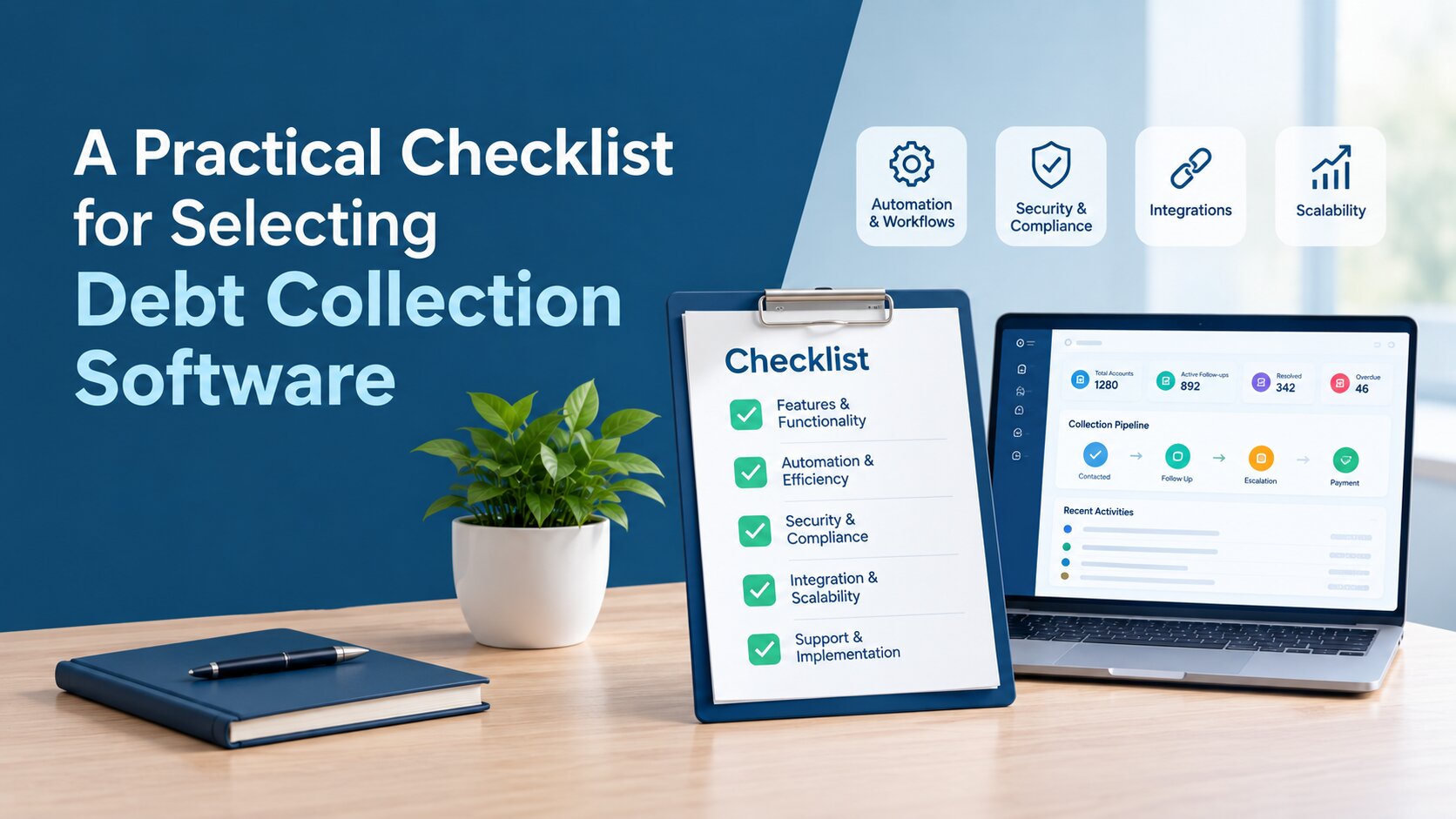
When evaluating a debt collection platform, businesses should consider essential capabilities such as workflow automation, reporting, communication tools, compliance features, and integration options. Explore the key features every debt collection agency software should have to build a more efficient recovery process.
An effective platform should provide intelligent collections management, predictive insights, multi-channel communication, and strong compliance support. It should also integrate seamlessly with existing financial systems and adapt to changing business needs as organisations grow.
Beveron Smart Debt Collection is designed with these requirements in mind. The platform centralises collection activities, automates repetitive workflows, and gives finance teams real-time visibility into account performance.
Its capabilities include AI-powered payment reminders, automated follow-ups, predictive analytics, and multi-channel communication tools. By bringing customer data, workflows, and reporting into a single system, it helps organisations across the UAE improve efficiency while maintaining compliance and streamlining debt recovery operations.
Before choosing a solution, finance leaders should ask a few practical questions:
- Can the platform integrate with existing ERP and financial systems?
- Does it provide actionable insights from customer and payment data?
- Can collection workflows be customised to business requirements?
- Does it support local compliance and audit requirements?
- Can it handle both domestic and cross-border collections?
- Will it scale as the business grows?
The answers to these questions can determine whether an AI investment delivers long-term value and supports sustainable financial operations.
Getting Started with Agentic AI in Debt Collection
For organisations in the UAE and Dubai considering agentic AI, the best approach is to start with the areas that create the biggest operational challenges. With growing transaction volumes and increasing pressure to improve cash flow, identifying the right starting point is essential.
Before implementing AI-driven collection strategies, finance teams should first identify their operational goals, evaluate existing processes, and determine where automation can create the greatest impact. Learn more about the key steps financial institutions should consider when building an AI debt collection strategy.
Tasks such as manual reminders, account prioritisation, reporting, and follow-ups are often good places to begin. Automating these processes can deliver immediate improvements in efficiency and help finance teams spend less time on repetitive tasks.
Building a strong data foundation is equally important. Businesses should focus on consolidating customer information, improving data quality, and defining clear performance metrics across their collections processes. Rather than transforming everything at once, finance teams can start with a single workflow, measure the results, and gradually expand their use of AI-driven automation.
Debt collection in the UAE is evolving rapidly. As AI agents become more capable, finance teams will increasingly rely on intelligent systems to manage routine operations, uncover insights, and improve customer engagement. The future of debt recovery will not depend on sending more reminders. It will depend on making smarter decisions, supported by better data and more adaptive technology. Agentic AI is helping finance teams across the UAE take that next step.
Frequently Asked Questions
What is agentic AI in debt collection?
Agentic AI in debt collection refers to intelligent AI systems that can analyse data, make decisions, and take actions with minimal human intervention. Unlike traditional automation, these systems can adapt based on customer behaviour, payment patterns, and changing circumstances.
How is agentic AI different from traditional debt collection software?
Traditional debt collection software mainly follows predefined rules and workflows. Agentic AI can evaluate situations, learn from interactions, and adjust collection strategies based on real-time insights, making the recovery process more flexible and effective.
Can AI improve debt recovery rates in the UAE?
Yes, AI can help improve debt recovery by identifying high-risk accounts, prioritising collection efforts, personalising communication, and automating timely follow-ups. This allows UAE businesses to recover payments more efficiently while maintaining better customer relationships.
How does AI help finance teams manage overdue payments?
AI helps finance teams automate repetitive tasks such as payment reminders, account prioritisation, reporting, and follow-ups. It also provides predictive insights that help teams make better decisions about collection strategies.
Is agentic AI suitable for banks and financial institutions?
Yes, agentic AI can support banks and financial institutions by improving collection efficiency, strengthening compliance management, and providing better visibility into customer payment behaviour. It helps organisations handle large volumes of accounts while maintaining consistent processes.
Ready to modernise your debt recovery process?
Discover how Beveron Smart Debt Collection can help your team automate collections, improve cash flow, and recover payments faster.
Best agentic AI in debt collection for banks in the UAE
Best AI for accounts receivable management in the UAE
Best agentic AI for finance teams in the UAE
If you need a free demo of the best agentic AI in debt collection for banks in the UAE, please fill out the form below.