Credit and Collections Software in the UAE: How Businesses Can Improve Recovery Efficiency
For many businesses in the UAE, getting a sale is only the beginning. The real challenge often comes later: getting paid on time. When invoices remain unpaid, collection teams have to spend time sending reminders, making calls, tracking promises to pay, updating records and deciding which accounts need immediate attention. As the number of customers and overdue accounts grows, managing all of this manually becomes difficult.
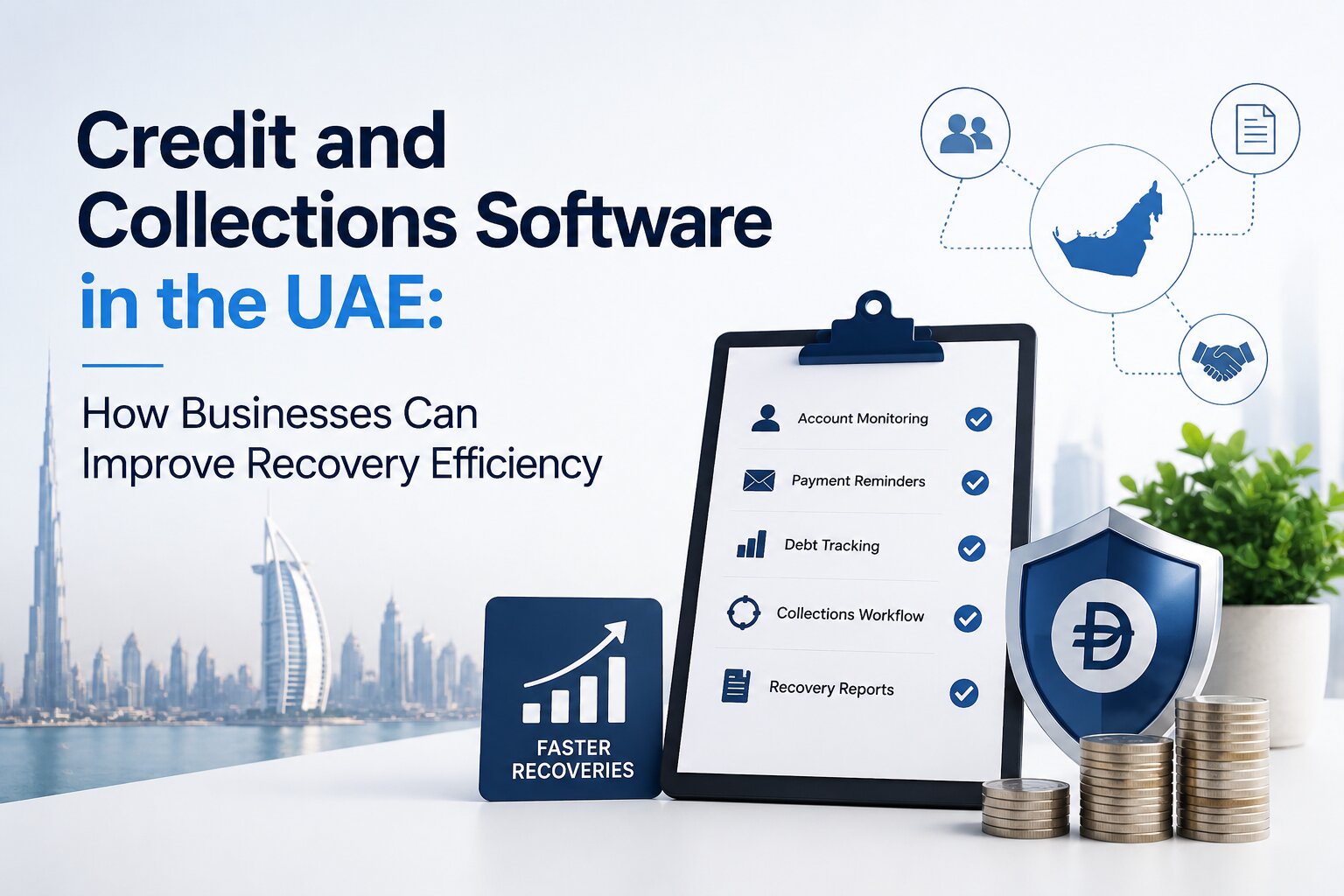
This is where credit and collections software in the UAE can make a practical difference. Instead of relying on spreadsheets, emails and separate records, businesses can bring collection information and activities into one system. This gives teams better visibility, helps them follow up more consistently and makes it easier to measure recovery performance.
But software alone does not solve every collection problem. Its real value comes from helping teams organise their work, automate repetitive activities and act on the right accounts at the right time.
What Is Credit and Collections Software?
Credit and collections software is a digital system designed to help businesses manage outstanding payments and collection activities in a structured way.
It can bring information such as customer details, outstanding balances, payment history, collection activities, follow-ups and recovery status into one place. Depending on the solution, it may also support automated reminders, task assignment, reporting, escalation and legal recovery processes.
For a business managing hundreds or thousands of accounts, having this information in one system can be far more practical than maintaining multiple spreadsheets or manually searching through emails.
Credit and collections software can be useful for:
- Banks and financial institutions
- Lending companies and NBFCs
- Businesses managing large accounts receivable portfolios
- Debt collection agencies
- Companies with recurring payment or credit-based transactions
The exact requirements vary by organisation, but the goal is generally the same: make the collection process more organised, visible and efficient.
Common Credit and Collections Challenges Faced by UAE Businesses
Collection problems rarely come from one issue. They usually build up when several small inefficiencies occur at the same time. A team may have customer information in one spreadsheet, payment details in another, communication records in email and follow-up notes somewhere else. A collector may remember to call one customer but overlook another. Managers may also struggle to get a clear picture of how much has been recovered and which accounts are still at risk.
Some common challenges include:
Difficulty Tracking Outstanding Accounts
When account information is spread across different systems or files, it becomes harder to see which payments are overdue and how long they have remained unpaid. This can lead to delays in follow-up and make it difficult for collection teams to prioritise their workload.
Missed Payment Follow-Ups
A collection process often involves several interactions with the same customer. If follow-ups are tracked manually, some reminders or promised actions can easily be missed. Even a small delay can affect the chances of recovering an outstanding amount.
Scattered Customer Information
Collectors need access to relevant information before contacting a customer. Searching through multiple systems takes time and can make conversations less effective. A centralised system gives the team a clearer view of the account and its history.
Manual Collection Assignments
Managers may spend significant time deciding which collector should handle which account, particularly when portfolios become large. A structured workflow can make assignments easier to manage and track.
Limited Visibility Into Recovery Performance
Knowing the total amount recovered is useful, but managers often need more detail. They may want to know which accounts are overdue, how individual collectors are performing, which cases require escalation and where recovery efforts are slowing down.
Delays in Escalation
Not every overdue account can be resolved through routine follow-ups. Some may eventually require additional recovery or legal action. Without a clear escalation process, these accounts can remain unresolved for longer than necessary.
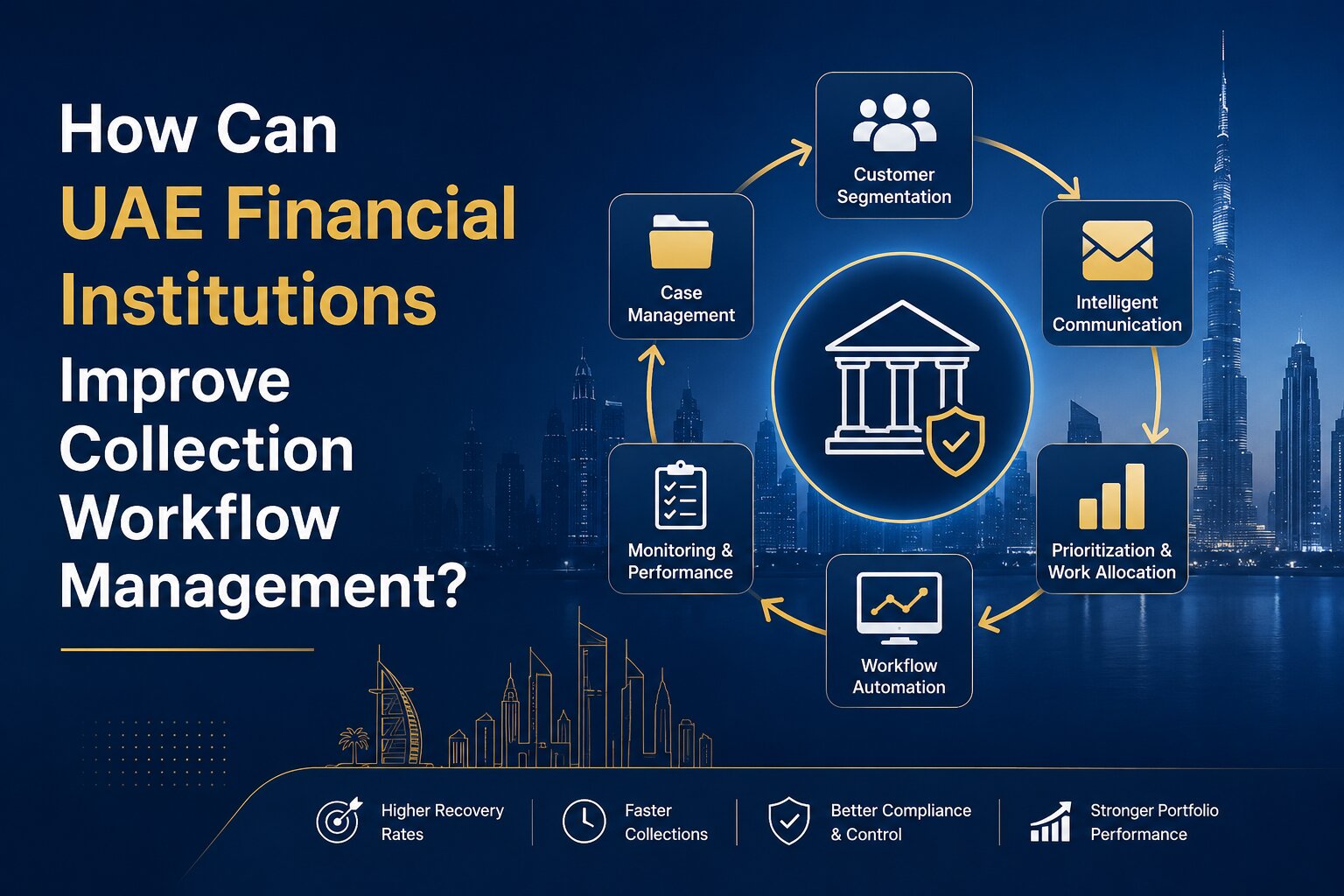
How Credit and Collections Software Improves Recovery Efficiency
The main benefit of collections software is not simply that it replaces spreadsheets. It helps create a more consistent process from the first follow-up to final recovery. When standard collection efforts are unsuccessful, businesses may need additional support to locate debtors or resolve beneficiary-related issues. Tracing and beneficiary resolution software can help collection teams manage these more complex recovery requirements in a structured way.
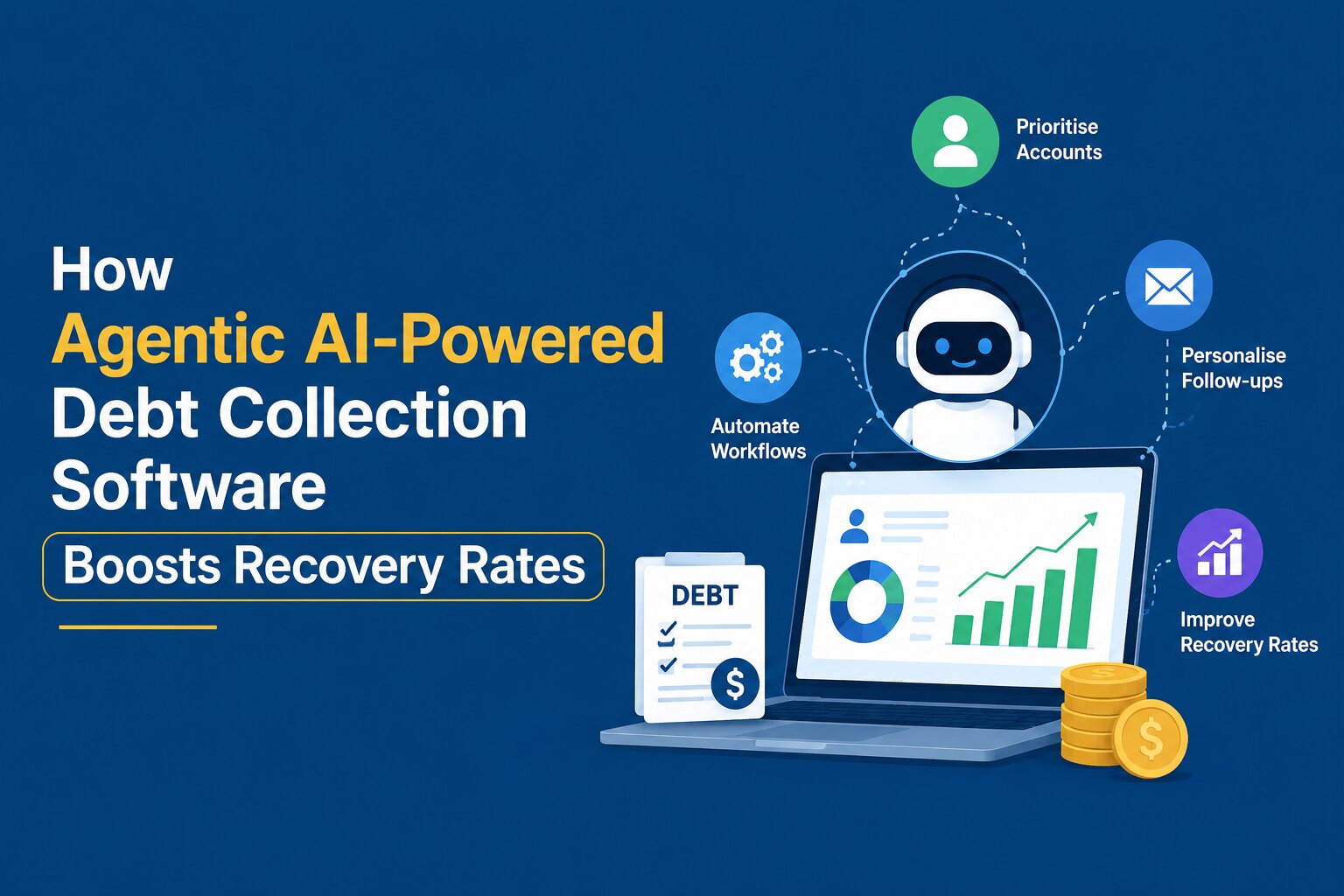
Automation can also reduce the amount of manual work involved in collection activities, helping teams follow up more consistently and support faster recovery. For more insights, explore how UAE businesses can automate debt collection and improve cash flow faster.
Here are some of the key ways credit and collections software can improve recovery efficiency:
1. Centralises Customer and Account Information
Collection teams work with a lot of information. Customer details, outstanding balances, payment history, communication records and collection activities all need to be available when required. A centralised system brings these details together.
Instead of checking several files or applications, a collector can access the relevant account information from one place. This saves time and reduces the risk of working with outdated or incomplete information.
2. Automates Collection Follow-Ups
Following up on overdue payments is repetitive but essential work. Collections software can help teams schedule reminders and follow-up activities based on their collection workflows. This reduces the reliance on individual team members remembering every action manually.
Automation does not mean removing people from the process. Rather, it allows collectors to spend less time managing routine tasks and more time dealing with accounts that need personal attention.
3. Helps Prioritise High-Value and High-Risk Accounts
Not every overdue account deserves exactly the same level of attention. A collection team may need to focus first on accounts with larger outstanding balances, long overdue payments or a history of missed commitments.
A structured collections system can help teams organise and prioritise accounts according to their internal recovery criteria. This makes it easier to focus limited collection resources where they are likely to have the greatest impact.
4. Improves Collection Team Productivity
Collection teams often spend a surprising amount of time on administrative work: updating records, checking account status, assigning tasks and preparing reports. A dedicated system can bring these activities into a more structured workflow.
Collectors can see their assigned accounts and pending activities, while managers can monitor workloads and progress. This makes day-to-day collection management easier and reduces unnecessary manual work.
5. Provides Better Visibility Into Recovery
One of the biggest advantages of digital collection management is visibility.
Managers can monitor information such as:
- Outstanding amounts
- Recovered amounts
- Overdue accounts
- Pending collection activities
- Collector performance
- Recovery progress
- Accounts requiring escalation
This makes it easier to identify problems early rather than waiting until the end of a reporting period.
6. Supports Escalation and Legal Recovery
Some accounts require more than routine reminders. When an account reaches a point where further recovery action is needed, having a clear record of previous communication, payment commitments and collection activities becomes important. Collections software can help teams maintain this history and manage the transition from standard collection activities to escalation or legal recovery workflows.
This creates a more structured process and gives relevant teams better access to the information they need.
7. Improves Communication and Documentation
Good collection management depends heavily on accurate records. Every call, email, reminder, promise to pay or payment update can be important when dealing with an overdue account. Maintaining these details in one system creates a clearer history of the account. It also makes it easier for another team member to understand what has already happened if the case is reassigned.
Key Features to Look for in Credit and Collections Software in the UAE
Not every collections platform offers the same capabilities. Before choosing a solution, businesses should consider what their collection teams actually need.
Important features may include:
Customer and Debtor Management
The system should make it easy to maintain relevant customer or debtor information and connect it to their accounts and collection activities.
Outstanding Balance Tracking
Teams should be able to see outstanding amounts, payment status and account ageing clearly.
Automated Reminders and Follow-Ups
Automation can help ensure that routine collection activities happen consistently.
Collection Task Management
Collectors should be able to see assigned accounts, pending activities and follow-up requirements without relying on separate task lists.
Payment and Recovery Tracking
The system should provide a clear picture of amounts due, payments received and amounts recovered.
Promise-to-Pay Management
When a customer commits to making a payment by a particular date, teams should be able to record and monitor that commitment.
Workflow Management
Different accounts may require different collection steps. Customisable workflows can help businesses structure these processes according to their internal policies.
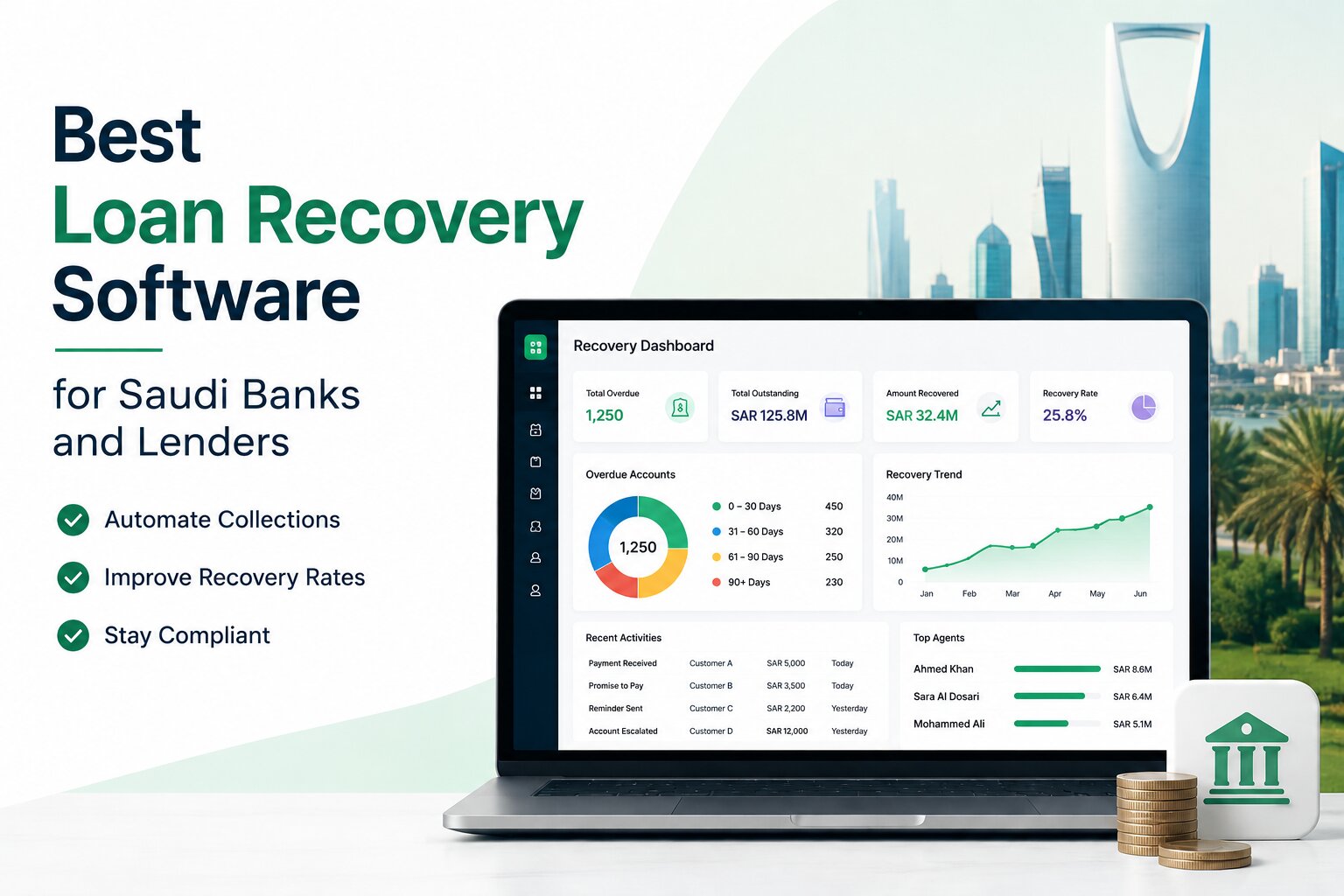
Reporting and Dashboards
Managers need more than raw data. Useful reports can help them understand recovery trends, outstanding accounts and team performance.
Legal Escalation Management
For organisations handling more complex recovery processes, the ability to track escalation and legal action can be particularly valuable.
Document Management
Important agreements, correspondence and supporting documents should be organised alongside the relevant account or case.
Access Controls and Audit Trails
Businesses should also consider who can access or change information and whether the system keeps a record of important activities.
Manual Collection vs Credit and Collections Software
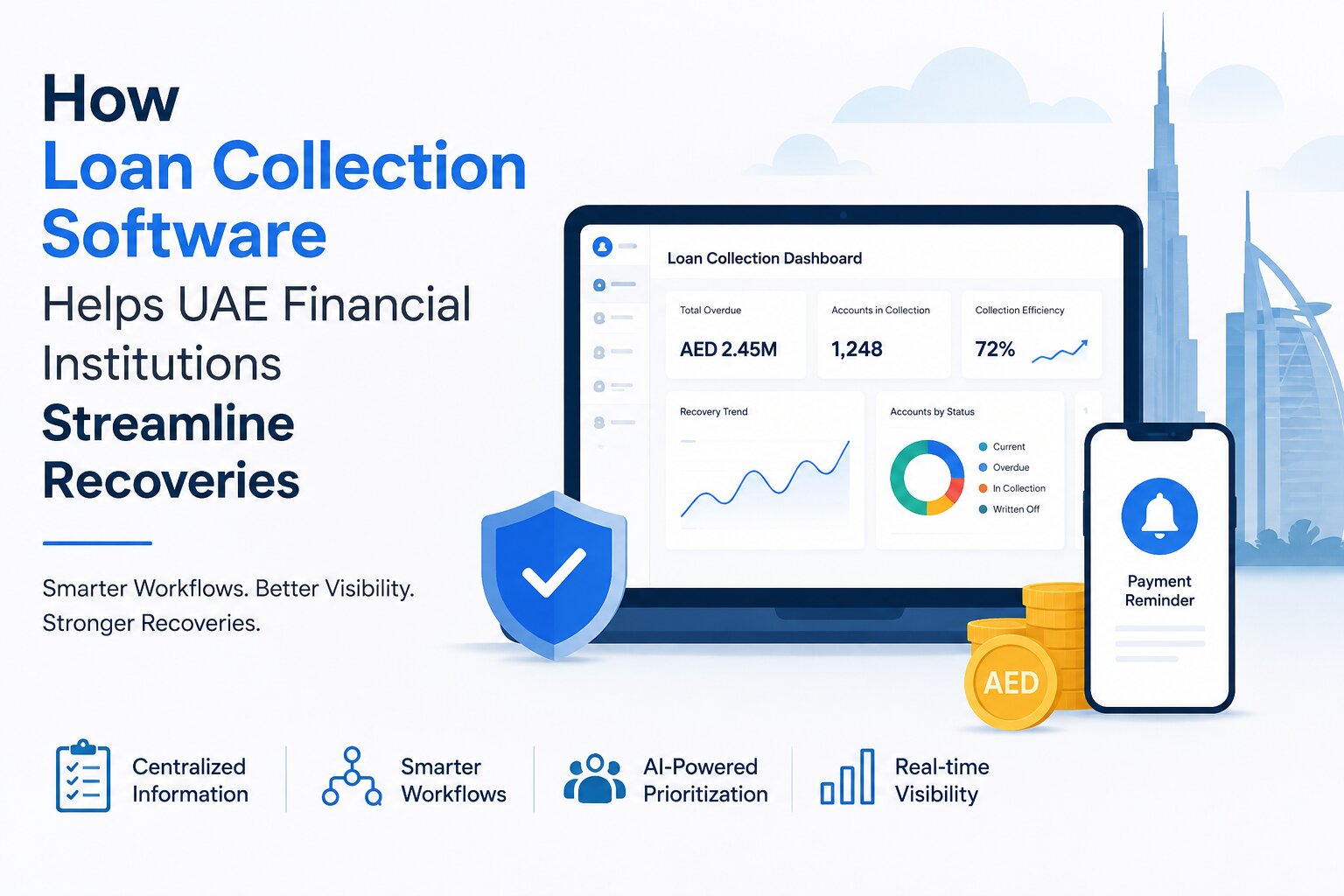
This becomes particularly important for organisations managing large loan portfolios, where manual tracking can quickly become difficult to maintain. Loan collection software can help UAE financial institutions streamline recoveries by bringing collection activities and recovery information into a more structured workflow.
As collection volumes grow, manual processes can become difficult to manage efficiently. Businesses looking to understand the broader benefits and capabilities of debt collection software in the UAE can explore this complete guide, which covers workflow automation, payment tracking, collection analytics and other features that support modern recovery operations.
The difference becomes clearer when the two approaches are compared.
| Area | Manual Process | Software-Based Process |
|---|---|---|
| Account tracking | Spreadsheets and manual records | Centralised account information |
| Follow-ups | Manually scheduled | Automated and structured |
| Team monitoring | Limited visibility | Easier activity tracking |
| Reporting | Often time-consuming | Faster access to reports |
| Escalation | May depend on manual tracking | Structured workflows |
| Data management | Can be spread across files | Organised in one system |
Manual processes may work for a small portfolio. But as account volumes increase, maintaining the same level of control becomes harder. The question is therefore not whether manual collection is possible. It is whether it remains efficient as the business grows.
How UAE Businesses Can Measure Recovery Efficiency
Implementing collections software is only part of the process. Businesses should also measure whether their collection efforts are actually becoming more effective.
Some useful metrics include:
Recovery Rate
This shows how much of the outstanding amount has been successfully recovered during a given period.
Days Sales Outstanding (DSO)
DSO indicates how long, on average, it takes a business to collect payment after making a sale. A lower figure can generally indicate faster collection, although the right level depends on the business and its payment terms.
Average Collection Time
Tracking the average time taken to recover overdue amounts can help businesses identify whether collection processes are improving.
Amount Recovered
Monitoring total recovery over a particular period provides a straightforward view of collection output.
Number of Overdue Accounts
This helps businesses understand the size of their outstanding portfolio and whether overdue accounts are increasing or decreasing.
Promise-to-Pay Fulfilment Rate
If customers make payment commitments, businesses can track how often those commitments are actually fulfilled.
Collector Productivity
Businesses can measure collection activity across teams to understand workloads, performance and areas that may need additional support.
Cost per Recovery
Comparing collection costs with recovered amounts can help businesses understand the efficiency of their overall recovery operation.
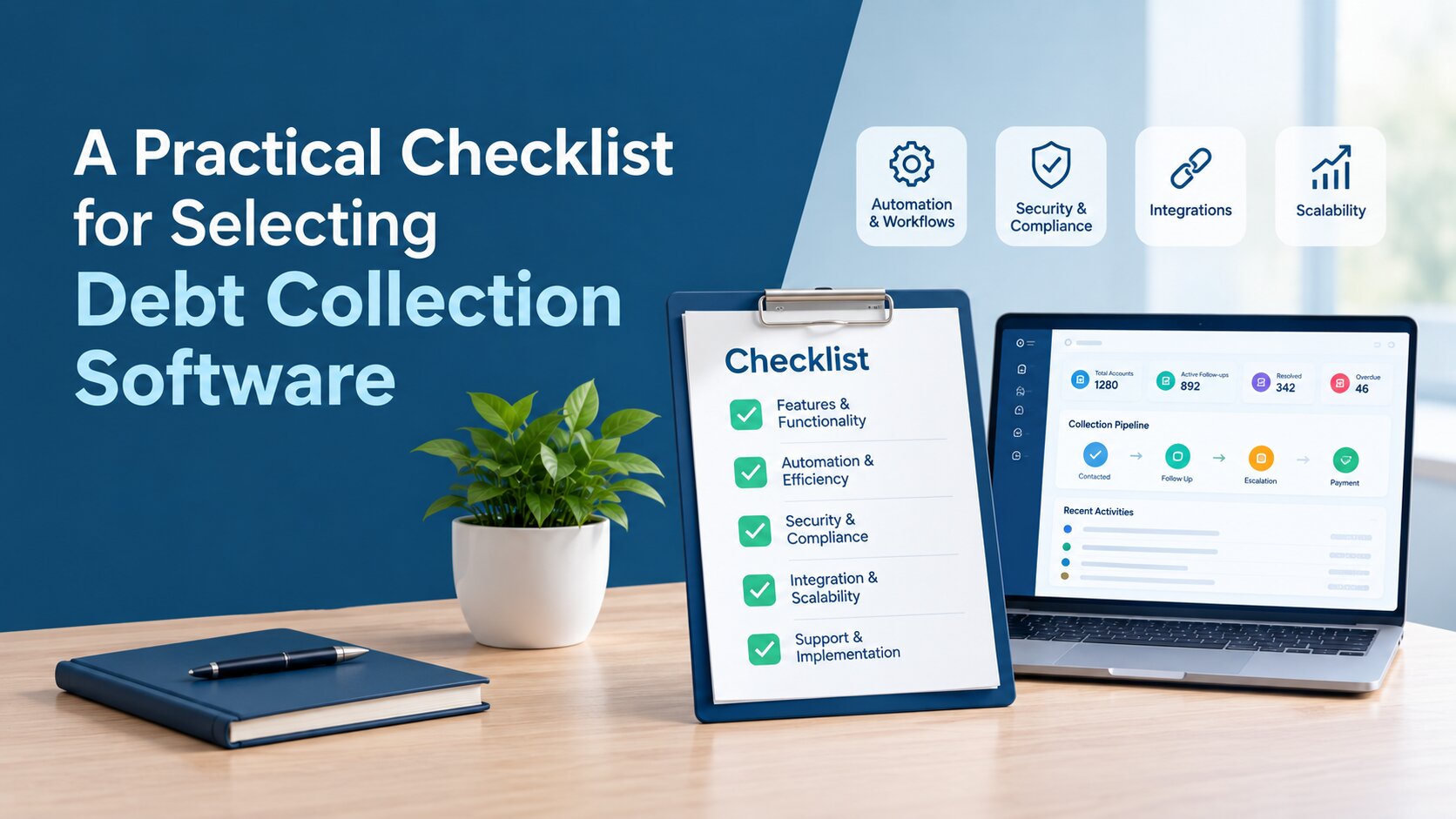
How to Choose the Right Credit and Collections Software in the UAE
Businesses should also consider whether they need basic payment tracking or a more comprehensive collection platform. For a detailed look at the features and considerations involved, see this guide to the best payment collection software in the UAE.
Choosing software should start with the business problem, not the feature list.
Before making a decision, businesses can consider the following:
- Assess your current process. Identify where delays, missed follow-ups and manual work occur today.
- Define your requirements. Decide which functions are essential and which would simply be nice to have.
- Consider scalability. The system should be able to handle increasing account volumes as the business grows.
- Review reporting capabilities. Make sure managers can access the information they need to monitor recovery performance.
- Look at workflow automation. Check whether routine activities can be automated without making the process unnecessarily complicated.
- Consider integrations. If the business already uses accounting, CRM, lending or other systems, check how the collections platform can work alongside them.
- Evaluate security and access controls. Financial and customer information requires appropriate protection and controlled access.
- Check implementation and support. A good system still needs proper setup, user training and ongoing support.
- Request a demonstration. Seeing the software with real collection scenarios can help teams determine whether it actually fits their workflow.
Why Businesses Should Move Beyond Spreadsheet-Based Collections
Spreadsheets are useful. For a small number of accounts, they can be perfectly adequate. The problem starts when a business tries to use spreadsheets as its collection operation grows. More accounts mean more rows, more updates, more formulas and more opportunities for information to become outdated. It also becomes harder for managers to see what is happening across the entire portfolio.
A dedicated collections system provides a more structured approach. Instead of simply recording what happened, it can help teams manage what needs to happen next. That distinction matters. Effective collections are not just about maintaining records. They are about taking timely action.
How Beveron Smart Debt Collection Can Support Recovery Teams
For businesses looking to modernise their collection processes, Beveron Smart Debt Collection provides a dedicated platform for managing debt recovery activities.The solution is designed to help organisations bring collection information, activities and recovery processes into a more structured environment.
Depending on the organisation's requirements, a platform such as this can support areas such as:
- Debt and account management
- Collection workflow management
- Follow-up activities
- Recovery tracking
- Collection team monitoring
- Reporting and performance analysis
- Escalation and legal recovery management
- Document and communication records
The practical benefit is better visibility across the recovery process. Teams can spend less time searching for information and more time acting on accounts that require attention. For UAE businesses dealing with growing receivables or large volumes of overdue accounts, moving towards a structured digital collection process can be an important step towards improving recovery efficiency.
Frequently Asked Questions
What is credit and collections software?
Credit and collections software is a digital platform that helps businesses manage credit accounts, outstanding payments, collection activities, follow-ups, recoveries and related information in a structured way.
How does collections software improve recovery efficiency?
It can improve efficiency by centralising account information, automating routine follow-ups, organising collection tasks, improving visibility and helping teams prioritise accounts.
Who can use credit and collections software in the UAE?
Banks, financial institutions, lending companies, businesses with significant receivables and debt collection agencies can all benefit from collections software.
Can collections software automate payment follow-ups?
Many collections platforms support automated reminders and scheduled follow-up activities. The exact level of automation depends on the software and the organisation's workflow.
How does collections software help track overdue accounts?
It can bring account balances, payment status, collection activities and follow-up history into a central system, making it easier for teams to identify and manage overdue accounts.
What features should UAE businesses look for in collections software?
Important capabilities can include account management, payment tracking, automated follow-ups, task management, reporting, workflow automation, document management and escalation support.
Can credit and collections software support legal recovery?
Some platforms support escalation and legal recovery workflows, allowing businesses to maintain collection history and track accounts that require further action.
Conclusion
Efficient collections are about more than sending payment reminders. Businesses need to know which accounts require attention, what action has already been taken, what needs to happen next and how effectively their teams are recovering outstanding amounts. For smaller portfolios, spreadsheets and manual processes may be enough. But as account volumes increase, these methods can become difficult to manage.
Credit and collections software in the UAE can give businesses a more organised way to manage recovery. By centralising information, reducing repetitive work, improving follow-ups and providing better visibility, it can help collection teams work more efficiently and make more informed decisions. If you're moving from fragmented collection processes to a structured digital approach, solutions like Beveron Smart Debt Collection can help you manage recovery operations more effectively.
Ready to Improve Your Debt Recovery Process?
Take control of your collection operations with Beveron Smart Debt Collection. Streamline follow-ups, track payments, manage recovery activities and give your team better visibility across outstanding accounts.
Explore Beveron Smart Debt Collection and discover a smarter way to manage debt recovery in the UAE.
Best credit and collections software in the UAE
Best payment collection software in the UAE
Best accounts receivable software in the UAE
If you need a free demo of the best credit and collections software in the UAE, please fill out the form.