How UAE Businesses Can Automate Debt Collection and Improve Cash Flow Faster

Introduction
For many businesses, making a sale is only half the battle. Getting paid on time is what ultimately keeps operations running smoothly.
Across the UAE, finance teams are under increasing pressure to maintain healthy cash flow while managing growing volumes of invoices, customer accounts, and payment follow-ups. Even profitable businesses can experience financial strain when large portions of their revenue remain tied up in overdue receivables.
The challenge is not always a lack of customer willingness to pay. In many cases, delayed payments result from missed reminders, inefficient follow-up processes, fragmented records, or limited visibility into collection activities.
Traditionally, debt collection has relied heavily on manual effort. Finance teams often spend hours updating spreadsheets, tracking payment commitments, sending reminder emails, and chasing customers across multiple channels. As businesses grow, these manual processes become increasingly difficult to manage.
This is where collection automation is changing the landscape. By automating repetitive tasks and providing better visibility into recovery activities, organisations can improve collection performance while creating a healthier cash flow position.
Why Debt Collection Remains a Major Challenge for UAE Businesses
As organisations expand, managing outstanding receivables becomes increasingly complex. What may have worked for a small customer base often becomes unsustainable when invoice volumes increase and payment cycles become longer.
The Hidden Impact of Overdue Receivables
Late payments affect far more than a company's bank balance.
When invoices remain unpaid for extended periods, businesses often face:
- Cash flow shortages
- Delayed supplier payments
- Reduced working capital
- Increased borrowing requirements
- Slower business growth
Consider a construction company operating in Dubai. Several large projects may be completed successfully, but if customer payments are delayed by 60 or 90 days, the business could struggle to pay subcontractors, purchase materials, or invest in new opportunities.
This is why accounts receivable management plays such an important role in overall financial health.
Why Manual Collection Processes Create Bottlenecks
Many organisations still depend on spreadsheets, inboxes, and individual team members to manage collections. While this approach may seem manageable initially, it often creates significant inefficiencies.
Common problems include:
- Missed follow-up deadlines
- Inconsistent communication with customers
- Duplicate collection efforts
- Lack of visibility into account status
- Difficulty tracking collector performance
A credit controller might spend hours each week identifying overdue accounts before even beginning collection activities. That time could be better spent resolving disputes, negotiating payment arrangements, or focusing on high-risk accounts.
The Rising Expectations of Modern Finance Teams
Finance departments are no longer viewed solely as back-office functions. Leadership teams increasingly expect finance professionals to provide strategic insights, improve operational efficiency, and support business growth.
This shift has accelerated investment in finance technology.
According to research from Deloitte and Gartner, finance leaders continue to prioritise automation initiatives that reduce manual workloads, improve reporting accuracy, and increase operational visibility. For collections teams, this means moving beyond reactive debt recovery and adopting more proactive, data-driven approaches.
What Is Debt Collection Automation?
Debt collection automation refers to the use of technology to manage and streamline collection activities across the accounts receivable lifecycle. Instead of relying on manual reminders and spreadsheet tracking, automated systems help organisations manage collections through predefined workflows.
Understanding the Automated Collection Lifecycle
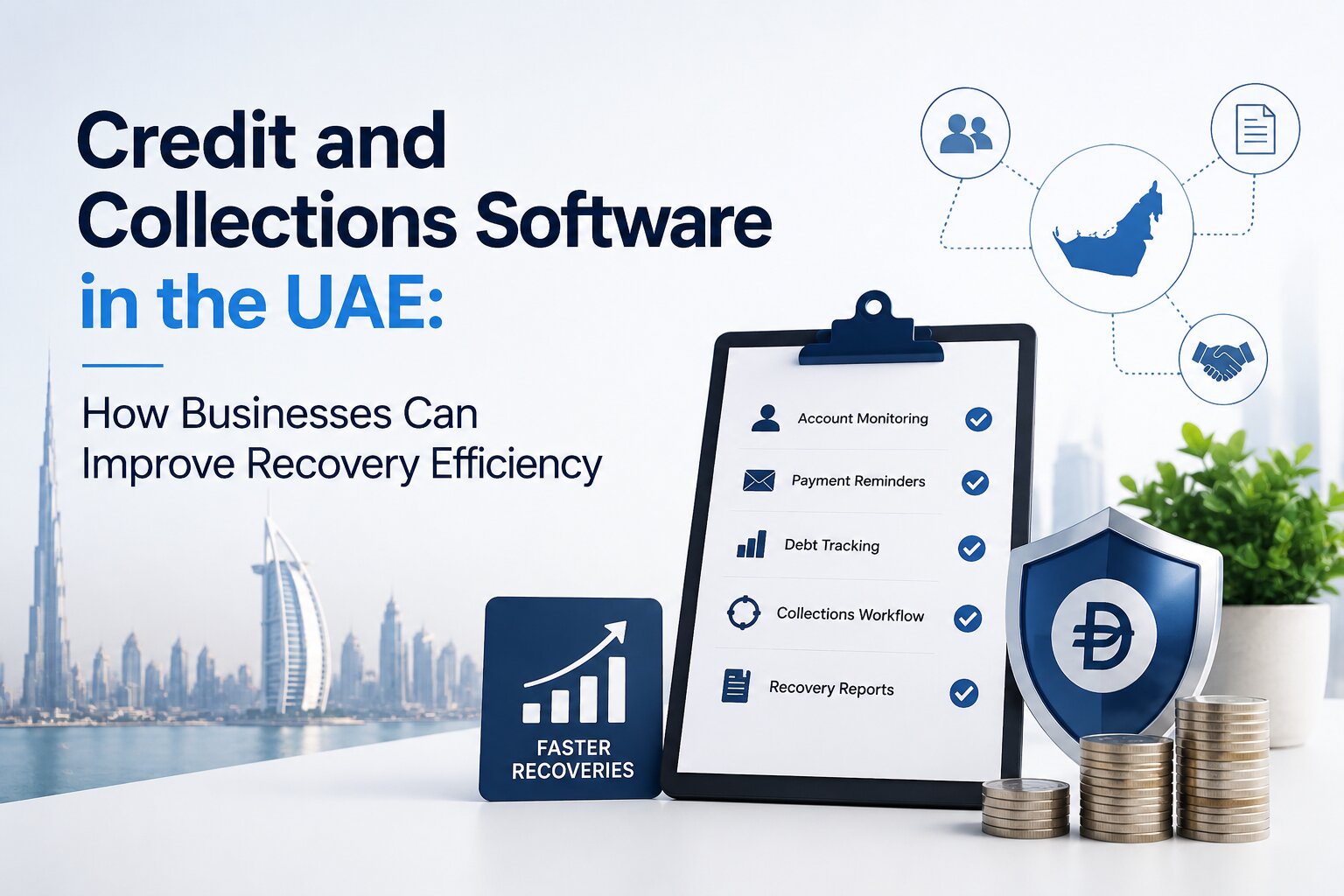
A typical automated collection process includes:
- Invoice monitoring
- Payment reminder scheduling
- Customer communication tracking
- Escalation workflows
- Payment status updates
- Recovery reporting
For example, if an invoice remains unpaid seven days before its due date, an automated reminder can be triggered. If payment is still outstanding after the due date, the workflow can initiate additional reminders or escalate the account based on predefined business rules.
This ensures consistency without requiring manual intervention at every stage of how debt collection automation works.
How Modern Collection Software Works
Modern collection platforms centralise collection activities into a single environment.
Rather than searching through emails, spreadsheets, and accounting systems, teams gain access to:
- Customer payment histories
- Outstanding balances
- Collection activities
- Communication records
- Performance dashboards
Many solutions also integrate with ERP and accounting systems, ensuring information remains current across departments. This centralised approach helps reduce administrative effort while improving visibility into recovery operations.
Traditional Collections vs Automated Collections
The difference between traditional and automated collections is often significant. Traditional processes typically rely on manual tracking and individual effort, which can lead to inconsistent follow-ups and limited visibility into collection activities.
Automated collections, on the other hand, bring consistency and efficiency by automatically triggering reminders, assigning tasks, and tracking outcomes.
| Traditional Collections | Automated Collections |
|---|---|
| Manual follow-ups | Automated reminders |
| Limited visibility | Real-time tracking |
| Time-consuming processes | Faster workflows |
| Prone to missed tasks | Consistent execution |
| Higher manual effort | Reduced workload |
| Reactive approach | Proactive recovery |
As a result, businesses can benefit from:
- Faster follow-ups
- Better visibility into outstanding receivables
- Improved accountability across collection teams
- Reduced manual effort
- More predictable collection performance
This streamlined approach allows finance teams to spend less time chasing payments and more time focusing on strategic cash flow management.
How Debt Collection Automation Improves Cash Flow
One of the biggest advantages of automation is its direct impact on cash flow. When organisations recover payments more efficiently, they gain access to working capital sooner and reduce financial uncertainty.
Faster Follow-Ups Drive Faster Payments
Even a small improvement in payment timing can have a significant impact on cash flow across hundreds or thousands of invoices. Research shows that businesses adopting collection automation can achieve significantly faster payment cycles, with some organisations reporting up to 3x faster payment recovery through automation.
Better Visibility Into Outstanding Receivables
Many finance teams struggle because they lack a clear picture of collection performance.
Without visibility, it becomes difficult to identify:
- High-risk accounts
- Ageing receivables
- Collection bottlenecks
- Recovery trends
Automated reporting provides real-time insights that help managers make informed decisions. Metrics such as Days Sales Outstanding (DSO), collection effectiveness, and ageing reports allow organisations to prioritise recovery efforts more effectively. Businesses looking to strengthen recovery performance and improve financial visibility can benefit from understanding how collections management software improves payment recovery and cash flow across different industries and operational environments.
Reduced Administrative Burden
A significant portion of collection work is repetitive.
Examples include:
- Sending reminder emails
- Updating spreadsheets
- Recording communication activity
- Generating reports
Automating these activities frees collection teams to focus on higher-value work such as dispute resolution, customer engagement, and recovery strategy development.
In many organisations, productivity improvements become visible within the first few months of implementation.
Improved Customer Payment Experiences
Effective collections are not just about recovering money. They are also about maintaining customer relationships. Automated communication helps create a more professional and consistent customer experience. Instead of receiving sporadic follow-ups, customers receive timely reminders through appropriate channels. This reduces confusion, improves transparency, and helps resolve payment issues before they become serious collection problems.
If your organisation still relies heavily on manual collection processes, reviewing your current accounts receivable workflow can often reveal opportunities for significant efficiency improvements.
Key Features to Look for in Debt Collection Software
Not all collection platforms offer the same capabilities. While many solutions can automate reminders, the most effective platforms help organisations manage the entire recovery process with greater visibility, control, and intelligence.
Automated Payment Reminder Workflows
One of the quickest ways to improve collection performance is through consistent communication. Automated reminder workflows allow organisations to schedule communications before and after invoice due dates without requiring manual intervention.
A well-designed workflow can:
- Send pre-due-date reminders
- Trigger overdue payment notices
- Escalate accounts based on ageing rules
- Maintain communication consistency
This ensures customers receive timely reminders while reducing the administrative burden on collection teams.
Centralised Collection Dashboards
Many collection challenges stem from fragmented information. When account details, communication history, and payment status are spread across multiple systems, teams spend more time searching for information than recovering payments.
A centralised dashboard provides visibility into:
- Outstanding balances
- Collection status
- Account ageing
- Collector activity
- Recovery performance
This allows managers to quickly identify priorities and monitor team productivity.
AI-Powered Collection Prioritisation
Not every overdue account carries the same level of risk. Modern collection platforms increasingly use artificial intelligence to help teams focus on accounts that require immediate attention.
AI-driven prioritisation can help organisations:
- Identify high-risk debtors
- Predict payment likelihood
- Recommend collection actions
- Allocate resources more effectively
Businesses looking to modernise their recovery operations are increasingly evaluating the best AI debt collection software for enterprises to improve decision-making, increase collection efficiency, and focus resources where they can have the greatest impact.
As AI adoption continues to grow across finance operations, organisations are increasingly using predictive insights to improve collection outcomes.
Analytics and Recovery Reporting
Without meaningful reporting, it becomes difficult to understand whether collection strategies are working.
Collection analytics help finance leaders answer important questions:
- Which customers consistently pay late?
- Which collection methods deliver the best results?
- Where are recovery bottlenecks occurring?
- How effective is the collections team?
Regular reporting supports continuous improvement and better recovery planning.
ERP and Finance System Integration
Collection software should not operate in isolation. Integration with accounting systems, ERP platforms, and finance applications helps ensure collection teams work with accurate, up-to-date information. Integrated environments typically reduce manual data entry, improve reporting accuracy, and provide a more complete view of customer accounts.
The Role of AI in Modern Debt Recovery
Artificial intelligence is transforming many areas of business operations, and debt recovery is no exception. While AI cannot replace experienced collection professionals, it can significantly enhance decision-making and efficiency.
Predicting Customer Payment Behaviour
One of AI's most valuable applications is its ability to identify patterns within large volumes of payment data.
By analysing historical payment behaviour, AI models can help predict:
- Which customers are likely to pay on time
- Which accounts may become delinquent
- Which collection actions are most likely to succeed
This allows organisations to intervene earlier and manage risk more proactively.
Intelligent Collection Workflows
Traditional collection workflows often apply the same strategy to every customer. AI enables a more tailored approach. For example, one customer may respond well to email reminders, while another may require a phone call or a different escalation path. Intelligent workflows can adapt collection strategies based on customer behaviour, improving both recovery outcomes and customer experience.
Data-Driven Collection Decisions
Modern collections increasingly rely on data rather than assumptions.
AI-powered analytics can help finance teams:
- Prioritise high-value accounts
- Forecast recovery performance
- Optimise collector workloads
- Improve resource allocation
Many organisations are already seeing measurable benefits from these capabilities, with some companies reducing recovery time with collection bots while improving collection efficiency and resource allocation.
As finance departments continue their digital transformation journeys, data-driven recovery strategies are becoming increasingly important.
Best Practices for Implementing Debt Collection Automation
Technology alone does not guarantee better collection outcomes. Successful implementation requires a clear strategy and well-defined processes.
Map Existing Collection Processes
Before introducing automation, organisations should evaluate their current collection workflows.
This assessment should identify:
- Manual bottlenecks
- Delayed follow-ups
- Communication gaps
- Reporting limitations
Understanding existing challenges makes it easier to design more effective automated workflows.
Standardise Collection Policies
Inconsistent collection practices often lead to inconsistent results.
Organisations should establish clear policies covering:
- Reminder schedules
- Escalation timelines
- Communication channels
- Dispute resolution procedures
Standardisation creates a stronger foundation for automation.
Automate High-Volume Repetitive Tasks First
The most successful automation projects often start small.
Rather than attempting to automate every process immediately, focus on repetitive activities such as:
- Payment reminders
- Account monitoring
- Status updates
- Routine reporting
These tasks typically deliver quick efficiency gains while building confidence in the technology.
Measure Success Using Collection KPIs
Continuous measurement is essential.
Key performance indicators may include:
- Days Sales Outstanding (DSO)
- Recovery rates
- Promise-to-pay conversion rates
- Average collection cycle length
- Collector productivity
Regular KPI reviews help organisations identify opportunities for further optimisation.
How Smart Debt Collection Supports Recovery Efficiency
As collection operations become more complex, organisations need tools that provide greater visibility, consistency, and control. Solutions such as Beveron's Smart Debt Collection help businesses move away from disconnected spreadsheets and manual follow-ups by centralising collection activities and automating routine processes.
This can help teams automate payment reminder workflows, monitor collection performance through dashboards, improve recovery tracking, reduce manual administrative effort, and strengthen reporting and accountability. These improvements create a strong foundation for implementing AI-powered debt collection strategies that enable smarter prioritisation and more efficient recovery workflows.
For finance leaders focused on improving cash flow and reducing collection costs, automation can become an important part of a broader accounts receivable strategy.
Conclusion: Turning Collections Into a Strategic Cash Flow Advantage
Debt collection has evolved far beyond reminder emails and spreadsheet tracking.
As organisations across the UAE continue to modernise finance operations, automation is becoming an essential tool for improving cash flow, reducing administrative workload, and increasing recovery efficiency. Businesses that continue to rely on manual collection processes often struggle with inconsistent follow-ups, limited visibility, and rising operational costs.
By contrast, automated collection workflows help finance teams work more efficiently while providing a better experience for customers and stakeholders alike. The most successful organisations view collections not as a reactive function but as a strategic component of financial performance. With the right combination of automation, analytics, and process improvement, businesses can reduce overdue receivables, strengthen working capital, and create a more predictable cash flow environment.
Ready to Improve Recovery Performance and Cash Flow?
If your organisation is looking to reduce overdue invoices, improve collector productivity, and gain better visibility into accounts receivable performance, now is an ideal time to evaluate your collection processes.
Explore Beveron's Smart Debt Collection solution to see how automated recovery workflows can streamline customer follow-ups, reduce manual effort, and strengthen cash flow management.
Book a demo or request a consultation to discover how smarter debt recovery processes can help your finance team recover payments faster and operate more efficiently.
Frequently Asked Questions
What is debt collection software?
Debt collection software helps organisations manage and automate collection activities, including payment reminders, account tracking, customer communication, and recovery reporting.
How does AI improve debt recovery?
AI helps identify high-risk accounts, predict payment behaviour, prioritise collection efforts, and provide data-driven insights that improve recovery efficiency.
What are the benefits of collection automation?
Collection automation reduces manual effort, improves follow-up consistency, enhances visibility into outstanding receivables, and helps accelerate payment recovery.
How can businesses reduce overdue receivables?
Businesses can reduce overdue receivables by implementing proactive reminder schedules, improving customer communication, automating collection workflows, and regularly monitoring collection performance metrics.
Why is accounts receivable automation important?
Accounts receivable automation helps finance teams manage growing invoice volumes more efficiently while improving accuracy, visibility, and cash flow performance.
What should businesses look for in debt collection software?
Key features include automated reminders, centralised dashboards, reporting tools, analytics, AI-powered prioritisation, workflow automation capabilities, and ERP integration.
How does collection software improve cash flow?
Collection software helps accelerate payment recovery by ensuring timely follow-ups, improving visibility into overdue accounts, and reducing collection delays.
Is automated debt collection suitable for UAE businesses?
Yes. Organisations across the UAE can benefit from automated collection processes that improve efficiency, strengthen recovery operations, and support better cash flow management while maintaining professional customer relationships.
Best automated debt collection software for finance teams in the UAE
Best debt collection software for banks in the UAE
Best accounts receivable automation software in the UAE
If you need a free demo of the best legal practice management software in the UAE, please fill out the form below.