Firms Report: Debt Collection Bots Slash Recovery Time by 40%

Debt collection has traditionally been a slow and resource-intensive process. Many financial institutions, law firms, and collection agencies still rely on manual follow-ups, spreadsheets, and repetitive communication with debtors. These outdated workflows often lead to delayed recoveries, higher operational costs, and inconsistent debtor engagement.
However, recent industry reports show a significant shift. Organisations adopting AI-based debt collection software are experiencing faster recovery cycles and improved operational efficiency. In fact, many firms now report that debt collection bots can reduce recovery time by up to 40% by automating reminders, prioritising cases, and streamlining communication.
As artificial intelligence continues to transform financial operations, automated debt recovery tools are becoming essential for modern organisations. In this article, we explore how AI-driven debt collection works, why it accelerates recovery, and how businesses can leverage this technology to improve their collection performance.
The Growing Challenge of Traditional Debt Collection
While debt recovery remains a critical financial function, many organisations still struggle with inefficient processes that slow down collections and increase operational pressure.
Manual Processes Slow Down Recovery
Traditional debt collection often relies on manual tracking and follow-ups. Collection teams must monitor multiple accounts, send reminders individually, and update payment records manually. These tasks consume valuable time and increase the risk of missed follow-ups.
Without automation, teams may struggle to maintain consistent communication with debtors, which can significantly delay recovery timelines.
High Operational Costs for Collection Teams
Debt collection departments often spend a large portion of their time handling administrative work rather than focusing on strategic recovery efforts. Repetitive tasks such as sending reminders, updating case records, and generating reports require significant staff hours.
As the number of outstanding accounts grows, collection teams may find it difficult to scale their operations without increasing staff costs.
Compliance and Documentation Risks
Debt collection is also subject to strict regulatory requirements. Firms must maintain accurate records of communications, payment arrangements, and case histories.
Manual documentation increases the likelihood of errors or missing records, which can create compliance risks and complicate dispute resolution.
These challenges highlight the need for smarter, automated solutions that streamline collection workflows while ensuring regulatory compliance.
How AI-Based Debt Collection Software Works
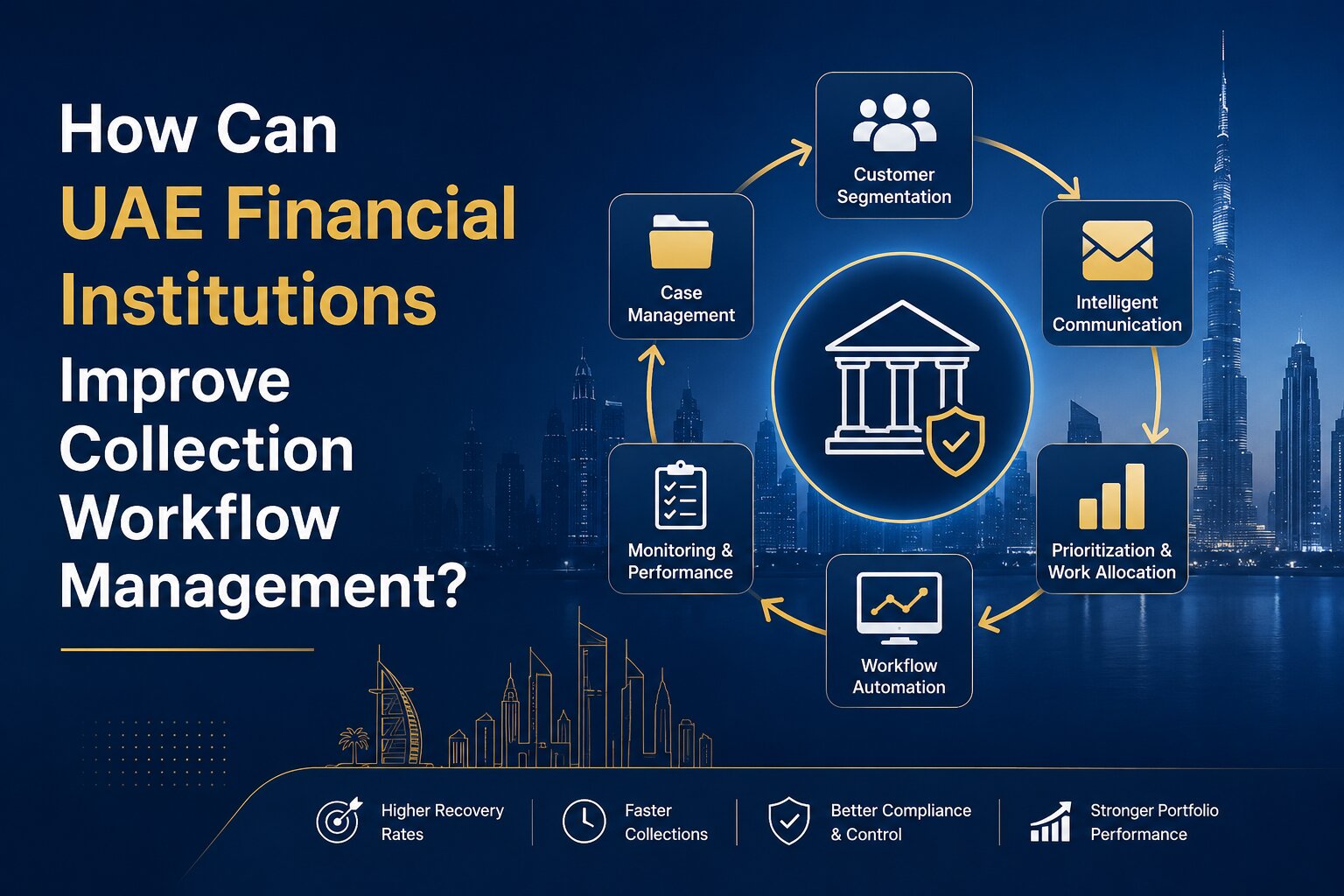
AI-based debt collection software leverages AI and automation to optimise every stage of the debt recovery process. Instead of relying on manual tracking, these systems automate communication, analyse data, and provide actionable insights for collection teams.
Intelligent Automation of Communication
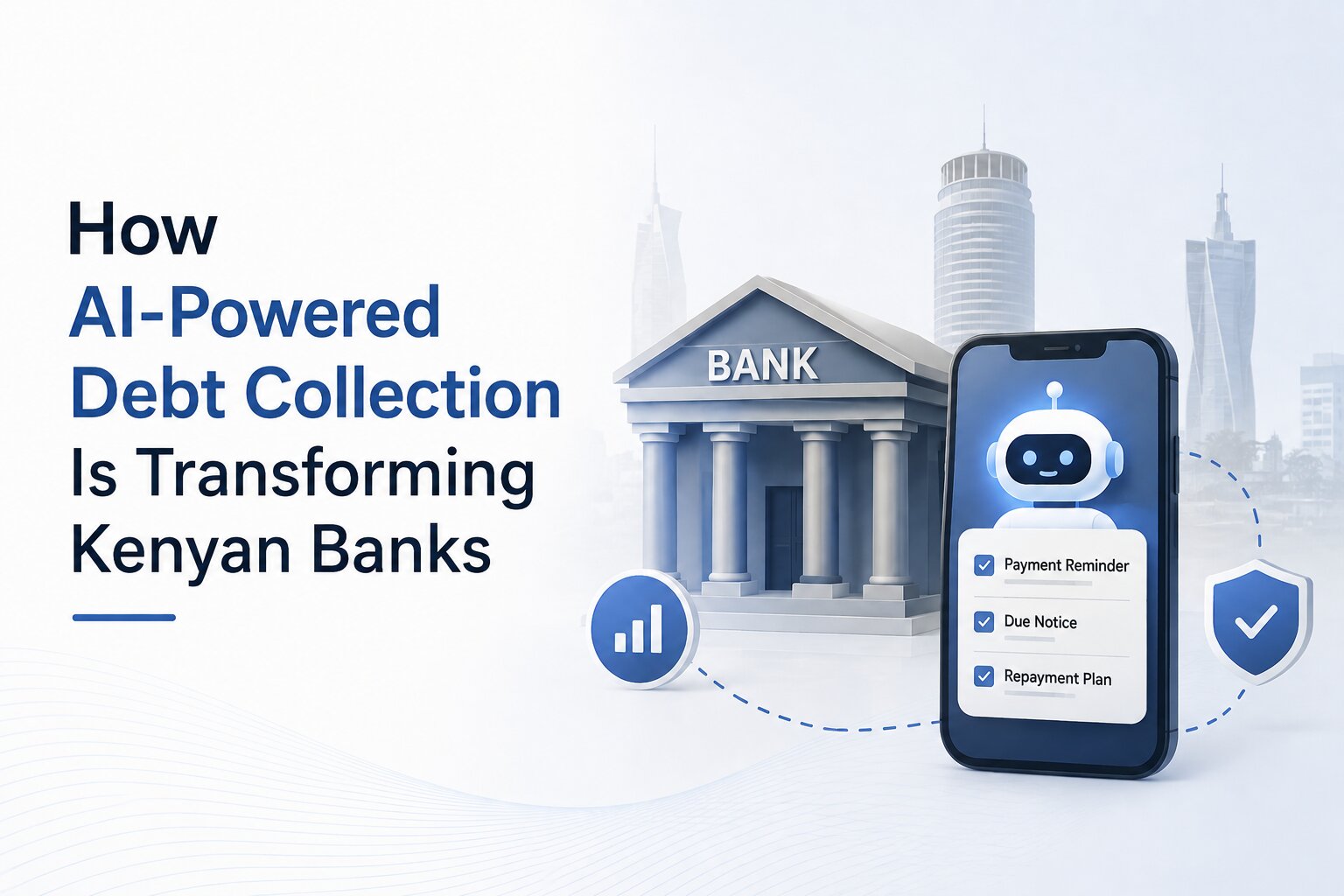
One of the most powerful capabilities of AI-driven debt collection tools is automated communication. The software can send payment reminders through multiple channels, including email, SMS, and messaging platforms.
AI can also personalise communication based on debtor behaviour and payment history, ensuring that reminders are timely and relevant. Automated follow-ups help maintain consistent engagement with debtors while reducing the workload for collection teams.
Smart Case Prioritisation
Not all accounts require the same level of attention. AI systems analyse debtor data, payment history, and behaviour patterns to predict which accounts are most likely to recover quickly.
By prioritising high-probability cases, collection teams can focus their efforts on accounts that require human negotiation or intervention, while routine cases are handled automatically by the system.
Real-Time Data Tracking and Insights
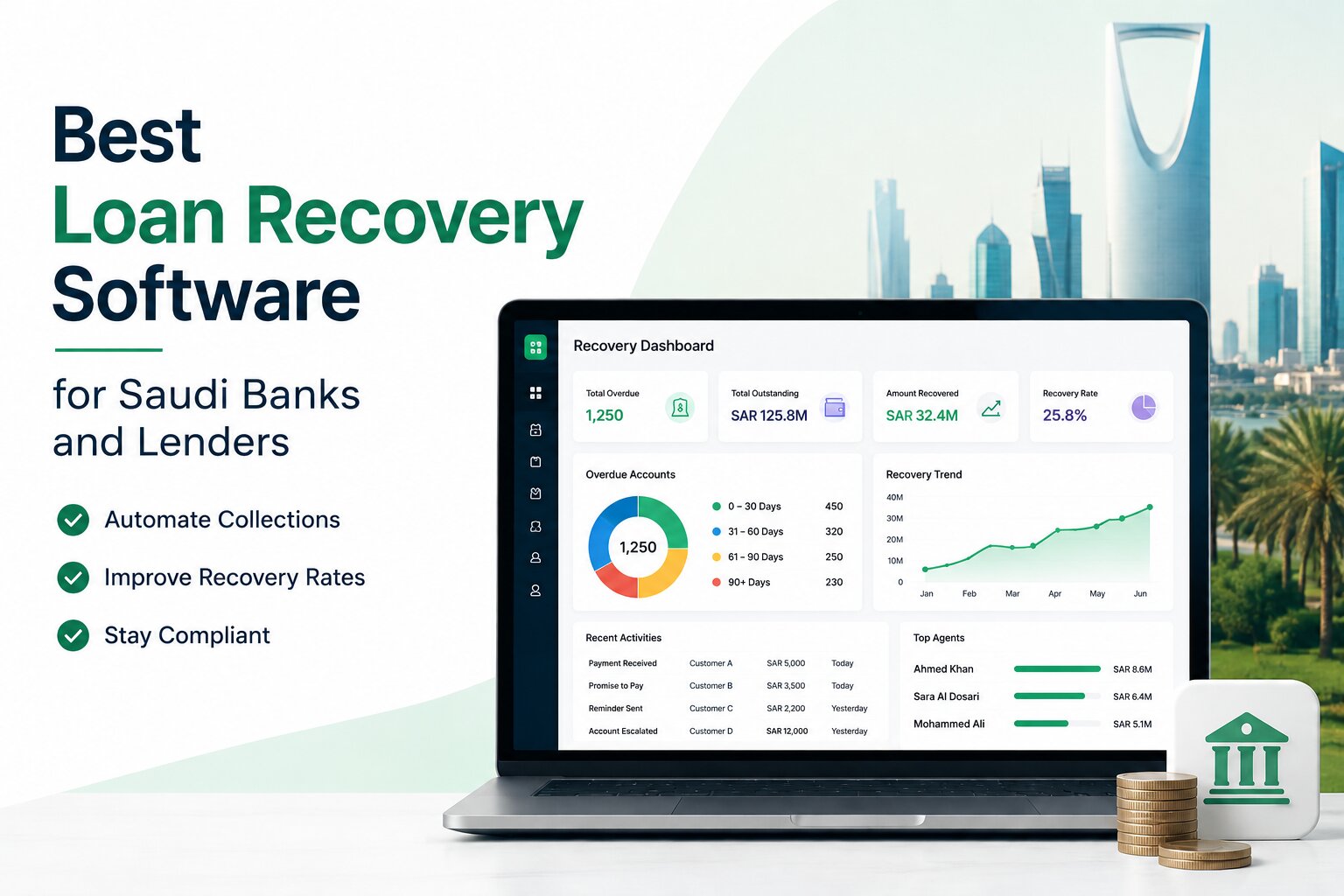
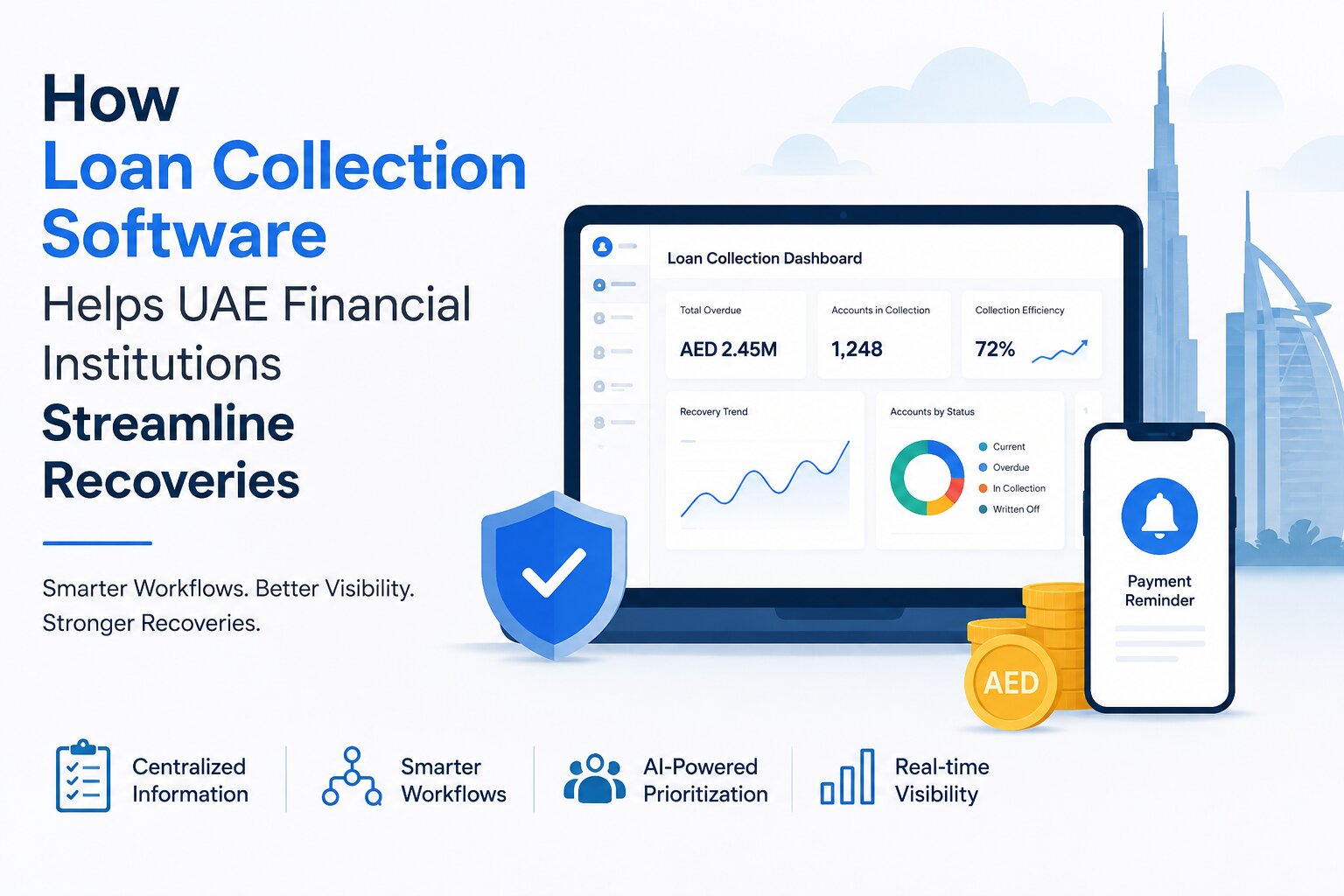
Modern AI collection platforms provide centralised dashboards that track all recovery activities in real time. Teams can monitor outstanding balances, payment trends, and collection performance from a single interface.
Automated reporting and analytics help organisations identify patterns, optimise strategies, and improve overall recovery outcomes.
Why Firms Report a 40% Faster Debt Recovery
The adoption of AI-powered automation is significantly accelerating the debt collection process. Many organisations report noticeable improvements in recovery timelines after implementing AI-driven tools.
Automated Follow-Ups Reduce Delays
One of the biggest challenges in traditional debt collection is delayed communication. When follow-ups depend on manual actions, reminders may be sent late or missed entirely.
Debt collection bots eliminate this problem by sending automated reminders immediately according to predefined schedules. This ensures that debtors receive consistent communication, increasing the likelihood of faster payments.
Faster Case Handling with AI Insights
AI systems can quickly analyse large volumes of debtor data and identify patterns that would take human teams much longer to detect.
These insights allow organisations to focus their resources more effectively. Instead of treating every account the same, teams can concentrate on complex cases while automation manages routine follow-ups.
Improved Debtor Engagement
Contrary to common concerns, automated communication can actually improve the debtor experience. AI-driven reminders are typically professional, timely, and less intrusive than repeated manual calls.
Debtors receive clear payment instructions and structured reminders, making it easier for them to respond and resolve outstanding balances.
Key Features to Look for in AI-Based Debt Collection Software
Organisations considering automation should look for solutions that offer comprehensive functionality designed for modern collection workflows.
Automated Payment Reminders and Notifications
An effective system should support automated reminders across multiple communication channels. Scheduled notifications ensure that debtors are contacted at the right time without requiring manual intervention.
Workflow Automation for Collection Teams
Automation tools should streamline internal processes as well. Task assignments, case updates, and follow-up scheduling can all be automated to reduce administrative workload.
This allows collection teams to focus on strategy and negotiation rather than repetitive operational tasks.
Compliance and Documentation Tools
Regulatory compliance is critical in debt recovery. AI-based platforms should include secure documentation, communication logs, and audit trails to ensure that all collection activities are properly recorded.
These features help organisations meet legal requirements while maintaining transparency and accountability.
Integration with Financial and Legal Systems
Modern collection tools should integrate seamlessly with existing financial software, CRM systems, and legal case management platforms.
Integration ensures that data flows smoothly across systems, eliminating duplicate data entry and improving operational efficiency.
Real-World Benefits for Financial and Legal Teams
Organisations implementing AI debt collection solutions often experience measurable improvements in both efficiency and recovery performance.
Higher Recovery Rates
Automated reminders and data-driven insights increase the chances of successful debt recovery. Faster communication and improved prioritisation help ensure that cases are resolved more quickly.
Reduced Operational Costs
Automation significantly reduces the administrative burden on collection teams. With fewer manual tasks, organisations can manage larger portfolios without expanding staff.
This leads to lower operational costs and improved productivity.
Improved Customer Experience
Debt recovery does not have to damage customer relationships. Structured communication, professional reminders, and transparent payment options create a more positive debtor experience.
This approach helps maintain trust while ensuring that outstanding balances are resolved.
How Firms Can Successfully Implement AI Debt Collection Tools
Adopting AI-powered debt recovery solutions requires thoughtful implementation and strategic planning.
Start with process automation
Organisations should begin by identifying repetitive tasks that can be automated. Payment reminders, case tracking, and communication scheduling are often the most effective starting points.
Train Teams to Work with AI Tools
AI should be viewed as a support system rather than a replacement for human collectors. Training staff to use AI insights effectively helps maximise the value of the technology.
Monitor Results and Optimise Workflows
After implementation, firms should continuously monitor performance metrics such as recovery time, debtor response rates, and overall collection success.
Adjusting automation rules and workflows based on data insights ensures ongoing improvement.
The Future of AI in Debt Recovery
The role of artificial intelligence in debt collection is expected to grow rapidly in the coming years.
Predictive analytics will allow organisations to forecast recovery outcomes more accurately, while conversational AI will enable chatbots to handle debtor interactions and payment negotiations.
Eventually, fully automated debt recovery workflows may become the standard, allowing organisations to manage complex collection operations with minimal manual effort.
Frequently Asked Questions
What is AI-based debt collection software?
AI-based debt collection software uses AI and automation to manage and streamline the debt recovery process. It automates communication, tracks cases, analyses debtor behaviour, and provides insights that help organisations recover debts more efficiently.
How do debt collection bots speed up recovery?
Debt collection bots automate reminders, follow-ups, and case tracking. By eliminating manual delays and ensuring consistent communication with debtors, these systems significantly reduce the time required to recover outstanding balances.
Is AI debt collection compliant with regulations?
Yes. Modern AI collection platforms include compliance tools such as communication logs, audit trails, and secure documentation to help organisations meet regulatory requirements and maintain proper records.
Can small collection agencies benefit from AI tools?
Absolutely. AI-based debt collection software allows smaller teams to manage larger volumes of cases by automating repetitive tasks and improving operational efficiency.
Does AI replace human debt collectors?
No. AI supports collection teams by automating routine tasks such as reminders and reporting. Human collectors remain essential for complex negotiations, dispute resolution, and relationship management.
Conclusion
Debt collection is evolving rapidly as organisations adopt smarter technologies to improve efficiency and recovery performance. With the help of AI-based debt collection software, firms are now able to automate routine tasks, analyse debtor behaviour, and maintain consistent communication throughout the recovery process.
The result is a faster, more efficient collection workflow. Many organisations are already reporting recovery times reduced by up to 40%, along with lower operational costs and improved debtor engagement.
As AI technology continues to advance, automated debt recovery is likely to become a standard practice for modern financial and legal teams seeking to improve their collection outcomes.
Transform Your Debt Recovery Process with Smart Debt Collection
If your organisation still relies on manual follow-ups and disconnected systems, it may be time to modernise your debt recovery workflow.
Smart Debt Collection is designed to help financial institutions, law firms, and collection agencies streamline their recovery processes through intelligent automation. The platform enables teams to automate reminders, track cases in real time, and manage collections more efficiently.
With powerful features such as automated communication, centralised dashboards, workflow automation, and compliance tracking, Smart Debt Collection empowers organisations to recover debts faster while maintaining professionalism and regulatory compliance.
Discover how Beveron’s Smart Debt Collection solution can help your team recover more efficiently and transform your collection operations.
AI-based debt collection software for financial institutions in the UAE
AI-powered debt recovery solutions for businesses in the UAE
Best automated debt recovery software in the UAE
If you need a free demo of the AI-based debt collection software for financial institutions in the UAE, please fill out the form below.