Debt Collection Automation Basics: From Manual to AI-Powered in 5 Steps

Late payments are one of the most persistent challenges businesses face. What begins as a few delayed invoices can quickly escalate into a larger financial problem when payment follow-ups become inconsistent. For finance teams and legal departments, managing overdue accounts often turns into a time-consuming routine of reminders, calls, and spreadsheet updates. Many organisations still rely on manual methods to track and recover outstanding payments. While this approach may work for smaller operations, it becomes increasingly difficult to manage as businesses grow. Finance teams end up spending valuable hours chasing payments instead of focusing on strategic work that drives growth.
This is why debt collection automation is gaining attention across industries. Automated systems help businesses organise debtor information, schedule reminders, and monitor recovery performance without constant manual involvement.
For companies managing debt recovery in the UAE, adopting structured digital processes can significantly improve efficiency while maintaining compliance with regional financial practices.
This guide explains five practical steps businesses can follow to transition from manual collection efforts to a smarter, technology-supported approach.
Understanding the Challenges of Manual Debt Collection
Traditional collection processes usually follow a familiar pattern. Once an invoice becomes overdue, someone from the finance team checks records, sends a reminder email, and waits for a response. If payment does not arrive, another reminder is sent, followed by phone calls or additional notices.
Although this process may seem manageable at first, several issues tend to appear over time.
Manual systems often lead to the following:
- Missed follow-ups due to workload pressure
- Limited visibility into payment progress
- Disorganised communication records
- Inefficient tracking of overdue accounts
When businesses rely on spreadsheets or scattered records, managing large numbers of invoices becomes difficult. Important information may be stored in multiple places, making it harder for teams to maintain consistency.
As organisations expand and deal with more clients, these inefficiencies begin to affect overall financial stability. Delayed collections can disrupt cash flow, making it harder for companies to plan investments, manage expenses, or maintain operational momentum.
Step 1: Evaluate Your Existing Collection Workflow
Before introducing automation, businesses should take time to understand how their current processes work. Many organisations jump directly into adopting new tools without first identifying where the real problems exist. Mapping the current workflow helps reveal gaps that slow down recovery efforts.
Start by documenting the key stages of your process:
- How overdue invoices are identified
- Who is responsible for follow-ups
- How reminders are scheduled and tracked
- Where the communication history is stored
This evaluation often reveals hidden inefficiencies. For example, teams may discover that reminders are sent irregularly or that payment status updates are not centralised.
By clearly understanding how collections are currently managed, businesses can make more informed decisions when introducing automation tools.
Step 2: Centralise Debtor Information and Payment Records
One of the most important improvements companies can make is creating a centralised system for managing collection data. Instead of storing information across spreadsheets, emails, and accounting platforms, a unified system brings everything together in one place. This makes it easier for finance teams to track overdue accounts and maintain consistent communication with customers.
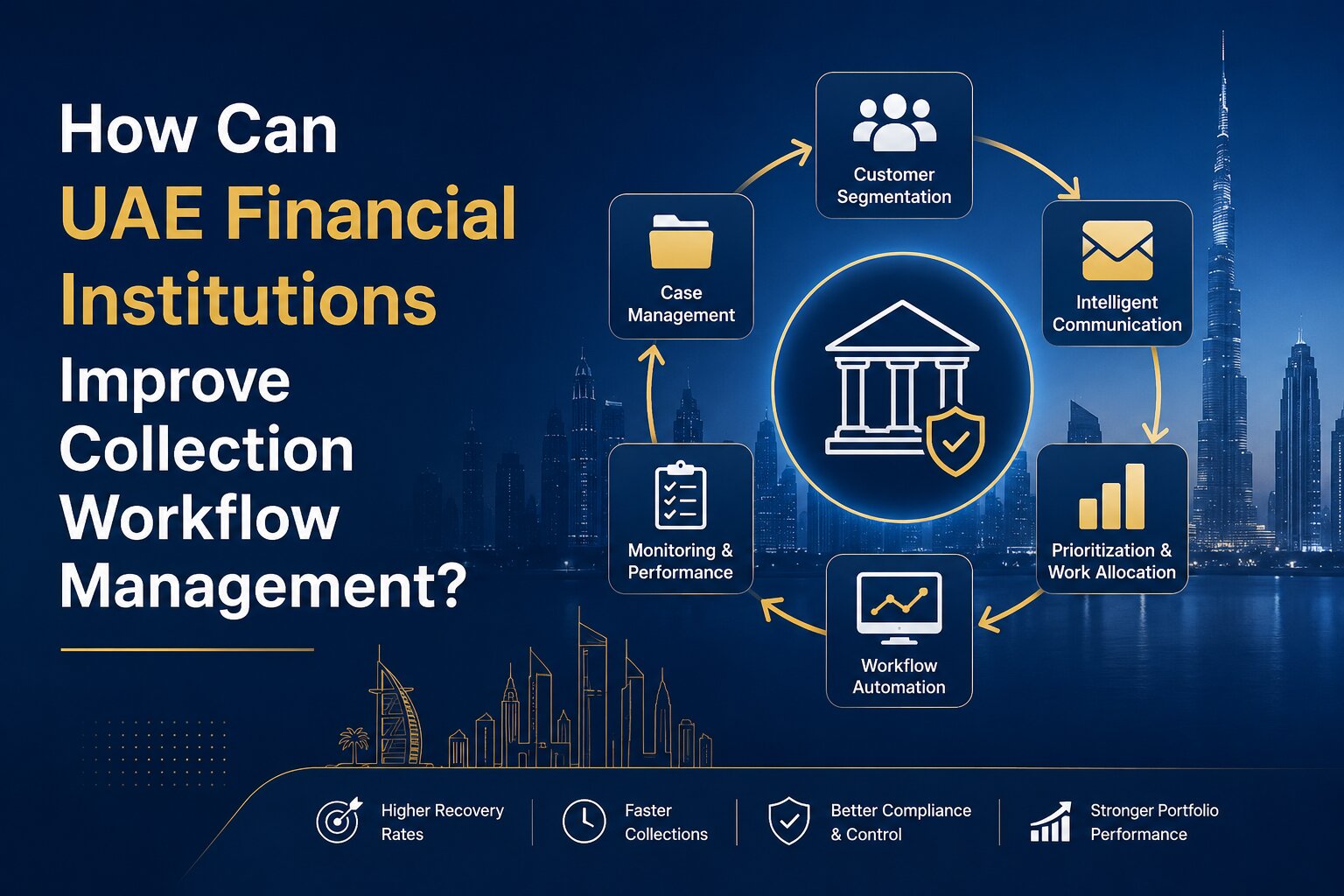
A centralised collections platform typically includes
- Organised debtor profiles
- Automated invoice tracking
- Communication history logs
- Real-time payment updates
When all relevant data is accessible through a single interface, teams can work more efficiently and respond faster to payment delays. Centralisation also improves collaboration between finance, legal, and operations teams, ensuring everyone has access to accurate information about outstanding accounts.
Step 3: Segment Debtors for Smarter Recovery Strategies
Not all overdue accounts should be treated the same way. Some customers simply forget to pay, while others may require more persistent follow-ups. Segmenting debtors based on their payment behaviour helps businesses apply the right recovery strategy to each case.
Common segmentation approaches include:
- Reliable clients who occasionally need reminders
- Moderate-risk accounts with repeated payment delays
- High-risk accounts that may require escalation
By grouping debtors based on risk level or payment history, businesses can prioritise collection efforts more effectively. For example, a simple reminder may be sufficient for long-term clients who normally pay on time. In contrast, accounts with a pattern of delayed payments may require earlier intervention.
This targeted approach reduces unnecessary communication while improving the chances of recovering overdue balances.
Step 4: Automate Communication and Follow-Up Processes
Consistent communication is one of the most important factors in successful collections. However, manually sending reminders for every overdue invoice can quickly overwhelm finance teams. Automation solves this challenge by scheduling reminders automatically based on invoice status.
Typical automated communication sequences may include:
- A reminder message shortly after the payment due date
- A follow-up notification several days later
- Additional alerts if payment remains outstanding
- Escalation to a collections specialist when required
These workflows ensure that every overdue account receives timely attention without requiring constant monitoring.
Businesses can also personalise messages based on customer history or invoice details, making communication more effective while maintaining professionalism. Platforms designed for automated collections, such as Smart Debt Collection, allow organisations to implement these workflows while keeping the entire recovery process organised and transparent.
Automation does not replace human judgment. Instead, it supports teams by handling repetitive tasks so they can focus on more complex cases.
Step 5: Track Performance and Continuously Improve Results
Introducing automation is only the beginning. The real value comes from using performance insights to refine the collections strategy over time.
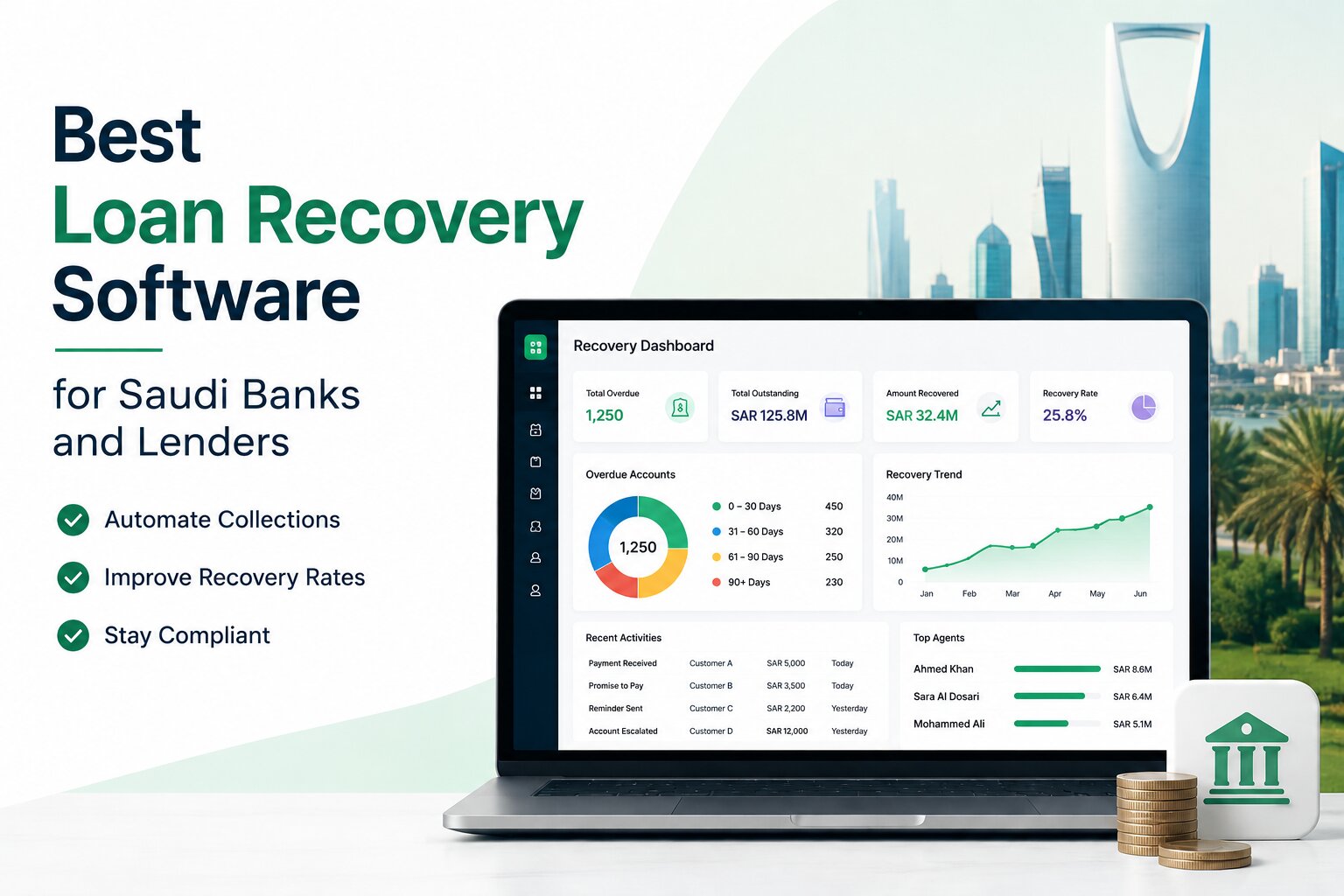
Modern collection systems provide dashboards that track key financial indicators such as:
- Average time required to recover payments
- Success rates of reminder campaigns
- Volume of overdue invoices
- Trends in customer payment behaviour
By monitoring these metrics, businesses can identify areas that need improvement.
For instance, if certain reminder messages consistently receive higher response rates, companies can adjust their communication strategy accordingly. Similarly, identifying patterns in payment delays allows teams to address issues before they escalate.
Data-driven insights enable organisations to improve recovery performance while maintaining stronger relationships with customers.
The Role of Automation in Modern Financial Operations
As business environments become more complex, manual financial processes struggle to keep pace. Automated collection systems provide the structure needed to manage large volumes of transactions efficiently and consistently.
Automated refers to using software to handle reminders, tracking, and follow-ups without manual effort. Instead of relying on scattered records, businesses can use solutions like Smart Debt Collection to create clear, rule-based workflows. These systems automatically send reminders, track payment behaviour, and prioritise accounts that need attention, reducing delays and human error.
Why Automation Matters in Financial Operations
Automation is not just about saving time—it helps teams work smarter and make better decisions.
Key benefits include the following:
- Faster payment recovery cycles through timely, automated follow-ups
- Reduced administrative workload by removing repetitive tasks
- Greater transparency with real-time tracking and reporting
- Improved customer communication with consistent, personalised reminders
How Smart Debt Collection Improves Results
Modern tools like Smart Debt Collection go beyond basic automation. They use data to guide actions, helping businesses focus on high-impact accounts and optimise recovery strategies.
This means:
- Prioritising overdue accounts based on risk
- Automating multi-channel communication (email, SMS, calls)
- Keeping all collection activities in one organised system
Conclusion
Recovering overdue payments will always remain a critical responsibility for finance teams. However, the tools and methods used to manage collections are evolving quickly. Manual processes that rely heavily on spreadsheets and individual follow-ups can slow down recovery efforts and limit scalability. By adopting structured automation strategies, businesses can streamline communication, gain better visibility into outstanding invoices, and build more reliable financial workflows.
Solutions developed by Beveron Technologies are helping organisations modernise collections through intelligent automation platforms designed for today’s business environment.
By moving from manual tracking to automated systems, companies can recover payments faster, improve operational efficiency, and maintain stronger financial stability as they grow.
Ready to simplify your collections process?
Book a demo today and discover a smarter way to manage overdue payments.
Best debt recovery software for financial teams in the UAE
Best AI-powered debt collection software for businesses in the UAE
Best debt recovery software for the accounts receivable team in the UAE
If you need a free demo of the best debt recovery software for financial teams in the UAE, please fill out the form below