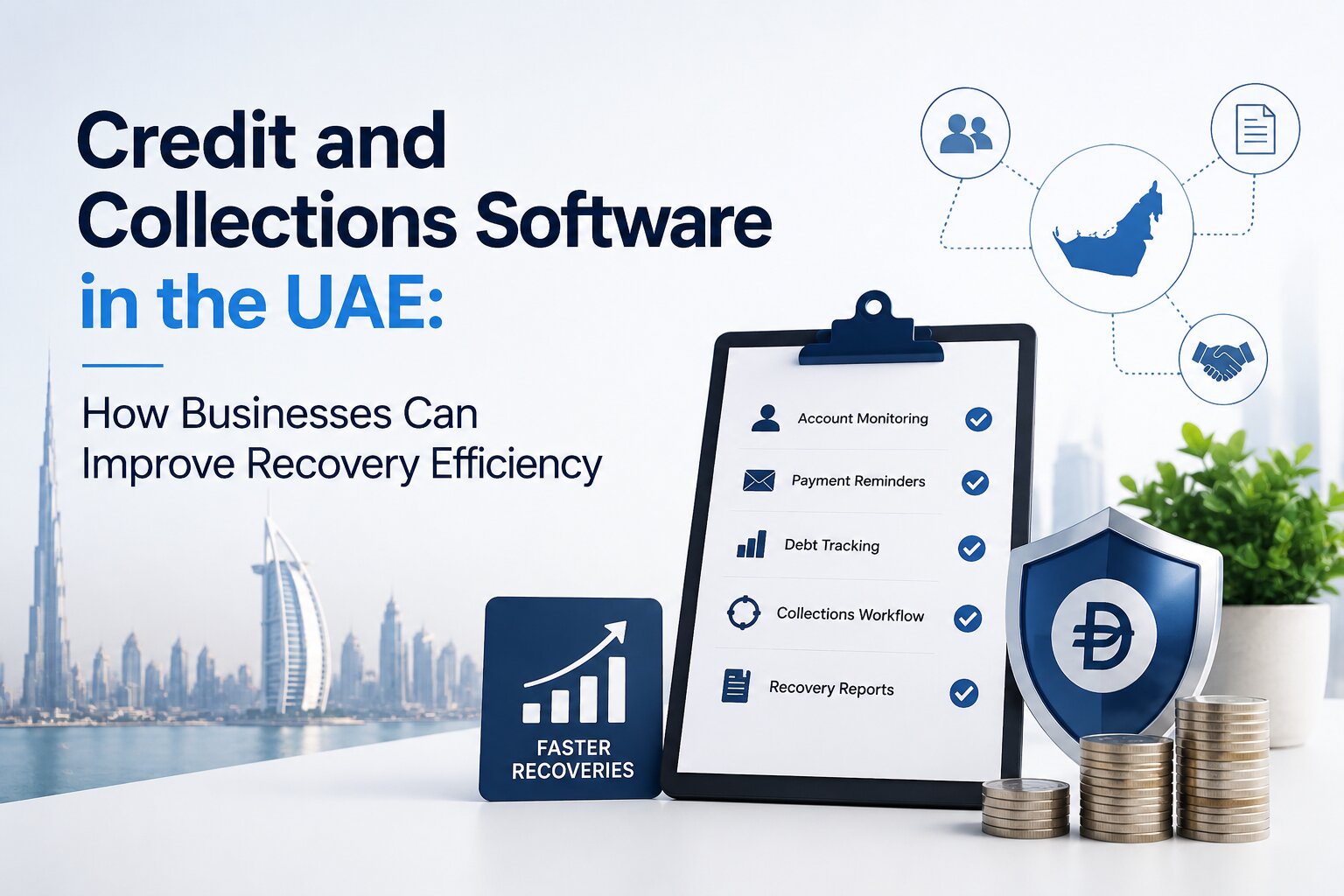
Top Features That Make Debt Collection Easier in Nigeria

For many organizations in Nigeria, recovering outstanding payments has become more difficult than ever. Banks deal with rising loan defaults, telecom companies face unpaid bills, schools struggle with overdue tuition fees, and hospitality businesses often handle delayed payments from corporate clients. Traditional debt collection methods—manual tracking, spreadsheets, phone calls, and scattered communication—make the process slow and inefficient. Teams spend hours chasing payments, updating records, and sending reminders, yet recovery rates often remain low.
Without a structured system, missed follow-ups, compliance risks, and poor customer communication can quickly turn debt recovery into a major operational challenge. To solve these problems, organizations are increasingly adopting technology-driven debt collection systems that automate recovery processes and improve efficiency.
Why Debt Collection Is Challenging for Nigerian Organizations
Debt recovery is not just about collecting payments—it involves tracking accounts, communicating with customers, maintaining compliance, and documenting every interaction. Many institutions in Nigeria face several common obstacles.
Manual Tracking of Debtors
Organizations often rely on spreadsheets or disconnected systems to track outstanding payments. This makes it difficult to maintain accurate records or prioritize high-risk accounts.
Inefficient Follow-Ups
Without automated reminders or structured workflows, follow-ups depend heavily on manual effort. This can result in delayed communication and missed opportunities for early recovery.
Lack of Visibility
Management teams often lack real-time insights into recovery performance, outstanding balances, and collection progress.
Compliance and Documentation Risks
Debt collection requires proper documentation and compliance with regulatory guidelines. Manual processes increase the risk of missing records or inconsistent communication. These challenges highlight the need for modern debt collection platforms designed to streamline the entire recovery process.
Introducing Smart Debt Collection
Smart Debt Collection is a modern approach to managing and recovering outstanding payments using automation, data insights, and digital tools. It helps businesses track debts, communicate with customers efficiently, and improve recovery rates while reducing manual work.
The platform centralizes debtor information, automates communication, tracks recovery progress, and provides detailed insights—allowing teams to focus on improving recovery outcomes rather than managing spreadsheets and manual processes.
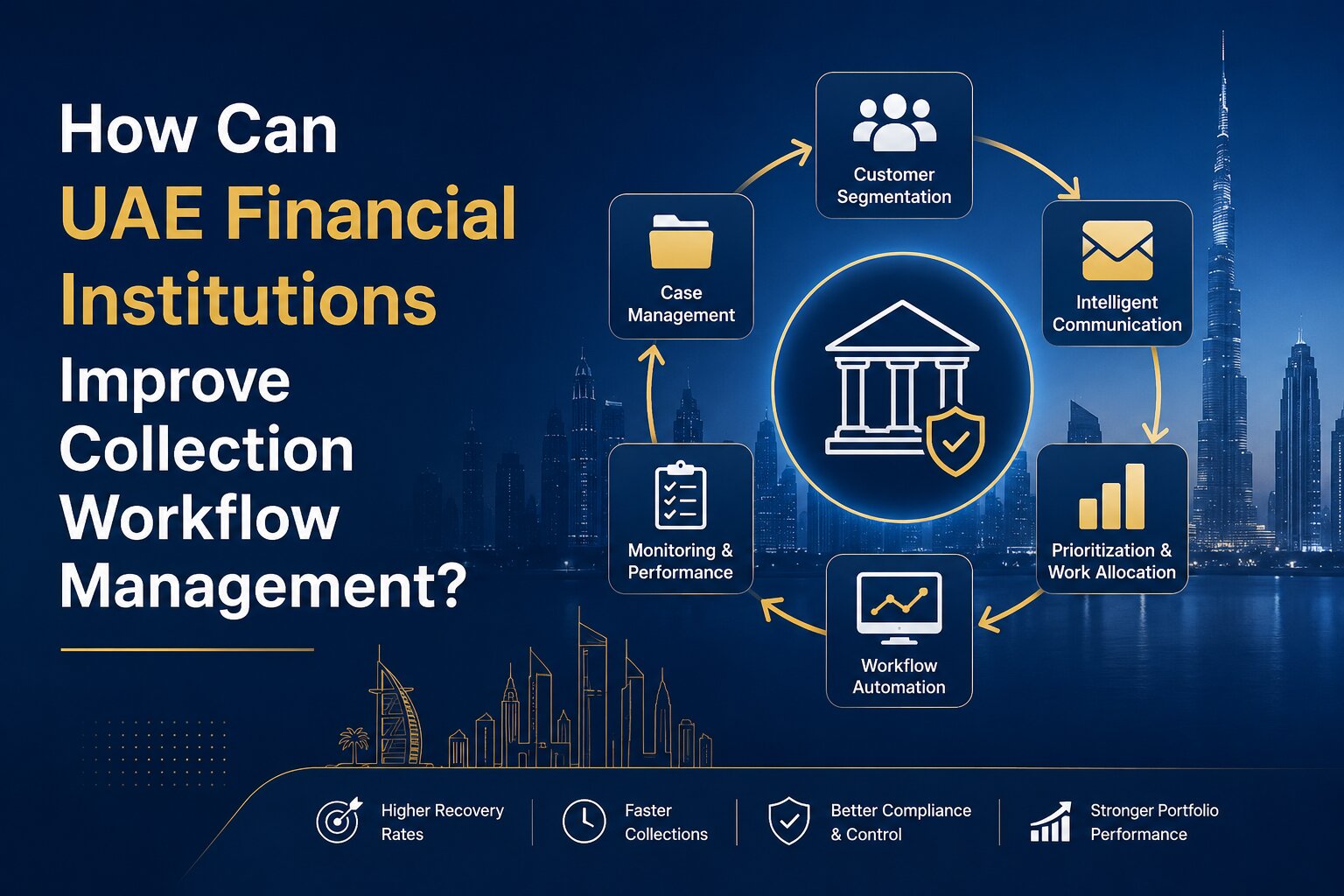
Top Features That Make Debt Collection Easier
Centralized Debtor Management
One of the biggest challenges in debt recovery is managing debtor information across multiple systems. A centralized dashboard allows teams to store and manage all debtor records in one place. Organizations can track outstanding balances, payment histories, communication logs, and recovery actions from a single platform.
This improves organization and reduces the risk of missing critical information.
Automated Payment Reminders
Manual reminders often lead to delays and inconsistent communication with customers. Automated reminder systems allow organizations to send scheduled notifications through email, SMS, or other communication channels. These reminders encourage timely payments and reduce the workload on collection teams.
Smart Case and Account Tracking
Every debt recovery case requires continuous monitoring. Advanced tracking features allow teams to monitor each account's status, assign tasks to team members, and ensure follow-ups occur on time. This structured approach improves accountability and keeps the recovery process organized.
Workflow Automation
Debt recovery involves several repetitive tasks, such as sending notices, assigning cases, and updating records. Automation helps streamline these processes by creating predefined workflows. Once configured, the system can automatically trigger actions based on debtor activity or payment status.
This reduces administrative work and helps teams manage larger volumes of accounts.
Document and Communication Management
Maintaining proper records of communication and documentation is essential for legal and compliance purposes. Integrated document management tools allow organizations to securely store agreements, payment records, notices, and legal documents while keeping communication history organized and easily accessible.
Data-Driven Reporting and Insights
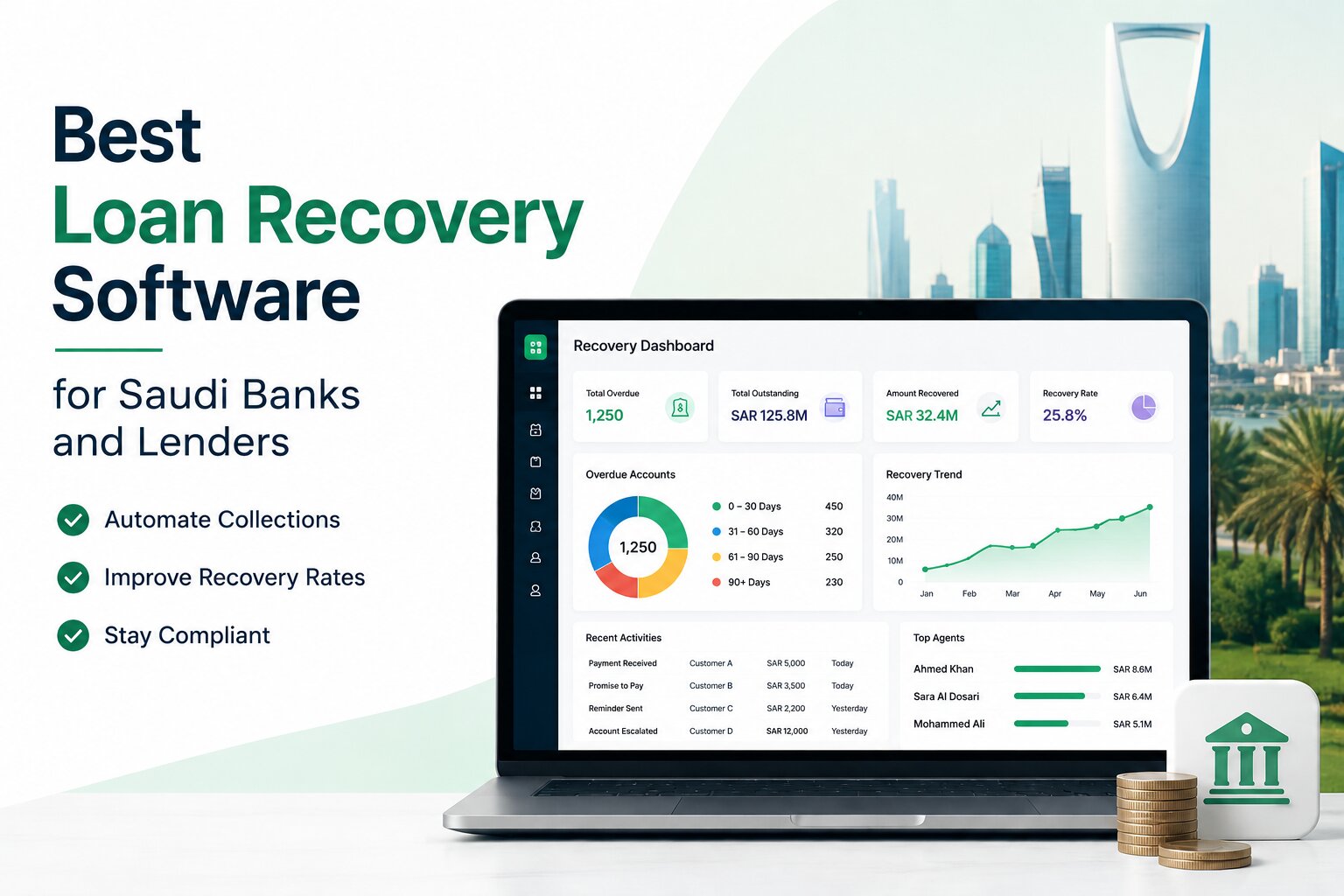
Organizations need clear insights into recovery performance. Built-in reporting dashboards provide real-time visibility into outstanding debts, collection progress, recovery rates, and team performance. These insights help management identify trends and optimize collection strategies.
Benefits for Different Industries in Nigeria
Debt collection challenges vary across industries, but the right technology can support multiple sectors effectively.
Banking and Financial Institutions
Banks and financial institutions handle large volumes of loan accounts and credit facilities. Automated recovery tools help track loan defaults, prioritize high-risk accounts, and improve recovery rates while maintaining structured documentation.
Hospitality Businesses
Hotels and hospitality companies often deal with delayed corporate payments and unpaid invoices. A structured recovery system helps track outstanding payments, automate reminders, and maintain better financial control.
Educational Institutions
Schools and universities frequently face delays in tuition payments. Automated reminders and centralized account tracking help administrative teams manage outstanding fees efficiently while maintaining clear communication with parents and students.
Corporate and Service-Based Businesses
Companies that offer credit-based services often struggle with overdue invoices. Automated workflows ensure timely follow-ups and help finance teams manage receivables more effectively.
Why Automation Is the Future of Debt Collection
Debt recovery is evolving as organizations move away from manual processes and adopt digital solutions. Traditional methods such as spreadsheets, manual reminders, and disconnected systems are no longer efficient for managing large volumes of accounts. Automation improves operational efficiency while also enhancing customer communication and compliance. With structured workflows, centralized data, and real-time reporting, organizations can recover debts faster while maintaining professional and transparent relationships with customers.
Technology providers like Beveron Technologies help organizations modernize their recovery processes with intelligent, automated debt management solutions that streamline operations and improve recovery outcomes. For businesses in Nigeria, adopting technology-driven debt collection systems is becoming essential to stay competitive, reduce financial risk, and maintain long-term financial stability.
Transform Your Debt Recovery Process
If your organisation still relies on manual tracking and disconnected tools, it may be time to upgrade your debt recovery strategy. With Beveron’s Smart Debt Collection, you can automate reminders, centralise debtor information, track recovery progress, and gain complete visibility into outstanding accounts—all within a single, streamlined platform designed to improve efficiency and recovery outcomes.
Discover how Smart Debt Collection can simplify your recovery process, improve collection efficiency, and help your organization recover outstanding payments faster.
Request a demo today and see how a smarter debt collection system can transform the way your team manages debt recovery.
Best debt collection management system in Nigeria
Best automated debt collection software for corporates in Nigeria
Best debt recovery solutions for banks in Nigeria
If you need a free demo on the best automated debt collection software for corporates in Nigeria, please fill the form below.