Debt Automation ROI: Proven Data Showing 3x Faster Payments

Introduction
For many legal and finance teams, debt recovery remains one of the most resource-intensive processes in operations. Teams spend countless hours tracking overdue accounts, sending reminders, coordinating with legal departments, and managing collections manually. The result is often slow payments, growing Days Sales Outstanding (DSO), and increasing operational costs.
But what if payments could be recovered three times faster?
Modern debt automation platforms are transforming the way organisations manage accounts receivable and collections. By combining automation, analytics, and workflow orchestration, these systems help teams streamline follow-ups, prioritise high-risk accounts, and reduce delays in the recovery process.
The results are measurable. Organisations implementing debt automation are reporting 30–300% ROI, significantly reduced DSO, and major productivity gains across collections teams.
This article explores the real ROI of debt automation, supported by case data from leading organisations, and explains how legal and finance teams can use automation to accelerate payments and improve recovery performance.
Quick Answer: What ROI Does Debt Automation Deliver?
Debt automation helps organisations recover payments up to three times faster by automating reminders, prioritising overdue accounts using analytics, and streamlining collection workflows.
Companies implementing automated debt collection systems typically achieve:
- 30–300% return on investment (ROI)
- 10–33 day reductions in Days Sales Outstanding (DSO)
- 3–4x productivity improvements for collections teams
- Higher recovery rates for overdue accounts
By reducing manual work and ensuring consistent follow-ups, automation allows legal and finance teams to improve cash flow while lowering operational costs.
What Is Debt Automation?
Debt automation refers to the use of technology to automate and optimise the accounts receivable and debt recovery lifecycle. Instead of relying on manual spreadsheets, email reminders, and fragmented systems, organisations use specialised platforms to manage collections workflows from a centralised interface.
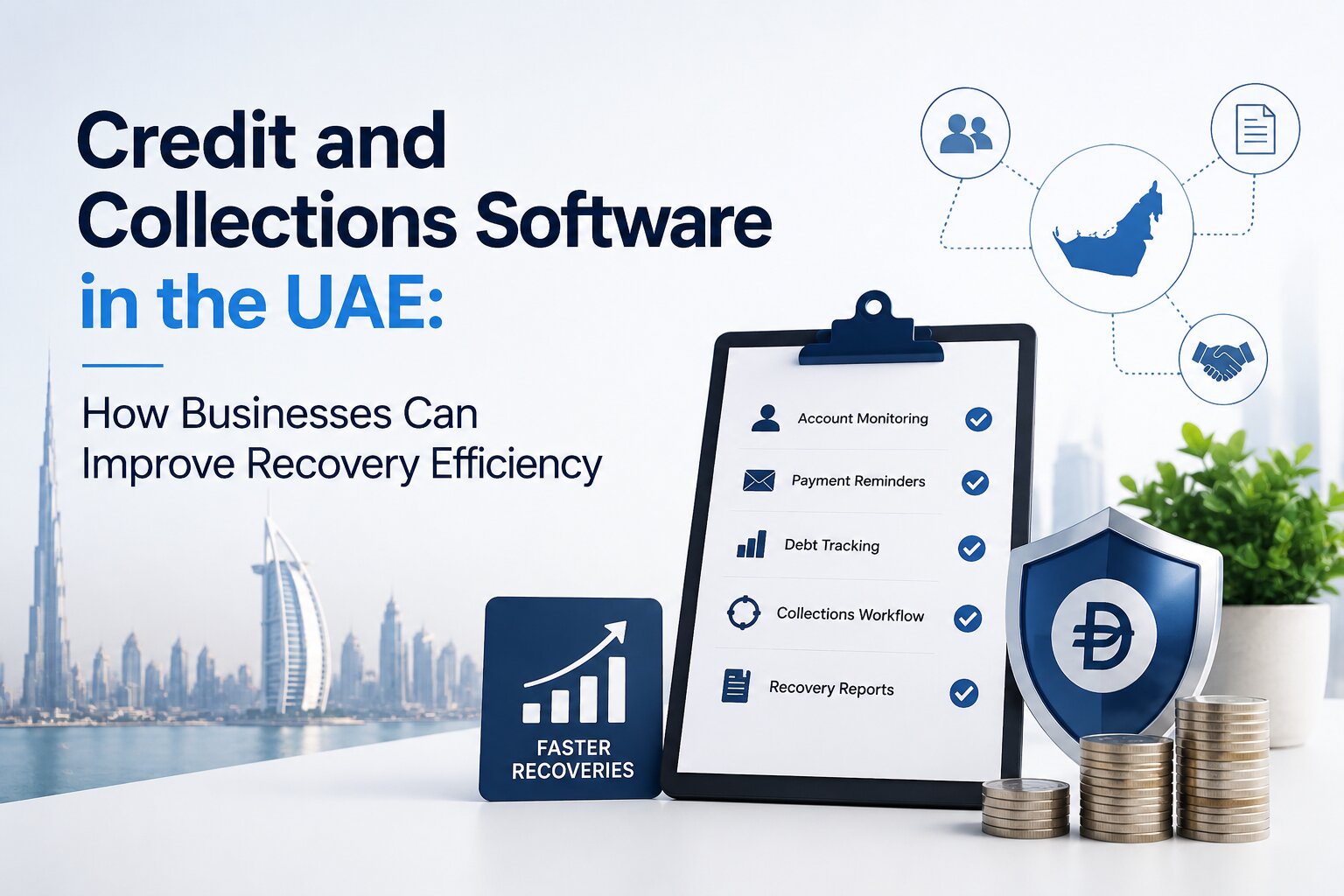
Typical debt automation solutions handle:
- Automated invoicing and payment reminders
- Scheduled follow-up communications
- Risk-based debtor prioritization
- Case and account tracking
- Reporting and analytics for recovery performance
These capabilities allow legal and finance teams to move away from reactive collections and adopt a structured, data-driven recovery strategy.
In many cases, organisations see 70–80% reductions in manual workload, allowing teams to focus on high-value negotiations and dispute resolution rather than administrative tasks.
Proven ROI Metrics
Debt automation isn’t just about convenience—it delivers measurable financial impact.
Organisations implementing automated collections systems consistently report improvements in recovery speed, operational efficiency, and overall cash flow.
Key Stats on Faster Payments
One of the most important metrics in collections is Days Sales Outstanding (DSO)—the average time it takes to receive payment after invoicing.
Automation significantly reduces this number.
Organisations adopting automated debt recovery tools have reported:
- DSO reductions of 10–33 days
- Up to 3x faster payment cycles
- Higher recovery rates for overdue accounts
Shorter payment cycles mean faster cash flow, reduced financial risk, and improved operational stability.
Productivity Gains
Automation also transforms team productivity.
Instead of manually tracking overdue accounts, collectors receive automated task assignments and prioritised account lists based on risk indicators.
As a result, teams often experience:
- 3–4x improvement in collection productivity
- Up to 75% reduction in bad debt write-offs
- Better visibility into recovery performance
The difference between manual and automated processes can be significant.
Metric | Manual Process | Automated | Improvement |
DSO (Days) | 60+ | 20–30 | 2–3x Faster |
Recovery Rate | 70% | 90–100% | +30% |
Team Productivity | 1x | 3–4x | 200–300% |
These numbers explain why automation is becoming a strategic priority for finance and legal operations leaders.
Real-World Results from Debt Automation
The benefits of debt automation become more evident when organisations move from manual processes to structured, technology-driven collections workflows. Across industries, companies that adopt automated debt management systems report measurable improvements in payment speed, operational efficiency, and recovery performance.
Faster Cash Recovery and Improved ROI
Organisations that implement automated collections often experience significant improvements in cash flow. By integrating collections workflows with financial systems, teams gain real-time visibility into overdue accounts and payment trends.
Automation helps ensure that reminders, escalations, and follow-ups happen consistently without relying on manual intervention. As a result, many organisations report strong financial returns from automation initiatives, including:
- Substantial return on investment from improved recovery efficiency
- Faster identification and prioritisation of overdue accounts
- Reduced administrative workload for collections teams
With repetitive tasks handled automatically, teams can focus more on strategic activities such as negotiations, dispute resolution, and high-value account management.
Reduced Bad Debt and Overdue Receivables
Another major advantage of debt automation is the ability to reduce bad debt and improve control over overdue receivables. Automated workflows ensure that accounts are monitored continuously and that follow-up actions are triggered based on predefined rules.
When communication schedules and escalation paths are automated, overdue accounts are less likely to fall through the cracks. Organisations often see outcomes such as:
- Significant reductions in bad debt write-offs
- Lower volumes of long-outstanding receivables
- Improved transparency into collection activities
These improvements help finance and legal teams maintain better control over accounts receivable while strengthening recovery strategies.
Lower DSO and Greater Team Efficiency
Automation also has a direct impact on Days Sales Outstanding (DSO) and team productivity. Instead of manually tracking overdue accounts, collectors can rely on automated alerts, dashboards, and task assignments to manage their workload.
This shift allows teams to handle a higher volume of cases without increasing headcount.
Common improvements reported by organisations adopting automated collections include:
- Noticeable reductions in DSO
- Faster communication with debtors
- Higher collections output per team member
By streamlining repetitive tasks and providing better visibility into the collections pipeline, automation enables teams to maintain lean operations while achieving stronger recovery outcomes.
These results demonstrate how debt automation can transform the collections process—improving payment speed, reducing financial risk, and enabling teams to operate more efficiently in an increasingly digital financial environment.
How Debt Automation Achieves 3x Faster Payments
Several key technological capabilities drive the speed improvements seen in automated collections.
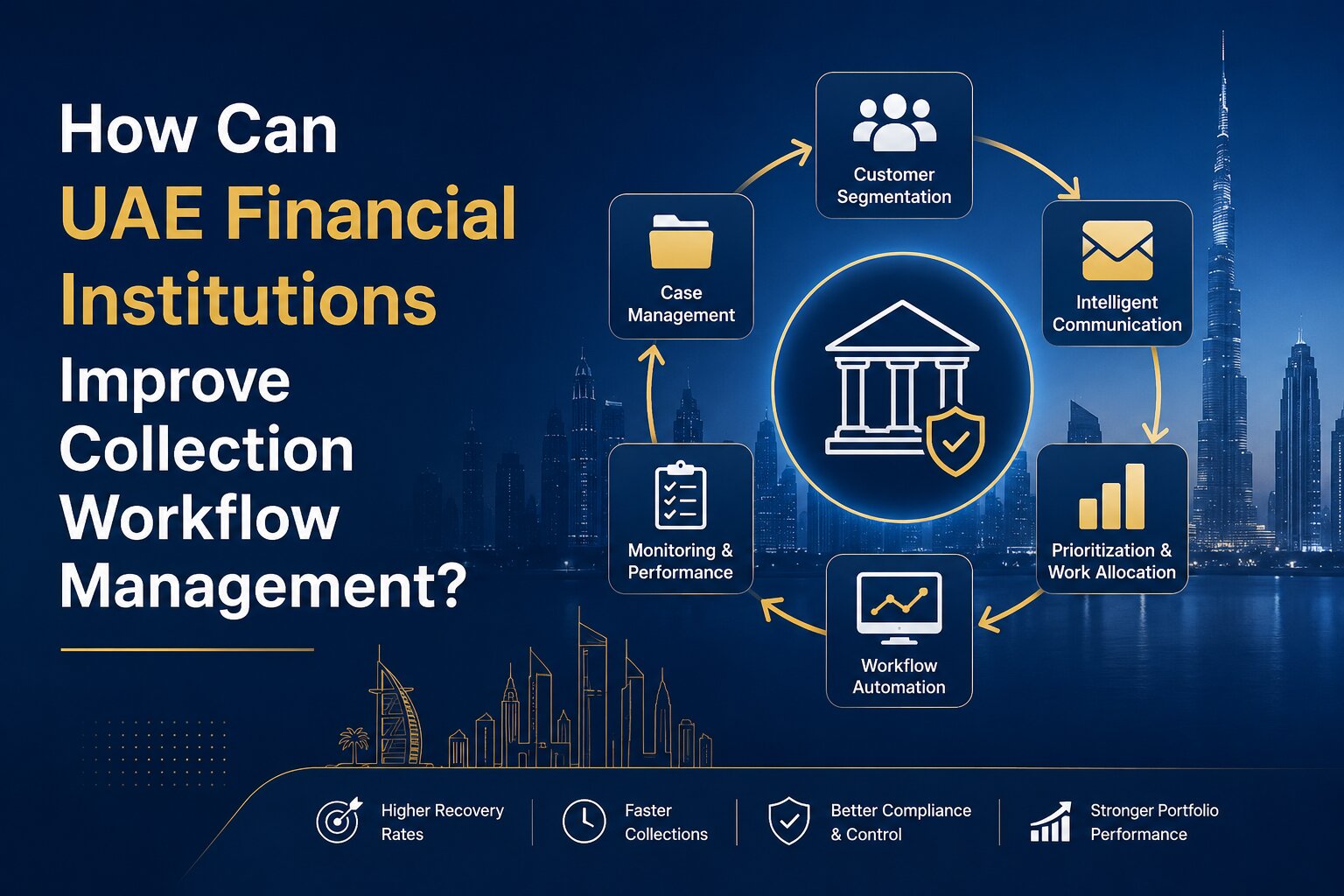
AI-Powered Insights
Modern platforms use predictive analytics to identify accounts most likely to become delinquent. By analysing payment behaviour and historical data, the system can recommend the most effective collection strategy.
This allows teams to prioritise accounts that require immediate attention.
Automated Communication Workflows
Automated reminder sequences ensure that borrowers receive timely follow-ups without manual intervention.
Typical workflows include:
- Early payment reminders
- Escalation notifications for overdue invoices
- Structured communication schedules
- Automated task assignments for collectors
These processes reduce delays and ensure consistent engagement with debtors.
Centralised Case Management
Automation platforms consolidate all debtor information, communication records, and case status updates into a single system.
This centralised approach eliminates data fragmentation and allows teams to respond quickly to changing case conditions.
Regional Insights for Legal Operations
Debt automation is also gaining traction across emerging markets where financial institutions and legal teams handle large volumes of overdue accounts.
In regions such as the UAE, Nigeria, and Morocco, organisations adopting digital recovery tools are reporting significantly faster recovery cycles.
Several factors are driving this trend:
- Increasing regulatory oversight in financial services
- Growth of digital banking and lending platforms
- Higher demand for transparent and auditable recovery processes
Automation enables legal teams to maintain detailed documentation of collection activities while ensuring compliance with local regulations.
Challenges and Solutions
Despite the clear benefits, some organisations hesitate to adopt automation due to concerns about implementation complexity or staff resistance.
However, these challenges are often easier to overcome than expected.
Common concerns include:
- Resistance to changing established workflows
- Integration with existing financial systems
- Concerns about automation replacing human judgment
In practice, many organisations start with pilot programs, allowing teams to test automation with a limited set of accounts. This approach helps demonstrate quick wins and build internal confidence.
Modern SaaS platforms also offer flexible integration capabilities, enabling organisations to connect automation tools with ERP and CRM systems with minimal disruption.
How Modern Platforms Support Automated Debt Recovery
To implement these capabilities effectively, organisations often rely on specialised debt recovery platforms designed to streamline collections workflows and improve operational visibility.
At Beveron Technologies, we built Smart Debt Collection to help organisations automate collection processes while keeping workflows structured for legal and financial teams.
Key capabilities include:
- Automated payment reminders and follow-up workflows
- Centralized debtor and case management
- Intelligent prioritization of overdue accounts
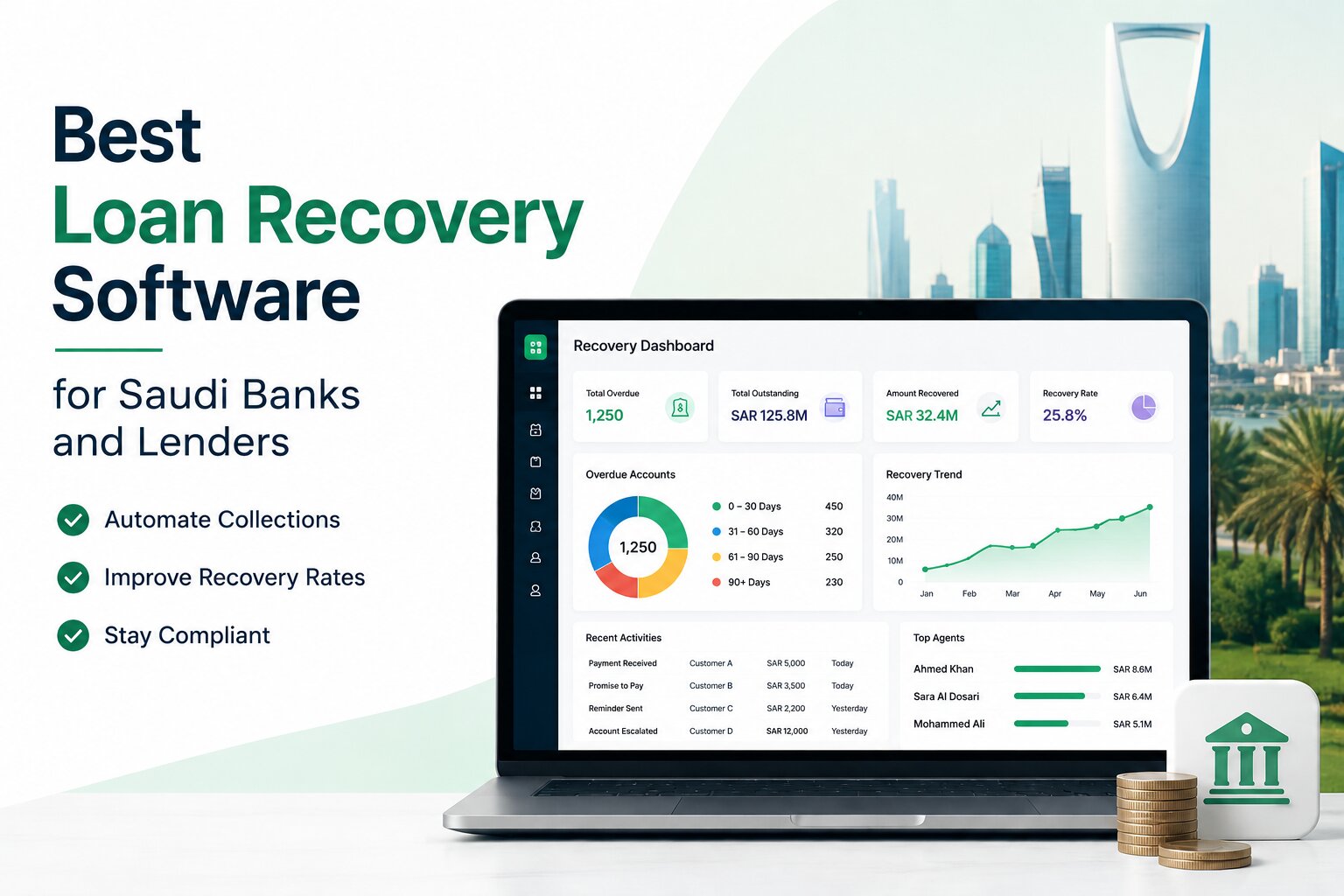
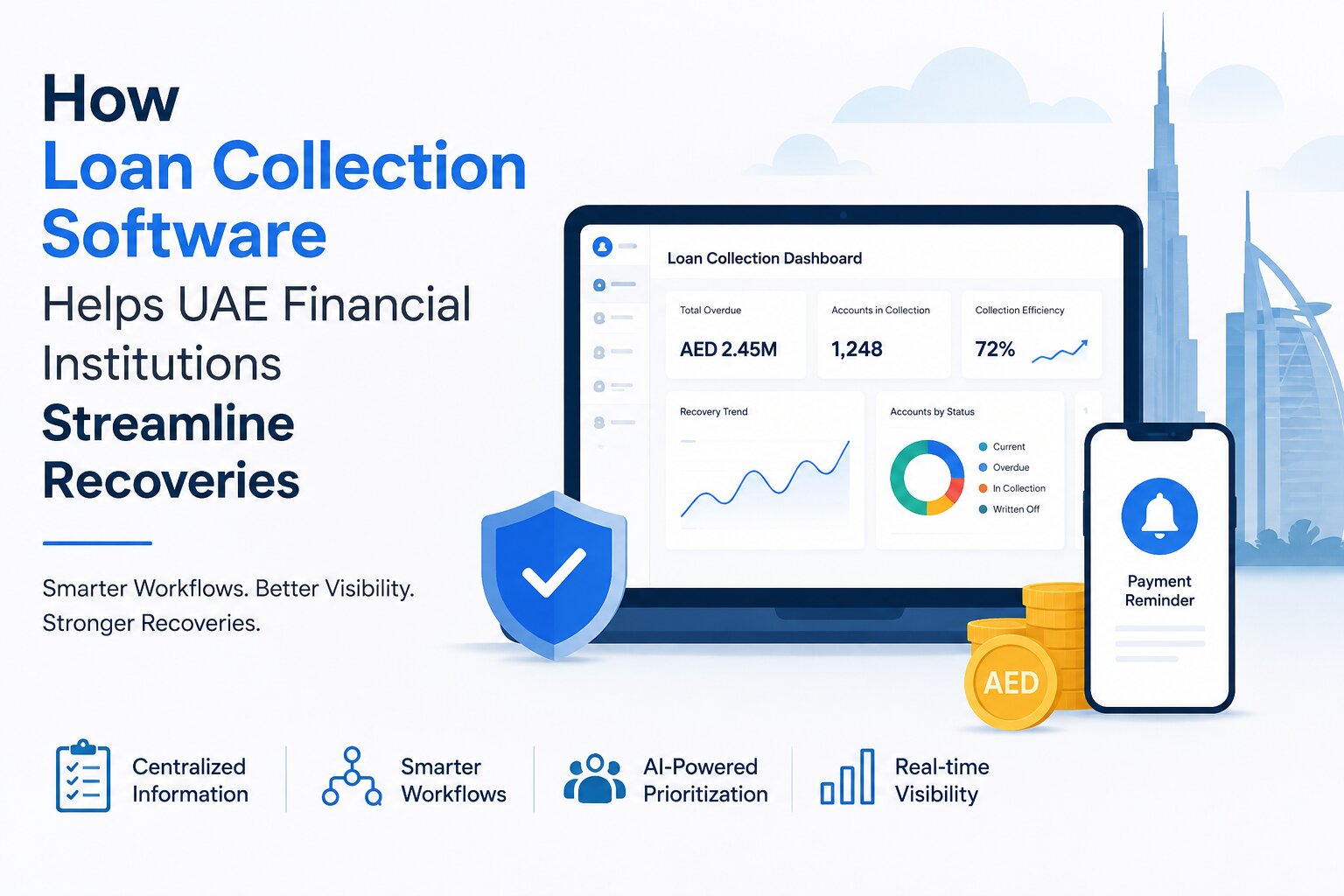
- Real-time dashboards and recovery performance tracking
- Seamless collaboration between finance and legal teams
These capabilities allow organisations to manage large volumes of cases more efficiently while maintaining transparency and compliance.
Conclusion
Debt recovery has traditionally been one of the most labour-intensive processes for finance and legal teams. Manual follow-ups, fragmented data, and delayed escalations often slow down payment cycles and increase operational costs.
Debt automation changes this dynamic.
By integrating analytics, automated communication workflows, and centralised case management, organisations can dramatically improve collections performance.
The results are clear:
- Up to 3x faster payments
- Significant reductions in Days Sales Outstanding
- 30–300% return on investment
- Major productivity improvements for recovery teams
For organisations looking to modernise recovery operations, we offer Smart Debt Collection at Beveron Technologies as a structured and scalable way to automate the entire debt recovery lifecycle.
Automation allows teams to move beyond manual tracking and focus on strategic recovery efforts that improve financial outcomes.
Accelerate debt recovery and reduce overdue accounts.
Discover how Smart Debt Collection helps you automate follow-ups, improve visibility, and recover payments faster.
Start improving your collections today.
Frequently Asked Questions
What is the average ROI of debt automation?
Organizations implementing automated debt recovery tools typically report 30–300% return on investment. The ROI comes from faster payment cycles, reduced administrative costs, and improved recovery rates.
How does debt automation speed up payments?
Debt automation speeds up payments by automating follow-ups, prioritizing high-risk accounts using predictive analytics, and ensuring consistent communication with debtors. These processes significantly reduce delays in the collection lifecycle.
Are there real examples of debt automation success?
Yes. Several organizations have reported measurable results. For example, Creditsafe achieved 234% ROI, Veeva Systems reduced bad debt by 75%, and Couchbase reduced DSO by 10 days after implementing automated collections workflows.
What are the key features of debt automation software?
Typical features include automated reminders, centralized case management, predictive analytics, workflow automation, reporting dashboards, and integration with financial systems.
Why is debt automation important for legal and finance teams?
Automation reduces manual work, improves transparency in collection activities, and helps organisations recover debts faster while maintaining compliance and accurate documentation.
Best automated debt collection software for financial teams in the UAE
Best debt recovery automation software for SME in the UAE
Best collections automation platform in the UAE
If you need a free demo of the best automated debt collection software for financial teams in the UAE, please fill out the form below.