Debt Collection Data Dive: How Automation Recovers 22% More in 90 Days

The Growing Challenge of Debt Collection
Across industries, organizations depend on steady cash flow to operate smoothly. Yet many businesses continue to struggle with delayed payments, unpaid invoices, and rising receivables. Finance teams often spend significant time manually following up with customers through emails, calls, and reminders.
Traditional collection processes are usually fragmented. Data may be spread across spreadsheets, accounting tools, and email threads. Collectors must manually track payment status, schedule reminders, and ensure compliance with regulatory requirements.
As businesses grow, these manual processes become harder to manage. Collection teams face increasing workloads, while delayed responses from debtors slow recovery cycles. In many cases, accounts remain unresolved simply because the right follow-up did not happen at the right time.
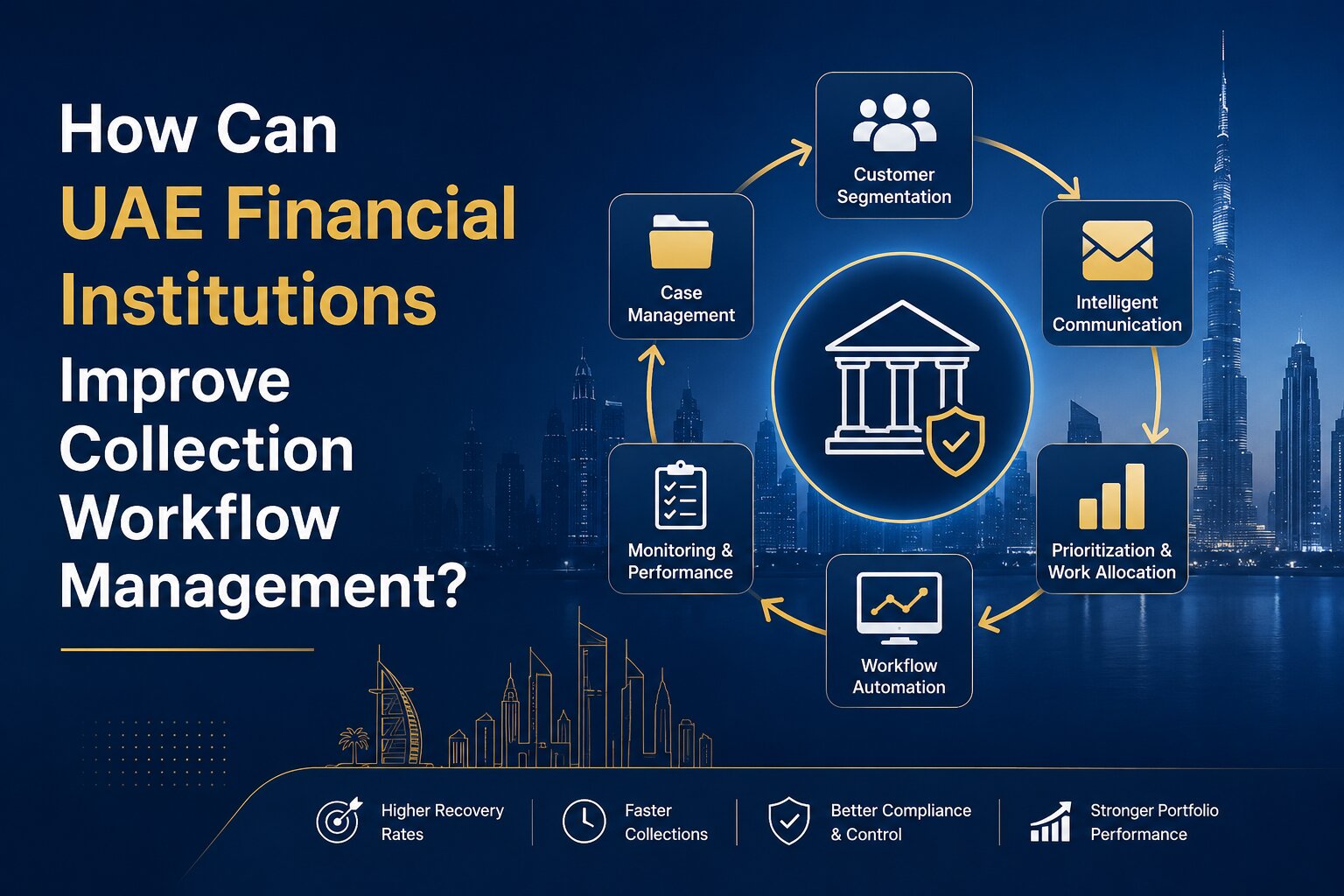
This is where automation is transforming the modern collections landscape. By digitizing repetitive tasks and improving communication strategies, automated collection systems help organizations recover payments faster while reducing operational strain.
The Rise of Automation in Debt Collection
Automation is rapidly becoming a critical capability for finance and collections teams. Instead of relying on manual outreach alone, automated systems manage communication workflows, schedule follow-ups, and track debtor responses across multiple channels. These platforms use technologies such as predictive dialing, automated reminders, payment portals, and AI-driven analytics to improve recovery performance.
Research and industry reports consistently show that automation can significantly improve collection outcomes. Organizations that adopt automated tools often achieve higher contact rates, faster resolution cycles, and improved operational efficiency.
Automation also helps reduce human error in compliance tracking and reporting, which is particularly important in regulated financial environments.
Core Mechanisms
Automation uses predictive dialing, multi-channel outreach (SMS, email, voice), and AI timing to triple contact rates from 20% to 40-50%, freeing collectors for revenue-generating talks. Self-service payment portals and skip-tracing integration resolve 20-30% of accounts without human intervention, reducing costs by 50-60% per dollar collected. Compliance automation enforces limits like FDCPA's 7 calls/week, minimizing violations.
Why Manual Debt Collection Struggles to Scale
Manual collections depend heavily on individual effort. While experienced collectors can build strong relationships with customers, the process itself often lacks consistency.
For example, collectors may spend hours calling customers who never answer. Important follow-ups may be delayed because teams are managing multiple accounts simultaneously. Without centralized visibility into debtor behavior, collection strategies often rely on guesswork rather than data. Manual systems also make it difficult to maintain consistent communication across channels. Some customers respond better to emails, while others prefer SMS or phone calls. Without automation, managing these communication preferences becomes complicated.
Additionally, compliance requirements add another layer of complexity. Collection teams must track contact frequency, maintain records of communications, and ensure that outreach activities follow regulatory guidelines. Performing these tasks manually increases the risk of errors.
Proven Stats
Metric | Manual | Automated | Gain |
Recovery Rate | 12-18% | 20-30% | +67-125% |
Contact Rate | 18-22% | 40-50% | +120% |
DSO Reduction | Baseline | Up to 22% | 15-33 days |
Right-Party Contacts (First 30 Days) | Baseline | +22% | N/A |
These figures highlight a clear trend. Automated collection systems significantly improve engagement with debtors, leading to faster resolution of outstanding accounts.
Higher contact rates allow collectors to connect with the right individuals earlier in the collection cycle. This early engagement often leads to quicker payment arrangements and reduced delinquency periods. The reduction in Days Sales Outstanding (DSO) also has a direct impact on business liquidity. When companies receive payments faster, they can reinvest cash into operations, growth initiatives, and financial stability.
How Automation Improves Debt Recovery
Intelligent Communication Timing
Automated systems analyze debtor behavior and schedule outreach at optimal times. For example, many systems identify high-response windows such as lunch hours or early evening periods.
This data-driven approach increases the likelihood of reaching customers compared to traditional calling schedules.
Multi-Channel Engagement
Modern collections rely on more than phone calls. Automated platforms combine email, SMS, voice calls, and digital portals to engage debtors through their preferred channels. For instance, a collection workflow might begin with an email reminder, followed by an SMS notification, and later a phone call if no response is received.
This coordinated communication strategy increases engagement while maintaining professional and compliant interactions.
Self-Service Payment Options
Many debtors prefer resolving outstanding balances quickly without speaking to an agent. Self-service payment portals enable customers to review their balances, select payment plans, and complete transactions independently.
These portals often resolve a significant percentage of accounts without requiring manual intervention from collection teams.
Data-Driven Decision Making
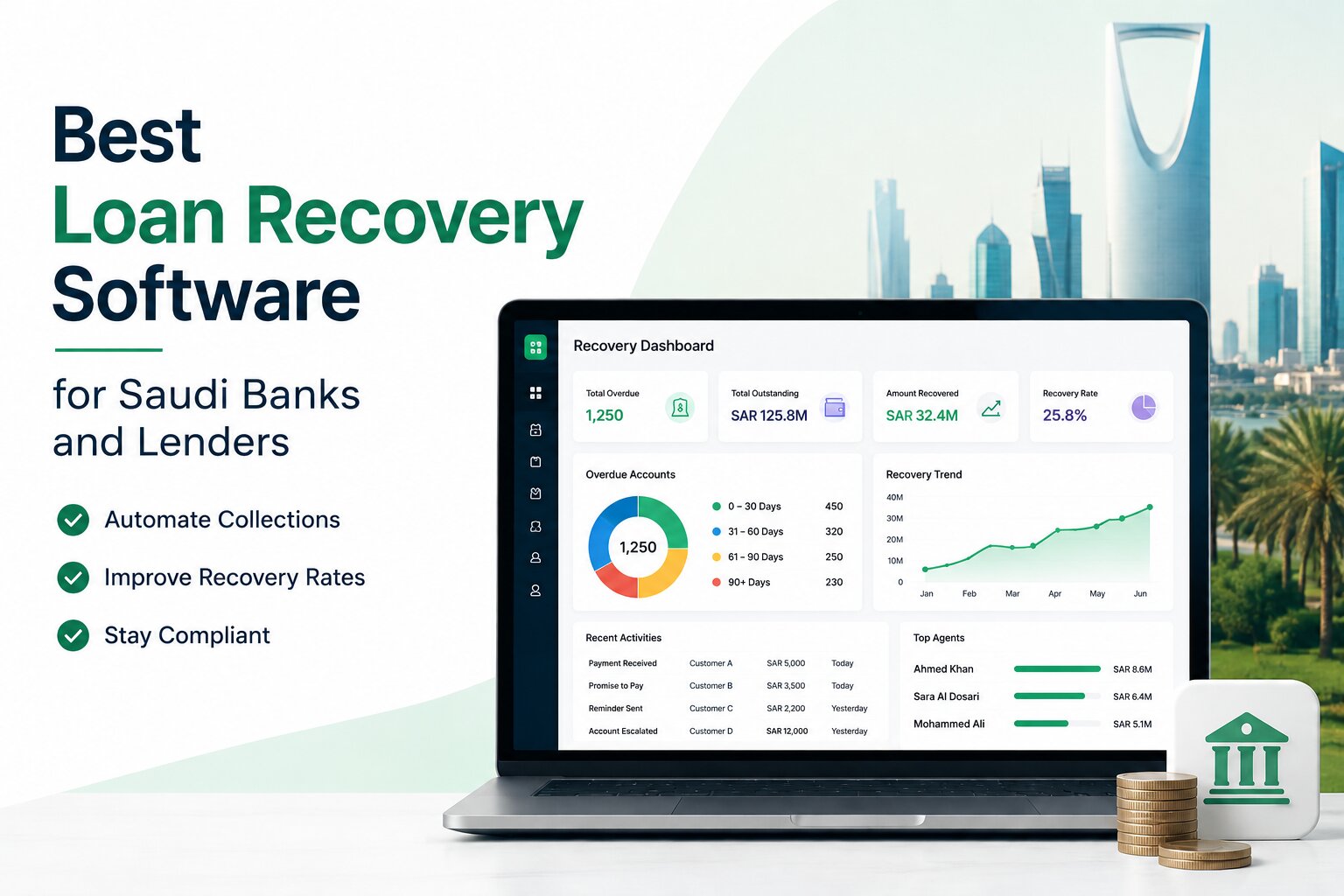
Automated systems generate valuable insights into collection performance. Teams can analyze metrics such as response rates, payment trends, and account resolution timelines. This visibility allows organizations to refine their strategies continuously and prioritize accounts with the highest recovery potential.
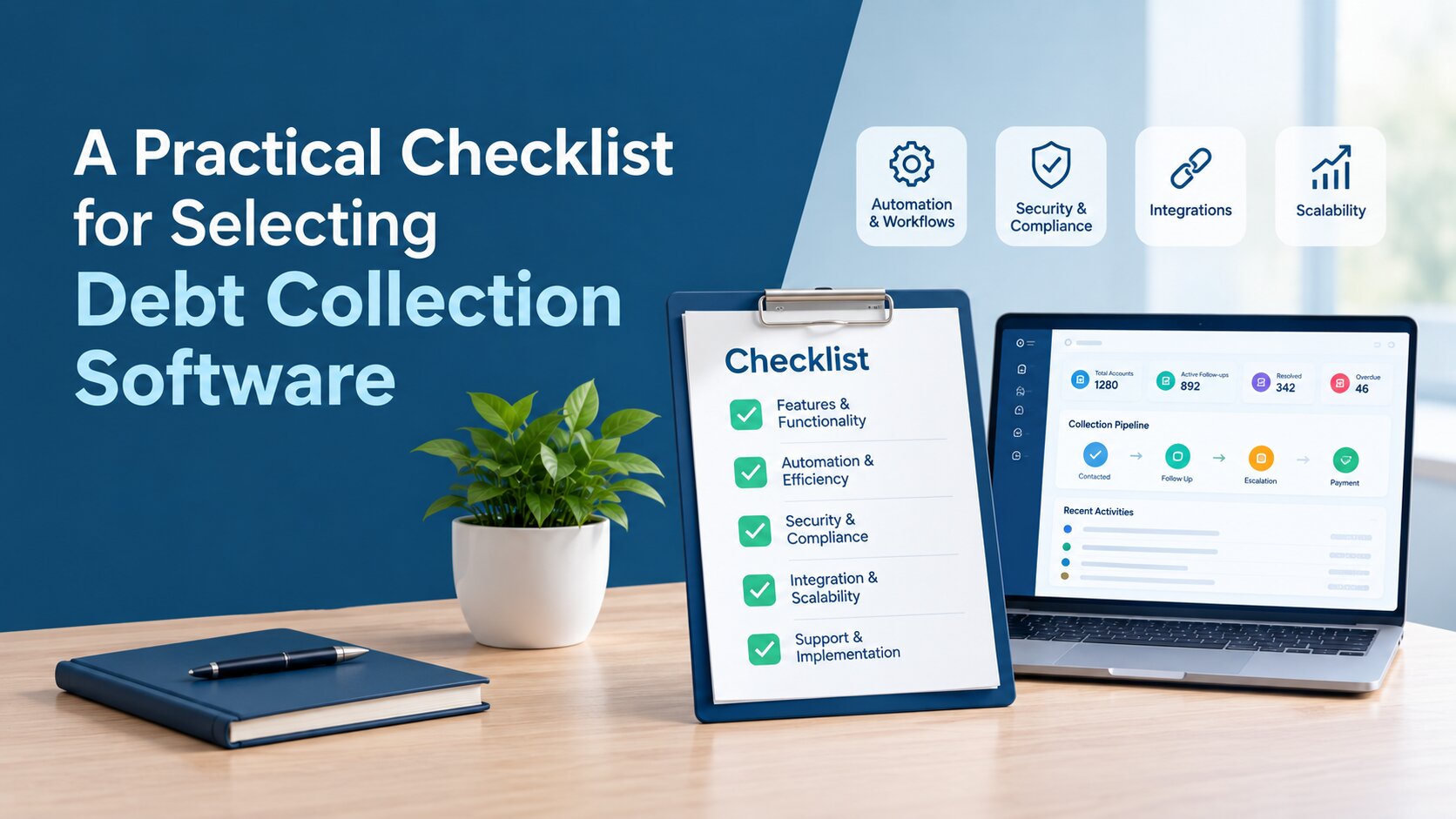
For businesses exploring debt collection automation software, these insights play a critical role in improving long-term financial outcomes.
Real-World ROI from Automated Collections
Automation does more than improve operational efficiency—it can deliver measurable financial returns.
Consider a mid-sized collection agency managing approximately twenty collectors. After implementing automated outreach systems and digital payment workflows, the agency increased its annual recovery performance from $2 million to $3.2 million. The automation platform cost around $8,000 per month, but the improved recovery rates generated a return on investment exceeding 1,000 percent annually.
This example highlights a broader trend seen across industries. When repetitive tasks are automated, collection professionals can focus on higher-value conversations with customers, such as negotiating settlements or structuring payment plans.
Compliance and Risk Management Benefits
Compliance is a critical consideration in debt recovery operations. Regulations governing collection practices vary across jurisdictions, but most require strict documentation and limits on communication frequency. Automated systems help enforce these rules by tracking outreach attempts, maintaining communication records, and preventing excessive contact with debtors.
For example, compliance workflows can automatically ensure that contact limits are respected and that all communications are logged for audit purposes. Organizations using AI debt recovery software often report improved compliance confidence because the system enforces policies consistently.
These capabilities reduce regulatory risk while ensuring that collection activities remain transparent and accountable.
Implementation Tips
Start with a 30–90 day pilot program to measure key performance indicators such as time-to-first-contact and the number of invoices paid within 30 days. During this phase, use a multi-channel outreach strategy to increase engagement—send an email reminder on Day 1, follow up with an SMS around Day 4, and schedule calls during high-response periods like 12–1 pm or 5–7 pm. Integrating AI can further strengthen results by enabling personalized payment plans, intelligent follow-ups, and secure audit trails, helping organizations reduce delinquencies by up to 25% while maintaining better control over the collection process.
Introducing a Smarter Approach to Debt Recovery
As organizations modernize their financial operations, digital solutions are becoming essential for effective collections management.
Platforms such as Smart Debt Collection provide a comprehensive system for managing recovery workflows, automating debtor communications, and improving visibility into receivables performance.
The solution integrates automated outreach, centralized debtor management, payment tracking, and reporting tools within a single platform. By combining automation with intelligent analytics, it enables finance teams to recover outstanding balances faster while maintaining professional debtor engagement.
Organizations looking for scalable debt recovery management software can benefit from such systems by reducing manual workload, improving contact success rates, and strengthening financial control.
The Future of Debt Collection Is Data-Driven
Debt recovery is no longer just about persistent follow-ups. It is increasingly about using data, automation, and technology to create smarter collection strategies. Automated platforms help businesses respond to delinquent accounts earlier, communicate more effectively with customers, and manage recovery processes at scale.
As global financial operations continue to digitize, organizations that adopt automated collections systems will be better positioned to maintain healthy cash flow and reduce financial risk. By embracing automation, businesses can transform debt recovery from a reactive process into a proactive financial strategy—one that improves recovery outcomes, enhances operational efficiency, and supports long-term growth.
Ready to improve your debt recovery results?
Discover how Smart Debt Collection by Beveron Technologies helps organizations automate follow-ups, increase recovery rates, and reduce manual workload.
Start transforming your collections process today with smarter, faster, and more efficient automation.
Best automated debt collection software for banks in the UAE
Best debt collection software for businesses in the UAE
Best accounts receivable automation in the UAE
If you need a free demo of the best automated debt collection software in UAE, please fill out the form below.