AI Debt Collection Strategy: What Financial Institutions Should Do First
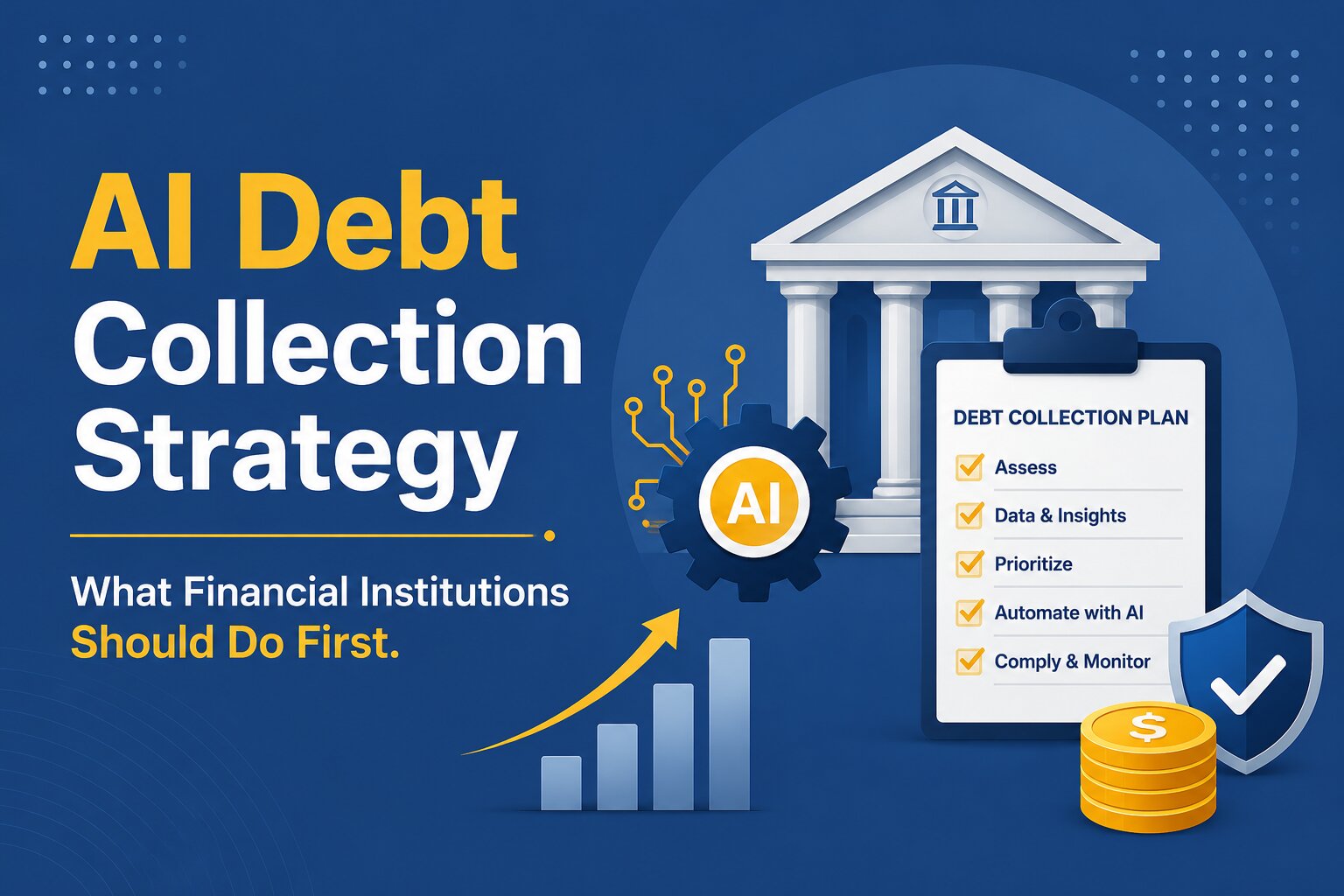
Artificial intelligence (AI) is no longer a concept reserved for innovation labs or future planning. Across the financial sector, it is becoming a practical tool that helps organisations work more efficiently, make better decisions, and deliver improved customer experiences. Debt collection is no exception.
For many financial institutions, however, adopting AI is not simply about introducing new technology. The real challenge is knowing where to begin. Investing in AI without a clear strategy can lead to disconnected systems, inconsistent processes, and disappointing results. Technology works best when it supports a well-defined plan rather than replacing one.
An effective AI debt collection strategy starts by understanding existing challenges, setting clear objectives, and preparing people, processes, and data for transformation. When these foundations are in place, AI can help institutions recover outstanding payments more efficiently while maintaining compliance and strengthening customer relationships.
In this guide, we'll explore the first steps financial institutions should take before implementing AI in their debt collection operations and how a strategic approach can lead to long-term success.
Why Financial Institutions Need an AI Debt Collection Strategy
Debt collection has become increasingly complex over the past few years. Financial institutions are handling growing volumes of accounts while dealing with changing regulations, rising operational costs, and customers who expect faster, more personalised communication.
Traditional collection methods often rely on manual processes, spreadsheets, disconnected software, and repetitive administrative work. These approaches consume valuable time and make it harder for collection teams to focus on accounts that require careful attention.
At the same time, borrowers are interacting with organisations through multiple channels, including email, SMS, phone calls, customer portals, and messaging platforms. Managing these conversations manually is both time-consuming and error-prone.
This is where AI offers significant value. It can analyse large amounts of data, identify collection priorities, predict payment behaviour, automate routine tasks, and support collection agents with timely recommendations. However, these benefits can only be achieved when AI is introduced with a clear purpose and a structured implementation plan.
Rather than viewing AI as a quick fix, financial institutions should see it as part of a broader transformation strategy. A well-planned AI debt collection strategy ensures that technology aligns with business objectives, regulatory requirements, and customer expectations.
What Financial Institutions Should Do First Before Implementing AI
Introducing AI into debt collection should begin with careful preparation. The following steps provide a strong foundation for successful adoption and help organisations maximise the value of their investment.
Assess Your Existing Collection Process
Before implementing any AI solution, it is important to understand how your current collection process works. Take time to review every stage of the collection journey, from account allocation and customer communication to payment tracking and case closure. Identify where delays occur, which activities are heavily manual, and where teams spend most of their time.
For example, are agents manually assigning accounts? Are reminders being sent individually? Is payment information stored across multiple systems? Are managers struggling to generate accurate reports? These kinds of bottlenecks reduce efficiency and make it difficult to scale operations.
Conducting a thorough process review helps organisations identify the areas where AI can deliver the greatest impact, rather than applying automation to processes that may already need improvement.
Centralise and Improve Data Quality
AI depends on reliable, organised, and accurate data. Even the most advanced AI system cannot produce meaningful insights if the information it receives is incomplete or inconsistent. Financial institutions should ensure that key information is stored in one central location. This includes customer profiles, loan details, payment histories, communication records, legal documents, settlement agreements, and collection activities.
Centralised data offers several advantages. Collection teams gain a complete view of every account, managers can make informed decisions based on accurate reporting, and AI systems can analyse customer behaviour more effectively.
It's equally important to maintain good data quality. Duplicate records, outdated information, and missing details can reduce the accuracy of AI-driven recommendations. Regular data reviews and consistent data governance should become part of everyday operations.
Define Clear Collection Objectives
Technology should always support business goals, not define them.
Before introducing AI, financial institutions should decide what success looks like. Without measurable objectives, it becomes difficult to evaluate whether an AI initiative is delivering meaningful results.
Some common goals include:
- Improving recovery rates
- Reducing collection costs
- Shortening collection cycles
- Increasing agent productivity
- Improving customer engagement
- Strengthening regulatory compliance
- Reducing manual administrative work
Having clear objectives also helps organisations prioritise AI initiatives. Rather than trying to automate everything at once, teams can focus on projects that deliver measurable improvements and create momentum for future transformation.
Setting clear objectives is only the first step. Financial institutions also need to measure whether their AI initiatives are delivering real business value. Our article, Debt Collection Data Dive: How Automation Recovers 22% More in 90 Days, explores how automation can improve recovery performance through faster follow-ups, better prioritisation, and data-driven workflows. It also highlights the key metrics organisations should track to evaluate the success of their debt collection strategy.
Identify High-Impact Opportunities for AI
AI can support many parts of the debt collection process, but not every task should be automated immediately. A practical approach is to identify areas where AI can solve existing problems or improve efficiency without disrupting established workflows.
Some of the most valuable applications include predicting which customers are most likely to repay, identifying high-risk accounts that require early intervention, automatically prioritising collection cases based on risk, and recommending the most suitable communication strategy for individual borrowers.
AI can also automate routine administrative tasks, allowing collection professionals to spend more time handling complex cases that require empathy, negotiation, and sound judgement.
By starting with high-impact use cases, organisations can demonstrate measurable improvements while building confidence in AI across the business.
Many financial institutions are still transitioning from manual collection processes to AI-enabled operations. Taking a phased approach helps minimise disruption while delivering measurable improvements at each stage. If you're planning this transition, our guide on Debt Collection Automation Basics: From Manual to AI-Powered in 5 Steps walks through the key stages of modernising collection workflows, from automating repetitive tasks to implementing intelligent, AI-driven recovery processes.
AI-driven debt recovery isn't limited to large banks and financial institutions. Fintech companies, digital lenders, and startups also face the challenge of managing overdue payments while maintaining positive customer relationships. If your organisation serves the startup ecosystem or you're interested in how AI is helping growing businesses recover unpaid invoices more efficiently, our guide on The AI Debt Revolution: How Startups Can Recover Unpaid Invoices Faster with AI explores practical strategies, intelligent automation, and AI-powered workflows that accelerate recovery without increasing operational complexity.
Build Compliance into the Strategy from Day One
Compliance should never become an afterthought when introducing AI into financial services. Debt collection is governed by regulations designed to protect customers, ensure fair treatment, and maintain transparency. Any AI-driven process must support these requirements rather than create additional risks.
Financial institutions should establish clear governance around how customer data is collected, stored, accessed, and processed. AI recommendations should remain transparent, and organisations should be able to explain how important decisions are made whenever required. Maintaining detailed audit trails, secure data management practices, and regular compliance reviews helps reduce operational risk while strengthening customer trust.
Responsible AI is not only about following regulations. It is also about ensuring that technology supports ethical decision-making and enhances the quality of customer interactions.
Prepare Your Teams for AI Adoption
Technology alone does not transform an organisation. People do. One of the biggest misconceptions about AI is that it replaces collection professionals. In reality, AI is most effective when it works alongside experienced teams, helping them make faster and more informed decisions.
Employees should understand how AI supports their daily responsibilities rather than viewing it as a threat. Providing practical training, encouraging collaboration, and explaining the benefits of new tools can make adoption much smoother.
Collection agents bring valuable experience, negotiation skills, and emotional intelligence that AI cannot replace. By handling repetitive tasks and providing useful insights, AI gives professionals more time to focus on conversations that require empathy, judgement, and problem-solving.
Financial institutions that invest in both technology and their people are far more likely to achieve long-term success with AI-driven debt collection strategies.
Common Mistakes Financial Institutions Should Avoid
While AI offers exciting opportunities, many organisations rush into implementation without laying the right groundwork. This often leads to disappointing outcomes and wasted investments. Understanding these common mistakes can help financial institutions build a strategy that delivers lasting value.
Treating AI as a Standalone Solution
AI is a powerful tool, but it cannot fix inefficient processes on its own. If existing workflows are fragmented or poorly designed, introducing AI will only automate those same inefficiencies. A successful strategy starts with improving processes before applying technology.
Ignoring Data Quality
AI relies on accurate, consistent, and up-to-date information. Incomplete customer records, duplicate accounts, or outdated payment histories can reduce the quality of AI-driven insights and recommendations. Maintaining clean, centralised data should always be a priority.
Trying to Automate Everything at Once
It's tempting to launch multiple AI initiatives simultaneously, but this approach often creates unnecessary complexity. Starting with a few high-impact use cases allows organisations to measure results, learn from implementation, and expand gradually with greater confidence.
Overlooking Employee Adoption
Even the most advanced platform will struggle if employees are not comfortable using it. Collection teams should be involved throughout the implementation process, with adequate training and ongoing support to ensure they understand how AI enhances their work rather than replacing it.
Neglecting Compliance
Financial institutions operate in a highly regulated environment. AI solutions should support transparency, data protection, and regulatory compliance from the beginning. Regular reviews and governance practices help reduce risk while building trust with customers and regulators.
What Makes an Effective AI Debt Collection Platform?
Once a financial institution has a clear strategy, the next step is choosing technology that supports its long-term goals. An effective AI debt collection platform should do more than automate repetitive tasks. It should bring together data, workflows, communication, and insights into one connected environment.
Some of the most valuable capabilities include:
- Intelligent workflow automation that reduces manual effort.
- AI-assisted case prioritisation based on payment behaviour and risk.
- Centralised case management for complete account visibility.
- Omnichannel communication across email, SMS, phone calls, and customer portals.
- Real-time dashboards that help managers monitor performance.
- Built-in reporting and analytics for data-driven decision-making.
- Compliance-focused processes with detailed audit trails.
- Flexible integration with existing banking and financial systems.
- Scalable architecture that supports business growth.
When these capabilities work together, collection teams can make faster decisions, improve productivity, and deliver a more consistent customer experience.
As more financial institutions modernise their collection operations, cloud-based platforms are becoming the preferred choice for their flexibility, scalability, and easier integration with existing systems. If you're exploring whether a cloud deployment model is right for your organisation, our guide on Cloud-Based Debt Collection Software in 2026: Complete Guide for Modern Debt Recovery explains the key benefits, essential features, and factors to consider before making the transition.
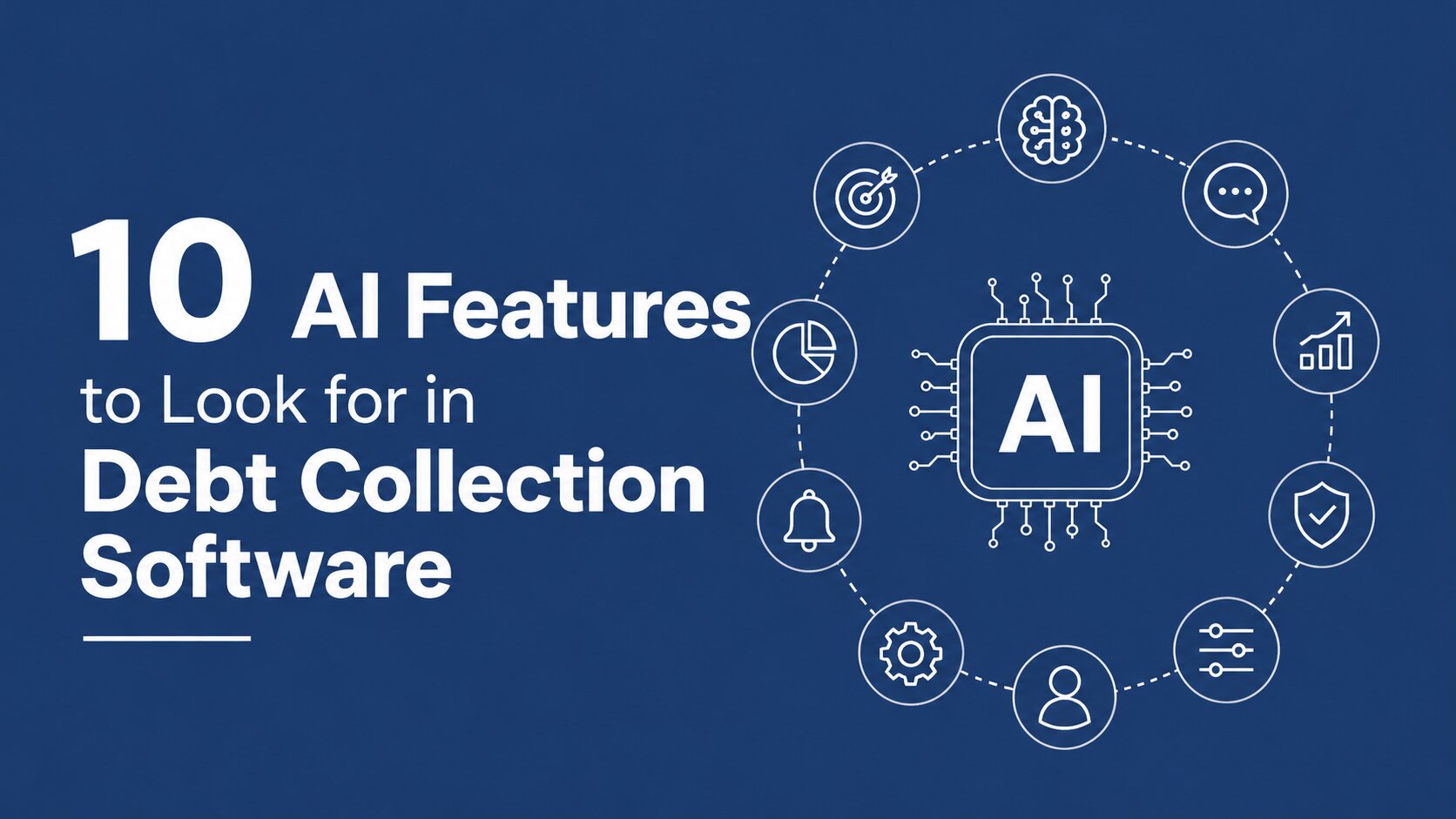
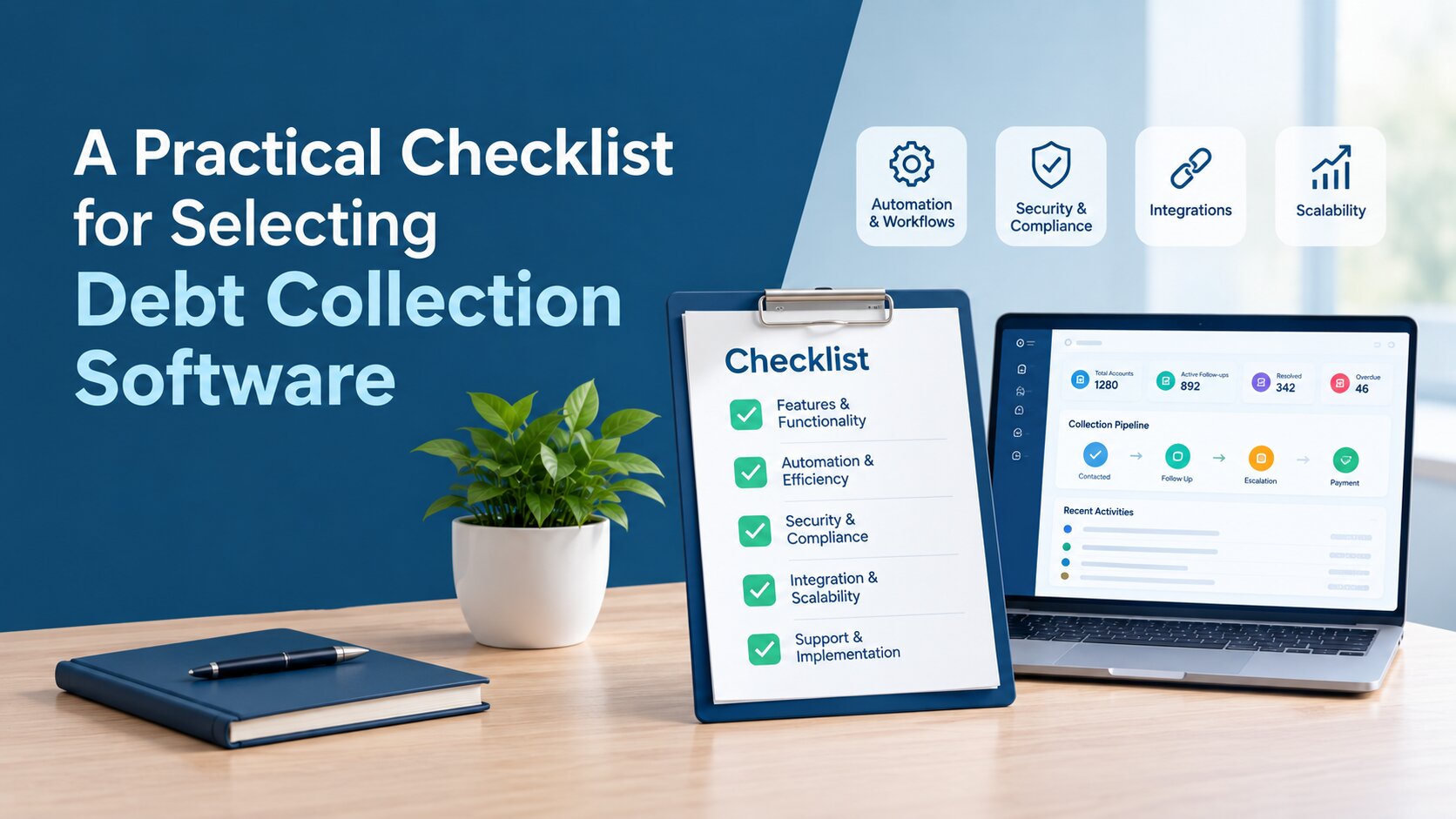
Choosing the right platform is just as important as building the right strategy. If you're comparing solutions, evaluating features, or planning your shortlist, our guide on How to Choose the Best AI-Based Debt Collection Software explains the essential factors to consider before making a decision. It covers everything from AI capabilities and workflow automation to compliance, integrations, scalability, and reporting, helping financial institutions select a solution that supports long-term growth.
How Beveron Smart Debt Collection Supports an AI-Ready Strategy
Building an AI-ready debt collection strategy is only one part of the journey. Turning that strategy into everyday operations requires a platform that brings together technology, automation, and industry expertise.
This is where Beveron Smart Debt Collection (SDC) fits naturally.
For years, Beveron has been helping financial institutions modernise their debt collection operations through intelligent digital solutions. Rather than simply automating individual tasks, Beveron has focused on creating connected collection workflows that improve efficiency, visibility, and collaboration across the entire recovery process.
Its experience in the debt collection domain has enabled the platform to address many of the challenges financial institutions face every day, including fragmented data, manual case handling, inconsistent follow-ups, compliance requirements, and limited operational visibility.
Beveron Smart Debt Collection is designed to support organisations throughout their digital transformation journey by providing features such as:
- AI-powered workflow automation that reduces repetitive manual work.
- Centralised case management with complete visibility across collection activities.
- Intelligent account allocation and prioritisation to help teams focus on high-value cases.
- Real-time dashboards and reporting that enable informed decision-making.
- Configurable workflows that adapt to different business processes.
- Compliance-focused case tracking with secure audit trails.
- Integration capabilities that connect with existing enterprise systems.
What sets Beveron apart is its approach to enabling smarter collection operations rather than simply introducing automation. The platform is designed to help financial institutions build structured, scalable, and data-driven collection processes that align with their business objectives.
The strategic steps discussed earlier—improving processes, centralising data, defining goals, strengthening compliance, and preparing teams—become much easier to implement when supported by a platform built specifically for modern debt collection management. Instead of working with disconnected systems, organisations gain a unified environment where technology supports every stage of the collection lifecycle.
The Future of AI Debt Collection Strategy
AI will continue to reshape debt collection over the coming years, but the focus is shifting beyond automation. Financial institutions are increasingly looking for technologies that improve decision-making while maintaining a human-centred approach.
As AI continues to reshape debt recovery, financial institutions also need to understand the broader innovations driving this transformation. Our article, The Future of AI-Powered Debt Collection: Smarter, Faster Recovery, explores how technologies such as predictive analytics, intelligent automation, real-time decision-making, and personalised customer engagement are redefining modern collection operations. It provides a deeper look at the trends that will influence the next generation of debt recovery strategies.
Predictive analytics will help organisations identify potential payment risks much earlier, allowing proactive engagement before accounts become seriously overdue. AI copilots will assist collection professionals by recommending next actions, summarising account histories, and highlighting important insights in real time.
Customers will also benefit from more personalised experiences. Self-service payment options, intelligent reminders, and tailored communication strategies can make the repayment process more convenient while encouraging positive engagement.
At the same time, responsible AI will become increasingly important. Financial institutions will continue to strengthen governance, transparency, and ethical decision-making to ensure AI supports fair and compliant collection practices.
The future is not about replacing people with AI. It is about creating stronger collaboration between human expertise and intelligent technology to achieve better outcomes for both organisations and customers.
Conclusion
Developing an effective AI debt collection strategy begins long before implementing new technology. Financial institutions need to understand their existing processes, improve data quality, define measurable goals, strengthen compliance, and prepare their teams for change. These foundational steps create the conditions for AI to deliver meaningful and sustainable results.
As organisations continue their digital transformation journey, choosing the right technology partner becomes equally important. Platforms such as Beveron Smart Debt Collection help bring these strategies to life by combining intelligent automation, centralised case management, real-time insights, and compliance-focused workflows into one connected solution.
With the right strategy and the right platform, financial institutions can build more efficient, customer-focused, and future-ready debt collection operations.
Looking to modernise your debt collection operations with AI?
Discover how Beveron Smart Debt Collection helps financial institutions streamline workflows, improve recovery performance, enhance compliance, and build a scalable AI-ready debt collection strategy.
Explore the platform to see how it can support your organisation's digital transformation journey.
Frequently Asked Questions
1. What is an AI debt collection strategy?
An AI debt collection strategy is a structured approach to using artificial intelligence to improve debt recovery processes. It combines technology, data, workflows, and business objectives to help financial institutions make smarter collection decisions while improving efficiency and compliance.
2. How does AI improve debt collection for financial institutions?
AI helps automate routine tasks, prioritise accounts based on payment behaviour, predict recovery outcomes, provide actionable insights, and support more personalised customer communication. This enables collection teams to work more efficiently and focus on complex cases.
3. What should financial institutions do before implementing AI in debt collection?
Before adopting AI, organisations should assess their current collection processes, improve data quality, define clear business objectives, identify suitable AI use cases, establish compliance measures, and prepare employees for technology adoption.
4. How can AI support compliance in debt collection?
AI can help maintain detailed audit trails, standardise collection workflows, improve record management, and ensure consistent application of collection policies. When combined with proper governance, it also supports regulatory compliance and data security.
5. What features should financial institutions look for in an AI debt collection platform?
An effective AI debt collection platform should include intelligent workflow automation, centralised case management, AI-assisted prioritisation, omnichannel communication, real-time reporting, compliance tracking, secure integrations, and scalable architecture to support long-term business growth.
Best AI-powered debt collection software for finance teams in the UAE
Best collection management software for banks in the UAE
Debt recovery automation software for corporates in the UAE
If you need a free demo of the best AI-powered software for law firms in the UAE, please fill out the form below.