Best Payment Collection Software in the UAE: A Complete Guide for Businesses in 2026

Getting an invoice issued is easy. Getting it paid on time can be much harder.
For businesses in the UAE, delayed payments can put pressure on cash flow, increase the time finance teams spend chasing customers, and make it harder to plan working capital. As the number of customers and overdue accounts grows, managing collections through spreadsheets, emails and manual reminders can quickly become difficult.
This is where payment collection software can help. The right platform can bring customer information, outstanding balances, payment records, reminders, follow-ups and collection activity into one place.
But what should UAE businesses look for when choosing a solution? This guide covers the key features, UAE-specific considerations and practical steps for choosing the right payment collection software in 2026.
Why UAE Businesses Need Payment Collection Software
Late payments are more than an accounts receivable problem. When outstanding invoices continue to build up, businesses may have less working capital available for suppliers, salaries, daily operations and growth. This can be particularly challenging for UAE businesses that work with customers across different industries, business sizes and markets. Companies operating across the wider GCC or dealing with international customers may also need to manage different currencies, entities and payment schedules.
If you're new to payment collection software, our guide on what payment collection software is and how it works explains how these systems can help businesses manage overdue payments and collection activities more efficiently.
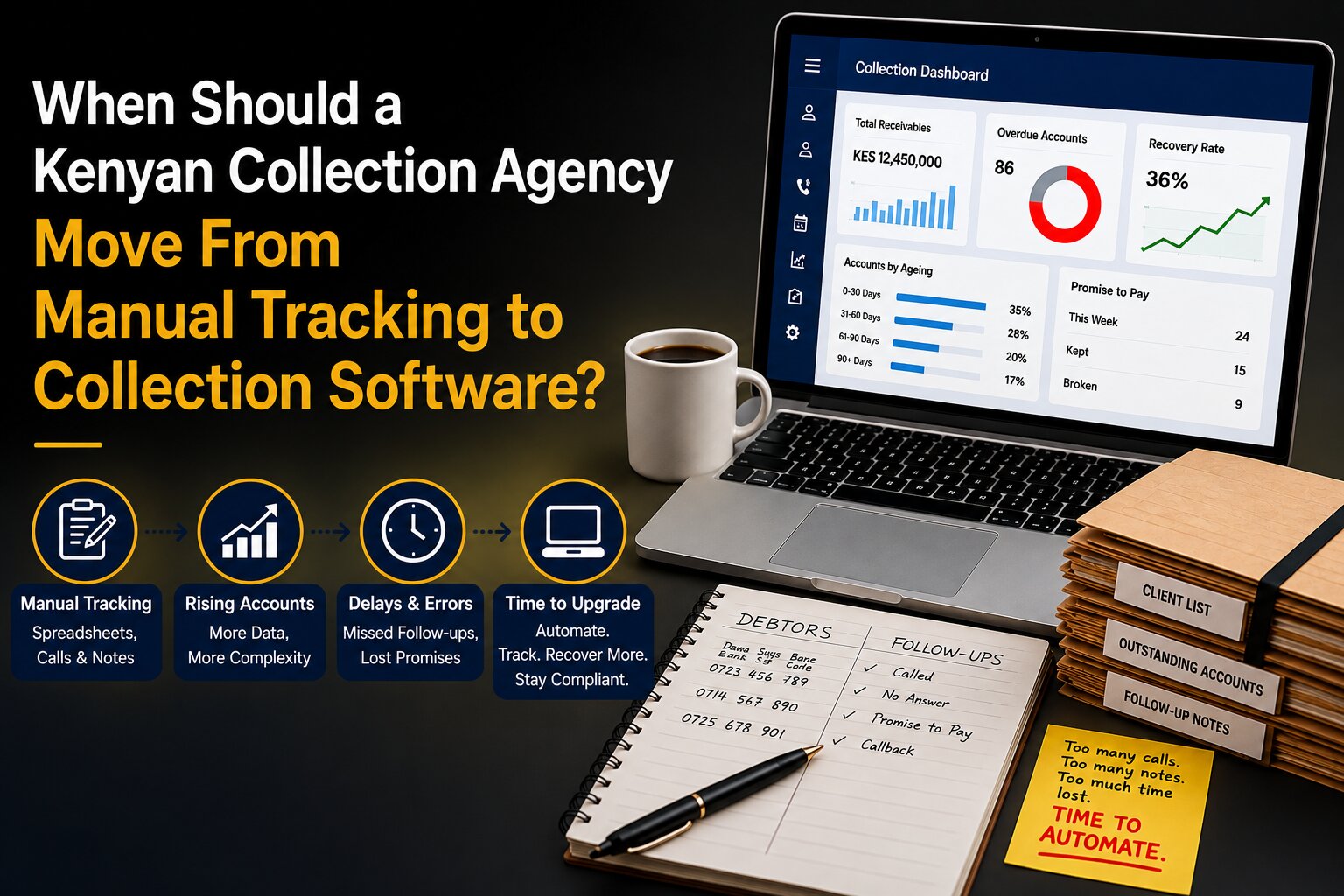
Manual collection processes make this harder. A spreadsheet can show which customers have unpaid balances, but it does not always show what action has already been taken, who should follow up next, or which accounts need urgent attention.
There is also a record-keeping aspect to consider. UAE VAT legislation includes requirements relating to tax invoices and maintaining relevant records. Payment collection software does not replace an accounting or tax system, but it can help teams maintain clearer records of payment activity and customer communications. Businesses should always ensure their processes meet the requirements applicable to them.
For growing UAE companies, moving from manual collection to a structured digital process can therefore improve visibility and reduce repetitive work.
What to Look for in Payment Collection Software in the UAE
The best payment collection software is not necessarily the one with the longest feature list. It should solve the problems your finance or collection team deals with every day.
1. Automated payment reminders
Following up with customers manually takes time, particularly when the same reminders have to be sent repeatedly. If you're a smaller business, you can also explore our guide to payment collection software for small businesses to understand the features and considerations involved in choosing a suitable solution.Look for software that can automate reminders and follow-ups based on due dates, payment status or account activity. This helps teams maintain consistent communication without having to remember every follow-up manually.
For UAE businesses with a large customer base, this can be particularly useful for keeping overdue invoices from being overlooked.
2. Centralised customer and payment information
Your team should not have to search through different spreadsheets, emails and files to understand an overdue account. A good system should bring customer details, outstanding amounts, payment history and collection activity together. This gives employees a clearer picture before they contact a customer.
It can also make it easier for different members of a finance or collection team to understand the status of an account.
3. Multi-currency and multi-entity support
UAE businesses often work with customers, suppliers and business entities in other countries. If your company operates across the UAE and wider GCC, or regularly handles international accounts, check whether the software can support the currencies and business entities relevant to your operations.
This is especially important for businesses that do not want their collection process to become more complicated as they expand into new markets.
4. Collection workflows and escalation
Not every overdue account should be handled in the same way.
Some customers may simply need a payment reminder. Others may require repeated follow-ups, a payment arrangement or further escalation. A useful collection platform should help teams create structured workflows so employees know what needs to happen next. This becomes increasingly valuable when a business manages a high volume of overdue accounts.
For businesses where unpaid accounts may eventually require legal attention, clear escalation and case tracking can also help maintain continuity between collection and legal teams.
5. Reporting and account ageing
A collection team needs to know where its attention should go.
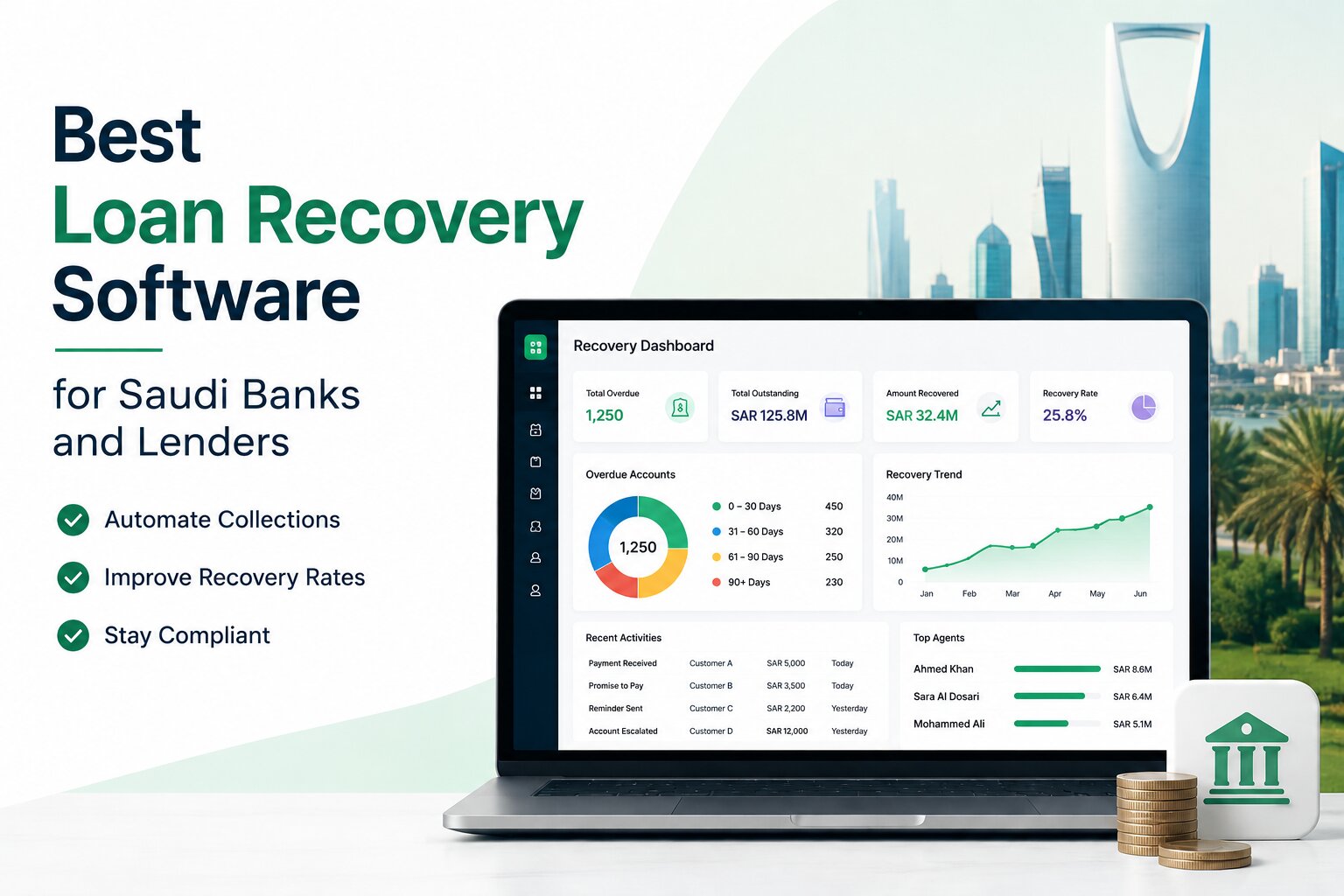
Dashboards and reports can help businesses monitor overdue amounts, account ageing, recovery performance and collection activity. Ageing information is particularly useful because an invoice that has been overdue for a few days may require a different approach from one that has remained unpaid for several months.
Businesses can also use collection data to identify patterns and understand where their current process needs improvement.
6. Integration with accounting and ERP systems
Collection software should work alongside the systems your business already uses. Before choosing a platform, check whether it integrates with your accounting, ERP, CRM, payment or other business systems. Good integration can reduce duplicate data entry and help teams work with more consistent customer and payment information.
For UAE companies already using established finance systems, this can be an important part of the buying decision.
7. Clear activity history and audit trails
A proper record of collection activity can be valuable when an account is disputed, escalated or transferred between employees.
Look for software that records important activities such as reminders, communications, payment updates and case progress. This gives teams better visibility into what happened and when.
What UAE Businesses Should Consider Before Choosing a Solution
Beyond the basic features, there are a few considerations that are particularly relevant when evaluating payment collection software for a UAE business.
UAE and GCC operations
If your business serves customers in Saudi Arabia, Qatar, Oman or other markets alongside the UAE, check whether the platform can support the way your organisation manages different entities, currencies and customer accounts. Do not assume that a system supports a particular country simply because it supports multi-currency operations. Ask the provider what is actually supported.
VAT and financial records
Payment collection software should fit into your existing financial processes rather than replace them. UAE businesses subject to VAT should continue to follow applicable requirements for tax invoices, records and financial documentation. Before purchasing software, confirm how its payment and transaction records can work alongside your accounting and tax processes.
English and Arabic communication
The UAE is a highly international business market. Depending on your customers and internal teams, multilingual communication may be useful. If Arabic communication is important to your collection process, verify whether the software supports Arabic content and how that functionality works before choosing it.
Data security and access
Collection systems can contain sensitive customer, financial and communication information. Businesses should therefore understand how user access, permissions, data protection and activity tracking are handled.
The right solution should give the organisation appropriate control over who can access or update collection information.
Ease of use
A system can have every feature you need and still fail if employees find it difficult to use.
Ask your finance or collection team to test the platform before making a decision. A short demonstration using a real overdue-account scenario can reveal whether the software genuinely makes daily collection work easier.
How to Compare Payment Collection Software
Before choosing a solution, start with your actual collection requirements. A small UAE business with a limited number of overdue invoices may mainly need automated reminders and payment tracking. A larger company or collection agency may require centralised debtor management, automated workflows, detailed reporting and structured escalation.
Your industry matters too. A B2B company may focus on outstanding invoices and ageing reports, while a collection agency may need more detailed debtor and case management. A business with an internal legal team may also benefit from stronger escalation and communication tracking.
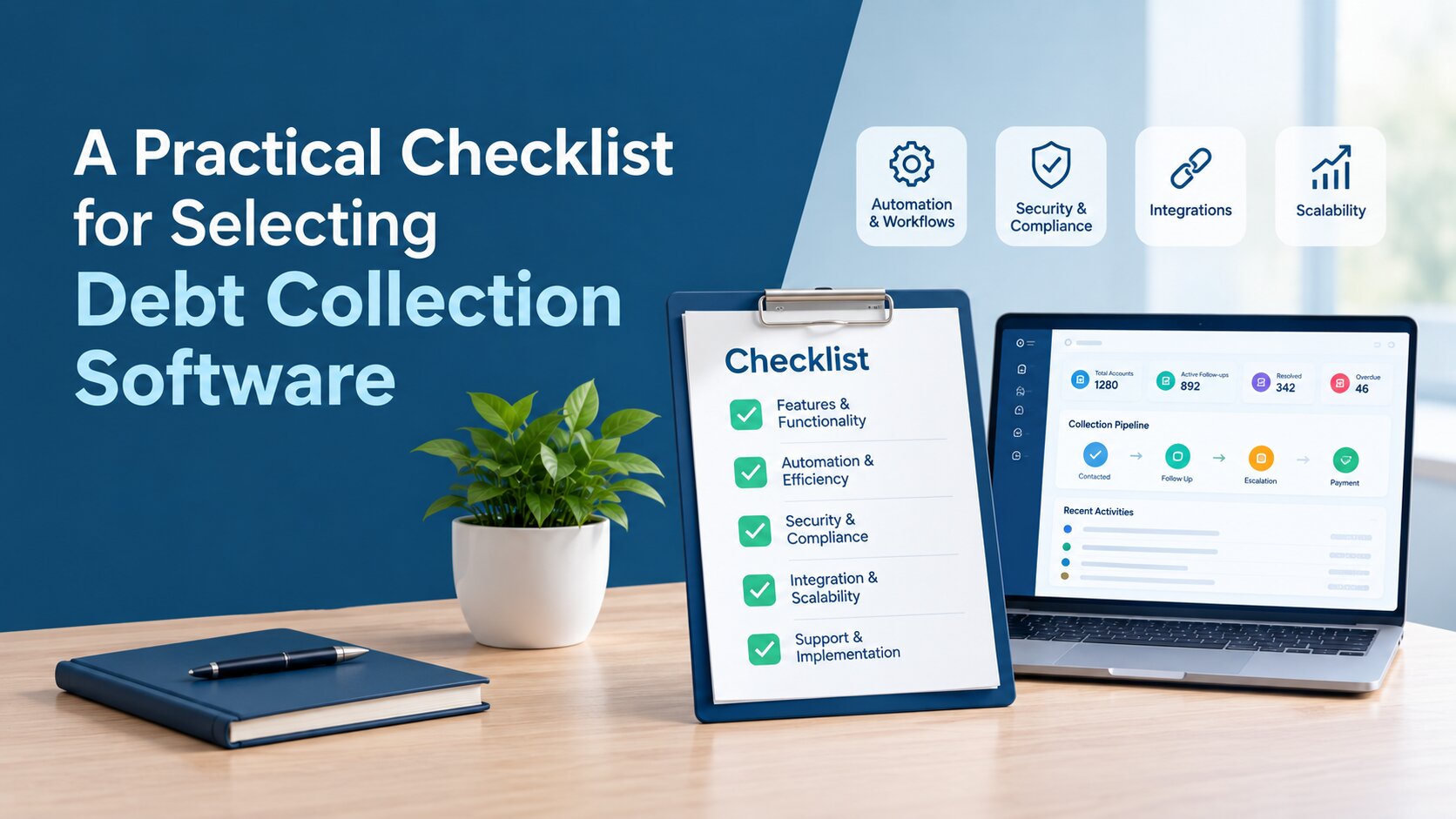
A simple way to compare options is:
What you need | What to look for |
Fewer manual follow-ups | Automated reminders and workflows |
Better visibility | Centralised account information |
Multi-market operations | Multi-currency and multi-entity support |
Faster identification of overdue accounts | Ageing reports and dashboards |
More organised recovery processes | Collection and escalation workflows |
Less duplicate data entry | Accounting or ERP integration |
Clear accountability | Activity history and audit trails |
Better collection decisions | Analytics and performance reports |
Support for UAE financial processes | Compatibility with existing accounting workflows |
Do not choose a platform based only on a feature checklist. Request a demonstration and test it with a realistic collection scenario from your business.
How Smart Debt Collection Supports UAE Businesses
For UAE businesses managing a growing number of overdue accounts, payment collection software is moving beyond basic reminders and payment tracking. AI can help make collection workflows more organised by supporting account prioritisation, analysing collection patterns and reducing repetitive tasks. These applications range from predictive account prioritisation and personalised communication to automated negotiation and compliance monitoring, as explained in our guide to AI in Debt Collection: 6 Powerful Applications Transforming Recovery in 2026.
Beveron Smart Debt Collection brings these capabilities into a structured collection workflow. Collection processes can involve several stages, from payment reminders and negotiations to settlement, legal recovery and reporting. Having these activities organised within one system can make it easier for teams to track each account and decide what action to take next. The platform is also part of Beveron's AI software portfolio. Its current AI offering includes AI debt collection and recovery management, connecting collection workflows with a more advanced approach to automation and recovery operations.
This is particularly relevant for UAE collection teams dealing with sensitive customer, financial and case information. Beveron's secure AI approach supports on-premises and private cloud deployments, with AI processing designed to remain within the client's controlled environment. The company also states that client data is not used for public model training.
That gives businesses another factor to consider when evaluating AI-powered payment collection software: not only what the AI can do, but also how sensitive collection data is handled. Beveron's wider automated collection solutions also connect Smart Debt Collection with research and industry discussions around AI-prioritised collections, behavioural recovery analytics, omnichannel borrower communication, and bilingual NLP.
For UAE businesses considering a more modern collection setup, this combination of collection automation, AI capabilities and controlled AI deployment makes Smart Debt Collection worth evaluating.
You can learn more about Beveron's approach to debt collection and recovery and its secure on-premise AI for legal and recovery teams.
Conclusion
Choosing the best payment collection software in the UAE starts with understanding what your business actually needs. Look for automation, centralised account management, multi-currency capabilities where relevant, useful reporting, integrations and structured collection workflows. The right solution can reduce repetitive follow-ups, improve visibility into overdue accounts and help collection teams work more consistently.
For businesses and collection teams looking for a dedicated recovery platform, Beveron Smart Debt Collection is worth evaluating for its collection-focused workflows, automated follow-ups, payment tracking and reporting capabilities.
If you want to see how it could fit your collection process, book a demo with Beveron and explore the platform in more detail.
Frequently Asked Questions
1. What is payment collection software in the UAE?
It helps UAE businesses track overdue payments, automate reminders, manage follow-ups and organise collection activity in one place.
2. What features should UAE businesses look for in payment collection software?
Look for automated reminders, payment tracking, collection workflows, ageing reports, dashboards, integrations and activity history.
3. Can payment collection software help UAE businesses reduce late payments?
Yes. Automated reminders, scheduled follow-ups and better visibility can help businesses manage overdue payments more consistently.
4. Is payment collection software suitable for small businesses in the UAE?
Yes. It can help SMEs automate payment follow-ups, track outstanding invoices and reduce reliance on spreadsheets.
5. What is the difference between payment collection and debt collection software in the UAE?
Payment collection software focuses on invoices and routine follow-ups, while debt collection software supports structured recovery, debtor management and escalation workflows.
Best payment collection software for banks in the UAE
Best automated debt collection software for corporates in the UAE
Best accounts receivable software for accounts teams in the UAE
If you need a free demo of the best payment collection software for banks in the UAE, please fill out the form below.