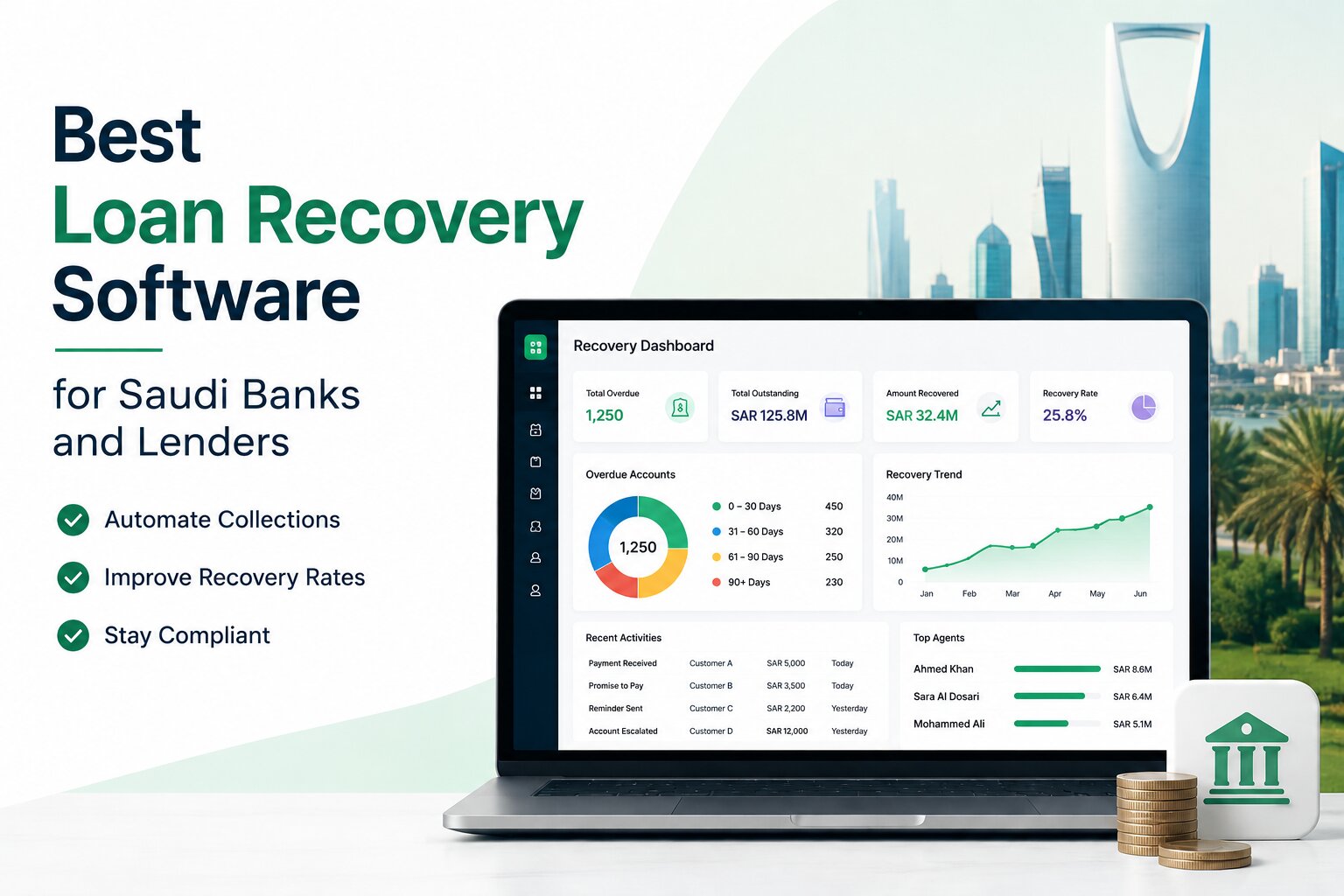
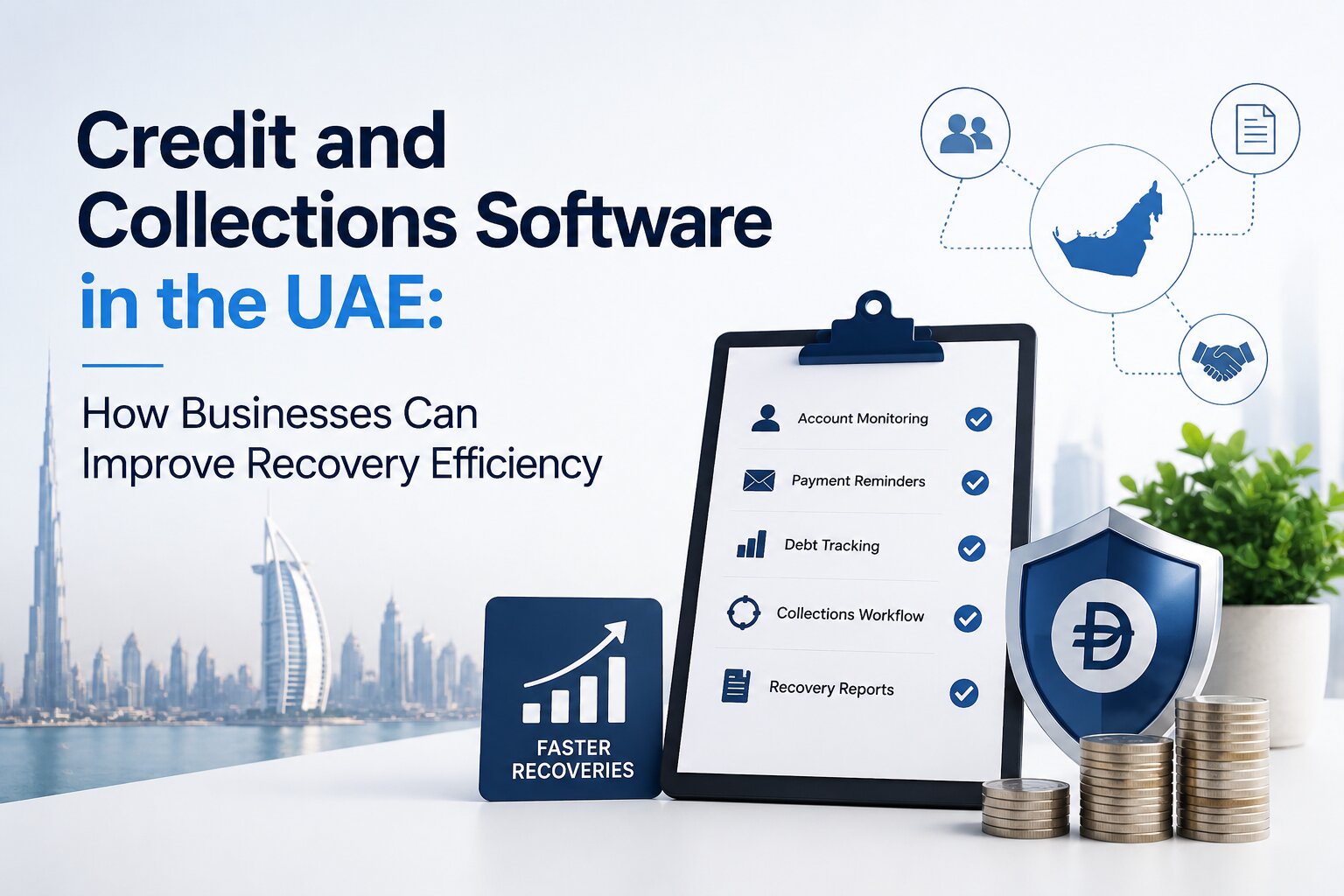
Best Debt Collection Solutions for Businesses in Saudi Arabia

Best Debt Collection Solutions for Businesses in Saudi Arabia: Improve Recovery Rates and Cash Flow in 2026
Late payments have always been a challenge for businesses, but in today's economic environment, the stakes are higher than ever. Finance teams are under pressure to maintain healthy cash flow, reduce outstanding receivables, and improve operational efficiency without increasing headcount.
For many organisations in Saudi Arabia, traditional collection methods are no longer enough. Spreadsheets, manual follow-ups, and disconnected communication channels often create delays that impact working capital and slow business growth.
This is where smart debt collection solutions are changing the way finance and credit teams operate. By combining automation, analytics, and AI-driven insights, businesses can recover payments faster while maintaining positive customer relationships.
In this guide, we'll explore the best debt collection solutions for businesses in Saudi Arabia, the features that matter most, and how modern collection technology can help improve recovery performance and cash flow visibility.
Why Debt Collection Is Becoming More Challenging for Businesses in Saudi Arabia
As businesses expand, their customer bases and transaction volumes grow as well. While growth is positive, it often brings a corresponding increase in overdue invoices and collection complexity.
Many finance departments face common challenges, such as:
- Growing volumes of outstanding receivables
- Manual payment reminder processes
- Limited visibility into collection performance
- Inconsistent customer follow-ups
- Delayed escalation of overdue accounts
A typical accounts receivable team may manage hundreds or even thousands of invoices across multiple customers. Without structured workflows, valuable time is spent tracking payment statuses instead of actively recovering debt.
Recent finance transformation studies from leading consulting firms indicate that organisations continue investing heavily in automation to improve working capital management, reduce Days Sales Outstanding (DSO), and strengthen cash flow resilience. For businesses operating in Saudi Arabia and across the GCC region, modernising debt recovery processes is increasingly becoming a strategic priority rather than an operational improvement.
What Is Smart Debt Collection Software?
Smart debt collection software helps businesses manage overdue accounts through automated workflows, communication tools, payment tracking, and performance analytics.
Rather than relying on manual processes, these platforms provide a structured framework for managing the entire collection lifecycle.
Traditional Collections vs Smart Debt Collection
Traditional collections often depend on spreadsheets, emails, and individual staff members remembering when to follow up with customers.
This creates several risks:
- Missed follow-ups
- Inconsistent communication
- Poor visibility into overdue accounts
- Delayed escalations
Smart debt collection solutions automate many of these activities. Tasks are scheduled automatically, reminders are triggered based on predefined rules, and managers gain real-time visibility into collection performance.
The result is a more consistent and scalable approach to debt recovery.
Core Functions of Debt Collection Solutions
Modern collection platforms typically include:
- Automated payment reminders
- Customer communication management
- Escalation workflows
- Debtor account tracking
- Collection performance reporting
- Recovery analytics dashboards
These capabilities help finance teams spend less time on administrative tasks and more time focusing on high-value collection activities.
Key Features to Look for in Debt Collection Solutions
Not all debt recovery platforms offer the same level of functionality. Understanding the most important features can help businesses make informed decisions.
Automated Payment Reminder Workflows
One of the most valuable features is automated reminder scheduling.
Instead of manually sending emails every week, finance teams can create predefined communication sequences that automatically contact customers before and after invoice due dates.
For example, reminders can be scheduled for:
- 7 days before due date
- Due date
- 7 days overdue
- 15 days overdue
- 30 days overdue
This ensures consistent communication while reducing manual effort.
AI-Powered Collection Prioritisation
Not every overdue account requires the same approach. AI-powered collection tools can analyse payment history, customer behaviour, invoice values, and risk indicators to identify which accounts should receive immediate attention. These capabilities are becoming a key differentiator in modern recovery platforms as businesses seek more intelligent and efficient collection processes. Organisations evaluating modern recovery technologies can also explore the best AI debt collection software solutions available for enterprises to understand how AI is reshaping collection operations.
This allows collection managers to focus resources where they are likely to have the greatest impact.
Multi-Channel Customer Engagement
Customers respond differently to communication methods.
Modern platforms support multiple channels including:
- SMS
- Phone call tracking
- Customer portals
- Payment links
Providing multiple communication options can improve response rates and create a smoother customer experience.
Collection Analytics and Reporting
Without reliable data, it becomes difficult to improve collection performance.
Collection analytics help finance leaders understand:
- Recovery rates
- DSO trends
- Collector productivity
- Promise-to-pay conversion rates
- Aging receivables
- These insights support better decision-making and continuous process improvement.
Compliance and Audit Controls
Debt recovery must always be conducted responsibly. A strong platform should provide detailed audit trails, communication records, approval workflows, and user permissions to support governance and compliance requirements.
This is particularly important for organisations operating across regulated industries.
How Debt Collection Improves Accounts Receivable Performance
Technology alone does not solve collection challenges. The real value comes from how it improves outcomes across the accounts receivable process.
Faster Recovery Cycles
When reminders and follow-ups happen consistently, customers are less likely to overlook outstanding invoices. Automated workflows reduce delays between collection actions, helping businesses recover payments more quickly. Businesses looking to modernise their recovery operations can learn more about how automated debt collection helps improve cash flow and accelerate payment recovery.
Reduced Days Sales Outstanding (DSO)
DSO remains one of the most closely monitored metrics for finance leaders. By improving visibility into overdue accounts and accelerating collection activities, organisations can often reduce DSO and improve cash flow predictability.
Higher Collector Productivity
Many collection teams spend significant time on repetitive administrative work. Automation eliminates much of this burden by handling routine reminders, account updates, and workflow assignments.
As a result, collectors can focus on negotiation, customer engagement, and complex recovery cases.
Better Customer Communication
Collections should not damage customer relationships. Consistent, professional, and timely communication creates a better experience for customers while improving recovery outcomes. Structured communication workflows help ensure every interaction remains professional and transparent.
Best Debt Collection Solutions for Businesses in Saudi Arabia
Businesses evaluating debt collection solutions should look beyond basic reminder functionality and assess how effectively a platform supports long-term recovery strategies.
Important evaluation criteria include:
- Workflow automation capabilities
- AI-powered insights
- Reporting and analytics
- Integration flexibility
- Compliance support
- Scalability
Beveron Smart Debt Collection
For organisations looking to modernise recovery operations, Beveron's Smart Debt Collection solution provides tools designed to automate collection workflows, improve visibility, and streamline debtor management. Instead of relying on fragmented processes, finance teams can manage reminders, escalations, recovery activities, and reporting through a centralised platform. This is particularly valuable for growing businesses that need to improve collection efficiency without significantly expanding collection teams.
Businesses exploring collection workflow automation may also benefit from related resources covering accounts receivable automation and debt recovery best practices.
The Role of AI in Modern Debt Recovery
Artificial intelligence is becoming an increasingly important part of modern finance operations. From predictive payment analysis to intelligent account prioritisation, AI is transforming how organisations approach debt recovery and collections management. Businesses exploring the next generation of recovery technology can learn more about the future of AI-powered debt collection and how it is enabling smarter, faster recovery strategies. As organisations handle growing volumes of customer data and receivables, many are turning to AI-powered tools to streamline collection processes, improve decision-making, and reduce manual workloads. This shift is helping finance teams work more efficiently while gaining better visibility into collection performance and customer payment behaviour.
Predictive Collection Strategies
Predictive analytics helps identify which accounts are most likely to become delinquent or require intervention. Rather than reacting after payments become severely overdue, finance teams can take proactive action earlier in the recovery cycle.
Customer Payment Behaviour Analysis
Every customer has unique payment habits.
AI tools can analyse historical payment patterns to identify:
- Frequent late payers
- Seasonal payment behaviours
- Preferred communication methods
- Recovery likelihood
These insights support more personalised collection strategies.
Intelligent Workflow Automation
Modern automation goes beyond simple reminders.
AI-enabled systems can:
- Recommend next actions
- Trigger escalation workflows
- Prioritise account queues
- Balance collector workloads
This helps ensure resources are allocated efficiently while maintaining consistent collection practices.
Industry Use Cases for Smart Debt Collection in Saudi Arabia
Different industries face different collection challenges.
Banking and Financial Services
Financial institutions use collection platforms to manage loan repayments, credit card collections, and delinquency management.
Telecommunications
Telecom providers often handle large volumes of recurring customer payments, making automation essential for efficient recovery processes.
Healthcare
Healthcare organisations use collection technology to manage outstanding patient balances and payment follow-ups.
Manufacturing and Distribution
Manufacturers frequently manage large B2B invoices where delayed payments can significantly impact working capital.
Professional Services
Consultancies, legal firms, and service providers often use automated collections to improve invoice recovery while maintaining strong client relationships.
Best Practices for Implementing Debt Collection Automation
Technology implementation should begin with process improvement.
Map Existing Collection Workflows
Before introducing automation, organisations should document existing collection processes and identify bottlenecks. Understanding current challenges creates a stronger foundation for future improvements.
Define Collection Rules and Escalations
Clear collection policies help maintain consistency.
Businesses should establish:
- Reminder schedules
- Escalation timelines
- Priority account criteria
- Customer communication standards
Measure Collection Performance
Effective recovery requires continuous monitoring.
Key performance indicators include:
- Recovery rate
- DSO
- Aging receivables
- Collector productivity
- Collection cost per account
Regular performance reviews help identify opportunities for optimisation.
Choosing the Right Debt Collection Software for Your Business
Selecting the right solution requires balancing functionality, scalability, and business needs.
When evaluating providers, consider:
Functionality
Look for automation capabilities, AI-powered features, reporting tools, and communication management functions.
Scalability
The platform should support future business growth without requiring major process changes.
Integration
Strong integration with ERP, CRM, and finance systems improves visibility and operational efficiency.
Compliance
Ensure the solution supports audit trails, governance controls, and regulatory requirements relevant to your business environment.
Frequently Asked Questions
What is debt collection software?
Debt collection software helps businesses manage overdue accounts through automated reminders, workflow management, debtor tracking, and recovery reporting.
How does AI improve debt recovery?
AI improves debt recovery by analysing payment behaviour, prioritising accounts, identifying risks, and recommending the most effective collection actions.
What are the benefits of collection automation?
Collection automation reduces manual work, improves consistency, accelerates payment recovery, and increases team productivity.
How can businesses reduce overdue receivables?
Businesses can reduce overdue receivables through proactive reminders, structured workflows, customer segmentation, and automated follow-up processes.
Why is accounts receivable automation important?
Accounts receivable automation improves efficiency, reduces manual errors, strengthens cash flow visibility, and helps finance teams focus on strategic activities.
What should businesses look for in debt collection software?
Businesses should look for automation, analytics, AI capabilities, reporting tools, integration options, compliance controls, and scalability.
How does collection software improve cash flow?
Collection software accelerates payment recovery, improves visibility into receivables, reduces collection delays, and helps organisations access cash faster.
Is automated debt collection suitable for Saudi businesses?
Yes. Automated debt collection can help Saudi businesses improve recovery efficiency, strengthen collection governance, and support sustainable growth while maintaining professional customer relationships.
Conclusion
Managing overdue receivables has become increasingly complex as businesses grow and customer payment behaviours evolve. Manual collection methods may work at a small scale, but they often create inefficiencies that limit recovery performance and strain finance teams.
Beveron's Smart Debt Collection solutions offer a more structured approach by combining automation, analytics, and intelligent workflows to improve visibility, accelerate recovery, and strengthen cash flow management.
For businesses in Saudi Arabia looking to modernise their accounts receivable operations, now is a good time to assess existing collection processes, review performance metrics, and explore automation opportunities that can deliver measurable operational improvements.
If you're looking to reduce manual collection effort, improve recovery tracking, and gain greater visibility into your receivables, explore Beveron's Smart Debt Collection solution or request a personalised consultation to see how automated recovery workflows can support your finance team's goals.
Best debt collection solutions for banks in Saudi Arabia
Best automated debt collection software in Saudi Arabia
Best accounts receivable automation software in Saudi Arabia
If you need a free demo of the best debt collection solutions for banks in Saudi Arabia , please fill out the form below.