How Agentic AI Can Transform the Contract Lifecycle from Drafting to Execution
Contracts are at the centre of many business relationships. They define what each party is expected to deliver, when payments are due, what happens when things go wrong, and when an agreement needs to be renewed or terminated.
Yet, contract management can still be surprisingly manual.
A new contract request may arrive by email. Someone searches for the right template, another person reviews the draft, legal teams negotiate changes, finance waits for approval, and someone eventually sends the final version for signature. Once the contract is signed, the process often moves to spreadsheets, calendars or reminders to keep track of obligations and renewal dates.
The problem is not necessarily that businesses lack contract management tools. It is that many contract processes still depend on people coordinating one step after another.
This is where agentic AI in contract management is attracting attention.
Unlike traditional automation, which generally follows predefined rules, agentic AI can work towards a goal by carrying out a series of connected tasks, using available information and escalating matters when human judgement is needed. In contract lifecycle management, this could mean moving from AI that simply assists with drafting or review to AI that helps coordinate work across the entire contract lifecycle.
The result could be a more connected approach to contract management, from the first draft right through to execution, renewal and beyond.
What Makes Agentic AI Different from Traditional Contract Automation?
Before looking at the contract lifecycle, it helps to understand what makes agentic AI different. Traditional contract automation is useful for repetitive, predictable tasks. For example, a system can send an approval request when a document reaches a particular stage or remind someone that a contract is approaching its expiry date.
Generative AI can go a step further by helping create text, summarise agreements, answer questions or suggest contract language.
Agentic AI aims to connect these individual actions.
An AI agent can be given a goal and determine the steps required to move towards it within defined rules. For example, when a new contract request comes in, an agent could gather the required information, identify the appropriate template, prepare a draft, check it against approved requirements, route it for review and monitor the workflow.
That does not mean the AI should make every legal decision independently. In a contract environment, human oversight remains important, particularly when agreements involve significant financial, legal or commercial risk. Think of agentic AI less as a replacement for the legal team and more as a highly capable workflow coordinator that can keep routine contract work moving.
How Agentic AI Can Transform the Contract Lifecycle
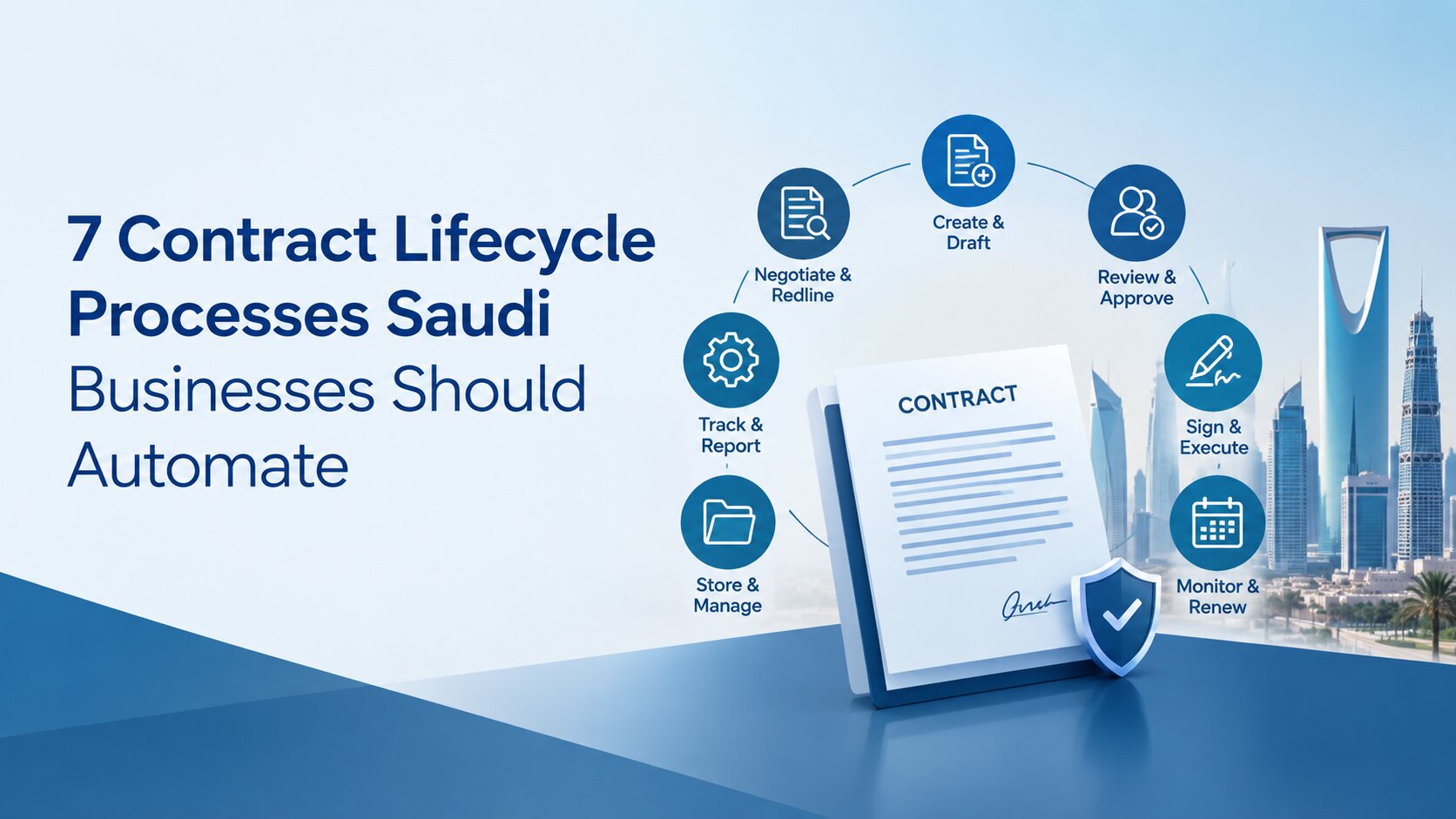
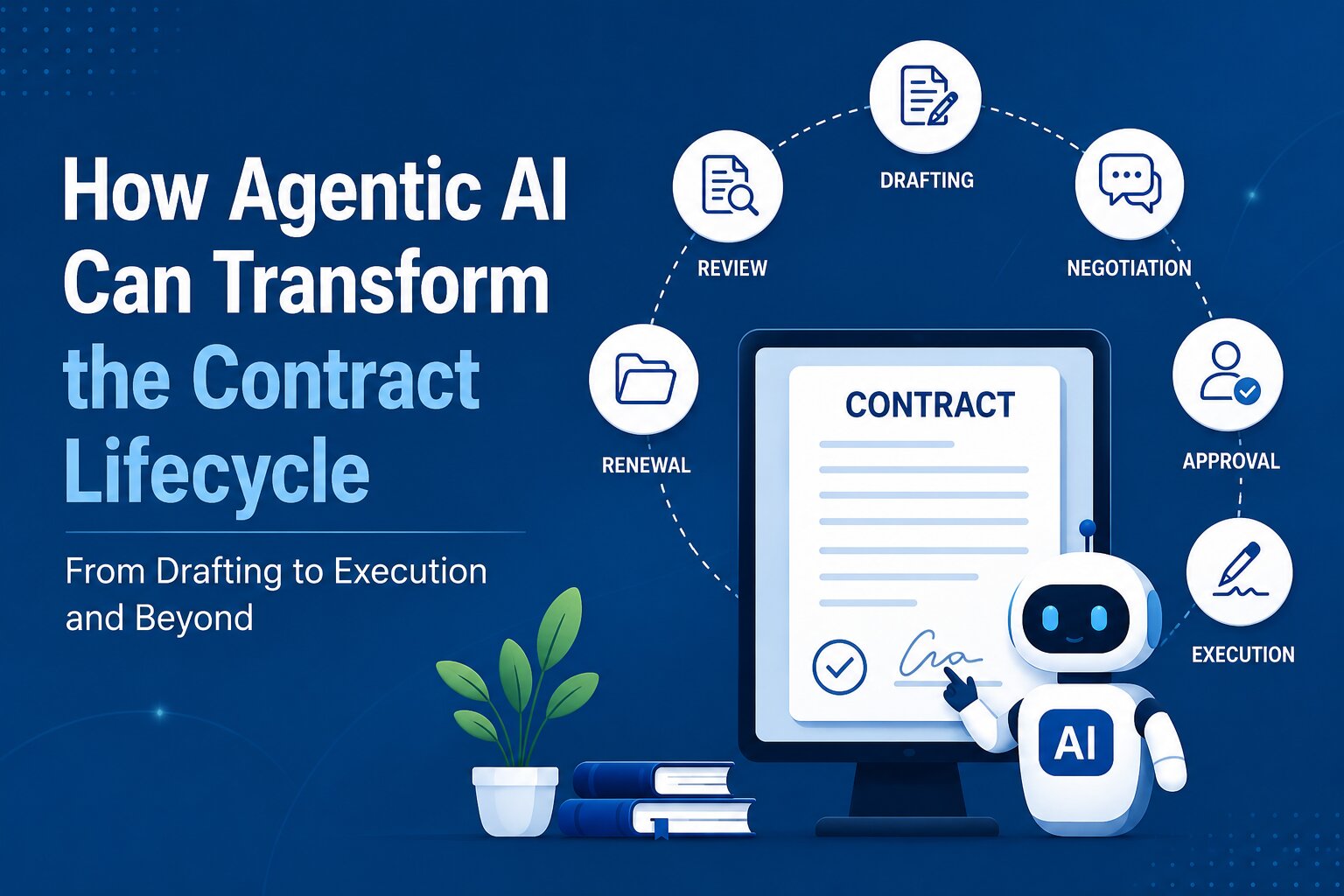
The real potential of agentic AI becomes clearer when we look at each stage of the contract lifecycle.
Before exploring how agentic AI can improve each stage, it is useful to understand the fundamentals of contract lifecycle management, including how contracts move from creation and negotiation through approval, execution and post-signature management. For a deeper overview, see our Complete Guide to Contract Lifecycle Management for Legal Professionals.
1. Drafting and Templating
Contract drafting often begins with a familiar question: Which template should we use?
Legal teams may have multiple templates, approved clauses and previous agreements stored in different places. Finding the right material and adapting it to a new deal can take time, even when the contract itself is relatively standard.
Agentic AI can help simplify this first step.
Based on the contract request and relevant business information, an AI agent could identify the appropriate template, gather information from approved sources and prepare an initial draft. It could also check whether required clauses or information are present before sending the draft for human review. This does not remove the need for legal expertise. Instead, it can reduce the amount of repetitive work that happens before a lawyer gets involved.
This also highlights the wider shift from manual contract drafting towards automated document workflows. To understand how the two approaches compare, explore our guide to legal document automation vs manual contract drafting in the UAE.
For businesses handling a high volume of similar agreements, that difference can be significant.
2. Negotiation and Redlining
Negotiation is where contracts can become particularly time-consuming.
A single agreement may go through several rounds of edits between legal teams, procurement teams, suppliers and business stakeholders. Important changes can be buried in lengthy documents, making it difficult to quickly understand what has changed and whether a proposed clause falls outside the organisation's preferred position.
Agentic AI can support this process by comparing contract language with approved playbooks and identifying unusual or potentially risky provisions.
It may also suggest alternative wording or fallback clauses based on predefined rules.
For example, if a supplier proposes a liability provision outside the company's approved range, the system could flag it and recommend that the matter be escalated to the appropriate legal professional. The important point is that the agent operates within boundaries. It can help prepare and move the negotiation forward without being given unlimited authority to make legal decisions.
3. Review and Approval
Even after a contract is reviewed, approval can become a bottleneck. A document may need input from legal, finance, procurement, compliance and senior management. If the right person is not available, the contract can sit in an inbox for days.
Agentic AI can make this process more organised. Based on factors such as contract type, value, risk level or specific clauses, an AI-enabled workflow could identify which stakeholders need to review the agreement. It can then route the contract accordingly, monitor outstanding actions and escalate delays when necessary.
Instead of someone manually checking, “Whose approval are we still waiting for?”, the workflow itself can provide that visibility.
4. Execution and E-Signature
Getting a contract approved is not quite the same as getting it signed. There may be a specific order in which parties need to sign. Some agreements may require additional checks before execution. Others may sit with a signer for several days without anyone following up.
Agentic AI can help coordinate these final steps. It could monitor the signing process, identify outstanding signatures, send reminders and keep relevant stakeholders informed. Where required, it can also check that necessary approvals or information are in place before the agreement proceeds to execution. This creates a smoother transition from approved to executed, without requiring someone to manually manage every handoff.
5. Post-Signature Obligations and Renewals
One of the biggest mistakes businesses can make is treating contract management as finished once the document has been signed.
In reality, that is when many important responsibilities begin. Contracts may include payment deadlines, service milestones, reporting requirements, notice periods, compliance obligations and renewal dates. If these details are not tracked properly, businesses can miss important deadlines or allow contracts to renew without a proper review.
Agentic AI can make post-signature management more proactive. An AI-enabled system could monitor important dates and obligations, send reminders to responsible stakeholders and flag contracts that require attention. Instead of waiting for someone to remember that a contract expires next month, the system can bring it to their attention in advance.
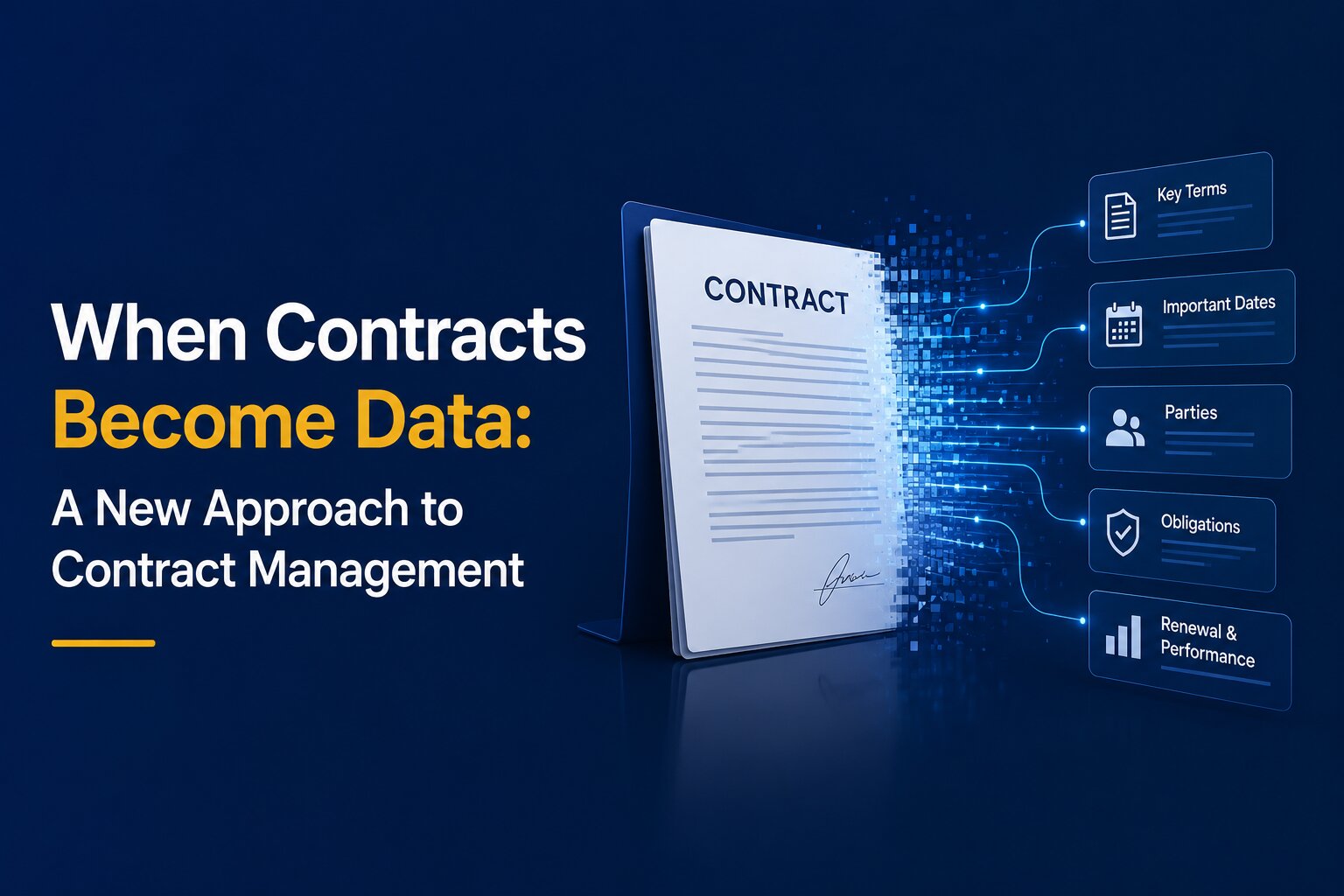
This is an important shift: from simply storing contracts to actively managing the work connected to them.
What Could a Contract Team's Day Look Like with Agentic AI?
Imagine a legal team receives a request for a new supplier agreement. Instead of starting with a blank document, the workflow begins by collecting the basic deal information. The system identifies the appropriate contract template and prepares a first draft using approved clauses.
The contract then moves into review. Potentially unusual terms are flagged for the legal team. Standard provisions can move through the normal workflow, while higher-risk issues are escalated to the appropriate reviewer. Once the contract is approved, the signing process begins. The system tracks who has signed, reminds anyone who has not completed their part and keeps the status visible to relevant stakeholders.
But the workflow does not stop there. After execution, the contract is stored centrally. Key dates and obligations can be monitored, with alerts generated when action is required. When the renewal period approaches, the responsible team can review the agreement rather than discovering the deadline at the last minute.
This is the broader idea behind agentic contract lifecycle management: the system helps keep the process moving instead of waiting for people to manually initiate every next step. PwC describes this direction as a shift from manual workflows towards intelligent orchestration, where AI can handle routine execution and escalate decisions that require human expertise.
A Smarter Approach to Contract Lifecycle Management with Beveron
Agentic AI represents an emerging direction for contract management, but businesses also need a strong foundation for managing contracts, workflows and information today. Beveron Smart Legal Contract is designed to help organisations manage and automate the contract lifecycle from a central platform.
The platform covers key stages including contract creation, negotiation, approval, execution, renewal and termination. It also brings contract workflows, compliance and reporting into the same environment.
Bringing Contract Workflows into One Place
A connected contract process starts with visibility. Beveron Smart Legal Contract provides a centralised repository for contracts and legal documents, along with version tracking and audit trails. This can make it easier for teams to know which version is current and understand how a document has changed over time.
The platform also supports pre-approved templates and a clause library, helping teams create contracts using standardised content rather than repeatedly searching for documents or clauses.
Making Review and Approval More Structured
Contract reviews often involve several people and departments. Without a clear workflow, it is easy for a document to get stuck between stages. Smart Legal Contract includes automated approval workflows and supports structured routing for contract review and approvals. It also provides tools for comparing contract versions and collaborating during development.
This can help legal teams spend less time chasing updates and more time focusing on the issues that genuinely need their attention.
Keeping Track After the Contract Is Signed
Post-signature management is another important part of the platform. Smart Legal Contract includes automated alerts for renewals, expirations, and milestones, along with audit trails and contract-monitoring capabilities. Its platform also includes risk flagging for potentially risky or non-compliant terms. This approach is particularly useful for teams managing a large contract portfolio, where manually tracking every important date can become difficult.
The platform also supports e-signature functionality and integrations with tools such as Microsoft Word, Outlook, SharePoint and WhatsApp, helping contract workflows connect with tools teams already use. For organisations looking to strengthen their contract lifecycle management foundation, this kind of centralised approach can provide the structure needed to move towards increasingly intelligent and automated workflows.
Agentic AI Still Needs Guardrails
The promise of agentic AI is exciting, but contracts are not an area where businesses should simply hand over control and walk away. Contracts can affect money, business relationships, compliance obligations and legal rights. An incorrect AI recommendation or an unauthorised action can therefore have consequences beyond a simple workflow error.
That is why human oversight matters.
For high-value or high-risk agreements, legal professionals may need to review proposed changes, approve exceptions or make the final decision. AI can prepare information and identify potential issues, but people should remain responsible for decisions that require legal or commercial judgement. KPMG similarly highlights the importance of balancing agentic AI's efficiency with human expertise in contract management
Businesses should also consider:
- Clear permissions: AI agents should only have access to the information and systems they actually need.
- Approval limits: Sensitive actions should require human approval.
- Audit trails: Teams should be able to see what happened and who approved important actions.
- Data privacy: Confidential contract information needs appropriate protection.
- Explainability: Users should understand why a contract was flagged or why an action was recommended.
- Escalation: The system should know when an issue is too complex or risky to handle automatically.
These safeguards become even more important as AI systems gain the ability to act across multiple business applications. Current legal discussions around agentic AI are already raising questions about responsibility, data privacy, security, intellectual property, and governance.
What Should Businesses Look for in an Agentic Contract Management Solution?
Not every product labelled as "AI-powered" provides the same level of capability. Legal and procurement teams should look beyond the AI label and consider how the technology actually fits into their contract processes.
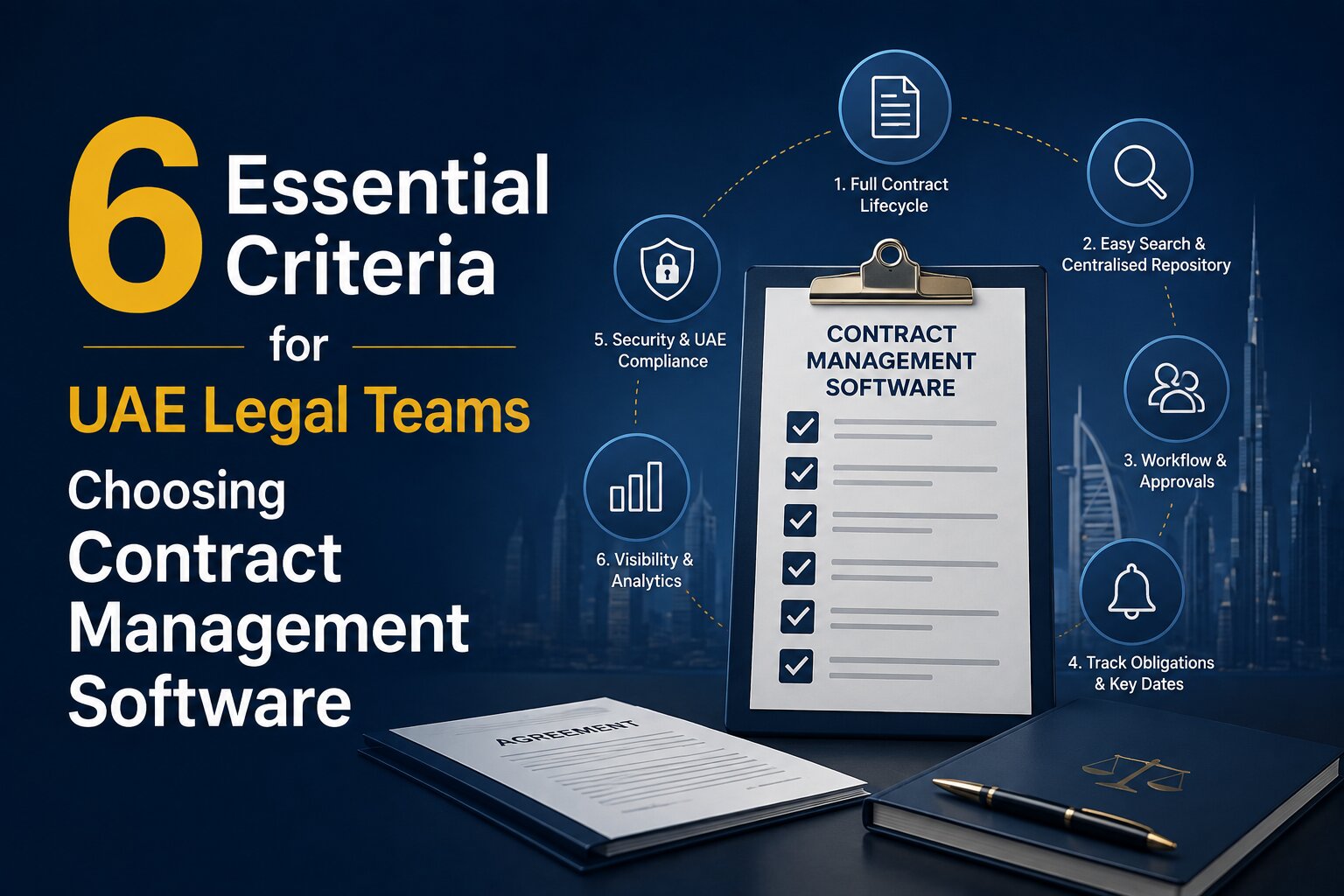
For businesses evaluating their options, understanding the wider capabilities of legal contract management software for businesses in the UAE can help teams compare features, workflows and requirements before choosing a solution.
Some important questions include:
Can it support the full contract lifecycle?
A useful solution should not focus only on drafting or contract review. Businesses should consider how it supports creation, negotiation, approval, execution, monitoring and renewal.
Can workflows be customised?
Different contracts require different approval paths. A practical solution should allow organisations to define workflows based on their own processes, policies and risk levels.
Does it keep people in control?
The best approach is not necessarily maximum automation. Look for clear approval steps, permissions and escalation options so people remain involved where their judgement matters.
Can teams see what is happening?
Contract status, pending approvals, deadlines and obligations should be easy to find. Centralised visibility becomes particularly important as contract volumes grow.
Does it provide a reliable record?
Audit trails, version history and clear records of changes can help teams understand how a contract moved through the lifecycle.
Can it connect with existing tools?
Contract management rarely happens in isolation. Integration with business applications can reduce unnecessary data entry and make workflows easier to manage.
The Future of Contract Management Is More Than Automation
Contract management has already moved a long way from filing cabinets and email attachments. Templates, digital workflows, electronic signatures and AI-assisted review have made many parts of the process faster and easier. Agentic AI takes the idea one step further.
Instead of simply automating an individual task, it aims to connect a series of tasks around a particular goal. That could mean helping a contract move from intake to drafting, review, approval and execution, then continuing to monitor it after signing. But the goal should not be to remove people from the process. The more practical vision is AI handling repetitive coordination while legal and business professionals retain control over decisions that matter.
For organisations, that means the future of contract lifecycle management may not be about choosing between people and AI. It may be about creating workflows where both work together effectively. With a strong contract management foundation, clear governance and the right level of human oversight, agentic AI can help turn contract management from a series of manual handoffs into a more connected, proactive process — from the first draft to the final renewal.
Ready to Make Contract Management Smarter?
Move beyond scattered documents and manual follow-ups with a more connected approach to contract lifecycle management. Beveron Smart Legal Contract helps businesses streamline contract workflows, manage approvals, track important dates and stay on top of contracts from creation to renewal.
Explore Beveron Smart Legal Contract and see how smarter contract management can support your legal and business teams.
Best agentic AI contract lifecycle management in the UAE
Best contract lifecycle management software in the UAE
Best AI contract workflow automation in the UAE
If you need a free demo of the best agentic AI contract lifecycle management in the UAE, please fill out the form below.