7 Contract Lifecycle Processes Saudi Businesses Should Automate
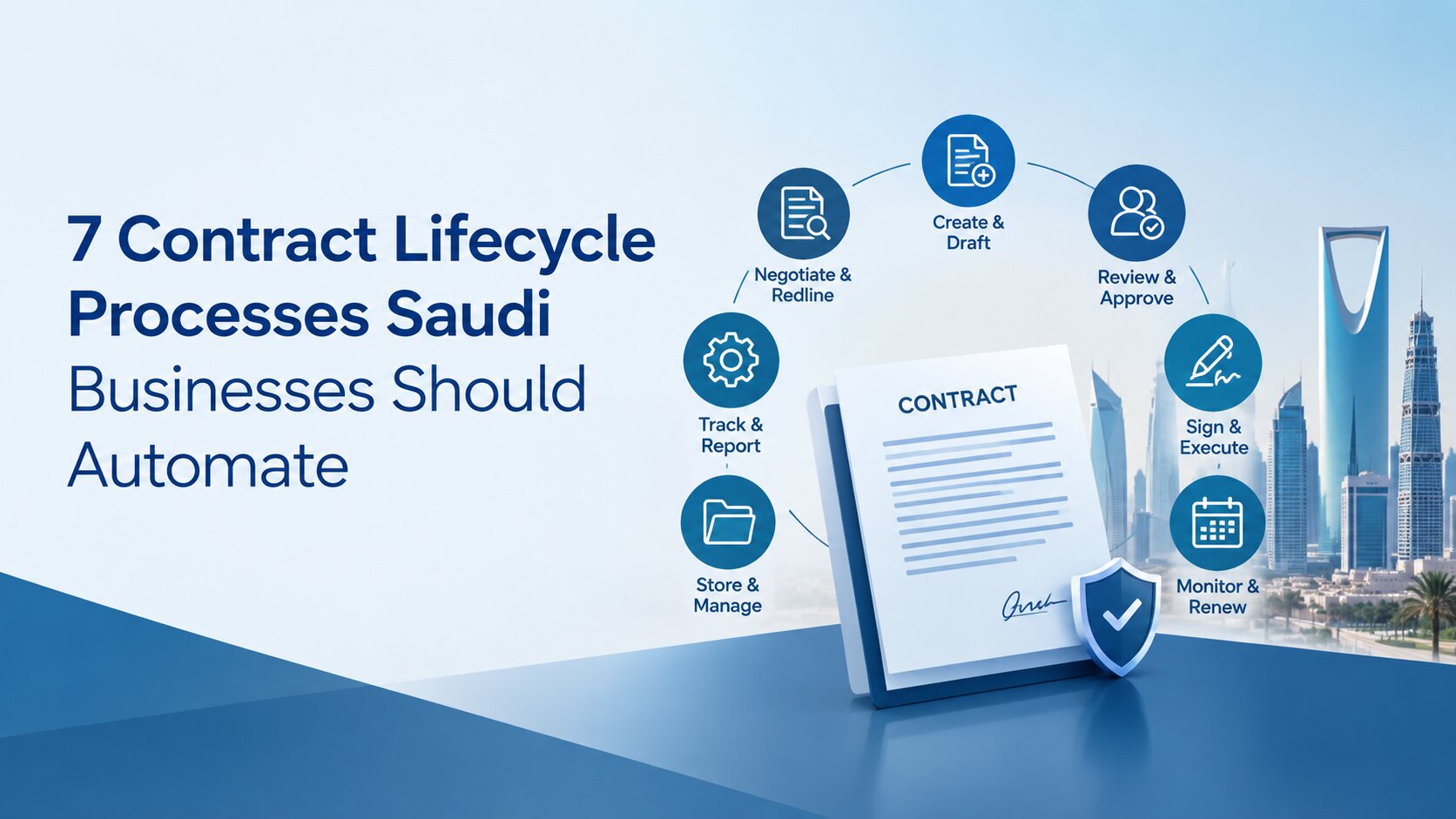
Contracts rarely become difficult because of the document itself. The bigger challenge is everything that happens around it. A contract may begin with a request from procurement, move to the legal team for drafting and review, pass through several approval stages, go back and forth during negotiation, and eventually reach signature. Even after execution, someone still needs to monitor renewal dates, obligations and other important information.
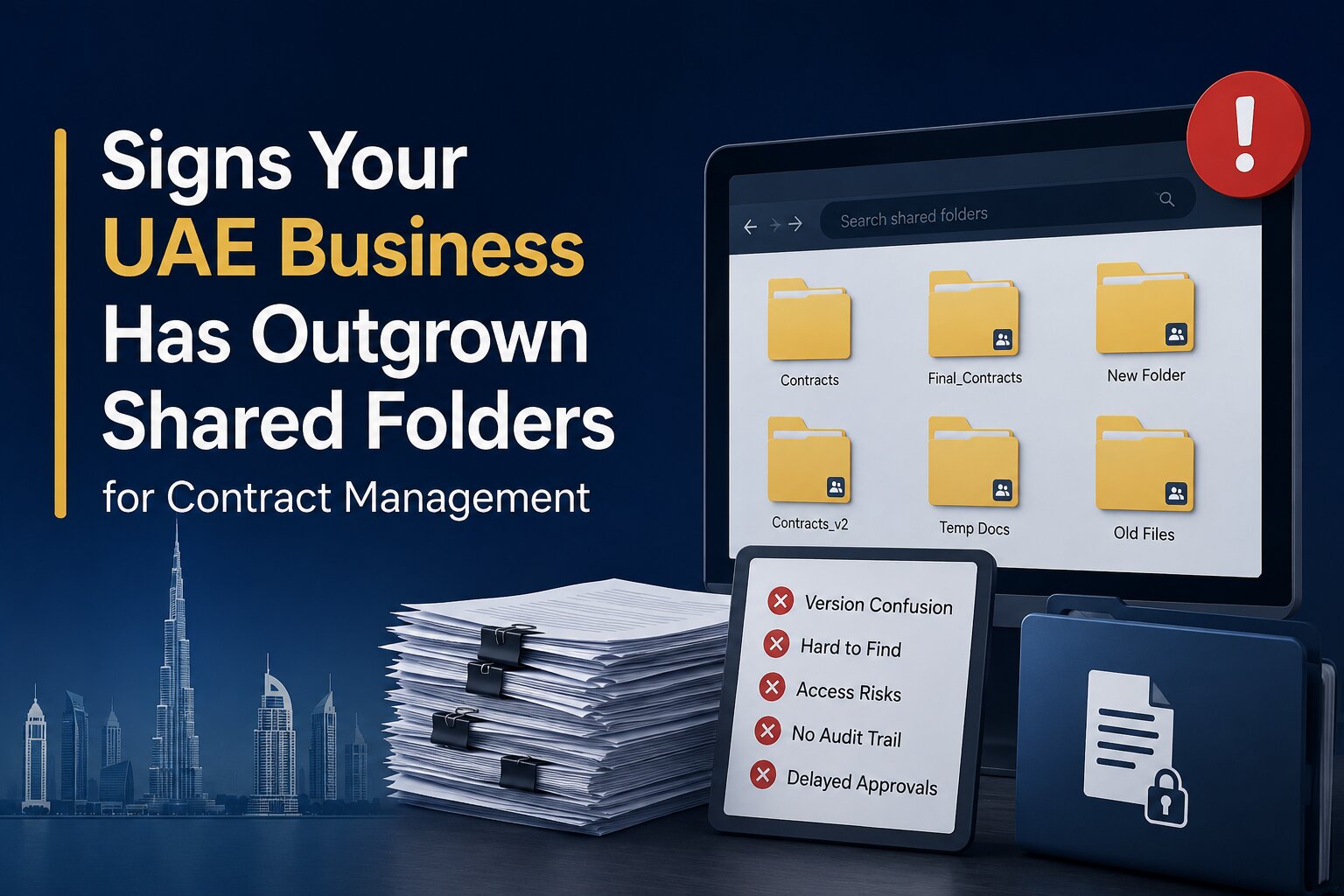
When these steps are managed through emails, spreadsheets, shared folders and manual reminders, it becomes harder to know where a contract stands and who needs to act next. For Saudi businesses managing a growing volume of commercial agreements, automating selected parts of this lifecycle can make the process more organised without removing the human judgement that contracts require. The key is knowing what to automate and where human involvement should remain.
Here are seven contract lifecycle processes that businesses can consider automating.
1. Contract Request and Intake
The contract lifecycle often starts before anyone begins drafting. A business team may need a new supplier agreement. Procurement may request a service contract. A sales team may need a customer agreement. Someone then has to collect the basic information and make sure the request reaches the right people. When this happens through email, the legal team may receive incomplete information or spend time going back and forth to understand what is actually needed. A structured intake process can make this first step easier.
What can be automated?
A contract management system can provide a standardised way for employees or other stakeholders to submit contract requests. The request can capture information such as the contract type, parties involved, business owner, expected value and other details required for the next stage. The request can then be routed to the appropriate person or team based on the organisation's workflow.
This gives legal teams a clearer starting point. Instead of searching through emails to understand a request, they can see the relevant information in one place and determine what needs to happen next. The goal is not to automate the legal decision about whether a contract should proceed. It is to reduce the administrative work required to get that decision started.
2. Contract Drafting and Template Management
Not every contract needs to start from a blank document. Businesses often use recurring agreements such as non-disclosure agreements, supplier contracts, service agreements and other standard commercial documents. Recreating these documents manually can take time and can make it harder to maintain consistency. This is where templates and controlled contract content can help.
What can be automated?
A contract lifecycle management system can provide access to approved templates and standard clauses so authorised users can begin with the appropriate document. Instead of searching through old files for a previous agreement, the team can work from a controlled template. Common information can also be reused rather than entered repeatedly. This can be particularly useful when several departments create similar contracts.
However, standardisation does not mean every contract should be treated identically. A contract that contains unusual commercial terms, significant obligations or higher levels of risk may still require detailed legal review. Automation should make the starting point more consistent. It should not replace professional judgement.
3. Contract Review and Approval
Once a contract has been drafted, it may need to pass through several people before it can be signed. Legal may review the terms. Procurement may confirm commercial details. Finance may need to approve financial commitments. A business owner may need to provide the final approval. When these handoffs are managed manually, a contract can sit in someone's inbox without the wider team knowing what is holding it up.
This is where contract workflow automation becomes useful.
What can be automated?
A system can route a contract to the appropriate reviewers and approvers based on predefined rules. It can show who has completed their review, who still needs to act and whether the contract has moved to its next stage. Notifications can also reduce the need for someone to manually chase every pending approval.
For example, a contract above a particular value may require additional approval, while a routine agreement may follow a shorter path. A structured workflow can reflect these differences. The important point is that the system manages the movement of the contract. The people involved still make the decisions.
For organisations evaluating contract approval software in Saudi Arabia, this distinction is important. The objective is not simply to make approvals faster. It is to make the approval process more visible, consistent and easier to manage.
4. Contract Negotiation and Version Control
Negotiation is one of the stages where contracts can quickly become difficult to manage. A document may move between the legal team, business stakeholders and the other contracting party several times. Different versions may be attached to emails, saved in different folders or edited by different people.
The result can be uncertainty about which version is current.
What can be automated?
Contract management software can help maintain a structured history of contract versions and changes. Teams can work from a central location instead of relying on individual copies stored across different systems. Version comparison can also help reviewers understand what has changed between drafts.
This does not mean that software should negotiate a contract on behalf of the business. The commercial and legal decisions remain with the relevant people. The role of automation here is more practical: keep the negotiation organised so people can focus on the substance of the negotiation rather than managing files.
For larger legal and procurement teams, this can become increasingly important as the number of agreements and stakeholders grows.
5. Contract Execution and Signature Tracking
A contract can be fully reviewed and approved but still not be complete. The final document may be waiting for one or more signatures. Someone may need to send a reminder. Another person may be unsure whether the other party has signed. The completed document may then need to be stored somewhere accessible to the relevant teams. These small administrative steps can create unnecessary delays when they are handled manually.
What can be automated?
Contract systems can support the execution stage by helping teams send documents for electronic signature, monitor signature status and identify agreements that are still awaiting action. Once the contract is executed, the final version can be stored in the organisation's central contract repository. This creates a clearer transition from approved to executed.
For businesses looking at digital contract management in Saudi Arabia, this distinction matters because the signed agreement should not disappear into an email inbox once execution is complete. It should become part of the organisation's managed contract record.
6. Obligations, Renewals and Expiry Tracking
Signing a contract is not the end of contract management. Many agreements contain dates and obligations that matter months or even years after execution. A renewal window may need to be reviewed. A notice period may need to be observed. A contractual milestone may require action from a particular team. When these dates are tracked manually in spreadsheets or individual calendars, there is a greater chance that important information becomes difficult to manage as the contract portfolio grows.
For a closer look at managing contractual obligations and reducing compliance-related risk, see Best Contract Compliance Software in Saudi Arabia: Reduce Legal Risk with AI in 2026.
Contract lifecycle software can help teams record expiry dates, renewal periods, notice periods and other important milestones. Automated reminders can alert responsible users before a deadline approaches, giving them time to review the contract and take the necessary action.
What can be automated?
Contract tracking software can record important dates and provide reminders before they arrive.
Depending on the organisation's requirements, teams may want to monitor:
- Contract expiry dates
- Renewal dates
- Notice periods
- Key milestones
- Assigned obligations
- Other important contractual deadlines
The value is not simply receiving another reminder. It is connecting the reminder to the underlying contract and the person responsible for taking action. For example, rather than discovering that a supplier agreement is approaching renewal through a spreadsheet review, the responsible team can receive a notification while there is still time to review the agreement and decide what to do next.
This turns contract management from a largely reactive activity into a more structured ongoing process.
7. Contract Search, Reporting and Portfolio Visibility
As the number of contracts grows, another problem becomes increasingly important: finding information. A business may have hundreds or thousands of contracts covering suppliers, customers, employees, partners and other relationships. Storing those documents digitally is useful, but storage alone does not provide much visibility.
Teams also need to find the right contract, understand its status and identify important information across the wider contract portfolio. For a closer look at the features to consider when evaluating contract review solutions, see our guide to Best Legal Contract Review Software in Saudi Arabia: A Complete Guide for Corporate Legal Teams.
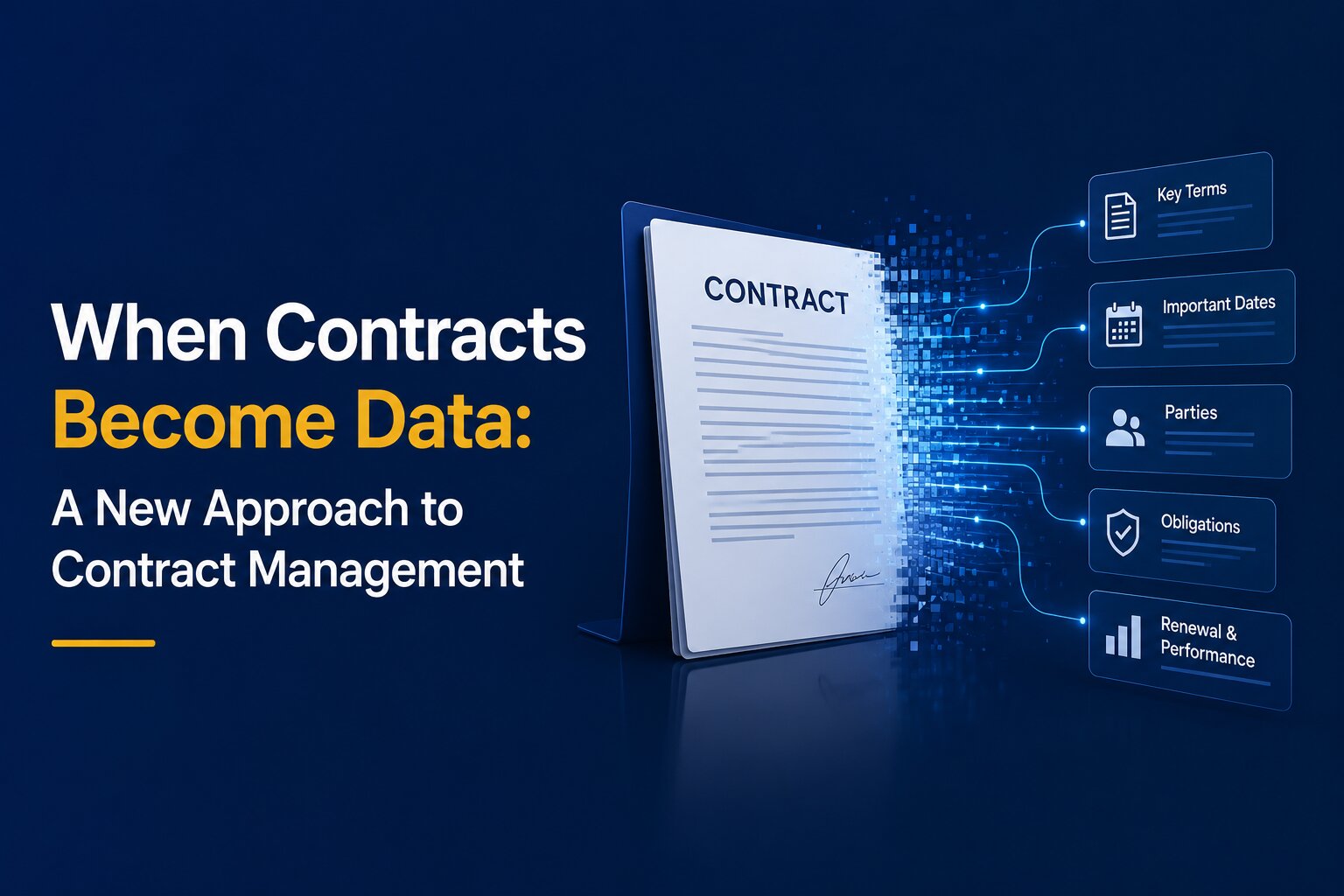
Teams can then use search and filtering to locate agreements by contract type, counterparty, department, status, effective date or expiry date. Metadata makes this information easier to organise and report on, while dashboards can provide a broader view of the contract portfolio.
What can be automated?
A modern contract management system can provide a central repository where authorised users can search and filter contract information. Depending on the system, teams may be able to organise contracts using information such as contract type, parties, dates, status or other metadata. Reporting can then provide a broader view of the portfolio.
For example, a legal or procurement team may want to understand how many contracts are awaiting approval, which agreements are approaching expiry or where outstanding actions exist. This is where automated contract management in Saudi Arabia becomes more than document storage. The objective is to make contract information usable for everyday decisions.
What Should Stay With Legal and Business Teams?
Automation works best when businesses are clear about the difference between repetitive processes and professional judgement. Tasks such as routing a request, sending a reminder, updating a status, organising documents or notifying an approver are often suitable for automation. Other activities require people.
Legal professionals may need to assess whether a clause creates an unacceptable risk. A commercial team may need to decide whether a proposed term makes business sense. Senior stakeholders may need to approve an exception or negotiate a significant commitment. Those decisions should not be reduced to automated workflow rules simply because the surrounding administrative work can be automated.
A useful way to think about contract automation is:
Automate the movement and administration of the contract. Keep legal, commercial and risk decisions with the people responsible for them.
What Should Saudi Businesses Consider Before Automating Contracts?
Choosing a contract management system is not only a technology decision. The system needs to fit the organisation's actual legal and business processes.
Data protection and access controls
Contracts can contain names, contact details, identification information, financial information and other personal or commercially sensitive data. Saudi Arabia's Personal Data Protection Law applies to the processing of personal data in the Kingdom, including certain processing related to individuals in Saudi Arabia by parties outside the Kingdom. SDAIA's guidance and implementing framework provide further requirements around personal-data processing and transfers.
For this reason, organisations should understand how a contract platform handles access, storage, processing and, where relevant, transfers of data. The software itself should not be treated as an automatic guarantee of compliance. Businesses still need to assess their own legal and organisational requirements.
Arabic and English workflows
Many Saudi organisations work across Arabic and English documentation. The ability to work with both languages can therefore be relevant when evaluating legal contract management software in Saudi Arabia. The requirement is not simply about changing the language of a button or menu. Teams should consider whether the overall contract workflow works for the documents and users they actually deal with.
Existing approval structures
Every organisation has its own approval process. Some contracts may require legal and finance review. Others may need procurement approval or additional executive sign-off. A useful system should be flexible enough to reflect these existing requirements rather than forcing every contract through one identical workflow.
Integration with existing systems
Contract management rarely operates in isolation. Teams may already rely on email, document management systems, Microsoft tools, ERP systems or other business applications. Before choosing a platform, businesses should consider how contract information will move between these systems and whether the new workflow will reduce duplication rather than create another separate place to work.
Auditability and governance
It should also be possible to understand what happened to a contract throughout its lifecycle.
Who reviewed it?
Who approved it?
Which version was used?
When was it executed?
What actions are still pending?
Clear records and appropriate access controls can make these questions easier to answer and support better internal governance.
What Does a Connected Contract Lifecycle Look Like?
The seven processes above become more useful when they work together rather than operating as separate tools. Consider a Saudi business entering into a new supplier agreement. The business team submits a contract request with the required information. The legal team receives the request and starts from an approved template. The contract moves through the appropriate review and approval workflow. During negotiation, the different versions remain organised.
Once the final version is approved, it is sent for signature, and the execution status can be tracked. After signing, the agreement is stored centrally, with its renewal date and other important milestones recorded. Months later, the responsible team can find the agreement quickly, check its status and act on an upcoming renewal.
The individual steps are not particularly complicated. The challenge is keeping them connected. That is where contract lifecycle management software in Saudi Arabia can become useful: not by removing every human task, but by providing a consistent workflow from the initial request through ongoing contract management.
How Beveron Smart Legal Contract Supports the Contract Lifecycle
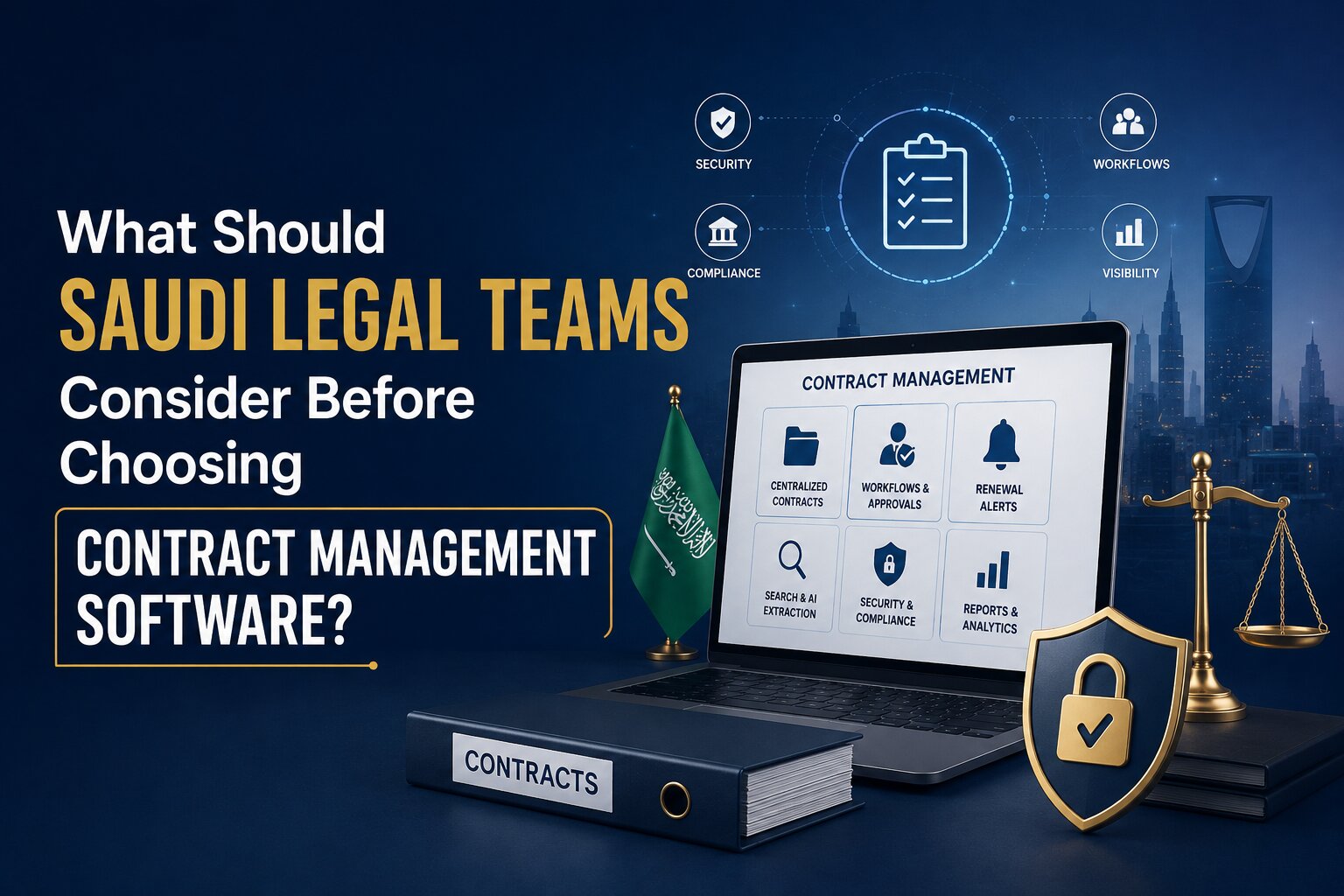
Beveron's Smart Legal Contract is designed to bring contract activities into a connected workflow, covering areas such as contract requests, drafting, review, approval, execution, renewal and reporting. Its published product information also includes template-based contract creation, version comparison, automated approval workflows, a central digital contract repository and electronic-signature integration. For teams dealing with large contract volumes, the platform provides a centralised repository with search and filtering capabilities, version tracking and reporting. It also includes automated alerts for renewals, expirations and milestones.
The platform supports both English and Arabic interfaces, and its published information includes options for cloud or on-premises deployment. It also lists integrations with Microsoft Word and Outlook, along with SharePoint and other business systems. For a Saudi business evaluating contract management software, the important question is not simply whether a platform has a long list of features. It is whether those capabilities can support the organisation's actual contract workflow, approval structure, data requirements and ongoing management needs.
Automate the Process, Not the Judgement
Contract automation is most useful when it addresses the administrative work surrounding legal and commercial decisions. For Saudi businesses, that may mean starting with the areas where manual work is most visible: contract intake, drafting, approvals, version control, execution, renewal tracking and portfolio reporting.
The aim is not to remove people from the process. It is to give legal, procurement and business teams better control over the work that surrounds each contract. When those processes are connected, teams can spend less time searching for documents, chasing approvals and checking spreadsheets, and more time on the decisions that actually require their expertise.
If your organisation is reviewing contract lifecycle management software in Saudi Arabia, a practical next step is to map your current contract workflow and identify where delays, repeated manual work or poor visibility occur.
You can then see whether a platform such as Beveron Smart Legal Contract can support those specific processes through a tailored demonstration.
Frequently Asked Questions
What is contract lifecycle management software?
Contract lifecycle management (CLM) software helps organisations manage contracts across different stages, from request and drafting through review, approval, execution, renewal and ongoing management. The aim is to connect these activities in one structured workflow.
Which contract processes should Saudi businesses automate first?
Businesses can start with repetitive processes that create visible administrative work, such as contract intake, approval routing, reminders, version tracking and renewal monitoring. The right starting point depends on where the organisation currently experiences the most delays or manual effort.
Can contract automation replace legal review?
No. Automation can support administrative and workflow activities, but legal review, negotiation, risk assessment and decisions about exceptions still require appropriate human judgement.
What should Saudi businesses look for in contract management software?
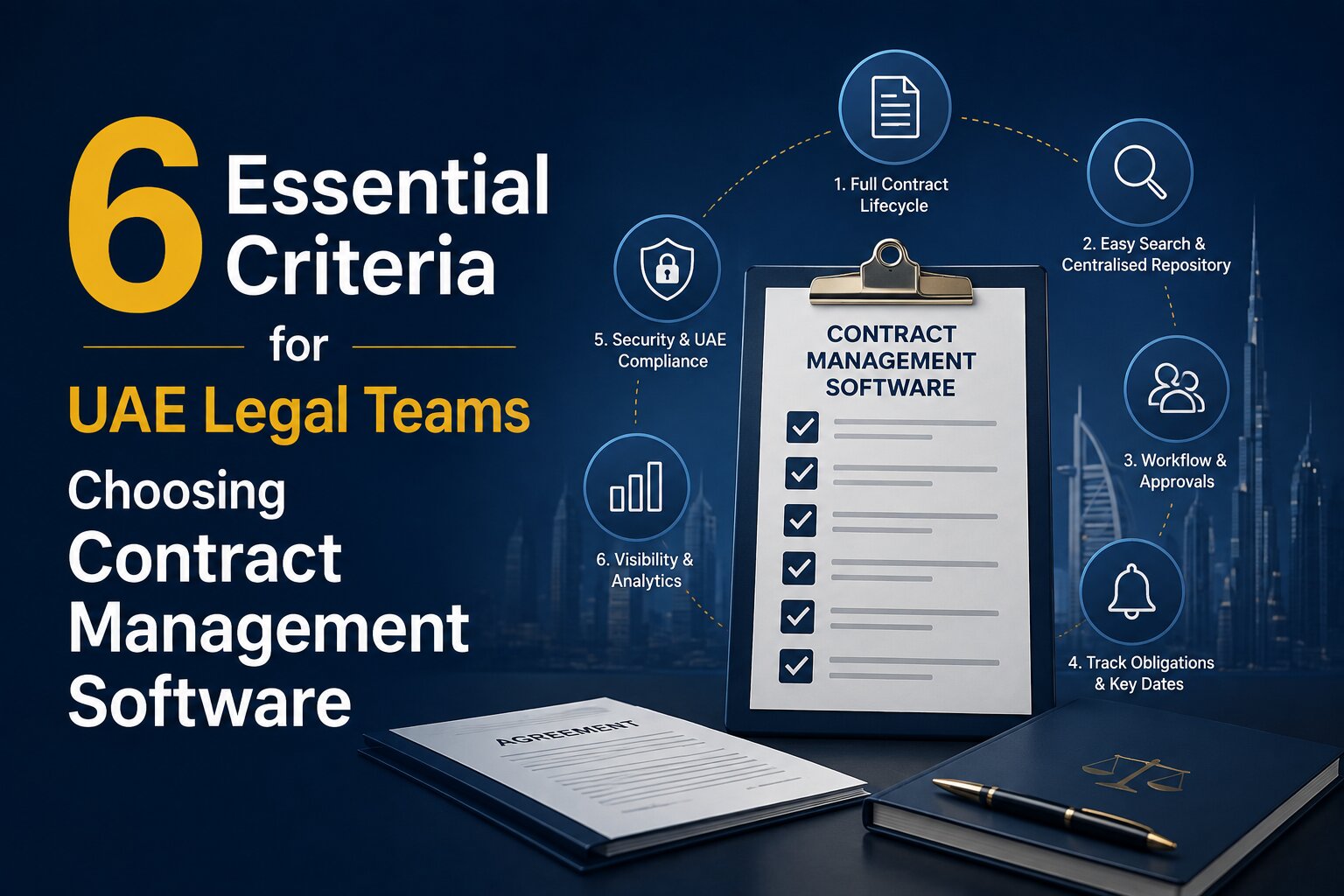
They should consider whether the system supports their contract workflows, approval structures, document management, search, renewal tracking, reporting, access controls and language requirements. Data processing and protection should also be assessed against the organisation's obligations under the Saudi regulatory environment.
How does contract management software help track renewals and expiry dates?
A contract management system can record important dates and provide reminders before renewal, expiry or other milestones. This gives responsible teams more time to review the agreement and take the necessary action.
Can contract lifecycle management support Arabic and English contracts?
This depends on the platform and the organisation's requirements. Businesses operating across Arabic and English workflows should evaluate both the user interface and the platform's ability to support their actual contract documents and processes.
Best contract management software in Saudi Arabia
Best legal contract management software in Saudi Arabia
Best contract workflow automation software in Saudi Arabia
If you need a free demo of the best contract management software in Saudi Arabia, please fill out the form.