How Can Kenyan Businesses Track Contract Renewals, Obligations and Approvals?

Managing contracts does not end when an agreement is signed. Businesses must keep track of renewal dates, meet contractual commitments and ensure that agreements receive the necessary approvals. When these responsibilities are handled through spreadsheets, email reminders and separate document folders, important details can easily be overlooked.
For Kenyan businesses working with suppliers, customers, service providers and business partners, these gaps can lead to missed deadlines, unnecessary costs and delays in day-to-day operations.
A more organised approach to contract management helps businesses keep important information in one place, assign responsibilities and make informed decisions before deadlines approach. With the right processes and tools, teams can manage contracts more confidently without relying on constant manual follow-ups.
Why Do Businesses Struggle to Track Contracts?
Contract management becomes difficult when information is spread across different systems or depends on individual employees to keep records updated. One common challenge is missing renewal dates. Some agreements renew automatically unless one party provides notice within a specified period. If the responsible team overlooks that deadline, the business may remain tied to an agreement it intended to review or end.
Tracking contractual obligations can be equally challenging. An agreement may contain payment schedules, delivery commitments, reporting requirements and other responsibilities that must be completed at different times. Without a clear record of these commitments, teams may struggle to determine what is due and who is responsible.
Approvals create another problem. A contract may need input from legal, finance, procurement or senior management before it can be signed. When reviews happen through long email threads, it is not always clear who needs to respond or whether the latest version has been approved. These challenges are often connected. When contract details are difficult to find, deadlines are harder to manage and decisions take longer.
How Can Businesses Track Contract Renewals and Obligations?
The first step is to establish a reliable process for recording important contract information and reviewing it regularly. Businesses do not necessarily need to change every part of their existing workflow at once. They can start by improving how dates, responsibilities and outstanding tasks are recorded.
Record Key Contract Dates
Every contract should have a clear record of its start date, end date, renewal terms and notice period. The business should also record the name of the person responsible for reviewing the agreement. For example, a Kenyan company with a one-year software subscription may need to notify its provider several weeks before the contract expires if it does not intend to renew. Recording only the expiry date may not be enough; the team must also know when it needs to make a decision.
A central contract register can help. It may be maintained in a spreadsheet initially or through contract management software as the number of agreements grows. The important point is to keep the information accurate, accessible and regularly updated.
Assign and Monitor Contractual Obligations
Contract dates are only one part of the picture. Businesses also need to know what each agreement requires them to do. Consider a supplier agreement that requires monthly payments, quarterly performance reports and deliveries by specific dates. If these responsibilities are buried in a lengthy document, employees may find it difficult to monitor them throughout the agreement.
A practical approach is to identify the important obligations, record their due dates and assign each task to a responsible person or department. Teams can then update the status as work progresses and flag anything that needs attention. Not every clause needs to become a separate task. The focus should be on commitments that affect business operations, payments, service delivery or other important responsibilities.
Set Reminders and Review Deadlines Early
A reminder sent on the day a contract expires is rarely helpful. Businesses need enough time to review the agreement, discuss changes and decide what should happen next. Setting reminders at suitable intervals before a renewal or notice deadline gives the responsible team time to act. The appropriate timing will depend on the contract. A straightforward service agreement may require less preparation than a major supplier or outsourcing contract.
Regular reviews also help businesses check whether obligations have been completed and whether the agreement still meets their needs. For contracts with automatic renewal clauses, teams should pay particular attention to notice requirements. They should review the actual contract terms rather than assume every agreement follows the same renewal process.
How Can Businesses Streamline Contract Approvals?
A clear approval process helps prevent contracts from sitting in inboxes while employees wait for decisions.
Define Who Needs to Review and Approve Contracts
Businesses should establish who needs to review a contract before it can be signed. Depending on the agreement, this may involve legal, finance, procurement, operations or a senior manager. The process should also make clear when additional approval is necessary. For example, a standard supplier agreement may follow a routine process, while a contract involving a significant financial commitment may require senior management approval.
Clear responsibilities reduce confusion and help employees send agreements to the right people from the beginning. Standard review steps can also make it easier to identify delays and understand where a contract is in the approval process.
Track Pending Approvals and Document Changes
Knowing who must approve an agreement is only part of the process. Teams also need to know whether the review is complete, whether changes have been requested and which version is ready for signature. A simple approval tracker can help smaller businesses monitor these details. As contract volumes increase, a dedicated workflow can provide a clearer view of pending reviews, outstanding actions and approval records. Maintaining document versions is particularly important when several people contribute to a contract. It helps prevent confusion about which terms were reviewed and reduces the risk of sending an outdated draft for signature.
A clear record of decisions also makes it easier to understand why changes were made and who authorised them.
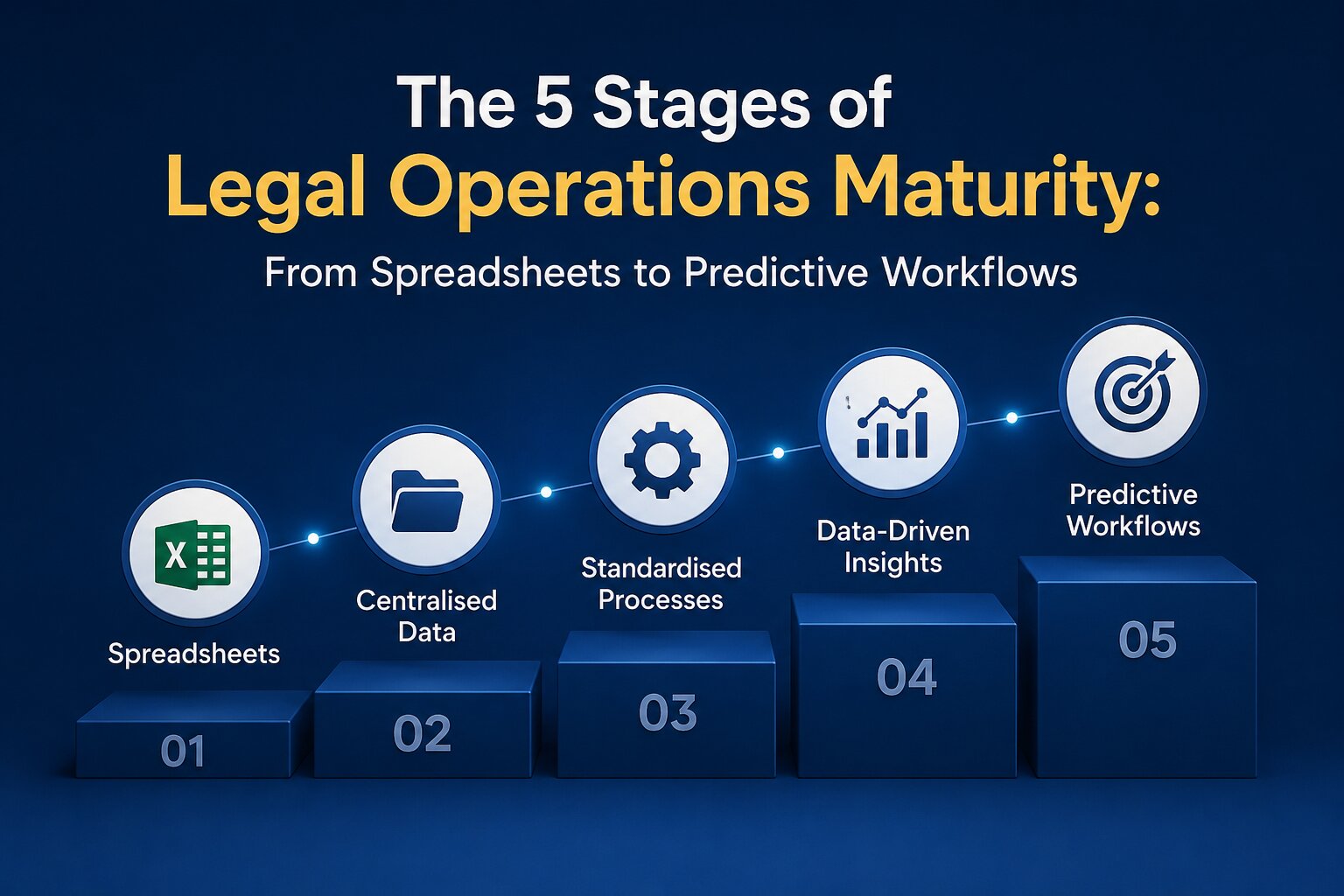
When Should a Business Move Beyond Spreadsheets?
Spreadsheets can be a reasonable starting point for a business with a small number of straightforward agreements. They are familiar, inexpensive and useful for recording dates, contract owners and basic status updates. However, maintaining them becomes more difficult as the number of contracts grows. Employees may update different copies, reminders may depend on individual calendars, and important clauses can remain hidden inside documents that are not connected to the tracking sheet.
Spreadsheets also offer limited support for managing a contract's full approval process. Teams may need to switch between email, shared folders and separate trackers to find out whether an agreement has been reviewed, amended or signed. Dedicated contract management software can bring these activities together. Instead of maintaining separate records for documents, deadlines and approvals, teams can manage more of the contract process within one system.
The decision does not depend on contract volume alone. A business managing a small number of high-value agreements with complex renewal terms may also benefit from a more structured system. The key question is whether the current process gives employees reliable information when they need to make decisions.
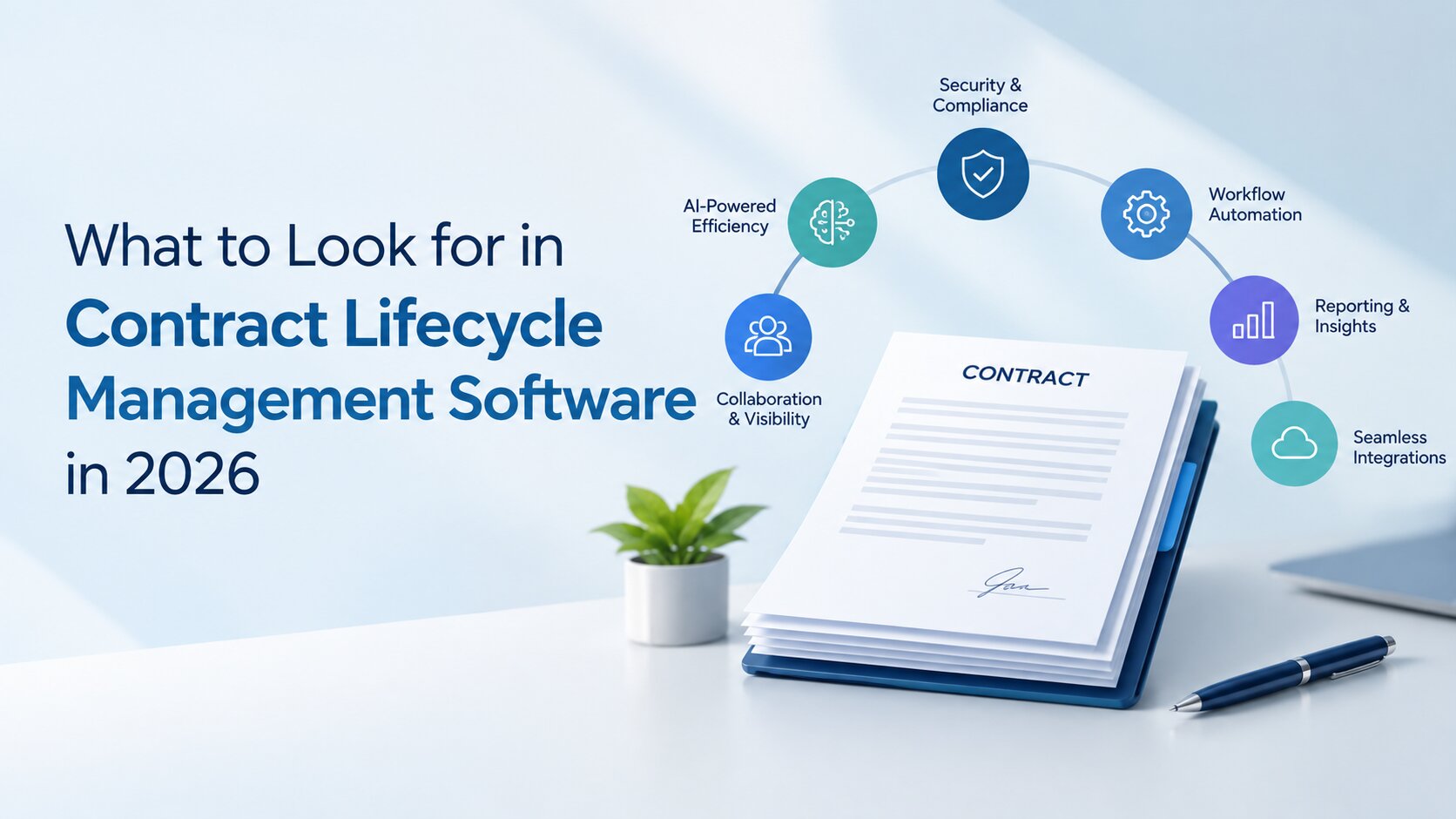
What Should Businesses Look for in Contract Management Software?
Choosing contract management software starts with understanding where the existing process falls short. Businesses should focus on capabilities that address their actual needs rather than selecting a system simply because it offers a long list of features.
- Centralised contract records and search: Employees should be able to locate agreements and relevant information without searching through multiple folders or email conversations.
- Renewal and expiry reminders: The system should help teams identify approaching deadlines and provide enough time to review agreements before renewal or notice periods expire.
- Obligation and deadline tracking: Businesses should be able to record important commitments, due dates and responsibilities, with clear visibility into outstanding tasks.
- Approval workflows: The software should support the organisation's review and approval process, making it easier to identify pending decisions and keep the process moving.
- Access controls and reporting: Appropriate permissions help protect confidential contract information, while reports can help managers review upcoming renewals, pending approvals and other important contract details.
Businesses should also consider ease of use, integration with existing tools and the ability to adapt the system to their internal processes. A solution is most useful when employees can incorporate it into their daily work.
How Can Beveron Smart Legal Contract Support Contract Management?
For businesses looking to organise their contract processes, Beveron Technologies offers Smart Legal Contract, a contract lifecycle management solution designed to support activities from contract requests and drafting through approvals, signing, storage and renewal management. Its centralised contract records and search capabilities help teams organise agreements and retrieve relevant information more easily. Renewal and expiry alerts can help users keep important dates visible and prepare for upcoming decisions.
The platform also supports contract collaboration and approval workflows, helping teams coordinate reviews and manage agreements as they move through different stages. Metadata filtering can make it easier to find contracts based on recorded information, while AI-assisted clause extraction can help users identify relevant terms without relying entirely on manual document reviews.
Electronic signatures, document storage and reporting capabilities further support the process of managing agreements and maintaining organised records.
For Kenyan businesses dealing with growing contract volumes or multiple departments involved in contract decisions, these capabilities may help reduce dependence on scattered files and manual follow-ups. The value will depend on how the system is configured and whether its features match the organisation's specific requirements.
Businesses evaluating the platform should review its available features, deployment options and workflow configuration to determine whether it suits their existing processes.
Conclusion
Tracking contract renewals, obligations and approvals requires more than storing signed agreements. Businesses need accurate records, clear responsibilities, timely reminders and a reliable way to monitor decisions throughout the contract lifecycle. Spreadsheets may work for simple requirements, but growing contract volumes and increasingly complex workflows can make manual tracking difficult to maintain. A more structured approach helps teams identify upcoming deadlines, follow outstanding commitments and keep approvals moving.
For businesses looking to improve how they manage agreements, Beveron Smart Legal Contract offers capabilities for organising contracts, managing approval workflows and monitoring important renewal dates.
Explore Beveron Smart Legal Contract to learn more about its contract management capabilities.
Best contract management software in Kenya
Best contract renewal tracking in Kenya
Best contract tracking software in Kenya
If you need a free demo of the best contract management software in Kenya, please fill out the form.