Best Legal Contract Review Software in Saudi Arabia: A Complete Guide for Corporate Legal Teams

Contract review is becoming an increasingly important part of modern legal operations. For corporate legal teams in Saudi Arabia, the challenge is no longer simply reviewing contracts carefully. Teams also need to manage growing contract volumes, find information quickly, monitor important dates, collaborate with business stakeholders and maintain appropriate controls over sensitive information.
Saudi Arabia’s wider digital transformation is creating an environment where businesses are increasingly adopting digital tools to improve how they operate. Under Vision 2030, the Kingdom has continued to invest in digital infrastructure, technology and innovation.
For legal departments, this creates an opportunity to move away from fragmented spreadsheets, email chains and manually maintained contract folders towards more organised contract management.
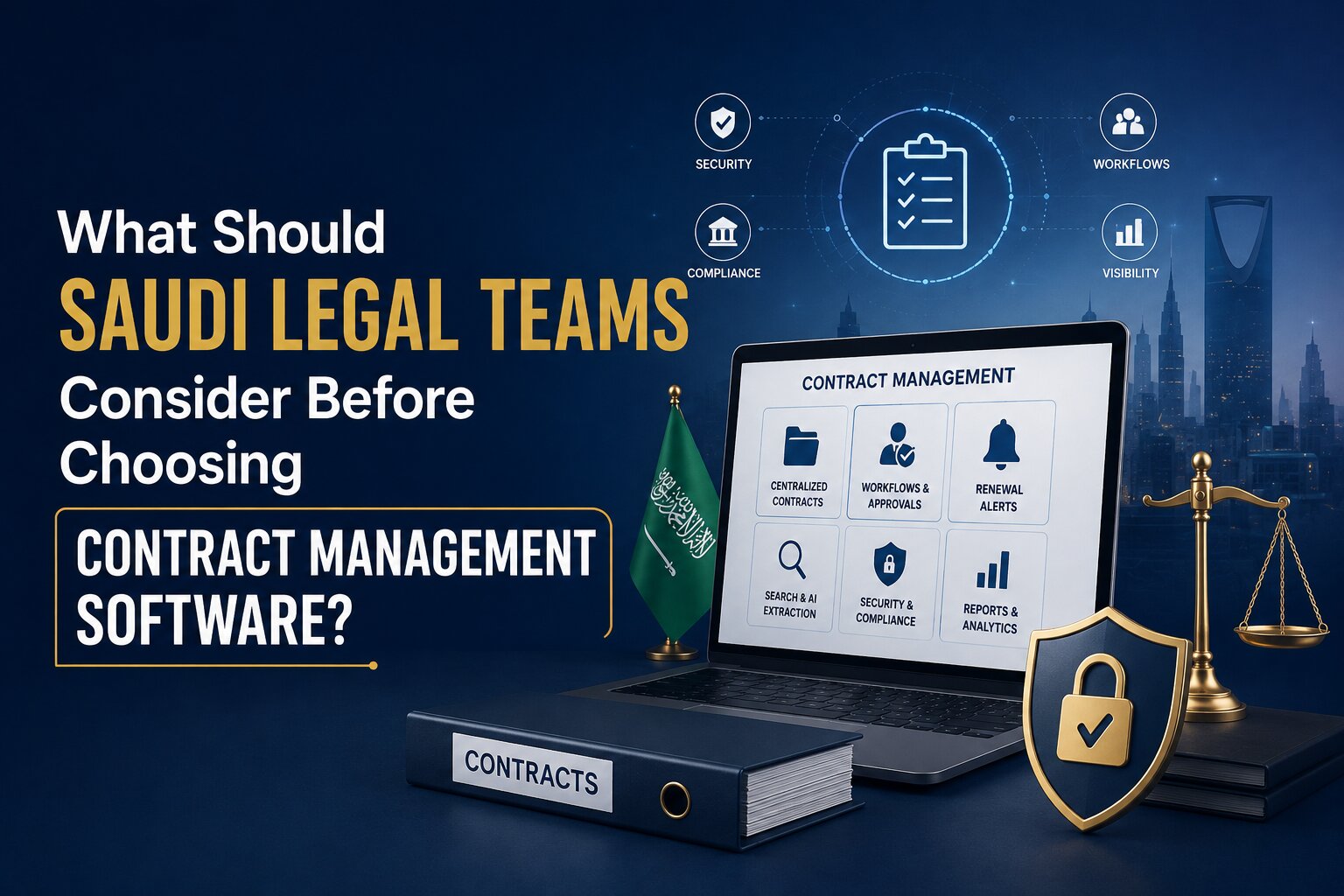
But choosing the right legal contract review software in Saudi Arabia requires more than looking for the platform with the most AI features. The right solution should fit the organisation's contract volume, language requirements, security expectations, existing workflows and long-term needs.
Why Legal Contract Review Software Matters in the Saudi Market
A contract may look like a single document, but managing it involves much more than reading the agreement and approving it.
Legal teams may need to compare different versions, identify important clauses, check obligations, respond to business teams, track approvals and monitor renewal dates. When this work is handled manually, even a well-organised legal department can spend significant time on repetitive tasks.
Common Contract Review Challenges
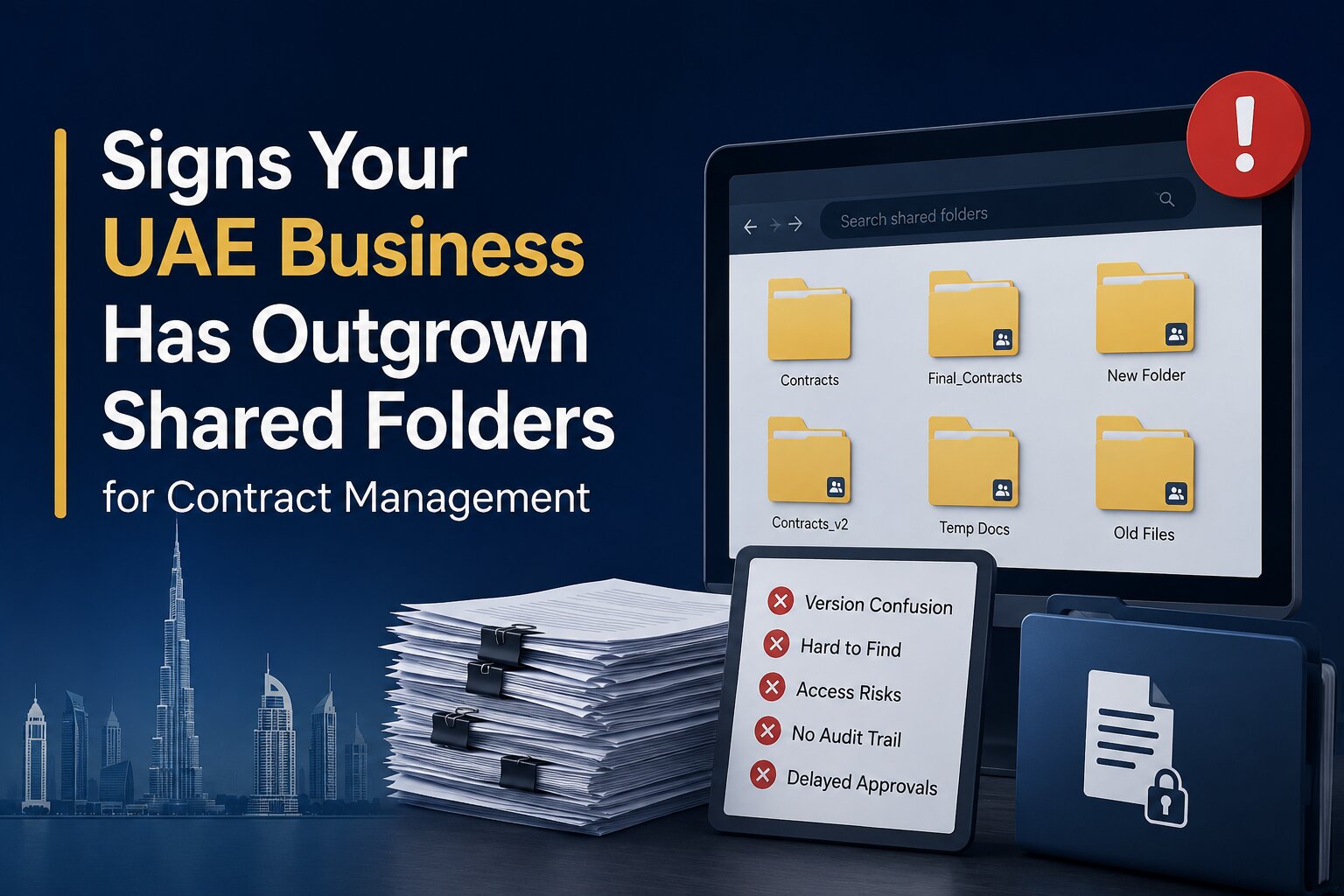
One of the most common challenges is simply finding the right information. A legal team may have contracts stored across shared folders, email attachments, document management systems and individual workspaces. When someone asks, "Which agreements expire this quarter?" or "Which contracts contain this clause?", finding the answer can take longer than expected.
Manual review can also create other problems:
- Repeatedly searching through long contracts
- Comparing multiple versions of an agreement
- Identifying key clauses manually
- Tracking contract obligations in separate spreadsheets
- Missing renewal or expiry dates
- Managing review comments through long email threads
- Limited visibility into the overall contract portfolio
These issues become more noticeable as a company grows and the number of contracts increases.
Saudi-Specific Considerations for Contract Management
Corporate legal teams in Saudi Arabia also need to consider local requirements when selecting contract management technology. Language is one example. Businesses may work with contracts in Arabic, English or both. A platform that can accommodate bilingual contract environments can make searching and managing agreements more practical for regional teams.
Data protection is another important consideration. Saudi Arabia's Personal Data Protection Law (PDPL) establishes requirements around the processing and protection of personal data. The rules also address transfers of personal data outside the Kingdom, including requirements relating to protection levels, safeguards and limiting transfers to the minimum data necessary.
This does not mean every organisation must use locally hosted software. Instead, legal and IT teams should understand where their data is stored, how it is processed, who can access it and whether any cross-border transfers take place.
For this reason, data security, hosting arrangements, access controls and auditability should be part of the software evaluation process from the beginning.
The Role of Technology in Modern Contract Review
Good contract software does not replace legal judgement. Instead, it can take care of repetitive work so lawyers can spend more time on decisions that require experience and context.
For example, software can help a legal team locate relevant contracts, extract important information, identify clauses, organise documents and monitor key dates. This can create a more consistent review process without removing the lawyer from it.
Key Features to Look for in Contract Review Software
Not every contract management platform offers the same capabilities. Before choosing a solution, corporate legal teams should identify the features that will have a practical impact on their day-to-day work.
AI-Powered Clause Extraction and Risk Identification
Long contracts can contain hundreds of clauses, making manual searches time-consuming. AI-assisted contract analysis can help identify and extract important clauses and contract information. Depending on the platform, this may include items such as termination provisions, renewal terms, obligations, dates, parties and other predefined information.
The value is not simply speed. Structured information makes it easier for legal teams to review agreements consistently and find specific information later. For a broader look at how AI is being applied across contract review, risk detection and legal workflows in Saudi Arabia, see our guide on AI Contract Management: How Artificial Intelligence is Transforming Legal Operations in Saudi Arabia.
However, AI results should support—not replace—professional legal review. Contracts often depend on business context, negotiation history and the specific circumstances of a transaction.
Arabic and Bilingual Contract Support
For organisations operating in Saudi Arabia and across the GCC, language support can be an important consideration. A useful contract platform should make it practical to manage Arabic and English agreements within the same environment. Legal teams should also check how the system handles searching, filtering and organising bilingual contracts rather than assuming that general language support will automatically meet their needs.
Contract Search and Metadata Management
A contract repository becomes much more useful when legal teams can actually find what they need.
Advanced search and metadata filtering can help users narrow contracts based on information such as:
- Contract type
- Business entity
- Counterparty
- Effective date
- Expiry date
- Contract status
- Department
- Other defined contract attributes
This can be particularly useful when the legal team needs information quickly for reporting, audits, renewals or business decisions.
Integration with Existing Legal Workflows
Contract review rarely happens in isolation. A contract may move from drafting to internal review, approval, negotiation, signature and ongoing monitoring. It may also connect with legal matters, compliance activities and document management. When evaluating software, legal teams should therefore consider how well it fits into their existing processes.
Depending on the organisation, this may include connections with:
- Contract lifecycle management
- E-signature workflows
- Document management
- Legal matter management
- Compliance processes
- Existing business systems
The goal is not to add another disconnected tool. It is to create a smoother workflow.
Security, Access Control and Audit Trails
Contracts often contain commercially sensitive information, personal data and confidential business terms. A contract platform should therefore provide appropriate security controls, including controlled user access and an audit history of relevant activity.
Teams should ask questions such as:
- Who can access contracts?
- Can permissions be assigned by role?
- How is sensitive information protected?
- Where is data stored?
- What happens when information is transferred outside Saudi Arabia?
- Can the organisation review user activity?
- How are contracts and personal data retained and deleted?
Saudi guidance on personal data protection also highlights the importance of understanding storage locations, retention periods and the technical and organisational measures used to protect personal data.
Collaboration and Contract Visibility
Contract review usually involves more than one person. Legal teams may need input from procurement, finance, sales, compliance, HR or senior management. A centralised system can make collaboration easier by giving authorised users access to the information they need without relying on multiple email threads and document copies.
It can also give legal teams a clearer view of the status of their contracts.
How to Evaluate Contract Review Software
Once the required features have been identified, the next step is to evaluate how well each platform fits the organisation.
Scalability
A solution that works for a small legal department may not be suitable when the business grows.
Consider:
- How many contracts are currently managed?
- How quickly is the contract portfolio growing?
- How many users need access?
- Will multiple departments use the platform?
- Does the organisation operate across multiple entities or locations?
Scalability is not only about handling more documents. It is also about whether the platform can continue supporting the team's workflow as its needs change.
Ease of Implementation and Onboarding
Even a feature-rich system can fail if users find it difficult to adopt. Ask about implementation time, contract migration, user training and ongoing administration.
It is also worth testing the platform with real examples before making a decision. A demonstration using generic sample documents may not reveal how well the software handles the contracts your team actually works with.
Total Cost of Ownership
Price is important, but the cheapest platform is not necessarily the least expensive option in the long term.
Consider the complete cost, including:
- Software licensing or subscription
- Implementation
- Data migration
- Training
- Support
- Additional users
- Future expansion
A platform that saves significant manual effort may provide greater value even if its initial cost is higher.
Vendor Support and Regional Expertise
Support becomes especially important when a legal team introduces a new system across an organisation. Consider whether the provider offers responsive support, implementation assistance and a clear process for handling technical issues.
For Saudi and GCC businesses, regional understanding can also be useful, particularly when the platform needs to accommodate local language, business and compliance requirements.
Top Legal Contract Review Software Options in Saudi Arabia
There is no single type of contract software that will suit every corporate legal department. For businesses exploring AI-based options, it is also useful to understand how modern platforms support contract automation, compliance, workflow management and bilingual contract environments. Our guide to Best AI Legal Contract Management Solutions for Businesses in Saudi Arabia explores the key features and considerations for choosing an AI-based contract management solution.
The market includes several categories of solutions.
Dedicated AI Contract Review Tools
These platforms focus heavily on analysing contracts, identifying clauses and helping lawyers review agreements. They may suit teams whose main requirement is faster contract analysis.
Contract Lifecycle Management Platforms
Contract lifecycle management platforms cover a wider process, from drafting and review through approval, signing, storage and renewal. These can be a better fit for organisations that want to manage the entire contract lifecycle rather than review documents alone.
Broader Legal Operations Platforms
Some legal technology platforms combine contract management with other legal functions, such as matters, compliance, reporting and legal workflows. These may be useful for corporate legal departments that want contracts to sit within a wider legal operations environment.
What Should Saudi Businesses Compare?
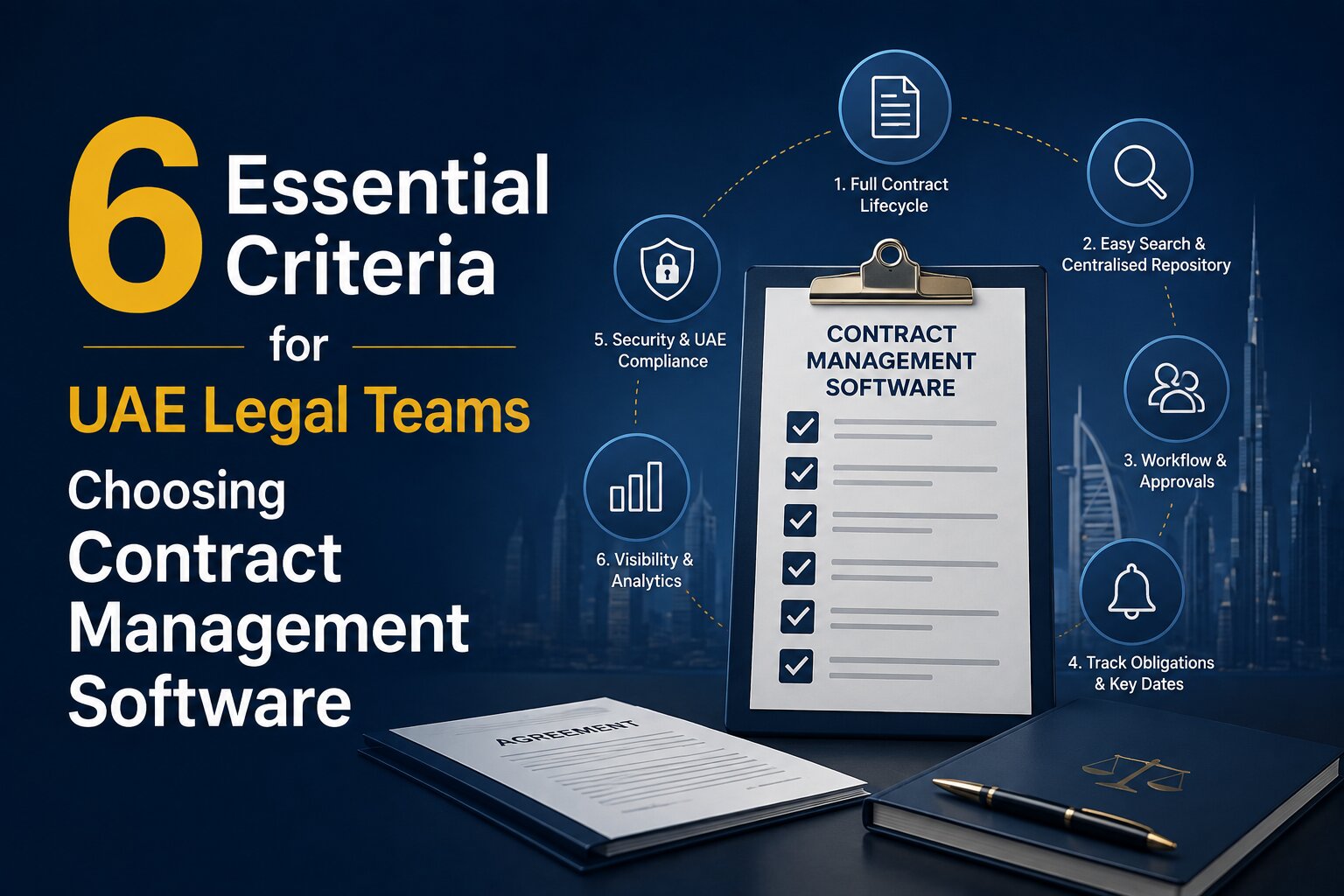
Rather than choosing software based only on a feature list, compare solutions across areas such as:
Evaluation area | What to consider |
|---|---|
Contract analysis | Clause extraction, review support and information identification |
Language | Arabic and English contract handling |
Search | Search, filtering and metadata capabilities |
Workflow | Review, approval, signing and monitoring |
Security | Access controls, protection and auditability |
Data | Storage location, processing and transfer arrangements |
Scalability | Users, contracts and organisational growth |
Integration | Compatibility with existing systems |
Support | Implementation and ongoing assistance |
Cost | Total cost over the expected period of use |
This approach makes the comparison more useful because it focuses on business needs rather than simply counting features.
Where Smart Legal Contract Fits for Saudi Corporate Legal Teams
For corporate legal teams looking for a broader way to manage contracts, Beveron Smart Legal Contract brings contract review and ongoing contract management into a central platform.
Rather than treating contract review as a one-time activity, the platform is designed to help teams manage contracts throughout their lifecycle—from organising agreements and finding information to monitoring important dates and reviewing contract data.
Key Features of Smart Legal Contract
The platform includes capabilities such as:
- AI-assisted clause extraction
- Advanced contract search
- Metadata-based filtering
- Contract analytics
- Renewal and expiry alerts
- Centralised contract management
- E-signature support
- Contract workflow management
- Controlled access and permissions
These features can help legal teams reduce the time spent on repetitive contract administration while keeping important information easier to access.
What Are the Benefits for Legal Teams?
The practical value comes from bringing several contract activities into one place. Instead of searching through different folders or spreadsheets, legal teams can use a central contract repository to locate agreements and key information. Search and metadata filters can make it easier to identify specific contracts, while alerts can help teams keep track of renewal and expiry dates.
AI-assisted clause extraction can also reduce the amount of time spent manually locating recurring contract information.
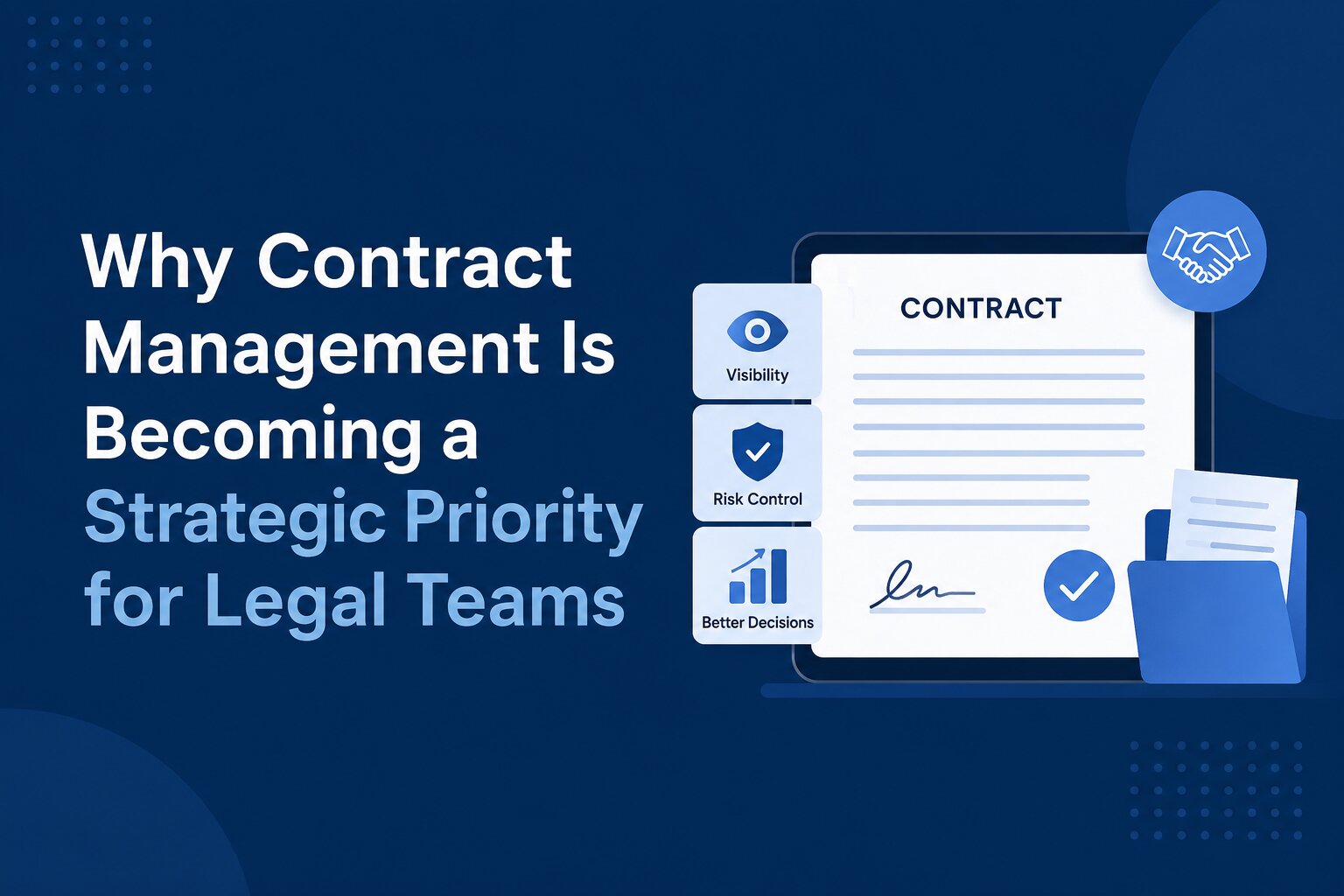
For a corporate legal department, this can mean better visibility across the contract portfolio and a more organised approach to contract review and monitoring.
Why It Can Be Relevant for Saudi Businesses
Saudi organisations often operate in environments where contracts need to be managed across different teams, entities and languages. A contract management platform that supports structured search, contract analysis and ongoing monitoring can help legal teams bring greater consistency to these processes.
At the same time, organisations should always assess a technology provider's security, hosting, data processing and compliance arrangements against their own requirements. Saudi data protection rules place specific requirements on personal data processing and transfers outside the Kingdom, so these considerations should form part of the procurement process.
How to Choose the Right Contract Review Software for Your Legal Team
Choosing a platform becomes easier when the decision is broken into a few practical steps.
Step 1: Assess Your Contract Volume
Start with the basics.
How many active contracts does the organisation have? How many new agreements does the legal team review each month? How many people need access?
These numbers will help determine whether the organisation needs a lightweight solution or a more comprehensive platform.
Step 2: Identify Your Biggest Problems
Do not start with software features. Start with the problems you want to solve.
For example, your biggest challenge might be:
- Spending too much time reviewing contracts
- Difficulty finding agreements
- Missing renewal dates
- Poor visibility across contracts
- Managing multiple versions
- Lack of collaboration between legal and business teams
The right platform should address those problems directly.
Step 3: Define Your Saudi-Specific Requirements
Consider the requirements that are particularly relevant to your organisation.
These may include Arabic and English contracts, data protection, storage and transfer arrangements, internal security policies and regional business requirements.
Where personal data is involved, legal and IT teams should also understand whether the proposed system involves transferring data outside the Kingdom and what safeguards apply. Saudi regulations provide specific requirements around such transfers.
Step 4: Compare the Platforms
Create a simple scorecard covering:
- Contract analysis
- Search
- Language support
- Security
- Workflow
- Integration
- Scalability
- Support
- Cost
This makes it easier to compare platforms objectively.
Step 5: Test Before Making a Decision
A product demonstration is useful, but testing the platform with representative contracts is even better.
Ask the vendor to demonstrate the tasks your legal team performs regularly.
For example:
- Find a particular contract
- Extract key clauses
- Filter agreements by expiry date
- Review contract metadata
- Check user permissions
- Generate a report
- Set up a renewal alert
This gives the team a much clearer idea of whether the software will work in practice.
Testing the platform is only the first part of the process. Once a solution has been selected, a structured implementation approach can help legal teams move from manual processes to a more organised contract workflow. For a practical look at the implementation process, read our guide on How to Implement AI Contract Management Software in Corporate Legal Teams.
Conclusion
The best legal contract review software in Saudi Arabia is not necessarily the platform with the longest feature list or the most advanced-sounding AI. For corporate legal teams, the better question is whether the software fits the way the organisation actually works. Contract volume, Arabic and English requirements, security, data handling, search capabilities, workflow integration, scalability and vendor support all deserve attention before making a decision.
The right platform can reduce repetitive administrative work, make contract information easier to find and give legal teams better visibility across their agreements. AI can support this process by helping identify clauses and organise information, while lawyers remain responsible for interpretation and final legal decisions.
For organisations looking to bring contract review, search, monitoring and management into a more structured workflow, Beveron Smart Legal Contract is one option worth evaluating.
Explore Smart Legal Contract or request a demo to see how it can support your organisation's contract management and review needs.
Best legal contract review software in Saudi Arabia
Best legal contract management software in Saudi Arabia
Best contract automation software in Saudi Arabia
If you need a free demo of the best legal contract review software in Saudi Arabia, please fill the form.