AI Contract Management: How Artificial Intelligence is Transforming Legal Operations in Saudi Arabia
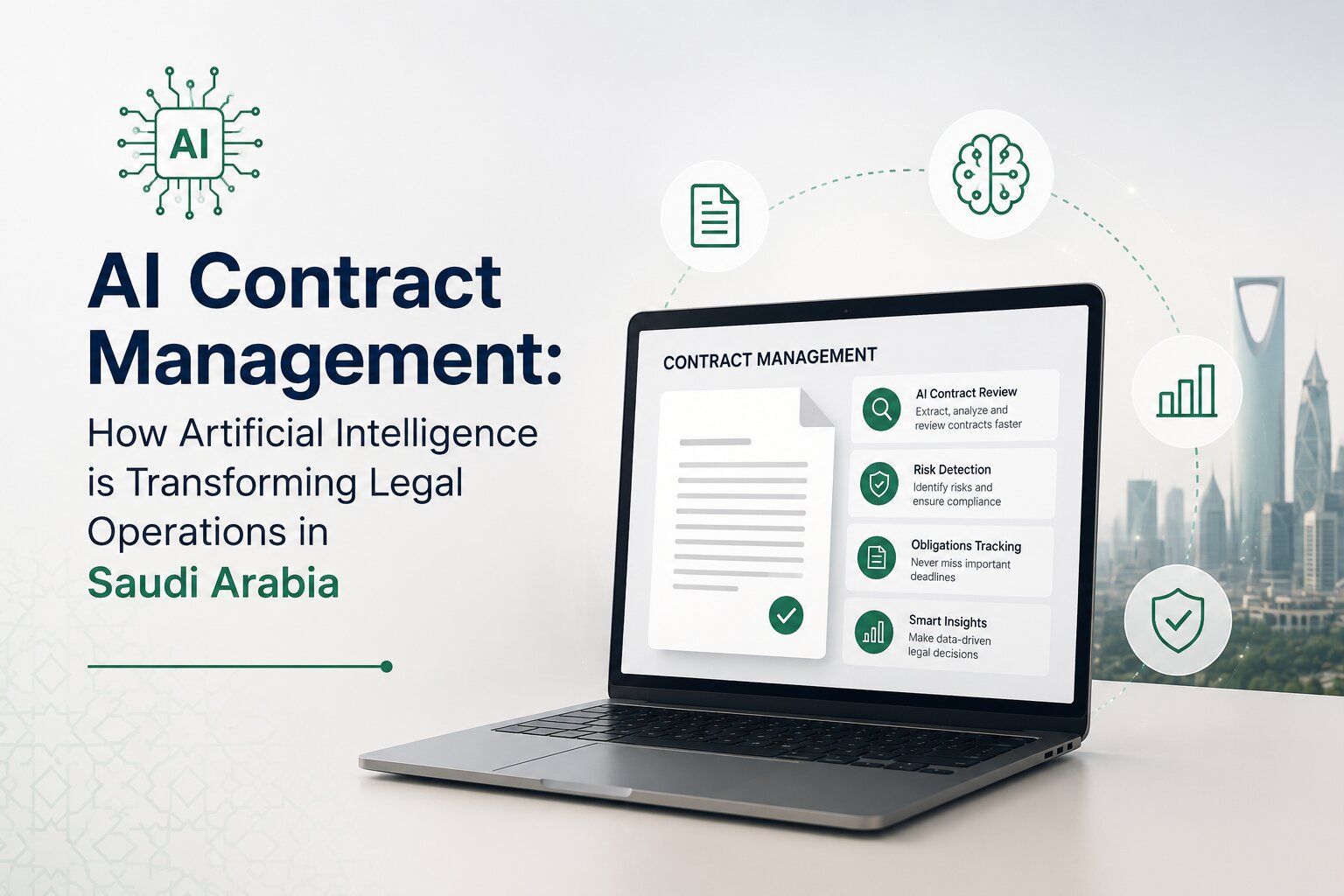
Artificial intelligence (AI) is reshaping legal operations across Saudi Arabia. As organisations grow, they manage an increasing number of supplier agreements, procurement contracts, employment contracts, partnership agreements, and service agreements. Handling these contracts manually is becoming more time-consuming and difficult.
For many legal teams, reviewing lengthy agreements, managing approval workflows, and keeping track of compliance requirements consumes valuable time. Contracts are often scattered across emails, spreadsheets, and shared folders, making it easy to miss important clauses, renewal dates, or contractual obligations.
This is where AI contract management is making a real impact. Rather than replacing lawyers, AI automates repetitive tasks, highlights potential risks, and makes contract information easier to access. Legal professionals can spend less time on administration and more time providing strategic legal advice.
In Saudi Arabia, the adoption of AI-powered legal technology continues to grow as organisations support Vision 2030 and broader digital transformation initiatives. Businesses are investing in intelligent contract management solutions that improve efficiency, strengthen compliance, and reduce legal risk.
As more organisations evaluate AI-driven legal technology, selecting the right platform becomes an important decision. Read our guide on Best AI Legal Contract Management Solutions for Businesses in Saudi Arabia to compare the key capabilities businesses should look for when choosing a solution.
In this article, we'll discuss the benefits of AI contract management, its key features, and how it helps legal teams work smarter. You'll also learn why it's becoming an essential solution for organisations across Saudi Arabia.
Why AI Contract Management Matters More Than Ever in Saudi Arabia
Saudi Arabia's economy is expanding rapidly through major infrastructure projects, private sector investment, and international partnerships. As organisations grow, contract volumes increase, making manual contract management increasingly difficult.
Today's legal teams are expected to do far more than review contracts. They support business growth, maintain compliance, manage legal risk, and help departments close agreements faster. Without modern technology, balancing these responsibilities becomes increasingly challenging.
Digital transformation under Vision 2030 is accelerating the adoption of smarter legal operations. Instead of relying on paper files, spreadsheets, and lengthy email chains, organisations are moving towards digital contract management platforms that centralise information and streamline legal workflows.
AI takes this further by analysing contracts, identifying important clauses, highlighting potential risks, recommending actions, and automating repetitive tasks. This enables legal professionals to make faster, more informed decisions while maintaining accuracy.
Industries such as banking, healthcare, construction, energy, telecommunications, and government often manage hundreds or thousands of active contracts. Without a structured contract management system, tracking approvals, obligations, renewals, and compliance quickly becomes overwhelming.
The Hidden Costs of Manual Contract Management
Manual contract management affects far more than the legal department.
Reviewing contracts through multiple email exchanges slows approvals, while searching for the latest version of an agreement wastes valuable time. Missed renewal dates can lead to unnecessary costs, and inconsistent contract language increases legal and commercial risks.
As contract volumes grow, maintaining compliance also becomes more difficult. Reviewing every agreement manually increases the likelihood of overlooked clauses, inconsistent wording, and delayed business decisions.
These inefficiencies impact procurement, finance, sales, and executive teams, delaying projects and increasing operational risk across the organisation.
What Is AI Contract Management?
AI contract management combines artificial intelligence with contract lifecycle management (CLM) to improve how organisations create, review, approve, store, and monitor contracts.
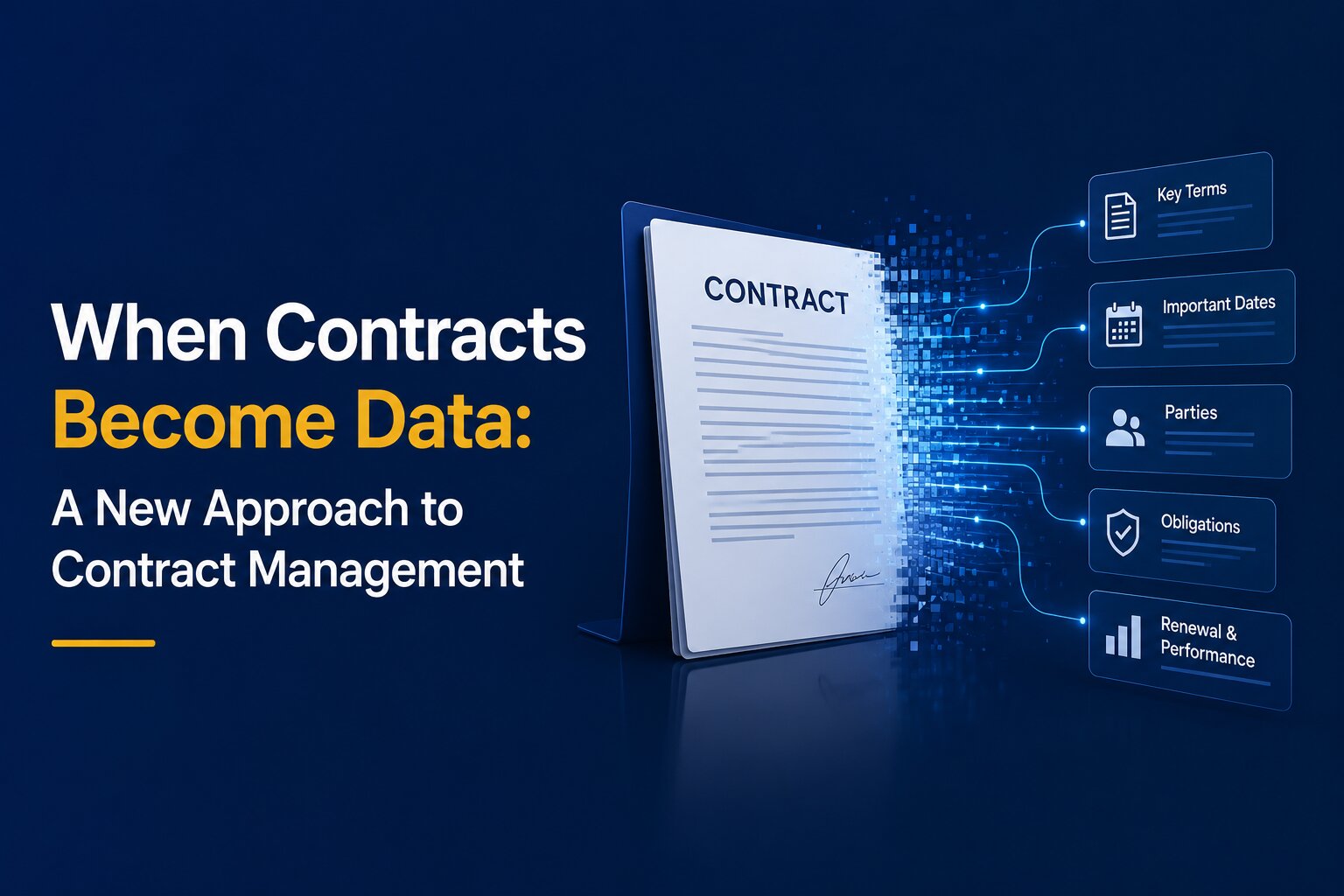
Instead of functioning as a simple document repository, AI analyses the content within agreements. It can identify key clauses, extract important data, compare contracts against approved templates, detect unusual language, and highlight potential legal risks before agreements are signed.
Lawyers continue making legal decisions and negotiating complex agreements. AI simply removes much of the repetitive work that traditionally consumes their time.
How AI Supports the Entire Contract Lifecycle
Modern AI contract management solutions support every stage of the contract lifecycle.
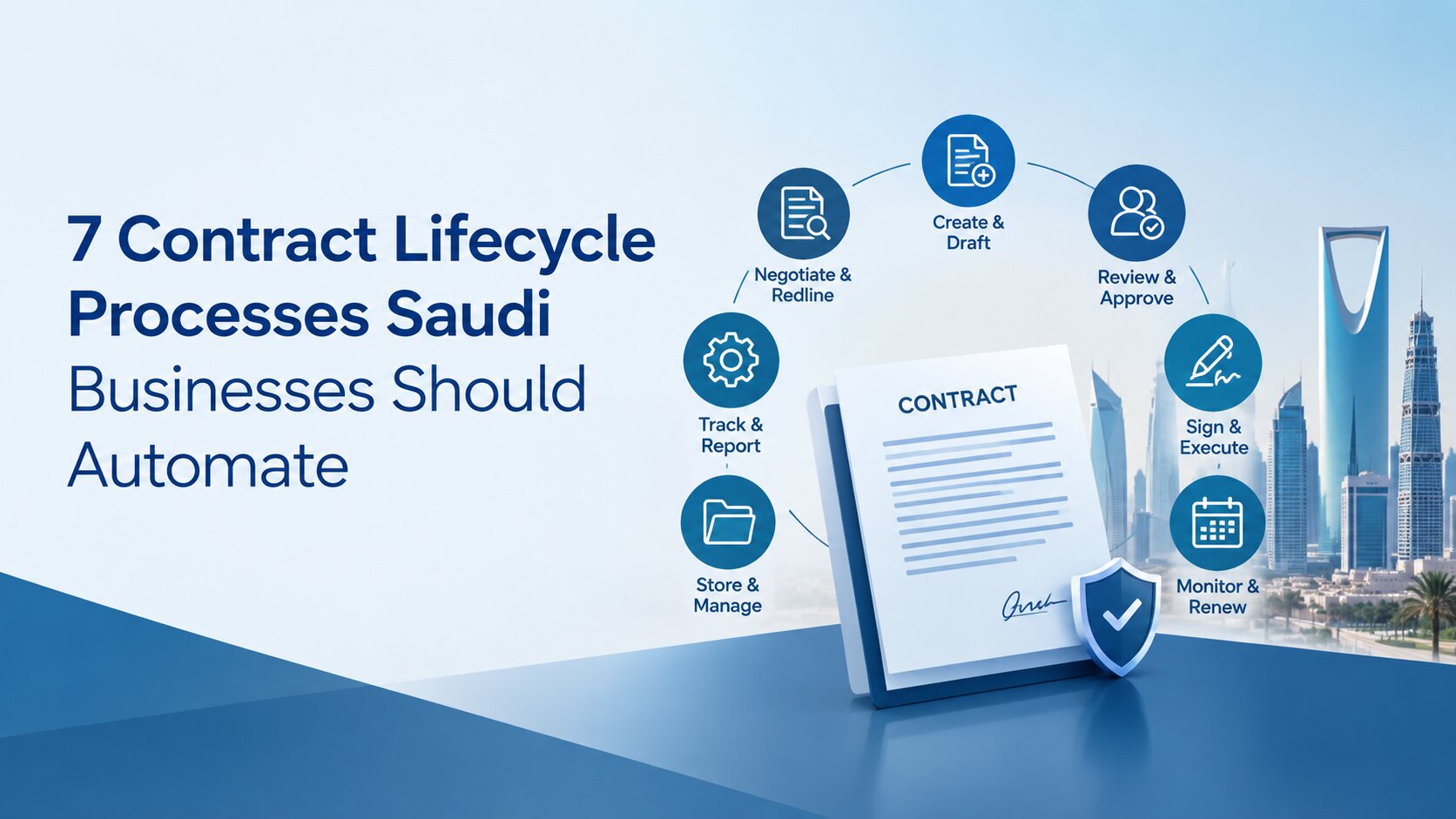
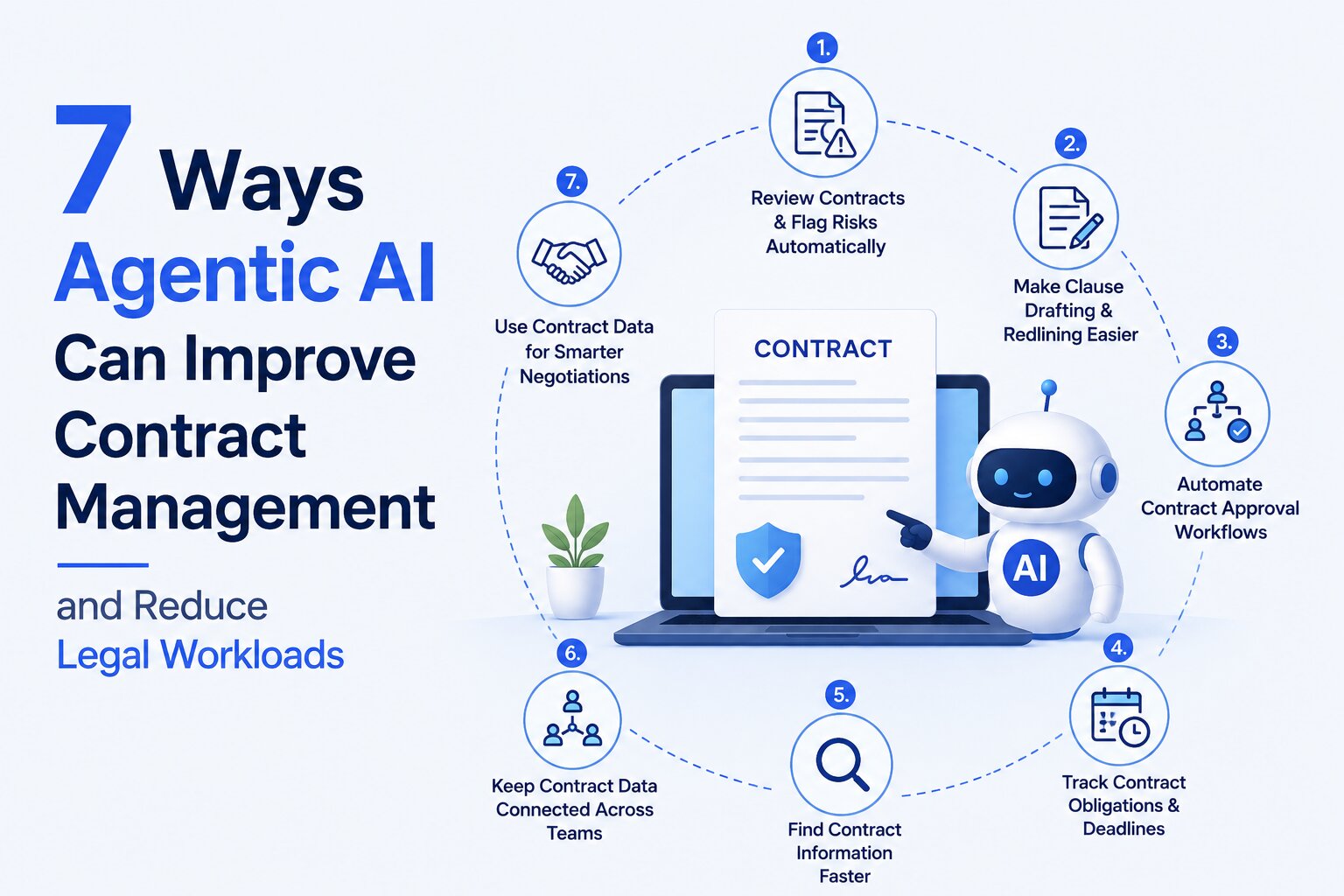
AI helps standardise contract drafting through approved templates, accelerates contract reviews by identifying potential issues, automates approval workflows, securely stores agreements, monitors contractual obligations, and tracks important renewal dates.
Rather than reacting to missed deadlines or compliance issues, legal teams gain continuous visibility into every active contract, allowing them to work more proactively while supporting business growth.
How AI is Transforming Legal Operations in Saudi Arabia
Legal departments are increasingly expected to protect the organisation while helping business move faster. AI helps achieve both goals by reducing administrative work and improving the speed of contract management.
Faster Contract Review Automation
Contract review is one of the most time-consuming legal tasks.
AI-powered contract review analyses agreements within minutes, automatically identifying important clauses such as confidentiality, payment terms, liability, termination rights, governing law, and renewal provisions. If unusual wording or missing clauses are detected, legal teams receive immediate alerts before contracts move to final approval.
Instead of spending hours reviewing routine agreements, lawyers can focus on legal analysis, negotiations, and complex business decisions.
Improving Compliance Without Slowing Business Down
Compliance is becoming increasingly important as organisations manage larger contract portfolios. AI checks contracts against approved legal language, company policies, and mandatory clauses before agreements progress through the approval process. This creates greater consistency across legal teams while reducing compliance risks.
Rather than becoming a final checkpoint, compliance becomes part of the everyday workflow.
Better Collaboration Across Departments
Contract delays often occur because multiple departments rely on disconnected emails and manual approvals. AI-powered workflow automation routes contracts to the correct stakeholders, sends notifications, tracks approvals, and provides complete visibility into every stage of the review process.
Legal, procurement, finance, sales, and management teams can easily monitor contract status without constant follow-up emails.
Proactive Risk Detection
AI helps legal teams identify potential issues before contracts are signed. It can highlight unusual liability clauses, missing confidentiality provisions, inconsistent wording, outdated templates, incomplete documents, expiring agreements, and other contractual risks.
This proactive approach allows organisations to resolve issues earlier while strengthening governance and reducing legal exposure.
Centralised Contract Repository
Finding the latest version of a contract shouldn't be difficult.
AI-powered contract repositories store every agreement in one secure, searchable location. Users can search contracts by supplier, customer, project, clause, keyword, contract type, or renewal date instead of manually searching through folders or emails.
This improves visibility while helping legal and business teams quickly access the information they need.
Key Features Businesses Should Look for in AI Contract Management Software
When evaluating AI contract management software, organisations should focus on capabilities that improve legal operations rather than simply storing documents.
Intelligent Contract Review Automation
AI should analyse contracts, identify key clauses, compare agreements with approved templates, detect missing provisions, and highlight legal risks before contracts are approved.
Smart Search and Data Extraction
Advanced search capabilities allow legal teams to locate contracts instantly while automatically extracting important business information for reporting and analysis.
Automated Approval Workflows
Intelligent workflows route agreements to the appropriate stakeholders, reducing delays and providing complete visibility into every stage of the approval process.
AI-Powered Analytics
Real-time dashboards provide insights into approval timelines, contract status, workload distribution, recurring legal risks, and contract performance, helping organisations make better decisions.
Continuous Compliance Monitoring
Effective AI platforms monitor obligations, policy requirements, renewal dates, and contractual milestones throughout the contract lifecycle, reducing compliance risks.
Enterprise-Grade Security
Businesses should choose solutions that offer role-based access controls, encryption, audit trails, and secure cloud deployment to protect sensitive legal information.
Managing contracts efficiently has become a business priority for organisations across Saudi Arabia. In the next section, we'll look at the key benefits of AI contract management and why automated contract review is delivering value beyond operational efficiency.
Benefits of AI Contract Management for Saudi Organisations
AI contract management delivers benefits that extend well beyond the legal department. By automating routine work and improving visibility, organisations can reduce delays, strengthen compliance, and make better business decisions.
Key business benefits include:
- Faster contract reviews through AI-powered automation.
- Reduced administrative work with automatic data extraction.
- Automated reminders for renewals, obligations, and critical deadlines.
- Stronger compliance through continuous policy monitoring.
- Centralised contract storage for faster access and improved collaboration.
- Real-time reporting that provides better visibility into contract performance and legal workloads.
These improvements allow procurement teams to approve suppliers faster, finance departments to monitor contractual obligations more effectively, sales teams to close deals sooner, and legal professionals to spend more time on strategic legal work rather than repetitive administration.
Why Contract Review Automation is a Game-Changer
Contract review automation is one of the most valuable applications of AI in legal operations.
Instead of reviewing every agreement manually, AI analyses contracts in minutes, identifies important clauses, compares them against approved standards, and highlights areas requiring legal attention. This significantly reduces review time while improving consistency across every contract.
AI also detects unusual language, missing provisions, excessive liability, and other potential legal risks before agreements are signed, allowing organisations to resolve issues earlier and negotiate with greater confidence.
Most importantly, AI supports lawyers rather than replacing them. Legal professionals continue providing judgement, negotiation, and strategic advice while AI handles repetitive document analysis, enabling legal teams to work faster without compromising quality.
Why Saudi Enterprises Are Investing in AI Contract Management
AI contract management is gaining momentum across Saudi Arabia as organisations recognise the strategic value of modern legal operations. As businesses expand, manage larger supplier networks, and enter more complex commercial agreements, manual contract management is no longer sustainable.
Vision 2030 continues to encourage digital transformation across public and private sectors, driving organisations to adopt technologies that improve efficiency, governance, and transparency. AI contract management supports these objectives by helping legal teams manage contracts faster while maintaining compliance and reducing business risk.
Businesses are also looking for quicker approvals, stronger governance, and better visibility into contractual obligations. AI enables legal departments to meet these expectations without increasing administrative workloads.
Why Choose Beveron Smart Legal Contracts?
Selecting the right platform is essential for successful AI contract management. Beveron Smart Legal Contract enables organisations to manage drafting, review, approvals, compliance, storage, and reporting from a single intelligent platform.
AI-Powered Contract Review
Artificial intelligence analyses agreements within minutes, helping legal professionals identify important clauses, detect potential risks, and review contracts more efficiently. Instead of spending hours reviewing standard agreements, lawyers can focus on legal analysis, negotiations, and strategic decision-making.
See how these capabilities delivered measurable results in our customer success story, Improving Contract Accuracy and Speed for a Major Financial Institution in Saudi Arabia, where AI helped streamline contract review while improving accuracy and operational efficiency.
Intelligent Clause Management
Maintaining consistency across contracts becomes much easier with a central library of approved clauses and templates. Legal teams can standardise contract language, reduce drafting errors, and ensure every agreement follows the latest approved legal wording.
Automated Approval Workflows
Manual approval processes often create unnecessary delays.
Automated workflows route contracts to the right stakeholders, send notifications, track approvals, and provide complete visibility throughout the review process. This improves collaboration between legal, procurement, finance, and business teams while reducing bottlenecks.
Secure Centralised Contract Repository
Every agreement is stored in a secure, searchable repository, allowing authorised users to locate contracts instantly. Version control, document history, and role-based access ensure legal teams always work with the latest approved agreement while protecting confidential information.
Compliance Monitoring
Compliance extends throughout the entire contract lifecycle.
The platform monitors contractual obligations, milestones, renewal dates, and policy requirements, helping organisations reduce compliance risks and avoid missed deadlines.
To see how legal departments can manage every stage of the contract lifecycle more effectively, read A Practical Step-by-Step Guide to Managing Contracts with CLM Software in Saudi Legal Departments, which explains how CLM software streamlines contract management from drafting to renewal.
Contract Lifecycle Management
Every stage of the contract lifecycle—from drafting and negotiation to execution, renewal, and termination—is managed within one platform, giving legal teams complete visibility while reducing manual administration.
Discover how these capabilities helped a leading enterprise achieve greater operational efficiency in our case study, Revolutionizing Legal Operations: How an Enterprise in Saudi Arabia Scaled Efficiency with CLM, which highlights the impact of modern contract lifecycle management on legal operations.
Real-Time Reporting and Analytics
Interactive dashboards provide valuable insights into contract status, approval timelines, workload distribution, upcoming renewals, and legal risks. Instead of creating reports manually, legal teams can access real-time information that supports faster and more informed business decisions.
Built for Modern Legal Teams in Saudi Arabia
As legal operations become increasingly complex, organisations need technology that supports growth without increasing administrative work.
Beveron Smart Legal Contract combines AI-powered contract review, workflow automation, compliance monitoring, contract lifecycle management, and advanced reporting within one platform, helping legal teams work more efficiently while improving visibility and reducing legal risk.
Best Practices for Implementing AI Contract Management Successfully
Technology delivers the best results when supported by well-defined processes.
Standardise Contract Templates
Create a library of approved templates and clauses before implementing AI. Standardised contracts improve consistency, reduce drafting time, and make automated reviews more accurate.
Digitise Existing Contracts
Migrating contracts into one secure repository makes them easier to search, analyse, monitor, and report on while giving legal teams complete visibility into active agreements.
Define Clear Approval Workflows
Clearly assigning review and approval responsibilities helps contracts move faster while maintaining governance and accountability.
Train Legal and Business Users
Successful implementation requires more than legal team training. Procurement, finance, sales, and other departments should understand how contracts move through the platform and how AI supports their daily work.
Use AI Insights to Improve Continuously
Regularly reviewing contract analytics helps identify approval bottlenecks, recurring risks, and opportunities to improve legal processes over time.
The Future of AI Contract Management in Saudi Arabia
AI contract management will continue evolving as Saudi organisations accelerate digital transformation. Generative AI will assist with drafting routine contracts, predictive analytics will help identify potential risks before they become disputes, and improved Arabic language capabilities will support organisations managing multilingual agreements.
Integration with ERP, CRM, procurement, finance, and legal operations systems will also become more common, allowing contract information to flow seamlessly across departments. As repetitive administrative work becomes increasingly automated, legal professionals will spend more time on strategic legal advice, negotiations, compliance planning, and business growth.
Frequently Asked Questions
Can AI review contracts?
Yes. AI can review contracts by identifying important clauses, extracting key information, comparing agreements against approved templates, and highlighting potential risks or missing provisions. It significantly speeds up the review process, especially for standard commercial agreements.
However, AI is designed to support legal professionals rather than replace them. Final legal interpretation, negotiations, and decision-making should always remain with qualified lawyers.
Is AI accurate for legal contracts?
Modern AI contract management platforms are highly accurate when it comes to repetitive tasks such as clause identification, data extraction, document comparison, and contract classification.
The quality of the results depends on factors such as the software being used, the quality of contract templates, and how the AI has been configured. Human oversight remains important for complex agreements and high-value negotiations, ensuring legal and commercial decisions are made with the right context.
How does AI reduce legal risk?
AI reduces legal risk by identifying unusual clauses, highlighting inconsistencies, checking compliance with company policies, monitoring contractual obligations, and sending alerts before important deadlines or renewals are missed.
Instead of discovering issues after a contract has been signed, legal teams can address potential risks during the review process, helping organisations make more informed decisions and strengthen overall governance.
Conclusion
Contracts are at the centre of almost every business relationship. Whether an organisation is signing supplier agreements, managing procurement contracts, negotiating partnerships, or expanding into new markets, the quality and speed of contract management directly affect business performance. As contract volumes continue to grow across Saudi Arabia, relying on manual processes is becoming increasingly difficult. Legal teams need smarter ways to manage reviews, maintain compliance, reduce risk, and keep pace with the demands of a rapidly changing business environment.
AI contract management offers a practical solution. By automating routine tasks, improving visibility, and helping legal professionals focus on higher-value work, AI transforms contract management from a time-consuming administrative function into a strategic business capability.
For organisations pursuing digital transformation under Vision 2030, adopting AI-powered legal technology is no longer just about improving efficiency. It's about building stronger governance, making faster business decisions, and creating legal operations that can scale with future growth.
Transform Your Contract Management with Beveron Smart Legal Contract
If your legal team is still spending valuable time reviewing contracts manually, searching through folders for agreements, or managing approvals through endless email chains, now is the right time to modernise your contract management process.
Beveron Smart Legal Contract combines AI-powered contract review, intelligent clause management, workflow automation, compliance monitoring, secure document storage, and real-time analytics in one comprehensive platform. It helps organisations across Saudi Arabia reduce legal risk, accelerate contract approvals, and manage the entire contract lifecycle with greater confidence and efficiency.
Whether you're a corporate legal department, government entity, financial institution, healthcare provider, or growing enterprise, Beveron Smart Legal Contract gives your team the tools to work smarter—not harder.
Ready to transform your legal operations?
Schedule a personalised demo with Beveron today and discover how Smart Legal Contract can help your organisation review contracts faster, strengthen compliance, and support better business decisions with AI-powered contract management.
Best AI contract management software in Saudi Arabia
Best legal contract management automation software in Saudi Arabia
Best AI contract management for businesses in Saudi Arabia
If you need a free demo of the best AI contract management software in Saudi Arabia, please fill out the form below.