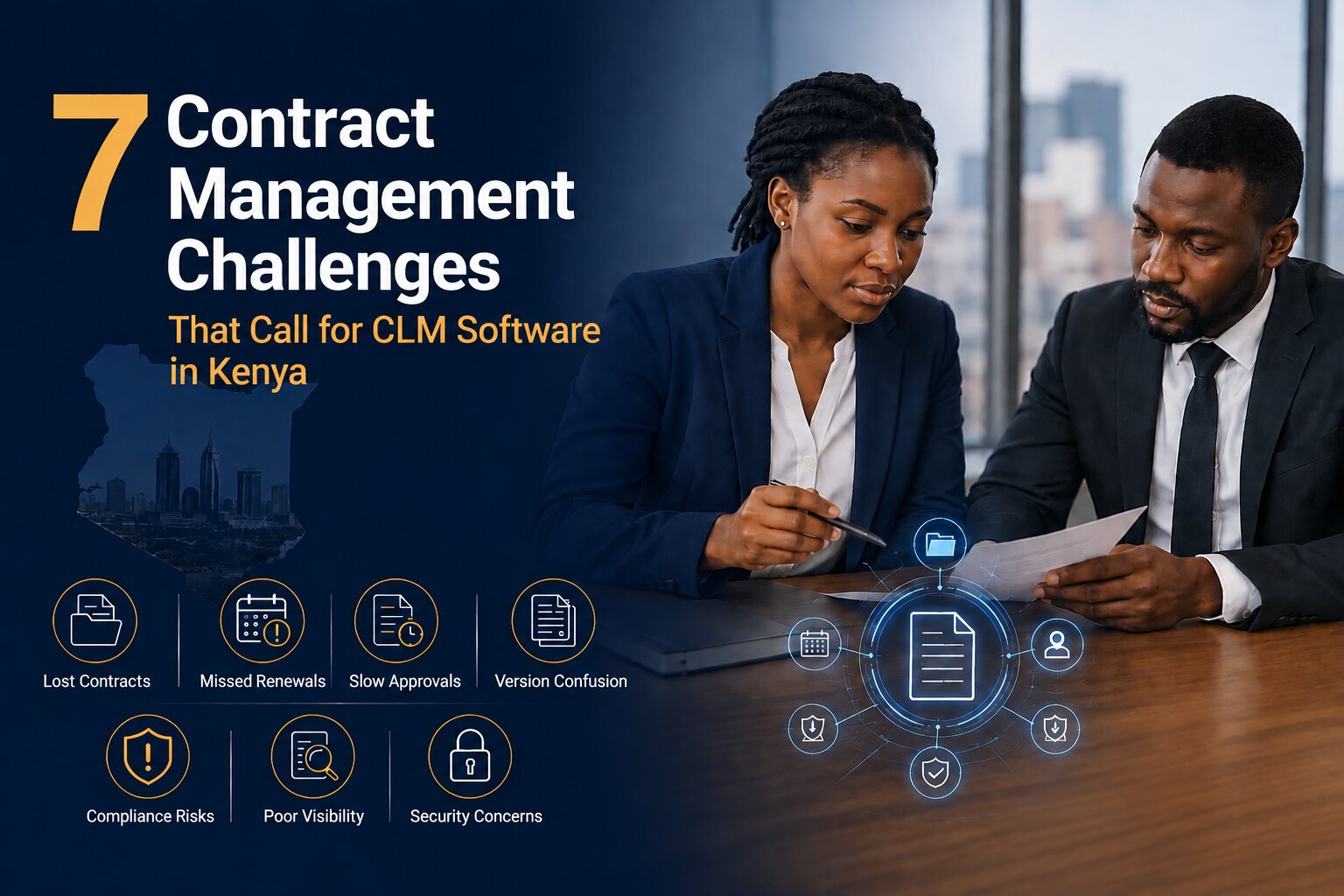
7 Contract Management Challenges That Call for CLM Software in Kenya
Contracts are at the centre of everyday business in Kenya. From supplier agreements and employment contracts to customer agreements, leases and partnerships, businesses may handle hundreds or even thousands of documents over time. Yet the process behind those contracts is often less organised than the contracts themselves.
A document may start as an email attachment, move through several people for review, be saved in different folders and eventually become a scanned or signed copy somewhere else. Renewal dates may sit in someone's calendar, while important obligations are tracked manually. This can make contract management slower and harder to control.
Contract lifecycle management (CLM) software brings the main stages of a contract into one structured process, from drafting and review through approval, signing, storage and renewal. For Kenyan businesses, it can help address several common weaknesses in manual contract processes.
Here are seven contract management challenges that may signal it is time to consider CLM software in Kenya.
Quick Snapshot: Is Your Contract Process Breaking Down?
Ask your legal, procurement or finance team:
- Do you know where every active contract is stored?
- Can you quickly find the latest signed version of an agreement?
- Do you know which contracts are due for renewal in the next 30, 60 or 90 days?
- Can you see who is currently responsible for an approval?
- Do different teams use different versions of the same contract template?
- Can management easily see the value, obligations and risks across the contract portfolio?
If several answers are "no", the problem may not be the number of contracts you have. It may be the way those contracts are being managed.
1. Scattered Contracts and No Central Repository
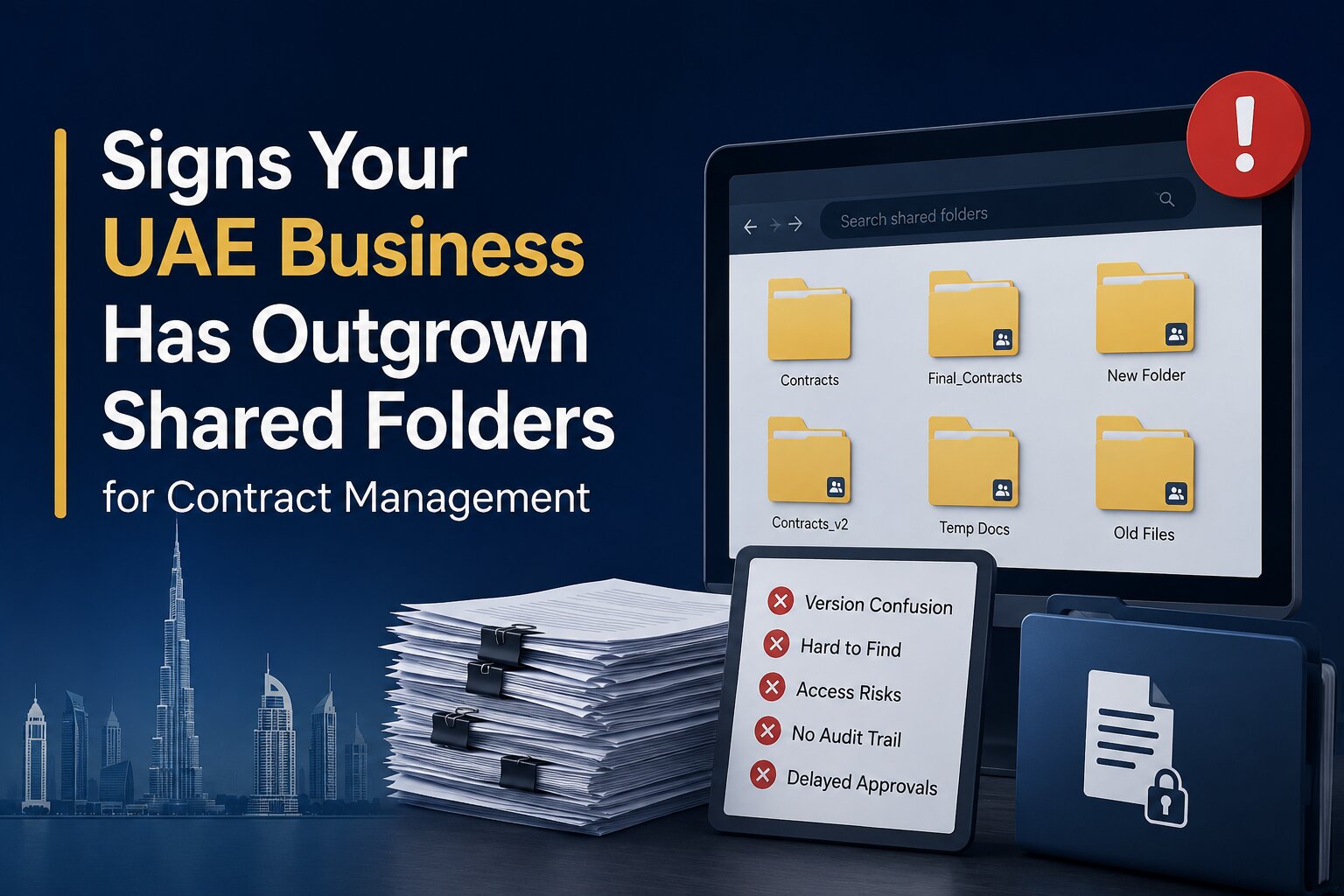
A contract can exist in several places at once. One employee may have the original Word document on a laptop. Another may have a revised copy in an email thread. The signed version could be saved on a shared drive, while procurement keeps its own copy. This makes a simple question surprisingly difficult to answer: Which document is the official version?
What it costs you
Teams spend time searching for documents instead of working on them. Important agreements can also become difficult to retrieve when someone leaves the organisation or when another department needs access. The risk becomes greater as a business grows and more people become involved in contract processes.
How CLM solves it
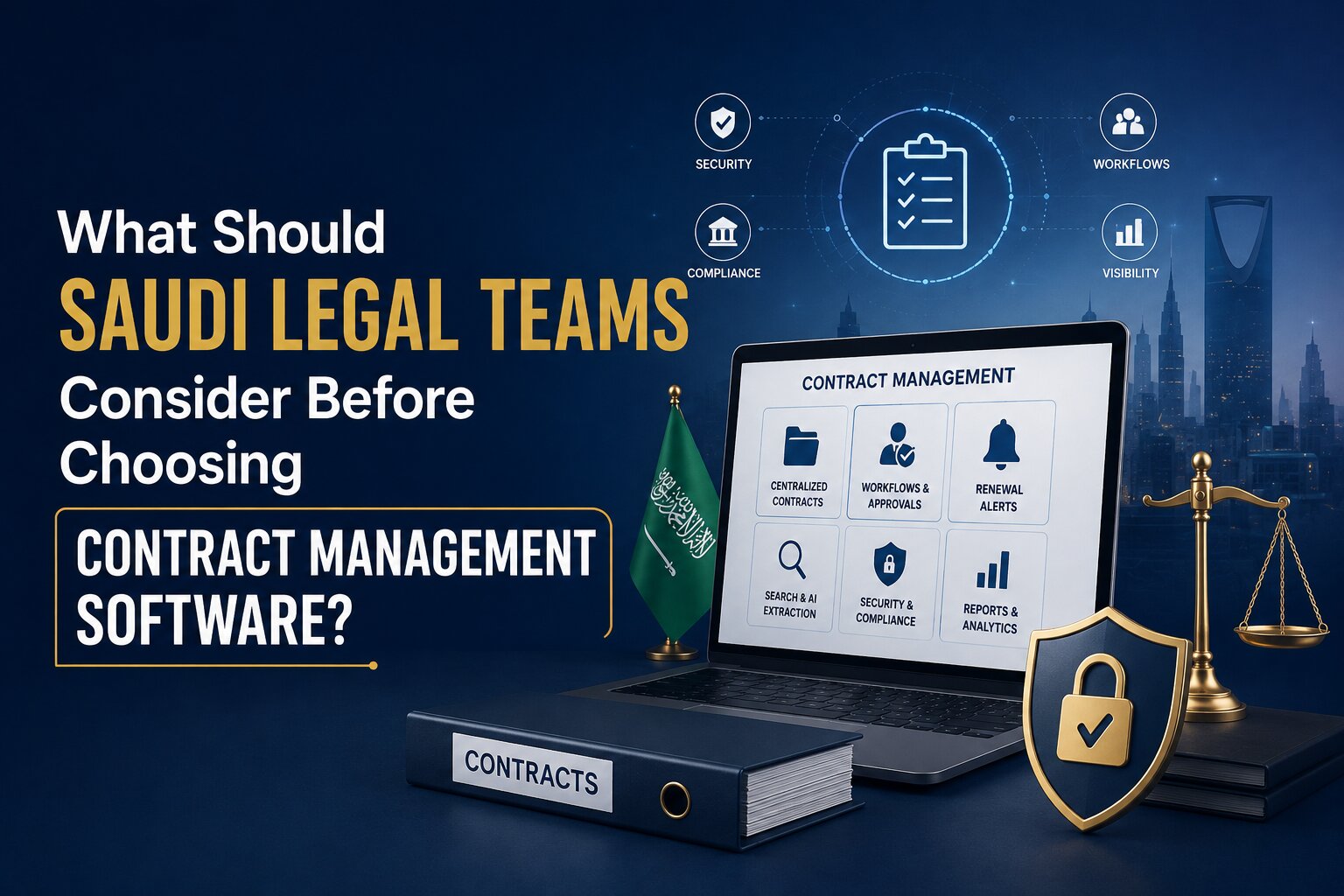
CLM software provides a centralised contract repository where authorised users can store, search and retrieve agreements. Contracts can be organised using information such as parties, dates, contract type, status and business unit. Access controls can also determine who can view or manage particular documents. The result is not simply a digital filing cabinet. It gives the business a structured way to manage its contract portfolio.
2. Missed Renewals, Expiries and Contract Obligations
A signed contract is not the end of the process. Many agreements contain renewal dates, notice periods, payment obligations, service commitments and other deadlines. When these are tracked through spreadsheets or individual calendars, something can easily be overlooked. An automatically renewing contract can be particularly difficult to manage if the required notice period passes unnoticed.
What it costs you
A missed renewal or deadline can result in unnecessary payments, operational disruption, lost negotiating opportunities or disputes over contractual obligations. The problem is often not that the information was unavailable. It was simply not surfaced at the right time.
How CLM solves it
CLM software can record key contract dates and trigger reminders before important events occur. Teams can track renewals, expiries and other obligations from a central dashboard rather than relying entirely on individual memory. This gives legal, procurement and business teams more time to act before a deadline becomes a problem.
3. Slow Drafting and Inconsistent Contract Language
Creating a new agreement from scratch every time can consume considerable legal and business time. It can also create inconsistencies. Different employees may use different templates, clauses or wording for similar transactions. Over time, this makes it harder for the legal team to maintain consistency across the organisation.
What it costs you
Legal teams may spend too much time making routine changes instead of focusing on higher-value work. Inconsistent wording can also create additional review work and make it harder to identify deviations from an organisation's preferred position.
How CLM solves it
A CLM platform can provide approved contract templates and clause libraries that teams can reuse. Depending on the system, AI-assisted features can also help identify clauses, compare language and support contract review. The purpose is not to remove human judgement from legal work. It is to reduce repetitive work and help lawyers focus their attention where it matters.
For teams still copying old contracts to create new ones, a structured template and clause library can be a practical first step towards better contract management.
4. Approval Bottlenecks
A contract may pass through legal, finance, procurement, management and other stakeholders before it can be signed. When every approval happens through separate email conversations, it can become difficult to know who is holding up the process. A contract may sit in someone's inbox for days without anyone having a clear view of its status.
What it costs you
Slow approvals can delay supplier onboarding, sales agreements, partnerships and other commercial activities. They can also create unnecessary follow-up work for legal and procurement teams.
How CLM solves it
CLM software can create approval workflows based on the type, value or risk level of a contract. Instead of asking, "Who has this contract now?", users can see its status and the next step in the workflow. Approval histories can also create a clearer record of who reviewed or approved a document. This is particularly useful when several departments need to collaborate without creating long email chains.
5. Compliance and Regulatory Risk
Contract management is also connected to how an organisation handles information. In Kenya, the Data Protection Act, 2019 establishes requirements around the processing of personal data and provides rights and safeguards for data subjects. The Office of the Data Protection Commissioner (ODPC) oversees implementation and enforcement of the data protection framework. That matters because contracts can contain personal information belonging to employees, customers, suppliers and other individuals.
Electronic contracting also needs appropriate controls. Kenya's Information and Communications Act provides a legal framework recognising electronic records and electronic signatures, including requirements concerning the reliability and integrity of advanced electronic signatures.
What it costs you
Poor access controls, uncontrolled document copies and weak records can make it harder to demonstrate how contract information was handled. For organisations processing personal data, the Data Protection Act includes principles concerning lawful and transparent processing, data minimisation, accuracy, retention and certain requirements for transfers outside Kenya.
How CLM solves it
CLM software can support more controlled contract processes through role-based access, version history, audit logs, standardised templates and structured records. However, software alone does not make an organisation compliant. Businesses still need appropriate policies, processes and legal advice based on their specific obligations. When evaluating CLM software in Kenya, organisations should therefore look beyond convenience and ask how the platform supports security, access control, auditability, retention and relevant local requirements.
6. Limited Visibility Into Risk and Contract Value
A folder full of contracts does not necessarily give management useful information.
Leadership may want to know:
- How many contracts are currently active?
- Which agreements are approaching renewal?
- What is the total value of the contracts?
- Which contracts contain unusual or high-risk clauses?
- Which suppliers or customers have the largest contractual exposure?
- Where are approval or review delays occurring?
Answering these questions manually can require considerable work.
What it costs you
Without a clear portfolio view, decision-makers may have to rely on individual reports or ask teams to manually compile information. That makes it harder to spot patterns and prioritise work.
How CLM solves it
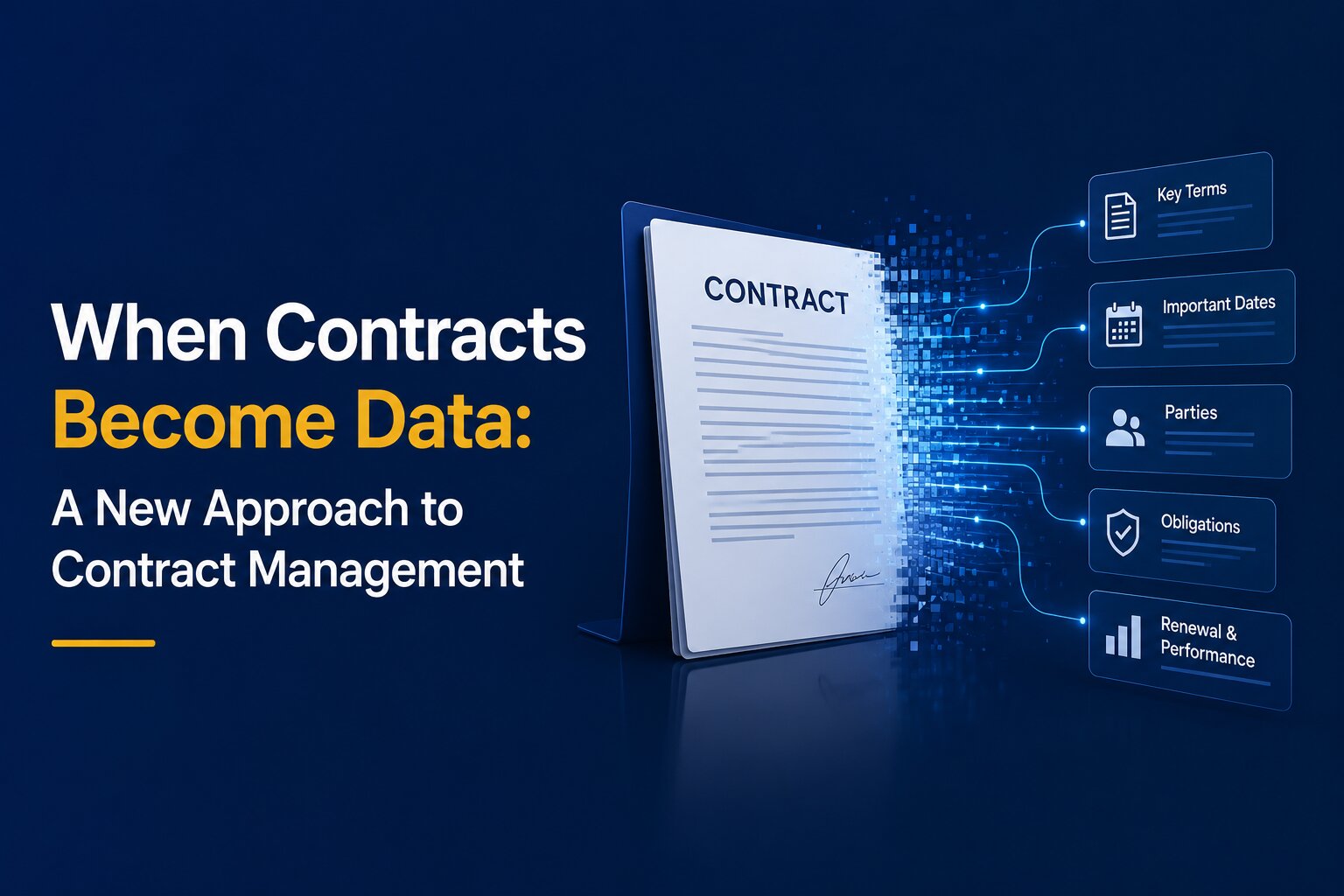
Modern CLM platforms can turn contract documents into structured information. Dashboards and reports can provide visibility into contract status, dates, values and responsibilities. AI-based clause extraction can also help identify specific information across large numbers of agreements, subject to appropriate human review. Once contracts become searchable business information rather than isolated documents, legal and commercial teams can work from the same picture.
7. Version Control, Security and Weak Collaboration
Contract negotiations rarely involve just one document. There may be an original draft, a version edited by legal, a version changed by the other party, a redlined copy and finally a signed agreement. When these files are exchanged through email, it can be difficult to establish which version contains the latest changes.
What it costs you
Using the wrong version can lead to avoidable errors. Untracked changes can also make it harder to understand how the final agreement was reached. There is also a security concern when sensitive contracts are repeatedly downloaded and circulated between people who may not need access.
How CLM solves it
CLM software can maintain version history and support structured collaboration around contract documents. Features such as redlining, tracked changes, role-based permissions and audit trails can make the review process easier to follow. Instead of asking everyone to send their own copy, the organisation can manage the contract through a controlled workflow.
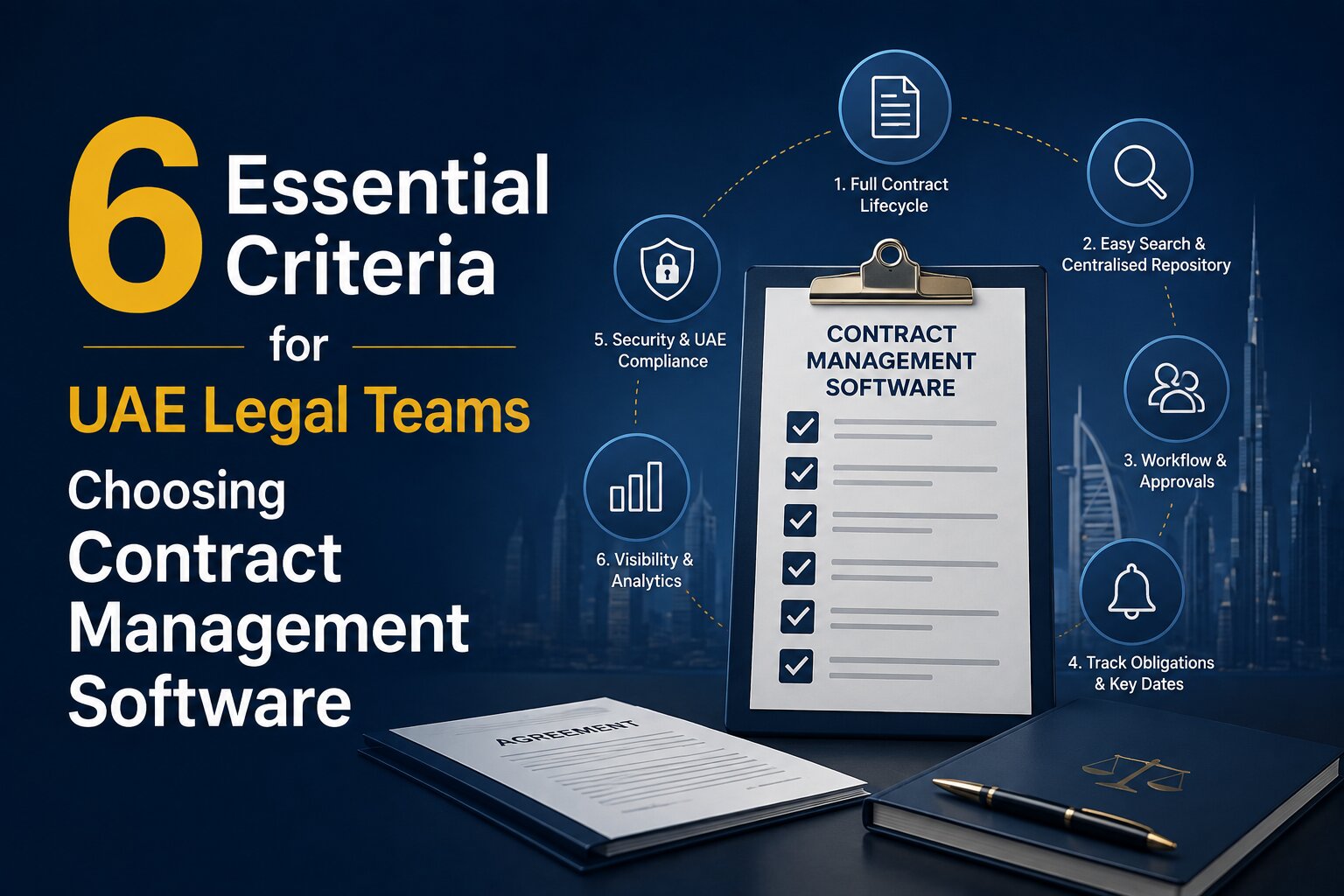
Contract Management Challenges vs. CLM Capabilities
| Contract management challenge | CLM capability |
|---|---|
| Contracts stored across different locations | Centralised, searchable repository |
| Missed renewals and deadlines | Automated reminders and obligation tracking |
| Repetitive drafting | Templates and clause libraries |
| Slow approvals | Configurable approval workflows |
| Compliance and record-keeping concerns | Access controls, version history and audit trails |
| Limited contract visibility | Dashboards, reporting and data extraction |
| Multiple versions and uncontrolled collaboration | Version control, redlining and permissions |
Who Needs CLM Software in Kenya?
CLM software is not limited to large corporations. The right level of contract management depends on the volume, complexity and risk of an organisation's agreements.
Law firms
Law firms managing agreements for multiple clients can use structured repositories, templates and workflows to organise contract-related work and improve visibility.
Corporate legal teams
Corporate legal departments often manage contracts across sales, procurement, HR, finance and operations. A shared CLM process can help legal teams keep track of agreements without becoming the sole place where contract information lives.
Procurement and finance teams
Procurement teams need visibility into supplier agreements, while finance teams may need access to commercial terms, payment obligations and contract values. A connected contract process can reduce the need to search through separate spreadsheets and email chains.
SMEs and growing enterprises
Smaller organisations may initially manage contracts manually because their contract volume is manageable. As the business grows, however, the same approach can become difficult to maintain. Introducing structure before the contract portfolio becomes unwieldy can make future growth easier to manage.
How to Choose the Right CLM Software in Kenya
Choosing the right CLM platform should start with your existing contract process rather than a list of features. Before comparing vendors, it is useful to understand the key factors that influence CLM selection, including ease of use, customisation, integrations, security, automation, reporting and ongoing support. For a broader overview of these considerations, read How to Choose the Right Contract Lifecycle Management Software for Your Business.
During a software evaluation, consider:
- Ease of adoption: Can legal and non-legal users understand the system without extensive training?
- Templates and automation: Can routine contracts and approval processes be standardised?
- AI capabilities: Does the platform use AI to assist with contract review, extraction or drafting while keeping appropriate human oversight?
- Electronic signatures: Can the platform connect with or support the signing process your organisation uses?
- Integrations: Can it work with tools already used by legal, procurement, finance and other teams?
- Security and hosting: Ask how information is protected, where it is hosted and how user access is controlled.
- Local compliance fit: Consider whether the system supports the organisation's obligations under applicable Kenyan laws and internal policies.
- Scalability: Can the platform handle more contracts, users and business units as the organisation grows?
- Support: What implementation and ongoing support are available?
- Pricing transparency: Understand licensing, implementation, storage and additional user costs before making a decision.
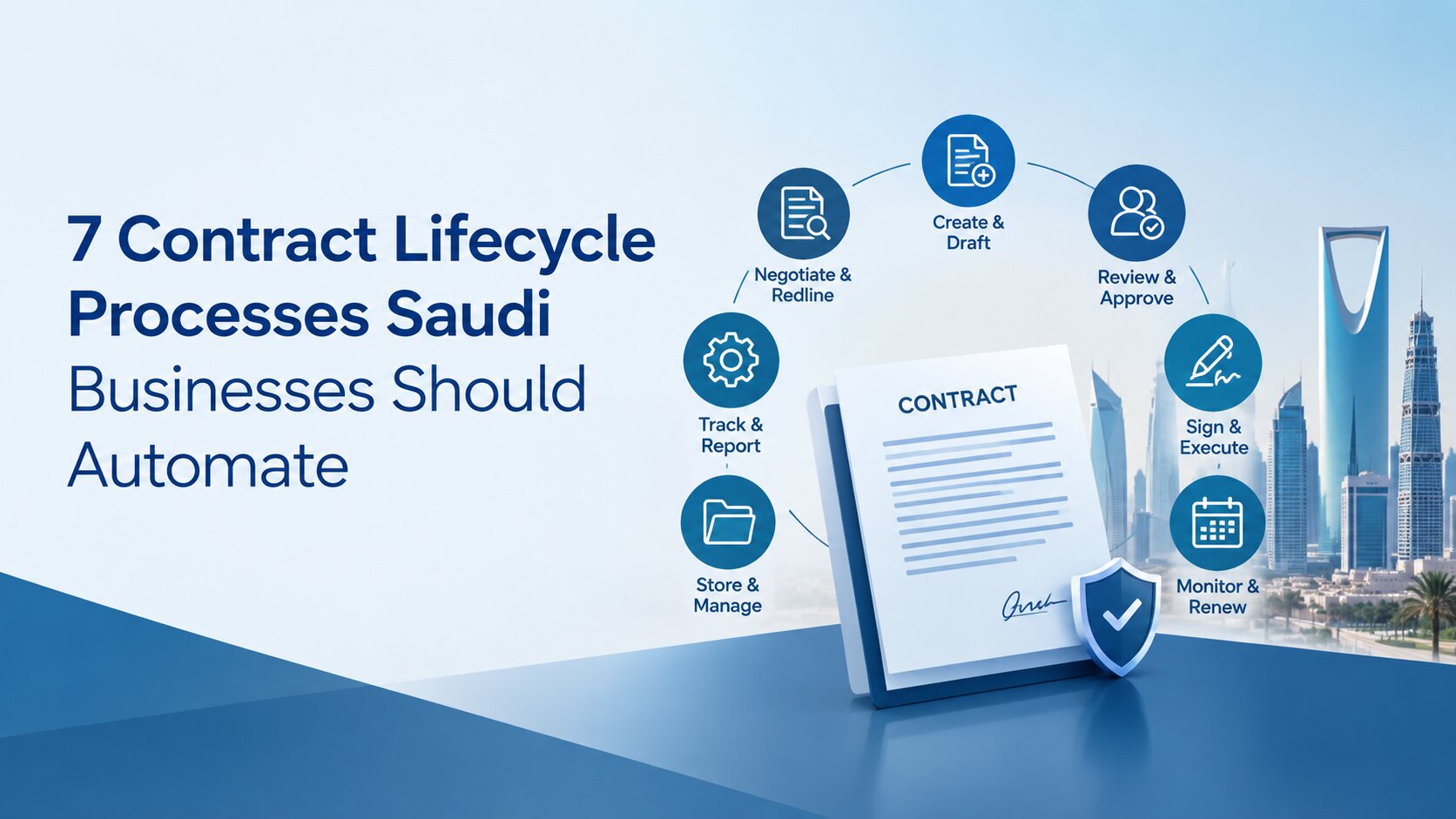
During a demo, ask vendors to show you how they would handle a real contract from request → drafting → review → approval → signature → storage → renewal.
That will usually tell you more than a feature list.
How Beveron's Smart Legal Contract Helps
Beveron's Smart Legal Contract is designed to bring contract-related activities into a structured workflow rather than treating each agreement as an isolated document. The platform can support processes such as contract requests, drafting, review, approvals, electronic signatures, repository management, search and contract reporting.
For example, a legal team could use a central repository to find agreements, approval workflows to route contracts to the right stakeholders, and AI-assisted features to extract or review contract information. The value of a CLM system, however, is not simply the number of features it contains. It is how well those features fit the organisation's actual contract process.
For a Kenyan business considering CLM software, the practical question is therefore not just "Do we need contract automation?" It is "Where are our contracts currently getting stuck, and can a structured system solve that problem?"
Fewquently Asked Questions
What is CLM software?
CLM, or contract lifecycle management software, helps organisations manage contracts throughout their lifecycle. This can include contract requests, drafting, review, approval, signing, storage, monitoring, renewal and reporting.
Is CLM software worth it for small firms or SMEs in Kenya?
It can be useful when contract volume, review requirements or renewal obligations make manual tracking difficult. Smaller organisations do not necessarily need every advanced CLM feature, so the focus should be on the processes creating the most work or risk.
Does CLM software support electronic signatures and compliance requirements in Kenya?
CLM platforms may support electronic signatures directly or integrate with electronic-signature services. Kenya's Information and Communications Act contains provisions recognising electronic records and electronic signatures, but the specific requirements can depend on the transaction and applicable law.
A business should also assess how its CLM platform supports data protection, access controls, audit trails and other relevant requirements under Kenya's legal framework. The Data Protection Act, 2019 regulates the processing of personal data and provides rights and obligations for data subjects, controllers and processors.
How long does CLM implementation take?
There is no single implementation timeline. It depends on factors such as the number of contracts, existing processes, integrations, users, data migration and workflow complexity. A smaller implementation focused on one contract process can be simpler than a company-wide rollout.
What's the difference between CLM and a document management system?
A document management system primarily helps organisations store, organise and retrieve documents. CLM goes further by managing the contract process itself, including drafting, review, approvals, signing, obligations, renewals and reporting.
Conclusion
Manual contract management may work when volume is low, but it becomes increasingly difficult as agreements, stakeholders, and deadlines grow. Scattered documents, delayed approvals, missed renewals and limited visibility can all make routine contract work more time-consuming than it needs to be.
For Kenyan businesses and legal teams, CLM software provides a way to bring these processes into a more organised workflow. From drafting and approvals to contract storage, obligations and renewals, a centralised system can make it easier to keep track of what is happening across the contract portfolio.
The key is to choose a solution that fits the way your organisation already works and addresses the areas where your current process creates the most friction.
Ready to bring more structure to contract management?
Explore how Beveron Smart Legal Contract can help your team manage contracts, streamline approvals, improve visibility and stay on top of important deadlines.
Book a demo with our team to see how it can fit your contract management process.
Best CLM software for corporate companies in Kenya
Best contract automation software for enterprises in Kenya
Best contract compliance for legal teams in Kenya
If you need a free demo of the best CLM software for corporate companies in Kenya, please fill out the form.