Corporate Legal Operations in India: A Practical Guide to Digital Transformation

Introduction
Corporate legal departments in India are operating in an increasingly complex environment. Regulatory requirements continue to evolve, businesses expect faster legal support, and legal teams are handling larger volumes of contracts, disputes, compliance obligations, and advisory work than ever before.
Yet many legal departments still rely on manual processes, fragmented systems, spreadsheets, and email-based workflows to manage critical legal activities. While these methods may have worked in the past, they often create inefficiencies, reduce visibility, and make it difficult for legal teams to demonstrate their strategic value to the business.
This is where corporate legal operations in India is becoming a critical area of focus. Organisations are recognising that legal departments can no longer function solely as risk managers. They must also operate as efficient, data-driven business partners. Digital transformation is helping legal teams achieve this shift by streamlining processes, improving collaboration, and creating greater transparency across legal work.
Understanding Corporate Legal Operations in India
What Are Legal Operations?
'Legal operations' refers to the business side of managing a legal department. It encompasses the processes, technology, governance structures, and performance management practices that enable legal teams to work efficiently and deliver better outcomes. Rather than focusing exclusively on legal advice, legal operations ensures that legal services are delivered consistently, efficiently, and in alignment with organisational objectives.
Key areas often include the following:
- Matter management
- Contract management
- Compliance oversight
- Legal spend management
- Reporting and analytics
- Workflow optimisation
- Technology management
Why Legal Operations Are Becoming a Strategic Priority
The role of legal departments has expanded significantly over the past decade. Today's in-house legal teams are expected to support business growth while maintaining regulatory compliance and managing risk.
Business leaders increasingly expect legal teams to provide the following:
- Faster turnaround times
- Greater transparency
- Better collaboration
- Measurable performance outcomes
- Strategic insights for decision-making
As a result, legal operations are no longer viewed as an administrative function. It is becoming a key driver of organisational efficiency and business value.
Key Drivers of Digital Transformation in Corporate Legal Operations in India
Increasing Regulatory Complexity
India's regulatory landscape continues to evolve across industries, including financial services, healthcare, manufacturing, technology, and telecommunications. Legal teams must monitor regulatory changes, update policies, manage compliance obligations, and maintain accurate records. Digital tools can help centralise compliance activities and reduce the risk of oversight.
Growing Volumes of Legal Work
As organisations expand, legal departments face increasing demands.
These demands often include:
- Contract reviews
- Litigation management
- Regulatory reporting
- Vendor agreements
- Employment matters
- Corporate governance activities
Managing these activities through spreadsheets and email can quickly become inefficient and difficult to scale.
Demand for Data-Driven Decisions
Business leaders increasingly rely on data to guide strategic decisions, and legal departments are expected to do the same.
Modern legal operations platforms provide valuable insights into:
- Matter volumes
- Contract turnaround times
- Workload distribution
- Compliance status
- Resource utilisation
These insights help legal leaders make informed decisions and demonstrate their contribution to organisational goals.
Challenges Facing Traditional Legal Operations
Reliance on Manual Processes
Many legal teams continue to depend on manual methods for tracking matters and managing documentation.
Common challenges include:
- Duplicate work
- Missed deadlines
- Inconsistent record keeping
- Limited visibility into ongoing matters
Manual processes can also consume valuable time that legal professionals could otherwise devote to higher-value strategic work.
These operational inefficiencies are becoming increasingly common among growing organisations. In fact, many in-house legal teams struggle with fragmented workflows, compliance pressures, and rising workloads that limit their ability to support the business effectively. For a deeper look at these challenges and practical solutions, read our guide on The Hidden Challenges Slowing Down India's Corporate Legal Teams and How Legal Counsel Management Software Solves Them Instantly.
Lack of Centralised Information
Legal information is often stored across multiple systems, email inboxes, shared drives, and spreadsheets. This fragmented approach makes it difficult to locate documents quickly, track progress, and maintain a complete view of legal activities.
Inefficient Collaboration
Legal matters typically involve multiple stakeholders, including business units, management teams, compliance functions, and external counsel. Without structured workflows and centralised communication, collaboration can become slow and cumbersome, leading to delays and misunderstandings.
Essential Components of a Modern Digital Legal Operations Framework
Centralised Matter Management
Matter management serves as the foundation of effective legal operations.
A centralised system enables legal teams to:
- Track legal matters from initiation to closure
- Monitor deadlines and milestones
- Maintain complete matter histories
- Improve accountability and visibility
Contract Lifecycle Management
Contracts represent one of the most significant responsibilities for many legal departments.
Digital contract management helps organisations:
- Standardise contract creation
- Automate approval workflows
- Monitor obligations and renewals
- Reduce contract-related risks
Workflow Automation
Automation eliminates repetitive administrative tasks and helps ensure consistency.
Examples include:
- Approval routing
- Task assignments
- Escalation notifications
- Reminder alerts
- Status updates
Automation allows legal professionals to focus on analysis, risk management, and strategic advisory work.
Compliance and Risk Management
Compliance obligations continue to grow in complexity.
Digital tools can support legal teams by providing the following:
- Centralised compliance records
- Audit trails
- Policy management capabilities
- Regulatory tracking mechanisms
This improves organisational readiness and strengthens governance practices.
Reporting and Analytics
Data visibility is essential for modern legal operations.
Effective reporting helps legal leaders understand:
- Team performance
- Matter trends
- Workload allocation
- Risk exposure
- Operational efficiency
These insights support continuous improvement and informed decision-making.
Benefits of Digital Transformation for Legal Departments
Improved Efficiency
Digital systems reduce manual administrative work and streamline routine processes. As a result, legal teams can manage larger workloads without proportionally increasing resources.
The impact of legal technology is not limited to operational improvements on paper. Many corporate legal departments have already achieved measurable gains in efficiency, collaboration, and matter management through digital transformation initiatives. To see a real-world example, explore our case study on How Corporate Legal Teams Improved Productivity with Legal Tech, which highlights how technology can help legal teams work more effectively while maintaining visibility and control across legal operations.
Enhanced Compliance and Risk Oversight
Centralised processes provide better visibility into compliance activities and legal obligations. This helps organisations identify potential risks earlier and respond more effectively.
Better Collaboration Across the Business
Digital platforms improve communication between legal teams and business stakeholders. With shared visibility into requests, approvals, and matter status, organisations can reduce delays and improve service delivery.
Greater Strategic Value
By automating routine work and leveraging data insights, legal departments can spend more time supporting business objectives and strategic initiatives. This elevates the role of legal teams from operational support functions to trusted business partners.
Successfully Implementing Legal Operations Transformation
Assess Current Processes
Digital transformation should begin with a thorough evaluation of existing processes.
Legal leaders should identify:
- Manual bottlenecks
- Process inefficiencies
- Reporting gaps
- Compliance challenges
Understanding the current state creates a stronger foundation for future improvements.
Establish Clear Objectives
Transformation initiatives are most successful when they are aligned with specific business goals.
Objectives may include:
- Improving turnaround times
- Increasing compliance visibility
- Enhancing reporting capabilities
- Reducing administrative workloads
Focus on User Adoption
Technology alone does not guarantee success. Effective change management, stakeholder engagement, and training are essential for achieving meaningful adoption across legal teams.
Select the Right Technology Platform
Technology should support both current operational needs and future growth. Many organisations are adopting dedicated legal management solutions to centralise legal work and improve operational control.
Selecting the right platform requires more than simply digitising existing processes. Legal leaders should evaluate whether a solution provides the capabilities needed to support matter management, workflow automation, compliance oversight, reporting, and long-term scalability. For a detailed breakdown of the features that modern legal departments should prioritise, read 15 Features Every Legal Matter Management Platform Should Have in 2026.
The Future of Corporate Legal Operations in India
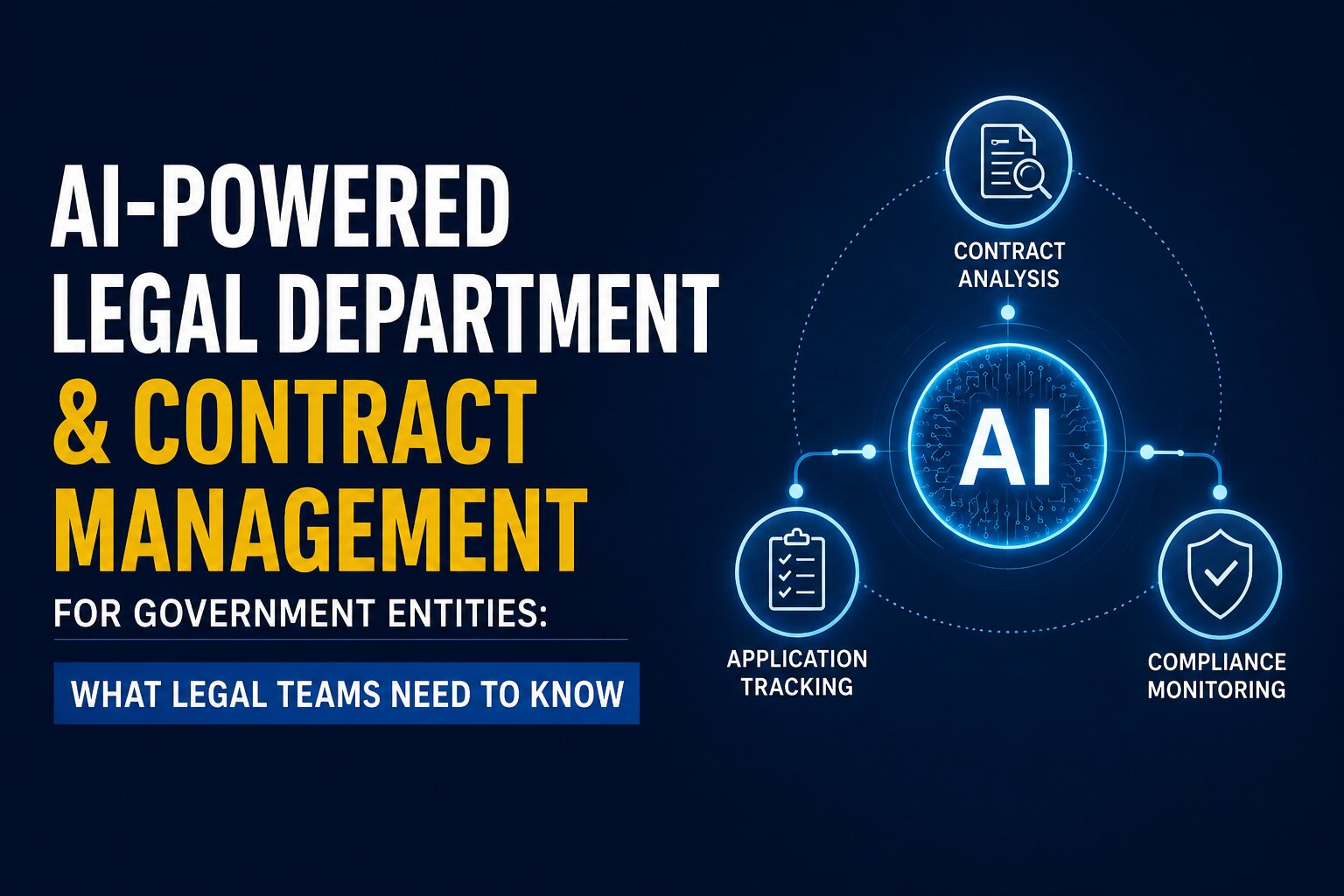
The future of legal operations will be shaped by increasing digital maturity, greater automation, and stronger integration between legal and business functions. Artificial intelligence, workflow automation, predictive analytics, and advanced reporting capabilities are expected to play an increasingly important role in helping legal departments operate more effectively.
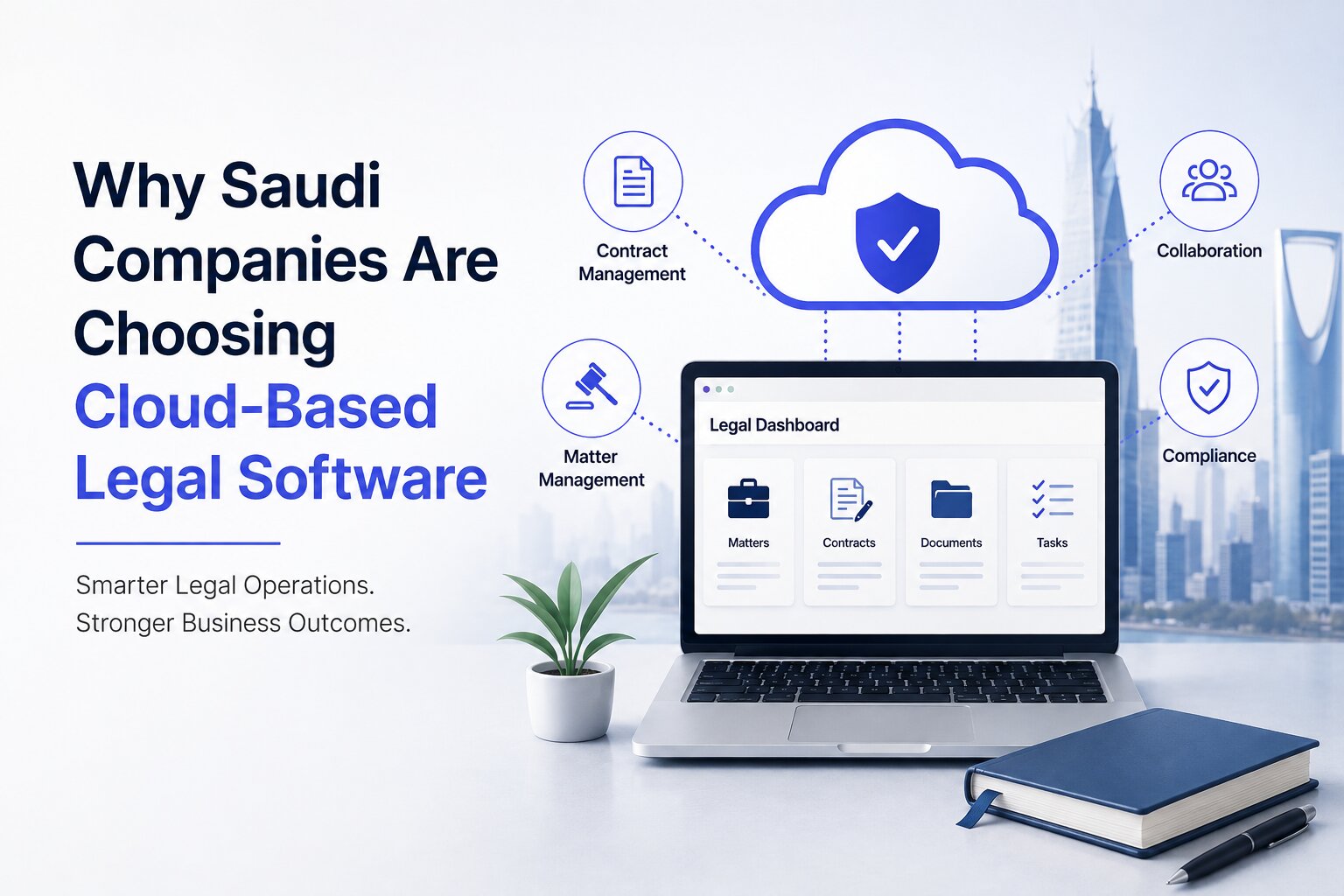
As organisations modernise their legal functions, many are adopting dedicated legal operations platforms to centralise legal work, improve visibility, and support data-driven decision-making. Solutions such as Beveron Smart Legal Counsel, a corporate legal management platform, help legal teams manage matters, contracts, compliance activities, workflows, and reporting within a unified digital environment.
At the same time, legal leaders will continue to face growing expectations around efficiency, transparency, and measurable business impact. Organisations that invest in modern legal operations capabilities today will be better positioned to manage complexity, support growth, and respond to evolving regulatory requirements in the years ahead.
Conclusion
The evolution of corporate legal operations in India reflects a broader shift in how organisations view their legal departments. Legal teams are no longer expected to function solely as guardians of compliance and risk. They are increasingly recognised as strategic contributors to business performance.
Digital transformation provides the foundation for this evolution by improving efficiency, enhancing visibility, strengthening governance, and enabling better decision-making. Legal departments that embrace modern operational practices can deliver greater value to their organisations while remaining agile in an increasingly complex business environment.
The strategic implication is clear: organisations that modernise legal operations today will be better equipped to navigate regulatory change, manage growing workloads, and support long-term business success.
Frequently Asked Questions
1. What are corporate legal operations?
Corporate legal operations refer to the processes, technology, governance frameworks, and management practices that help legal departments operate efficiently and deliver legal services effectively.
2. Why is digital transformation important for legal departments?
Digital transformation helps legal teams streamline workflows, improve visibility, automate repetitive tasks, strengthen compliance management, and make better use of operational data.
3. What are the biggest challenges facing legal departments in India?
Common challenges include increasing regulatory requirements, growing matter volumes, manual processes, fragmented information systems, and limited operational visibility.
4. How does legal technology improve legal operations?
Legal technology centralises information, automates workflows, improves collaboration, enhances reporting, and enables legal teams to manage work more efficiently.
5. What should organisations consider when selecting a legal operations platform?
Organisations should evaluate scalability, security, workflow capabilities, integration options, reporting functionality, compliance support, and ease of adoption.
Ready to Transform Your Legal Operations?
If your organisation is looking to modernise legal workflows, improve compliance visibility, centralise matter management, and increase operational efficiency, now is the time to adopt a more strategic approach to legal operations.
Discover how Beveron Smart Legal Counsel can help your legal department streamline processes, enhance governance, and deliver measurable business value through a unified legal management platform.
Best corporate legal operations for corporates in India
Best corporate legal management software in India
Best in-house legal department software in India
If you need a free demo of the best corporate legal operations for corporates in India, please fill out the form below.