Best Legal Contract Automation Software for Compliance Management in Qatar

Managing contracts manually is becoming increasingly difficult for businesses operating in Qatar. As organisations expand, legal teams often deal with hundreds of agreements involving vendors, clients, employees, subcontractors, and regulatory authorities. Tracking approvals, renewal dates, compliance obligations, and document versions through spreadsheets or emails can quickly create delays and legal risks.
Across industries such as construction, banking, healthcare, oil and gas, and real estate, businesses in Qatar are now investing in legal technology to improve compliance management and reduce operational inefficiencies. Contract automation software has emerged as one of the most practical solutions for organisations looking to streamline legal processes while maintaining better visibility and control.
Modern legal contract automation software does far more than store documents. It helps businesses automate workflows, standardise legal processes, reduce human errors, and maintain audit-ready records. For organisations navigating complex compliance requirements in Qatar and the wider GCC region, this shift is becoming an essential part of digital transformation.
Why Compliance Management Matters for Businesses in Qatar
Compliance management is no longer limited to large enterprises or highly regulated industries. Today, businesses of all sizes in Qatar must maintain proper legal documentation, approval workflows, and contractual accountability to avoid operational disruptions and legal complications.
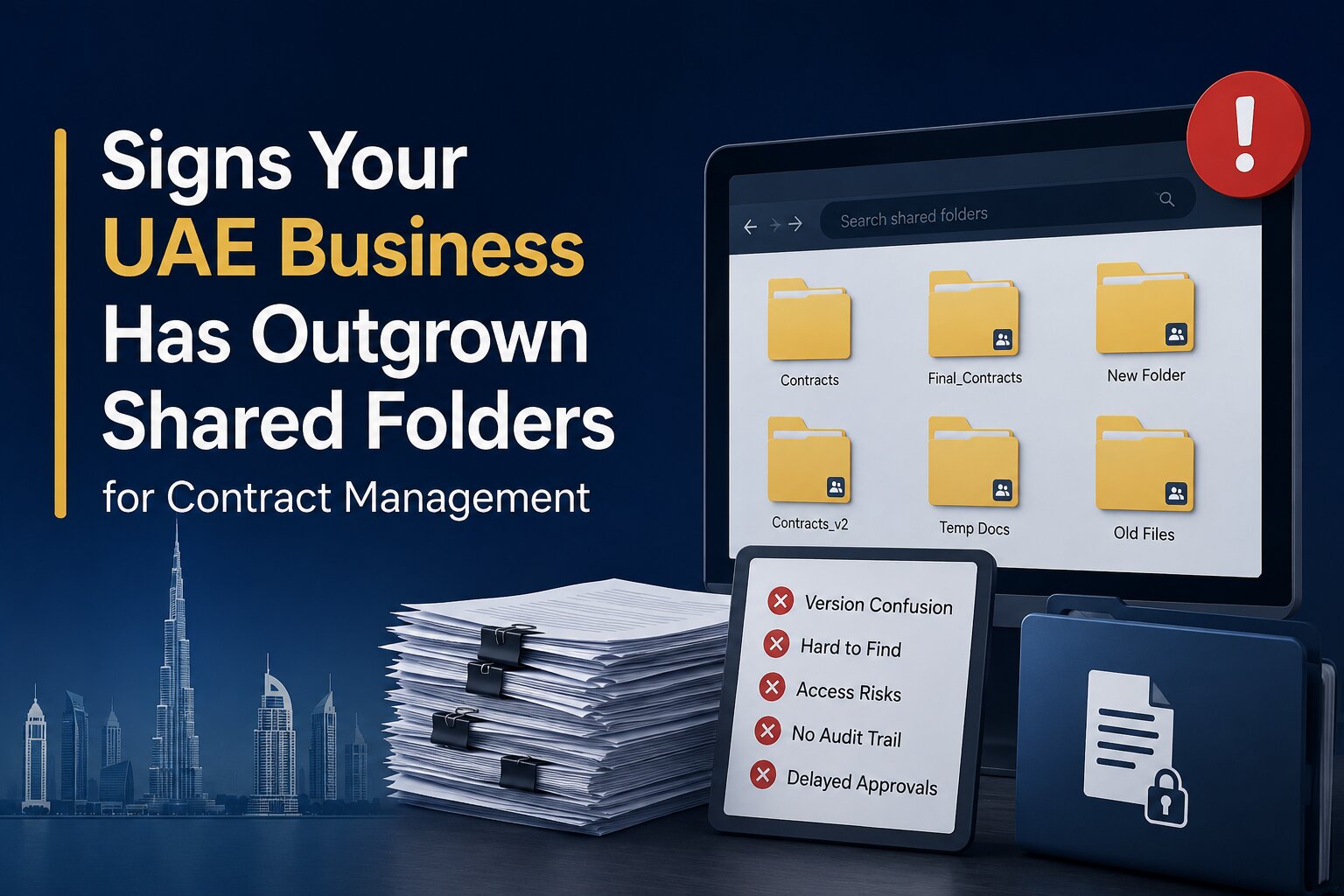
Many organisations still rely on manual contract handling methods, where documents move through long email chains and approvals are tracked informally. This often creates gaps in visibility and increases the risk of missing important obligations.
Some of the most common compliance challenges businesses face include:
- Missed contract renewal deadlines
- Lack of visibility into approval stages
- Difficulty tracking contract versions
- Delays in legal review cycles
- Incomplete audit trails
- Poor document accessibility across departments
These issues become even more significant in sectors that handle large contract volumes. For example, a construction company in Doha managing multiple subcontractors may struggle to monitor vendor agreements, payment terms, insurance obligations, and renewal schedules manually. A single missed clause or expired contract could lead to financial losses or project delays.
As regulatory expectations continue to evolve across the GCC, businesses are recognising the importance of structured and transparent legal operations.
What Is Legal Contract Automation Software?
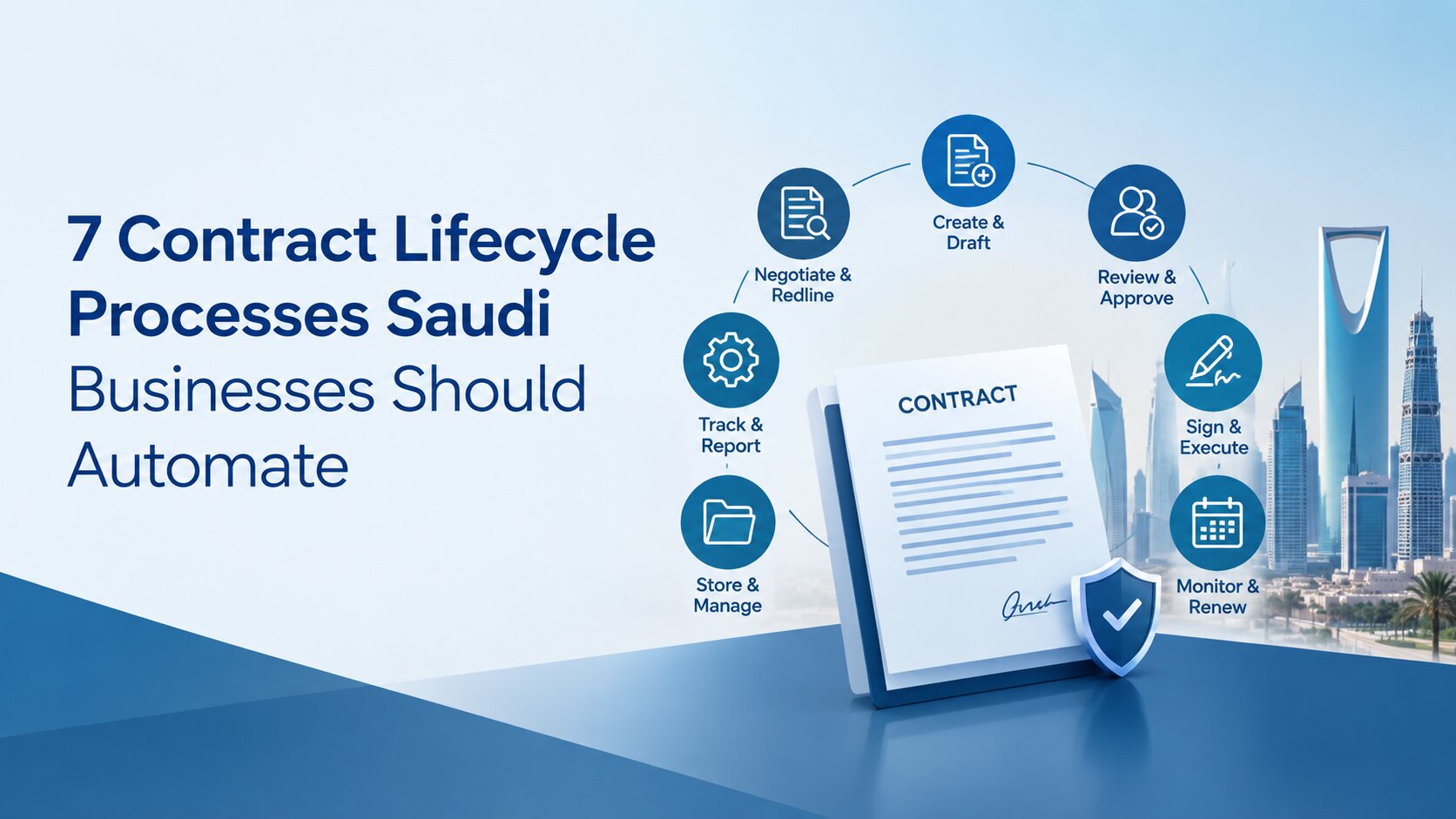
Legal contract automation software is a digital solution that helps organisations create, manage, approve, store, and monitor contracts more efficiently. Instead of relying on manual processes, businesses can automate repetitive tasks and standardise workflows throughout the contract lifecycle.
This type of software simplifies legal operations by centralising contract data and reducing dependency on disconnected systems.
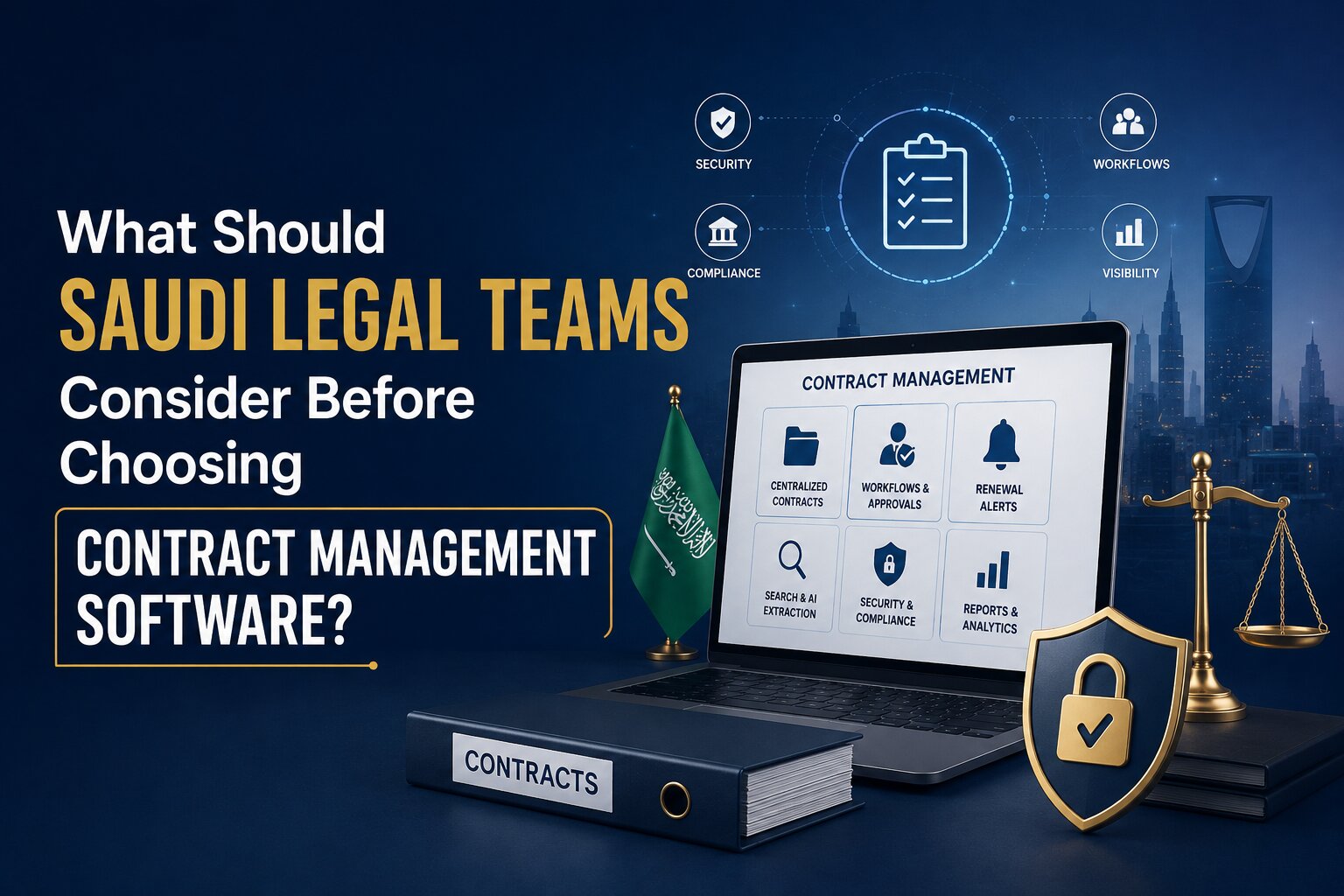
Most modern platforms typically include features such as:
- Automated approval workflows
- Centralised contract repositories
- Compliance reminders and alerts
- Role-based access permissions
- Audit tracking and reporting
- E-signature integrations
- Clause libraries and templates
- AI-assisted contract analysis
Rather than replacing legal professionals, contract automation helps legal teams focus on higher-value work by reducing administrative burdens.
A manually managed contract process may involve multiple departments exchanging emails, reviewing document versions, and waiting for approvals. With automation, workflows become more structured and transparent. Contracts move automatically through predefined approval stages, reducing delays and improving accountability.
This is especially valuable for businesses in Qatar where compliance, documentation accuracy, and operational speed are increasingly interconnected.
How Contract Automation Improves Compliance Management
One of the biggest advantages of legal contract automation is the ability to improve compliance consistency across the organisation.
When contracts are handled manually, teams may unknowingly use outdated clauses, skip approval steps, or fail to monitor important obligations. Automated systems help standardise these processes and reduce dependency on individual tracking methods.
Faster and More Structured Approvals
Traditional approval processes often involve long email threads and repeated follow-ups. Automation software simplifies this by routing contracts directly to the appropriate stakeholders.
This helps businesses:
- Reduce approval delays
- Improve collaboration between departments
- Maintain approval accountability
- Avoid bottlenecks in legal review cycles
Industry studies suggest that automated contract workflows can reduce approval turnaround times by up to 50 percent, especially in organisations dealing with high contract volumes.
Reduced Compliance Risks
Compliance risks frequently arise from inconsistent documentation and lack of process visibility. Automation software helps organisations establish standardised workflows that reduce the likelihood of human error.
For example, businesses can configure mandatory approval checkpoints before contracts are finalised. Compliance reminders and automated notifications also help teams monitor obligations such as renewals, expirations, and policy updates.
This creates a more proactive approach to compliance management rather than relying on reactive problem-solving.
Better Audit Readiness and Document Control
Maintaining organised contract records is essential for internal audits, regulatory reviews, and dispute resolution.
Contract automation platforms centralise all legal documents in a secure digital repository, making it easier to search, retrieve, and monitor agreements.
For instance, a healthcare organisation in Qatar managing supplier agreements may need immediate access to documentation during audits or compliance checks. A centralised system significantly reduces the time spent locating records and verifying approval histories.
Key Features Businesses Should Look for in Contract Automation Software
Choosing the right legal contract automation software requires more than simply comparing pricing or interface design. Businesses should evaluate whether the platform supports operational efficiency, compliance requirements, and long-term scalability.
Automated Workflow Management
Workflow automation is one of the most important capabilities in modern contract management systems. Businesses should look for software that allows contracts to move automatically through approval stages based on predefined rules.
This improves consistency while reducing manual intervention.
Centralised Contract Repository
A secure and searchable contract database helps organisations maintain better control over legal documents. Instead of storing agreements across emails and shared folders, teams can access all contracts from a single platform.
This improves collaboration and minimises document duplication.
Compliance Alerts and Renewal Tracking
Automated reminders help businesses avoid missed deadlines and expired agreements. Notifications related to renewals, obligations, approvals, or policy changes improve operational visibility and reduce risk exposure.
Integration Capabilities
Contract automation software should integrate with existing business systems such as ERP platforms, procurement software, CRM systems, and email tools.
Integrated workflows reduce duplication of work and improve cross-functional collaboration.
Scalability for Growing Enterprises
As businesses expand, contract volumes increase across departments and locations. Scalable software ensures organisations can manage increasing complexity without disrupting operations.
This is particularly important for enterprises operating across multiple GCC markets.
Why Businesses in Qatar Are Investing in Legal Automation
Qatar’s business landscape is evolving rapidly alongside wider digital transformation initiatives across the region. Organisations are under growing pressure to improve efficiency while maintaining regulatory accountability.
Several factors are driving increased adoption of legal automation software in Qatar.
Growing Contract Volumes
Businesses today manage significantly more agreements than before, including vendor contracts, procurement agreements, employee documentation, partnership agreements, and compliance records.
Manual handling becomes increasingly difficult as operations scale.
Increased Focus on Digital Transformation
Many organisations in Qatar are modernising internal operations to improve speed, transparency, and operational efficiency. Legal departments are becoming part of this transformation journey.
Cloud-based legal automation tools allow teams to collaborate more effectively while maintaining secure access to documents and workflows.
Need for Better Operational Visibility
Business leaders increasingly require real-time visibility into legal obligations, approval statuses, and compliance performance.
Automation platforms provide dashboards and reporting tools that improve decision-making and accountability across departments.
How Beveron Smart Legal Contract Supports Compliance Management
Beveron Technologies offers a modern legal automation platform through its Smart Legal Contract solution designed to help organisations streamline contract lifecycle management and improve compliance visibility.
The platform supports businesses looking to reduce manual legal processes while maintaining greater control over approvals, documentation, and contract obligations.
Some of the capabilities that support compliance-focused organisations include:
- Automated contract approval workflows
- Centralised legal document management
- Clause standardisation
- Compliance reminders and notifications
- Audit-ready reporting
- Secure role-based access controls
The solution can support organisations across industries such as construction, healthcare, finance, and enterprise legal operations where managing high volumes of contracts efficiently is critical.
Rather than focusing only on document storage, modern legal automation platforms help organisations build structured and scalable legal workflows that support operational growth.
Emerging Trends in Legal Contract Automation
Legal technology continues to evolve as businesses seek smarter and more efficient ways to manage compliance.
One major trend is the use of artificial intelligence in contract analysis. AI-powered tools can help identify missing clauses, highlight potential risks, and improve review efficiency for legal teams.
Another growing trend is cloud-based legal management systems. Businesses increasingly prefer cloud solutions because they improve accessibility, support remote collaboration, and simplify software scalability.
There is also a stronger focus on data-driven legal operations. Organisations want better visibility into contract performance, approval timelines, and compliance metrics to support informed decision-making.
As businesses in Qatar continue investing in digital transformation, legal automation is expected to become a core part of enterprise operations rather than a specialised legal tool.
Common Mistakes Businesses Make When Implementing Contract Automation Software
While automation offers significant advantages, implementation success depends on proper planning and adoption.
One common mistake is choosing software based only on cost rather than functionality and compliance support. A low-cost system may lack scalability or critical workflow capabilities required for enterprise operations.
Another issue is insufficient user training. Legal automation affects multiple departments, including procurement, finance, HR, and management teams. Without proper onboarding, adoption challenges can reduce the effectiveness of the system.
Some organisations also fail to customise workflows according to operational requirements. Every business has unique approval structures and compliance processes. Flexible workflow configuration is essential for achieving long-term value.
Businesses should approach legal automation as part of a broader operational improvement strategy rather than simply a software purchase.
Conclusion
As businesses in Qatar continue navigating increasing compliance demands and operational complexity, legal contract automation software is becoming an essential investment for sustainable growth.
Manual contract management processes often create unnecessary delays, compliance gaps, and administrative burdens that impact business performance. Automation helps organisations improve visibility, standardise workflows, reduce legal risks, and maintain better control over contractual obligations.
From faster approvals and improved audit readiness to scalable workflow management, the benefits extend beyond legal departments and support overall operational efficiency.
Solutions such as Smart Legal Contract by Beveron provide businesses with a structured approach to modernising contract lifecycle management while supporting compliance-driven operations across Qatar and the GCC.
Ready to modernise your contract management processes?
Transform your contract workflows with Beveron’s Smart Legal Contract — faster approvals, stronger compliance, smarter business operations.
Frequently Asked Questions
What is legal contract automation software?
Legal contract automation software helps businesses digitally manage contracts through automated workflows, approval tracking, compliance monitoring, and secure document storage.
Why is contract automation important for businesses in Qatar?
Businesses in Qatar face increasing regulatory and operational requirements. Contract automation improves compliance visibility, reduces approval delays, and minimises legal risks.
Which industries benefit most from legal contract automation in Qatar?
Industries such as construction, healthcare, banking, oil and gas, real estate, and government contracting benefit significantly due to large contract volumes and strict compliance requirements.
How does automated contract management improve compliance?
Automated systems standardise workflows, maintain audit trails, send compliance reminders, and ensure contracts follow predefined approval processes.
What features should businesses look for in legal contract automation software?
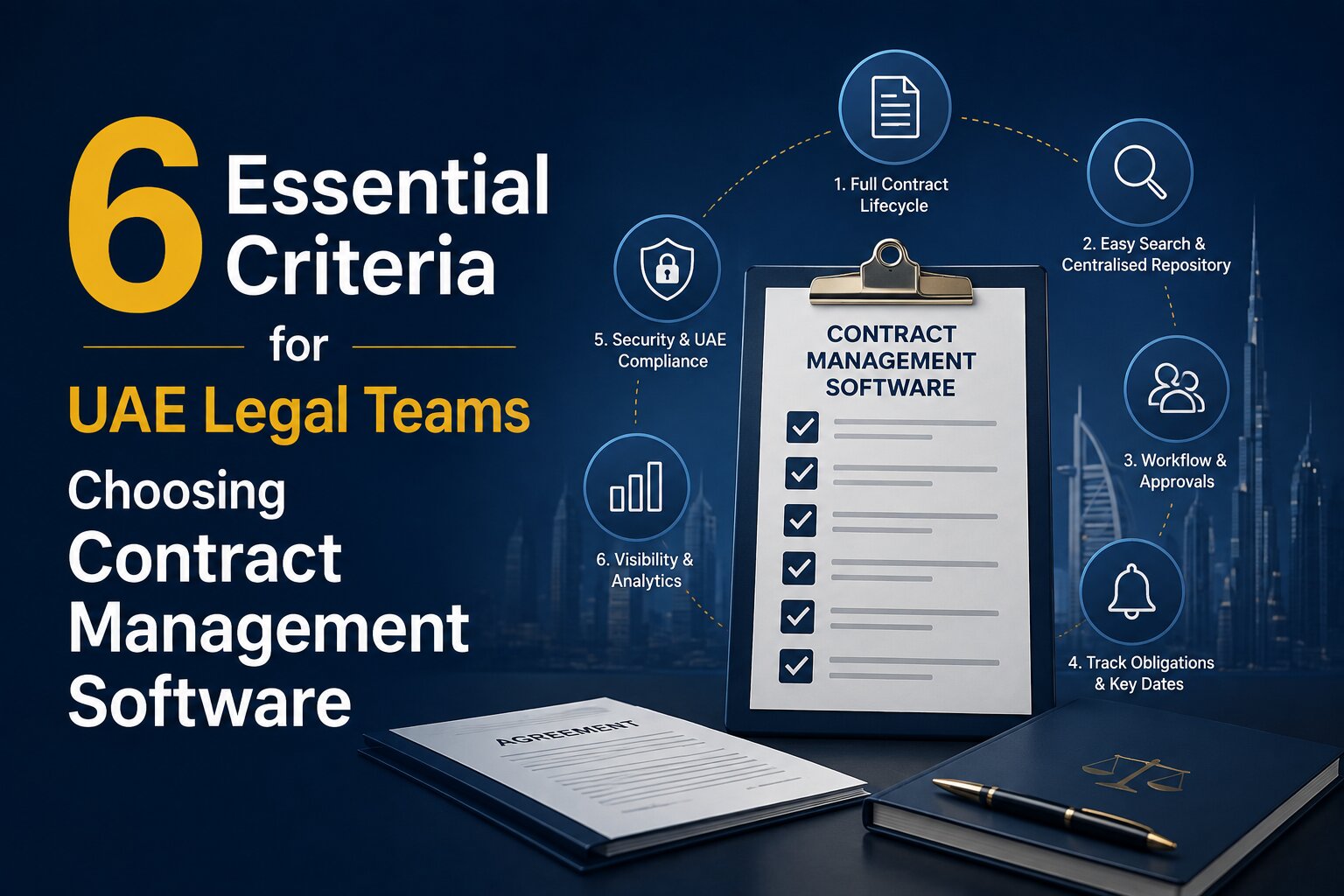
Businesses should prioritise workflow automation, compliance alerts, centralised document management, audit tracking, integration capabilities, secure access controls, and scalability.
Best legal contract automation software in Qatar
Best legal compliance management software in Qatar
Best ai contract management software for businesses in Qatar
If you need a free demo of the best legal contract automation software in Qatar, please fill out the form below.