7 AI Trends Transforming Corporate Legal Departments in 2026

Artificial intelligence is no longer a future ambition for corporate legal departments—it's becoming part of everyday legal work. What started with document review and contract analysis has evolved into AI-powered legal operations that help teams manage increasing workloads, improve decision-making, and deliver faster, more strategic legal services.
Legal departments today are expected to do far more than provide legal advice. They play a critical role in managing organisational risk, ensuring regulatory compliance, supporting business growth, and enabling digital transformation. At the same time, many legal teams are being asked to achieve more without significantly increasing headcount or budgets.
This is where AI is making a measurable difference.
Rather than replacing legal professionals, AI is helping them work more efficiently by automating routine tasks, uncovering insights from legal data, and enabling faster, more informed decisions. From intelligent matter management to predictive analytics and compliance monitoring, AI is reshaping how legal departments operate and how they create value for the wider business.
For organisations planning their legal technology strategy, understanding where AI is heading is just as important as understanding where it is today.
In this article, we explore seven AI trends that are expected to shape corporate legal departments throughout 2026 and beyond. These trends highlight how modern legal teams are moving from reactive support functions to proactive business partners—and why organisations that embrace the right technologies will be better positioned for the future.
1. AI Is Becoming the Operating System for Modern Legal Departments
For many organisations, AI is no longer an add-on feature. It's becoming the foundation of how legal work is managed, prioritised, and delivered.
Traditionally, legal departments relied heavily on emails, spreadsheets, and manual processes to track matters, assign work, and monitor progress. While these methods may have worked in the past, they're becoming increasingly difficult to manage as legal workloads grow in complexity.
Today, AI is helping legal teams streamline everyday operations by automating routine administrative tasks and improving the flow of work across the department.
One of the biggest improvements is happening at the very start of the legal workflow. Instead of relying on shared inboxes or email chains, organisations are adopting AI-powered legal intake to capture complete requests, automatically classify legal matters, and route work to the right legal professionals. This reduces manual triage, shortens response times, and creates a more consistent experience for business stakeholders. Learn more in our guide on AI-Powered Legal Intake: Why General Counsel Are Replacing Email-Based Request Management.
Instead of spending valuable time sorting requests or manually assigning matters, legal teams can use AI to:
- Prioritise incoming legal requests based on urgency and business impact.
- Route matters to the most appropriate legal professional.
- Track workloads across the department.
- Identify delays before they become bottlenecks.
- Recommend the next best action based on previous outcomes.
This shift allows lawyers to spend less time managing processes and more time providing strategic legal advice.
As AI continues to evolve, many organisations are also exploring Agentic AI—a new generation of AI that can plan, coordinate, and execute multi-step legal workflows with minimal human intervention while keeping legal professionals in control. To understand how this emerging technology is reshaping enterprise legal operations, read our guide on The Rise of Agentic AI in Legal Operations: What Corporate Legal Teams Need to Know.
It's also changing the role of legal operations. Rather than simply tracking legal work, operations teams can use AI-driven insights to improve efficiency, allocate resources more effectively, and continuously optimise legal service delivery.
As organisations continue investing in digital transformation, AI is quickly becoming the engine that powers modern legal operations.
2. Predictive Analytics Will Help Legal Teams Make Smarter Decisions
Legal departments generate vast amounts of data every day. Every matter, contract, dispute, approval, and legal request contains valuable information that can help organisations make better decisions.
Until recently, much of that information remained underused.
In 2026, AI-powered predictive analytics is helping legal leaders turn historical legal data into practical business intelligence. Instead of simply reporting what has already happened, AI can identify patterns, forecast future workloads, and highlight potential risks before they escalate.
For example, predictive analytics can help legal departments answer questions such as:
- Which business units are likely to generate the highest legal demand next quarter?
- Where are matter turnaround times increasing?
- Which contract types create the greatest legal risk?
- Are external legal costs likely to exceed budget?
- Which compliance activities require additional attention?
Having these insights enables General Counsel and Legal Operations teams to make proactive decisions instead of reacting after problems occur.
The value extends beyond the legal department. Predictive reporting allows legal leaders to provide executives with clearer forecasts, measurable performance indicators, and evidence-based recommendations that align legal strategy with wider business objectives.
Predictive analytics becomes even more valuable when organisations can transform legal data into actionable business intelligence. By combining AI with advanced matter analytics, legal teams can identify trends, measure performance, and make more informed strategic decisions. Learn more in our guide on AI-Powered Matter Analytics: Turning Legal Data Into Business Intelligence.
As legal departments become increasingly data-driven, predictive analytics will move from being a competitive advantage to an expected capability.
3. AI-Powered Contract Intelligence Will Move Beyond Review
Contract review has been one of the most widely adopted applications of AI in the legal profession, but its role is expanding rapidly. Modern AI is no longer limited to identifying clauses or highlighting missing terms. It is helping legal departments manage the entire contract lifecycle more intelligently—from drafting and negotiation through to execution, monitoring, renewal, and ongoing compliance.
Instead of reviewing contracts one document at a time, AI can analyse large contract portfolios in minutes, helping legal teams identify obligations, renewal dates, unusual clauses, and potential risks that might otherwise go unnoticed.
This enables organisations to answer important business questions much faster, including:
- Which contracts are due for renewal?
- Where are contractual obligations at risk?
- Which agreements contain outdated clauses?
- Are there inconsistencies across standard templates?
- Which contracts require immediate legal attention?
By automating these repetitive review tasks, lawyers can focus on negotiations, complex legal analysis, and strategic advisory work that requires human judgement.
AI is also improving collaboration between legal and business teams. Sales, procurement, finance, and compliance departments can move through contract processes more quickly because routine reviews and approvals become faster and more consistent. As contract volumes continue to increase, organisations are recognising that contract intelligence is no longer just about efficiency. It's becoming an essential part of reducing business risk, improving governance, and supporting better commercial decision-making.
For organisations investing in enterprise legal technology, this is where integrated platforms are becoming increasingly valuable. Rather than treating contract management, matter management, legal intake, and reporting as separate functions, modern solutions bring them together within a connected legal ecosystem. This gives legal teams a single source of truth, greater visibility across legal operations, and the ability to make informed decisions using real-time data.
Solutions such as Beveron Smart Legal Counsel reflect this shift by bringing together AI-enabled workflows, intelligent matter management, contract lifecycle management, legal analytics, and enterprise reporting into one platform. Instead of managing disconnected legal processes, corporate legal departments can streamline operations, improve collaboration, and gain deeper insights that support both legal and business objectives.
4. AI Will Strengthen Compliance and Risk Management
Keeping up with changing regulations has never been easy. Legal and compliance teams are expected to monitor new laws, update internal policies, assess risks, and ensure the business remains compliant—all while managing their day-to-day legal responsibilities.
As regulatory requirements become more complex, AI is helping legal departments take a more proactive approach to compliance.
Instead of manually reviewing regulatory updates or tracking obligations across multiple systems, AI can monitor changes, flag potential compliance risks, and alert legal teams when action may be required. This allows organisations to respond faster and reduce the likelihood of issues being overlooked.
AI is also improving how legal departments assess and manage risk. By analysing historical legal matters, contracts, disputes, and compliance records, AI can identify recurring patterns that may indicate potential legal or operational risks.
For legal leaders, this means they can spend less time gathering information and more time making informed decisions.
Some of the ways AI is supporting compliance and risk management include:
- Monitoring regulatory changes that could affect the business.
- Identifying high-risk contracts or legal matters.
- Tracking policy updates and approval workflows.
- Supporting internal audits with organised records.
- Providing dashboards that give management greater visibility into compliance performance.
The goal isn't to replace legal judgement but to give legal teams better information, earlier. As regulations continue to evolve, organisations that combine AI with strong legal oversight will be better equipped to manage compliance confidently.
Preparing for regulatory scrutiny also means ensuring AI governance is well documented. Audit readiness requires legal teams to maintain clear records of AI usage, decision-making, governance controls, and compliance processes before regulators request them. Learn more in our guide on AI Audit Readiness: What Legal Teams Should Document Before Regulators Ask, which explores the documentation and governance practices that help organisations stay prepared for evolving AI regulations
5. AI Is Breaking Down Legal Knowledge Silos
Every legal department holds a wealth of knowledge, but much of it is often difficult to access. Previous legal opinions, contract templates, negotiation strategies, regulatory advice, and completed matters are frequently stored across emails, shared drives, or individual folders. Finding the right information can take far longer than it should, especially when experienced team members are unavailable.
AI is changing that by making legal knowledge easier to find and reuse.
Modern AI-powered knowledge management tools can quickly search thousands of legal documents, identify relevant precedents, and surface useful information in seconds. Instead of spending hours searching for previous advice or similar matters, lawyers can retrieve the information they need almost instantly.
This not only saves time but also improves consistency across the legal department. Teams are less likely to duplicate work or provide conflicting guidance because they're working from the same trusted information.
AI-powered knowledge management also supports:
- Faster legal research.
- Improved collaboration across legal teams.
- Better onboarding for new lawyers.
- More consistent legal advice.
- Stronger institutional knowledge.
As legal departments continue to grow, knowledge is becoming one of their most valuable assets. Organisations that make it easier to capture, organise, and share legal expertise will be better positioned to respond quickly and deliver consistent legal services across the business.
6. Success Will Be Measured by Business Outcomes, Not AI Adoption
For the past few years, many organisations have focused on one question: Are we using AI?
In 2026, the more important question has become:
Is AI delivering measurable business value?
Legal leaders are moving beyond the excitement surrounding AI and looking closely at the outcomes it delivers.
Rather than adopting AI simply because it's available, organisations want evidence that it improves efficiency, reduces costs, strengthens compliance, and supports better business decisions.
This shift is changing how legal departments evaluate technology investments.
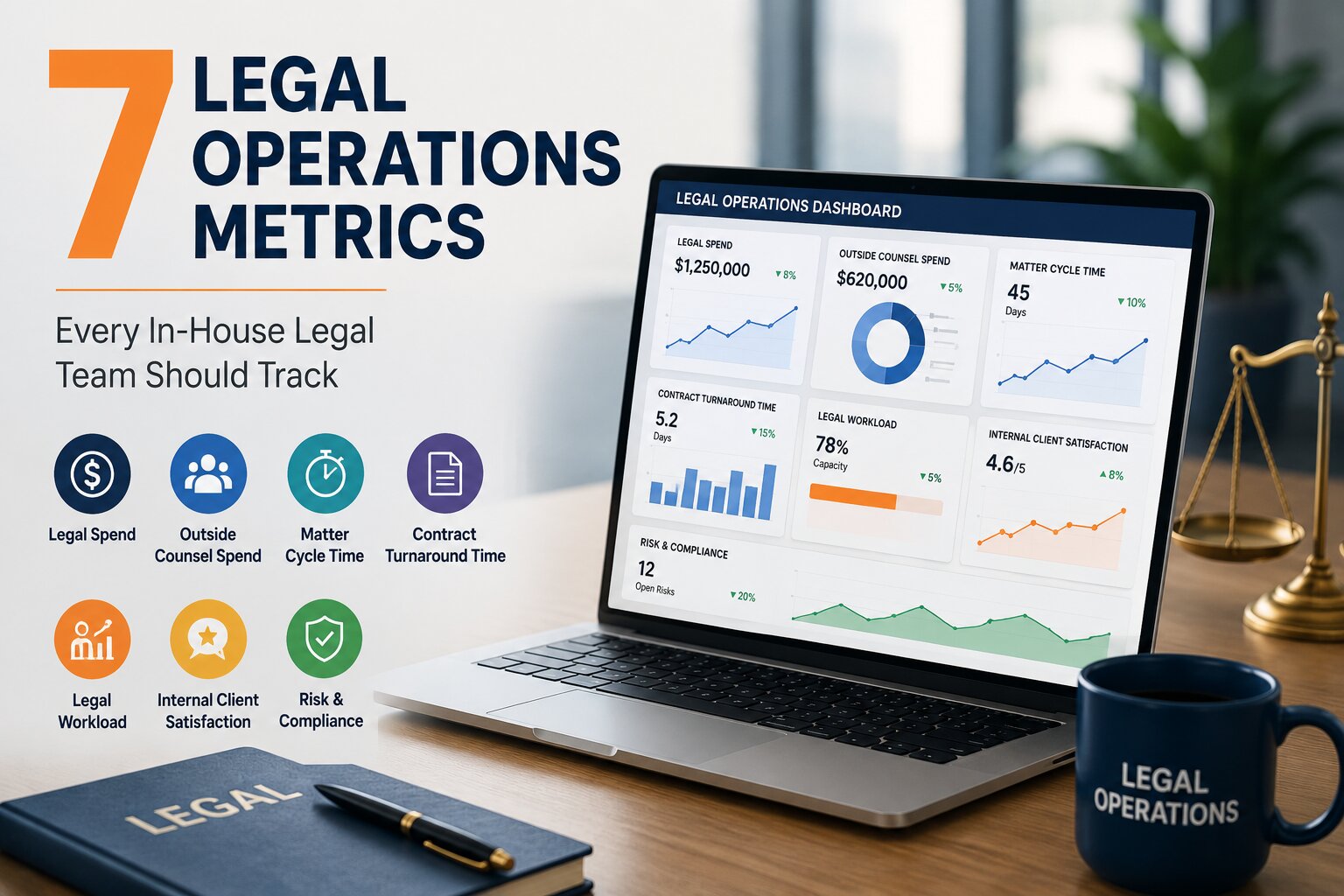
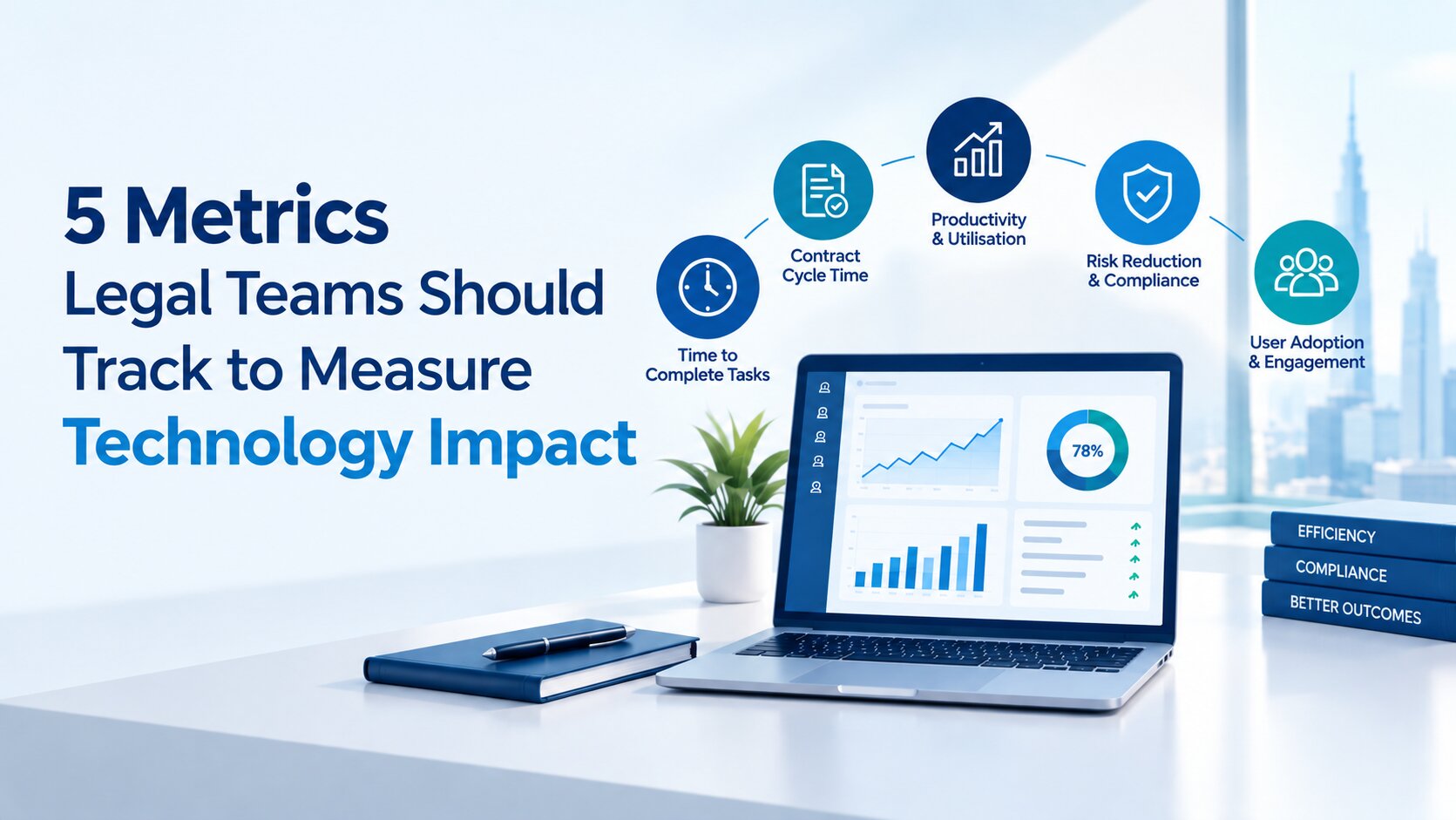
Instead of measuring the number of AI tools deployed, they're tracking metrics such as:
- Time taken to resolve legal matters.
- Contract turnaround times.
- External legal spend.
- Legal team productivity.
- Compliance performance.
- Matter backlog reduction.
- Internal client satisfaction.
These metrics provide a clearer picture of how legal operations contribute to organisational success.
Modern legal technology platforms play an important role here by providing dashboards and analytics that transform legal data into meaningful business insights. Rather than preparing reports manually, legal leaders can monitor performance in real time, identify trends, and demonstrate the value their teams deliver to senior management.
For organisations investing in AI, success will increasingly be measured by results rather than technology alone.
7. Human Expertise Will Continue to Lead AI-Enabled Legal Departments
Despite rapid advances in AI, one thing remains unchanged: legal decisions require human judgement.
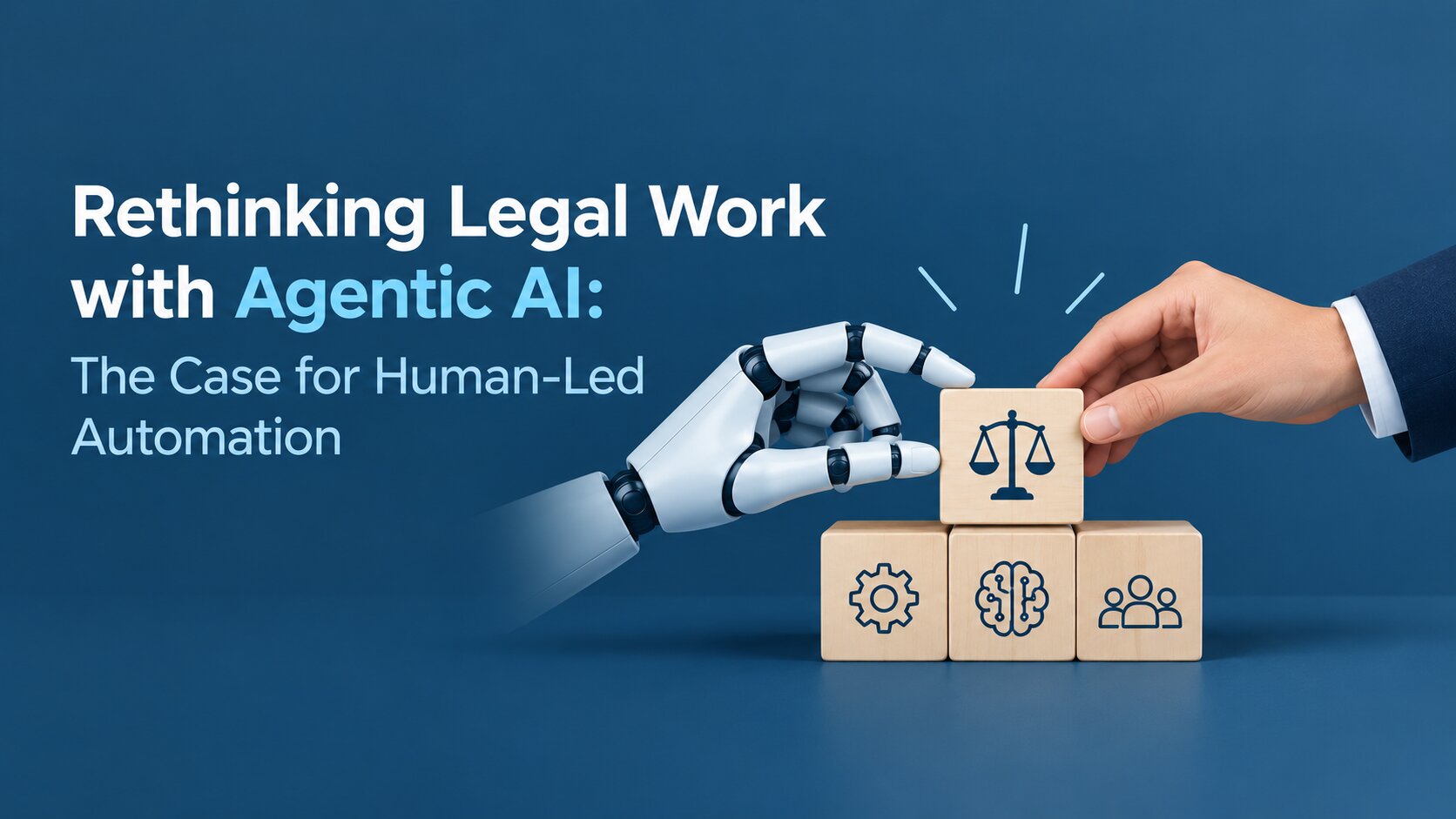
AI can analyse documents, identify risks, automate workflows, and generate recommendations, but it cannot replace the experience, ethical reasoning, and strategic thinking that legal professionals bring to complex situations. The most successful legal departments are recognising that AI works best when it complements human expertise rather than attempting to replace it.
Routine administrative work can be automated, allowing lawyers to spend more time on negotiations, complex legal analysis, stakeholder engagement, and business strategy.
This balance is also essential for building trust.
Legal teams remain responsible for reviewing AI-generated outputs, validating recommendations, protecting confidential information, and ensuring that important legal decisions remain accountable and transparent.
As AI capabilities continue to mature, successful organisations will invest just as much in governance, training, and change management as they do in technology itself.
The future of legal operations isn't about choosing between lawyers and AI.
It's about enabling lawyers to achieve more with the support of intelligent technology.
Looking Ahead: The Future of AI in Corporate Legal Departments
The pace of change in legal technology shows no signs of slowing down.
Over the next few years, AI is expected to become more deeply embedded across every stage of legal operations. Routine administrative tasks will continue to be automated, while legal professionals will increasingly rely on AI to support decision-making, resource planning, compliance monitoring, and business reporting.
Emerging technologies such as AI copilots, intelligent legal assistants, predictive analytics, and autonomous workflows are likely to become standard features within enterprise legal platforms. Rather than operating as standalone tools, these capabilities will work together to create connected legal ecosystems where information flows seamlessly across matters, contracts, compliance, reporting, and knowledge management.
For legal leaders, the priority will no longer be deciding whether to adopt AI. Instead, the focus will shift towards implementing AI responsibly, ensuring strong governance, and selecting technologies that deliver measurable business value.
This is where enterprise platforms will play an increasingly important role.
Rather than introducing multiple disconnected applications, organisations are looking for integrated legal technology solutions that simplify operations while providing greater visibility, security, and scalability.
Beveron has been supporting this evolution by helping organisations modernise legal operations through connected, AI-enabled solutions designed for enterprise legal teams. By combining workflow automation, legal intelligence, analytics, compliance capabilities, and matter management within a unified platform, Beveron Smart Legal Counsel enables legal departments to build a stronger digital foundation for the future.
Ultimately, AI will not define the success of tomorrow's legal departments on its own. Success will depend on how effectively organisations combine technology, legal expertise, and strategic leadership to create legal functions that are efficient, data-driven, and trusted across the business.
How Beveron Smart Legal Counsel Supports the Future of AI-Powered Legal Operations
As corporate legal departments embrace AI, one thing is becoming clear: technology delivers the greatest value when it supports the entire legal function rather than solving isolated challenges.
Many organisations still rely on multiple disconnected tools to manage legal requests, matters, contracts, compliance, reporting, and legal knowledge. While each system may serve a purpose, switching between platforms often creates duplicate work, fragmented data, and limited visibility into overall legal performance.
Modern legal departments are moving towards integrated legal technology platforms that bring these functions together.
Beveron Smart Legal Counsel has been designed with this enterprise approach in mind. Rather than acting as another standalone legal application, it provides a connected platform that helps legal teams manage their day-to-day operations more efficiently while preparing for the future of AI-powered legal services.
The platform combines key capabilities that support today's evolving legal departments, including:
- AI-enabled matter management to prioritise and track legal work more effectively.
- Contract Lifecycle Management (CLM) to streamline contract creation, review, approvals, and renewals.
- Intelligent legal intake that routes requests to the right legal professionals.
- Workflow automation that reduces repetitive administrative tasks.
- Compliance and policy management to improve governance and oversight.
- Real-time dashboards and legal analytics that provide actionable business insights.
- Centralised knowledge management for faster access to legal expertise and precedents.
- Enterprise integrations with existing business systems to improve collaboration across departments.
Instead of spending valuable time chasing updates, compiling reports, or manually assigning work, legal professionals can focus on higher-value activities such as advising the business, managing legal risk, and supporting strategic decision-making.
For General Counsel and Legal Operations leaders, this also means having a clearer view of legal performance. With real-time reporting and AI-powered insights, they can monitor workloads, identify trends, measure key performance indicators, and demonstrate the value the legal function brings to the wider organisation.
As AI continues to evolve, legal departments will need technology that is scalable, secure, and flexible enough to adapt to changing business needs. Beveron Smart Legal Counsel provides that foundation, helping organisations modernise legal operations while maintaining the governance, transparency, and control that enterprise environments demand.
Conclusion
Artificial intelligence is reshaping corporate legal departments in ways that extend far beyond automation. It's helping legal teams make faster decisions, manage increasing workloads, strengthen compliance, unlock insights from legal data, and deliver greater value to the business.
The seven trends discussed in this article highlight an important shift in the role of legal departments. AI is no longer being viewed simply as a productivity tool. It's becoming a strategic capability that supports better legal operations, stronger risk management, improved collaboration, and more informed decision-making.
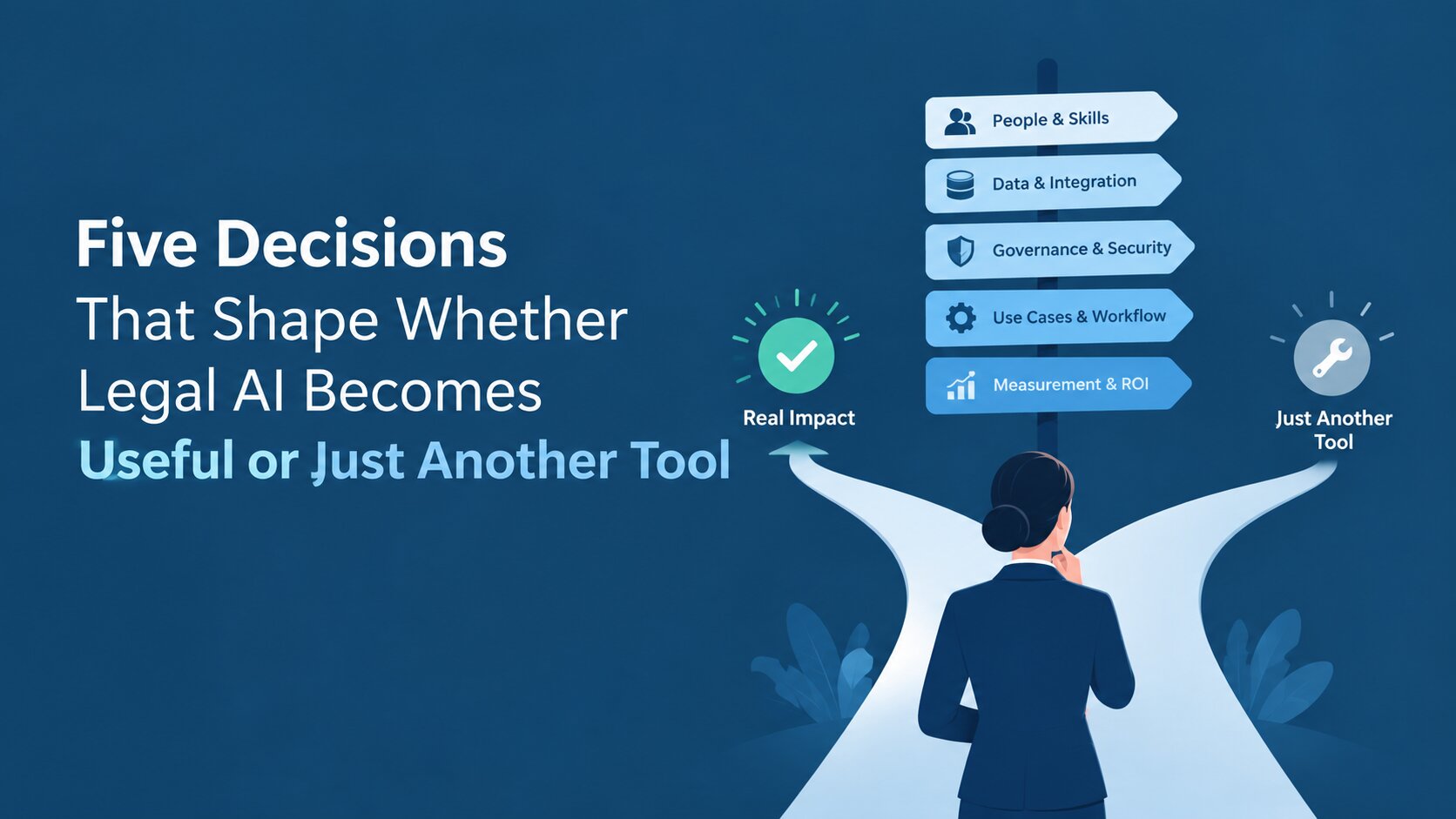
At the same time, successful AI adoption isn't just about implementing new technology. It requires clear governance, reliable data, well-designed processes, and the expertise of legal professionals who can apply sound judgement where it matters most.
As organisations continue their digital transformation journey, legal leaders have an opportunity to build departments that are more agile, data-driven, and prepared for the future.
For businesses looking to modernise legal operations, choosing the right technology partner will be just as important as choosing the right technology. Platforms that combine AI, workflow automation, matter management, contract lifecycle management, compliance, analytics, and knowledge management within a single ecosystem will be well positioned to support the next generation of enterprise legal services.
With its integrated approach to legal operations, Beveron Smart Legal Counsel is helping corporate legal departments move beyond fragmented processes towards a smarter, more connected, and future-ready way of working.
Frequently Asked Questions
1. What are the biggest AI trends shaping corporate legal departments in 2026?
Some of the most significant AI trends include intelligent legal operations, predictive legal analytics, AI-powered contract lifecycle management, compliance automation, knowledge management, business performance analytics, and greater collaboration between AI and legal professionals. Together, these trends are helping legal departments become more efficient, proactive, and aligned with business goals.
2. How is AI improving legal operations?
AI helps legal teams automate repetitive tasks, prioritise legal matters, analyse contracts, monitor compliance, generate reports, and uncover insights from legal data. This allows lawyers to spend less time on administrative work and more time providing strategic legal advice while improving the overall efficiency of legal operations.
3. Will AI replace lawyers in corporate legal departments?
No. AI is designed to support legal professionals, not replace them. While it can automate routine processes and assist with data analysis, legal judgement, negotiation, ethical decision-making, and complex advisory work still rely on human expertise. The most successful legal departments use AI to enhance the capabilities of their legal teams rather than replace them.
4. How can corporate legal departments prepare for the future of AI?
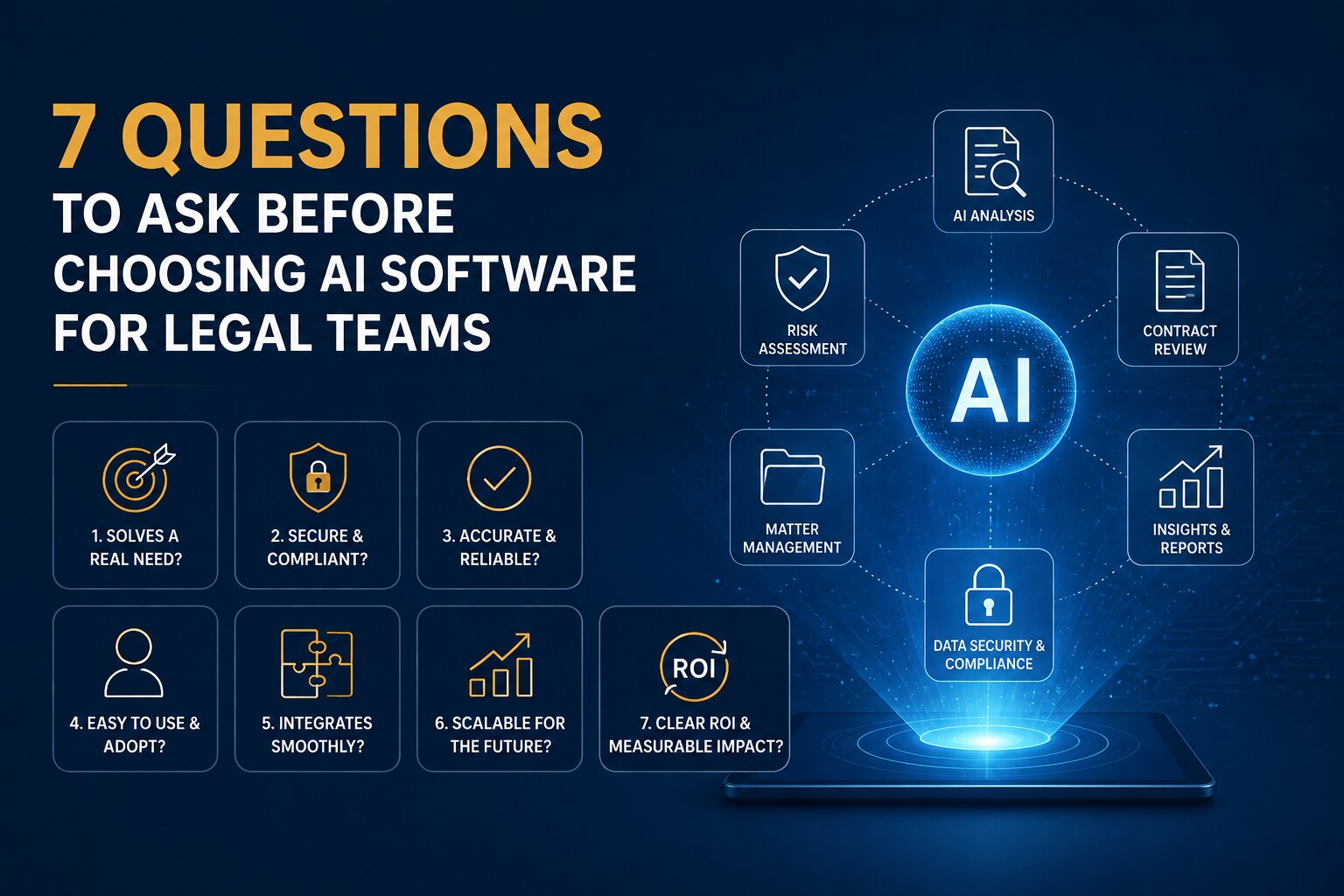
Legal departments should start by reviewing their existing processes, identifying repetitive tasks that can be automated, improving data quality, and investing in integrated legal technology platforms that support AI-driven workflows. Establishing clear governance, encouraging user adoption, and measuring business outcomes will also help organisations gain long-term value from AI initiatives.
Best AI-powered legal operations software in the UAE
Best AI software for corporate legal departments in the UAE
Best AI-powered legal department software in the UAE
If you need a free demo of the best AI-powered legal operations software in the UAE, please fill out the form below.