What Is Legal Tech? Everything You Need to Know

Introduction
Not long ago, most legal work revolved around paper files, overflowing cabinets, handwritten notes, and endless email chains. Today, that picture has changed dramatically. Whether it's a law firm reviewing contracts, a company managing compliance, or an in-house legal team handling hundreds of agreements, technology has become a key part of everyday legal work.
This shift has given rise to legal tech—a broad term that covers the software and digital tools designed to help legal professionals work more efficiently. From automating repetitive tasks to organising legal documents and using artificial intelligence (AI) to review contracts, legal technology is changing how legal services are delivered.
If you're new to the topic, this guide will explain what legal tech is, how it works, why it matters, and how organisations can begin adopting it.
What Is Legal Tech?
Legal tech, short for legal technology, refers to software and digital solutions built to support legal work. These tools help law firms, corporate legal departments, government agencies, and businesses manage legal processes more accurately and efficiently. Rather than replacing lawyers, legal tech reduces the amount of time spent on routine administrative work. Tasks such as drafting standard contracts, organising case files, tracking deadlines, reviewing documents, and managing approvals can all be handled much faster with the right technology.
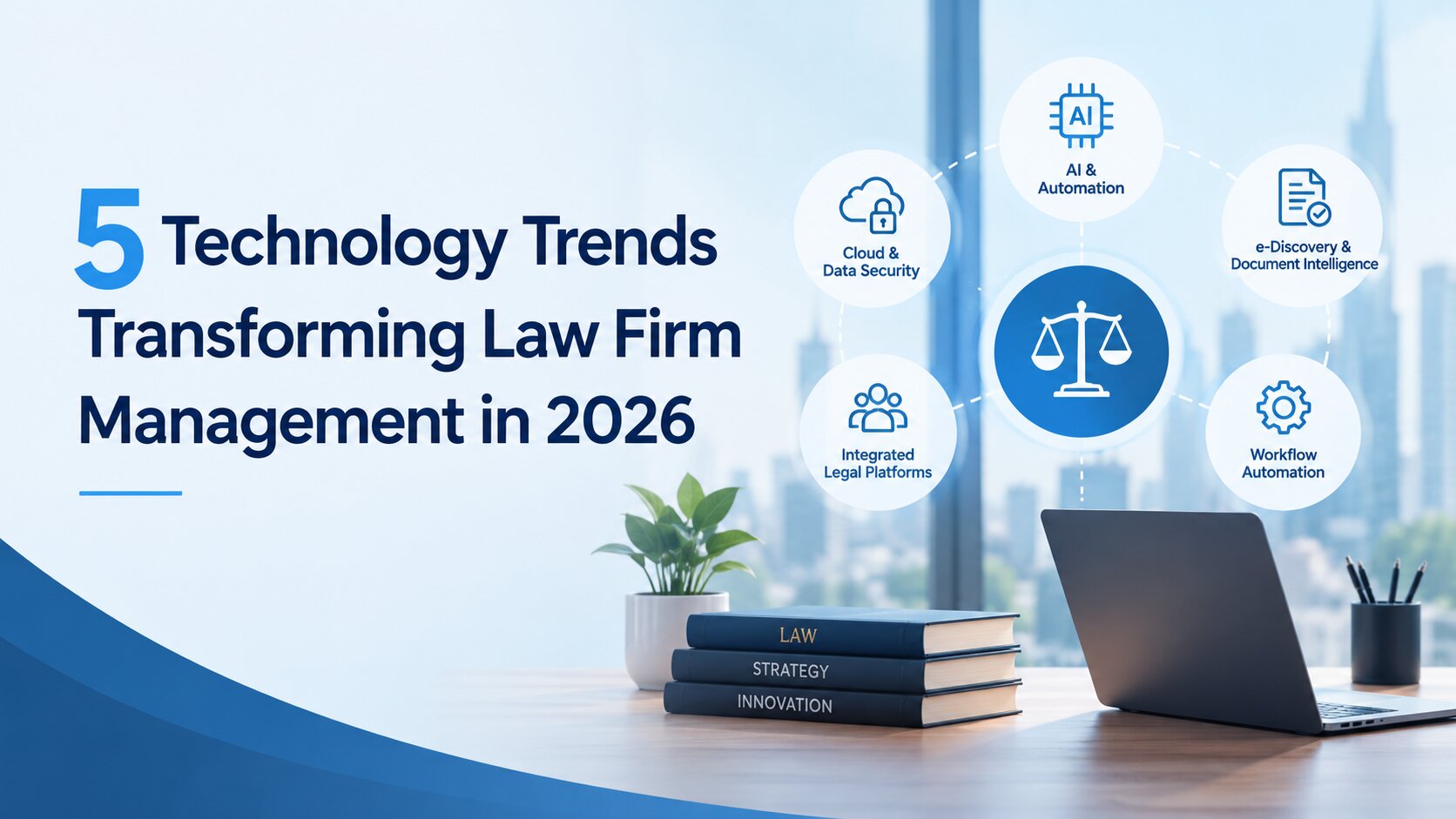
Over the past decade, legal tech has evolved from simple document storage systems into intelligent platforms powered by AI, automation, cloud computing, and advanced analytics. As legal workloads continue to grow, technology has become less of a luxury and more of a necessity.
How Does Legal Tech Work?
At its core, legal tech simplifies legal processes by bringing information, workflows, and collaboration into one digital environment. Instead of keeping contracts across multiple folders or relying on spreadsheets to track legal matters, teams can store everything in a centralised platform that's easy to search and access.
Many legal tech platforms also automate repetitive tasks. For example, software can:
- Route contracts for approval automatically
- Send reminders before important deadlines
- Generate standard legal documents
- Track contract renewals
- Assign legal tasks to the right people
Artificial intelligence takes this a step further by helping legal professionals analyse large volumes of information. AI can quickly identify unusual contract clauses, highlight potential risks, summarise lengthy documents, and even assist with legal research.
Cloud technology also makes collaboration easier. Whether team members are in the same office or working remotely, everyone can access the latest version of documents while maintaining strong security and access controls.
Common Types of Legal Tech Solutions
Legal technology covers a wide range of solutions, each designed to solve different challenges. If you'd like to explore these categories in more detail, read our guide on types of legal software every modern law firm needs.
Contract Lifecycle Management
Contracts are at the heart of most businesses. Contract lifecycle management software helps create, review, approve, store, renew, and monitor agreements from beginning to end. This reduces delays, improves visibility, and lowers contractual risks.
Matter and Case Management
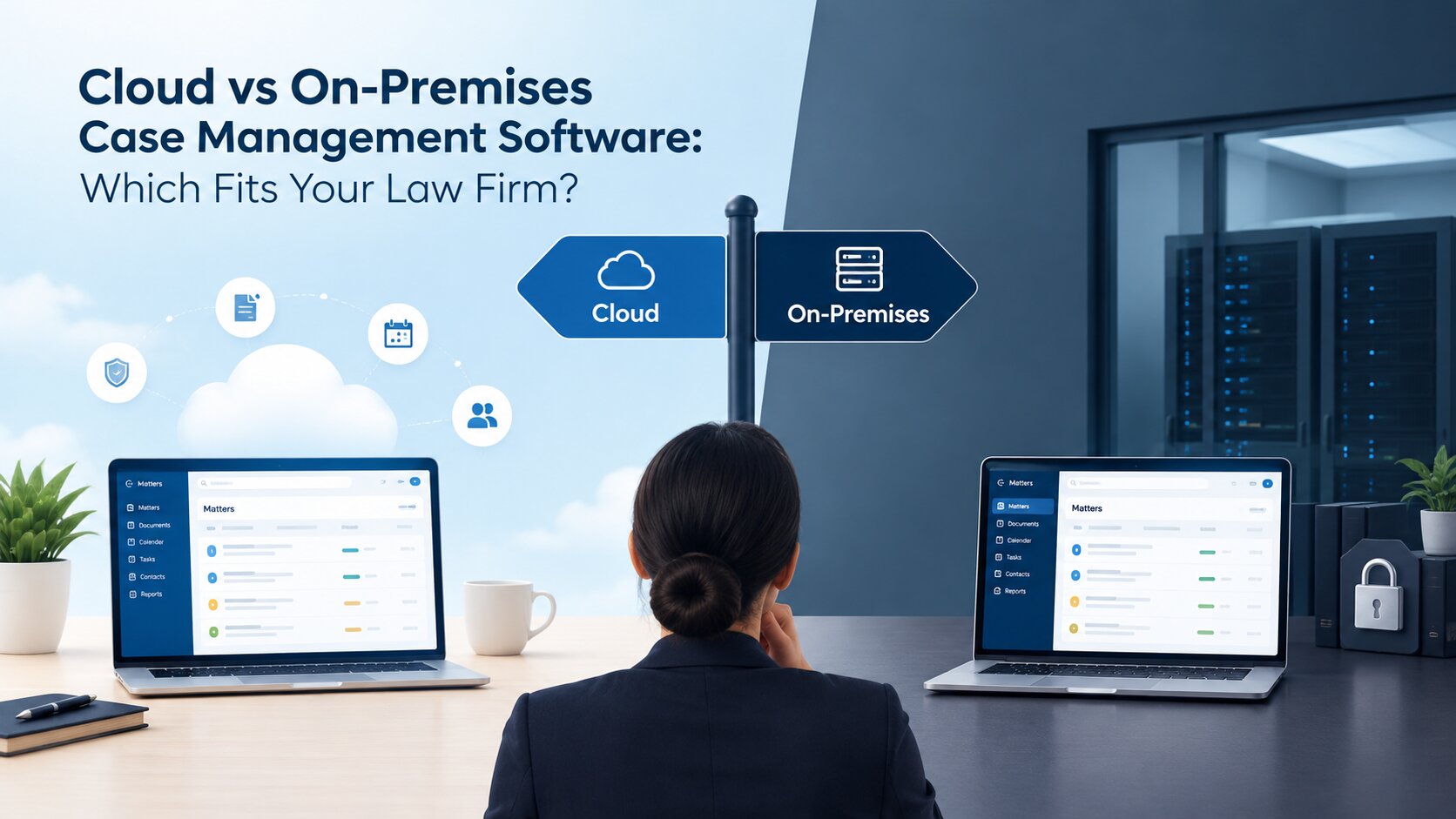
Law firms and corporate legal departments often manage multiple legal matters simultaneously. Matter management software keeps all related documents, communications, deadlines, and tasks organised in one place, making it easier to track progress and collaborate.
Document Automation
Preparing legal documents manually can be repetitive and time-consuming. Document automation tools generate contracts, letters, agreements, and other legal documents using pre-approved templates, helping maintain consistency while reducing manual effort.
Legal Research Tools
Modern legal research platforms allow professionals to search legislation, regulations, case law, and legal commentary much faster than traditional research methods. Many now include AI-powered legal search capabilities that deliver more relevant results.
Compliance and Risk Management
Businesses operate under increasingly complex regulations. Compliance software helps organisations monitor legal obligations, manage policies, document compliance activities, and identify potential risks before they become serious issues. If you're unsure whether your current compliance processes are effective, learn about the warning signs that your compliance program is failing.
Benefits of Legal Tech
Legal technology isn't simply about working faster—it also helps organisations work smarter.
It saves valuable time
Many routine legal tasks can take hours when handled manually. Automation allows legal teams to focus on work that requires professional judgement instead of repetitive administration.
It reduces human error
Manual processes often lead to missed deadlines, incorrect document versions, or overlooked clauses. Digital workflows introduce greater consistency and reduce avoidable mistakes.
It improves collaboration
Legal work rarely happens in isolation. Lawyers, business teams, finance departments, and external stakeholders often need to work together. Legal tech keeps everyone aligned by providing shared access to information and clearly defined workflows.
It strengthens compliance
Regulatory requirements continue to evolve across industries. Legal technology helps organisations monitor obligations, maintain audit trails, and demonstrate compliance more effectively.
It provides better visibility
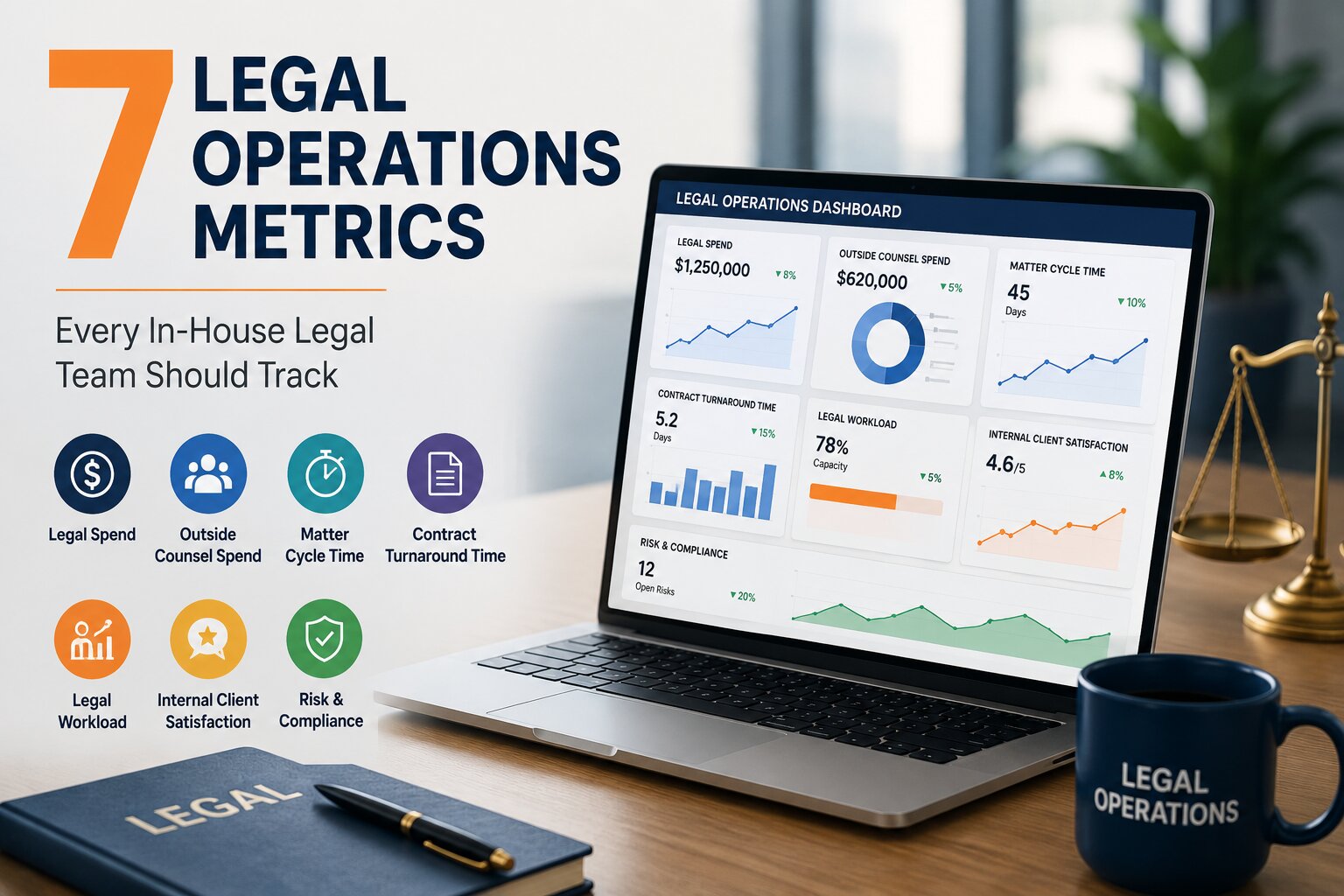
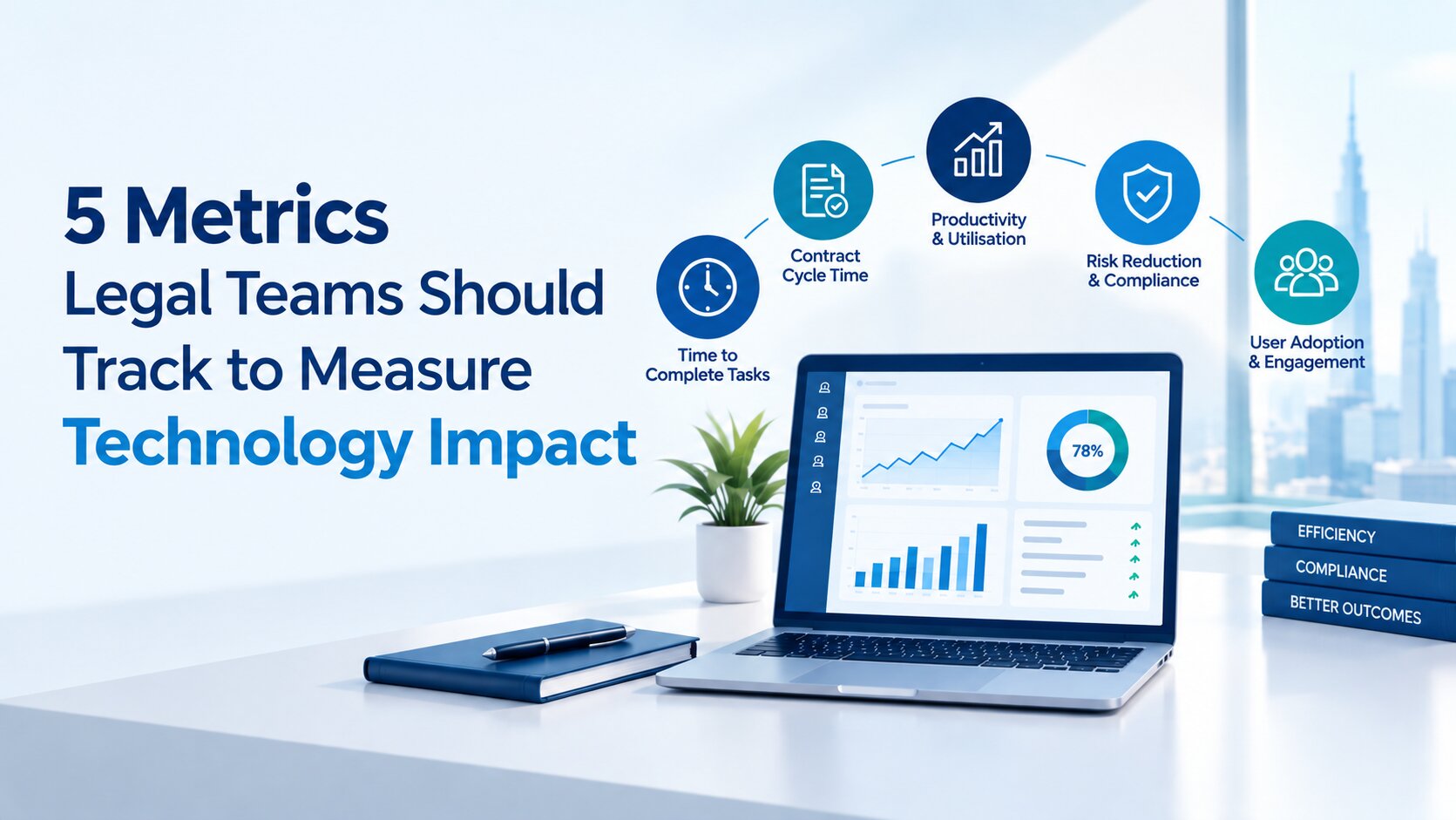
Managers can monitor workloads, track contract status, identify bottlenecks, and generate reports that support better decision-making.
It scales with business growth
As organisations expand, legal workloads naturally increase. Technology allows teams to manage more work without needing to increase administrative effort at the same pace.
Who Can Benefit from Legal Tech?
One of the biggest misconceptions is that legal tech is only for large law firms. In reality, organisations of all sizes are adopting legal technology. Law firms use legal tech to manage cases, organise documents, automate workflows, and improve client service. Corporate legal departments rely on technology to manage contracts, reduce compliance risks, and handle increasing legal demands without significantly expanding their teams.
Small and medium-sized businesses benefit from affordable legal tools that simplify contract management and reduce dependence on manual processes. Highly regulated industries such as banking, healthcare, insurance, manufacturing, and energy use legal technology to support governance, compliance, and risk management.
How AI Is Changing Legal Tech
Artificial intelligence has become one of the most significant developments in legal technology. Instead of spending hours reviewing lengthy contracts, lawyers can use AI to quickly identify unusual clauses, compare contract versions, and highlight potential risks. While legal professionals still make the final decisions, AI helps them work much more efficiently.
AI is also making document summarisation faster. Long agreements, policies, or legal reports can be condensed into concise summaries, allowing professionals to understand key information without reading every page in detail. Workflow automation is another area where AI is making a difference. It can automatically categorise documents, assign tasks, trigger approval processes, and send reminders based on predefined rules.
Importantly, AI isn't replacing lawyers. It supports them by reducing repetitive work, improving accuracy, and allowing more time for strategic legal thinking and client advice.
Getting Started with Legal Tech
Introducing legal technology doesn't have to happen all at once. Many organisations begin by identifying one challenge they want to solve, such as managing contracts more effectively, reducing the time spent preparing legal documents, or improving collaboration across legal teams. Starting with a clear objective makes it easier to choose the right solution and achieve measurable results.
Adopting legal technology isn't just about implementing new software—it's also about building a long-term strategy that supports your organisation's future. If you're planning your legal transformation journey, read our article on why your firm's legal tech strategy will determine its survival by 2030 to understand why a strategic approach is essential.
Before choosing any solution, it's worth asking a few practical questions:
- Which legal tasks consume the most time?
- Where do errors or delays occur most often?
- How are legal documents currently stored and managed?
- Will the software integrate with existing business systems?
- Can it support future growth?
Starting with clear goals makes it much easier to choose technology that delivers measurable improvements rather than adding unnecessary complexity.
Exploring Legal Tech Solutions from Beveron Technologies
Once organisations understand their legal challenges and decide to invest in legal technology, the next step is choosing software that matches their needs. Today, many providers offer specialised legal tech solutions for different areas of legal operations. Beveron Technologies is one such provider, offering platforms designed for law firms, corporate legal departments, and businesses managing contracts and compliance.
Beveron Smart Lawyer Office
Beveron Smart Lawyer Office is designed for law firms that want to manage their daily operations from one place. It brings together case management, document management, client records, billing, scheduling, and calendars into a single platform. Instead of switching between multiple systems, legal teams can keep everything organised and easier to manage throughout the lifecycle of a case.
Beveron Smart Legal Counsel
For in-house legal departments, Beveron Smart Legal Counsel provides a central place to manage legal matters, compliance activities, internal requests, litigation, and legal documents. It helps legal teams collaborate with other departments, keep track of ongoing work, and maintain better visibility into legal operations without relying on spreadsheets or lengthy email chains.
Beveron Smart Legal Contract
Beveron Smart Legal Contract helps organisations manage contracts from drafting and review through approvals, signing, renewals, and compliance monitoring. With AI-assisted features, automated workflows, and obligation tracking, it reduces repetitive manual work while making it easier to keep contracts organised and up to date. This allows legal and business teams to spend less time on administration and more time focusing on strategic work.
Each of these solutions addresses a different aspect of legal operations, allowing organisations to choose the tools that best match their workflows and business requirements. The right platform ultimately depends on the size of the organisation, the complexity of its legal work, and its long-term goals.
Frequently Asked Questions
What is legal tech in simple terms?
Legal tech refers to software that helps lawyers and businesses manage legal work more efficiently through automation, digital workflows, AI, and cloud-based tools.
Is legal tech only for lawyers?
No. Businesses, corporate legal teams, government organisations, compliance professionals, and regulated industries also use legal technology to manage legal processes and reduce operational risks.
How does AI help legal teams?
AI assists with contract review, document summarisation, legal research, workflow automation, and identifying potential legal risks. It supports legal professionals rather than replacing them.
Is legal tech secure?
Most modern legal technology platforms include encryption, role-based access controls, audit trails, and secure cloud infrastructure to protect sensitive legal information. Organisations should always evaluate a provider's security standards before adopting any solution.
What should businesses look for in legal software?
Look for software that's easy to use, secure, scalable, and capable of integrating with existing systems. Features such as automation, AI capabilities, reporting, and reliable customer support are also important considerations.
Conclusion
Best legal tech software for legal teams in the UAE
Best legal technology for corporate legal departments in the UAE
Best legal tech solutions for businesses in the UAE
If you need a free demo of the best legal tech software for legal teams in the UAE, please fill out the form below.