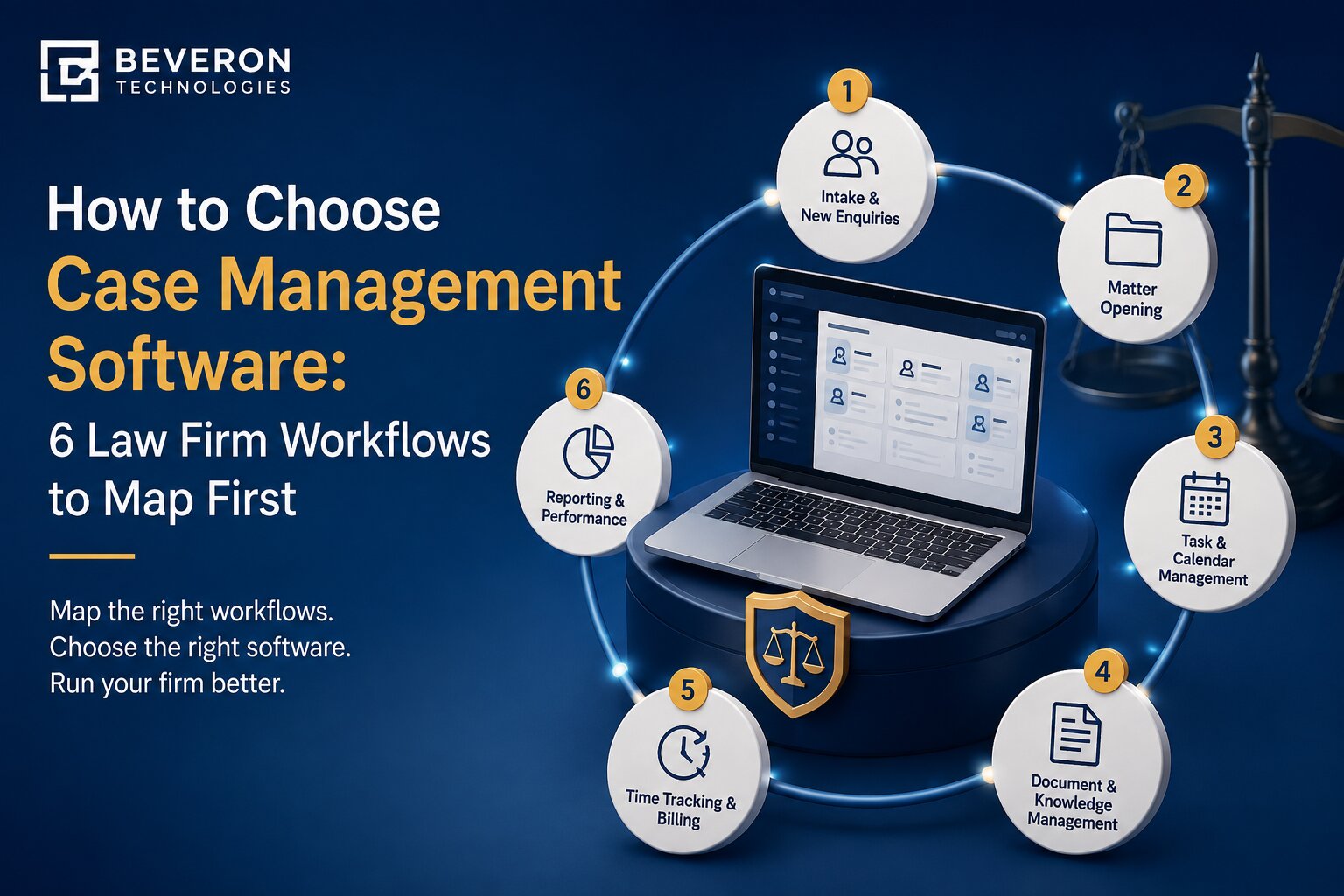
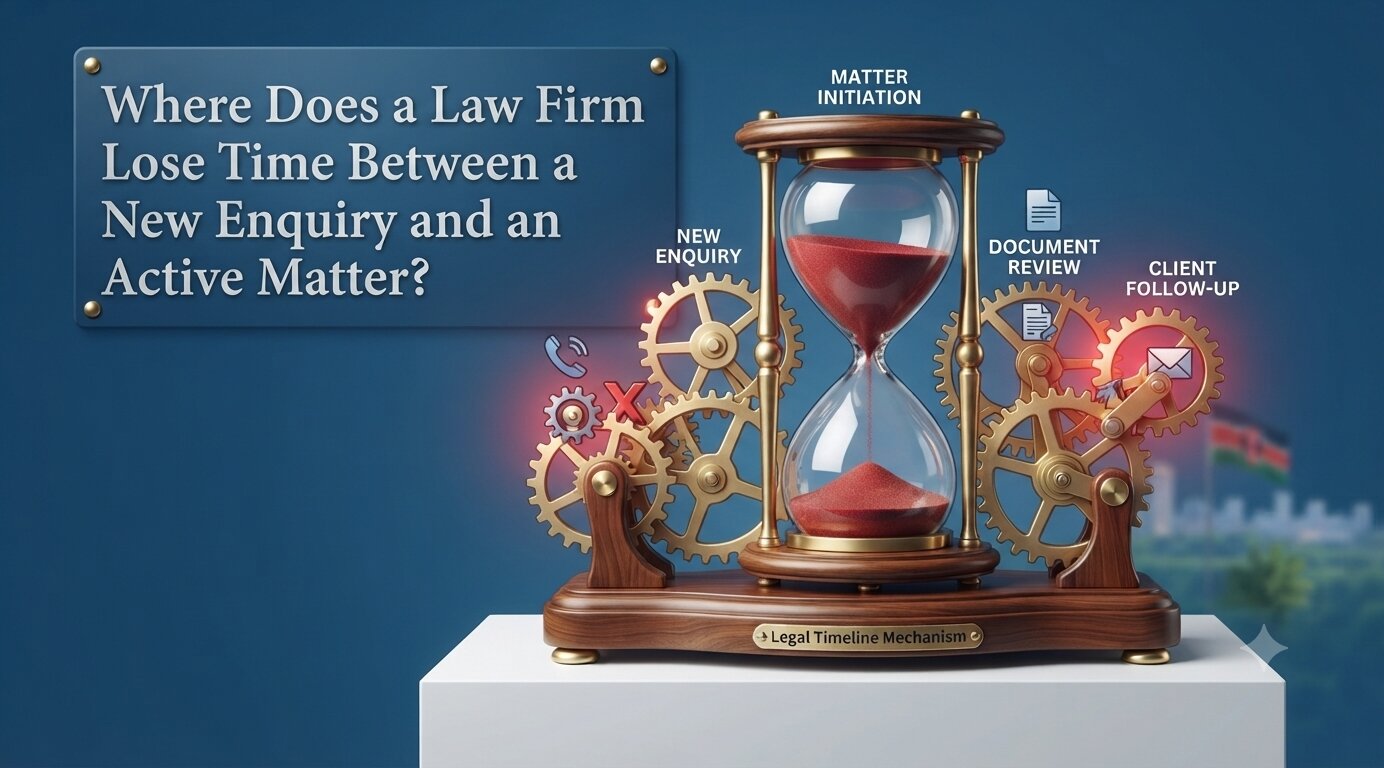
How Indian Law Firms Can Improve Matter Visibility Across Teams

Introduction
Ask any partner in a busy law firm where a matter currently stands, and the answer often depends on who you ask.
One associate may have the latest draft stored on their laptop. Another team member might be tracking deadlines in a spreadsheet. Client emails may be scattered across inboxes, while billing information sits in an entirely different system.
For many Indian law firms, this fragmented approach to managing legal matters creates a visibility problem. Team members spend valuable time searching for updates, requesting status reports, and chasing information that should be readily available.
As firms grow, handle larger caseloads, and operate across multiple practice areas or office locations, maintaining visibility over legal matters becomes increasingly challenging. Yet matter visibility is no longer simply an operational convenience. It directly affects productivity, client satisfaction, compliance, profitability, and the firm's ability to scale effectively.
The good news is that modern legal technology is helping firms address these challenges through centralised matter management, workflow automation, and better collaboration tools.
What Does Matter Visibility Mean in a Modern Law Firm?
Matter visibility refers to the ability of authorised team members to access accurate, up-to-date information about a legal matter whenever they need it.
Rather than relying on individual lawyers to provide updates, firms can create a central source of truth where everyone involved in a matter can view its status, documents, deadlines, communications, and assigned tasks.
In practical terms, matter visibility allows legal teams to answer questions such as:
- What stage is the matter currently in?
- Who is responsible for the next action?
- Are there upcoming deadlines?
- What documents have been prepared?
- Has the client been updated recently?
- Are billable activities being tracked correctly?
When this information is easily accessible, teams spend less time searching for answers and more time focusing on legal work.
Key Components of Matter Visibility
Strong matter visibility relies on several interconnected elements.
Matter status tracking
Every team member should be able to understand where a matter currently stands without requesting manual updates from colleagues.
Task ownership
Clear assignment of responsibilities helps eliminate confusion and ensures accountability throughout the matter lifecycle.
Document access
Legal documents, contracts, pleadings, correspondence, and supporting materials should be stored centrally and easily retrievable.
Timeline visibility
Upcoming hearings, filing deadlines, meetings, and milestones should be visible to relevant stakeholders.
Team collaboration
Lawyers, paralegals, and support staff need a structured way to share updates and communicate within the context of a matter.
Billing transparency
Visibility into billable work, time entries, and invoicing activities helps firms improve financial management. Consider a litigation team handling a commercial dispute. The partner overseeing the case, the associate preparing submissions, and the paralegal managing filings all need access to the same information. Without a shared view of the matter, delays and miscommunication become far more likely.
Why Many Indian Law Firms Struggle with Matter Visibility
The visibility challenge is rarely caused by a lack of effort. In most cases, it stems from processes and systems that were never designed to support modern legal operations.
As firms expand, existing methods often struggle to keep pace with increasing complexity.
Information Stored Across Multiple Systems
One of the biggest obstacles to matter visibility is fragmented information.
Many firms still manage different aspects of a matter using separate tools and communication channels.
For example:
- Client communications in email
- Deadlines in spreadsheets
- Documents on shared drives
- Internal discussions through messaging platforms
- Billing information in separate accounting systems
While each tool may serve a purpose, the result is often a disconnected workflow where no single person has a complete view of the matter. This fragmentation creates inefficiencies and increases the risk of important information being overlooked.
Lack of Standardised Matter Management Processes
Another common challenge is inconsistent matter management. Different teams, departments, or individual lawyers may follow their own preferred methods for organising files, tracking tasks, and updating case information.
Without standardised processes:
- Information is recorded differently across matters
- Progress tracking becomes inconsistent
- Reporting becomes difficult
- Knowledge sharing suffers
As a result, obtaining a clear picture of matter status often requires multiple conversations and manual follow-ups.
Growing Caseloads and Team Expansion
Many Indian law firms are experiencing significant growth, particularly in corporate advisory, litigation, compliance, and transactional practice areas.
Growth is positive, but it also introduces operational complexity.
As more lawyers become involved in a matter, maintaining visibility becomes increasingly difficult. Information that may have been manageable within a small team can quickly become overwhelming when multiple departments, practice groups, or office locations are involved. A partner overseeing twenty active matters may struggle to obtain timely updates if every matter is tracked differently. The challenge becomes even more pronounced for firms operating across cities such as Mumbai, Delhi, Bengaluru, Hyderabad, and Chennai, where collaboration often extends beyond a single office.
The Business Impact of Poor Matter Visibility
Limited visibility affects more than internal operations. It has a direct impact on client service, profitability, and risk management.
Missed Deadlines and Compliance Risks
Legal work is deadline-driven.
Court filings, regulatory submissions, contract obligations, and client commitments all require careful tracking. When information is scattered across systems, critical dates can be missed or overlooked.
Even minor administrative errors can result in:
- Compliance concerns
- Increased client dissatisfaction
- Additional legal risk
- Reputational damage
Improved visibility helps ensure that deadlines remain visible and responsibilities are clearly assigned.
Reduced Team Productivity
One of the most overlooked costs of poor visibility is lost productivity. Lawyers often spend considerable time searching for information rather than performing billable legal work.
Common examples include:
- Looking for the latest version of a document
- Requesting matter updates from colleagues
- Searching through email chains
- Confirming task ownership
Individually, these interruptions may seem minor. Across an entire firm, however, they can consume hundreds of hours each year.
Inconsistent Client Communication
Clients increasingly expect timely updates and transparency. When matter information is difficult to access, responding to client enquiries becomes more challenging. Partners and associates may need to gather information from multiple sources before providing an update. This can lead to slower response times and inconsistent communication, both of which can affect client confidence.
Billing and Revenue Leakage
Poor visibility can also impact financial performance.
When work is not properly tracked, firms risk:
- Missing billable activities
- Delayed invoicing
- Inaccurate time records
- Reduced revenue recovery
Greater visibility into matter activity helps firms capture more billable work and maintain stronger financial control.
Industry reports published throughout 2025 and 2026 continue to show that law firms investing in legal technology are prioritising operational efficiency, collaboration, and workflow transparency. As competition increases, firms are recognising that visibility is not simply an administrative concern but a business advantage.
How Technology Improves Matter Visibility Across Teams
Modern legal technology provides firms with a practical way to overcome visibility challenges.
Instead of relying on disconnected systems and manual updates, firms can centralise information and create a more collaborative working environment. By creating a single source of truth for legal matters, firms can reduce information silos and give teams easier access to documents, deadlines, communications, and task updates.
Many Indian law firms are already investing in digital solutions to improve operational efficiency and support growth. Firms that implement matter management software in India often gain better visibility into case progress, team responsibilities, documents, and deadlines. As explored in our article, How Matter Management Software Enhances Legal Case Handling in India, centralised matter management can help legal teams work more efficiently while improving collaboration across the firm.
Centralised Matter Management
A centralised matter management platform brings all matter-related information into one location. Documents, communications, tasks, deadlines, billing records, and matter updates become accessible through a single system. This reduces information silos and allows teams to work from the same source of information.
Real-Time Status Tracking
Rather than waiting for periodic updates, legal teams can view the current status of a matter in real time.
This enables:
- Faster decision-making
- Better resource allocation
- Improved accountability
- More proactive matter management
Partners gain visibility into active matters without constantly requesting updates from associates.
For firms exploring legal technology solutions, understanding the distinction between different software categories is equally important. Our guide, Legal Case Management vs Legal Practice Management Software: What's the Difference?, explains how various platforms support different aspects of legal operations and why selecting the right solution can have a significant impact on visibility and productivity.
Shared Access with Permission Controls
Visibility does not mean unrestricted access. Modern legal practice management systems allow firms to define user permissions based on roles and responsibilities. This ensures that sensitive information remains protected while still enabling appropriate collaboration across teams.
For growing Indian firms, this balance between accessibility and security is particularly important as caseloads and team structures become more complex. A corporate law team handling multiple contract negotiations, for example, can collaborate efficiently while maintaining strict access controls for confidential client information.
Essential Features That Support Better Matter Visibility
While processes and collaboration play an important role, technology ultimately provides the foundation for better matter visibility. The right legal practice management software helps firms move beyond fragmented systems and creates a structured environment where information is easy to access and manage.
Matter Dashboards
Matter dashboards give legal teams a real-time overview of active matters, upcoming deadlines, assigned tasks, and recent activity. Instead of chasing updates through emails or meetings, partners and associates can quickly see where matters stand.
For example, a managing partner overseeing multiple litigation matters can immediately identify:
- Cases approaching critical deadlines
- Matters awaiting client approval
- overdue Tasks
- Team workloads across departments
This level of visibility supports faster decision-making and better resource planning.
Document Management and Version Control
Document management is often one of the biggest pain points in growing law firms. Without proper controls, multiple versions of contracts, pleadings, or legal opinions can circulate simultaneously, creating confusion and increasing the risk of errors.
A centralised document management system ensures that:
- Teams work from the latest version
- Documents remain organised and searchable
- Access permissions are controlled
- Audit trails are maintained
For Indian law firms handling high volumes of documentation, particularly in litigation and corporate transactions, this can significantly reduce administrative effort. Effective document management for law firms helps legal teams maintain consistency, improve collaboration, and ensure that critical information remains accessible throughout the matter lifecycle. For a deeper look at this topic, explore our article on How Law Firm Management Software Streamlines Document Management.
Task and Workflow Automation
Manual follow-ups are one of the most common causes of operational inefficiency.
Workflow automation helps ensure that important tasks are not forgotten and responsibilities remain clear throughout the matter lifecycle.
Automated workflows can support:
- Matter intake
- Document reviews
- Filing deadlines
- Client approvals
- Billing processes
Rather than relying on memory or manual reminders, the system automatically keeps work moving forward.
Team Collaboration Tools
Matter visibility is closely linked to collaboration. When legal teams communicate within the context of a matter, information remains accessible and organised.
Collaboration tools can help teams:
- Share updates
- Record internal notes
- Assign tasks
- Track discussions
- Maintain a complete activity history
This becomes particularly valuable when matters involve multiple lawyers, practice groups, or office locations.
Reporting and Analytics
Visibility should extend beyond individual matters.
Firm leadership also needs insight into broader operational performance.
Reporting tools can provide visibility into:
- Matter progress
- Team utilisation
- Workload distribution
- Billing performance
- Matter completion timelines
These insights help firms identify bottlenecks and make informed operational decisions.
Best Practices for Improving Matter Visibility in Indian Law Firms
Technology alone will not solve visibility challenges. Firms also need consistent processes and clear accountability.
Standardise Matter Intake Processes
Matter visibility begins when a new matter is opened. A structured intake process ensures that essential information is captured consistently from the start.
This typically includes:
- Client details
- Matter type
- Assigned team members
- Key deadlines
- Relevant documents
Standardisation creates a strong foundation for ongoing matter management.
Centralise Legal Information
One of the simplest ways to improve visibility is to reduce reliance on disconnected systems. When documents, communications, tasks, and updates are stored in a central platform, teams spend less time searching for information and more time delivering legal services.
This is particularly important for firms handling large volumes of matters across multiple practice areas.
Establish Clear Ownership and Accountability
Visibility is not just about access to information. It is also about understanding responsibility.
Every matter should have a clearly defined ownership for:
- Matter management
- Client communication
- Deadline tracking
- Billing oversight
When responsibilities are clearly assigned, teams can collaborate more effectively and avoid duplication of effort.
Use Automated Workflows
Automation helps create consistency across the firm.
For example, when a new litigation matter is opened, the system can automatically:
- Create task lists
- Assign responsibilities
- Schedule reminders
- Track progress
This reduces administrative burden and improves overall visibility.
A mid-sized Indian law firm that standardises workflows across its litigation and corporate departments will typically find it easier to monitor progress, manage workloads, and maintain service quality as the firm grows.
How Legal Practice Management Software Supports Visibility at Scale
As law firms expand, maintaining visibility becomes increasingly difficult without technology support. Processes that work for a five-lawyer practice often struggle when applied to teams of fifty or more.
Managing Multiple Practice Areas
Modern law firms frequently manage a diverse range of services, including:
- Litigation
- Corporate advisory
- Employment law
- Intellectual property
- Real estate transactions
Each practice area has different workflows, timelines, and documentation requirements. Legal practice management software helps create consistency while still accommodating practice-specific needs.
Supporting Hybrid and Multi-Office Teams
Many Indian law firms now operate across multiple cities or support hybrid working arrangements. While this creates growth opportunities, it can also create visibility challenges. Centralised systems help ensure that lawyers in Mumbai, Delhi, Bengaluru, Hyderabad, or Chennai can access the same matter information regardless of location.
This supports better collaboration and reduces dependency on individual team members.
Improving Operational Oversight for Partners
Partners need visibility into more than individual matters.
They also need to understand:
- Team performance
- Resource allocation
- Matter profitability
- Operational risks
Modern legal software provides dashboards and reporting tools that help leadership maintain oversight without becoming involved in day-to-day administrative tasks.
Choosing the Right Legal Practice Management Software for an Indian Law Firm
Selecting legal software is an important strategic decision. The goal should not simply be to replace existing tools but to improve visibility, efficiency, and scalability.
When evaluating solutions, firms should consider:
- Matter management capabilities
- Document management features
- Workflow automation
- Time tracking and billing
- Reporting and analytics
- Security controls
- Scalability
For firms exploring their options, our guide on Best Law Firm Management Software for Indian Firms in 2026 provides a useful overview of the key platforms and considerations shaping the Indian legal technology market.
Questions Law Firms Should Ask Before Purchasing
Before selecting a solution, firms should ask:
- Will this improve matter visibility across teams?
- Can it support our existing workflows?
- Is it easy for lawyers to adopt?
- Can it scale as the firm grows?
- Does it support secure document management?
- Will it reduce administrative effort?
The answers to these questions often determine whether a software implementation delivers long-term value.
Building a More Connected Legal Team with Smart Lawyer Office
Improving matter visibility is not simply about adopting new technology. It is about creating a more connected and efficient way of working.
A modern legal practice management platform can help firms centralise information, streamline workflows, and provide greater transparency across matters. Solutions such as Beveron's Smart Lawyer Office are designed to support law firms by bringing together matter management, document management, workflow automation, collaboration, and reporting within a single environment.
Rather than relying on multiple disconnected tools, firms can create a unified workspace that improves visibility while reducing administrative complexity.
For firms focused on growth, efficiency, and client service, this can be a valuable step towards stronger legal operations.
Frequently Asked Questions
What is matter visibility in a law firm?
Matter visibility refers to the ability of legal teams to access accurate, up-to-date information about a legal matter, including documents, tasks, deadlines, billing information, and communications.
Why is matter visibility important for law firms?
Matter visibility improves collaboration, reduces the risk of missed deadlines, enhances client communication, and helps firms operate more efficiently.
How can legal practice management software improve matter visibility?
Legal practice management software centralises matter information, automates workflows, tracks progress, and enables authorised team members to access information from a single platform.
What challenges affect matter visibility in Indian law firms?
Common challenges include fragmented systems, manual tracking methods, inconsistent workflows, information silos, and growing caseloads.
How do growing law firms maintain matter visibility across teams?
Many firms use centralised legal practice management software combined with standardised processes and workflow automation to improve visibility and collaboration.
Conclusion
As Indian law firms continue to grow and handle increasingly complex matters, visibility has become a critical operational requirement rather than a nice-to-have feature. When lawyers cannot easily access matter information, firms often experience slower collaboration, increased administrative work, inconsistent client communication, and reduced productivity. By centralising information, standardising workflows, and adopting modern legal technology, firms can create a clearer view of every matter and improve collaboration across teams.
The result is not only better operational efficiency but also stronger client service, improved compliance, and more informed decision-making.
If your firm is exploring ways to improve matter management, streamline workflows, and increase visibility across teams, Beveron's Smart Lawyer Office can help create a more connected legal operation. Explore how a centralised legal practice management platform can support better case tracking, faster document access, improved billing efficiency, and sustainable growth for your firm.
Best legal practice management software in India
Best matter management software in India
Best case management software in India
If you need a free demo of the best case management software in India, please fill out the form below.