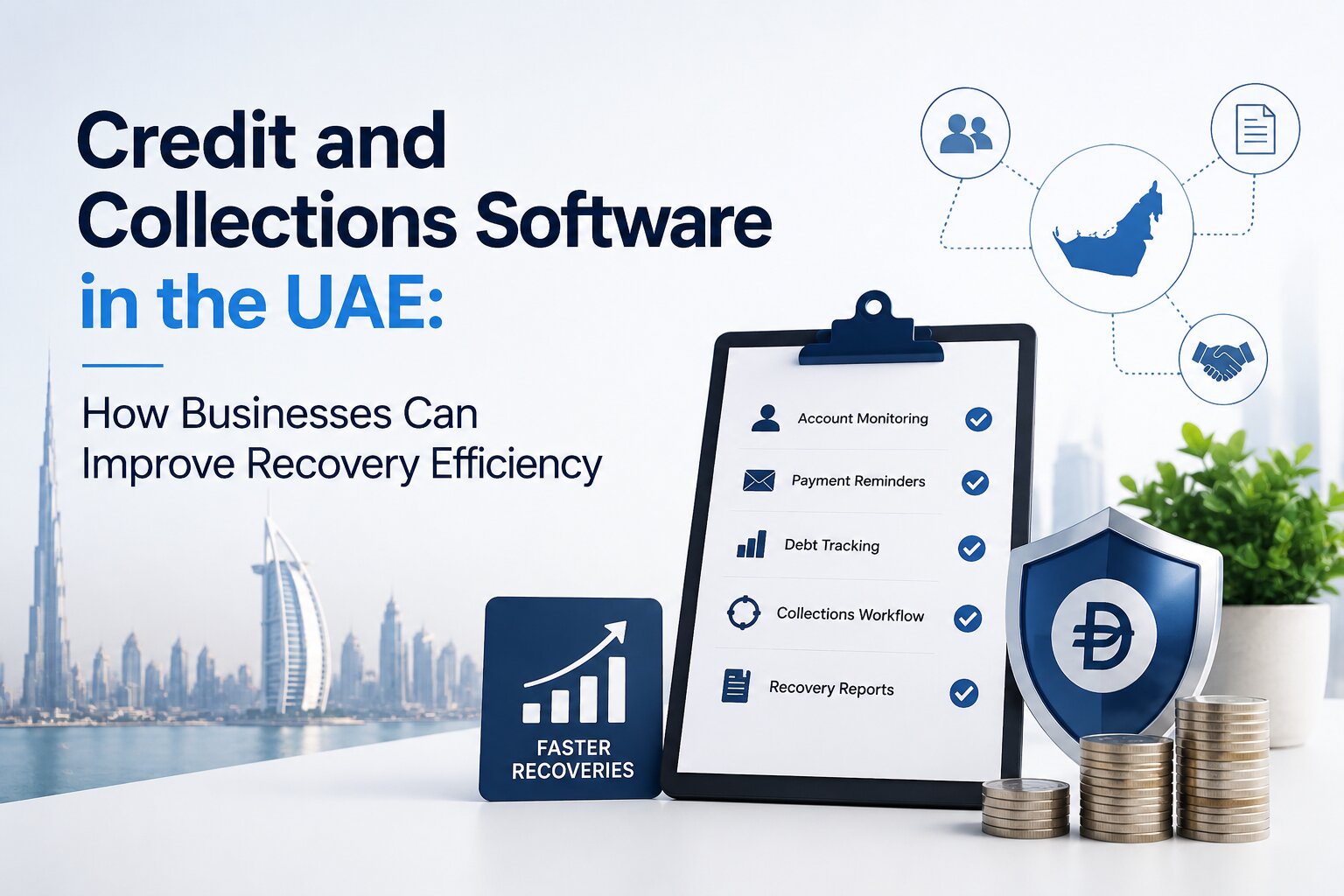
Digital Debt Collection Strategies for Kenyan Enterprises in 2026

Introduction
For many Kenyan enterprises, managing overdue receivables has become increasingly complex. Economic fluctuations, longer payment cycles, growing customer bases, and rising operational costs are putting greater pressure on finance teams to maintain healthy cash flow.
While revenue growth remains a priority, collecting outstanding payments efficiently is equally important. Delayed payments can disrupt working capital, affect supplier obligations, and limit investment opportunities. Yet many organisations still rely on spreadsheets, manual reminders, and fragmented collection processes that struggle to keep pace with modern business demands.
Digital debt collection strategies are changing how enterprises manage recovery workflows. By combining automation, analytics, artificial intelligence, and multi-channel communication, businesses can streamline collections, improve visibility, and create a more structured approach to debt recovery.
In this article, we explore the key digital debt-collection strategies that Kenyan enterprises should adopt in 2026 to improve collection performance, reduce overdue receivables, and strengthen financial resilience.
Why Debt Collection Is Becoming More Challenging for Kenyan Enterprises
Rising Accounts Receivable Volumes
As businesses expand, so do their accounts receivable portfolios. What may have once been a manageable number of invoices can quickly grow into thousands of active accounts requiring regular monitoring.
For finance and credit control teams, this creates a significant administrative burden. Tracking payment status manually becomes increasingly difficult, making it easier for overdue invoices to slip through the cracks.
Delayed Customer Payments
Payment delays remain one of the most common challenges faced by businesses across industries.
Many organisations encounter situations where:
- Customers exceed agreed payment terms
- Partial payments create reconciliation challenges
- Follow-ups are delayed due to resource constraints
- Payment commitments are not consistently honoured
Even small delays can have a cumulative impact on cash flow when they occur across hundreds of accounts.
Manual Collection Processes Create Bottlenecks
Many collection teams continue to rely on spreadsheets, email chains, and manual task tracking.
Consider a finance department responsible for managing more than 5,000 invoices each month. Without automation, collectors often spend considerable time searching for account information, scheduling reminders, and updating records instead of actively engaging customers and resolving outstanding balances.
These inefficiencies can significantly affect recovery performance over time.
What Is Digital Debt Collection?
'Digital debt collection' refers to the use of technology to automate, streamline, and optimise debt recovery activities throughout the collections lifecycle.
Rather than relying solely on manual processes, businesses use digital tools to manage communications, monitor overdue accounts, track recovery activities, and analyse collection performance.
A modern digital collection approach typically includes the following:
- Automated payment reminders
- Workflow-driven escalation processes
- Centralised customer information
- Real-time collection reporting
- AI-assisted account prioritisation
- Multi-channel customer communication
Traditional collection methods are often reactive. Digital debt collection enables a more proactive and data-driven approach, helping organisations engage customers earlier and recover payments more efficiently.
Core Digital Debt Collection Strategies for 2026
Automate Payment Reminder Workflows
One of the simplest yet most effective improvements businesses can make is automating payment reminders.
Consistent communication plays a critical role in recovery success. However, manual follow-ups are often inconsistent due to workload pressures.
Automated workflows can trigger reminders:
- Seven days before invoice due dates
- On payment due dates
- Seven days after missed payments
- During escalation stages
This ensures customers receive timely notifications without increasing administrative workload.
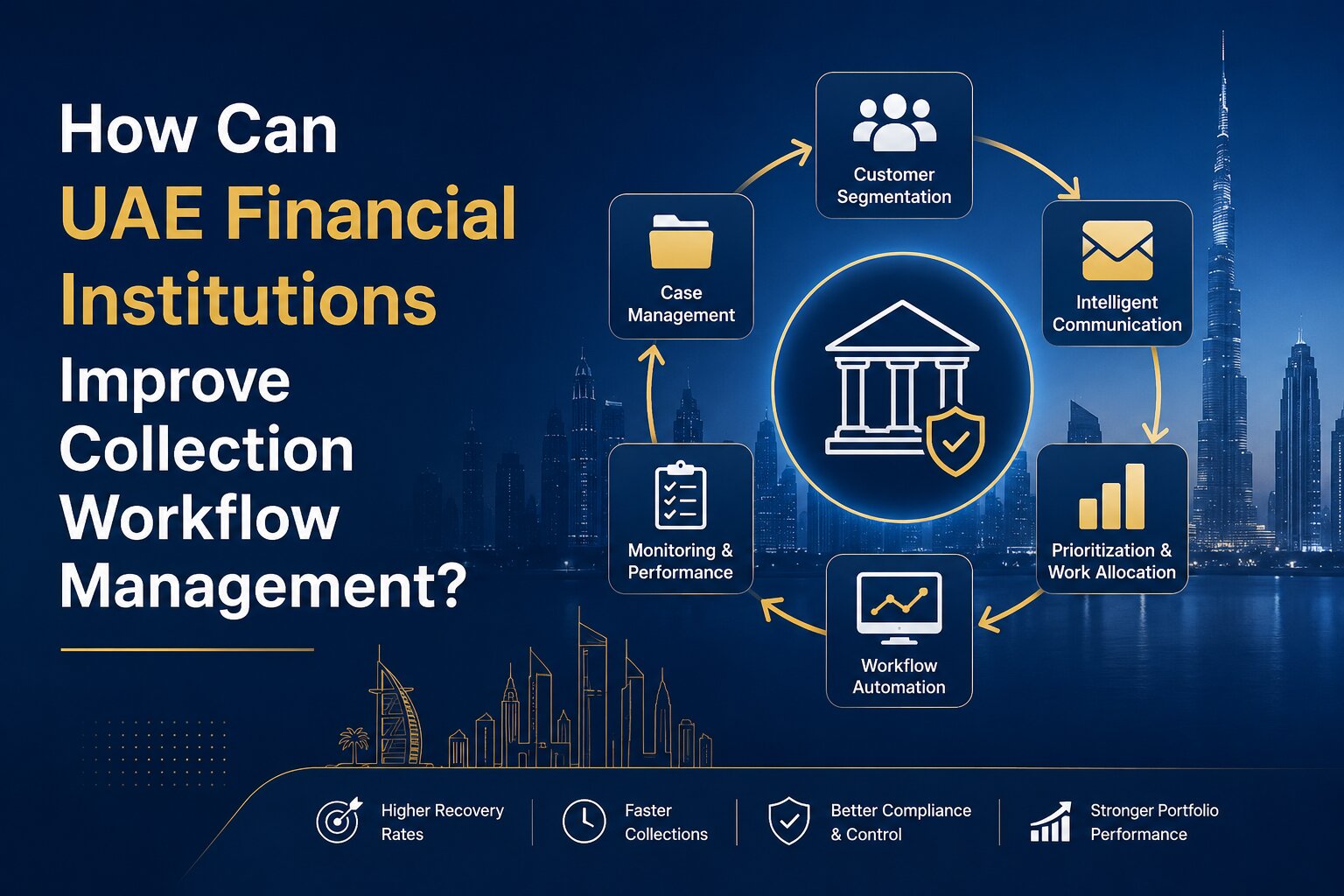
Businesses exploring collection automation may also benefit from reviewing related insights on how UAE organisations are improving recovery outcomes through automated workflows: How-UAE-Businesses-Can-Automate-Debt-Collection-and-Improve-Cash-Flow-Faster
Segment Customers Based on Risk and Payment Behaviour
Not all overdue accounts should receive the same treatment.
Some customers may simply require a reminder, while others present a higher collection risk based on payment history, credit behaviour, or account age.
Segmentation allows organisations to prioritise resources more effectively by grouping accounts according to:
- Payment history
- Invoice ageing
- Outstanding balance
- Industry risk factors
- Credit profile
This approach helps collection teams focus their efforts where they are likely to have the greatest impact.
Use AI to Prioritise Collection Activities
Artificial intelligence is increasingly becoming part of modern collection operations. AI-powered systems can analyse large volumes of payment and customer data to identify patterns that may not be immediately visible to human teams.
These insights can help organisations:
- Predict payment likelihood
- Identify high-risk accounts
- Prioritise collection efforts
- Improve resource allocation
- Optimise communication timing
Industry studies suggest that AI adoption across finance and accounts receivable functions is growing steadily as businesses look to improve collection efficiency, automate routine processes, and make more informed decisions using data-driven insights.
For a deeper look at how AI is reshaping debt recovery, readers may find value in exploring: The-Future-of-AI-Powered-Debt-Collection-Smarter-Faster-Recovery
Enable Multi-Channel Collection Communication
Customer communication preferences have evolved significantly. While email remains important, many customers respond more quickly through SMS, WhatsApp, customer portals, or phone calls. A multi-channel strategy helps improve engagement rates by reaching customers through their preferred communication methods.
For example, a customer may ignore multiple emails but respond immediately to a mobile notification regarding an overdue payment. Providing convenient communication options can also improve the customer experience during the recovery process.
Centralise Collection Data and Activities
One of the biggest challenges facing collection teams is fragmented information. Customer interactions, payment records, promises to pay, and dispute histories are often stored across multiple systems.
Centralising collection activities provides:
- A single source of truth
- Improved team collaboration
- Better customer visibility
- Faster decision-making
- Reduced duplication of effort
This becomes particularly valuable for larger enterprises managing multiple collection agents or business units.
How Automation Improves Collection Team Productivity
Reducing Administrative Work
Collection professionals frequently spend significant portions of their day performing repetitive administrative tasks.
Automation can handle activities such as:
- Reminder scheduling
- Workflow assignment
- Escalation management
- Activity tracking
- Reporting updates
This allows teams to focus on customer engagement and recovery efforts rather than administrative maintenance.
Increasing Collector Efficiency
When collectors have immediate access to customer history, payment status, communication records, and next-step recommendations, they can work more efficiently. Rather than spending time gathering information, they can focus on meaningful conversations that help resolve outstanding balances.
Improving Recovery Visibility
Visibility remains a common challenge for finance leaders.
Without accurate reporting, it becomes difficult to answer important questions such as:
- Which accounts are most overdue?
- Which collectors are performing best?
- What recovery trends are emerging?
- Which customer segments require attention?
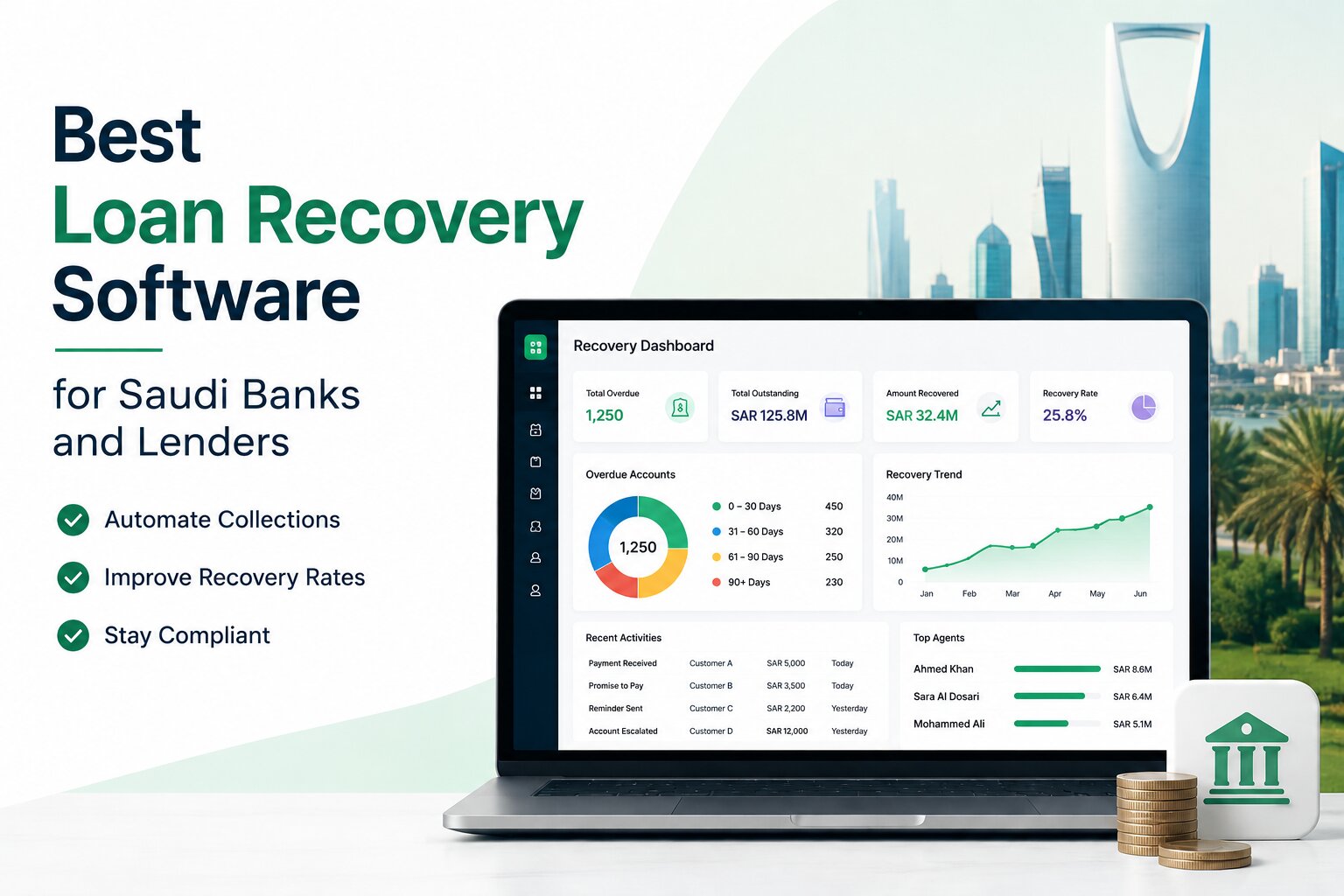
Modern collection platforms provide dashboards and analytics that support more informed decision-making. Solutions such as Smart Debt Collection help organisations gain this visibility while reducing manual effort through workflow automation and real-time reporting.
Measuring Debt Collection Performance in 2026
Days Sales Outstanding (DSO)
DSO measures the average number of days it takes a business to collect payment after a sale. A lower DSO generally indicates healthier cash flow and more effective collection processes. Monitoring DSO regularly helps finance teams identify opportunities for improvement.
Collection Effectiveness Index (CEI)
CEI measures how effectively an organisation collects receivables within a specific period. Unlike DSO, CEI focuses directly on collection performance and can provide valuable insights into recovery success.
Promise-to-Pay Conversion Rates
Tracking customer payment commitments and actual payment fulfilment helps organisations assess the effectiveness of collection communications. Low conversion rates may indicate a need for improved follow-up strategies.
Recovery Rate Trends
Monitoring recovery performance by customer segment, collector, region, or communication channel enables continuous improvement. Data-driven collection strategies are becoming increasingly important as organisations seek greater operational efficiency.
Compliance and Ethical Debt Collection Considerations
Technology should enhance compliance rather than create new risks. Ethical debt collection practices remain essential for maintaining customer relationships and protecting organisational reputation.
Key considerations include the following:
- Transparent communication
- Respectful customer engagement
- Accurate record keeping
- Data privacy protection
- Consistent collection procedures
- Audit readiness
For businesses operating internationally, including those with operations in the UAE, regulatory compliance and documentation requirements should remain a central consideration when implementing automated collection processes. A useful supporting resource for finance teams is content focused on collection compliance, governance, and credit risk management best practices.
How Smart Debt Collection Supports Modern Recovery Workflows
As collection portfolios grow, businesses increasingly require technology that supports scalability without increasing operational complexity. Smart Debt Collection helps organisations automate key recovery activities while maintaining visibility and control throughout the collection lifecycle.
Key capabilities include:
Automated Collection Workflows
Automated reminders, escalation rules, and task management help ensure no account is overlooked.
AI-Powered Prioritisation
Risk-based account scoring supports smarter resource allocation and more focused recovery efforts.
Collection Analytics and Reporting
Real-time dashboards provide insights into collector productivity, ageing trends, recovery performance, and operational bottlenecks.
Improved Customer Communication
Multi-channel engagement helps businesses maintain consistent communication while improving customer responsiveness.
Businesses evaluating solutions may also find these resources helpful:
- Best-AI-Debt-Collection-Software-for-Indian-Enterprises-in-2026
- How-to-Choose-the-Best-AI-Based-Debt-Collection-Software
Future Trends Shaping Debt Collection in Kenya
AI-Driven Collections
AI will continue to play a larger role in recovery operations, helping businesses predict payment behaviour and prioritise collection efforts more accurately.
Self-Service Payment Experiences
Customers increasingly expect convenient digital payment options.
Self-service portals and integrated payment experiences can reduce friction and accelerate recovery.
Advanced Collection Analytics
Predictive reporting and recovery forecasting will provide finance leaders with deeper insights into portfolio performance.
Finance Automation Convergence
Collections, accounts receivable, credit management, and cash flow planning are becoming more interconnected. Businesses that adopt integrated finance automation strategies are likely to gain greater visibility and operational efficiency.
Frequently Asked Questions
What is debt collection software?
Debt collection software helps businesses manage overdue accounts, automate payment reminders, track collection activities, and improve recovery efficiency through structured workflows and reporting tools.
How does AI improve debt recovery?
AI analyses payment behaviour, account history, and risk indicators to help collection teams prioritise accounts and optimise recovery strategies.
What are the benefits of collection automation?
Collection automation reduces manual effort, improves communication consistency, increases productivity, and helps businesses recover outstanding payments more efficiently.
How can businesses reduce overdue receivables?
Businesses can reduce overdue receivables through proactive reminders, customer segmentation, automated workflows, payment tracking, and improved collection processes.
Why is accounts receivable automation important?
Accounts receivable automation improves operational efficiency, reduces administrative workload, enhances cash flow visibility, and helps organisations scale collection operations effectively.
Conclusion
Digital debt collection strategies are no longer optional for enterprises seeking to improve financial performance in 2026. As receivables portfolios grow and customer expectations evolve, finance teams need smarter ways to manage recovery activities efficiently and consistently. Automation, AI-driven prioritisation, advanced analytics, and multi-channel communication are helping organisations modernise collections while improving visibility and operational control.
For Kenyan enterprises looking to reduce overdue receivables, improve cash flow, and strengthen collection performance, now is an ideal time to assess existing recovery processes and identify opportunities for digital transformation.
If you are exploring ways to streamline debt recovery, reduce manual effort, and gain better visibility into collection performance, consider learning more about Smart Debt Collection or booking a personalised consultation to see how automated recovery workflows can support your business goals.
Best digital debt collection strategies for enterprises in Kenya
Best accounts receivable automation for corporates in Kenya
Best debt recovery automation software for education institutes in Kenya
If you need a free demo of the best digital debt collection strategies for enterprises in Kenya, please fill out the form below.