Best Debt Collection Software in Kenya for Banks, MFIs & Enterprises

Debt Collection Software in Kenya: Modern Recovery Solutions for Banks, Insurance Companies, MFIs & Enterprises
Getting customers to pay on time has become more challenging for businesses across Kenya. Whether it's a commercial bank managing loan repayments, a microfinance institution following up on overdue instalments, or an insurance company collecting unpaid premiums, delayed payments can quickly affect cash flow and day-to-day operations.
Many organisations still rely on spreadsheets, emails, phone calls, and manual reminders to recover outstanding payments. While these methods may work for a small number of accounts, they often become difficult to manage as customer portfolios grow. Collectors spend more time searching for information, tracking follow-ups, and updating records than actually speaking with customers and resolving outstanding balances.
As businesses continue to expand and customer expectations evolve, there's a growing need for a smarter way to manage debt recovery. That's where debt collection software in Kenya is making a real difference.
Instead of handling every task manually, modern collection platforms bring everything together in one place. Teams can automate reminders, organise debtor information, monitor recovery progress, and make faster decisions using real-time data. The result is a more structured collection process that helps organisations recover payments more efficiently while maintaining positive customer relationships.
In this guide, we'll look at why businesses in Kenya are moving towards digital debt recovery, the benefits of debt collection software, the industries seeing the biggest impact, and the key features to consider when choosing the right solution.
Why Debt Recovery Is Becoming More Challenging in Kenya
Recovering overdue payments isn't just about reminding customers to pay. Businesses today face a mix of operational, financial, and customer-related challenges that make collections more demanding than ever before.
For many organisations, the number of overdue accounts continues to grow as customer bases expand. Managing thousands of accounts manually increases the risk of missed follow-ups, delayed responses, and inconsistent communication. Customers also expect quicker, more convenient interactions. They prefer to receive reminders via SMS, email, or WhatsApp rather than repeated phone calls. If businesses can't meet these expectations, they may struggle to keep customers engaged throughout the repayment process.
At the same time, finance teams are under pressure to improve cash flow without increasing collection costs. Recovering payments faster has become essential for maintaining healthy business operations and reducing the impact of overdue receivables. Compliance adds another layer of complexity. Financial institutions, lenders, and regulated businesses need accurate records of every interaction, payment commitment, and recovery activity. Keeping track of this information manually is both time-consuming and error-prone.
These challenges have encouraged many organisations to rethink how they manage collections. Rather than adding more staff or relying on disconnected systems, they're investing in technology that helps streamline the entire recovery process.
Many of these issues—from manual follow-ups and delayed customer responses to limited visibility into overdue accounts—are common across Kenyan businesses. Our blog, Debt Collection Challenges in Kenya and the Smart Follow-Up Solution, explores these challenges in more detail and explains how smarter follow-up strategies can improve recovery outcomes.
What Is Debt Collection Software?
Debt collection software is a platform that helps businesses manage every stage of the debt recovery process from one central location. Instead of switching between spreadsheets, emails, notebooks, and multiple business applications, collection teams can access all debtor information through a single system. This makes it easier to stay organised, prioritise accounts, and ensure that every follow-up happens at the right time.
A modern debt collection platform typically allows organisations to:
- Store complete debtor profiles
- Track outstanding balances
- Schedule and automate follow-ups
- Record payment promises
- Assign accounts to collectors
- Monitor recovery progress
- Generate reports and dashboards
- Maintain a complete history of communications
Because everything is connected, managers gain better visibility into how collections are performing, while collectors spend less time on administrative work and more time resolving cases. For organisations managing hundreds or even thousands of debtor accounts, this level of automation can significantly improve efficiency and consistency.
Why More Businesses Are Investing in Debt Collection Software
Businesses aren't adopting debt collection software simply because it's new technology. They're investing because manual processes often slow down collections and make it harder to recover outstanding payments efficiently. A modern platform helps teams work smarter by reducing repetitive tasks, improving visibility, and creating a more consistent recovery process.
Here are some of the biggest advantages.
Faster Recovery Without Constant Manual Follow-Ups
One of the biggest frustrations for collection teams is remembering when to contact each customer. Missing a follow-up or delaying a reminder can reduce the chances of recovering the payment. Debt collection software removes much of this manual effort by automating routine activities. Payment reminders, follow-up notices, escalations, and collection schedules can all be triggered automatically based on rules set by the organisation.
Instead of checking every account individually, collectors can focus on customers who genuinely need personal attention. This not only saves time but also helps organisations recover payments sooner.
Everything in One Place
It's common for debtor information to be spread across different systems. Contact details might be stored in one application, payment records in another, and communication history inside individual email accounts. Finding the information needed for a customer conversation often takes longer than expected.
A centralised platform solves this problem by bringing together everything related to a debtor account, including contact information, payment history, collection activities, documents, notes, settlement agreements, and communication records. With a complete view of every account, teams can respond more confidently and make better-informed decisions.
More Time for Meaningful Conversations
Collection professionals often spend a large part of their day completing repetitive administrative work. Updating spreadsheets, assigning accounts, preparing reports, scheduling reminders, and recording activities all consume valuable time.
Automation handles many of these routine tasks in the background, allowing collectors to focus on speaking with customers, understanding their situations, and negotiating realistic repayment plans. This improves productivity without increasing workloads.
Better Communication With Customers
Successful debt recovery depends on timely and respectful communication. Customers are more likely to respond when reminders arrive through channels they already use. Modern collection software supports communication across multiple channels, including email, SMS, phone calls, and, where appropriate, messaging platforms such as WhatsApp.
Every interaction is recorded automatically, giving collectors a complete history of previous conversations. This helps avoid duplicate reminders and ensures customers receive consistent communication throughout the recovery journey. Rather than feeling repetitive or intrusive, the collection process becomes more organised and professional.
Better Visibility Into Collection Performance
Without accurate reporting, it's difficult to know whether collection strategies are actually working. Modern debt collection software provides real-time dashboards that show managers exactly what's happening across their portfolios.
Instead of waiting until the end of the month, teams can monitor key performance indicators such as:
- Recovery rates
- Outstanding balances
- Portfolio ageing
- Promise-to-pay success rates
- Collector productivity
- Collection effectiveness
- Payment trends
These insights make it easier to identify opportunities for improvement and adjust recovery strategies before small issues become larger problems.
Stronger Compliance and Better Record Keeping
Maintaining accurate records is an important part of responsible debt recovery. Every customer interaction, payment commitment, approval, and account update should be properly documented. Relying on handwritten notes or scattered files makes this difficult, especially when dealing with large portfolios.
Debt collection software automatically records collection activities, creating a clear audit trail that can be reviewed whenever needed. For regulated industries such as banking, insurance, and financial services, this helps improve transparency while reducing operational risk.
Which Industries Benefit Most from Debt Collection Software?
Almost any organisation that extends credit or manages customer payments can benefit from digital collections. However, some industries face particularly high volumes of overdue accounts, making automation even more valuable.
Commercial Banks
Banks manage everything from personal loans and mortgages to business financing and credit facilities. As customer portfolios grow, keeping track of repayment schedules and overdue accounts becomes increasingly complex. Debt collection software helps banks organise recovery activities, prioritise higher-risk accounts, automate routine follow-ups, and monitor collection performance across multiple branches or business units.
The result is a more structured approach that supports better recovery outcomes while giving managers greater visibility into their portfolios.
Microfinance Institutions (MFIs)
Microfinance institutions often work with large numbers of borrowers spread across different regions. Managing repayments manually can become difficult as loan volumes increase. With debt collection software, MFIs can automate reminders, monitor borrower activity, assign cases to collectors, and track repayments through one central platform. This allows teams to spend less time on administration and more time supporting borrowers while improving repayment rates.
In Kenya's growing microfinance sector, where operational efficiency plays a key role in long-term sustainability, digital collection tools are becoming an increasingly valuable investment.
Digital Lenders
Digital lending has grown rapidly in Kenya, making it easier for people and businesses to access credit. However, managing repayments at scale brings its own challenges. Thousands of loans may be issued every day, leaving collection teams with a large number of accounts to monitor.
Debt collection software helps digital lenders stay on top of repayments by automating reminders, tracking payment commitments, and identifying overdue accounts before they become long-term defaults. Instead of manually reviewing thousands of records, teams can focus on borrowers who need direct support or customised repayment plans.
With better visibility into borrower behaviour and collection performance, lenders can improve recovery rates while delivering a more consistent customer experience.
Collection Agencies
Collection agencies are expected to recover debts efficiently while keeping clients informed about progress. Managing multiple portfolios, each with different rules and reporting requirements, can quickly become overwhelming without the right tools. A modern debt collection platform gives agencies a single place to manage client accounts, assign cases to collectors, monitor workloads, and generate detailed reports. Managers can see how each portfolio is performing, while collectors have instant access to the information they need.
This not only improves productivity but also strengthens client confidence through greater transparency and accountability.
Telecom Providers
Telecom companies handle millions of customer accounts, making overdue payments a regular operational challenge. Whether it's unpaid postpaid bills or outstanding business accounts, keeping collections organised is essential. Debt collection software allows telecom providers to automate reminder campaigns, segment customers based on payment history, and monitor collection progress in real time. Instead of applying the same approach to every account, businesses can tailor their collection strategy based on customer behaviour and account value.
This leads to more efficient collections without placing unnecessary pressure on customers who may simply need a timely reminder.
Utility Companies
Electricity, water, gas, and other utility providers depend on steady payments to maintain their operations. Chasing unpaid bills manually can be both time-consuming and expensive.
With debt collection software, utility companies can automate payment reminders, prioritise overdue accounts, and monitor outstanding balances from a central dashboard. This creates a more consistent collection process while helping finance teams improve cash flow and reduce overdue receivables.
Insurance Companies
Insurance providers often deal with unpaid premiums, policy renewals, and corporate receivables. Missing follow-ups or delayed communication can lead to lost revenue and unnecessary administrative work.
A centralised debt collection platform helps insurers keep track of outstanding accounts, automate reminders, record customer interactions, and monitor recovery performance. Having all this information in one place enables finance and collections teams to act quickly and make informed decisions.
Enterprise Finance Teams
Large organisations often manage thousands of customer invoices across different regions, business units, or product lines. Keeping track of overdue payments using spreadsheets becomes increasingly difficult as the business grows.
Debt collection software gives finance teams complete visibility into outstanding receivables while reducing manual effort. Teams can monitor ageing reports, prioritise high-value accounts, automate routine follow-ups, and identify payment trends before they affect cash flow.
For businesses looking to strengthen their accounts receivable process, having a structured collection system can make a significant difference.
What to Look for in Debt Collection Software
Not every debt collection solution offers the same capabilities. Choosing the right platform means looking beyond basic payment tracking and finding software that supports your organisation's long-term growth.
Here are some of the features worth considering.
Workflow Automation
One of the biggest advantages of debt collection software is automation. The platform should allow you to create workflows that automatically trigger reminders, assign accounts, escalate overdue cases, and update account statuses based on predefined rules.
Automation reduces repetitive work and ensures every account follows a consistent recovery process.
Centralised Debtor Management
Your collection team should be able to access all debtor information from one place. This includes contact details, outstanding balances, payment history, communication records, notes, legal actions, and settlement agreements. Having a complete view of every account makes conversations with customers more productive and reduces the risk of missing important information.
Smart Account Segmentation
Not every overdue account should be treated the same way. A good platform allows organisations to group accounts based on factors such as payment behaviour, ageing, outstanding balance, customer type, or risk level. This makes it easier to apply different recovery strategies to different customer groups instead of using a one-size-fits-all approach.
Multi-Channel Communication
Customers have different communication preferences. Some respond quickly to SMS, while others are more likely to reply to email or phone calls.
Debt collection software should support multiple communication channels so organisations can reach customers through the methods that work best for them while maintaining a complete history of every interaction.
Payment Tracking
Monitoring repayments shouldn't involve switching between multiple systems. The software should provide a clear overview of payments received, pending settlements, repayment plans, and customer commitments. This helps collectors stay informed and prevents unnecessary follow-ups after payments have already been made.
Reporting and Analytics
Good decisions rely on accurate information. Look for software that provides easy-to-understand dashboards showing recovery rates, overdue balances, collector performance, portfolio ageing, and payment trends.
These insights help managers identify what's working, where improvements are needed, and how collection strategies can be refined over time.
Compliance and Audit Trails
Keeping detailed records is essential, particularly for regulated industries.
A reliable debt collection platform should automatically record collection activities, customer communications, approvals, and account updates. This creates a clear audit trail that supports compliance and makes internal reviews much easier.
A well-designed collection platform should support both operational efficiency and compliance. If you'd like to explore broader payment risk and compliance practices, read our Protecting Your Payments: Compliance and Risk Strategies for Kenyan Businesses for practical guidance on reducing financial and operational risks
Cloud-Based Access
Modern businesses need flexibility.
Cloud-based debt collection software allows authorised users to access the platform securely from different locations without relying on expensive on-premise infrastructure. It also simplifies maintenance, software updates, and system scalability as the organisation grows.
Why Cloud-Based Debt Collection Software Is Gaining Popularity
Over the last few years, more organisations in Kenya have started moving away from traditional collection systems in favour of cloud-based platforms.
The reasons are straightforward. Cloud solutions are generally quicker to implement, easier to maintain, and more flexible as business requirements change. Instead of investing heavily in servers and ongoing infrastructure management, organisations can focus on improving their collection processes.
If you're comparing cloud-based and traditional collection systems, our guide on Cloud-Based Debt Collection Software in 2026: Complete Guide for Modern Debt Recovery explains how cloud technology is helping organisations automate collections, improve visibility, and scale recovery operations more efficiently.
Another advantage is accessibility. Collection managers, finance teams, and authorised staff can securely access real-time information whenever they need it, making it easier to monitor performance and respond quickly to changing priorities.
Cloud platforms also make it easier to integrate with existing business systems, reducing the need for duplicate data entry and improving the overall flow of information across the organisation.
Adopting the right technology is only one part of improving debt recovery. Businesses also need a clear digital strategy that aligns automation, customer communication, and data-driven decision-making. Learn more in our blog on Digital Debt Collection Strategies for Kenyan Enterprises in 2026, where we explore practical approaches to building a modern and efficient recovery process.
For businesses planning long-term growth, cloud technology provides the flexibility needed to handle increasing account volumes without constantly upgrading internal infrastructure.
Many organisations are also looking for platforms that combine automation with intelligent decision-making. Solutions like Beveron Smart Debt Collection go beyond basic case management by helping businesses automate collection workflows, manage debtor portfolios more effectively, improve compliance, and gain better visibility into recovery performance. Rather than replacing collection teams, these platforms support them with the tools they need to work more efficiently.
Conclusion
Recovering overdue payments has never been just about making phone calls or sending reminder emails. As customer expectations change and debt portfolios grow, businesses need a more organised and efficient way to manage collections.
For organisations across Kenya, manual processes are becoming harder to sustain. They slow down recovery efforts, make it difficult to track performance, and often leave collection teams spending more time on administrative work than engaging with customers. Debt collection software offers a practical way forward. By bringing debtor information into one place, automating routine tasks, and providing real-time insights, businesses can create a collection process that is faster, more consistent, and easier to manage.
Whether you're a commercial bank handling loan repayments, a microfinance institution supporting borrowers, an insurance company collecting premiums, a telecom provider managing unpaid bills, or a large enterprise overseeing accounts receivable, the right technology can help improve recovery performance while reducing operational effort.
The biggest advantage isn't simply automation—it's having better visibility into your entire collections operation. When teams have access to accurate information, timely reminders, and meaningful reporting, they can make informed decisions, respond quickly to changing situations, and focus on building constructive conversations with customers.
As more organisations in Kenya embrace digital transformation, debt collection software is becoming an essential part of modern financial operations. Businesses that invest in the right platform today will be better prepared to manage growing portfolios, improve cash flow, and deliver a more consistent customer experience in the years ahead.
Why Businesses Choose Beveron Smart Debt Collection
Choosing debt collection software isn't just about replacing spreadsheets—it's about finding a solution that fits the way your organisation works today and supports where you want to go in the future. Beveron Smart Debt Collection is designed to help banks, microfinance institutions, collection agencies, insurance providers, telecom companies, and enterprises manage the entire recovery lifecycle from a single cloud-based platform.
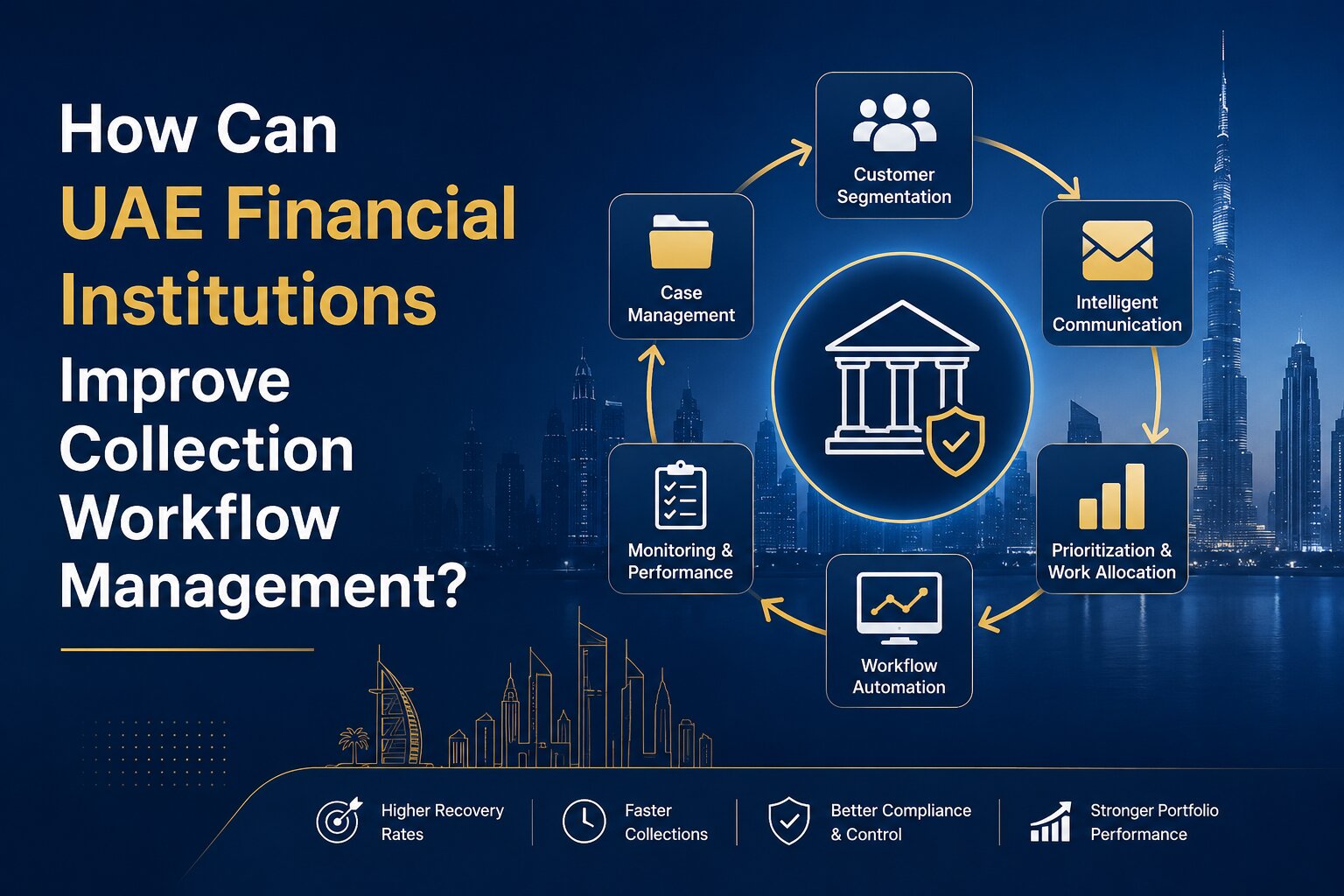
With workflow automation, centralised case management, intelligent account allocation, real-time dashboards, compliance tracking, and multi-channel communication, it enables collection teams to work more efficiently while maintaining complete visibility across every stage of the recovery process. Whether your goal is to reduce overdue accounts, improve collector productivity, or strengthen compliance, the platform provides the tools needed to create a more streamlined and scalable collections operation.
See How Your Team Can Recover More, Faster
Whether you're a bank, microfinance institution, insurance company, telecom provider, collection agency, or enterprise, Beveron Smart Debt Collection helps you automate workflows, improve recovery rates, and gain complete visibility into your collection process.
Book a personalised demo today to see how the platform can help your team recover payments faster and manage debt collections more efficiently.
Best debt collection software for finance teams in Kenya
Best debt recovery software for enterprises in Kenya
Best collection management software for collection agencies in Kenya
If you need a free demo of the best debt collection software for finance teams in Kenya, please fill out the form below.