How to Deal with Debt Collectors: A Step-by-Step Guide

Getting a call or letter from a debt collector can be stressful. Many people worry about what will happen next or assume they have no choice but to pay immediately. In reality, you have options, and understanding them can make a big difference.
Debt collectors contact people for many reasons, from unpaid credit card bills and personal loans to overdue utility payments or business invoices. Sometimes the debt is accurate. Other times, there may be mistakes in the records or questions about the amount owed.
The good news is that dealing with debt collectors doesn't have to be overwhelming. By staying calm, verifying the information, and communicating clearly, you can handle the situation with confidence. This guide walks you through each step so you know what to do, what to avoid, and how to protect yourself throughout the process.
Why Debt Collectors Contact You
Before taking any action, it's helpful to understand why a debt collector has contacted you. A debt collector may be working directly for the company you owe money to, or the original lender may have transferred or sold the debt to a collection agency. Their job is to recover unpaid amounts while following the laws and regulations that apply in their region.
Some common reasons you may hear from a debt collector include:
- Missed credit card payments
- Unpaid personal or business loans
- Medical bills
- Utility bills
- Overdue mobile or internet payments
- Outstanding business invoices
Receiving a collection notice doesn't automatically mean you've done something wrong. Sometimes payments aren't recorded correctly, accounts are mixed up, or balances include unexpected fees. That's why it's important to understand the situation before making any decisions.
Step 1 – Stay Calm and Don't Ignore the Communication
Your first reaction might be to ignore the call or delete the email, especially if you're worried about the debt. While that's understandable, avoiding the situation usually makes it harder to resolve. Instead, take a moment to stay calm. Read the notice carefully or listen to what the collector has to say. You don't have to agree with everything immediately, but you should understand why they're contacting you.
If you receive a phone call, ask for the representative's name, the company they work for, and the reason for the call. If they leave a voicemail or send an email, save it for your records. From the very beginning, keep a simple record of every interaction. Note the date, time, contact details, and a short summary of the conversation. If you receive letters or emails, store them in one place so you can refer to them later if needed.
Responding politely also helps keep the conversation productive. Even if you disagree with the debt, staying respectful makes it easier to ask questions and work toward a solution.
Ignoring repeated collection notices may lead to additional fees, legal action, or damage to your credit profile in some regions. Addressing the issue early often gives you more options.
Step 2 – Verify That the Debt Is Legitimate
Before making any payment, make sure the debt is actually yours.
Mistakes happen more often than people realise. A payment may not have been recorded, the balance may be incorrect, or the debt could belong to someone else with a similar name. There have also been cases where scammers pretend to be debt collectors to trick people into sending money.
Ask the collector to provide written details of the debt. This should include information such as:
- The name of the original creditor
- The total amount claimed
- The account or reference number
- Any interest or additional charges
- The date the debt became overdue
Compare these details with your own records. Look through old statements, payment receipts, bank transactions, or emails from the original lender.
If something doesn't look right, don't be afraid to ask questions. Request clarification before making any payment. A genuine collection agency should be able to explain how the balance was calculated and provide supporting information where required.
Taking the time to verify the debt protects you from paying money you may not actually owe.
Step 3 – Understand Your Rights
Knowing your rights can help you approach debt collection with confidence instead of fear. Although debt collection laws vary from one country to another, most places have rules that require collectors to behave professionally and fairly. They cannot simply pressure or intimidate people into making payments.
In general, debt collectors should communicate respectfully, provide accurate information, and avoid misleading or abusive behaviour. If you believe a debt is incorrect, you have the right to question it and ask for supporting documentation. You should also understand the terms of any payment agreement before accepting it. Never feel pressured to commit to something you don't fully understand or cannot realistically afford.
If a collector contacts you at inappropriate times, uses threatening language, or refuses to explain the debt, keep detailed records of those interactions. These notes can be helpful if you need to raise a complaint with the relevant authority or seek legal advice. Understanding your rights doesn't mean refusing to pay a legitimate debt. It means making informed decisions and ensuring the collection process is handled fairly for everyone involved.
Many financial institutions today are also improving the way they manage debt recovery. Instead of relying on scattered spreadsheets or manual follow-ups, they use modern debt collection software to keep communication organised, track payment history accurately, and ensure collection activities remain consistent and compliant. This creates a better experience not only for collection teams but also for customers, who receive clearer communication and faster responses when they have questions or need to resolve an account.
Step 4 – Review Your Financial Situation
Once you've confirmed that the debt is valid, take an honest look at your finances before discussing repayment options. Start by listing your monthly income and essential expenses, such as housing, utilities, groceries, insurance, and transportation. Then, look at any other debts or financial commitments you already have.
This exercise helps you understand how much you can realistically afford to pay. It's better to offer a payment you know you can keep up with than to agree to an amount that puts you under more financial pressure. If you're dealing with multiple debts, consider which ones need immediate attention. In some cases, speaking with a financial adviser or credit counsellor can also help you create a manageable repayment plan.
Having a clear picture of your finances puts you in a stronger position when discussing payment options with the collector.
Step 5 – Negotiate a Payment Plan
If you can't pay the full amount immediately, don't assume you're out of options. Many creditors and collection agencies are willing to discuss repayment arrangements that work for both sides.
Depending on your situation, you may be able to:
- Pay the debt in monthly instalments.
- Request additional time to make payments.
- Negotiate a reduced settlement amount if you're able to make a lump-sum payment.
- Agree on a revised payment schedule that better fits your income.
Be honest about what you can afford. Making promises you know you can't keep may only lead to more problems later. Once an agreement is reached, ask for it in writing before making your first payment. The document should clearly state the payment amount, due dates, and any conditions attached to the agreement.
Keeping everything in writing helps avoid misunderstandings and gives both parties a clear record of what was agreed.
Step 6 – Keep Records of Every Interaction
Good record-keeping is one of the simplest ways to protect yourself during the debt collection process.
Create a folder—either digital or physical—for everything related to the debt. Include:
- Collection letters
- Emails
- Payment receipts
- Bank transaction records
- Settlement agreements
- Notes from phone conversations
If you speak with a collector over the phone, write down the date, time, the person's name, and a summary of what was discussed. These records can be useful if there's ever a dispute about payments, outstanding balances, or the terms of your agreement. They also make it easier to track your progress as you repay the debt.
How Technology Makes Debt Recovery Easier
Debt recovery has changed significantly over the years. Many organisations have moved away from manual spreadsheets, paper files, and endless phone calls in favour of digital systems that make the process more organised and transparent.
Debt recovery has changed significantly over the years. Many organisations have moved away from manual spreadsheets, paper files, and endless phone calls in favour of digital systems that make the process more organised and transparent. As more businesses adopt cloud-based platforms, they gain better visibility, improved collaboration, and the flexibility to manage recovery operations from anywhere. If you'd like to explore these benefits in more detail, read our guide on Cloud-Based Debt Collection Software in 2026: Complete Guide for Modern Debt Recovery
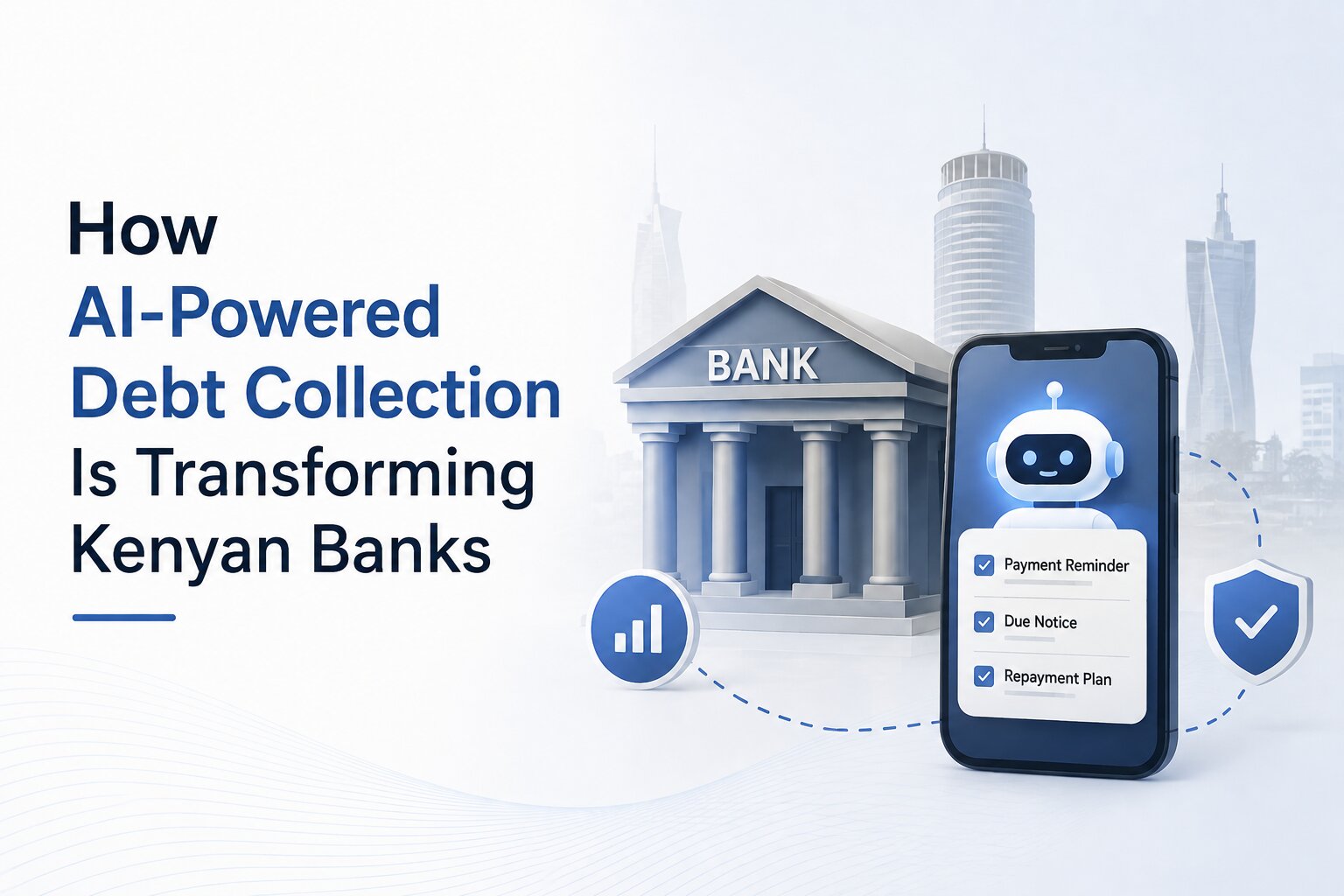
Modern debt collection is evolving beyond simple automation. Artificial intelligence is helping organisations analyse payment behaviour, prioritise accounts, personalise follow-ups, and improve recovery strategies while reducing manual effort. If you'd like to explore how AI is shaping the next generation of debt recovery, read our article, The Future of AI-Powered Debt Collection: Smarter, Faster Recovery
Automation also reduces repetitive tasks. Payment reminders can be scheduled automatically, follow-ups can be tracked, and collection teams can focus on accounts that need personal attention. Another advantage is better compliance. With clear records of every interaction and payment, organisations can demonstrate that collection activities have been handled fairly and consistently.
For borrowers, this often means receiving timely reminders, accurate account information, and quicker responses when they have questions or need to resolve an issue.
How Beveron Smart Debt Collection Supports Modern Recovery
As organisations handle larger volumes of accounts, having the right technology becomes increasingly important.
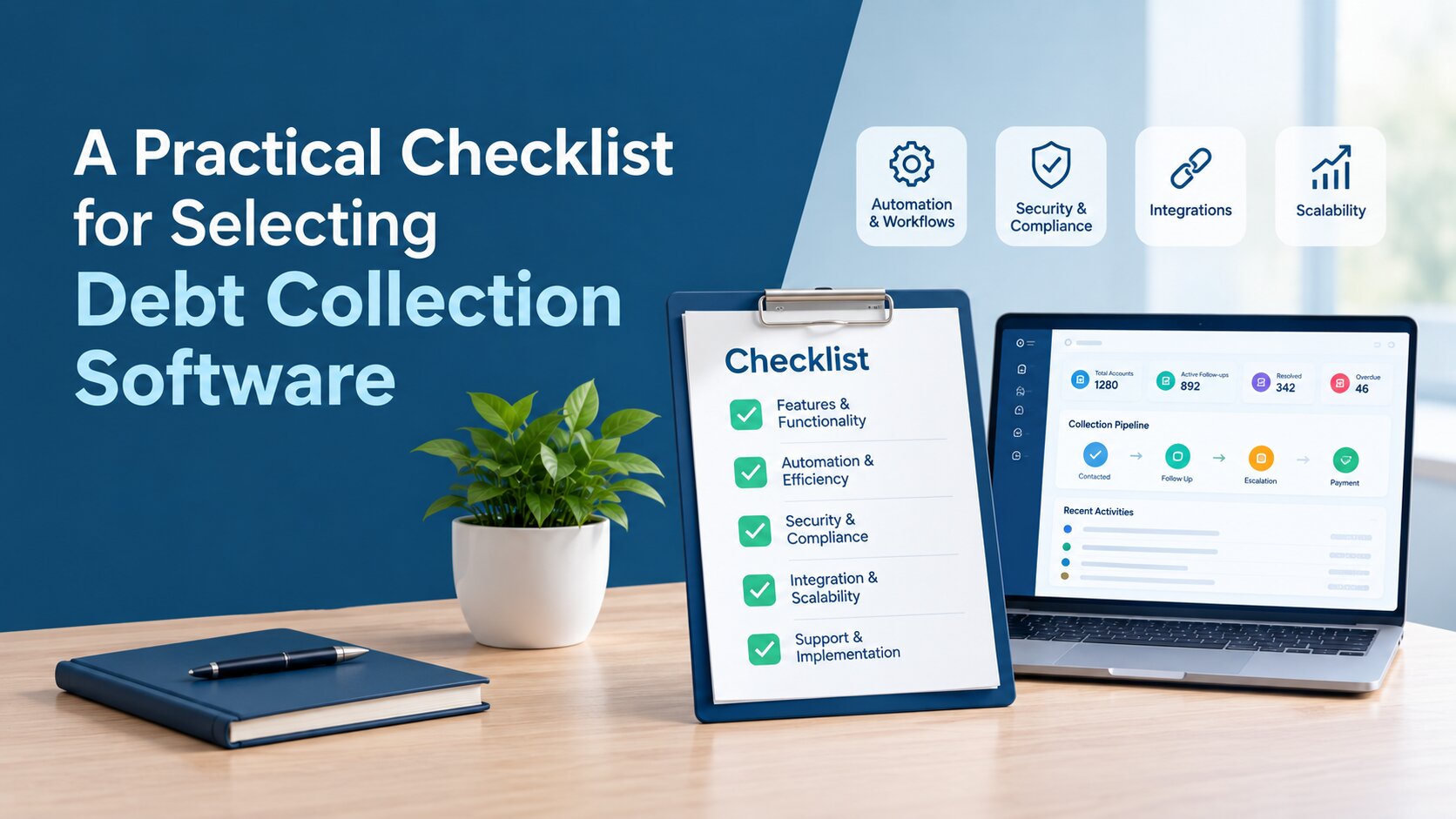
Choosing the right debt collection software is just as important as deciding to digitise your recovery process. Every organisation has different requirements, so it's worth evaluating factors such as automation, compliance features, reporting, integrations, scalability, and ease of use before making a decision. If you're comparing solutions, read our guide on How to Choose the Best AI-Based Debt Collection Software for a practical checklist of what to look for.
Beveron Smart Debt Collection is designed to help banks, financial institutions, NBFCs, telecom providers, utilities, and collection agencies manage debt recovery through a single platform.
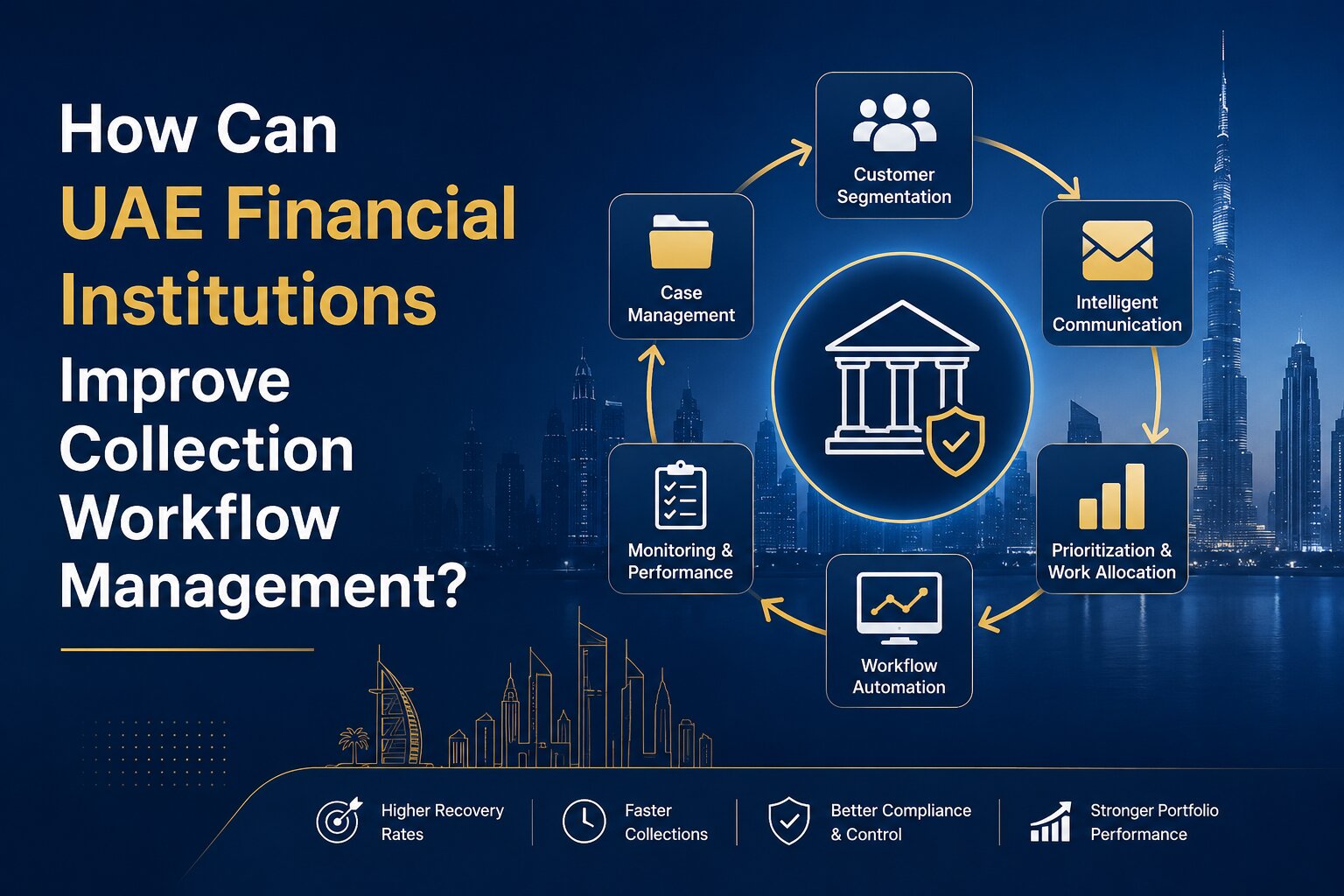
Instead of relying on disconnected tools, teams can access debtor information, communication history, payment tracking, legal workflows, field collection activities, reports, and analytics from one central system. This gives collection teams a clearer view of every case while reducing the need for manual processes.
The platform also supports workflow automation, helping teams prioritise accounts, schedule follow-ups, monitor collection performance, and maintain consistent communication throughout the recovery process.
Adopting AI in debt recovery isn't just about automating routine tasks—it's about building a strategy that improves recovery outcomes while maintaining compliance and a positive customer experience. Financial institutions should begin by identifying areas where AI can deliver the greatest impact, such as account prioritisation, communication workflows, payment tracking, and performance monitoring. If you're planning your AI adoption journey, explore our guide on AI Debt Collection Strategy: What Financial Institutions Should Do First
Over the years, Beveron Smart Debt Collection has helped organisations manage large volumes of recovery cases across multiple industries and countries. Its adoption by businesses in the UAE and international markets reflects the growing demand for digital debt recovery solutions that improve efficiency while supporting compliant collection practices.
Rather than replacing the human side of debt recovery, technology helps make the process more organised, transparent, and easier to manage for everyone involved.
Common Mistakes to Avoid
When dealing with debt collectors, a few common mistakes can make the situation more difficult than it needs to be.
- Ignoring collection notices is one of the biggest mistakes. The sooner you respond, the more options you may have.
- Another mistake is paying without verifying the debt. Always confirm that the information is accurate before sending money.
Some people agree to payment plans they can't realistically afford. While it may feel like the quickest way to end the conversation, missing those payments can create additional stress later. It's also important not to rely on verbal agreements alone. Request written confirmation for any repayment arrangement or settlement.
Finally, keep all your records. Losing receipts, emails, or payment confirmations can make it difficult to resolve future disputes if questions arise about the account.
Final Thoughts
Receiving a call from a debt collector can feel intimidating, but it doesn't have to control the outcome. Taking a calm, informed approach can help you resolve the situation with less stress.
Start by confirming that the debt is legitimate. Understand your rights, review your finances honestly, and work towards a payment plan you can realistically manage. Throughout the process, keep clear records of every communication and payment.
For organisations, modern debt recovery is also becoming more efficient through digital solutions that simplify case management, improve communication, and provide better visibility across the entire collection process.
Whether you're an individual managing personal debt or a financial institution handling thousands of accounts, clear communication, accurate records, and the right tools can make debt recovery smoother for everyone involved.
Simplify Debt Recovery with Smarter Technology
If your organisation is looking to improve debt recovery operations, Beveron Smart Debt Collection helps banks, financial institutions, and collection agencies manage cases more efficiently through workflow automation, centralised case management, payment tracking, reporting, and compliance-focused processes.
Book a free demo today to see how Beveron Smart Debt Collection can help your team recover payments faster, improve visibility across every case, and simplify your entire debt recovery process.
Frequently Asked Questions
1. How should I respond when a debt collector contacts me?
Stay calm, ask for details about the debt, and request written information if needed. Avoid making payments until you've verified that the debt is accurate.
2. Can I ask a debt collector to verify the debt?
Yes. You can request details such as the original creditor, the outstanding balance, and supporting documentation before agreeing to make any payment.
3. What happens if I ignore debt collectors?
Ignoring debt collectors may limit your options for resolving the debt. Depending on the circumstances and local regulations, it could lead to additional fees, legal action, or further collection efforts.
4. How does debt collection software help financial institutions?
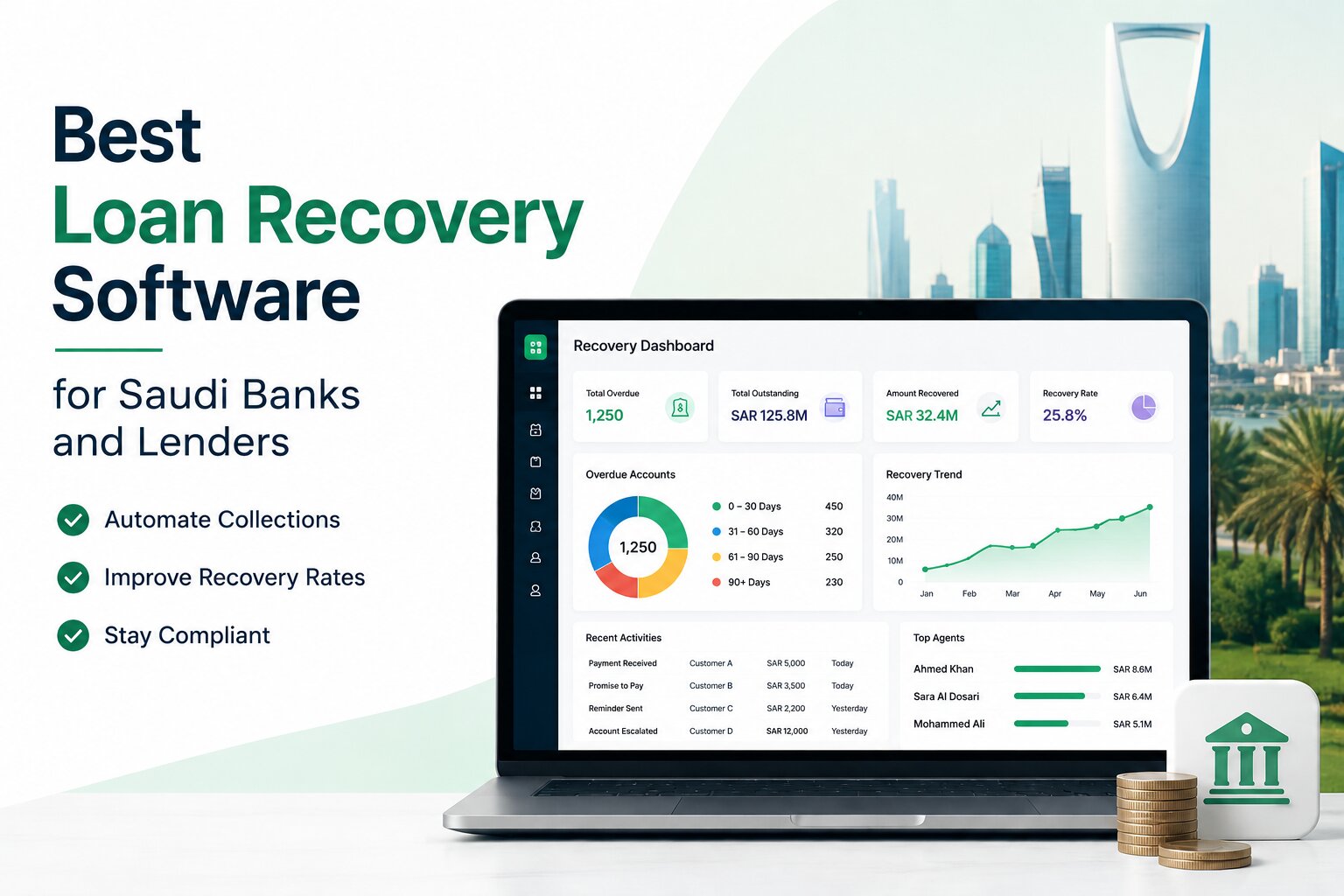
Debt collection software helps organisations centralise account information, automate follow-ups, track payments, monitor collection activities, improve reporting, and manage recovery cases more efficiently while supporting consistent and compliant collection practices.
Best debt collection software for banks in the UAE
Best debt recovery software for financial teams in the UAE
Best automated debt collection for accounts receivable in the UAE
If you need a free demo of the best debt collection software for banks in the UAE, please fill out the form below.