Best Paperless Law Office Software in the Philippines 2026

Running a Paperless Law Office in the Philippines: Complete Software Guide
Law firms in the Philippines are steadily moving toward digital operations. What once relied heavily on filing cabinets, printed contracts, handwritten notes, and physical archives is now shifting to cloud-based legal workflows and automated systems.
The change is not simply about reducing paper usage. Modern law firms are under increasing pressure to improve productivity, respond to clients faster, manage growing documentation volumes, and maintain compliance while operating efficiently.
In cities such as Manila, Cebu, and Davao, legal professionals are handling more complex workloads while adapting to hybrid work environments and rising client expectations. Traditional manual workflows often create delays that affect both internal operations and client experience.
This is why paperless law office software has become an important part of legal operations in 2026.
From document management and case tracking to billing automation and secure collaboration, digital legal systems are helping firms modernise how they work. Platforms such as Smart Lawyer Office are also helping legal teams centralise workflows and improve operational visibility without adding unnecessary complexity.
What Is a Paperless Law Office?
A paperless law office is a legal practice that manages documents, communication, billing, workflows, and collaboration digitally rather than depending heavily on physical paperwork.
Instead of maintaining large physical archives, firms use secure digital systems to organise legal records, manage cases, automate workflows, and communicate with clients efficiently.
For many firms, going paperless does not happen overnight. It usually begins with digitising high-volume processes such as document storage, billing, or case tracking before expanding into broader workflow automation.
How Traditional Paper-Based Legal Workflows Create Challenges
Paper-heavy legal operations often slow down daily workflows more than firms realise.
Lawyers and support staff may spend unnecessary time searching for files, printing documents, tracking approvals manually, or coordinating updates through disconnected email chains.
Common operational issues include:
- Lost or duplicated files
- Delayed document retrieval
- Physical storage limitations
- Manual billing inefficiencies
- Difficulty collaborating remotely
For example, a litigation team preparing for a court hearing may need quick access to filings, evidence, and internal notes. When records are spread across folders, desktops, or physical storage rooms, even routine tasks can become time-consuming.
Core Technologies Behind a Paperless Law Office
Several technologies work together to support paperless legal operations.
Modern law firms typically rely on:
- Legal document management systems
- Cloud storage platforms
- Legal case management software
- Workflow automation tools
- E-signature solutions
- Billing and invoicing software
These systems help centralise operations while improving accessibility, collaboration, and workflow consistency.
Why Philippine Law Firms Are Moving Toward Paperless Operations
The legal industry in the Philippines is experiencing a wider digital transformation trend. Firms are increasingly investing in legal technology to improve efficiency and remain competitive.
Rising Client Expectations for Faster Legal Services
Clients today expect quicker communication and better service transparency.
Whether it is a corporate client requesting contract updates or an individual seeking litigation progress, delays in communication can affect trust and satisfaction.
Modern clients increasingly expect:
- Digital document sharing
- Faster responses
- Transparent billing
- Remote consultations
- Secure communication channels
Paper-based workflows often make it difficult to meet these expectations consistently.
Remote and Hybrid Legal Work Models
Hybrid work has become common across many professional industries, including legal services.
Lawyers frequently work between offices, courts, client locations, and remote environments. Cloud-based legal software allows teams to securely access case information, documents, and communication systems from anywhere.
For firms operating across multiple locations in the Philippines, this flexibility is becoming increasingly valuable.
Increasing Compliance and Data Security Needs
Law firms manage highly sensitive information, making document security and compliance essential.
Modern legal systems help firms maintain:
- Access-controlled records
- Secure backups
- Audit trails
- Encrypted communication
- Controlled document sharing
As cybersecurity concerns continue to grow globally in 2025 and 2026, firms are paying closer attention to secure legal operations and digital risk management.
Essential Software Needed for a Paperless Law Office
Running a paperless law office requires more than simple cloud storage. Firms typically need an integrated legal technology ecosystem that supports daily operations efficiently.
Legal Case Management Software
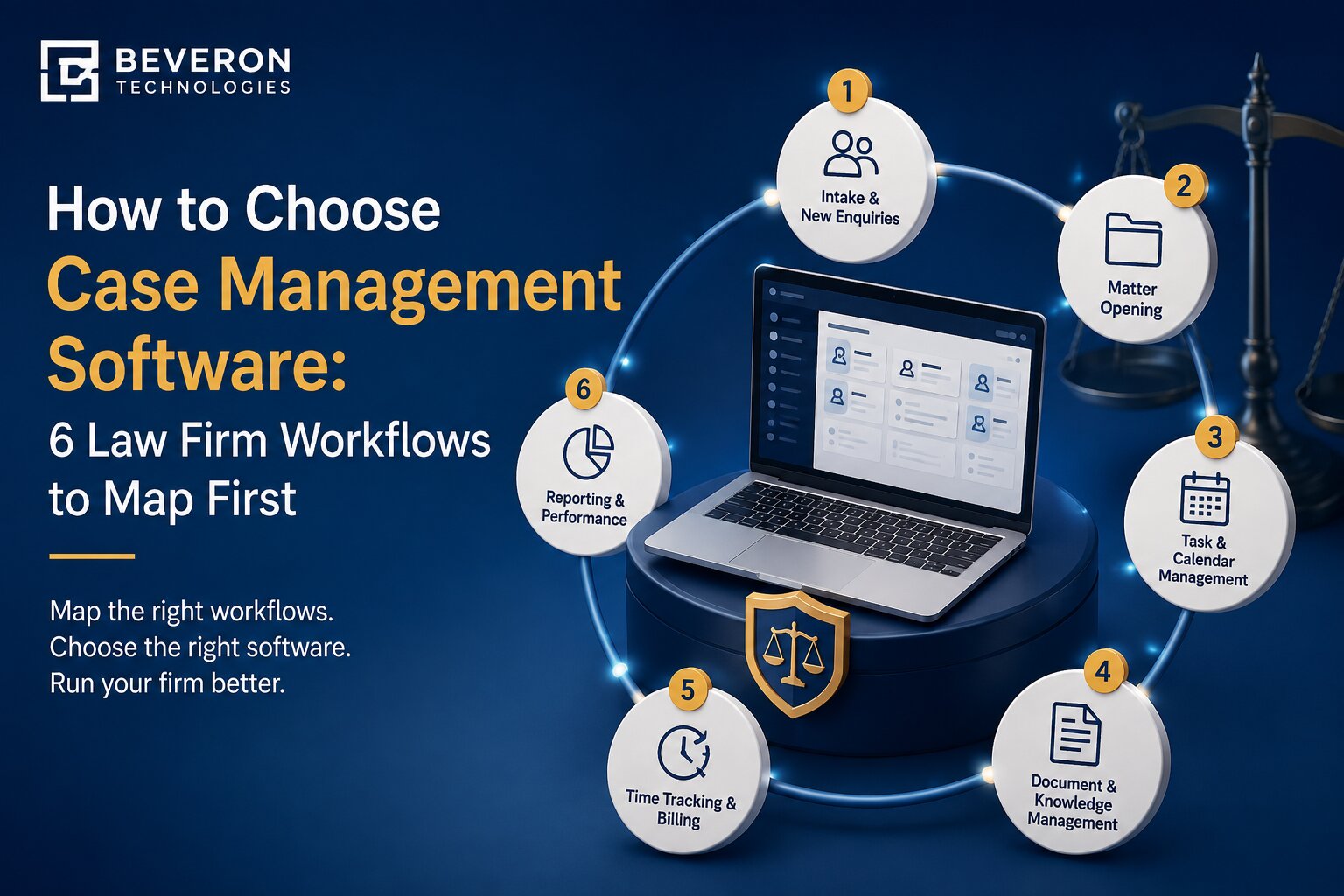
Legal case management software helps firms organise legal matters from intake to resolution.
It allows teams to:
- Track deadlines
- Monitor hearing schedules
- Assign tasks
- Manage case progress
- Organise legal notes
For example, a law firm managing multiple active litigation cases can use a central dashboard to monitor court dates, pending actions, and internal collaboration.
Legal Document Management Systems
Document management remains one of the most important components of paperless legal operations.
Strong document management systems provide:
- Secure digital storage
- Searchable records
- Version tracking
- Permission-based access
- Centralised file organisation
This significantly reduces the time spent searching for legal records or handling duplicate files.
Billing and Time Tracking Software
Manual billing processes often create delays and inaccuracies.
Digital billing systems help firms:
- Track billable hours accurately
- Generate invoices faster
- Monitor outstanding payments
- Improve revenue visibility
This becomes particularly useful for firms managing multiple clients and fee structures simultaneously.
Workflow Automation Tools
Administrative tasks consume substantial time inside many law firms.
Workflow automation tools help reduce repetitive processes such as:
- Deadline reminders
- Intake workflows
- Task assignments
- Follow-up notifications
- Internal approval routing
Solutions such as Smart Lawyer Office support legal workflow automation while helping firms reduce administrative bottlenecks and improve operational consistency.
Client Communication and Collaboration Tools
Communication is central to client satisfaction.
Modern legal platforms increasingly include the following:
- Secure client portals
- Shared document access
- Internal team messaging
- Automated notifications
These tools improve responsiveness while reducing communication gaps.
Benefits of Running a Paperless Law Office
The transition to paperless operations creates both operational and financial advantages for law firms.
Faster Access to Legal Documents
Digital records are easier to search, organise, and retrieve.
Instead of manually locating files, lawyers can access case-related documents within seconds using searchable systems.
Improved Productivity and Workflow Efficiency
Paperless workflows reduce time spent on repetitive administrative work.
This allows legal teams to focus more on:
- Legal strategy
- Client communication
- Case preparation
- Revenue-generating activities
Many firms report noticeable productivity improvements after digitising legal workflows.
Better Collaboration Across Legal Teams
Cloud-based systems improve collaboration across departments and locations.
Teams can access shared records, update case information in real time, and coordinate tasks more efficiently without relying heavily on physical paperwork.
Reduced Physical Storage and Operational Costs
Paper-heavy operations often require significant physical storage and printing expenses.
Digital systems help reduce the following:
- Printing costs
- Storage requirements
- Paper handling delays
- Manual administrative overhead
Enhanced Client Experience
Clients benefit when legal teams communicate clearly and respond quickly.
Digital workflows support:
- Faster updates
- Easier document sharing
- Improved transparency
- More organised communication
This helps strengthen long-term client relationships.
Common Challenges When Transitioning to a Paperless Law Office
While the benefits are significant, the transition process can present challenges.
Resistance to Workflow Changes
Many legal professionals are comfortable with long-established workflows.
Introducing new systems may initially create hesitation, especially when teams are used to traditional paper-based processes.
Data Migration and Document Digitisation
Migrating years of legal records into digital systems requires planning and organisation.
Without a structured migration strategy, firms risk operational disruption or incomplete records.
Security and Compliance Concerns
Security remains a major consideration during digital transformation.
Law firms must ensure systems provide:
- Encryption
- Secure backups
- Access controls
- Audit tracking
- Data protection measures
Software Adoption and Staff Training
Even advanced software can fail if teams struggle to use it effectively.
Successful implementation depends heavily on training, onboarding, and user-friendly design.
How Smart Lawyer Office Supports Paperless Legal Operations
Modern legal teams need systems that combine flexibility, automation, collaboration, and document visibility within one platform.
Smart Lawyer Office is a legal practice management solution designed to help law firms centralise legal workflows, organise digital records, automate administrative tasks, and improve operational collaboration.
The platform supports:
- Paperless document management
- Workflow automation
- Secure legal collaboration
- Billing visibility
- Cloud-enabled legal operations
For firms trying to reduce operational delays while improving workflow efficiency, structured legal software systems can significantly improve day-to-day productivity.
Future Trends in Paperless Legal Operations
Legal technology continues to evolve rapidly as firms modernise operations.
AI-Powered Legal Workflows
Artificial intelligence is increasingly being used to support:
- Legal research
- Contract review
- Document summarisation
- Workflow prioritisation
AI is helping legal teams reduce manual workload while improving efficiency.
Mobile-First Legal Operations
Lawyers increasingly expect mobile access to legal systems.
Mobile-friendly legal software allows professionals to review documents, monitor cases, and communicate with teams while working remotely.
Increasing Adoption of Cloud-Based Legal Software
Cloud infrastructure is becoming standard across many legal practices globally.
Industry trends in 2025 and 2026 show growing adoption of cloud-based legal SaaS platforms due to flexibility, scalability, and operational accessibility.
Frequently Asked Questions
What is a paperless law office?
A paperless law office uses digital systems to manage legal documents, billing, workflows, communication, and case management instead of relying heavily on physical paperwork.
Why are Philippine law firms going paperless?
Law firms are adopting paperless operations to improve efficiency, reduce administrative workload, strengthen document security, and support remote collaboration.
What software is needed for a paperless law office?
Law firms typically need legal case management software, document management systems, workflow automation tools, billing software, and secure collaboration platforms.
Is cloud-based legal software secure?
Most modern legal software platforms use encryption, secure backups, access controls, and compliance-focused security measures to protect sensitive legal information.
How does paperless legal software improve productivity?
Paperless legal software reduces manual administrative work, improves document accessibility, streamlines collaboration, and helps legal teams manage workflows more efficiently.
Conclusion
Paperless legal operations are becoming increasingly important for modern law firms in the Philippines.
As legal teams handle growing workloads, rising client expectations, and stricter operational requirements, digital legal workflows help firms improve efficiency without sacrificing compliance or service quality.
The right software ecosystem can help law firms streamline document management, improve collaboration, automate repetitive administrative work, and strengthen client communication.
For firms exploring digital transformation, solutions such as Smart Lawyer Office provide a practical way to centralise legal operations while supporting productivity and operational visibility.
If your firm is evaluating paperless legal workflow solutions, exploring a demo or consultation can be a valuable next step toward improving case tracking, billing efficiency, document accessibility, and overall legal operations.
Best legal practice management software in the Philippines
Best legal case management software for lawyers in the Philippines
Best law firm management software in the Philippines
If you need a free demo of the best legal practice management software in the Philippines, please fill out the form below.