Best Contract Management Software for Indian Enterprises in 2026

Managing contracts has become far more complicated for Indian enterprises than it was a few years ago. Businesses today handle thousands of agreements across procurement, HR, sales, legal, vendor management, compliance, and finance. From supplier contracts and NDAs to employee agreements and client onboarding documents, every process now depends on speed, accuracy, and visibility.
Yet many organisations still rely on emails, spreadsheets, shared folders, and manual approvals to manage critical contracts. This often leads to delayed approvals, missed renewal deadlines, compliance risks, and operational inefficiencies that directly affect business performance.
As enterprises continue their digital transformation journey in 2026, contract management software has become a strategic business tool rather than just a legal department solution. Companies are increasingly investing in automation platforms that simplify contract lifecycle management, improve collaboration, and reduce legal and financial risks.
According to global industry studies, ineffective contract management can result in revenue leakage of nearly 5% to 9% annually due to missed obligations, poor visibility, and inefficient processes. For fast-growing Indian enterprises, these inefficiencies can quickly become expensive.
This guide explores the best contract management software solutions for Indian enterprises in 2026, the features businesses should prioritise, and how modern platforms are helping organisations improve efficiency and compliance.
Why Contract Management Software Has Become Essential for Indian Enterprises
Indian enterprises are growing rapidly across sectors such as IT, manufacturing, healthcare, BFSI, retail, logistics, and real estate. With growth comes increased complexity in managing agreements across departments, vendors, and locations. Legal and operational teams are now expected to support faster business decisions while maintaining compliance and reducing risk. Manual contract processes simply cannot keep up with the pace of modern enterprise operations.
A delayed procurement contract can postpone project execution. A missed renewal notice can lead to financial penalties. An outdated agreement version can create legal confusion during negotiations.
These problems are more common than many organisations realise.
Common Challenges Businesses Face With Manual Contract Processes
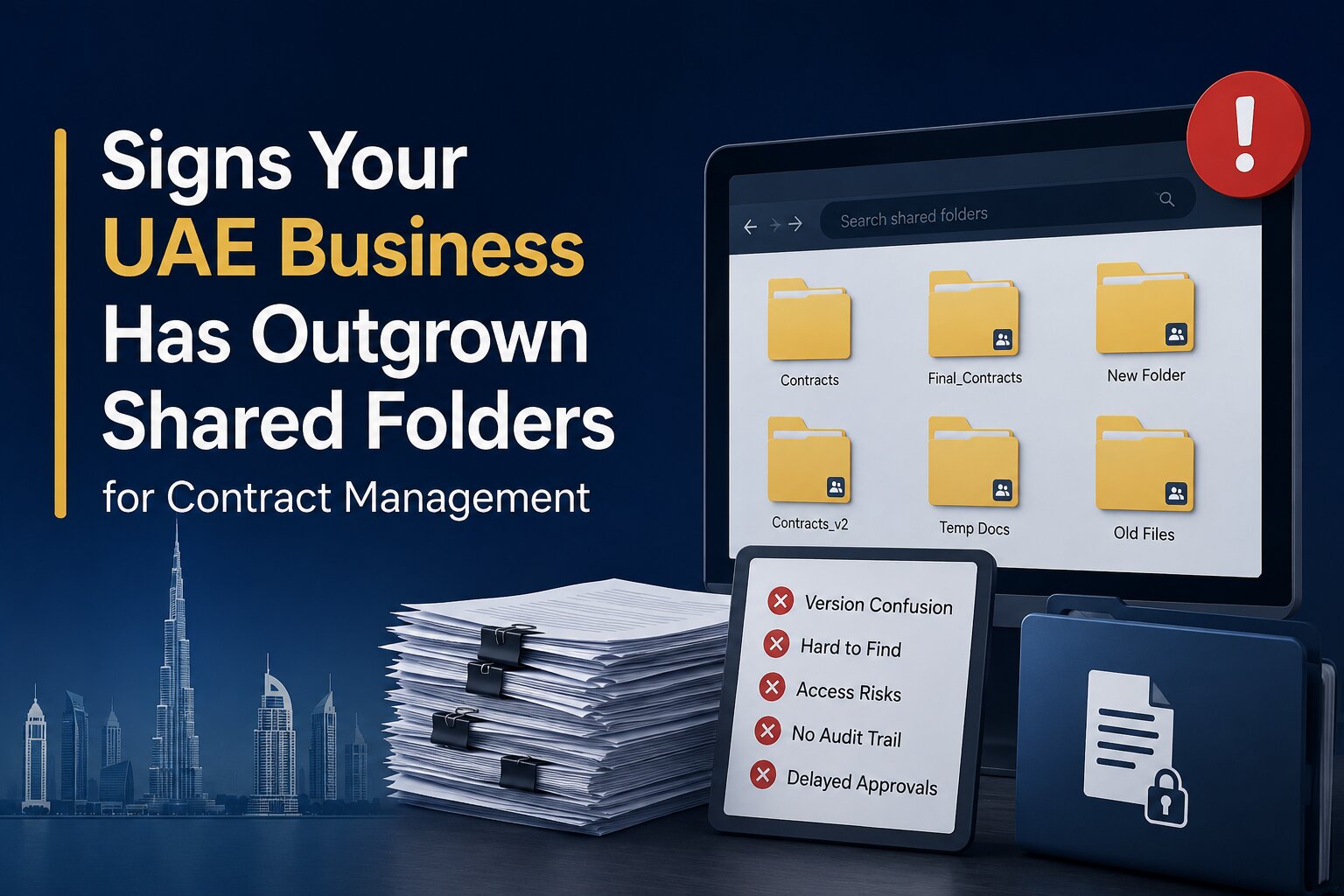
Many enterprises still struggle with fragmented contract handling systems. Teams often store documents across emails, desktops, cloud drives, and physical files, making retrieval difficult and time-consuming.
Some of the most common issues include:
- Missed renewal and expiry dates
- Delayed internal approvals
- Lack of contract visibility
- Difficulty tracking obligations
- Version control confusion
- Compliance and audit risks
- Slow collaboration between departments
Consider a procurement team waiting several days for contract approvals through email chains while a supplier onboarding process remains stuck. These delays can directly affect operations, customer delivery timelines, and revenue opportunities.
As contract volumes increase, these inefficiencies become even harder to manage manually.
The Rise of Legal Automation in India
Indian enterprises are increasingly adopting legal automation technologies to improve operational efficiency and reduce administrative workload.
Modern businesses now expect legal teams to function as strategic business enablers rather than only handling documentation and disputes. This shift has accelerated the adoption of:
- AI-powered contract review tools
- Automated approval workflows
- Centralised legal repositories
- Digital audit tracking
- E-signature integrations
- Cloud-based legal operations platforms
The growing focus on governance, data protection, and operational transparency is also pushing organisations toward structured contract lifecycle management systems.
What Is Contract Management Software?
Contract management software is a digital platform that helps organisations manage contracts throughout their entire lifecycle. Instead of relying on scattered files and manual tracking, enterprises can use a centralised system to efficiently create, review, approve, store, track, renew, and monitor agreements.
This type of platform is often referred to as Contract Lifecycle Management (CLM) software because it manages every stage of the contract process from initiation to renewal or termination. Modern contract management platforms also improve collaboration between legal, procurement, HR, finance, and business teams by ensuring everyone works within a unified workflow.
Key Stages in the Contract Lifecycle
A typical contract lifecycle includes several important stages:
Contract Request
The process begins when a department requests a new agreement, such as a vendor contract or service agreement.
Drafting
Legal or business teams prepare the initial contract draft using templates or clause libraries.
Internal Review
Stakeholders review the contract for legal, financial, operational, or compliance considerations.
Negotiation
Both parties discuss changes, negotiate terms, and finalise clauses.
Approval Workflow
The contract moves through predefined approval hierarchies before execution.
E-Signature and Execution
The agreement is digitally signed and formally executed.
Renewal or Termination
The system tracks important dates and sends reminders before renewals or expirations. When managed manually, these stages often create delays and confusion. Contract management software simplifies the process through automation and structured workflows.
Key Features to Look for in the Best Contract Management Software in 2026
Not every platform offers the same level of functionality. Indian enterprises should evaluate solutions based on scalability, usability, compliance support, and automation capabilities.
AI-Powered Contract Search and Analysis
AI is becoming one of the most valuable features in modern contract management software.
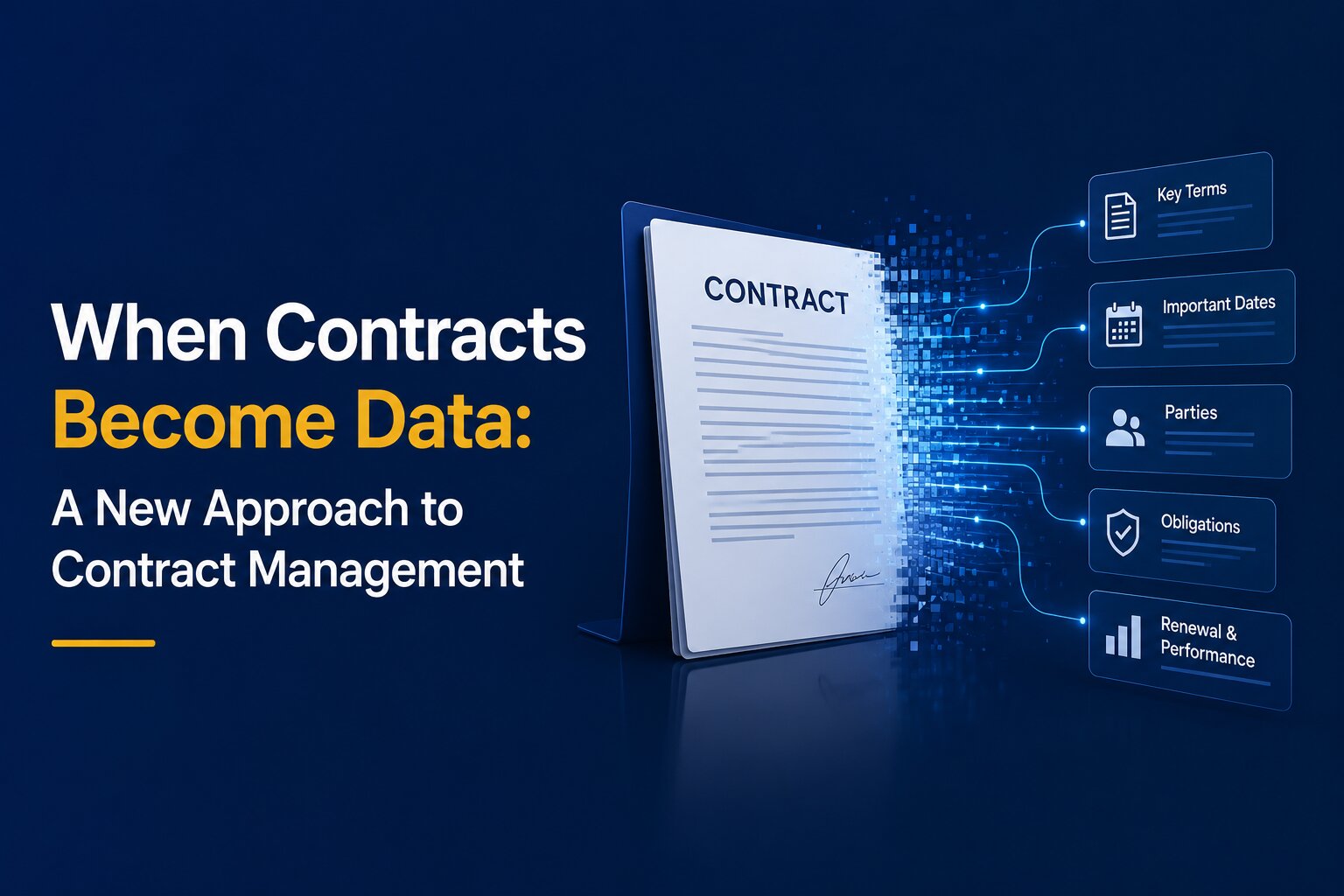
Instead of manually searching through hundreds of agreements, teams can quickly locate clauses, obligations, renewal dates, and risk indicators using intelligent search capabilities.
AI-assisted review tools can also help legal teams identify:
- Non-standard clauses
- Missing terms
- Compliance risks
- Contract inconsistencies
This significantly reduces the time spent on manual contract review processes.
Automated Approval Workflows
One of the biggest causes of operational delays is slow contract approval cycles.
Modern platforms allow organisations to automate approval routing based on:
- Department
- Contract type
- Contract value
- Business unit
- Risk level
This reduces dependency on email follow-ups and improves turnaround time across procurement, legal, finance, and HR operations.
Centralised Contract Repository
A centralised contract repository ensures all agreements are stored securely in one location with controlled access permissions.
This improves:
- Document visibility
- Retrieval speed
- Audit readiness
- Collaboration efficiency
Instead of searching through multiple folders or inboxes, authorised users can instantly access the required documents.
Compliance and Audit Tracking
Compliance has become increasingly important for enterprises operating across multiple jurisdictions and regulatory frameworks.
Contract management software helps businesses maintain:
- Complete audit trails
- Approval histories
- Version records
- Obligation tracking
- Compliance monitoring
This is especially important for industries such as BFSI, healthcare, telecom, and manufacturing where regulatory oversight is stricter.
Integration With Enterprise Systems
The best contract management software integrates smoothly with existing business systems such as:
- ERP platforms
- CRM software
- HR systems
- Procurement tools
- E-signature applications
Integrated workflows improve efficiency and reduce duplicate data entry across departments.
Best Contract Management Software Solutions for Indian Enterprises in 2026
The ideal solution depends on business size, operational complexity, industry requirements, and scalability needs.
Beveron Smart Legal Contract
Beveron’s Smart Legal Contract platform is designed to help enterprises streamline contract workflows, improve visibility, and simplify legal operations.
The platform focuses on areas such as:
- Automated approval workflows
- Centralised contract tracking
- Legal process visibility
- Workflow customisation
- Compliance management
- Enterprise collaboration
For organisations managing large contract volumes across multiple departments, structured workflow automation can significantly reduce administrative delays and improve governance. The platform is particularly suitable for enterprises seeking a scalable legal operations environment that supports both efficiency and compliance.
Other Enterprise CLM Platforms in the Market
Several global and regional contract lifecycle management platforms are also available for Indian enterprises. Some focus heavily on procurement workflows, while others specialise in enterprise legal operations or document automation.
When comparing solutions, businesses should evaluate:
- Ease of implementation
- User experience
- AI capabilities
- Scalability
- Security standards
- Integration support
- Customisation flexibility
- Local business adaptability
Choosing a platform purely based on features without considering usability and long-term scalability often leads to poor adoption internally.
How to Choose the Right Contract Management Software for Your Business
Selecting the right platform requires a clear understanding of organisational workflows, contract volume, and operational priorities.
Evaluate Based on Business Size and Workflow Complexity
A mid-sized company may only require basic approval automation and contract storage, while large enterprises may need:
- Multi-level approval workflows
- Cross-department collaboration
- Advanced compliance tracking
- AI-assisted review
- Multi-location access
The software should align with both current and future business requirements.
Prioritise Ease of Adoption
The success of any legal technology platform depends heavily on how quickly teams can adapt to it. Even the most feature-rich solution can struggle to deliver value if employees find the system confusing or difficult to navigate.
To encourage faster adoption across departments, businesses should look for platforms that offer:
- Clean and user-friendly dashboards
- Intuitive approval and contract workflows
- Minimal training requirements
- Faster onboarding for legal and business teams
When employees feel comfortable using the platform from day one, organisations experience smoother implementation, higher productivity, and stronger long-term ROI from their digital transformation initiatives.
Consider Long-Term Scalability
Contract management needs rarely stay the same. As businesses expand, contract volumes increase, approval processes become more complex, and multiple teams begin working within the same system.
That is why enterprises should invest in platforms designed to scale alongside business growth by supporting:
- Expanding business operations
- Multiple departments and legal teams
- Higher contract volumes
- Cross-border or international operations
- Additional business units and workflows
A scalable CLM platform helps organisations avoid operational bottlenecks and reduces the need for expensive system replacements in the future.
Security and Data Protection Considerations
Contracts often contain confidential business terms, financial data, compliance information, and sensitive legal records. Protecting this information is essential for maintaining operational security and regulatory compliance.
Modern contract management platforms should provide robust security features such as:
- Role-based access controls
- End-to-end data encryption
- Secure cloud infrastructure
- Automated backup and disaster recovery
- Detailed audit trails and activity logs
As data governance and cybersecurity expectations continue to rise globally, strong security capabilities have become a critical requirement rather than an optional feature.
Faster Contract Turnaround Time
In many organisations, contracts move slowly because approvals depend heavily on emails, manual reviews, and fragmented communication between departments. Even a small delay can affect procurement timelines, vendor onboarding, or customer agreements. Automated workflows remove these bottlenecks by routing contracts to the right stakeholders instantly and tracking every stage of the approval process.
This helps businesses:
- Accelerate procurement cycles
- Improve vendor onboarding speed
- Finalise client agreements faster
- Reduce repetitive administrative work
- Avoid unnecessary approval delays
For example, instead of waiting several days for manual follow-ups, a procurement contract can automatically move from legal review to finance approval within minutes. Faster contract execution ultimately improves business agility and allows teams to respond quickly to market opportunities.
Reduced Legal and Financial Risks
Missed deadlines, outdated contract versions, and poorly tracked obligations can create serious financial and legal consequences for enterprises. Contract management software gives organisations greater visibility into their agreements, helping teams proactively monitor renewals, compliance requirements, payment obligations, and risk-sensitive clauses.
This reduces the likelihood of:
- Revenue leakage
- Contract disputes
- Compliance violations
- Missed renewal penalties
- Unauthorised contract changes
Modern platforms also maintain complete audit trails, making it easier for enterprises to demonstrate accountability during internal audits, regulatory reviews, or dispute resolution processes. Instead of reacting to problems after they occur, businesses gain the ability to identify and address risks early.
Improved Collaboration Across Teams
Contracts are rarely managed by legal teams alone. Procurement, HR, finance, sales, compliance, and operations departments are all involved at different stages of the contract lifecycle. Without a centralised system, communication gaps often lead to confusion, duplicated work, and delayed approvals.
Modern contract management platforms create a shared environment where teams can collaborate more efficiently while maintaining clear visibility into responsibilities and workflows.
This improves coordination between:
- Legal teams
- Procurement departments
- HR divisions
- Finance teams
- Sales operations
- Vendor management teams
With everyone working from a single source of truth, organisations can improve accountability, reduce misunderstandings, and ensure smoother cross-functional collaboration.
Better Business Intelligence and Reporting
Contracts contain valuable business data that can support strategic decision-making when managed properly.
Advanced contract management platforms provide reporting and analytics tools that help enterprises track:
- Contract status and progress
- Upcoming renewals and expirations
- Approval bottlenecks
- Vendor performance trends
- Contract value distribution
- Compliance metrics
These insights allow leadership teams to identify inefficiencies, forecast risks, and make more informed operational decisions.
For growing enterprises, access to real-time contract intelligence can significantly improve planning, governance, and long-term business strategy.
Emerging Trends in Contract Management Software for 2026
Contract management technology is evolving rapidly as enterprises increasingly adopt AI, automation, and cloud-based legal operations platforms. In 2026, businesses are looking for smarter systems that not only manage contracts but also improve decision-making, reduce risk, and support faster operations.
The focus is gradually shifting from basic document storage toward intelligent contract lifecycle management.
AI-Assisted Contract Drafting
Legal teams spend a significant amount of time drafting repetitive agreements, reviewing standard clauses, and preparing contract summaries.
AI-powered drafting tools are helping reduce this workload by automatically generating:
- Standard contract clauses
- Draft templates
- Contract summaries
- Suggested edits
- Risk recommendations
This allows legal professionals to spend less time on repetitive administrative tasks and more time on strategic legal work. Rather than replacing legal expertise, AI acts as a support system that improves speed and consistency across contract processes.
Predictive Risk Monitoring
One of the biggest advancements in modern contract management software is predictive risk analysis.
Instead of identifying issues after contracts are signed, intelligent platforms can now proactively detect:
- Clause deviations
- Missing compliance terms
- Delayed obligations
- High-risk language
- Unusual contractual patterns
This early visibility helps enterprises reduce exposure to legal and financial risks before they become costly problems.
As regulatory requirements continue to grow, predictive monitoring is becoming increasingly valuable for large organisations managing complex agreements.
Increased Adoption of Cloud-Based Legal Platforms
Cloud-based legal systems are becoming the preferred choice for enterprises because they offer flexibility, accessibility, and scalability.
Businesses today require platforms that support:
- Remote and hybrid work environments
- Real-time collaboration
- Multi-location accessibility
- Centralised document management
- Faster system updates
Cloud infrastructure also simplifies maintenance and allows enterprises to scale operations more efficiently as contract volumes increase. For organisations operating across multiple offices or business units, cloud-based contract management provides far greater operational visibility and consistency.
Integration of Generative AI in Legal Operations
Generative AI is beginning to play a larger role in enterprise legal operations.
Modern platforms are exploring AI capabilities for:
- Contract summarisation
- Clause recommendations
- Legal research assistance
- Workflow automation
- Obligation extraction
These technologies can help reduce manual workload while improving speed and productivity across legal and business teams. Although human legal expertise remains essential, generative AI is becoming a valuable tool for improving operational efficiency and simplifying complex contract processes.
Why Indian Enterprises Are Moving Toward Smart Legal Contract Platforms
Businesses today need more than simple document storage systems. They require intelligent platforms that improve speed, governance, and collaboration across the enterprise.
Modern Smart Legal Contract platforms help organisations:
- Automate approvals
- Improve contract visibility
- Track compliance obligations
- Reduce operational delays
- Strengthen governance processes
For example, a manufacturing enterprise managing hundreds of supplier agreements across multiple states can use automated reminders, approval routing, and centralised tracking to avoid disruptions and maintain compliance.
As enterprises continue to modernise legal operations, contract management software is becoming a foundational business system rather than an optional technology investment.
Final Thoughts
Contract management is no longer just an administrative process handled by legal departments. It has become a critical part of enterprise efficiency, compliance, and risk management. As Indian businesses continue to scale in 2026, the demand for intelligent, automated, and collaborative contract lifecycle management solutions will only increase.
The best contract management software helps organisations:
- Improve operational efficiency
- Accelerate approvals
- Reduce legal risks
- Enhance visibility
- Strengthen compliance
Choosing the right platform requires careful evaluation of business workflows, scalability needs, user adoption, and integration capabilities.
Solutions such as Beveron’s Smart Legal Contract platform reflect the growing shift toward enterprise legal automation designed to support modern business operations with greater speed, visibility, and control.
Frequently Asked Questions
What is the best contract management software for Indian enterprises?
The best contract management software depends on factors such as business size, workflow complexity, compliance requirements, and scalability needs. Enterprises typically prioritise automation, AI-assisted review, secure storage, and workflow visibility.
What does contract lifecycle management software do?
Contract lifecycle management software helps organisations create, review, approve, store, track, and renew contracts through a centralised digital system.
How does contract management software improve compliance?
It improves compliance by maintaining audit trails, tracking obligations, monitoring approval workflows, and sending renewal or expiry alerts.
Is AI used in modern contract management software?
Yes. Many modern platforms use AI to analyse clauses, identify risks, automate searches, and improve the efficiency of contract review.
Which industries benefit most from contract management software?
Industries such as IT, BFSI, healthcare, manufacturing, telecom, logistics, procurement, and real estate benefit significantly from contract automation and lifecycle management platforms.
Best contract management software in India
Best enterprise contract management solutions in India
Best ai contract management software in India
If you need a free demo of the best contract management software in India, please fill out the form below.