7 Ways AI Legal Software Revolutionizes In-House Teams in 2026

In-house legal departments today are expected to do more with fewer resources. They must manage increasing compliance requirements, large volumes of contracts, and complex legal risks—often while working with limited budgets and smaller teams.
As legal operations become more demanding, many organizations are turning to AI-powered Corporate Legal Management (CLM) solutions to modernize how legal work is handled. These platforms help automate repetitive tasks, centralize legal information, and provide data-driven insights that support faster and more informed decision-making.
Organizations adopting AI-driven legal management technologies are increasingly seeing improvements in efficiency and cost control. Modern legal management tools help reduce manual workloads, improve collaboration, and give legal teams better visibility into their matters and contracts.
This shift reflects a broader trend toward digital transformation in legal departments. Automation and intelligent platforms are enabling teams to streamline processes, reduce legal risks, and make better data-driven decisions. As a result, in-house legal teams are moving away from manual processes and embracing smarter systems that help them deliver greater strategic value to the business.
1. Automating Contract Lifecycle Management
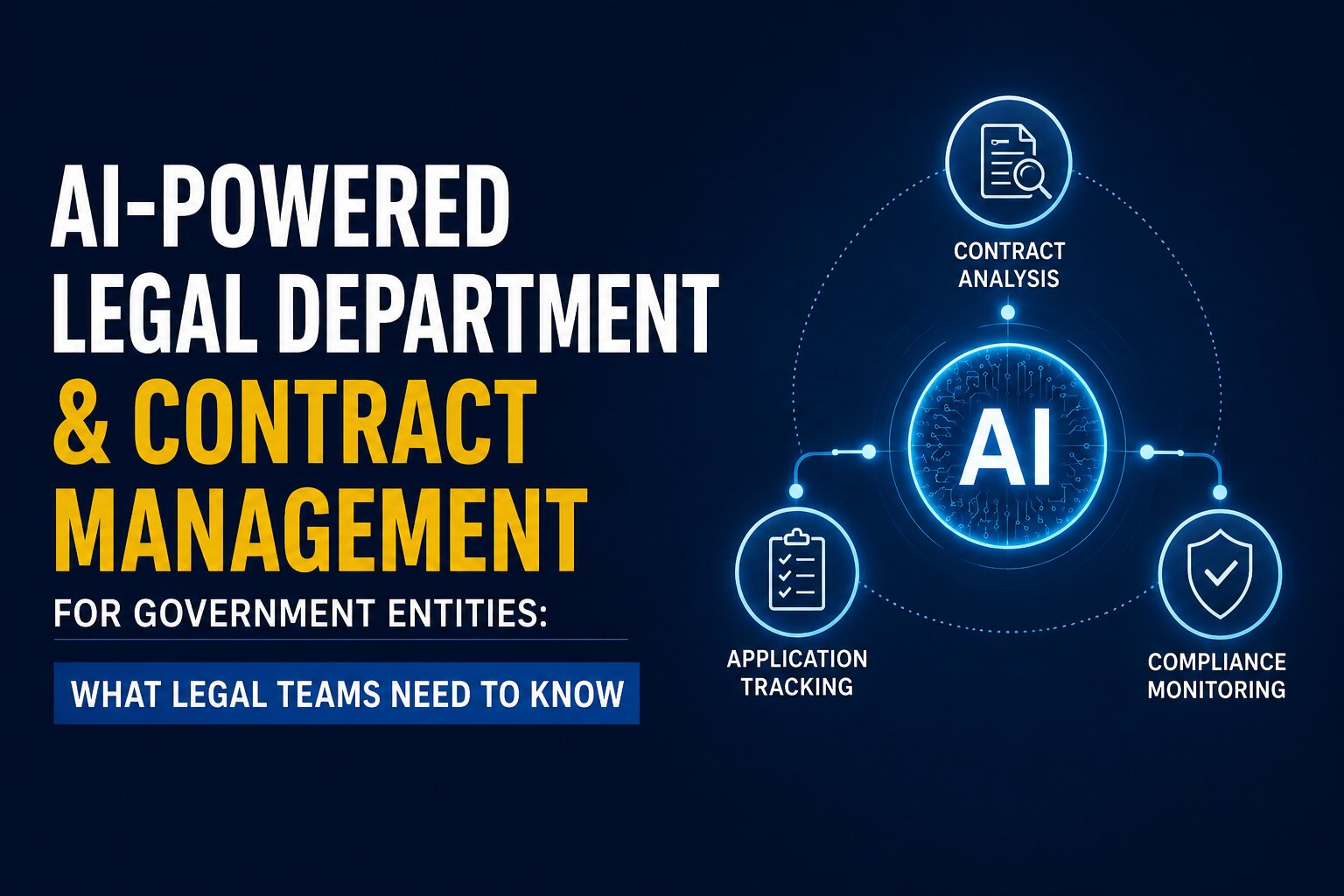
Contracts are one of the most time-consuming responsibilities for in-house legal teams. Reviewing, drafting, negotiating, and tracking contracts manually can take days or even weeks. AI-powered CLM platforms simplify the entire process. Using natural language processing, the system can quickly review contracts, identify important clauses, and highlight potential risks. Legal teams can generate contract drafts from approved templates and automatically send them for internal approvals.
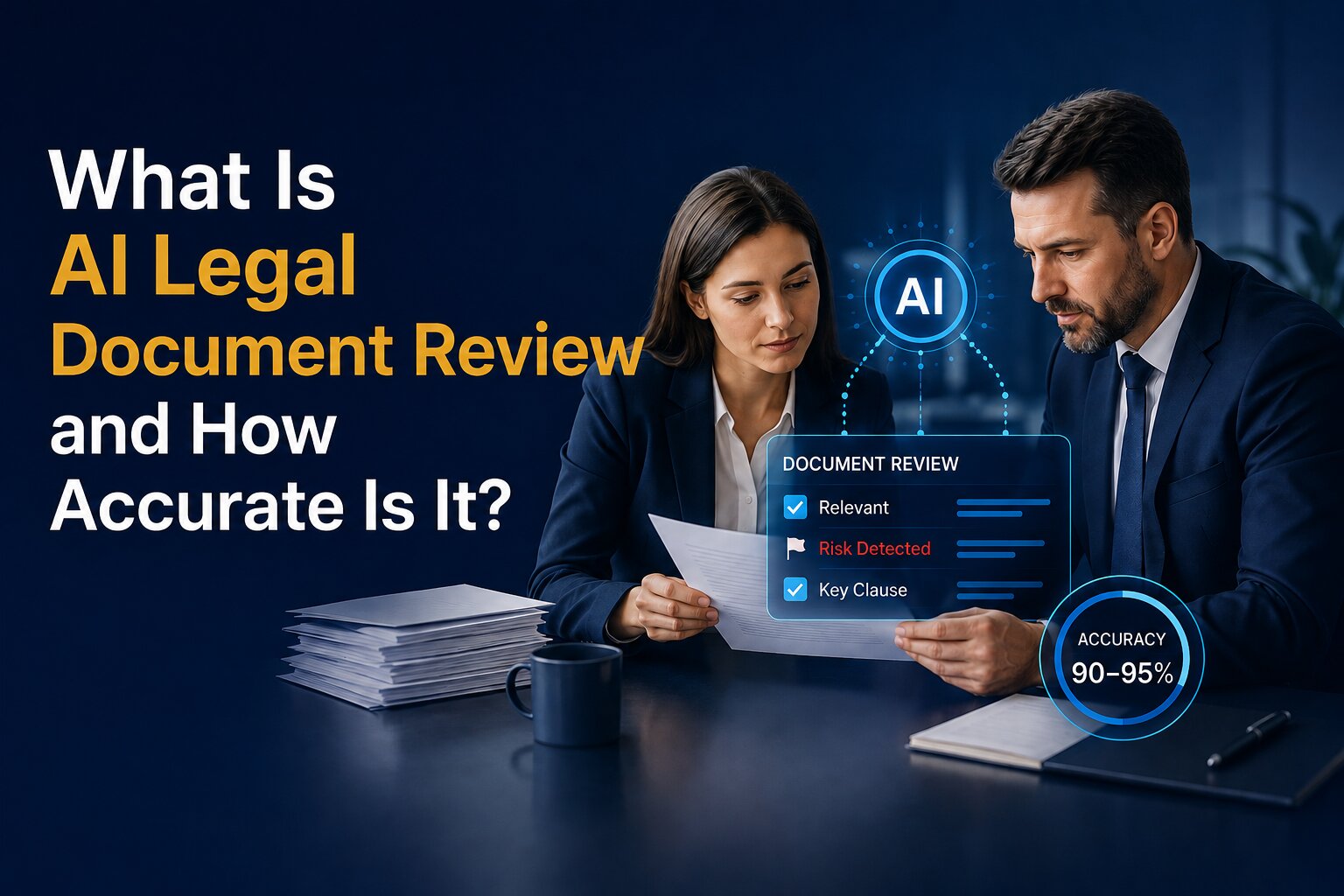
Many large organizations have already adopted AI-driven contract tools to accelerate review processes and improve efficiency. In many cases, companies report reducing contract review time by up to 70%, allowing legal teams to focus on more strategic work.
2. Predictive Risk Analytics
AI systems can analyze large amounts of legal and operational data to identify patterns that humans might miss. By studying historical cases, contract disputes, and regulatory trends, machine learning models can predict potential legal risks.
For example, AI can estimate the likelihood of contract breaches, identify clauses that frequently lead to disputes, or detect vendors that may pose compliance risks. With these insights, legal departments can prioritize high-risk matters earlier, reduce potential liabilities, and support better decision-making across the organization.
3. Intelligent Compliance Monitoring
Keeping up with regulatory requirements across different regions is a major challenge for corporate legal teams. AI-powered legal management systems can continuously monitor regulatory changes and apply them to contract and policy data. For example, updates related to global data protection regulations or emerging regional compliance rules can automatically trigger alerts.
These systems also generate audit trails and compliance reports, helping organizations stay prepared for internal audits and regulatory reviews. By automating compliance monitoring, companies can significantly reduce the risk of penalties and legal issues.
4. Streamlined Matter Management
In-house legal teams often manage many legal matters at the same time—ranging from contract disputes to internal advisory requests. AI-powered matter management tools help organize and prioritize these tasks. The system can automatically categorize incoming legal requests, assign them to the right legal professionals based on expertise, and track deadlines.
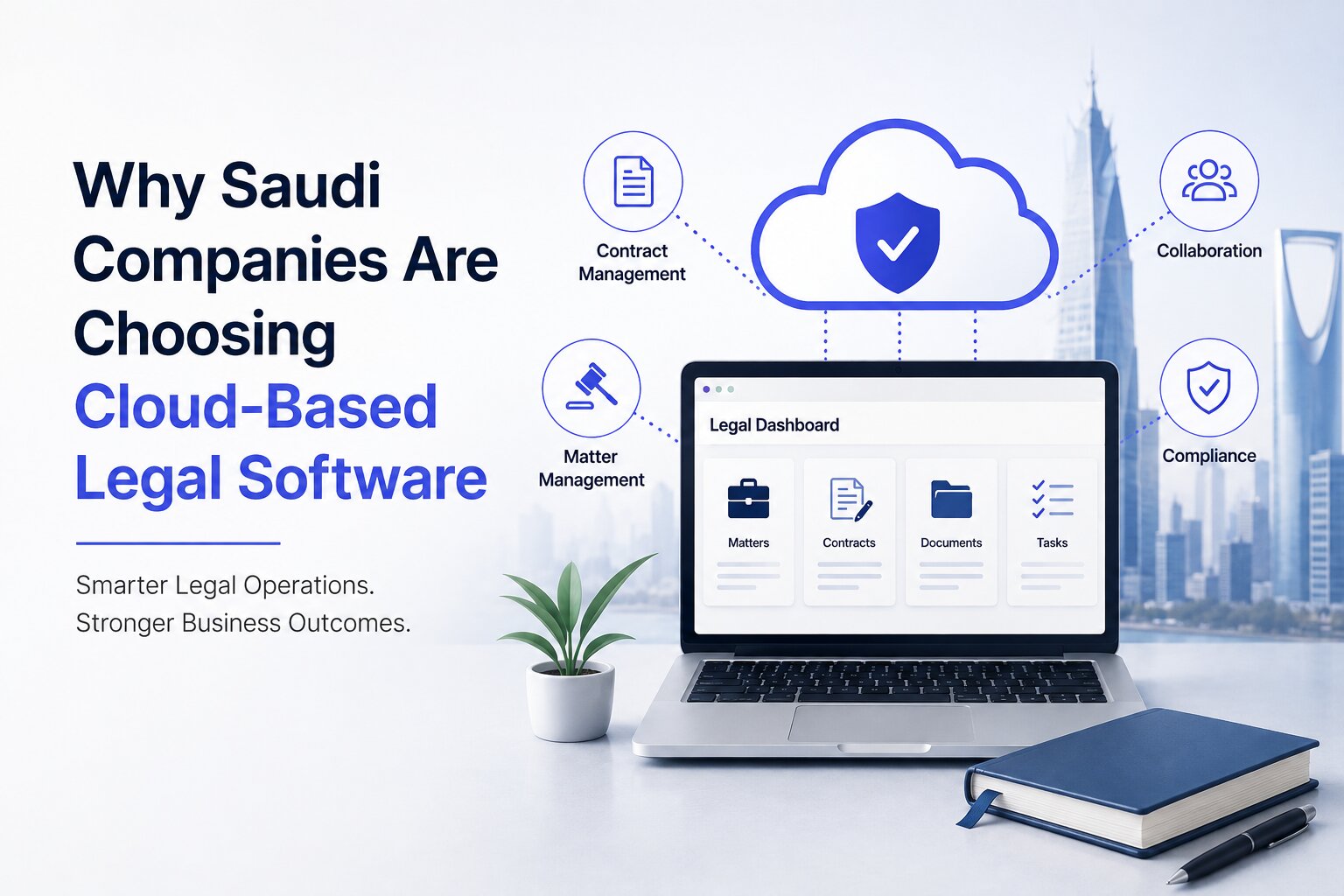
Many platforms also provide dashboards that show workload distribution, case progress, and overall legal performance. This helps legal departments move from reactive work to more proactive legal strategy.
5. Enhanced E-Discovery and Litigation Support
When litigation or investigations occur, legal teams often need to analyze massive amounts of data, including emails, documents, and communication records. AI-powered e-discovery tools can process and analyze this information much faster than manual methods. Using semantic search and advanced data classification, the system identifies relevant documents and highlights important evidence.
This significantly reduces the time required to prepare for legal proceedings and can cut e-discovery costs by nearly 50%, making litigation management far more efficient.
6. Collaborative Workflow Integration
Modern legal work involves constant collaboration with other departments such as finance, procurement, and sales. AI-powered CLM systems often integrate with commonly used enterprise communication and business management tools. These integrations allow contracts, approvals, and legal requests to move smoothly across teams and departments.
AI can also recommend clause libraries during contract drafting and automatically route documents to the appropriate stakeholders for approval. As a result, teams collaborate more efficiently without relying on long email chains or manual follow-ups.
7. Advanced Reporting and ROI Insights
One of the biggest challenges for legal departments is demonstrating their value to company leadership. AI-powered legal management platforms provide advanced analytics and reporting tools that convert legal activity into measurable business insights. Legal leaders can generate dashboards showing metrics such as contract turnaround time, dispute resolution rates, and cost savings.
Some platforms also use generative AI to create executive reports that clearly show how legal teams contribute to business outcomes—for example, preventing disputes or reducing legal expenses. These insights help legal leaders justify technology investments and align their work more closely with organizational goals.
Traditional vs. AI-Powered CLM Software
Traditional Corporate Legal Management (CLM) software relies on manual processes and rule-based systems, while modern AI-powered versions leverage machine learning, NLP, and predictive analytics for automation and insights.
Feature | Traditional CLM Software | AI-Powered CLM Software |
Contract Review | Manual line-by-line checks; template-based. | NLP auto-flags risks, suggests edits (95% accuracy). |
Risk Prediction | Basic alerts based on static rules. | ML forecasts breaches/litigation (85% accuracy). |
Compliance | Periodic manual audits. | Real-time global reg tracking with auto-alerts. |
Workflow | Rigid, siloed tasks requiring data entry. | Predictive task assignment, seamless integrations. |
E-Discovery | Keyword searches across docs (slow). | Semantic analysis of terabytes in hours (50% cost cut). |
Reporting | Static dashboards, manual ROI calculation. | GenAI custom insights, predictive budgeting. |
Cost/Speed | Higher labor costs; days/weeks per task. | 30-70% savings; minutes for routine work. |
Why Legal Teams Should Shift to AI-Powered CLM Software
In-house legal departments face overwhelming contract volumes, growing compliance pressures, and increasing budget constraints—challenges that traditional systems often struggle to handle efficiently. AI-powered CLM solutions help address these issues by automating routine tasks, improving risk visibility, and streamlining legal workflows.
By reducing manual work and providing predictive insights, these platforms allow legal teams to focus more on strategic legal advisory rather than administrative tasks. Organisations that adopt AI-driven legal management tools often experience faster decision-making, improved operational efficiency, and fewer legal disputes.
Spotlight on Beveron Technologies
One example of this shift toward smarter legal operations is Smart Legal Counsel, an AI-powered platform developed by Beveron Technologies.
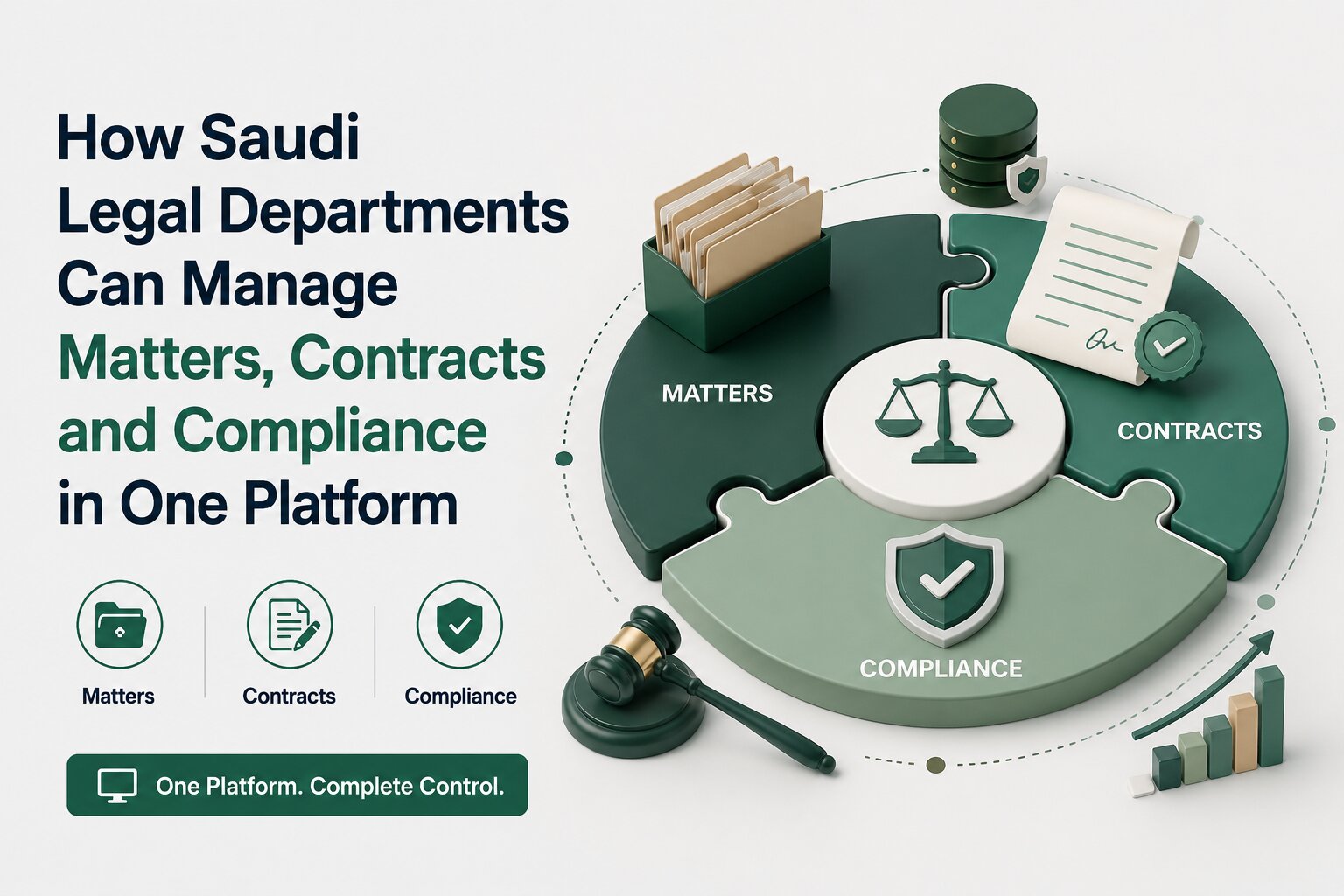
The platform is designed to support in-house legal teams by combining contract management, risk assessment, and workflow automation within a single system. By centralizing legal data and processes, it helps organizations manage legal work more efficiently while improving visibility across departments.
Smart Legal Counsel for Modern In-House Teams
Smart Legal Counsel (SLC) enables legal teams to handle contracts, legal matters, and compliance processes in a more structured and efficient way. The platform helps reduce manual effort while improving collaboration between legal teams and other business departments.
With tools designed to support evolving legal requirements, SLC allows organizations to maintain compliance, streamline workflows, and manage increasing legal workloads with greater consistency and control.
What Organizations Should Consider Next
Evaluate ROI via pilot programs on high-volume contracts, prioritizing platforms with strong data security (e.g., SOC 2 compliance) and UAE/India regulatory alignment. Assess team training needs, integration ease with existing ERP/CRM, and vendor support for custom AI models. Budget for scalability as 2026 regs evolve, starting with hybrid traditional-AI setups for minimal disruption.
Conclusion
Shifting to AI-powered CLM isn't optional—it’s essential for agile, future-proof legal operations in 2026. By automating the mundane and amplifying expertise, these tools deliver measurable ROI and a competitive edge.
As regulatory requirements continue to evolve and business operations become more complex, legal departments need smarter systems to keep pace. AI-powered legal management platforms enable teams to work more efficiently, reduce risks, and provide strategic insights that support better business decisions. Organizations that embrace these technologies today will be better positioned to build resilient, data-driven legal operations for the future.
Ready to revolutionize your in-house legal team? Book a free demo of Beveron's Smart Legal Counsel today and cut contract review time by 70%—start your 2026 transformation now!
Best AI-powered corporate legal management software
Best legal management software for in-house teams
Best legal automation software for corporates
If you need free demo on the best AI-powered corporate legal management software, please fill the form below.